
10-Day African Plains Game Safari in North West Province, SA
Booking Season: 2026
Hunt Difficulty: Moderate

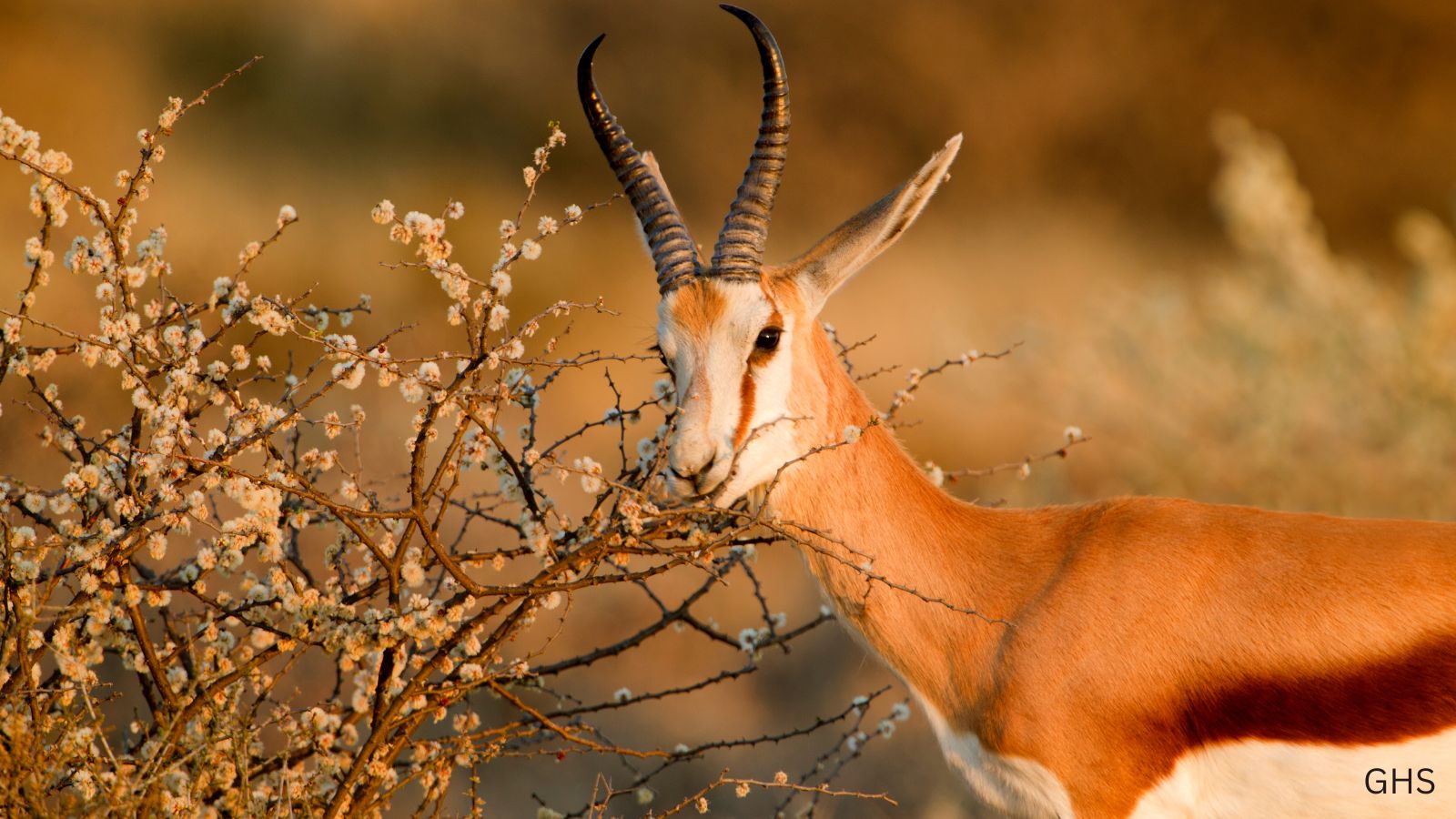
Planning one of your first Springbok hunts feels a bit like preparing for a masterclass in open-country stalking. It’s the bread and butter of a South African safari, yet it remains one of the most rewarding challenges for both greenhorns and seasoned pros. You’re not just chasing an animal: you’re chasing a symbol of the continent. But let’s be honest for a second, Africa can be intimidating. Between the logistics of getting your rifle through customs and the fear of booking with an outfitter who overpromised and underdelivered, the anxiety is real. That’s where we come in.
At Game Hunting Safaris, we’ve spent years vetting operators and walking the ground ourselves to ensure that when you book a trip, the only thing you need to worry about is your trigger squeeze. Whether you are after the common variety for the pot or chasing the elusive color variants for a Grand Slam, the Springbok offers a fast-paced, high-volume hunting experience that is hard to beat. They are small, tough, and notoriously sharp-eyed. If you can hunt these antelope successfully in the vast openness of the Karoo or the Kalahari, you can hunt just about anything.
Available Springbok Hunts
10-Day African Plains Game Safari in North West Province, SA
Booking Season: 2026
Hunt Difficulty: Moderate
Hunting Safari in SA 10 x Nights Plains Game Combination
Booking Season: 2025
Hunt Difficulty: Difficult
Plains Game Hunting in South Africa 5 Star Luxury 4 x 2
Booking Season: 2026
Hunt Difficulty: Moderate, Difficult
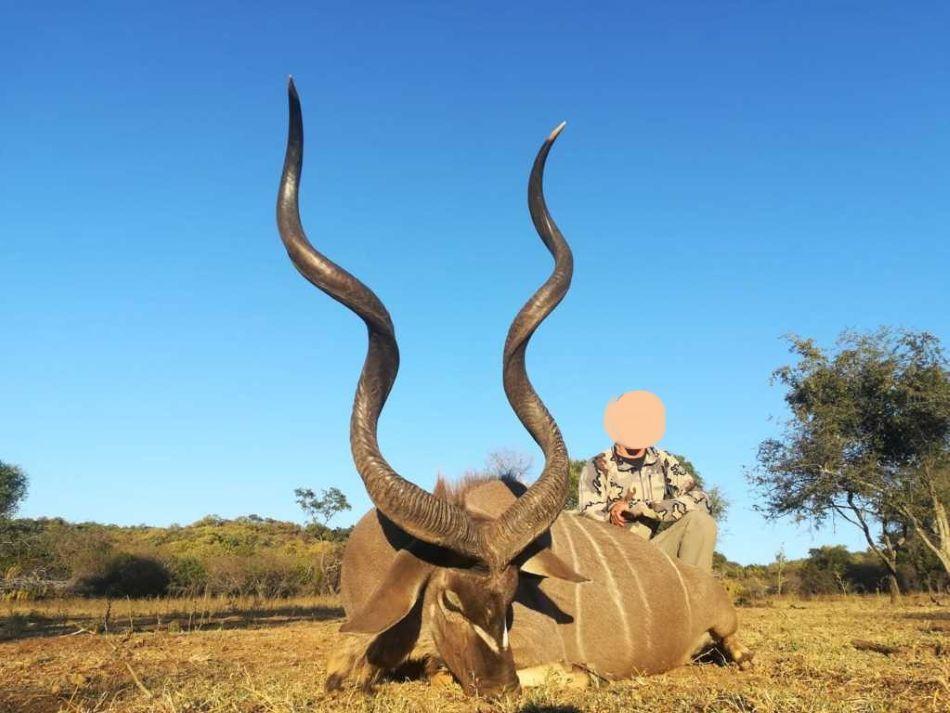
10-Day Plains Game Extravaganza Hunting in South Africa
Booking Season: 2026
Hunt Difficulty: Moderate
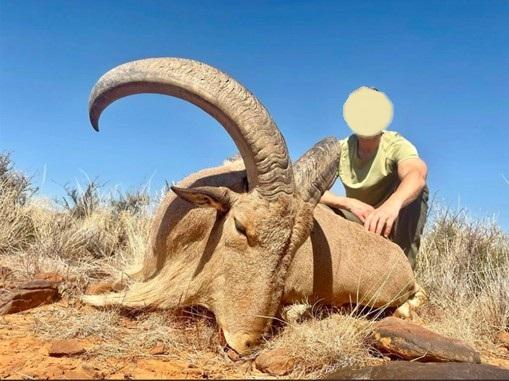
African Plains Game Hunt, 7 Nights in the Free State, SA
Booking Season: 2026
Hunt Difficulty: Moderate
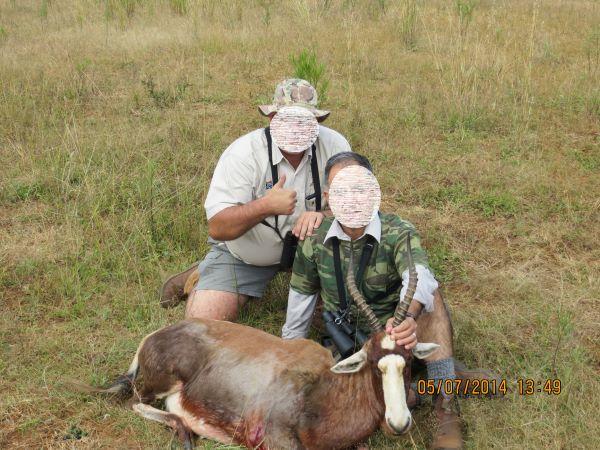
South African Plains Game Couples Hunting Trip
Booking Season: 2026
Hunt Difficulty: Moderate
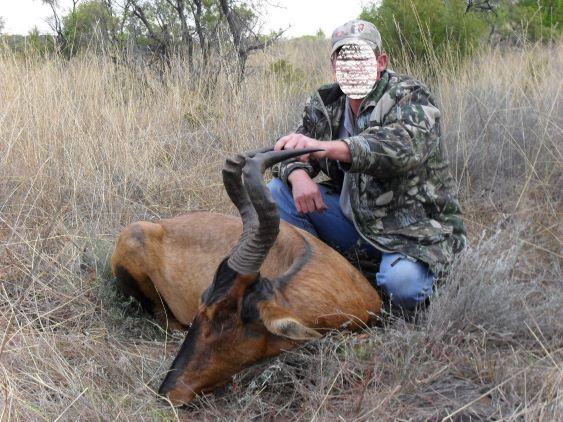
Special First Blood Hunting Safari in South Africa North West
Booking Season: 2026
Hunt Difficulty: Moderate
Trophy Plains Game Hunting in South Africa 6 x Species
Booking Season: 2026
Hunt Difficulty: Moderate, Difficult
Hunt in South Africa 10 Days in the Eastern Cape
Booking Season: 2026
Hunt Difficulty: Moderate
Plains Game Cull Hunt in the Eastern Cape SA
Booking Season: 2026
Hunt Difficulty: Moderate
When you think of hunting the open plains of Southern Africa, the Springbok is likely the first image that pops into your head. Scientifically known as Antidorcas marsupialis, this medium-sized antelope is the sole member of its genus. It’s not just an animal: it’s a national icon in South Africa. For American hunters, think of it as the African equivalent of the Pronghorn Antelope, built for speed, living in wide-open terrain, and possessing eyesight that seems almost unfair.
Standing about 29 to 35 inches at the shoulder and weighing between 70 and 100 pounds, rams are slightly larger than ewes. Both sexes carry horns, which curve backward and then inward at the tips, shaped somewhat like a lyre. But, a ram’s horns are significantly thicker and longer. Trophy assessment can be tricky because of this. You’re looking for mass at the bases and a nice outward curve before the tips hook back in. A good ram will have horns measuring over 13 or 14 inches, but anything pushing 15 inches is truly exceptional.
Here’s a fun fact you’ll see firsthand in the field. The name “Springbok” literally translates to “Jump Buck.” When these animals get excited, spooked, or just feel like showing off, they perform a behavior called “pronking.” It’s a vertical leap straight up into the air, sometimes six to nine feet high, with an arched back and stiff legs. During this display, a pocket of white hair on the rump fans out like a sudden explosion of cotton.
Why do they do it? Biologists argue about it, but generally, it’s an honest signal to predators (and hunters) saying, “I’m fit, I’m fast, and catching me is going to be a waste of your energy.” For us, it’s a spectacular sight, but it also usually means the herd is on high alert. Once they start pronking, the gig is often up, and they’re about to put serious distance between you and them.
If you’re the type of hunter who loves a collection, the Springbok Grand Slam is right up your alley. While the Common Springbok is the one you see on the rugby jerseys, selective breeding and natural mutations have stabilized three other distinct color phases. None of these are hybrids: they are all the same species, just wearing different coats.
Common Springbok: The classic tan body with a dark chocolate side stripe separating the white underbelly.
Black Springbok: Don’t let the name fool you: it’s more of a deep chocolate brown that covers almost the entire body, masking the side stripe.
White Springbok: Almost entirely white, though not an albino. These stand out like sore thumbs in the veld, making them incredibly difficult to stalk because they have zero camouflage.
Copper Springbok: A rich, dark copper color, distinct from the common variety by the lack of a dark side stripe and a generally darker hue.
Collecting all four requires hunting different herds, often across different concessions. It’s a fantastic way to extend your safari and see more of the country. We help coordinate these specific packages because, believe it or not, not every land owner has all four colors roaming their property.
So, where do we go to find them? Springbok are synonymous with the arid, semi-desert regions of Southern Africa. They thrive where other animals might struggle. We’re talking about the vast, open scrublands of the Karoo in South Africa and the red dunes of the Kalahari in Namibia. This is big sky country. The horizons stretch forever, and the silence is absolute until a rifle shot cracks through the air.
The habitat dictates the hunt. Because the terrain is so open, often with nothing taller than ankle-high scrub brush for miles, cover is practically non-existent. This isn’t the thick bushveld of Limpopo where you might bump a Kudu at 40 yards. This is a game of eyes and optics. You will often spot herds from a mile away or more.
The Free State province in South Africa is another hotspot. It’s flat, agricultural, and teeming with herds that can number in the hundreds. But for the purist, the Northern Cape offers that rugged, desolate beauty that feels like true wilderness. When we advise clients on where to book, we look at what kind of experience you want. Do you want the convenience of a lodge near Bloemfontein, or do you want the dust and grit of a Kalahari camp? Both offer incredible Springbok numbers, but the vibe is totally different.
One thing to remember: these regions can be harsh. In the winter months (June to August), mornings are freezing, literally below freezing, but by noon, you’re peeling off layers as the sun beats down. It’s dry heat, which is manageable, but dehydration sneaks up on you. We always tell our clients: drink water before you’re thirsty. It sounds simple, but when you’re three hours into a stalk, it’s easy to forget.
Hunting Springbok is tactical. You can’t just blunder around and hope for the best. These animals have evolved over millennia to spot a leopard flattening itself in the grass three ridges over. Your walking upright profile stands out like a beacon. Successful hunts here usually boil down to patience and using the terrain, what little of it there is, to your advantage.
Spot and Stalk Techniques
The most common method is spot and stalk, often starting from a vehicle to cover ground (known as ‘bakkie and stalk’). You’ll cruise the two-tracks glassing the distance. Once a suitable ram is spotted, the vehicle stops, and you proceed on foot. This is where the fitness comes in. You might need to circle wide, walking two miles to close a gap of 500 yards just to keep a small ridge between you and the herd.
Crawling is standard operating procedure. Knee pads are a lifesaver, seriously, bring them. The ground in the Karoo is covered in rocks, thorns, and burrs. You’ll spend a lot of time on your hands and knees, or even belly-crawling, to get within comfortable shooting range. The goal is to get within 200 to 250 yards. Any closer, and you risk getting busted by one of the dozens of eyes in the herd.
Managing Wind and Distance
Wind is the invisible enemy. In the open plains, there are no trees to break the gust. The wind swirls, changes direction, and can carry your scent straight to the herd before you even see them. Your Professional Hunter (PH) will be constantly checking the wind with an ash bag. Trust him. If he says the wind is wrong and backs out of a stalk, don’t argue. He’s saving you a long walk for nothing.
Then there’s the shooting. Because getting close is so hard, average shot distances on Springbok are longer than for most other African game. You need to be comfortable shooting 200 to 300 yards. And it’s not just distance: it’s wind drift. A 15 mph crosswind will push a bullet significantly at 300 yards. We recommend practicing in windy conditions before you fly over. Shooting off shooting sticks is also non-negotiable. You rarely get a prone shot because of the scrub, so you need to be rock-steady on a tripod setup.
You don’t need a cannon for Springbok. They are not large animals. But, you do need speed and accuracy. The ideal Springbok rifle is flat-shooting and carries enough energy to put them down instantly at 300 yards. We see a lot of American hunters bringing their elk rifles, which is fine, but it’s often overkill. You want something that barely drops between 100 and 300 yards to minimize the holdover guesswork.
Ideal Calibers for Flat Trajectories
The sweet spot for Springbok lies in the fast 6mm to .30 caliber range. The .243 Winchester is a classic favorite. With a 90 or 100-grain bullet, it’s lightning fast and has negligible recoil, making it easy to shoot accurately. The 6.5 Creedmoor and 6.5 PRC have also taken the safari world by storm recently. Their high ballistic coefficient bullets buck the wind beautifully, which is a huge asset in the open veld.
If you want something with a bit more punch, maybe because you’re also hunting Gemsbok or Wildebeest on the same trip, the .270 Winchester, 7mm Remington Magnum, or .300 Winchester Magnum are excellent choices. Just be mindful of bullet choice. You want a premium expanding bullet (like a Barnes TSX, Swift A-Frame, or Nosler Partition) that will hold together but expand reliably at lower velocities if you take a long shot. Avoid highly frangible varmint bullets: they make a mess of the meat and might not penetrate the shoulder bone.
Optics Selection for Long Range
Honestly, your scope is almost more important than your rifle here. You need clarity. The heat shimmer (mirage) in the African midday sun can make a ram at 300 yards look like a dancing blob. A high-quality scope with variable magnification, something like a 4-16x or 5-25x, is ideal. You want to be able to crank it up to identify the gender and horn quality, but dial it back for the actual shot if the field of view gets too narrow.
Binoculars are equally critical. You will spend 90% of your day looking through them. 10x42 is the industry standard. Don’t skimp here. Cheap glass will give you a headache after an hour of scanning sun-baked landscapes. We partner with outfitters who understand this, but bringing your own trusted glass is always the best move.
This is the part where North American hunters often stumble. We are taught to shoot “behind the shoulder” to save meat. In Africa, that can lead to a long day of tracking. African antelope, including Springbok, have their vitals positioned slightly further forward than whitetail deer. The heart sits low and tucked right between the front legs.
For a broadside shot, you want to go straight up the front leg, about one-third of the way up the body. Do not aim behind the crease of the shoulder: aim on the shoulder. This placement takes out the top of the heart and the lungs, and often breaks the shoulder bone, anchoring the animal. A Springbok shot too far back (liver or gut) can run for miles in open country where tracking is difficult due to the hard ground.
Frontal shots are common because Springbok have a habit of stopping and staring back at you. For a frontal shot, aim for the center of the chest where the neck joins the body. It’s a deadly shot, but the target area is smaller. If the animal is quartering away, aim to drive the bullet through the paunch towards the opposite front shoulder. Precision is key. These animals are tough. We’ve seen Springbok take hits that would flatten a deer and still run 200 yards. Use enough gun, use good bullets, and put it on the shoulder, which means a short tracking job and a happy hunter.
Once the dust settles and photos are taken, the work isn’t done. Springbok make beautiful trophies. Their unique coloring and lyre-shaped horns look fantastic on a wall. The most popular mount is a shoulder mount, often with the head turned slightly to show off the horn curvature. Another striking option is a “wall pedestal” which shows a bit more shoulder and preserves the beautiful white fan on the rump if the skinner knows what they are doing.
We handle all the dip and pack logistics for you. We know the freight forwarders who won’t lose your crate in Johannesburg. We ensure the paperwork is watertight so your trophies clear US Fish and Wildlife without a hitch. It’s part of that risk reduction we promise. You hunt: we handle the bureaucracy.
But let’s not forget the meat. Springbok venison is widely considered some of the best eating in Africa. It has a fine grain and a subtle, slightly sweet flavor, likely from the aromatic Karoo bushes they graze on. In camp, you’ll likely be treated to Springbok carpaccio (thinly sliced raw meat with olive oil and parmesan) or a traditional potjie (stew). It’s lean, healthy, and absolutely delicious. If you’re hunting for the pot, you’re in for a treat. Nothing connects you to the land quite like eating what you’ve hunted around a campfire under the Southern Cross.
Springbok hunts are more than just an entry-level safari option: they are a rite of passage. They test your stalking skills, your shooting ability, and your endurance in the heat. Whether you are after a single representative ram or chasing the challenging Grand Slam, the experience of hunting these speedsters in their native vastness is something that stays with you forever.
We know that booking a trip to Africa feels like a leap of faith. You’re entrusting us with your time, your money, and your safety. We don’t take that lightly. At Game Hunting Safaris, we bridge the gap. We connect you with vetted, ethical outfitters who deliver real results, not tall tales. We strip away the confusion of pricing and permits, leaving you with the pure excitement of the hunt.
So, if you’re ready to trade the treestand for the open plains and experience the thrill of the stalk, reach out to us.
✉️ Let’s start planning your African adventure today. Do this for yourself, you won’t regret it.
🌍 Browse our active hunting listings and secure your preferred species and dates.
Springbok are one of the more affordable plains game species to hunt in Africa, but pricing can still vary depending on where you hunt and whether you're after a standard animal or one of the color variants.
In South Africa, a typical springbok trophy fee usually runs between $300 and $500. If you're looking at black, white, or copper springbok, expect that number to climb — those animals are rarer and priced accordingly.
Most hunters coming over from the U.S. aren’t booking a trip just for one animal. Springbok are usually part of a broader plains game hunt, often alongside species like impala, blesbok, or wildebeest. It’s a good way to experience different types of hunting without stretching your trip or budget too far.
If you do want to focus on springbok, shorter hunts in South Africa or Namibia can be set up specifically for open plains hunting, where you’ll get multiple opportunities and a chance to take longer shots.
Springbok are native to the dry parts of southern Africa, and the best hunting is in South Africa, Namibia, and parts of Botswana.
South Africa is the most common choice for U.S. hunters. There’s a wide range of properties, good infrastructure, and access to all the different springbok color phases. Areas like the Free State, Northern Cape, and Eastern Cape offer classic open country where spot-and-stalk hunting is the norm and longer shots are expected.
Namibia feels more remote. You’re hunting bigger, drier country — especially in the Kalahari — where visibility is wide open and stalking becomes a real challenge.
Botswana is less common for springbok specifically, but it can be part of a broader plains game hunt in more remote areas.
No matter where you go, this is open-country hunting. You’ll need to move carefully, use what little cover there is, and be ready to shoot when the opportunity comes.
You can hunt springbok most of the year, but the best conditions are during the dry season.
From May through September, the grass is shorter, visibility improves, and animals are easier to spot at distance. Movement patterns are also more predictable, which helps when you’re planning stalks in open terrain.
In the hotter months, animals tend to spread out more, and the heat can make long days in the field tougher — especially if you’re not used to African conditions.
The good news is springbok don’t rely heavily on water, so they don’t disappear or become unhuntable like some other species. You’ll still get opportunities year-round, but the dry months give you the best overall conditions.
The Springbok Grand Slam has become a popular goal for hunters who want something a little different out of a plains game safari.
It includes all four color variants:
• Common springbok
• Black springbok
• White springbok
• Copper springbok
There’s no real difference in how they behave — the challenge comes from finding each variant and putting together a complete set.
A lot of returning hunters target the Grand Slam once they’ve done a traditional plains game hunt. It adds a clear goal to the trip and gives you something specific to work toward.
Springbok hunting in Africa is a spot-and-stalk style hunt conducted in open terrain, where hunters pursue small antelope known for their sharp eyesight and fast reactions. Shots are typically taken at longer distances, making accuracy and patience key to success.
Springbok might look like an “easy” animal on paper, but they’re not.
They live in open country, they’ve got excellent eyesight, and they’re almost always in groups. That combination makes getting close tough.
Most shots are taken at distance — often somewhere between 150 and 300 yards, sometimes more depending on the terrain. If you’re not comfortable shooting off sticks at those ranges, this hunt will expose it quickly.
They’re not big animals, but they’re sharp and aware, and they don’t give you many second chances.
For a lot of hunters, that’s exactly what makes them enjoyable. It’s a clean, honest hunt where your ability to spot, stalk, and shoot actually matters.
Shot placement is one of the most important parts of a successful springbok hunt, especially given the distances and open terrain you’ll typically be dealing with.
The ideal shot is a broadside shoulder shot, aiming roughly one-third of the way up the body, directly in line with the front leg. This targets the heart and lungs and usually results in a quick, clean kill.
Because springbok are relatively small and alert animals, precision matters more than power. Poor shot placement — especially shots taken too far back or too high — can lead to long tracking jobs in open country.
Quartering shots require adjustment, but the principle stays the same: aim to drive the bullet through the vital organs.
If you’re not familiar with African game anatomy, it’s worth taking a closer look before your hunt. The vitals on most African antelope sit slightly further forward than what many American hunters are used to.
For a more detailed breakdown, including angles and visual references, see our full guide on springbok shot placement and medium antelope anatomy
A springbok hunt usually starts early, just after first light, when the air is still cool and visibility is at its best. Unlike heavier bushveld hunting, you’re not easing through thick cover — you’re glassing wide, open country and picking apart the landscape.
Most mornings begin from a vehicle, covering ground until a group of springbok is spotted. From there, the hunt quickly turns into a spot-and-stalk. The challenge is closing distance without being seen in terrain that offers very little cover.
You might use a slight rise in the land, a dry riverbed, or even crawl the last stretch if needed. Wind direction becomes critical, and patience matters more than speed. Springbok don’t tolerate mistakes — once they’re alerted, they’ll move off and you’ll be starting over.
Shots often come quickly once you're in position. There’s rarely a perfect setup, so being ready on sticks and confident at distance is key.
Afternoons can be slower, especially in warmer conditions, but they often provide another opportunity as animals begin to move again before sunset.
It’s a simple hunt on paper — find, stalk, shoot — but in open country like this, every step has to be right.
A lot of hunters underestimate springbok before they arrive — and that usually shows up in two places: shooting and expectations.
The first mistake is assuming the shots will be easy. On flat ground with little cover, distances stretch quickly. A shot that looks close can easily be 200 yards or more. Hunters who aren’t comfortable shooting off sticks at those ranges often struggle more than expected.
The second mistake is expecting a relaxed pace. Springbok hunting is more active than many first-time safari hunters anticipate. You’ll cover ground, reposition often, and spend time glassing and planning stalks rather than sitting and waiting.
Another common misconception is that smaller animals mean easier hunts. In reality, springbok rely on eyesight and group awareness, not size, to stay alive. Getting within range without being picked off requires careful movement and attention to detail.
Hunters who do best on springbok are usually the ones who treat it seriously — take the time to practice shooting beforehand, stay patient during stalks, and trust the process when things don’t come together right away.
If you're planning a springbok hunt, the best way to approach it is to look at real hunts currently available in South Africa and Namibia.
After years of guiding and advising hunters across southern Africa, we’ve seen that most successful safaris are built around well-structured plains game hunts that include springbok as part of a broader experience, or focused hunts designed specifically for open-country conditions.
Looking at available hunts will give you a clearer picture of pricing, locations, and what to expect from different regions before you commit.
Whether you’re planning your first African safari or adding another species to your list, springbok hunts are one of the most straightforward and rewarding options to build a trip around.
For many American hunters, springbok is one of those animals that just feels right to pursue in Africa.
It’s not about size or danger — it’s about the hunt itself. Open country, spot-and-stalk, longer shots, and animals that don’t give you much room for error. It’s a style of hunting that feels familiar, but different enough to remind you that you’re in Africa.
A lot of hunters come over for bigger game and end up talking just as much about their springbok hunt when they get home. It’s honest hunting. You earn every opportunity, and when it comes together, it sticks with you.
If you’re planning your first safari, or even your fifth, springbok is one of those species that always deserves a place on the list.
A Springbok Grand Slam involves harvesting all four recognized color variants of the species: the Common, Black, White, and Copper Springbok. These are not hybrids but distinct natural color phases. Achieving this slam often requires hunting across different concessions in South Africa to locate specific herds.
For Springbok hunts, flat-shooting calibers are essential due to the open terrain and potential for long shots. The .243 Winchester, 6.5 Creedmoor, and .270 Winchester are ideal choices. These cartridges offer high velocity and minimal wind drift, ensuring accuracy at distances between 200 and 300 yards.
The prime season for hunting Springbok is during the South African winter, typically from May to August. During these months, the vegetation is thinner, making it easier to spot herds in the vast plains. Additionally, the cooler temperatures make the physical exertion of stalking much more comfortable.
Hunters should be prepared for shot distances ranging from 200 to 300 yards. Because the Karoo and Kalahari regions offer very little cover, getting closer than 200 yards without being detected is difficult. Proficiency with shooting sticks and understanding wind drift is crucial for success.
Unlike North American deer, Springbok vitals are positioned further forward. For a broadside shot, aim straight up the front leg, about one-third of the way up the body, directly on the shoulder. This placement targets the heart and lungs while breaking the shoulder bone to anchor the animal instantly.
Yes, Springbok venison is widely considered some of the finest game meat in Africa. It is lean with a fine grain and a slightly sweet flavor, often attributed to their diet of aromatic Karoo bushes. It is popularly served as carpaccio, steaks, or in traditional stews.
Search from our range of Hunts across various popular destinations in Africa.

Book Your Hunt