10-Day Plains Game Extravaganza Hunting in South Africa
Booking Season: 2026
Hunt Difficulty: Moderate

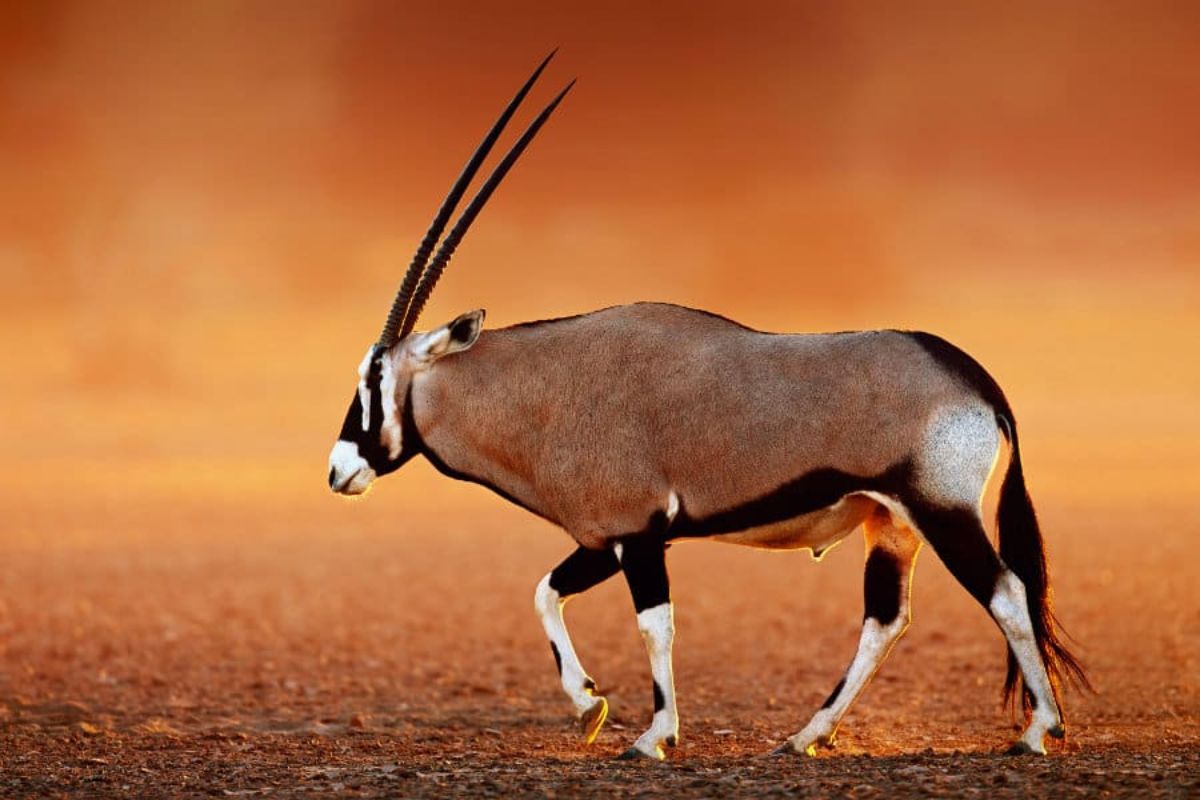
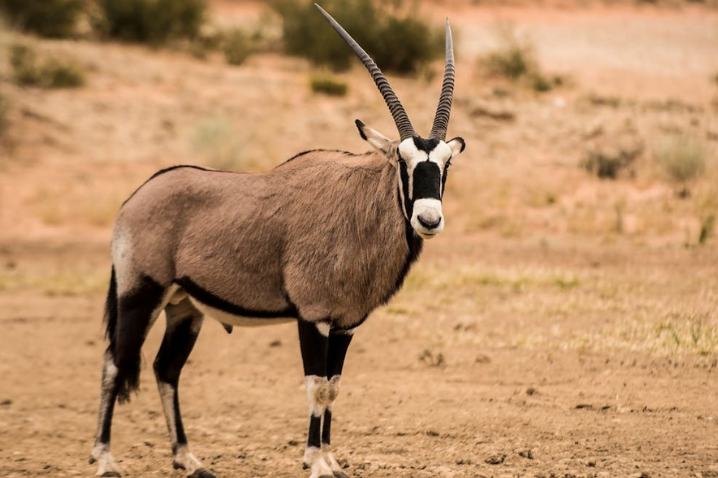
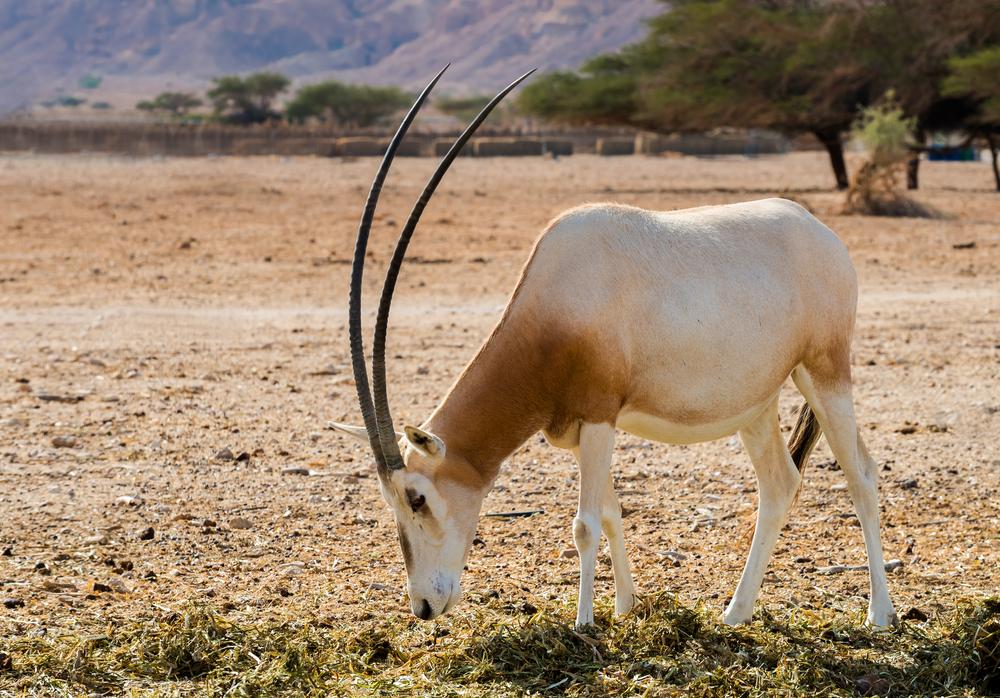
The gemsbok, also known as the South African oryx, is one of Africa's most distinctive plains game species. Immediately recognisable by its striking black-and-white facial markings, heavily built body and long, spear-like horns, it is particularly well adapted to the dry and semi-arid landscapes of southern Africa.
Gemsbok are strongly associated with Namibia and the Kalahari regions of Botswana and South Africa, where their ability to survive in harsh conditions has earned them a reputation for remarkable resilience. Both bulls and cows carry impressive horns, although mature bulls generally develop heavier bases and thicker horns, while cows often carry longer, more slender horns.
Hunting gemsbok can be considerably more challenging than their preference for open country might suggest. Excellent eyesight, strong herd awareness and limited stalking cover mean hunters often spend considerable time glassing before using terrain, vegetation and wind direction to close the distance. Once an opportunity presents itself, accurate shot placement is essential, as gemsbok are heavily built animals capable of travelling considerable distances when poorly hit.
Gemsbok Hunts are often included as part of a broader African Plains Game Hunting safari, allowing hunters to combine gemsbok with species such as kudu, wildebeest, springbok and other antelope depending on the destination. Safari length varies according to the number of species being pursued, but gemsbok are a natural choice for hunters looking for a demanding and highly distinctive African trophy.
Available Gemsbok Hunts
10-Day Plains Game Extravaganza Hunting in South Africa
Booking Season: 2026
Hunt Difficulty: Moderate
10 Day Packaged Plains Game Hunt in South Africa
Booking Season: 2026
Hunt Difficulty: Moderate, Difficult
Hunt Zebra, Impala, Blue Wildebeest & Gemsbok in Namibia
Booking Season: 2026
Hunt Difficulty: Moderate
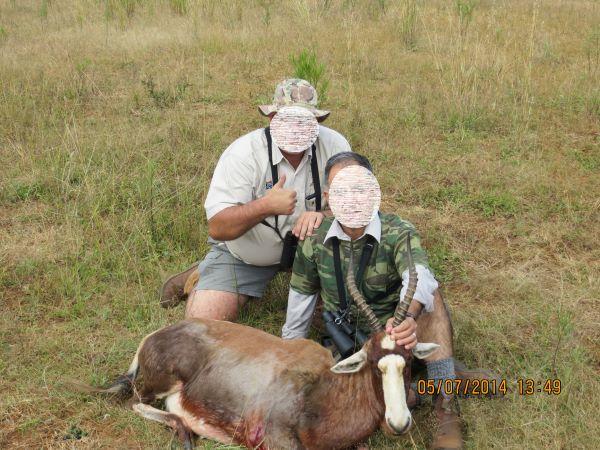
South African Plains Game Couples Hunting Trip
Booking Season: 2026
Hunt Difficulty: Moderate

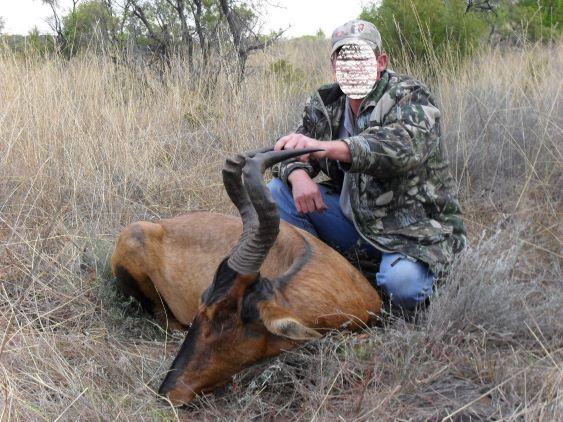
Special First Blood Hunting Safari in South Africa North West
Booking Season: 2026
Hunt Difficulty: Moderate
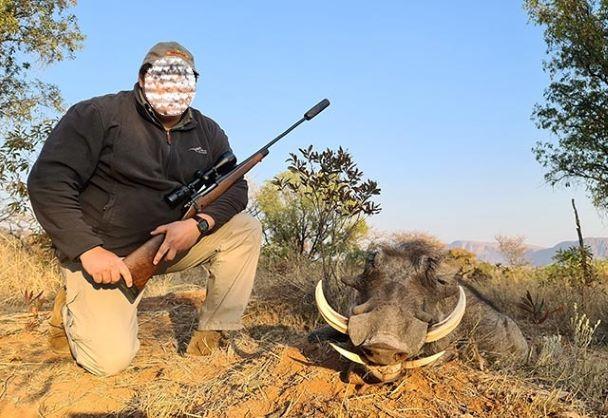
African Hunting Safari 6 Days in SA 5 x Plains Game Bonanza
Booking Season: 2029
Hunt Difficulty: Moderate
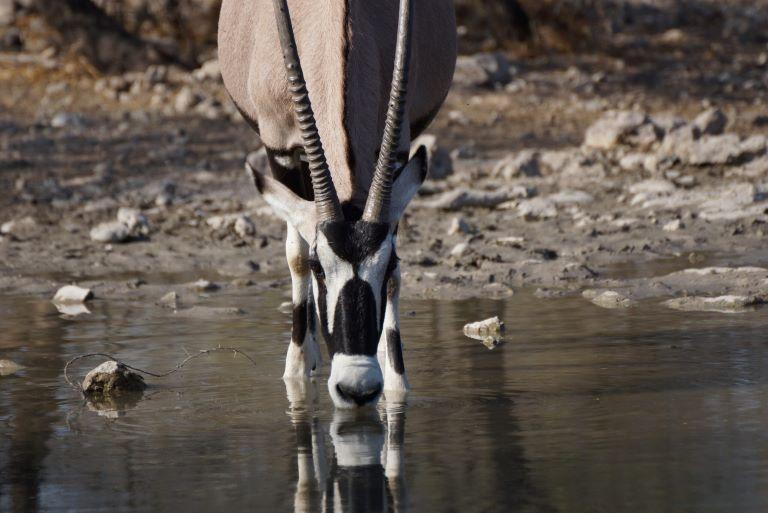
7-Day Kalahari Plains Game Hunt in Botswana
Booking Season: 2026
Hunt Difficulty: Moderate, Difficult
SA Plains Game Cull Hunt: 6 Hunters, 6 Species each
Booking Season: 2026
Hunt Difficulty: Difficult
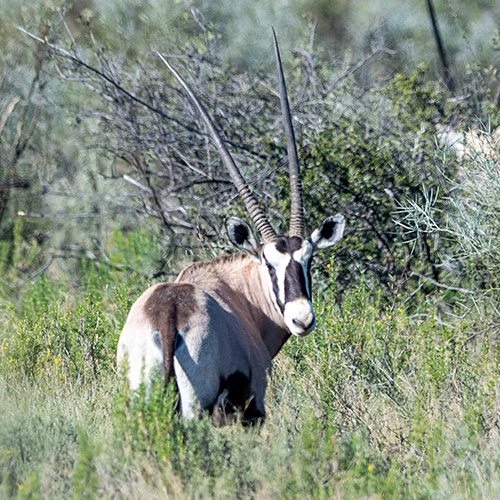
Plains Game Hunting in South Africa: 4 Hunters Each Hunting 4 Trophies
Booking Season: 2026
Hunt Difficulty: Difficult
6-Day African Plains Game Extravaganza in South Africa
Booking Season: 2026
Hunt Difficulty: Moderate
Gemsbok are most strongly associated with the dry and semi-arid regions of southern Africa, with Namibia, Botswana and South Africa offering some of the best-known opportunities to pursue the species.
Namibia is one of Africa's classic gemsbok destinations. The country's vast arid landscapes, particularly the Kalahari and areas bordering the Namib, provide ideal habitat for these desert-adapted antelope and have long produced exceptional trophies.
Botswana's Kalahari region also offers excellent gemsbok hunting, with expansive dry country ideally suited to the species. Hunting in these open landscapes often involves considerable glassing followed by a careful stalk to close the distance.
South Africa offers gemsbok hunting across several provinces, with the Northern Cape and its Kalahari landscapes particularly well known for the species. Opportunities are also available in other regions, giving hunters considerable flexibility when including gemsbok as part of a broader plains game safari.
Gemsbok can be hunted throughout much of the year in southern Africa, although the dry season generally offers excellent hunting conditions. Reduced vegetation can improve visibility, while animals may concentrate around reliable water sources in particularly dry areas.
Early mornings and late afternoons are often productive, when temperatures are cooler and animals are more active. During the heat of the day, gemsbok may become less active, particularly in the arid regions where they are commonly hunted.
Hunting methods vary according to the terrain. In open Kalahari country, hunters may spend considerable time glassing before planning a stalk, while areas with more vegetation can allow hunters to use available cover to close the distance. Waterholes may also play a role in locating animals during particularly dry periods.
What is included in a gemsbok hunting safari will vary between outfitters and destinations, but most packages cover the essential services required while hunting in Africa. These typically include accommodation in the hunting camp or lodge, meals and beverages, the services of a licensed Professional Hunter, trackers and camp staff, as well as transportation within the hunting area.
Hunters will normally have a dedicated hunting vehicle available for travelling through the concession and reaching areas where the day's hunt will begin. From there, much of the actual gemsbok hunting may take place on foot, depending on the terrain and hunting method.
Field preparation of harvested trophies is also generally included. This normally involves skinning and preparing the trophy before it is transferred to a dip-and-pack facility or taxidermist for further processing. Hunters planning to export their trophies should confirm exactly where the outfitter's responsibility ends and which subsequent taxidermy, documentation and shipping costs will be charged separately.
The structure of the safari is also worth checking before booking. Some gemsbok hunts are sold as part of a fixed plains game package that includes several species, while others operate on a daily-rate and trophy-fee basis. Understanding exactly what is included in the quoted price makes it much easier to compare different hunting areas and safari options.
Hunters should also confirm which costs fall outside the quoted safari price. Depending on the destination and outfitter, additional expenses may include:
These costs can vary considerably between destinations and hunting areas, so hunters should request a clear breakdown of inclusions and exclusions when comparing safari options.
The cost of a gemsbok hunt varies considerably depending on the country, hunting area, trophy fee and whether the hunt is booked as part of a multi-species package. In most cases, hunters will either pay a daily safari rate plus the trophy fee for the gemsbok or choose a plains game package that includes several species for a fixed price.
When comparing gemsbok hunting prices, it is important to look beyond the trophy fee alone. Daily rates may cover accommodation, meals, the services of a Professional Hunter, trackers, hunting vehicles and field preparation of trophies, while airport transfers, taxidermy, dip and pack services and international trophy shipping are generally additional expenses.
The destination can also influence the overall cost. South Africa often offers a wide range of package options, while hunts in remote areas of Namibia or Botswana may involve additional travel and logistical expenses. The number of hunting days and other species included in the safari will ultimately have a greater effect on the total trip cost than the gemsbok trophy fee alone.
Hunters planning their first African safari should therefore compare the total cost of the hunt, not simply the advertised price of the animal. Our guide to African Hunting Safari Prices explains how daily rates, trophy fees, packages and additional safari expenses typically fit together when budgeting for a hunt in Africa.
Gemsbok are one of the most respected plains game animals in Africa, known for their toughness, distinctive black-and-white markings and ability to survive in dry, open country where stalking can be difficult.
Their combination of sharp eyesight, strong herd awareness and the limited cover found across much of their habitat can make getting into position considerably more difficult than hunters initially expect. Long periods of glassing may be followed by a careful stalk, only for a change in wind or movement elsewhere in the herd to bring the approach to an abrupt end.
A mature gemsbok is a hard-earned trophy that rewards patience, careful shot selection and good field shooting. Their striking appearance and reputation for toughness have made them a longstanding favourite among hunters pursuing Africa's more challenging plains game species.
Gemsbok are heavily built animals with thick skin and dense muscle, particularly around the shoulder area. Caliber selection should reflect the need for reliable penetration and consistent performance.
The .270 Winchester is generally considered the minimum, while the .308 Winchester and .30-06 Springfield are widely used and effective. Many experienced hunters prefer the .300 Winchester Magnum or similar cartridges, as they provide additional margin for error and improved performance on longer shots.
While gemsbok can be taken with standard plains game calibers, proper bullet construction and shot placement are critical. A well-placed shot will bring them down efficiently, but poorly placed shots often result in long tracking distances.
Shot placement on gemsbok is one of the most important factors in a successful hunt. Their anatomy can be deceptive, particularly due to their large shoulder structure and body shape.
The correct aiming point is slightly forward on the shoulder, targeting the heart-lung area in the lower third of the body. Many hunters make the mistake of shooting too far back, which can lead to prolonged tracking and unnecessary loss of the animal. This forward placement is critical on gemsbok and differs from where many North American hunters instinctively aim.
Gemsbok are known for their ability to absorb poorly placed shots and continue moving over long distances, which makes precise shot placement essential.
For a detailed breakdown of shot angles and anatomy, refer to our guide to shot placement for large antelope.
Gemsbok are not classified as dangerous game, but their size, strength and long, sharp horns mean they should always be treated with respect. A wounded animal can be unpredictable, and hunters should follow the direction of their Professional Hunter carefully when approaching after the shot.
The greater challenge, however, usually comes before the trigger is pulled. Gemsbok thrive in open and semi-arid country where stalking cover can be scarce. Their excellent eyesight and strong herd awareness mean a hunter may spend hours glassing and working into position, only for one animal in the herd to detect movement and bring the stalk to an end.
The terrain can add another dimension to the hunt. In the Kalahari and other dry regions, hunters may cover considerable distances in heat and loose sand, while open country can require confidence shooting from sticks at distances that may be less familiar to hunters accustomed to wooded environments.
Patience is often more important than speed. Several stalks may be unsuccessful before the right opportunity develops, and when it does, the hunter needs to remain composed and wait for a clear shot angle. Gemsbok have a well-earned reputation for resilience, making accurate shot placement particularly important.
The combination of difficult stalking, demanding conditions and the need to execute a precise shot is what makes gemsbok such a respected plains game species. The challenge is not that they are inherently aggressive, but that getting close to a mature animal and completing the hunt cleanly requires good fieldcraft, patience and disciplined shooting.
American hunters arriving in Africa for their first gemsbok hunt often find that many of their existing hunting skills transfer well, but the way those skills are used can feel very different.
Much of a gemsbok hunt may be spent glassing open country before a stalk begins. Unlike hunting from a tree stand or blind, hunters should be prepared to cover ground on foot and use small changes in terrain, vegetation and wind direction to close the distance without being detected.
Shooting sticks are commonly used across Africa, and hunters who have never shot from them should practice before travelling. The opportunity to take a mature gemsbok may develop quickly after a long stalk, leaving little time to become comfortable with an unfamiliar shooting position.
Distances can also be different from those encountered by hunters accustomed to whitetail country. Open Kalahari landscapes may present longer shooting opportunities, although the objective should always be to stalk as close as conditions allow. Being confident from field positions at realistic hunting distances is more valuable than simply being able to shoot accurately from a bench.
Another adjustment is judging animals within a herd. A Professional Hunter may identify a particular bull or cow while several other gemsbok are standing nearby or moving across the same line of sight. Hunters need to remain patient, clearly identify the selected animal and wait until a safe, unobstructed shot presents itself.
A gemsbok safari does not require an American hunter to learn an entirely new way of hunting. Good marksmanship, patience and fieldcraft remain just as important in Africa. The difference is learning to apply those familiar skills in open country, from shooting sticks and under the guidance of an experienced Professional Hunter.
A quality gemsbok trophy is judged on horn length, symmetry and overall appearance, but judging these animals in the field can be considerably more difficult than many hunters expect. Long, straight horns are impressive, while mature bulls generally carry heavier horns with thicker bases.
Both bulls and cows can produce exceptional trophies. Females often carry longer, more slender horns, while mature bulls typically have thicker bases and heavier horn structure. At a distance, however, these differences can be surprisingly difficult to assess, particularly when several animals are standing together.
Gemsbok can also be deceptive in terms of body size and age. From a distance, younger animals may appear more mature than they really are, and horn length alone does not always tell the full story. Hunters should take their time and listen carefully to their Professional Hunter before selecting an animal. Mistakes can happen when a hunter becomes focused on what appears to be a long set of horns without considering the animal's body size, horn thickness and overall maturity.
Field judging gemsbok is a skill developed through considerable time spent around the species. A good Professional Hunter will assess the entire animal rather than relying on a single characteristic, and hunters should be prepared to wait until the correct gemsbok has been positively identified before taking the shot.
One of the biggest mistakes hunters make is underestimating just how tough a gemsbok can be. These are heavily built, remarkably resilient animals, and a marginal hit can result in a long and difficult follow-up.
Using too little gun, or choosing ammunition with inadequate bullet construction, can compound the problem. While gemsbok can certainly be taken cleanly with standard plains game calibers, hunters should arrive with a rifle they shoot confidently and a quality hunting bullet capable of providing reliable penetration. This is not an animal on which to rely on marginal equipment or hope that a less-than-perfect shot will be enough.
Poor shot placement is another common mistake, particularly shooting too far back after misreading the animal's anatomy. Hunters accustomed to North American game may instinctively place the shot where it feels familiar, only to discover that a gemsbok can absorb a poorly placed hit and travel a considerable distance.
Failing to prepare for shooting from sticks is another easily avoided mistake. A hunter who has practised exclusively from a bench may find the transition uncomfortable when a trophy gemsbok finally presents an opportunity after a long stalk. Practising from realistic field positions before travelling can make a significant difference.
Hunters should also avoid rushing the shot simply because an opportunity has finally appeared. Gemsbok frequently move in herds, and the selected animal may be partially obscured or surrounded by others. Waiting for a clear shot on the correct animal is far better than forcing an opportunity after spending hours trying to get into position.
Finally, don't underestimate the distances that open gemsbok country can create. Hunters do not need to become extreme long-range shooters, but they should know their personal limits and be confident with their rifle at the realistic distances they may encounter. When conditions are not right, closing the distance or waiting for another opportunity is always the better choice.
The cost of a gemsbok hunt varies according to the destination, outfitter and whether the animal is hunted as part of a package or on a daily-rate and trophy-fee basis. Trophy quality and the number of additional species included can also influence the overall safari cost. Hunters should compare the complete cost of the safari rather than the trophy fee alone, including daily rates, accommodation, transfers and any additional hunting expenses.
Namibia, Botswana and South Africa are among the best-known destinations for gemsbok hunting. Namibia and Botswana offer opportunities in classic Kalahari country, while South Africa provides a wide range of hunting areas and safari options. The best destination depends on whether the hunter prioritizes free-range wilderness, trophy quality, the opportunity to combine several species or the overall budget for the safari.
Popular choices for gemsbok include the .30-06 Springfield, .300 Winchester Magnum, .308 Winchester and other comparable medium to larger calibers using well-constructed hunting bullets. Gemsbok are heavily built and have a reputation for toughness, making bullet construction and accurate shot placement particularly important. Hunters should discuss their rifle and ammunition choice with their Professional Hunter before travelling.
On a broadside gemsbok, hunters should pay careful attention to the position of the vital organs rather than relying automatically on the same aiming point they may use for North American game. Shot angle can significantly affect the correct point of aim, particularly when the animal is quartering.
Gemsbok can be challenging to hunt because they often inhabit open, dry country with limited stalking cover. Hunters may spend considerable time glassing before attempting to close the distance, and the presence of multiple animals can make approaching a herd particularly difficult. Excellent eyesight, herd awareness and the ability to cover ground quickly mean several stalks may be required before a suitable opportunity presents itself.
Can gemsbok be hunted as part of a plains game safari?
Yes. Gemsbok are frequently included in multi-species plains game safaris and can be combined with animals such as kudu, springbok, wildebeest, zebra and other species depending on the destination and hunting area. When comparing Hunting Trips in Africa, visiting hunters can often build a safari around several plains game species, with gemsbok forming part of a broader multi-species hunt.
Gemsbok can be an excellent addition to a dedicated plains game safari or a broader multi-species hunt across southern Africa. The right destination will depend on the type of country you want to hunt, the other species on your list and the overall safari you have in mind.
Game Hunting Safaris works with experienced Professional Hunters and established outfitters across Africa to help visiting hunters compare destinations, hunting areas and available opportunities.
If gemsbok is on your list, contact our team to discuss the type of safari you are looking for and the options currently available.
✉️ Contact us today to speak with an expert and plan your tailored Gemsbok hunting adventure.
🌍 Browse our active hunting listings and secure your preferred species and dates.
Search from our range of Hunts across various popular destinations in Africa.

Book Your Hunt