
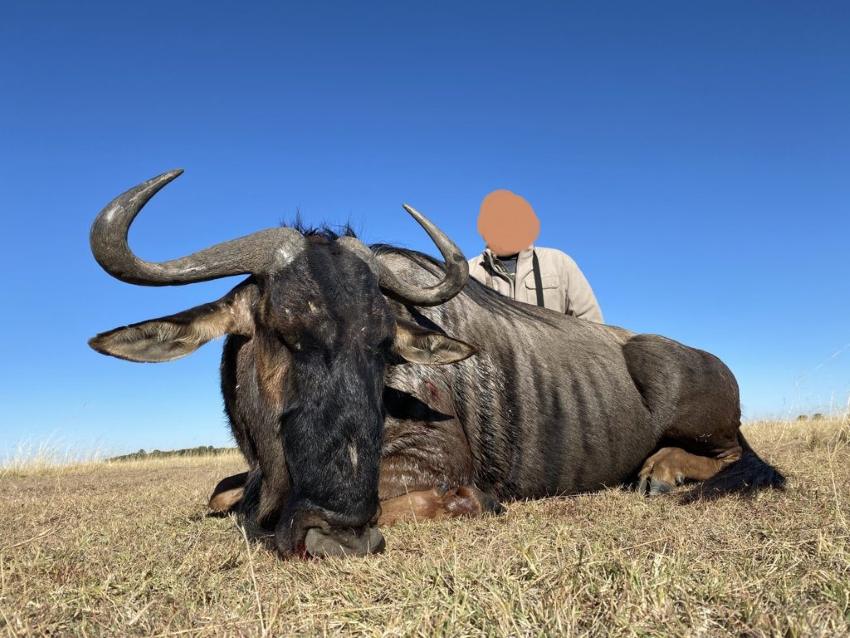
10-Day African Plains Game Safari in North West Province, SA
Booking Season: 2026
Hunt Difficulty: Moderate

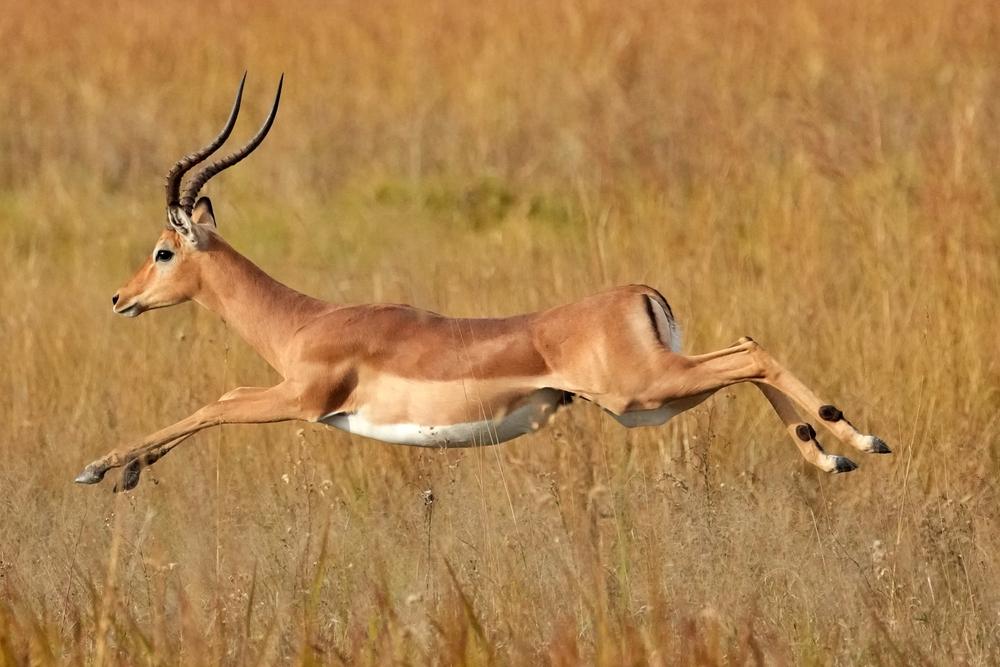
Impala hunting safaris in Africa offer a rewarding and accessible pursuit for hunters targeting one of the continent’s most widespread and adaptable plains game species. Known for their speed, alertness, and tendency to move in groups, impala present a dynamic hunting experience that requires quick decision-making and accurate shot placement.
For hunters planning an impala hunting safari in Africa, detailed options, pricing, and availability can be found on our impala hunts page.
They live in habitats of woodlands with some trees, grasslands, and savannas. The best impala hunting grounds in South Africa are the Limpopo and the Eastern Cape provinces.
There are three types of impala:
Of the three, the black-faced impala is the most common and is endemic to various African countries, including Tanzania, Mozambique, Zimbabwe, Zambia, Malawi, Swaziland, Botswana, Namibia, Angola, and South Africa. They live in herds that range from only a few members to hundreds of impalas. Ewes and their fawns live in herds with one dominant ram, while young rams live in bachelor herds.
The peak of the rut runs between the full moons in May, with females gestating for 6-7 months and giving birth to one fawn. The young fawn will stay close to its mother for 4-6 months, after which it is weaned. Males leave and join a bachelor herd, while females remain with the herd.
The impala is on the menu for numerous predators, including cheetahs, lions, hyenas, and leopards. Pythons prey on the younger, helpless fawns.
Name:
Aepyceros Melampus
Male Weight:
143-176 pounds
Male Shoulder Height:
30-35 inches
Horns:
Male only
Gestation Period:
6-7 months
Life span:
12-15 years
The Impala is a Frequent Addition to African Plains Game Hunts.
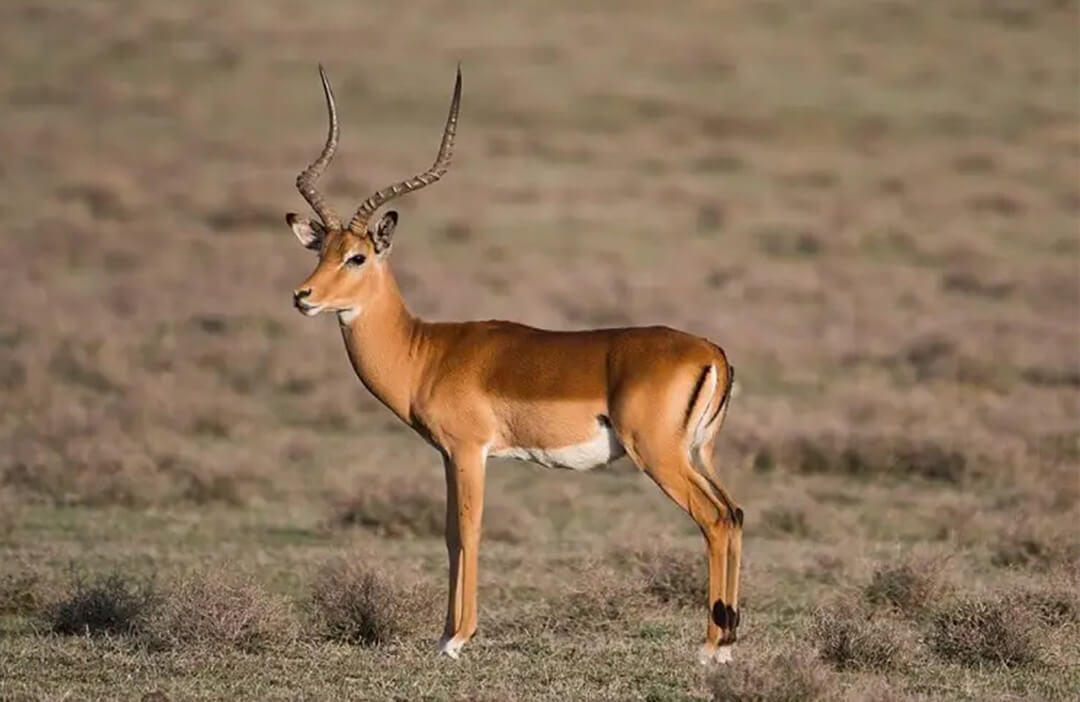
Should this be your first impala on an African hunt, look for a medium-sized antelope with a reddish-brown coat and a white underbelly. A narrow black line runs along the middle of its lower back to the tail, and a vertical black stripe is found on the back of each thigh. Only males have horns that grow to 15-35 inches in length. Impalas usually have a short, light-brown coat on their back and flanks, with a white underbelly.
There are several techniques used to target impala on a game hunting safari. One technique, should it be legal, is to build a blind overlooking a water hole and target them from there. An alternate option is to stalk the herd when they are most active and grazing in the early morning or late afternoon. It is, however, quite tough to get within shooting range with so many sets of eyes and ears on alert.
You need to bring your A-game for this African hunting adventure! Hunting impala can be challenging due to the animal’s astute hearing, keen sense of smell, and their excellent eyesight. You must take it very slowly and use all possible camouflage techniques to get within shooting range. Impala also group when alarmed or nervous. This grouping can make it difficult to target one animal, and a bullet may pass through your trophy completely and hit another. Should they sense danger and an alarm is raised, they will head for dense cover, which also challenges the hunter.
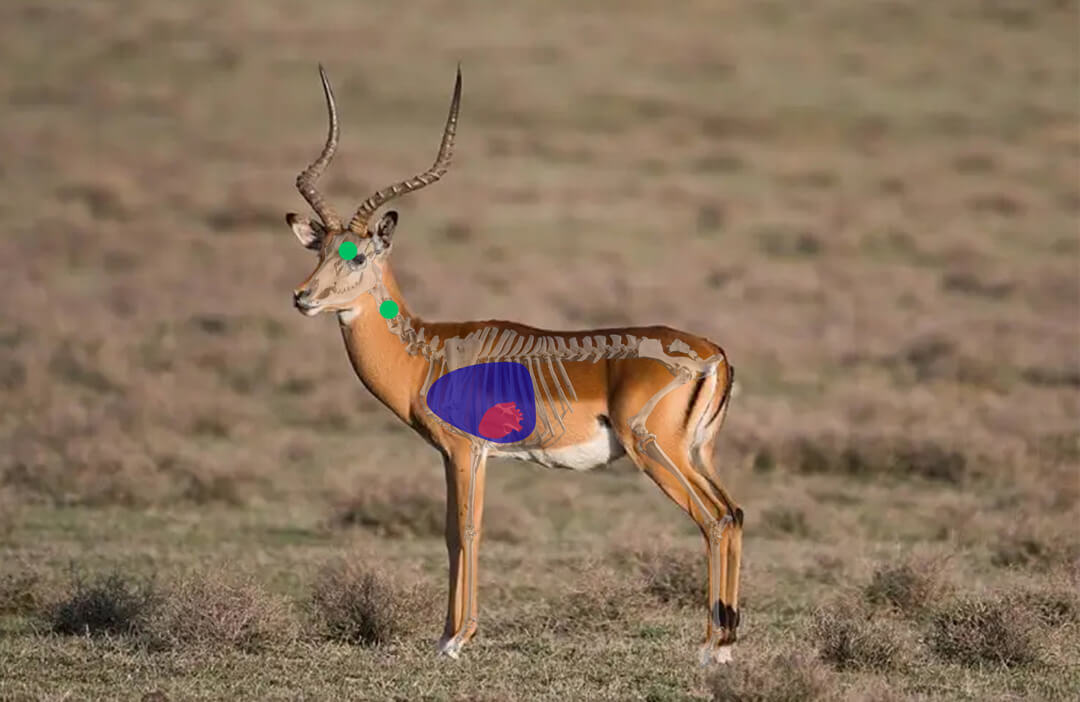
Should it be legal, a .22 caliber could be used. With this size caliber there is no margin for error and shot placement on a hunting safari is critical. If you do not want to spend the entire day tracking a wounded Impala, a 7mm to the 30 calibers would be a better option.
Available Impala Hunts
10-Day African Plains Game Safari in North West Province, SA
Booking Season: 2026
Hunt Difficulty: Moderate
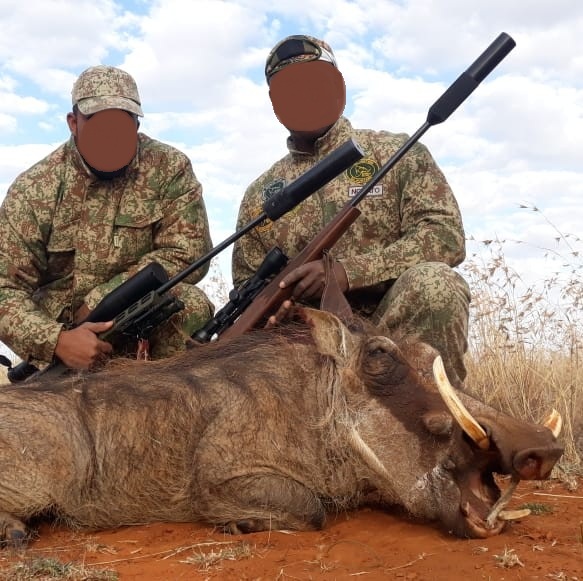
South African Plains Game Hunt: Warthog, Blesbok, Zebra & Impala
Booking Season: 2026
Hunt Difficulty: Moderate
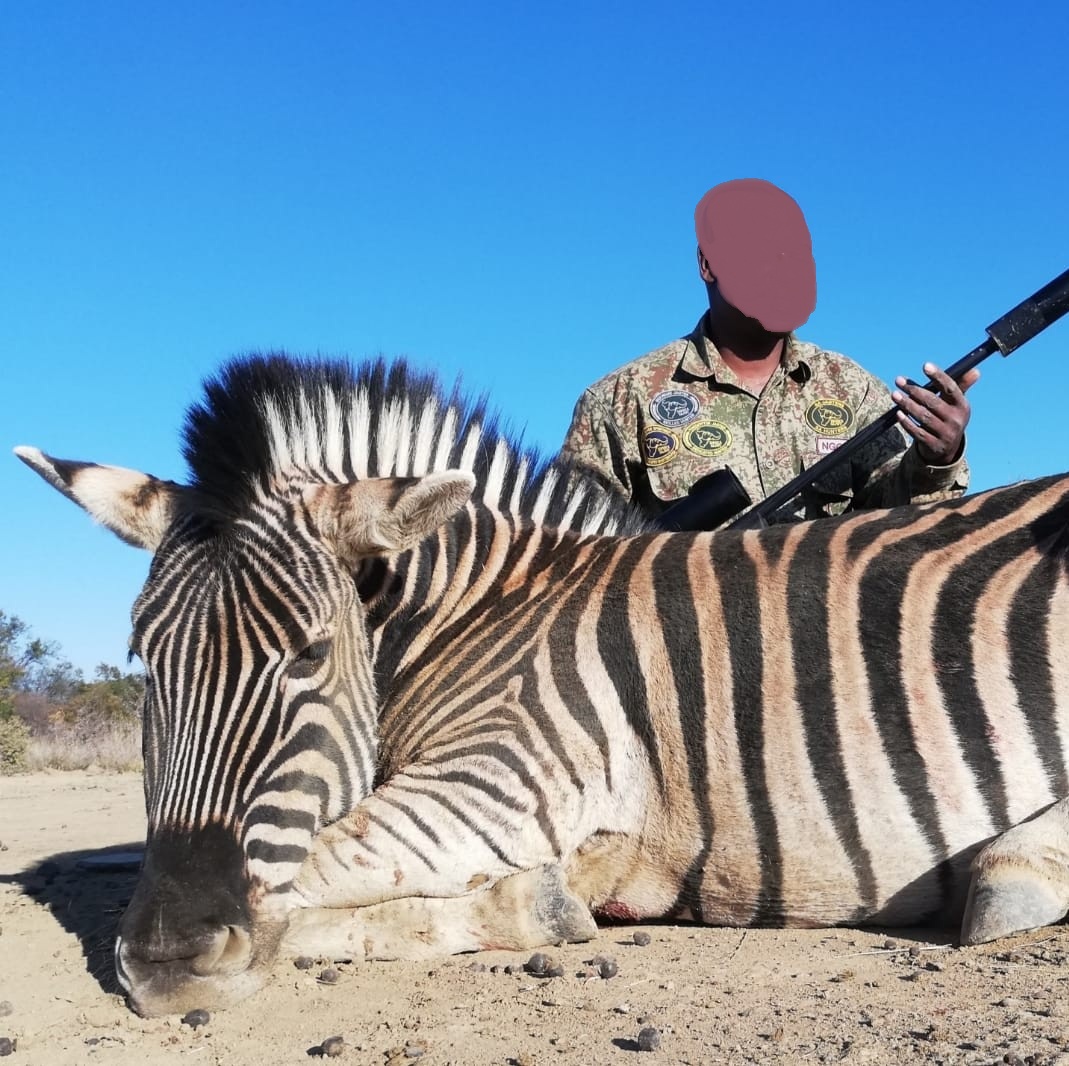
Hunt Eland, Zebra, Sable & 3 More Plains Game Species in SA
Booking Season: 2026
Hunt Difficulty: Moderate
Hunting Safari in SA 10 x Nights Plains Game Combination
Booking Season: 2025
Hunt Difficulty: Difficult
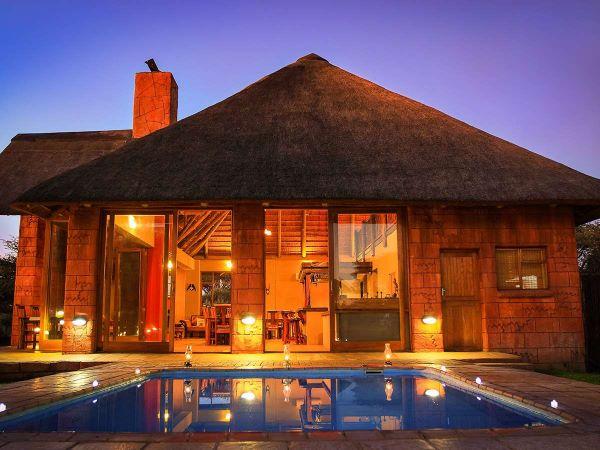
Plains Game Hunting in South Africa 5 Star Luxury 4 x 2
Booking Season: 2026
Hunt Difficulty: Moderate, Difficult
African Plains Game Safari in South Africa 6 Trophies KwaZulu Natal
Booking Season: 2026
Hunt Difficulty: Moderate
Zebra & Kudu Hunting plus 5 additional Species: 8 x Days in KZN
Booking Season: 2026
Hunt Difficulty: Moderate, Difficult

South African Plains Game Safari Trophy Nyala plus 5 Species
Booking Season: 2026
Hunt Difficulty: Moderate, Difficult
10-Day Plains Game Extravaganza Hunting in South Africa
Booking Season: 2026
Hunt Difficulty: Moderate
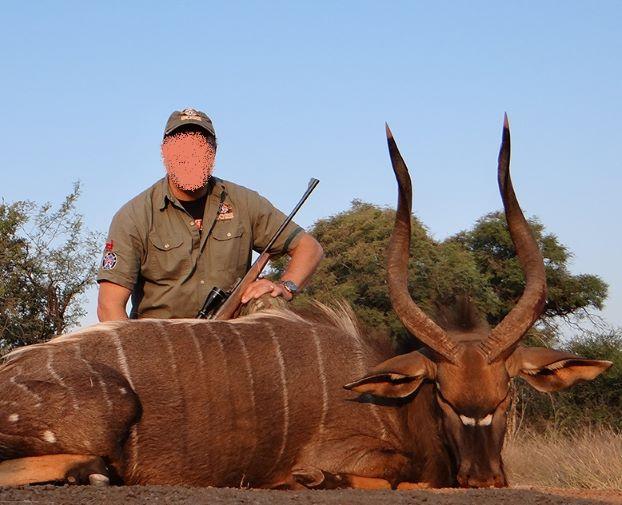
Plains Game Hunting in South Africa, 10 days x 10 x Species
Booking Season: 2025
Hunt Difficulty: Moderate
Search from our range of Hunts across various popular destinations in Africa.

Book Your Hunt