
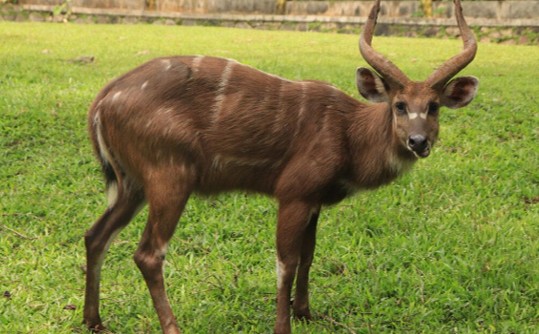
East African Sitatunga & Plains Game Hunting in Uganda
Booking Season: 2026
Hunt Difficulty: Moderate

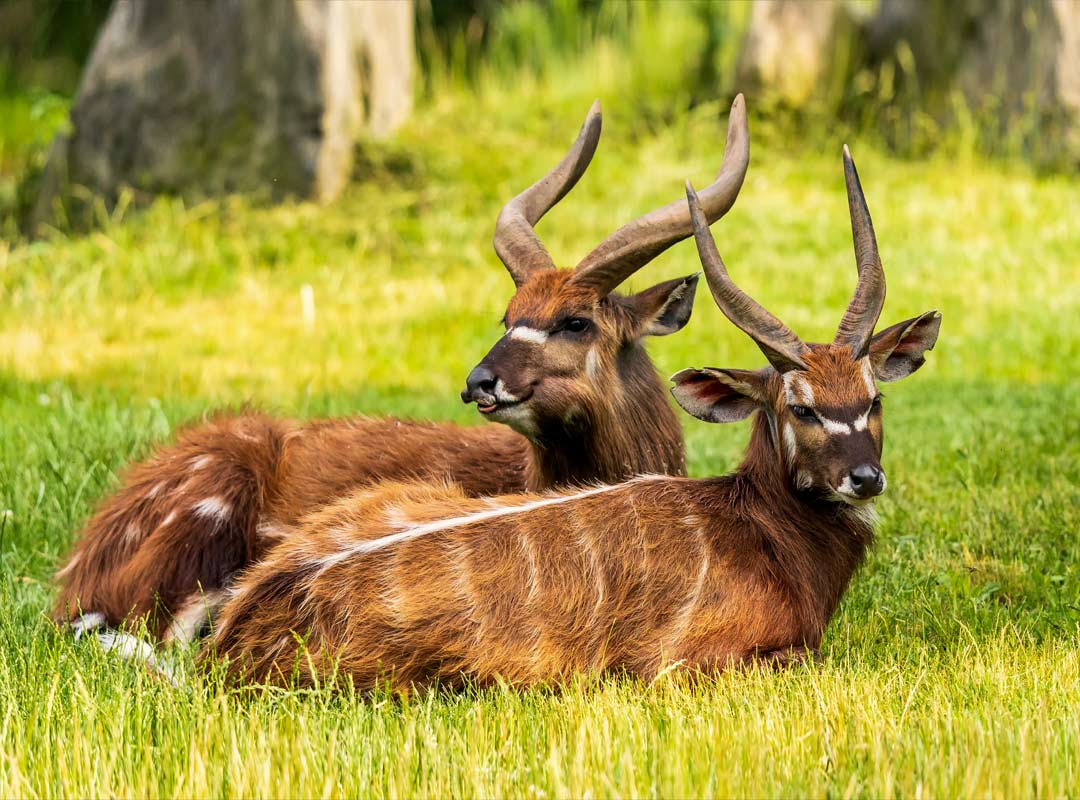
The sitatunga (Tragelaphus spekii) is a medium-sized amphibious antelope native to Central and East Africa. Renowned for inhabiting swamps, marshes, and flooded wetlands, this elusive spiral-horned antelope is considered one of Africa's most specialized and rewarding trophies. Hunters interested in pursuing this unique species can learn more about available Sitatunga hunts across Africa.
If you think a sitatunga safari will be straightforward, think again. These semi-aquatic antelope are often hunted from canoes and by navigating challenging wetland environments where patience, persistence, and adaptability are essential. Be prepared for a wet, wild, and unforgettable hunting adventure unlike any other.
Sitatunga are found across parts of Central and East Africa, inhabiting swamps, floodplains, papyrus wetlands, marshy forest clearings, and river systems where few other antelope are able to thrive. Hunters can pursue different sitatunga subspecies through hunting in Uganda, hunting in Cameroon, and hunting in Zambia, with each destination offering its own terrain, challenges, and hunting methods.
Perfectly adapted to life in the wetlands, sitatunga spend much of their time hidden within dense vegetation and flooded habitat, relying on camouflage and their specialized splayed hooves to move through terrain that would stop most other animals. The species is currently listed as "Least Concern" by the International Union for Conservation of Nature (IUCN).
They are semi-aquatic antelopes, and their hooves are elongated and wide-splayed, allowing them to walk on soft terrain such as marshes and swamps without sinking. This adaption also assists by allowing them a quick escape from predators by quickly fleeing into deeper waters. It is not unusual to see the Nile lechwe sharing habitats with the sitatunga, as they both prefer a water habitat.
Breeding occurs throughout the year, with a gestation period of 247 days. The female gives birth to one offspring. The sitatunga are non-territorial and semi-social, with females forming herds while adult males tend to be solitary.
The sitatunga is nocturnal and diurnal, although they are more active at dusk and dawn, preferring to rest in the shade of the reeds during the day. At night they may move onto marshy land areas.
They are herbivores, eating a variety of plants, leaves, grasses, and fallen fruit. They will even chew on the bark of certain trees and bushes!
These African big game animals are prey to lions, leopards, and wild dogs. Being accomplished swimmers, should they be chased by the predator, they will flee into the deeper water, submerging themselves until only their nostrils are visible.
Name:
Tragelaphus spekii
Weight:
150-280 pounds
Shoulder Height:
35-49 inches
Horns:
Males only
Range:
Central Africa
Gestation Period:
247 days
Life span:
22 years in captivity, unknown in the wild
Hunting the Sitatunga Leads you Through Swamps, Marshes, and Mud
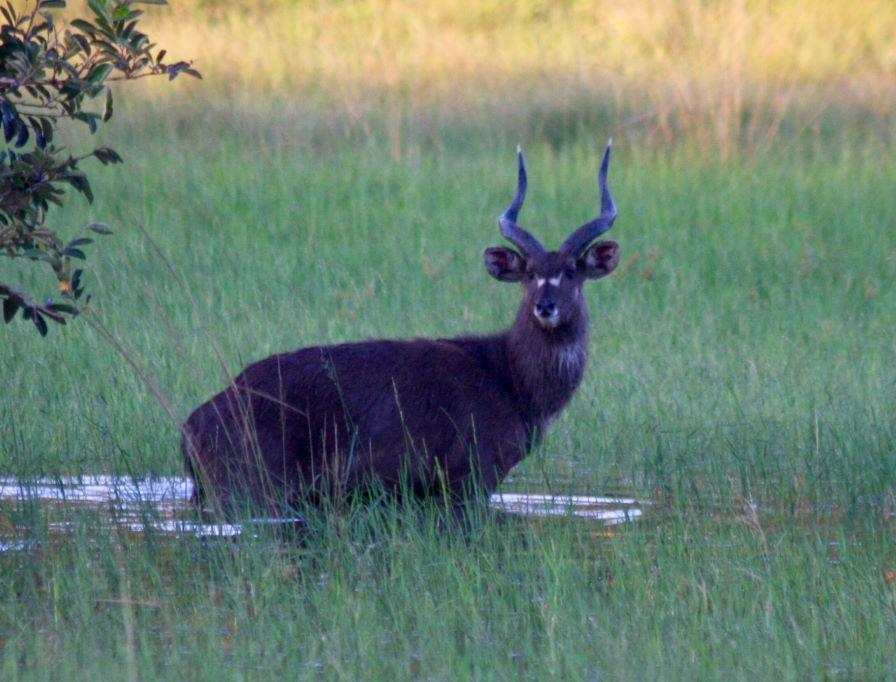
When on a big game hunting safari targeting the sitatunga, look for a medium-sized antelope with a shaggy coat that is several inches long. Males are quite a bit larger than females, with a brown or gray-brown coat. Females have a chestnut or brown coat. Both sexes have white markings on their faces, ears, bodies, legs, and feet, while juveniles have spots of white on their otherwise reddish-brown coat. Their coats have an oily, waterproof type secretion that keeps them dry. Their hind legs are longer than the front ones, with feet and hooves specifically adapted to walk and swim in water. Males weigh 150-280 pounds, standing approximately 35-49 inches at the shoulder, while females are smaller and weigh 110-125 pounds, standing at 30-35 inches at the shoulder. Only the male sitatunga has spiral-shaped horns that grow between 18-36 inches in length.
Hunting this trophy Africa plains game antelope is going to be one for the memory books! Due to these being semi-aquatic antelopes, the best way to target them is from the water. Hunters use canoes to slowly and silently make their way across rivers and marshlands, dodging hippos and Nile crocodiles on the way. The real challenge comes when it’s time to take that perfect shot from a moving canoe!
Hunting in a wet environment and spending hours tracking an animal through marsh and wetlands can be very challenging. A gentle reminder needs to be issued to pack the correct hunting gear should the sitatunga be on your next game hunting adventure! You will get wet, it will be muddy and it will probably be one of your most memorable hunts ever!
When sitatunga hunting, shooting ranges can vary from 100 yards to 400 yards. Consider a fast-shooting rifle equipped with an excellent quality tactical scope. Calibers can vary from a .270 right up to a 300 win-mag. A 7mm is also perfect for the job at hand.
Available Sitatunga Hunts
East African Sitatunga & Plains Game Hunting in Uganda
Booking Season: 2026
Hunt Difficulty: Moderate
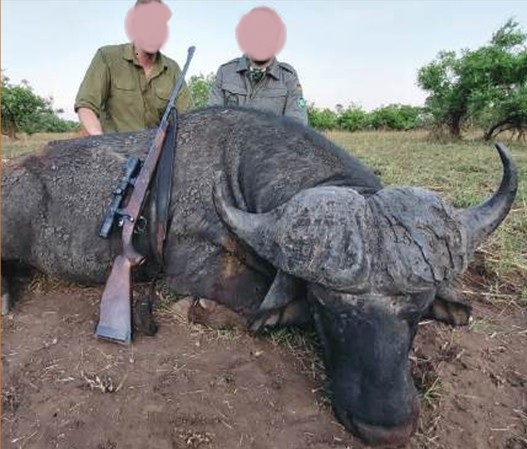
Nile Buffalo & Sitatunga Hunting in Uganda
Booking Season: 2026
Hunt Difficulty: Difficult
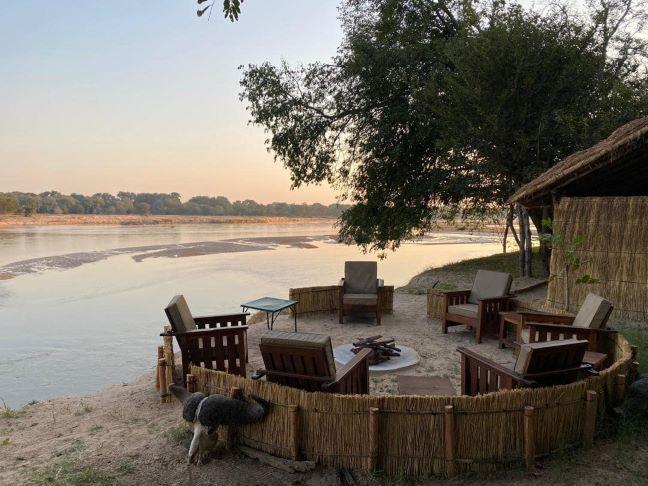
10-Day Sitatunga Hunt in Zambia’s Tondwa GMA
Booking Season: 2026
Hunt Difficulty: Difficult
7-Day Dangerous Game & Plains Game Safari in Zambia
Booking Season: 2026
Hunt Difficulty: Difficult
Hunt Zambia 21 Days - Lion, Leopard, Cape Buffalo & PG
Booking Season: 2026
Hunt Difficulty: Difficult
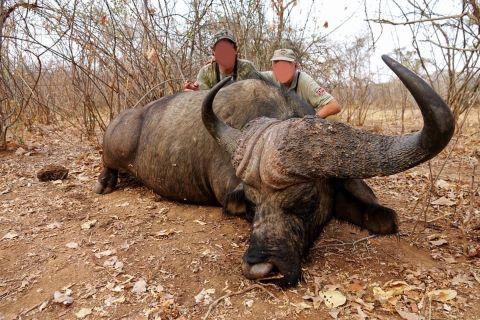
Buffalo Hunting in Zambia's Zambezi Valley
Booking Season: 2026
Hunt Difficulty: Difficult
Trophy Hunting in Zambia | Tondwa Plains Game Safari
Booking Season: 2026
Hunt Difficulty: Moderate, Difficult
Search from our range of Hunts across various popular destinations in Africa.

Book Your Hunt