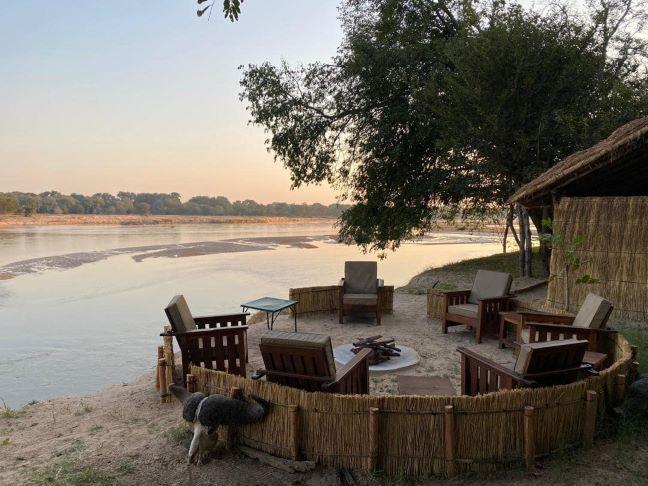
10-Day Sitatunga Hunt in Zambia’s Tondwa GMA
Booking Season: 2026
Hunt Difficulty: Difficult

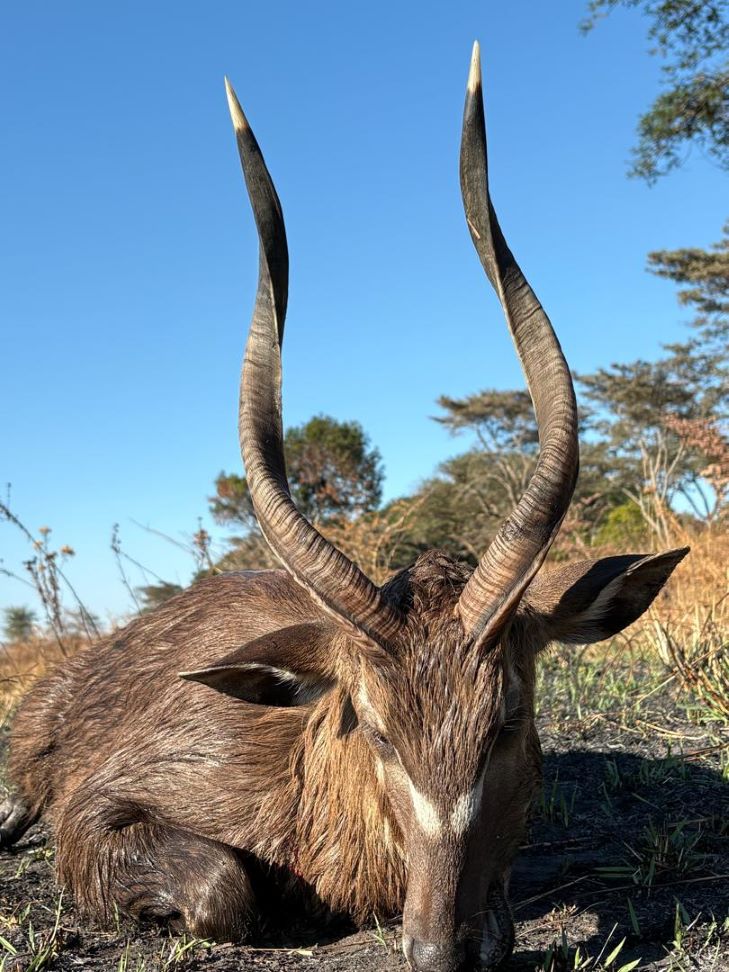
Sitatunga hunting in Africa is one of the most specialized, and often misunderstood antelope hunts available.
Unlike traditional plains game safaris, sitatunga are not found in open savannah. They live in swamps, wetlands, and dense forest environments where visibility is limited and movement is difficult. This alone changes the entire nature of the hunt.
For most hunters, this is not just another species to add to a list. It’s a completely different kind of experience, one that requires patience, adaptability, and a willingness to hunt in conditions that are often uncomfortable and unpredictable.
Before planning a sitatunga safari, it’s important to understand that success is rarely about covering ground or seeing large numbers of animals. It’s about working within a very specific environment where opportunities are limited and often brief.
Available Sitatunga Hunts
10-Day Sitatunga Hunt in Zambia’s Tondwa GMA
Booking Season: 2026
Hunt Difficulty: Difficult

7-Day Dangerous Game & Plains Game Safari in Zambia
Booking Season: 2026
Hunt Difficulty: Difficult
Hunt Zambia 21 Days - Lion, Leopard, Cape Buffalo & PG
Booking Season: 2026
Hunt Difficulty: Difficult
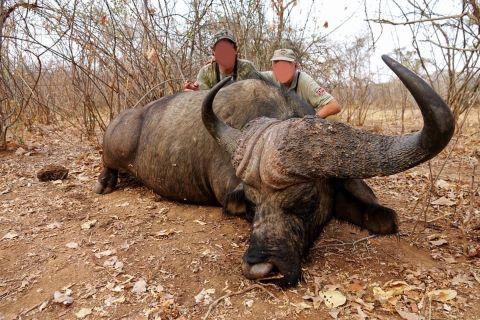
Buffalo Hunting in Zambia's Zambezi Valley
Booking Season: 2026
Hunt Difficulty: Difficult
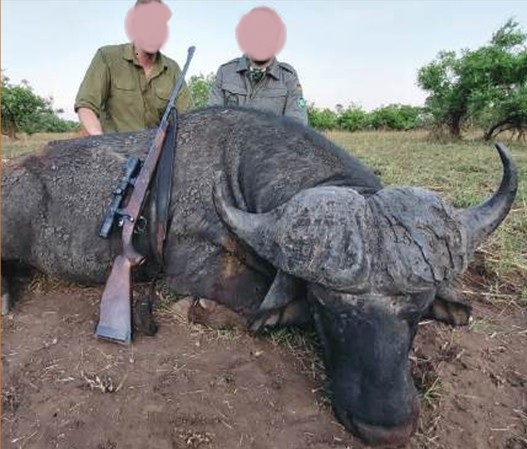
Nile Buffalo & Sitatunga Hunting in Uganda
Booking Season: 2026
Hunt Difficulty: Difficult
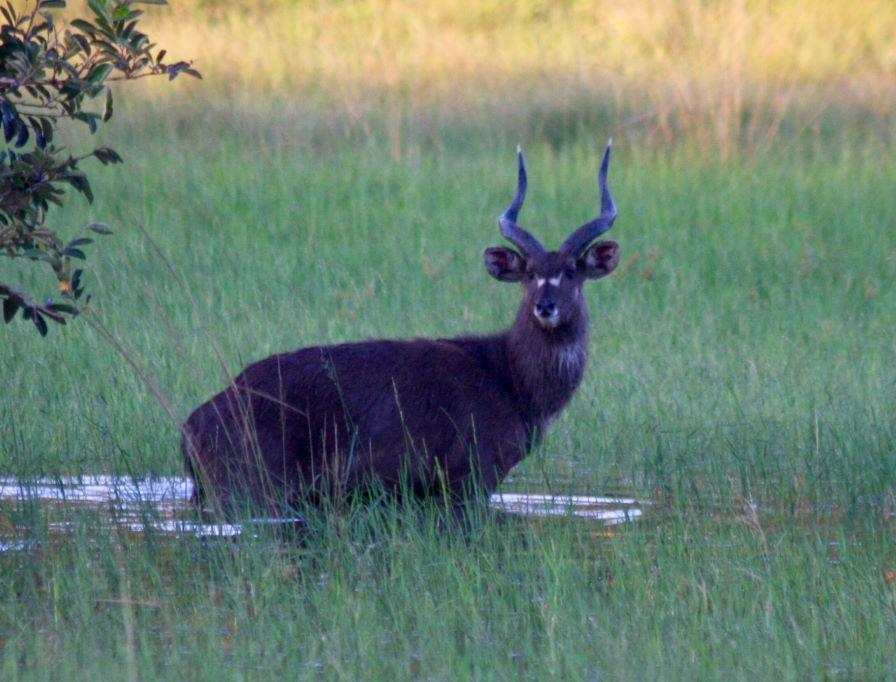
Trophy Hunting in Zambia | Tondwa Plains Game Safari
Booking Season: 2026
Hunt Difficulty: Moderate, Difficult
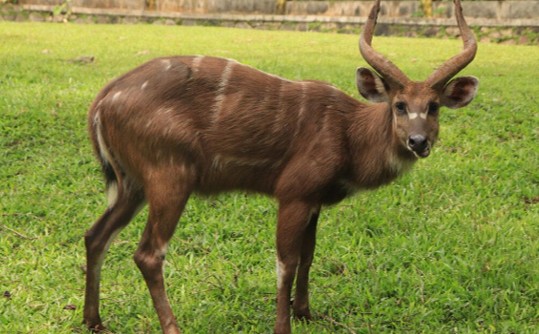
East African Sitatunga & Plains Game Hunting in Uganda
Booking Season: 2026
Hunt Difficulty: Moderate
Sitatunga are uniquely adapted to wet, difficult terrain. Their splayed hooves allow them to move through swamp and marsh where most other animals simply cannot go.
That one characteristic defines the entire hunt.
Instead of glassing open areas or tracking across dry ground, you are often dealing with thick vegetation, waterlogged terrain, and restricted visibility. Movement is slower, access is more difficult, and animals are far less predictable. Depending on the region, hunting methods can vary, but most safaris revolve around a combination of patience and positioning rather than constant movement. You may spend long periods waiting in blinds overlooking swamp clearings, or carefully working through dense cover where visibility is measured in meters rather than distance.
In some areas, particularly in Southern Africa, hunts may involve canoes or mokoros to access flooded systems. In others, especially in Central Africa, the focus shifts more toward forest edges and swamp corridors. This is not a high-visibility hunt. You are not seeing multiple animals a day. Encounters are limited, and when they do happen, they tend to be brief and unpredictable.
That’s what makes sitatunga hunting so different, and so appealing to experienced hunters looking for something beyond the typical safari.
Not all sitatunga hunts are the same.
There are three main types of sitatunga found across Africa, and understanding the differences between them is critical before choosing where to hunt.
For hunters interested in hunting in Uganda, Nile sitatunga are typically pursued in vast papyrus swamps and wetland systems where patience, local knowledge, and specialized hunting techniques are often required.
These hunts often involve careful positioning along waterways and swamp edges, with a strong focus on patience and timing. Visibility can still be limited, but the terrain is generally more open than in forest environments.
For serious African collectors, hunting in Cameroon offers the opportunity to pursue the elusive forest sitatunga, a subspecies highly regarded for both its rarity and the difficulty of the hunt.
Many hunters also combine these safaris with bongo hunts and Lord Derby eland hunts, creating one of Africa's most sought-after rainforest hunting experiences.
These hunts take place in dense rainforest and swamp environments where visibility is extremely restricted and movement is slow. Conditions are often humid, physically demanding, and far less predictable than in other regions. You are not glassing animals at distance; you are working within tight, enclosed environments where opportunities can appear and disappear quickly.
For experienced hunters, this is considered the most difficult form of sitatunga hunting, not because of the animal itself, but because of the terrain and conditions involved.
The Zambezi sitatunga is most closely associated with hunting in Zambia, where extensive floodplains and wetland systems create the ideal conditions for pursuing this elusive and highly sought-after antelope.
While still challenging, this style of hunt is often considered more accessible than the dense forest environments found in Central Africa.
Sitatunga hunting is limited to very specific regions where the right habitat exists, namely swamps, wetlands, and forest-edge systems. Unlike plains game, you can’t hunt sitatunga just anywhere in Africa. Your choice of country will define not only the species you pursue, but the entire style of the hunt. The most established destinations include Cameroon, Zambia, and Uganda, each offering a very different experience.
In Cameroon, you are typically hunting forest sitatunga in dense, humid environments where visibility is limited and conditions are physically demanding. This is a true Central African-style hunt, often combined with other forest species.
Zambia offers a different approach, with Zambezi sitatunga hunted in floodplains and swamp systems that may allow for more structured access and, in some cases, the use of canoes or mokoros.
In Uganda, Nile sitatunga are hunted in papyrus swamps and wetland systems, where patience and positioning along water channels play a major role.
Choosing the right destination is not just about availability, it’s about understanding which type of hunt suits your expectations and experience level.
Sitatunga are widely considered one of the most difficult antelope to hunt in Africa, not because of their size or temperament, but because of the environments they live in.
You are often hunting in areas where visibility is extremely limited, movement is slow, and conditions can change quickly. Thick vegetation, waterlogged ground, and unstable footing are all part of the experience.
There can be long periods with very little activity. You may spend hours, or even days, waiting, watching, or tracking without a clear opportunity. And when a chance does come, it is often brief and requires quick, controlled decision-making.
This is a hunt that rewards patience more than persistence. It’s about staying focused, managing expectations, and being ready when the moment finally presents itself.
For hunters used to more active or visible safaris, this can feel slow. For others, it’s exactly what makes sitatunga hunting so compelling.
Sitatunga hunts are not typically structured as short, single-species safaris. In most cases, they form part of a longer, multi-species hunt in remote areas. Costs vary depending on the country, but most hunters should approach this as a premium safari.
In Cameroon, where forest sitatunga are hunted, safaris often range between $25,000 and $40,000 or more. These hunts involve remote concessions, complex logistics, and extended durations, all of which contribute to the overall cost.
In Zambia, Zambezi sitatunga are often included as part of broader safari packages, where pricing is spread across multiple species and days in camp.
In Uganda, Nile sitatunga hunts can fall into a mid- to high-range bracket, depending on access, permits, and the structure of the safari.
What’s important to understand is that the cost is not driven by the animal alone. It reflects the environment, the logistics, and the level of expertise required to hunt effectively in these conditions. Remote camp access, specialized guides, experienced trackers, and longer safari durations all play a role in shaping the final cost. For most hunters, it’s more accurate to view this as an experience-driven hunt rather than a price-driven one.
While sitatunga hunts often take place in remote and challenging environments, they are conducted within established concessions and managed by experienced professional hunters and teams who understand the terrain, logistics, and conditions. For international hunters, the key is working with operators who are familiar with these regions and can plan the hunt properly from start to finish.
Sitatunga hunts are rarely planned around a single species, and in most cases, they shouldn’t be.
Because these hunts take place in remote and specialized environments, they are typically part of a broader safari designed to make full use of the time and access available. Once you are in these regions, it makes sense to approach the hunt as a wider experience rather than focusing on one animal alone.
In Cameroon, for example, forest sitatunga hunts are often combined with species like Lord Derby eland, buffalo, and even bongo, depending on the concession and license structure. These animals share similar environments, and opportunities may arise naturally during the course of the hunt.
In other regions, such as Zambia or Uganda, sitatunga are often included alongside buffalo and other available plains game species, allowing hunters to build a more balanced safari.
A well-structured hunt allows for flexibility. You may head out with sitatunga as the primary focus, but still have the option to take advantage of other opportunities as they present themselves.For most hunters, the value of a sitatunga safari comes from this broader experience, not just the pursuit of a single animal, but the chance to hunt in environments that offer a wider range of species and challenges.
Sitatunga hunting is not suited to every hunter, and being clear about that upfront is important.
If you’re looking for a high-volume safari with frequent sightings and regular shot opportunities, this type of hunt will likely feel slow and unpredictable. The same applies if your preference is for dry, comfortable conditions or structured hunting environments.
This hunt often involves wet ground, thick vegetation, and long periods of waiting or tracking with limited visibility. Progress can be slow, and success is never guaranteed. It may also not be the right fit if you are looking for a short or straightforward safari. Sitatunga hunts typically require time, patience, and a willingness to adapt to conditions that are outside the norm for most African hunting experiences. There’s nothing wrong with choosing a more accessible or predictable hunt — it simply means this one may not align with what you’re looking for.
For the right hunter, however, that’s exactly what makes it appealing.
The best time to hunt sitatunga depends heavily on the region, but in general, timing plays a major role in how the hunt unfolds. Across most areas, the dry season tends to offer more consistent conditions. Water levels drop, access improves, and animals become more predictable in how they move through swamp and wetland systems.
In places like Zambia and Uganda, lower water levels can make it easier to position yourself effectively, whether along swamp edges or in more open floodplain systems.
In Cameroon and other Central African regions, seasonal changes affect both access and visibility within dense forest environments. Even small shifts in water levels or vegetation density can influence how and where animals are encountered.
What matters most is understanding the specific conditions of your chosen destination. Sitatunga hunting is highly environment-dependent, and timing the safari correctly can make a significant difference in both access and opportunity.
For the right hunter, absolutely.
But this is not a hunt you measure in convenience, comfort, or even consistent success. It’s something different entirely. It’s about pursuing one of Africa’s most elusive antelope in environments that are often difficult, slow-moving, and unpredictable. It’s about long periods of waiting, limited visibility, and moments that come together quickly, if they come at all. That’s exactly what gives this hunt its appeal.
For many veteran hunters, sitatunga represents a shift away from more structured safaris. It’s less about numbers and efficiency, and more about the process, the environment, and the challenge itself. If you’re looking for a straightforward or fast-paced hunt, there are better options. But if you’re after something more deliberate and experience-driven, sitatunga offers something very few hunts can match.
Before planning a sitatunga safari, it’s worth taking the time to think through exactly what you want from the experience.
Start by understanding the differences between the three main types of sitatunga, and how each one changes the style of the hunt. The environment, the pace, and even the level of difficulty can vary significantly depending on where you go. Choosing the right destination is just as important as choosing the right species. A forest hunt in Cameroon is a very different experience from a floodplain hunt in Zambia or a swamp-based hunt in Uganda.
It’s also important to work with operators who understand the specific terrain and methods required for sitatunga hunting. This is not a generalist hunt, local knowledge and experience play a major role in how the safari is structured and executed. Finally, go in with the right expectations. This is one of the most specialized hunts in Africa, and success is shaped as much by mindset as it is by conditions.
Approached the right way, it can be one of the most rewarding hunting experiences available.
Search from our range of Hunts across various popular destinations in Africa.

Book Your Hunt