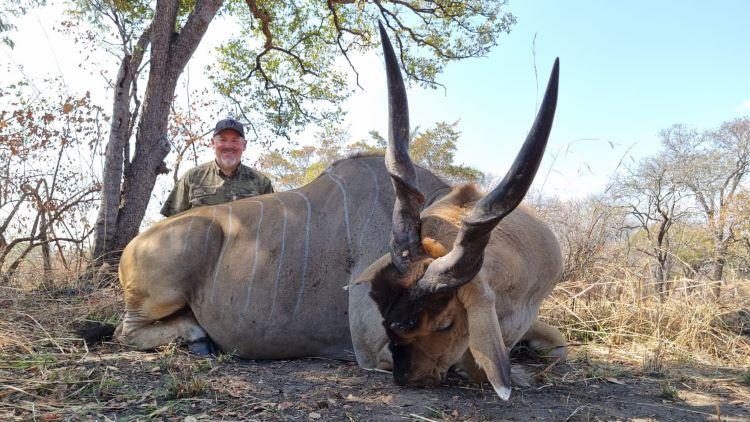
10x African Plains Game Trophies in 10 Days in Limpopo, SA
Booking Season: 2026
Hunt Difficulty: Moderate, Difficult

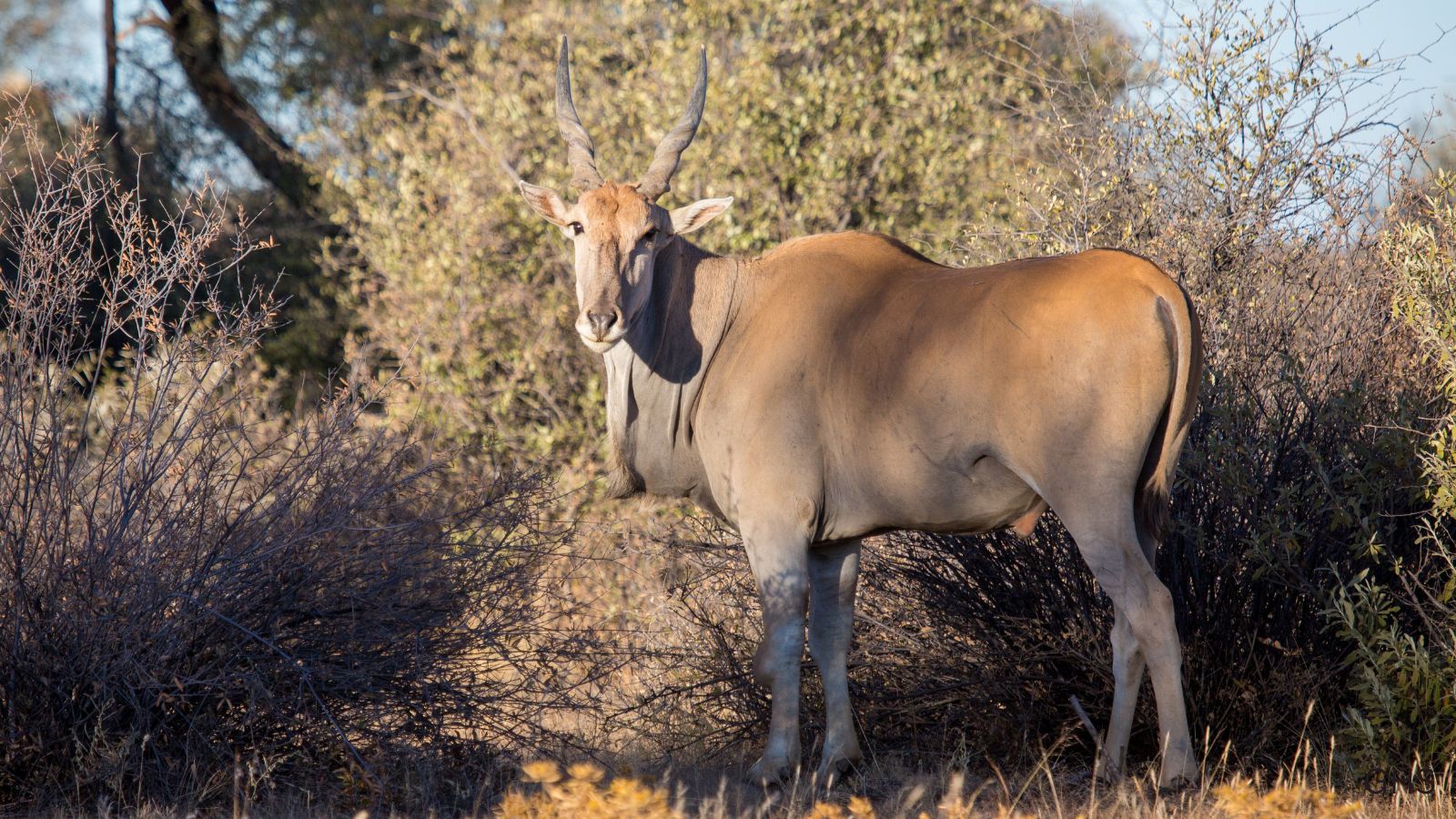
When you start looking into eland hunts, you usually underestimate two things: how big these animals actually are, and how surprisingly hard they are to pin down. You might think an antelope that weighs as much as a minivan would be easy to spot in the bush, but they don’t call them the “Grey Ghost” for nothing. Whether you are after the accessible Cape Eland or the elusive Lord Derby, hunting eland is a tactical challenge that tests your patience, your fitness, and your rifle skills.
Here’s the thing about booking these trips, it can be a minefield. You see a cheap price online, you book a flight, and you arrive to find out the “concession” is a glorious petting zoo or, worse, the outfitter doesn’t have the permits sorted. That is exactly why we exist. At Game Hunting Safaris, we act as the bridge between you and a vetted, legitimate hunt. We handle the heavy lifting, logistics, vetting, transparent USD pricing, so you can focus on the stalk. If you are ready to chase the spiral horns without the administrative headache, you are in the right place.
Available Common Eland Hunts
10x African Plains Game Trophies in 10 Days in Limpopo, SA
Booking Season: 2026
Hunt Difficulty: Moderate, Difficult
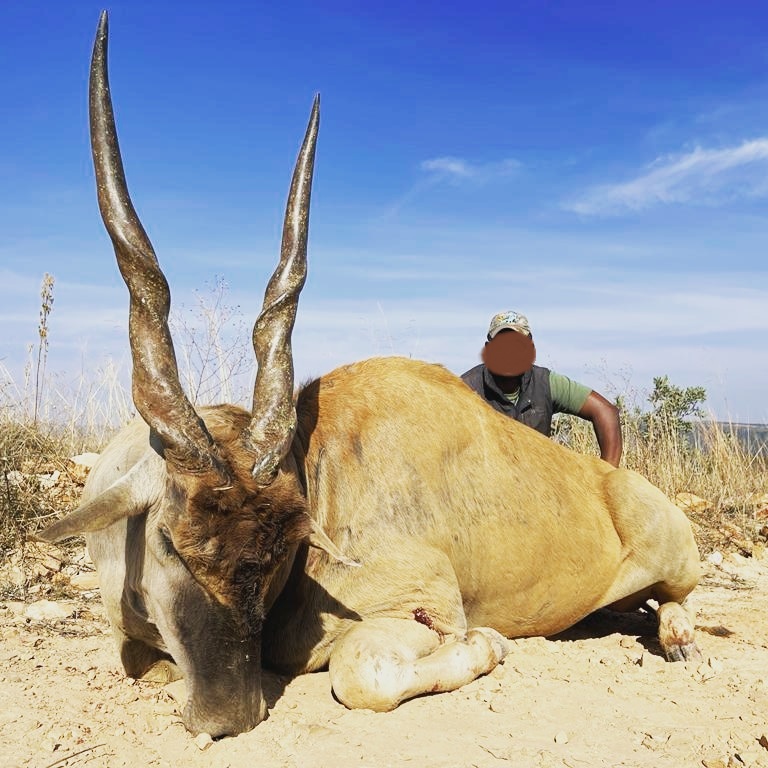
Hunt Eland, Kudu, Nyala & Bushbuck on this SA Spiral Horn Hunt
Booking Season: 2026
Hunt Difficulty: Difficult
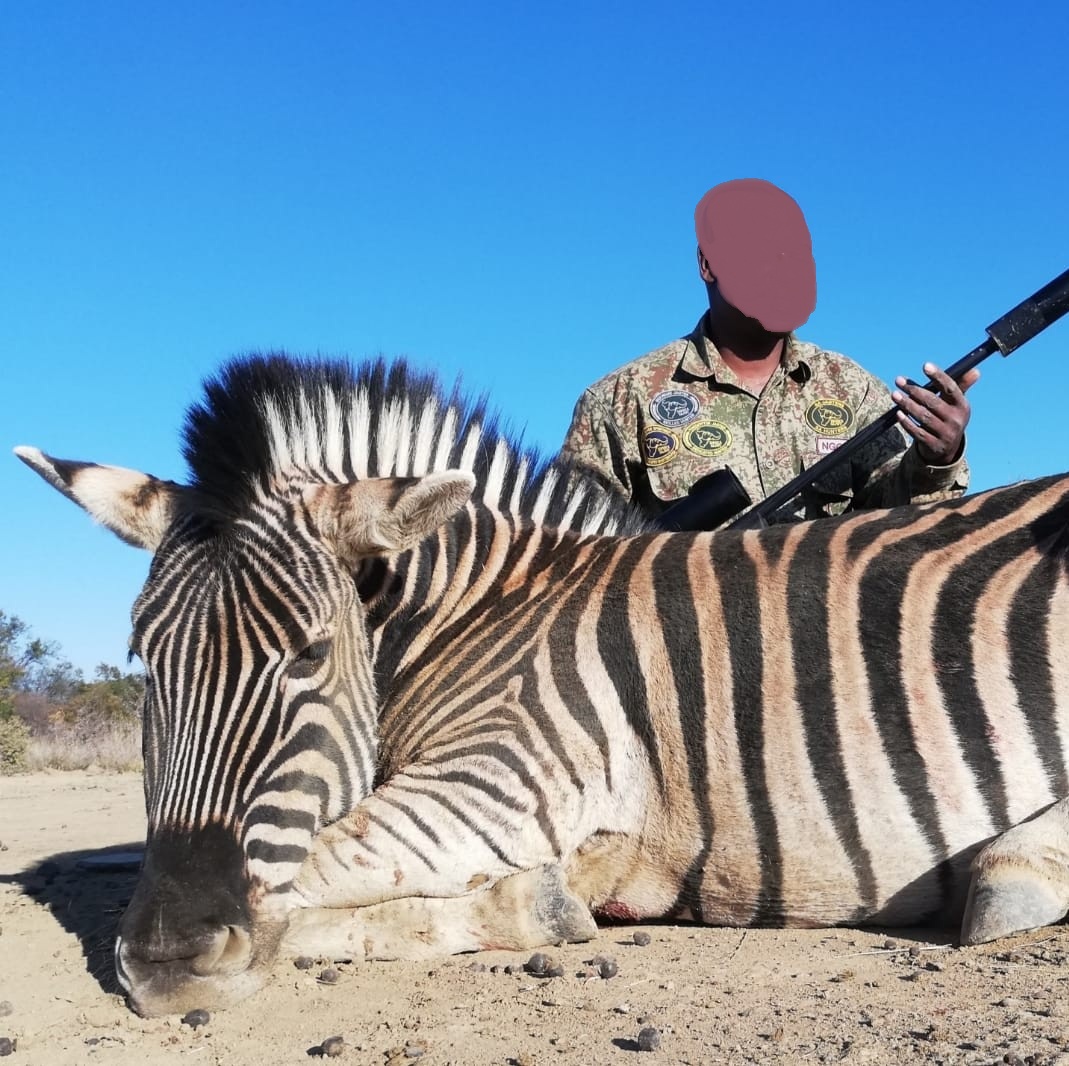
Hunt Eland, Zebra, Sable & 3 More Plains Game Species in SA
Booking Season: 2026
Hunt Difficulty: Moderate
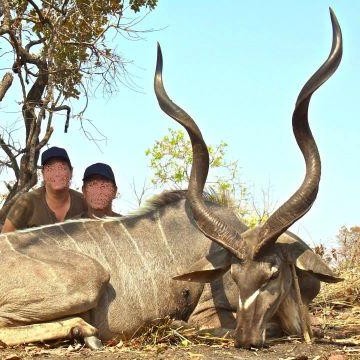
Hunting Safari in SA 10 x Nights Plains Game Combination
Booking Season: 2025
Hunt Difficulty: Difficult
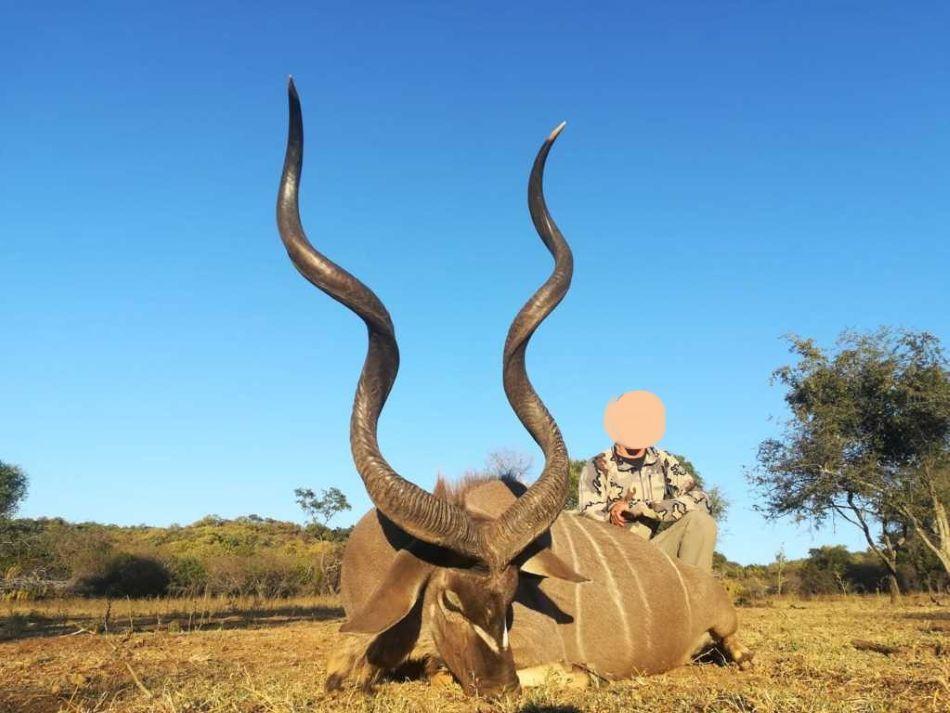
10-Day Plains Game Extravaganza Hunting in South Africa
Booking Season: 2026
Hunt Difficulty: Moderate
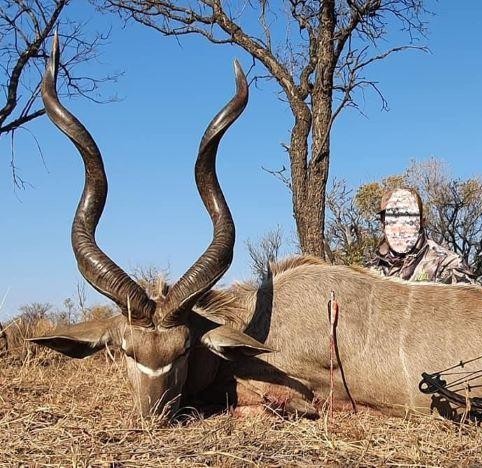
Spiral Horn Hunting Package in South Africa for 8 days
Booking Season: 2026
Hunt Difficulty: Moderate
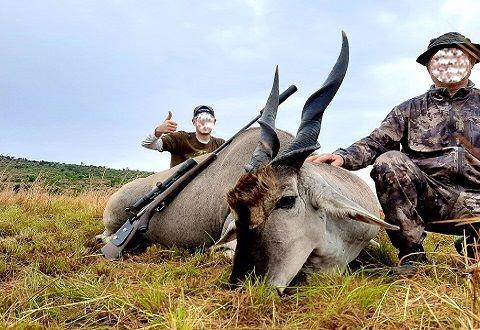
African Hunting Safari in the Waterberg SA Spiral Horn Slam
Booking Season: 2026
Hunt Difficulty: Moderate, Difficult

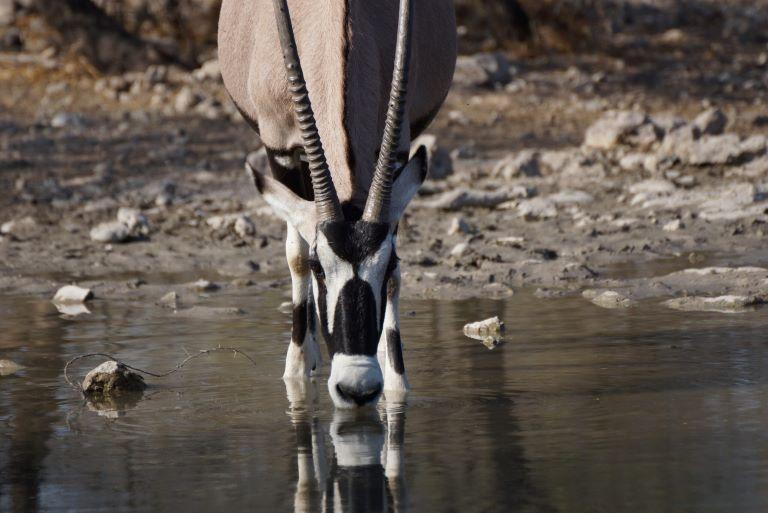
7-Day Kalahari Plains Game Hunt in Botswana
Booking Season: 2026
Hunt Difficulty: Moderate, Difficult
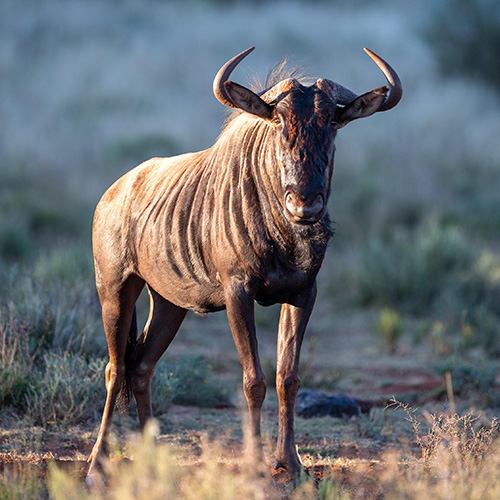
SA Plains Game Cull Hunt: 6 Hunters, 6 Species each
Booking Season: 2026
Hunt Difficulty: Difficult
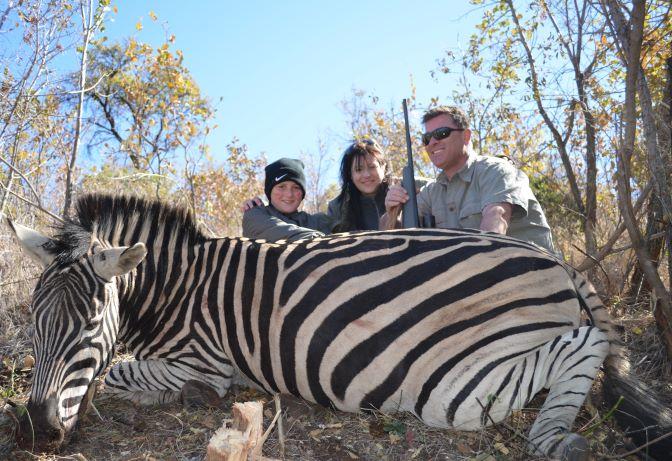
South Africa Hunting Trip, Plains Game Safari and Bushpig
Booking Season: 2026
Hunt Difficulty: Moderate, Difficult
Before you even start looking at dates, you need to know exactly what you are chasing. In the world of eland hunts, there are two main players that draw international hunters. While they share a name and that iconic ox-like stature, the experience of hunting them, and the price tag attached, is vastly different. We have seen plenty of first-timers get confused by the options, so let’s clear that up right now.
The Cape Eland (Taurotragus oryx) is the one you will most commonly see in Southern Africa. If you are booking a plains game package in South Africa or Namibia, this is the beast you are after. They are incredibly heavy, often tipping the scales at 2,000 pounds. Visually, they have a tawny, tan coat that grays out as they age, often developing a “blue” hue, hence the nickname “Blue Bull” for the old dominant males.
What makes the Cape Eland special is the massive dewlap hanging from the neck and the thick, brush-like tuft of hair on the forehead of mature bulls. Their horns are thick and spiraled, but generally shorter than their northern cousins. For most US hunters, a Cape Eland is the accessible dream. It’s affordable, the meat is exceptional (seriously, the best venison in Africa), and it fits perfectly into a standard 7-10 day safari package. You get a massive trophy without needing a second mortgage or a charter flight into the jungle.
Then, there is the Lord Derby Eland (Taurotragus derbianus). If the Cape Eland is a tank, the Lord Derby is a majestic, towering fortress. Found primarily in Central and West Africa, think Cameroon and the Central African Republic, this is the largest antelope on the planet. They are taller, more vibrant in color with distinct vertical white stripes, and sport horns that flare wide and long, often reaching incredible dimensions.
Hunting a Lord Derby is not a casual add-on: it is a dedicated expedition. These hunts are pricier, physically demanding, and take place in remote wilderness areas. It is a bucket-list hunt for the serious collector who has already done the plains game thing and wants a true challenge. While a Cape Eland hunt is something we can set up with high ease and availability, a Lord Derby hunt requires serious lead time and logistical precision. But honestly? Standing over a Lord Derby bull is a moment purely reserved for hunting royalty. It’s a specialized pursuit, which means… you need the right team backing you to ensure the camp, the PH (Professional Hunter), and the area are legitimate.
Planning a trip to Africa isn’t like booking a weekend whitetail hunt in Ohio. The logistics can be brutal if you don’t know the landscape. You have flights, firearm permits (SAPS 520 forms are no joke), and the fear of hidden costs. We take that stress away by vetting outfitters beforehand, but you still need to know the basics of where and when to go to maximize your success.
Best Regions for Hunting
For the Cape Eland, South Africa is the gold standard. The Eastern Cape offers thrilling hunts in mountainous terrain where you might be glassing across valleys, while the Limpopo bushveld provides that classic “up close and personal” tracking experience in the thick stuff. Namibia is another fantastic option, offering vast, open spaces where you can spot herds from miles away. We stick to vetted outfitters in these regions because infrastructure is solid, and we can guarantee the trophy quality.
If you are gunning for the Lord Derby, your map shrinks significantly. Cameroon is the primary destination. It is wilder, hotter, and requires more travel grit. We only partner with outfitters there who have a proven track record of safety and camp comfort because, let’s be honest, you don’t want to be stuck in the rainforest with a shady operator.
Ideal Times of Year
Seasonality matters. For Southern Africa (Cape Eland), the winter months, May through August, are ideal. It is the dry season. Why does that matter? Two reasons. First, the vegetation thins out. Eland are masters of using a single bush to hide a 2,000-pound body. Less leaf cover gives you a fighting chance. Second, water is scarce. Eland drink regularly, so sitting over a waterhole or tracking them as they move to water becomes a viable strategy.
For Cameroon and the Lord Derby, the season usually runs from January to March, the dry period for that region. Trying to hunt these giants in the wet season is a recipe for misery and empty hands. When you book with us, we look at the moon phase, the region’s recent rainfall, and historical data to slot you into the prime weeks. Don’t guess on dates: let us steer you toward the window with the highest success rate.
Actionable Advice: Start planning at least 9-12 months out, especially if you want prime dates in the dry season. Contact a specialist (that’s us) to lock in your weeks before the convention crowds grab them.
Let’s talk hardware. One of the biggest mistakes we see clients make is bringing “deer medicine” for an eland. Do not do it. An old eland bull is built like a brick wall. Their skin is thick, their bones are heavy, and they have an adrenaline reserve that can keep them running for miles even after a fatal hit. You owe it to the animal, and your aching feet, to put them down quickly.
Minimum Caliber Requirements
While legal minimums vary by province and country, the consensus among experienced PHs is that the .300 Win Mag is the absolute floor for eland hunts. Can you kill one with a .30-06 or a 7mm Rem Mag? Yes, with perfect shot placement. But in the bush, perfect shots are rare.
We strongly recommend stepping up to the medium bores. The .375 H&H Magnum is, without a doubt, the king of African cartridges. It carries enough punch to break shoulders and penetrate deep into the vitals from any angle. A 9.3x62 Mauser is another brilliant, classic choice that hits with serious authority. If you are already bringing a .375 for buffalo, use it on the eland. You won’t regret the extra stopping power.
Bullet Weight and Construction
Caliber is only half the equation: bullet construction is the other. Leave the rapid-expanding, polymer-tipped deer bullets at home. They tend to splash on the heavy shoulder bone of an eland, failing to reach the vitals. You need controlled expansion and weight retention.
Look for premium, bonded soft points or monolithics. We are talking about bullets like the Swift A-Frame, Barnes TSX, or Nosler Partition. You want a bullet that holds together and drives through. For a .30 caliber, look for 180-grain or heavier. For the .375, the standard 300-grain solidifies your confidence. When you squeeze that trigger, you want to know that the projectile is going to punch through the near shoulder and wreck the boiler room, which means a short tracking job and a happy camp fire.
You can’t just stumble around the bush expecting to bump into an eland. Even though their size, they are incredibly skittish. They have excellent hearing and vision, and they are constantly on high alert. Successful eland hunts usually boil down to two main strategies, and your fitness level often dictates which one we lean into.
The Spot and Stalk Approach
This is common in more open terrain, like the Free State in South Africa or parts of Namibia. The day starts on the high ground, kopjes or ridges, where you and your PH will spend hours behind the glass. You are looking for that tell-tale gray shape against the green and brown bush.
Once a bull is spotted, the game of chess begins. You have to close the distance, often covering a mile or more, while playing the wind. The wind is everything. One whiff of human scent, and that herd will break into a trot that eats up miles effortlessly. This method requires patience and the ability to move quietly. You might crawl the last 200 yards. It’s tense, it’s exciting, and it feels like a proper hunt.
Tracking Through Thick Bush
In the thick stuff, like the Limpopo bushveld, we track. This is hunting in its purest form. You cut a fresh spoor (track) early in the morning and follow it. Eland hooves are round and large, easy to identify, but interpreting the age of the track is where your tracker earns his tip.
Here’s a sensory detail you won’t forget: the click. Eland have a tendon in their knee that makes a distinct clicking sound when they walk. Sometimes, in the thick bush, you hear them before you see them. Tracking can be physically grueling. Eland cover ground quickly, often at a fast walk that forces you to jog just to keep up. It’s hot, dusty, and adrenaline-fueled. If you want this experience, tell us when you book so we can match you with an area that favors tracking over glassing.
Pro Tip: Listen to your PH. If he says freeze, you freeze. Don’t look around to see what he sees. Just stop. Eland are wired to spot movement.
So, you have stalked in close, the sticks are up, and the bull is broadside. Where do you aim? This is where many US hunters get into trouble. African game anatomy is slightly different from North American deer. The vitals sit lower and further forward.
On an eland, the hump at the base of the neck can be deceptive. It makes the animal look taller than it is, causing hunters to aim too high. If you aim for the “middle” of the body, you will likely hit the “void” above the lungs and below the spine. You will wound the animal, and you will likely never see it again. And remember, under the standard hunting contract rules, if you draw blood, you pay for the trophy.
Focus on the front leg. Follow the back line of the front leg up about one-third into the body. That is your sweet spot. You want to put that bullet right through the top of the heart or the center of the lungs. Because eland are so massive, their shoulder bones are formidable shields. If you are using a lighter caliber, wait for the leg to move forward to expose the crease behind the shoulder. If you are toting a .375, you can punch right through the shoulder bone (the “high shoulder” shot) to drop them in their tracks.
Visualize a triangle formed by the leg and the spine. Keep your shots in the lower third of that triangle. When that gun goes off, be ready for a follow-up. We always tell our clients: pay the insurance. If the bull doesn’t drop, put another round in him immediately. It is better to use an extra cartridge than to spend two days tracking a wounded animal across the Kalahari.
Hunting an eland is more than just collecting a trophy: it is about earning your stripes in the African bush. Whether it’s the burning calves from a day of tracking or the heart-stopping moment you finally see that massive blue bull step into the clearing, it is an experience that stays with you forever. But a dream hunt can turn into a logistical nightmare if you don’t have the right team in your corner.
That is where we come in. At Game Hunting Safaris, we don’t just sell hunts: we build experiences. We ensure your outfitter is top-tier, your pricing is transparent (no surprise fees), and your paperwork is airtight. You shouldn’t have to worry about whether your permit is valid or if your trophy will actually make it home. Let us handle the details so you can handle the rifle.
Ready to step into the bush?
✉️ Request a quote today or speak to one of our safari specialists. Let’s get your eland hunt on the books.
🌍 Browse our active hunting listings and secure your preferred species and dates.
Eland are one of the more premium plains game species to hunt in Africa, largely because of their size, trophy quality, and the effort required to hunt mature bulls.
In South Africa, a typical Cape eland trophy fee usually ranges between $2,500 and $4,500 depending on the area, property size, and trophy quality. Namibia tends to fall within a similar range, often offering more open terrain and longer spot-and-stalk opportunities.
For most American hunters traveling this far, eland are rarely hunted on their own. Eland are usually included as part of a broader plains game hunt, often alongside species like kudu, wildebeest, or zebra. This allows you to structure a safari around multiple animals while making the most of your time and travel investment.
If you’re used to North American pricing, eland often sit somewhere between a guided elk hunt and a premium multi-species package — but with far more variety in a single trip.
Lord Derby eland hunts, on the other hand, are a completely different category. These are expedition-style safaris in Central or West Africa, with significantly higher costs due to logistics, permits, and remote locations.
Understanding what type of eland you are pursuing is critical before budgeting your hunt. This is one of those hunts where price differences reflect fundamentally different experiences.
Eland are found across several regions in Africa, but the hunting experience varies significantly depending on location.
South Africa remains the most practical and accessible option for most American hunters. The Eastern Cape offers mountainous terrain with glassing and longer shots, while Limpopo provides thicker bushveld conditions where tracking becomes the primary method. If you prefer a structured, well-supported safari with predictable logistics, South Africa is usually the right starting point.
Namibia is a better choice if you’re comfortable shooting longer distances and prefer open-country hunting. The terrain is more open, particularly in the Kalahari, where visibility is greater and spot-and-stalk hunting becomes the dominant strategy. It feels closer to western-style hunting, but with African species.
For those pursuing Lord Derby eland, Cameroon is the primary destination. These hunts take place in remote wilderness areas and require significantly more planning, both logistically and physically. This is not an entry-level hunt — it’s a dedicated expedition for experienced hunters.
Choosing the right region comes down to how you want to hunt. If you get this wrong, the hunt can feel mismatched. If you get it right, it becomes one of the most rewarding hunts in Africa.
For Cape eland in Southern Africa, the best hunting period runs from May through September during the dry winter months.
During this time, vegetation thins out, making it easier to spot eland in both bushveld and more open terrain. Water sources become more important, which helps predict animal movement and improves hunting opportunities. Cooler temperatures also make long tracking days far more manageable, especially for hunters not used to African heat. If you’re coming from the U.S. or Canada, this timing also lines up well with summer back home.
If you hunt outside this window, expect more effort for fewer opportunities. Thicker vegetation and unpredictable movement patterns make eland significantly harder to locate and approach.
For Lord Derby eland, the hunting season typically runs from January through March, aligning with the dry season in Central Africa. Outside of this window, conditions become difficult quickly, and success rates drop.
Timing matters more with eland than most hunters expect. The right window can make the difference between a hard-earned success and a frustrating hunt.
Eland hunts are often underestimated. If eland is your primary goal, South Africa is the most practical place to start. It offers the best balance of cost, accessibility, and success rates for most first-time African hunters.”
Despite their size, eland are not easy animals to hunt. Mature bulls are cautious, cover large distances, and are often found in small groups or loosely structured herds.
In thicker terrain, hunts can involve long tracking sessions, sometimes covering several miles in a single day. In more open areas, the challenge shifts to closing distance without being detected.
If you’re used to elk or western spot-and-stalk hunting, the physical side will feel familiar — but the conditions are different. Heat, terrain, and tracking pace can wear you down faster than expected.
Shots are not always close. Depending on terrain, hunters should be comfortable shooting between 150 and 300 yards, often from shooting sticks rather than prone positions.
What makes eland particularly challenging is their durability. Even well-placed shots may require follow-up tracking, especially if the animal covers ground before expiring.
This is not a casual hunt. It rewards preparation, patience, and disciplined execution. Hunters who treat it lightly often struggle.
A typical eland hunt starts early, often before sunrise, when tracking conditions are at their best.
In bushveld regions, the day usually begins by cutting fresh spoor and following tracks on foot. Eland move consistently, which means tracking can quickly turn into a physically demanding pursuit. Some days feel more like endurance hunts than anything else.
In more open terrain, mornings may start with glassing from elevated ground before planning a stalk. Once a suitable bull is identified, the approach becomes deliberate, using wind direction and terrain to stay concealed.
Midday is often used for rest and recovery, especially in warmer regions where pushing too hard reduces effectiveness later in the day.
Afternoon hunts resume as temperatures drop and animal movement increases. Opportunities can develop quickly, and being ready on shooting sticks is essential.
Eland hunts are rarely predictable. You may spend hours tracking without a shot, or suddenly find yourself within range after a long push. Success usually comes down to persistence and staying focused when the opportunity finally presents itself.
One of the most common mistakes is underestimating the physical demand.
Eland hunts often involve more walking and tracking than expected. Hunters who arrive unprepared for long days on foot often struggle to keep pace, especially in warmer conditions or broken terrain.
Another mistake is using insufficient rifle setup. Eland are large, heavy animals, and poor bullet selection or light calibers can lead to extended tracking and lost opportunities. This is not the place for marginal setups.
Shot placement is another area where hunters go wrong. Many aim too high due to the animal’s size and shoulder structure. The vitals sit lower and further forward than most North American hunters expect, and getting this wrong leads to unnecessary tracking.
Finally, some hunters expect a guaranteed or easy opportunity because of the animal’s size. In reality, eland are alert, mobile, and often difficult to approach within range. Size does not make them easy.
The hunters who do best are the ones who prepare properly, listen to their PH, and treat the hunt with the same respect they would give a serious elk or mountain hunt.
Eland hunting is slower than most hunters expect.
There’s no rush to it. No constant action. Most of the time, it feels like you’re following something that’s always just out of reach. Tracks in the sand. A broken branch. A glimpse of movement that disappears before you can properly identify it.
Then you realize how much ground these animals cover.
A mature bull doesn’t hang around. He moves steadily, often without urgency, but he doesn’t stop often either. What looks like a manageable track can turn into hours of walking, sometimes pushing through thick bush, sometimes crossing open ground where every step has to be controlled.
You start to feel it in your legs before you ever see the animal. And then, when it finally comes together, it happens quickly.
You might hear them before you see them — that distinct clicking sound in the bush. Your PH freezes. Everyone goes quiet. You ease forward, and suddenly there’s a bull standing there, bigger than you expected, heavier than anything you’ve hunted before.
At that moment, everything tightens. There’s no perfect setup. No bench rest. Just sticks, breathing, and a short window to get the shot right.
When the shot breaks, it doesn’t always end immediately. Eland are tough. Even a solid hit can turn into a short tracking job, following blood and sign until the bull finally goes down.
And when you walk up to him, that’s when it really sinks in. Pictures don’t prepare you for the size. Standing next to a mature eland bull, you realize this wasn’t just another plains game animal. It’s something closer to hunting a piece of Africa itself.
That’s what stays with most hunters long after the trip is over.
Eland hunting is not for everyone — and that’s a good thing.
This hunt suits hunters who are comfortable putting in the work. If you’ve hunted elk in the mountains or spent time covering ground on western spot-and-stalk hunts, the pace and physical demand will feel familiar. You’ll likely enjoy the process as much as the result.
It’s also a strong fit for hunters who want more than just a checklist animal. Eland add weight to a safari — not just in size, but in the effort required to earn the opportunity.
If you’re the kind of hunter who values the stalk, the tracking, and the challenge of getting into position, this is one of the most rewarding animals you can pursue in Africa.
On the other hand, if you’re expecting a relaxed, low-effort hunt, this is probably not the right fit. Eland are not predictable. They don’t present easy opportunities just because they’re large. You may walk for hours without a shot, and when the opportunity comes, it may be brief and imperfect.
Hunters who struggle most are usually the ones who underestimate the hunt — either physically or mentally.
There’s also the expectation factor. If you’re looking for guaranteed outcomes or a quick, straightforward trophy, there are other species that will suit you better.
But if you’re prepared, realistic, and willing to put in the effort, eland hunting delivers something most hunts don’t. It feels earned.
While a .300 Win Mag is the legal minimum in many areas, the recommended caliber for eland hunts is a .375 H&H Magnum or 9.3x62 Mauser. Eland are massive, weighing up to 2,000 pounds, so using premium bonded bullets like the Swift A-Frame or Barnes TSX is crucial for deep penetration through heavy shoulder bones.
Cape Eland are found in Southern Africa, are more affordable, and feature a tawny coat. Lord Derby Eland are the largest antelope on earth, native to Central and West Africa (like Cameroon), and offer a more exclusive, physically demanding, and expensive expedition. Both require distinct logistical planning.
Pricing depends heavily on the subspecies. A Cape Eland trophy fee generally ranges between $2,000 and $3,500 within a standard safari package. However, specialized Lord Derby eland hunts are premium expeditions that often exceed $30,000 due to remote logistics in Cameroon. Be wary of online deals that seem too cheap, as they often indicate poor concessions or permit issues.
For Cape Eland in Southern Africa, the best time is the dry winter season (May through August) when vegetation is thin and animals congregate at waterholes. For Lord Derby Eland in Cameroon, the prime window is January to March. Booking 9–12 months in advance is recommended to secure these prime dates.
Yes, eland meat is widely considered the best venison in Africa. It is lean, tender, and possesses a mild flavor similar to high-quality beef. Because of the animal’s massive size, a successful hunt yields a significant amount of organic meat, which is a highlight of the camp dining experience.
African game vitals sit lower and further forward than North American deer. For a clean kill, follow the back line of the front leg about one-third of the way up the body. Avoid aiming for the hump or the middle of the body, as this often leads to hitting the “void” above the lungs, resulting in a wounded animal.
Search from our range of Hunts across various popular destinations in Africa.

Book Your Hunt