Nile Buffalo & Plains Game Safari in Karamoja, Uganda
Booking Season: 2026
Hunt Difficulty: Difficult



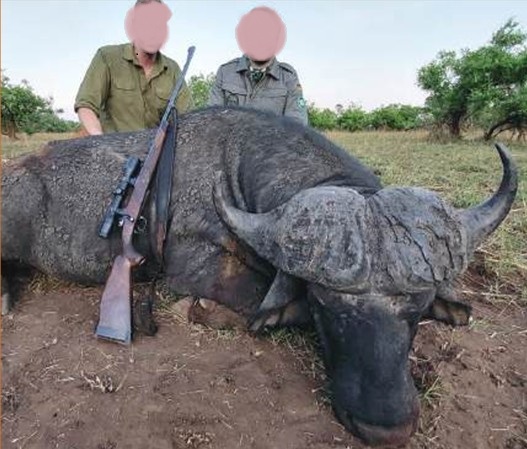
| Animal | Fee |
| African Crocodile | 2500 |
| Hippo | 4501 |
| Nile Buffalo | 4950 |
| Defassa Waterbuck | 2500 |
| Kob | 3500 |
| Bushbuck | 1950 |
| East Africa Bushbuck | 1950 |
| Jackson's Hartebeest | 3501 |
| Oribi | 2000 |
| African Rock Python | 2499 |
| Black backed Jackal | 1000 |
| Bushpig | 1000 |
| Guereza Colobus | 1499 |
| Olive Baboon | 501 |
| Spotted Hyena | 1500 |
| Vervet Monkey | 200 |
| Warthog | 950 |
Expect a constantly changing landscape of open savanna, rolling hills, river forests and vast papyrus wetlands, with each concession presenting its own unique hunting challenges. Good walking ability is recommended, as hunting often involves tracking game on foot through varied and occasionally demanding terrain.
| Fence Type: | Free-range |
| Hunting Ground Size: | 450000 ha |
| Nearest Airport Name: | Entebbe International Airport (EBB) |
| Air Charter Available: | Yes |
This 14 hunting day Nile buffalo and East African sitatunga safari combines two very different hunting experiences in Uganda. With 14 hunting days available, hunters have the opportunity to pursue Nile buffalo in the savanna and woodland country of Karamoja, alongside specialist sitatunga hunting in the wetlands and papyrus swamps of the Kafu River Basin.
Combining these two species requires careful planning, as the hunting areas, terrain and methods differ considerably. The precise concessions, available quotas and travel arrangements will determine how the safari is structured, with sufficient time needed to pursue both animals rather than treating either as a secondary objective.
Hunters considering this combination can explore our broader guide to hunting in Uganda for information about the country's hunting areas, available species and seasonal conditions before choosing their safari.
Safari Price: From US$47,000 (Excluding Trophy Fees)
Duration: 16 Days / 14 Hunting Days
Hunter Ratio: 1 Hunter : 1 Professional Hunter
Observer Rate: US$490 per day
Rifle Hire: US$150 per safari (Ammunition charged per box used)
Arrival Airport: Entebbe International Airport (EBB)
The safari rate varies depending on the hunting concession selected and whether you hunt alone or share the safari with a friend. The table below outlines the available hunting options together with the applicable government royalties and required trophy deposit.
| Hunting Area | Duration | Hunting Basis | Safari Rate in US$ | Royalties in US$ * | Safari Total | Animal Trophy Deposit Fee |
| Kafu | 16 Days / 14 Hunting Days | 1 x Hunter / 1 x Guide | 39,000 | 8,000 | 47,000 | 40,000 |
| Aswa-Lolim | 2 x Hunters / 2 x Guides | 37,000 | 45,000 | |||
| Karamoja | 2 x Hunters / 1 x Guide | 36,000 | 44,000 |
* Royalties: Government Fees, Hunting Permit, Conservation, Concession and Community Development Fees, UWA and CITES Animal Export Docs, Dip & Pack, Car Transfers, Airport Pick up and drop off, Rifle Import for two rifles per hunter, and 18% VAT on safari rate.
Your safari price includes virtually everything required for a comfortable and professionally guided hunt in Uganda. Government hunting permits, conservation and concession fees, UWA documentation, airport and ground transfers, accommodation, meals, daily laundry and the services of your professional hunter, trackers, skinners and camp staff are all included.
Field preparation of trophies, rifle import permits for up to two firearms, dip and pack, on-territory transport and alcoholic beverages in moderation are also covered, allowing hunters to focus entirely on the safari rather than unexpected costs.
Safari Exclusions
The following items are not included in the safari price:
One of the great advantages of hunting in Uganda is the diversity of unique East African species available. Depending on your hunting concession and available quota, you may be able to add a variety of additional plains game, dangerous game and specialty animals to your safari.
This safari combines two of East Africa's most sought-after trophies, yet the hunting methods could hardly be more different.
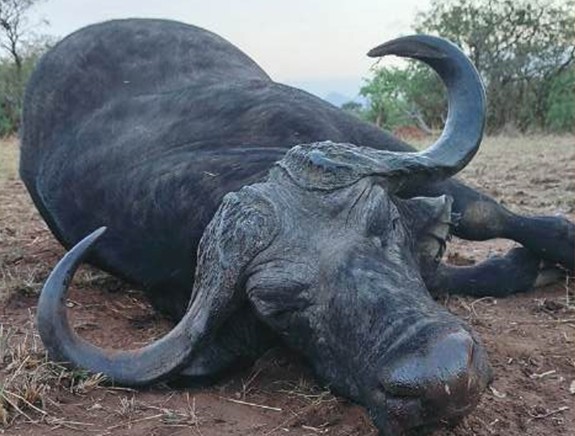
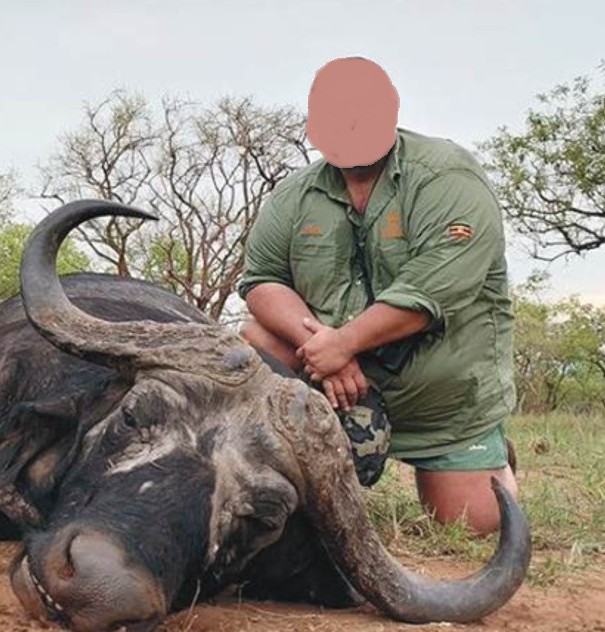
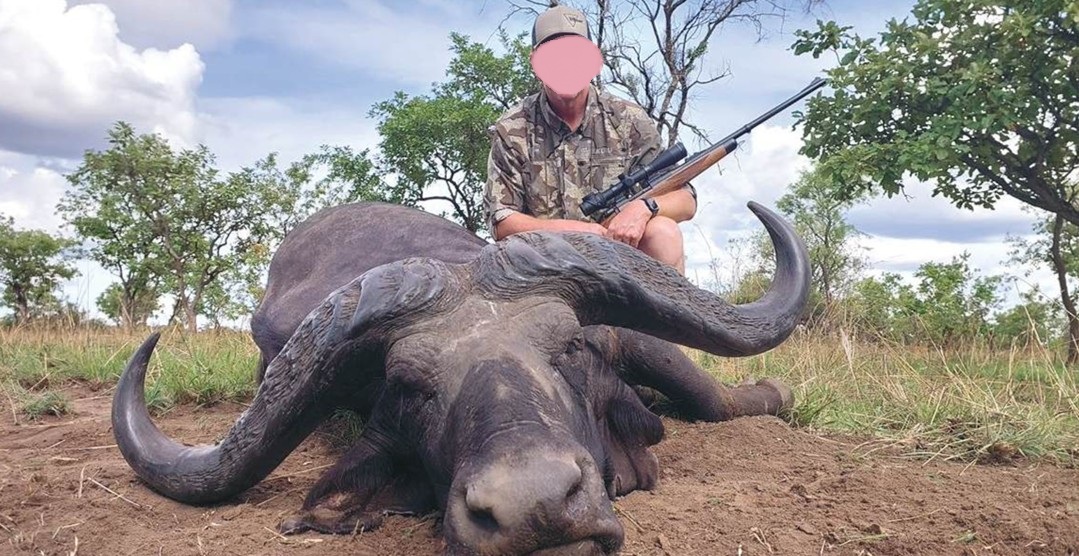
A typical day spent hunting Nile buffalo in Uganda often involves covering miles of open country behind experienced trackers, reading fresh spoor and constantly checking the wind before attempting to close the distance. It is a physical hunt that rewards patience, teamwork and sound decision-making, with every track revealing a little more about the herd ahead.
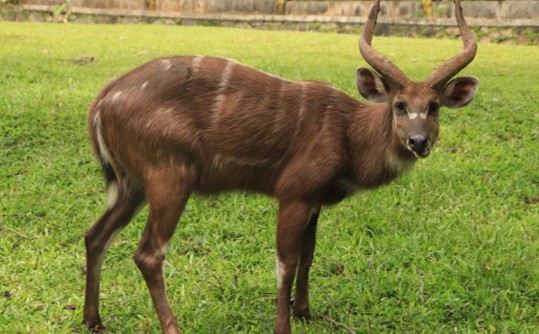
A Sitatunga hunt in Uganda presents an entirely different challenge. Often called Africa's "ghost antelope," the East African sitatunga spends much of its life hidden amongst dense papyrus swamps and river systems. Success depends less on distance covered and more on slowing down, watching carefully and waiting for the brief opportunity when this remarkably elusive antelope reveals itself.
It is this contrast that makes Uganda so unique. Few African safaris allow hunters to experience two completely different styles of hunting during the same expedition, making this one of East Africa's most rewarding combinations for hunters seeking something genuinely different.
The greatest challenge when hunting the East African sitatunga is not finding the swamp. It is finding the animal.
Papyrus grows in dense walls that often tower well above a hunter's head, reducing visibility to only a few yards. Instead of glassing distant hillsides or open plains, hunters spend hours studying narrow openings between the reeds, knowing that a mature sitatunga may appear for only a few seconds before melting back into cover. Quite often, the first sign of its presence is not what you see, but the faint splash of water or the gentle rustle of papyrus stems moving somewhere ahead.
Unlike many African antelope that rely on speed to escape danger, sitatunga depend on remaining unseen. Their elongated hooves allow them to move effortlessly across soft, waterlogged ground where most predators, and hunters struggle to follow. It is this remarkable adaptation that has earned them a reputation as one of Africa's most elusive plains game animals.
Success in the swamps demands a completely different approach to hunting. Every movement must be slow and deliberate, conversations are reduced to whispers, and patience quickly becomes the hunter's greatest asset. The professional hunter and trackers are constantly searching for the smallest clue, a fresh track in the mud, a bent papyrus stem or the faint outline of an ear above the reeds.
When the opportunity finally comes, it is often over in a matter of seconds. There is rarely time to range the distance or think through every possibility. Hunters who remain calm, trust their professional hunter and react decisively are usually the ones who succeed.
Perhaps that is why so many hunters describe the East African sitatunga as Africa's "ghost antelope." Not because it is impossible to hunt, but because, even when you know it is there, it somehow always seems to disappear back into the papyrus before you fully understand what you've just seen.
Hunters travelling from the United States and Canada will normally fly into Entebbe International Airport (EBB) via major international hubs such as Doha, Dubai, Addis Ababa or Istanbul. There are currently no direct flights from North America, with most itineraries involving a single international connection before arriving in Uganda.
Depending on the hunting concession, the final journey to camp may be completed either by road or by charter aircraft. For remote areas such as Karamoja, charter flights are highly recommended as they significantly reduce travelling time and allow hunters to begin their safari sooner. Charter flight costs vary according to aircraft size and availability and can be arranged as part of your safari planning.
Current charter rates are approximately:
Every hunting concession in Uganda offers a different style of safari. Rather than asking which area is "best," the more useful question is which concession best matches the type of hunt you want to enjoy.
Bordering South Sudan and Kenya, Karamoja is one of East Africa's last true wilderness hunting areas. Vast open landscapes, low hunting pressure and healthy populations of Nile buffalo make it an outstanding destination for hunters seeking an authentic walk-and-stalk dangerous game safari. The region is also home to several unique East African plains game species rarely encountered elsewhere on the continent.
The Kafu Basin is synonymous with East African sitatunga hunting. Its extensive papyrus swamps, river systems and wetlands create the perfect habitat for Africa's elusive "ghost antelope." Hunters pursuing sitatunga often have the opportunity to add species such as Nile bushbuck, Defassa waterbuck and Bohor reedbuck, making this one of Uganda's most rewarding mixed-bag hunting areas.
Bordering the famous Murchison Falls ecosystem, Aswa-Lolim combines open savanna, riverine woodland and papyrus wetlands into one remarkably diverse concession. The varied habitat supports excellent buffalo hunting together with a wide selection of East African plains game, making it an ideal choice for hunters wanting to experience the diversity that Uganda has to offer.
One of the pleasures of hunting in Uganda is that the safari still feels wonderfully uncomplicated. The camps retain the traditional atmosphere of an East African safari while providing all the comforts needed after a rewarding day in the field, allowing hunters to focus on what they came for, long days in wild country, good food, great conversation and an early night before heading back into the bush.
Accommodation varies between concessions and typically consists of comfortable safari tents or traditional thatched chalets with private facilities, reliable electricity and everything needed after a demanding day on foot. Freshly prepared meals, daily laundry and attentive camp staff ensure hunters can relax and recharge between hunting days.
Preparation is equally straightforward. Good waterproof boots, lightweight clothing in neutral colours and a quality pair of binoculars will serve you far better than packing unnecessary equipment. Because many hunts involve tracking buffalo or walking the edges of papyrus swamps, a reasonable level of fitness will help hunters enjoy every opportunity that Uganda has to offer.
If you are hunting Nile buffalo, practising from shooting sticks before your safari is highly recommended, and hunters should arrive with a rifle suitable for dangerous game. Your professional hunter will discuss shot placement, shooting distances and hunting methods throughout the safari, but arriving well prepared allows you to concentrate on making the most of every opportunity.
Before travelling to Uganda, hunters should consult a travel medicine clinic regarding recommended vaccinations, malaria prevention and any current travel health advisories. As with travel to any African destination, health recommendations can change over time, so obtaining the latest advice before departure is always recommended.
This 16-day safari offers the opportunity to pursue two of Uganda's most distinctive hunting species during one extended trip. Game Hunting Safaris can help you establish the most suitable hunting arrangements with the outfitter, based on your preferred dates and hunting objectives.
For hunters considering other species combinations, destinations or safari durations, explore our African hunting trips or contact our team to discuss this Uganda safari.
Please note that terms, conditions and price are subject to change without notice and rates at the time of the hunt will apply
You can speak directly with the outfitter before booking. GHS remains available throughout the process.
Needing assistance with firearm permits and international travel services, or good taxidermists? View our affiliated companies
View Affiliated Services