

East African Sitatunga & Plains Game Hunting in Uganda
Booking Season: 2026
Hunt Difficulty: Moderate

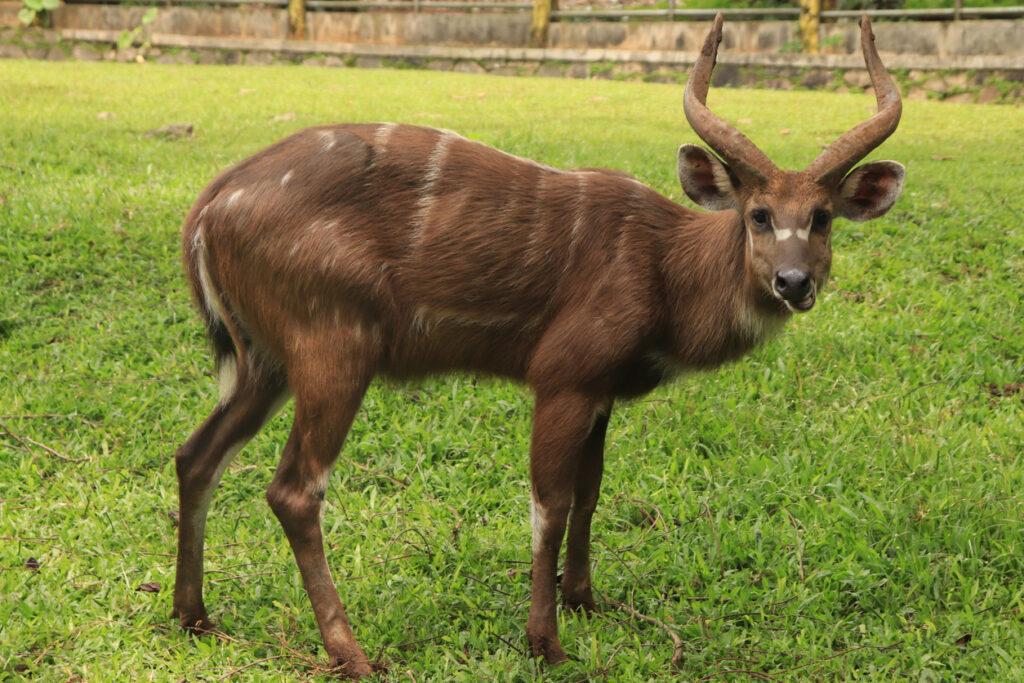
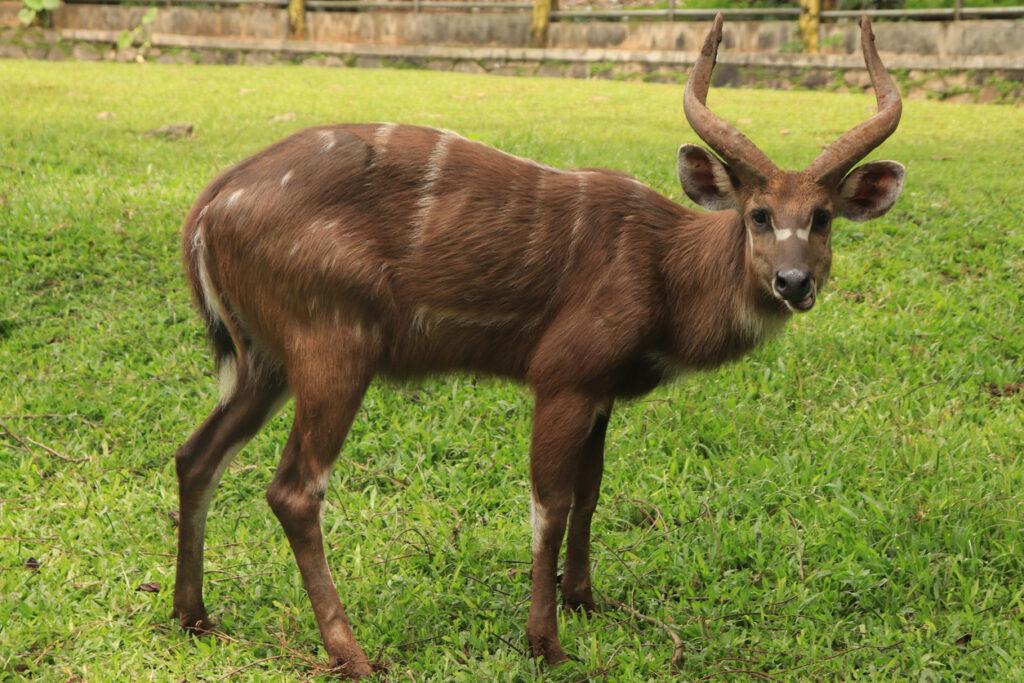
For hunters interested in Sitatunga Hunts, few destinations compare to Hunting in Uganda. Home to vast papyrus wetlands, permanent swamps and remote river systems, Uganda is widely regarded as the premier destination for pursuing the elusive East African (Nile) Sitatunga in its natural habitat. While this remarkable subspecies also occurs in parts of neighbouring countries, nowhere offers the same combination of healthy populations, experienced professional hunters and extensive wetland habitat found within Uganda's renowned hunting concessions.
Unlike many African antelope, the East African sitatunga spends much of its life hidden amongst dense reeds and papyrus where visibility is measured in feet rather than hundreds of yards. Hunters may spend hours watching narrow channels, quietly drifting through wetlands in a traditional canoe or slowly stalking the edges of flooded marshes before a mature ram briefly reveals itself. It is this unpredictability that has earned the East African, or Nile, sitatunga a reputation as one of Africa's most specialised and rewarding plains game trophies.
Hunters looking beyond the traditional African safari will discover that pursuing the East African (Nile) sitatunga in Uganda is unlike almost any other hunt on the continent. Success is rarely measured by the distance walked or the number of animals seen, but by patience, careful observation and making the most of a brief opportunity that may only last a few seconds.
Available Sitatunga Hunts
East African Sitatunga & Plains Game Hunting in Uganda
Booking Season: 2026
Hunt Difficulty: Moderate
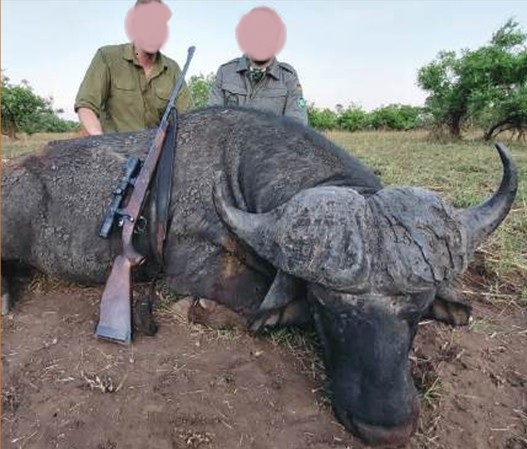
Nile Buffalo & Sitatunga Hunting in Uganda
Booking Season: 2026
Hunt Difficulty: Difficult
Uganda's extensive network of papyrus swamps, floodplains and permanent wetlands provides the ideal habitat for the East African (Nile) sitatunga. Unlike seasonal marshes that dry out during parts of the year, many of Uganda's wetland systems retain water year-round, allowing sitatunga populations to establish and thrive.
The country's best hunting concessions, particularly within the Kafu Basin and selected river systems, offer exactly the type of habitat mature rams prefer. Thick papyrus, floating vegetation and dense reed beds provide outstanding cover, making these antelope exceptionally difficult to locate and even harder to approach.
This is one of the reasons Uganda has earned its reputation amongst experienced hunters. Success is not measured by the number of sitatunga seen during a safari, but by finding a mature ram within habitat specifically adapted to helping it remain unseen. Every successful trophy is the result of careful planning, experienced tracking and plenty of patience.
One of the greatest challenges when hunting the East African (Nile) sitatunga is that the hunter is often unable to see more than a few yards ahead. Mature rams spend much of their lives moving quietly through dense stands of papyrus and reeds, where the slightest movement disappears behind walls of vegetation.
To overcome this, professional hunters often use simple elevated wooden observation platforms built above the surrounding reeds. From these vantage points, hunters can glass narrow channels, feeding areas and small openings in the vegetation where a mature ram may briefly step into view. It is a patient style of hunting that demands concentration, as the opportunity to identify and judge a trophy can disappear almost as quickly as it appears.
Even from an elevated position, success is never guaranteed. Wind direction, changing light and the constant movement of reeds make every sighting a challenge, reminding hunters that the East African sitatunga remains one of Africa's most elusive plains game animals.
Unlike many spiral-horned antelope, judging a mature East African (Nile) sitatunga is rarely straightforward. Hunters seldom enjoy long, unobstructed views, with most sightings lasting only a few seconds before the ram disappears back into the reeds. This makes experience and good communication between hunter and professional hunter especially important.
Age is often a better indicator than horn length alone. Mature rams carry heavier, darker bodies, thicker necks and well-developed spiral horns with deep ridges and good mass throughout. Many older animals also appear noticeably more confident in their movements, quietly slipping through dense cover rather than rushing away at the first sign of danger.
Because opportunities can be so brief, hunters should resist the temptation to judge a trophy too quickly. An experienced professional hunter will often prefer to let a ram disappear rather than risk taking a younger animal. As with many of Africa's most respected trophies, patience usually rewards the hunter prepared to wait for the right opportunity.
Unlike plains game hunted across open country, a mature East African (Nile) sitatunga may only be visible for a few seconds before melting back into vegetation several feet high. Hunters quickly learn to celebrate every sighting, because simply seeing a mature ram is often an achievement in itself.
That excitement can also become the hunter's biggest challenge. After spending days searching the wetlands, the temptation to shoot the first legal ram that appears can be overwhelming. It is completely understandable, particularly when there is no guarantee another opportunity will present itself.
This is where an experienced professional hunter becomes invaluable. On a hunt for such a unique and specialised trophy, patience usually produces the better result. Your PH has judged many more sitatunga than you ever will and understands when to wait, when to let a ram walk and when the right opportunity has finally arrived.
That is one of the reasons sitatunga hunting earns such enormous respect amongst experienced African hunters. Success is not measured by the speed of the hunt, but by the discipline to make the right decision when only a few precious seconds separate a lifetime trophy from a missed opportunity.
Unlike many traditional Plains Game Hunts, the East African (Nile) sitatunga can only be hunted in a limited number of carefully managed concessions where extensive wetlands and permanent papyrus swamps provide suitable habitat. These specialised environments are relatively rare, and not every hunting area supports populations capable of sustaining regulated hunting quotas.
Opportunities to hunt the East African sitatunga are therefore naturally limited each season. Many hunters choose to combine the safari with Nile buffalo or other unique East African plains game species, making early booking advisable where quotas are available.
That exclusivity is part of the sitatunga's appeal. While many African antelope can be hunted across several countries and hundreds of concessions, the East African (Nile) sitatunga remains a true specialty trophy. Hunters often spend years planning the opportunity, knowing they are pursuing one of Africa's most elusive and least frequently hunted antelope.
One of the biggest surprises awaiting first-time sitatunga hunters is just how much the success of the safari depends on the people around them. While every hunter dreams of spotting the ram first, the reality is that experienced professional hunters and local trackers often notice the smallest signs long before the client sees anything at all.
A bent reed, a fresh hoofprint in soft mud or the faint movement of papyrus against the wind can tell an experienced tracker that a sitatunga has recently passed through the area. These subtle clues, built upon years of experience in the wetlands, allow the hunting party to position themselves where a mature ram is most likely to appear.
Successful sitatunga hunting is rarely about one perfect shot. It is the result of teamwork, patience and trusting the judgement of people who have spent countless hours learning how this remarkable antelope lives within one of Africa's most challenging hunting environments.
Hunters planning their first sitatunga safari will often compare Hunting Southern (Zambezi) Sitatunga in Zambia with pursuing the East African (Nile) sitatunga in Uganda. While both belong to the same remarkable species group, the two hunts are surprisingly different in terms of habitat, hunting style and overall safari experience.
Uganda has earned its reputation as the home of the East African (Nile) sitatunga. Hunting takes place amongst vast papyrus swamps, permanent wetlands and winding river systems where visibility is often limited to only a few yards. Success depends on patience, careful observation and working closely with experienced professional hunters and local trackers who understand the behaviour of this elusive antelope.
The Southern (Zambezi) sitatunga found in Zambia occupies a different type of wetland environment. Extensive floodplains, reed beds and seasonal marshes create their own unique hunting challenges, with conditions varying throughout the year as water levels rise and fall. While patience remains just as important, the terrain and style of hunting often feel noticeably different from Uganda's papyrus swamps.
The decision between Uganda and Zambia is therefore not about choosing which hunt is better. Both safaris are regarded amongst Africa's finest specialty antelope hunts. Instead, the choice comes down to the type of country you would like to hunt and which safari best fits your broader African hunting goals.
Experienced hunters who collect Africa's spiral-horned antelope eventually dream of hunting both subspecies. Together they showcase two very different ecosystems, two very different hunting experiences and two equally rewarding ways to pursue one of Africa's most respected and elusive trophies.
Not every African hunter dreams of chasing buffalo across open country or climbing mountains in search of spiral-horned antelope. The East African (Nile) sitatunga appeals to a very different type of hunter.
This is a safari for hunters who enjoy solving problems rather than simply covering ground. It rewards those who appreciate patience, careful observation and the satisfaction of earning an opportunity that may take days to develop. Success is often measured in moments rather than miles.
Hunters looking for constant action may find sitatunga hunting surprisingly demanding. There are long periods of quiet observation, brief opportunities that disappear in seconds and no guarantee that a mature ram will show himself simply because the hunting party has arrived.
For hunters who appreciate Africa's more specialised trophies, however, few hunts offer the same sense of achievement. The East African (Nile) sitatunga is not simply another antelope, it is a hunt that challenges your patience, your judgement and your ability to enjoy every part of the journey.
The East African (Nile) sitatunga belongs to Africa's famous spiral-horned antelope, a remarkable family of game animals admired by hunters for their elegance, intelligence and ability to thrive in some of the continent's most challenging environments. From the towering greater kudu of southern Africa to the elusive bongo of the Central African rainforests, every member of this family has evolved to master a very different habitat.
The East African sitatunga occupies perhaps the most specialised niche of them all. While nyala favour thick riverine cover and bushbuck quietly slip through dense forests and tangled thickets, the sitatunga has become almost completely dependent on papyrus swamps, marshes and permanent wetlands. Its widely splayed hooves, waterproof coat and remarkable ability to move silently through flooded vegetation allow it to survive where few other antelope can.
For many collectors, pursuing Africa's spiral-horned antelope becomes a lifelong ambition. Completing that collection may include magnificent trophies such as the greater kudu, nyala, bushbuck and bongo, but few would argue that the East African (Nile) sitatunga is one of the most memorable. Not because it carries the longest horns, but because every successful hunt must first overcome one of Africa's most unique and demanding hunting environments.
Uganda is widely regarded as the premier destination for hunting the East African (Nile) sitatunga thanks to its extensive papyrus wetlands, healthy populations and experienced professional hunters. Although the subspecies also occurs in parts of neighbouring East African countries, Uganda offers the most established and consistent hunting opportunities.
The East African (Nile) sitatunga is hunted primarily in Uganda's permanent papyrus swamps and wetlands, while the Southern (Zambezi) sitatunga is found in countries such as Zambia, where floodplains, reed beds and seasonal marshes create a different style of hunt. Both are highly respected trophies that reward patience and careful stalking.
Many experienced hunters regard the East African sitatunga as one of Africa's most challenging plains game trophies. Limited visibility, constantly changing wetland conditions and the animal's secretive behaviour demand patience, teamwork and confidence in your professional hunter's judgement.
Absolutely. Many hunters choose to include Nile buffalo, Uganda kob, Defassa waterbuck, bushbuck and other unique East African species, creating one of Africa's most rewarding Hunting Trips. Combining species allows hunters to experience several very different habitats and hunting styles during the same safari.
Flat-shooting calibres such as the .270 Winchester, 7mm Remington Magnum and .300 Winchester Magnum are all excellent choices. Since opportunities often present themselves across narrow channels or small clearings, accurate shot placement and good optics are generally more important than heavy calibres.
Unlike many African antelope, the East African sitatunga lives almost exclusively within dense papyrus wetlands where sightings are brief and opportunities can disappear in seconds. The combination of challenging habitat, limited hunting opportunities and the patience required to locate a mature ram has earned this remarkable antelope a place amongst Africa's most respected specialty trophies.
Search from our range of Hunts across various popular destinations in Africa.

Book Your Hunt