Hunting in Uganda: Buffalo & Plains Game Safari
Booking Season: 2026
Hunt Difficulty: Difficult

Uganda doesn’t show up on most shortlists for Cape buffalo, and there’s a reason for that.
If you're comparing it to places like Tanzania or Zimbabwe, you're already thinking about this hunt the wrong way. Uganda is not a typical Cape buffalo destination. It is not built for trophy consistency, and it is not built for convenience. If you are evaluating Uganda hunting safaris, it is important to understand what this destination actually offers before making a decision. What it offers instead is something far fewer places still can—wild, low-pressure hunting areas, track-based hunts in thick and unforgiving terrain, and a completely different type of buffalo hunting experience that most hunters are not prepared for.
That difference is exactly where most hunters make mistakes. They book Uganda expecting a Southern African buffalo hunt and end up disappointed—not because the hunt is poor, but because their expectations were wrong from the start.
If you understand what hunting in Uganda actually is before you go, it can be one of the most rewarding hunts in Africa. If you don’t, it quickly becomes the wrong destination.
This is not a place that rewards assumptions. It rewards clarity. Buffalo hunting in Uganda is regulated under controlled wildlife management systems with limited quotas and designated areas.
Available Nile Buffalo Hunts
Hunting in Uganda: Buffalo & Plains Game Safari
Booking Season: 2026
Hunt Difficulty: Difficult

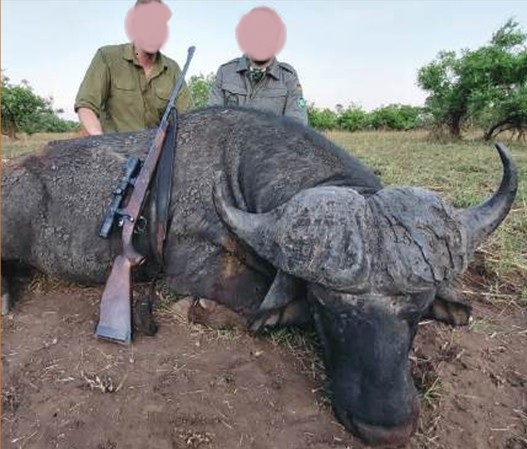
Nile Buffalo & Sitatunga Hunting in Uganda
Booking Season: 2026
Hunt Difficulty: Difficult
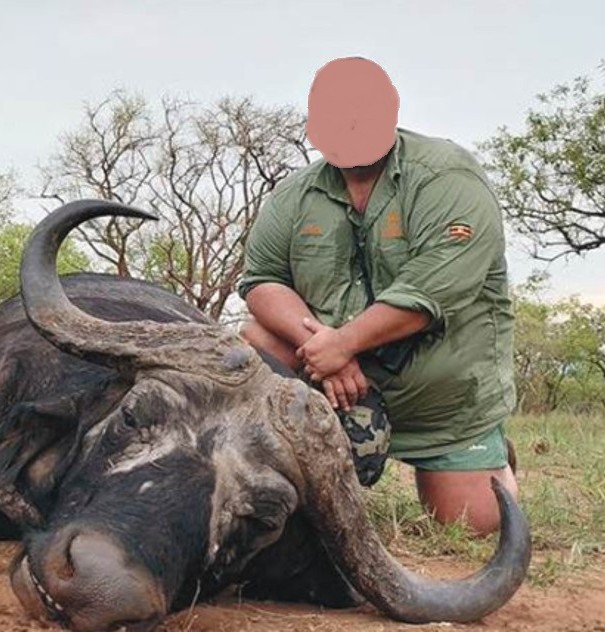
Buffalo, Kob & Bushbuck Safari Hunting in Uganda
Booking Season: 2026
Hunt Difficulty: Difficult
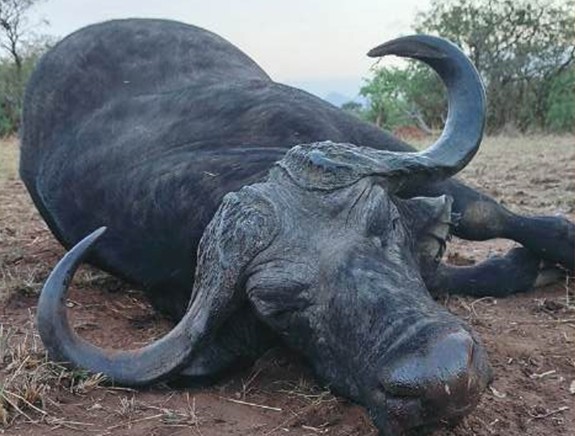
Hunting in Uganda: 2 x Buffalo & Plains Game Hunt in Karamoja
Booking Season: 2026
Hunt Difficulty: Difficult
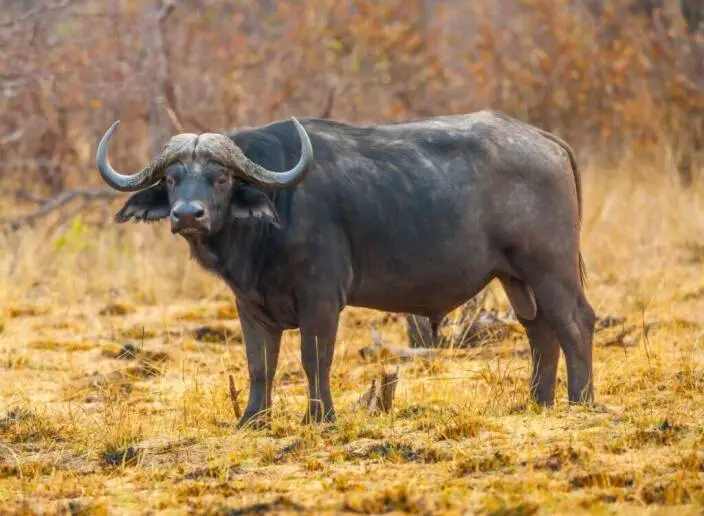
Uganda has buffalo, but they are not the classic, heavy-bossed Cape buffalo most American hunters are used to seeing in photos or hunting videos.
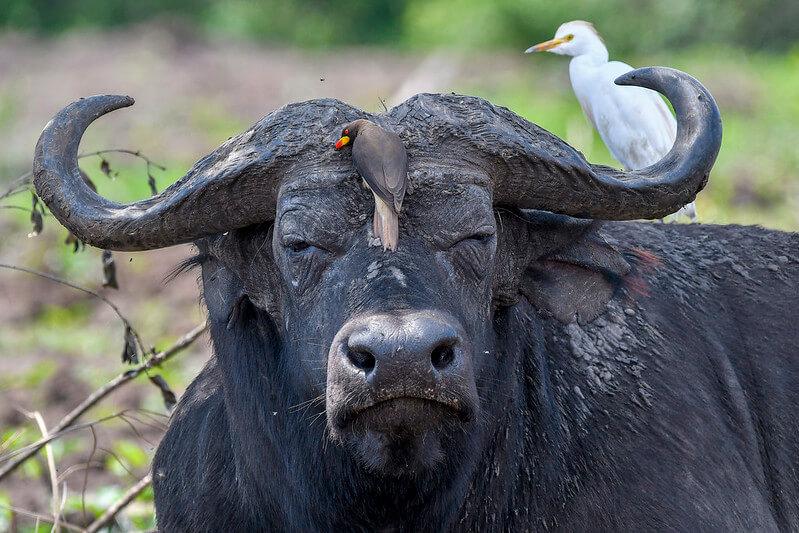
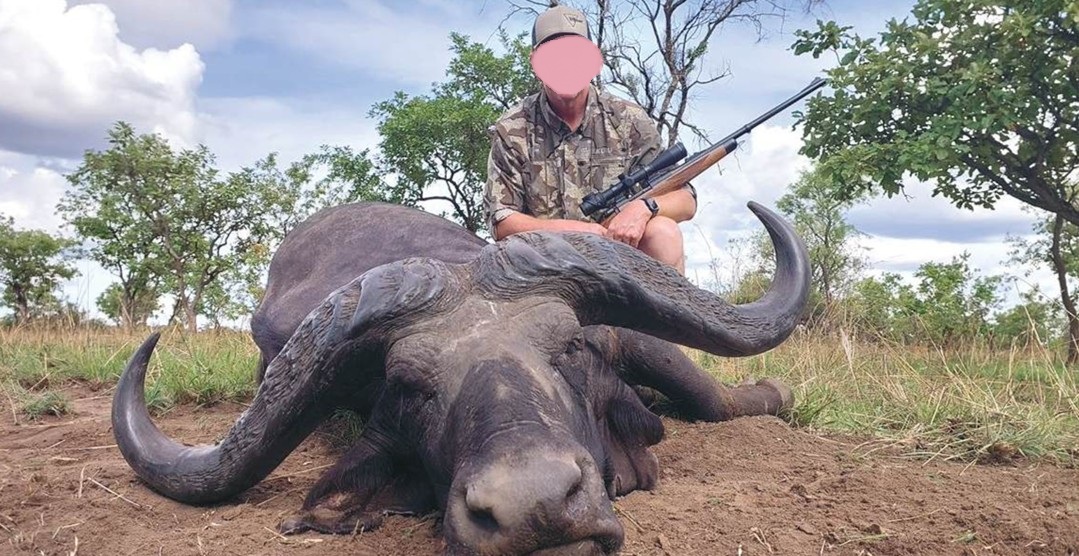
What you will primarily hunt here is known as the Nile buffalo. They belong to the same broader species as Cape buffalo, but they are shaped by a completely different environment, and that difference becomes clear once you are on the ground. They are typically smaller in body size, carry lighter boss development, and show more variation in horn shape and spread. You will still encounter mature bulls, and you will still be hunting a dangerous animal, but you should not expect the consistent heavy bosses associated with top-end Southern African trophies.
This is where most booking decisions around buffalo hunting in Uganda go wrong. If your goal is a heavy-bossed bull and a score-driven trophy that fits within a specific expectation, Uganda is not where you should be spending your money. There are better, more predictable destinations for that type of hunt.
But if your goal is a legitimate buffalo hunt in difficult terrain, where tracking, patience, and fieldcraft matter more than measurements, then Uganda starts to make sense in a very different way.
It is still buffalo hunting at its core. It is still dangerous, still unpredictable, and still demands respect. It is simply a different version of that experience, and it needs to be approached that way from the beginning.
The difference between Nile buffalo and Cape buffalo goes far beyond appearance. It changes how the entire hunt unfolds from start to finish, particularly when it comes to buffalo hunting in Uganda. Nile buffalo live in wetter, thicker environments where visibility is limited and movement is restricted. You are not glassing animals at distance and planning clean, controlled approaches across open ground. You are following tracks through vegetation, reading subtle sign, and closing distance carefully in terrain that consistently favors the animal.
That shift changes the pace of the hunt. It slows everything down. Progress is measured, not rushed. You spend more time tracking than spotting, and more time adapting to conditions than executing pre-planned approaches. By contrast, Cape buffalo hunts in places like Zimbabwe or Tanzania often take place in more open savanna or woodland systems. These conditions allow for more consistent visibility, clearer shot opportunities, and more predictable trophy expectations, particularly when it comes to boss development and overall size.
What does not change is the level of danger. A buffalo in thick cover is not a lesser animal. In many cases, it is the opposite. Reduced visibility, tighter shooting windows, and unpredictable movement patterns often increase the intensity of the encounter. You are working in an environment where the buffalo has the advantage, and that changes how every decision is made.
This is where Uganda separates itself. The hunt becomes less about locating animals and more about working through terrain that limits your advantage at every stage. Encounters are less predictable, positioning is harder to control, and success depends heavily on patience, discipline, and awareness.
For hunters who understand that shift, this is where the value of buffalo hunting in Uganda begins.
This is the decision most hunters are actually trying to make, even if they are not asking it directly.
Buffalo hunting in Uganda makes sense if you have already hunted buffalo before and are looking for something less structured, less predictable, and more physically involved. It suits hunters who care more about the process than the final measurement and who are willing to trade trophy consistency for a more demanding, track-driven experience. It also suits hunters who are comfortable operating in environments where visibility is limited, where encounters happen quickly, and where outcomes are not engineered.
Tanzania or Zimbabwe make more sense if this is your first buffalo hunt, if your goal is a heavy boss and a classic trophy, or if you prefer more open terrain with clearer shot opportunities and a higher level of predictability built into the hunt. They offer more consistency. Uganda offers more variability.
Uganda is not better or worse. It is simply a different hunt, and it only works when it aligns with the kind of experience you are actually looking for.
Buffalo hunting takes place in a few key regions, each offering a different type of terrain and hunting dynamic, and understanding those differences matters when planning a safari.
Kabwoya Wildlife Reserve sits along Lake Albert and offers a rugged environment with free-range buffalo and challenging tracking conditions. The terrain here can be physically demanding, with a mix of open areas and thicker cover that forces hunters to adapt constantly. Hunts in this region are rarely straightforward, and success is usually earned through persistence rather than opportunity.
The Lake Mburo area is more accessible and combines open savanna with thicker bush systems. Buffalo are often encountered in smaller herds, and the mix of terrain creates a more varied experience. It can offer slightly more visibility than other regions, but it still requires a tracking-first approach.
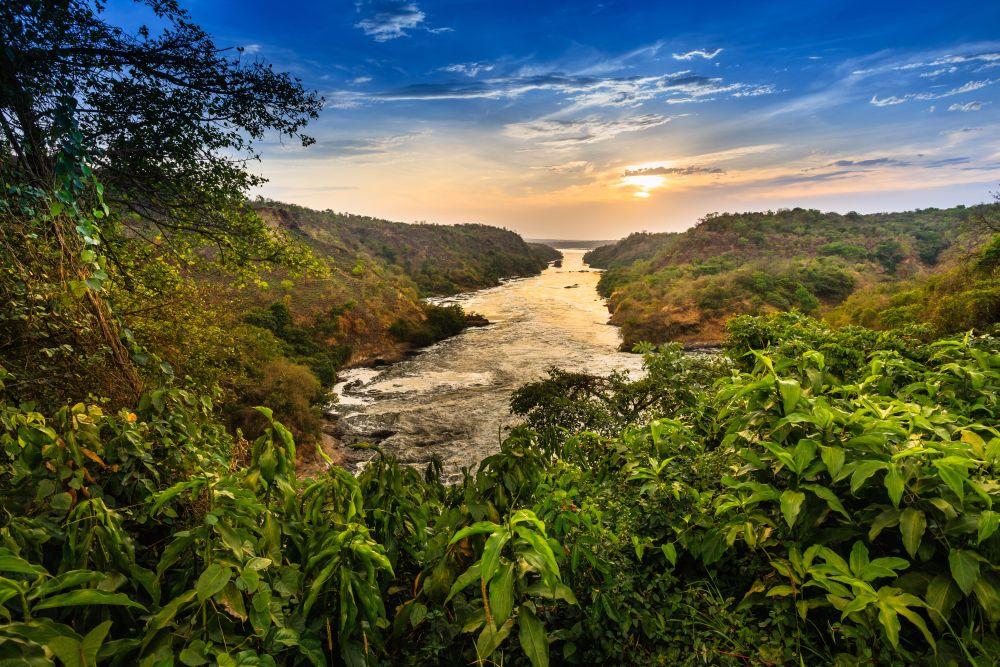
Northern Uganda, particularly the Kidepo region, is one of the most remote and least pressured hunting areas in Africa. This is where the experience shifts even further toward a true wilderness hunt. Game is free-ranging, human pressure is minimal, and the overall feel is far less structured than more commercial destinations. It is not an easy place to hunt, but for the right hunter, it remains one of the most authentic environments left.
Each of these areas contributes to what buffalo hunting in Uganda represents as a destination. None of them operate like high-volume concessions. They require time, effort, and realistic expectations.
Uganda is not a volume destination. It is a specialist hunt, and that distinction becomes clear very quickly once you are in the field.
The terrain dictates everything. You move through wetlands, riverine systems, thick grass, and scattered pockets of open ground—often within the same day. These constant transitions affect how buffalo move, where they hold, and how they respond to pressure. Buffalo here are not animals you simply locate from a distance and plan around. They use cover effectively, disappear quickly, hold in dense areas longer than expected, and reposition in ways that make them difficult to track consistently.
The hunt becomes a tracking exercise first and foremost. Progress is slow, deliberate, and often physically demanding. You are not covering large distances quickly. You are working carefully to close distance without being detected. There is also far less hunting pressure compared to Southern Africa. Buffalo are not conditioned to daily vehicle movement or consistent human presence. That changes their behavior. Encounters tend to feel less predictable and more reactive.
Uganda also offers the ability to combine buffalo hunting with species that are difficult to pursue elsewhere. Sitatunga in swamp systems, Uganda kob in open plains, and bushbuck in thicker terrain all add depth to the safari. The hunt becomes less structured and more exploratory.
This is not a drive-and-shoot environment. It is a physical, immersive hunt where patience and awareness matter more than speed. In many cases, hunters also have the opportunity to include a range of plains game species as part of the safari, depending on the area and conditions. If you are planning a broader safari experience, it is worth understanding how plains game hunts can be structured alongside buffalo without compromising the focus of the hunt.
A typical day begins before first light. There is no rush, but there is a clear sense of purpose. Trackers move out early, reading the ground and looking for fresh spoor. When a track is found, the hunt begins with focus rather than urgency. Tracking buffalo in Uganda is rarely straightforward. The ground can be soft, broken by water and mud, and conditions can change quickly. Tracks are not always clear, and progress often depends on interpreting subtle signs like disturbed grass or slight depressions.
As the track develops, the pace slows further. Wind becomes a constant factor, especially in riverine areas where it shifts unpredictably. Buffalo use the terrain well. They cut back on their own tracks, hold in dense cover, and reposition in ways that can make it feel like you are being watched as much as you are tracking. Closing the final distance is where the intensity increases. Visibility may be limited to just a few yards. Communication becomes quiet and controlled. Every step forward is deliberate.
Shot opportunities are rarely perfect. They appear quickly, often through limited openings, and require immediate, confident decisions. Understanding angles and anatomy becomes critical because there is rarely time to adjust. Even after the shot, the hunt may not be over. Follow-ups in thick cover require discipline, composure, and trust in the team.
This is not an easy hunt. It is physically demanding, mentally engaging, and often unpredictable. What buffalo hunting in Uganda offers is a level of authenticity that is difficult to replicate in more structured environments.
Timing plays a significant role in Uganda because conditions change quickly and directly affect how the hunt unfolds.
The most reliable periods fall within the dry seasons, typically from December through March and again from June through August. During these months, vegetation thins out, water sources become more defined, and buffalo movement becomes easier to predict. Tracking improves because spoor holds better in the soil, and following a herd over distance becomes more realistic. Buffalo also tend to concentrate around water and feeding areas, which allows for more consistent planning.
Outside of these periods, conditions become more difficult. Vegetation thickens, visibility drops, and encounters tend to happen at closer range with less warning. Tracking becomes less reliable, and hunts can feel more reactive than controlled. For some hunters, that increased difficulty is part of the appeal. For others, it reduces overall consistency.
If the goal is to balance challenge with opportunity, the dry season remains the most effective time for buffalo hunting in Uganda.
A Buffalo hunt sits in a different category compared to more established destinations, and understanding why matters before making a decision.
On paper, it may appear more expensive than Southern Africa. That difference reflects logistics, access, and the structure of the hunt itself. Hunting areas are more remote, safaris often run longer, and hunts rely on tracking rather than high animal density.
You are not hunting in heavily managed concessions. You are hunting in areas where buffalo move naturally and are not pressured in the same way.
That changes the entire experience. More time is required. More effort is involved. Outcomes are less predictable.
Cost in Uganda should not be viewed as a direct comparison against other countries. It is an investment in a different type of hunt. For hunters focused on efficiency and trophy output, other destinations will likely make more sense. For those looking for something less commercial and more experience-driven, buffalo hunting in Uganda offers value that is harder to quantify.
Buffalo are one of the most dangerous animals in Africa, and that remains true in Uganda, where terrain often increases the level of risk.
Encounters tend to happen at closer distances because of vegetation and terrain. Buffalo can disappear into cover and reappear with very little warning. They do not always run when pressured and will often hold their ground or circle back.
This changes how every approach is handled. Movement becomes more deliberate. Communication becomes more important. Decisions need to be made quickly, often with limited visibility.
Shot placement becomes decisive. Opportunities are brief, angles are not always ideal, and mistakes can lead to dangerous follow-ups in terrain that restricts movement.
Preparation matters. Hunters who arrive with a clear understanding of buffalo anatomy and buffalo shot placement are far better equipped to handle the realities of this hunt.
The most common mistake is expecting a Southern African-style hunt. Uganda does not offer large herds in open terrain or consistent trophy sizes, and hunters who arrive with those expectations often struggle to adjust.
Another mistake is not understanding the Nile buffalo factor. Assuming you are hunting the same type of animal found in Zimbabwe or Tanzania leads to unrealistic expectations.
Physical demands are also underestimated. This is not a vehicle-based hunt. It involves long days on foot, uneven terrain, and conditions that require endurance.
Some hunters choose based on price alone without understanding how much concession quality, access, and pressure affect the experience. Lower-cost options often come with trade-offs that only become clear once the hunt begins.
Finally, lack of preparation around shot placement creates unnecessary risk. Buffalo are not forgiving animals, and this becomes even more critical in thick environments.
This hunt suits experienced hunters who are looking for something less commercial and more physically demanding. It appeals to those who are interested in unique subspecies and who value the process of hunting as much as the result.
This is not an ideal first dangerous game hunt. It does not suit hunters focused on large, heavy-bossed Cape buffalo trophies, and it is not a good fit for those looking for shorter, more predictable safaris.
Uganda is not about chasing the biggest Cape buffalo. It is about hunting in genuinely wild areas, experiencing a different type of buffalo, and earning success through effort and patience.
For hunters who value experience over inches, it offers something that is becoming harder to find. For those focused on trophies and efficiency, other destinations will align better with those goals.
The value of Uganda is not in what it produces on a tape measure. It is in the kind of hunt it delivers.
Uganda is not where you go to check a buffalo off your list. It is where you go when you already understand what that list means.
Logan van Wyk is a South African hunter focused on dangerous game and plains game across multiple African countries. His perspective is based on real-world hunting conditions and helping hunters make informed decisions before booking.
Search from our range of Hunts across various popular destinations in Africa.

Book Your Hunt