Namibia Leopard Safari in the Khomas Region
Booking Season: 2026
Hunt Difficulty: Difficult
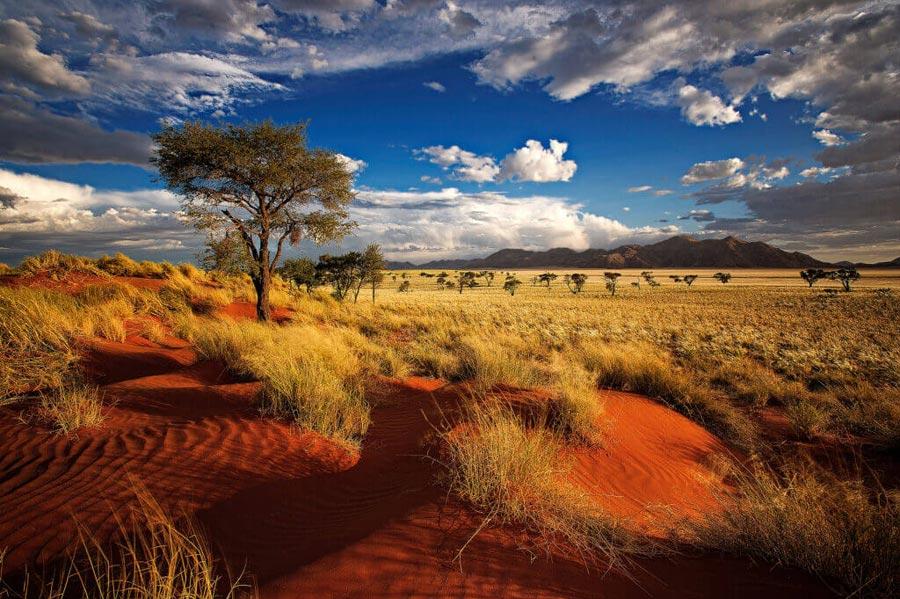
Cheetah hunting in Namibia remains one of Africa’s most specialized and tightly regulated predator hunting experiences. Namibia is home to the world’s largest population of free-ranging cheetahs, making it a leading destination for hunters seeking a rare African cat safari across vast open landscapes. Unlike predator hunts conducted in thick bush or over bait, cheetah hunting often involves long hours of glassing, tracking fresh spoor and covering extensive terrain in search of mature males moving between farmland and natural habitat.
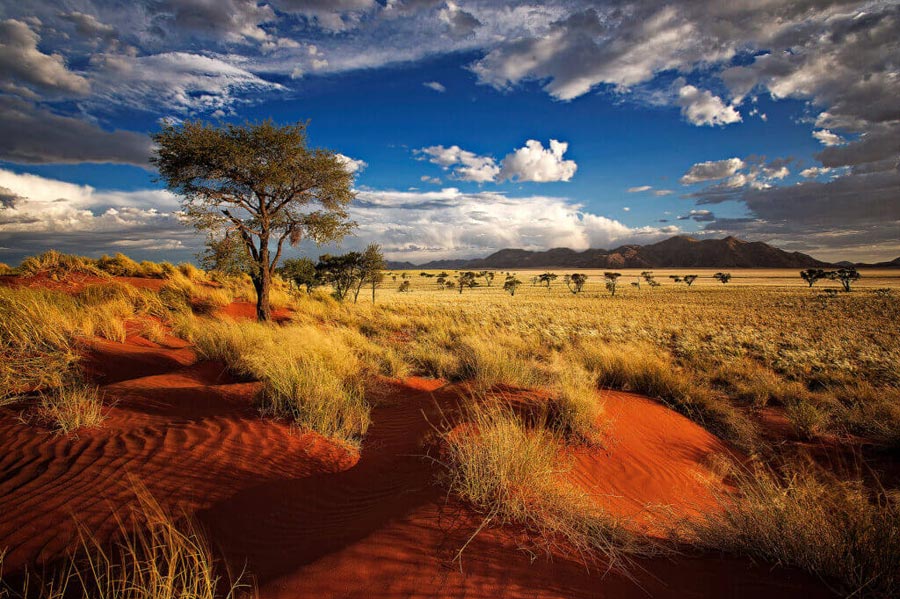
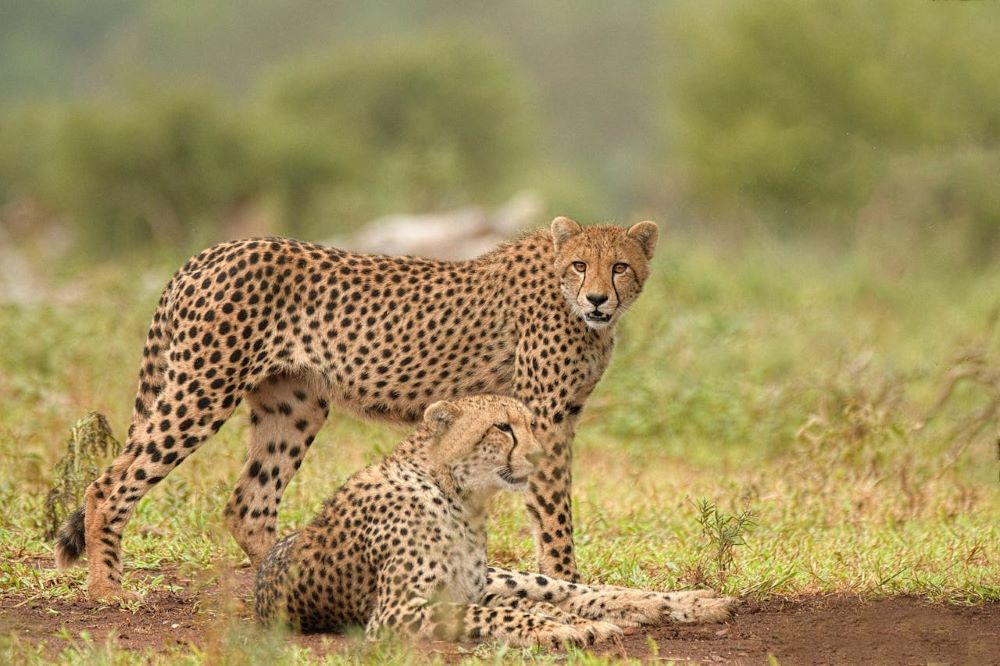
The cheetah (Acinonyx jubatus) is prized for its distinctive spotted coat, athletic build, and reputation as the fastest land predator in the world. These highly adaptable cats occupy a variety of environments across southern and eastern Africa, including savannahs, semi-arid plains, thorn bush, and mountainous regions. Hunting in Namibia offers cheetah opportunities across central, southern and northern ranching areas where predator management and conservation programs operate alongside livestock and game farming.
Because cheetahs are primarily active during daylight hours, hunters can expect spot-and-stalk opportunities during the early morning and late afternoon when cats become more active along ridgelines, termite mounds, and open vantage points. Hunting regulations are strictly controlled by Namibia’s Ministry of Environment, Forestry and Tourism, with annual quotas and permit requirements carefully monitored. Namibia’s hunting season runs from 1 February through 30 November, and all cheetah hunts require CITES Appendix I export documentation in accordance with international conservation regulations.
Available Cheetah Hunts
Namibia Leopard Safari in the Khomas Region
Booking Season: 2026
Hunt Difficulty: Difficult
Custom Namibia Hunting Safari | 2 Hunters & 2 Observers
Booking Season: 2026
Hunt Difficulty: Moderate
Hunt Sable, Roan & Lechwe in Namibia
Booking Season: 2026
Hunt Difficulty: Moderate
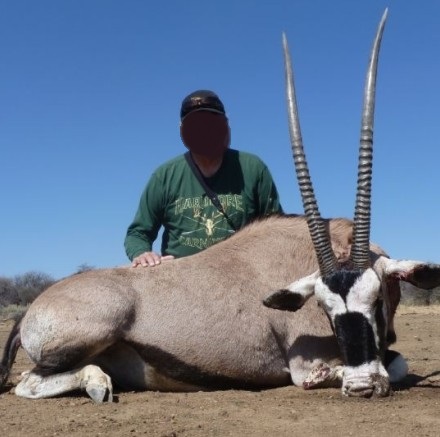
Hunt Gemsbok, Zebra, Impala & 2 More Species in Namibia
Booking Season: 2026
Hunt Difficulty: Moderate
Unlike African leopard hunts conducted over bait, cheetah hunting in Namibia is often an opportunistic style of predator hunting that relies heavily on glassing large areas of open terrain and covering significant distances by vehicle. Cheetahs are constantly on the move while searching for prey such as springbok and other small antelope, making sightings unpredictable and highly dependent on timing, visibility, and local population density. Their nervous and highly alert behavior is largely due to pressure from competing predators such as hyena and lions, forcing them to remain cautious and aware of their surroundings at all times.
Most Namibia cheetah safaris take place across open ranchland, semi-arid plains, and lightly wooded savannah where hunters spend long hours scanning distant terrain, dry riverbeds, and elevated vantage points for movement. While cheetahs may occasionally return to a disturbed kill for a short period, they are not commonly hunted over bait because they prefer feeding on fresh kills and seldom remain in one location for extended periods. Opportunities often develop quickly, particularly when cheetahs are encountered moving between feeding areas or resting near concentrations of springbok and other plains game species.
Success rates during cheetah hunting safaris in Namibia can vary significantly depending on weather conditions, visibility, regional population density, and the movement patterns of mature males. Shot opportunities are frequently taken at longer distances, often around 300 yards or more, requiring hunters to arrive well prepared with a flat-shooting rifle, quality optics, and confidence shooting across Namibia’s wide-open terrain.
When selecting a rifle for cheetah hunting, calibers ranging from .270 through the various .30-caliber options are generally considered suitable. Because African cats are soft-skinned with relatively light bone structure, controlled-expansion bullets and precise shot placement for African cats are essential for an ethical harvest. Bow hunting may also be permitted in certain areas of Namibia, although availability depends on local regulations and outfitter preferences.
Unlike traditional predator safaris, cheetah hunts are seldom booked as standalone hunting packages and are more commonly conducted alongside broader plains game hunts across Namibia’s vast commercial ranchlands.
Because cheetahs naturally follow concentrations of prey species such as springbok, gemsbok and kudu, opportunities often arise while hunters are actively pursuing other plains game animals across open terrain. This makes cheetah hunting highly opportunistic, with sightings frequently occurring during long days spent glassing large areas of savannah, semi-arid plains, and ranch country where healthy prey populations support predator movement.
Adding a cheetah opportunity to a traditional Namibia safari creates a more realistic and flexible approach while increasing the time spent covering productive terrain. Since cheetahs move constantly across extensive territories, combining predator hunting with a plains game safari can improve the chances of encountering a mature male during the hunt.
Government-issued permits and quota systems administered through Namibia’s Ministry of Environment, Forestry and Tourism play a major role in both permit availability and overall safari pricing.
Unlike conventional predator hunts sold as standalone packages, cheetah hunting opportunities are often conducted opportunistically during broader safari itineraries across Namibia’s vast free-range ranchlands. Since cheetahs move constantly across large territories and sightings can never be guaranteed, hunters should approach these safaris with realistic expectations and sufficient time available in the field.
The total cost of cheetah hunting in Namibia can vary considerably depending on permit availability, safari duration, ranch location, trophy fees, observer rates, accommodations and the overall structure of the hunt itself. Hunters comparing the broader costs of travelling to Africa can also review our African Hunting Safari Prices guide. Additional expenses may also include trophy preparation, rifle permits, CITES export documentation, taxidermy, shipping, and international travel costs associated with a Namibia hunting safari.
These hunts frequently involve long days covering remote terrain and scanning large open areas for mature males and hunters should expect a physically demanding safari requiring patience, flexibility, and extended time in the field. Exact pricing structures vary between outfitters and hunting regions, particularly where predator management programs and government quotas influence permit allocations from year to year.
Namibia remains Africa's leading destination for regulated cheetah trophy hunting, with hunting conducted under government-issued permits and strict quota controls. Namibia's conservation approach combines controlled hunting quotas, wildlife management and private land stewardship across extensive free-ranging cheetah habitat.
Most cheetahs in Namibia occur outside formally protected national parks and instead move across vast commercial ranchlands, cattle farms, and game properties where predator management forms part of broader wildlife conservation strategies. Because cheetahs occasionally prey on livestock and valuable plains game species, the Namibian government allows a tightly controlled permit system designed to balance conservation objectives with sustainable land use and rural economic incentives.
Cheetah hunting permits are administered through Namibia’s Ministry of Environment, Forestry and Tourism, with annual quotas carefully monitored and export documentation strictly regulated under CITES Appendix I requirements. These controls are intended to ensure that hunting remains selective, limited, and focused primarily on mature problem animals occurring within designated management areas.
Unlike some African predator hunting regulations that focus exclusively on males, Namibia’s cheetah permit system may allow for both male and female animals to be hunted under specific government-issued quotas and management conditions. In practice, however, most professional hunters and outfitters strongly prefer targeting mature males wherever possible, particularly within free-range ranching areas where long-term predator management and sustainable conservation remain important priorities.
Unlike traditional predator safaris, free-range cheetah hunting in Namibia is heavily influenced by regional population density, landowner participation, government quota allocation, and ongoing conservation oversight. As a result, permits are limited, hunting opportunities remain relatively rare, and safari availability can vary considerably from one season to the next.
For international hunters, Namibia’s conservation-based management model represents one of the few remaining examples where regulated hunting, private land conservation, predator management, and sustainable wildlife utilization continue to operate together across large free-range ecosystems supporting healthy populations of African game species and predators alike. Cheetah opportunities form one specialised part of Big Game Hunting in Namibia, where permits, landowner participation and carefully managed quotas determine what can be offered each season.
A cheetah hunt can form part of broader African Hunting Trips built around plains game, with an opportunity to pursue a mature cat if the right circumstances develop during the safari.
Hunters considering a Namibia cheetah safari should be comfortable with longer shooting distances, patient observation and realistic expectations regarding success. Opportunities can develop quickly and may require accurate shooting across open terrain at distances exceeding 300 yards. The uncertainty of finding a mature free-ranging cat remains a large part of what makes the hunt challenging.
Yes. Namibia remains Africa's leading destination for regulated cheetah trophy hunting, with hunting conducted under government-issued permits and strict quota controls. All hunts are controlled through quota systems and permits issued by Namibia’s Ministry of Environment, Forestry and Tourism, with exports regulated under CITES Appendix I requirements.
Namibia’s conservation model differs from many other African countries because a large percentage of the cheetah population occurs on privately managed ranchland rather than inside national parks alone. Regulated hunting forms part of broader predator management and sustainable wildlife utilization programs designed to support conservation, landowner participation, and the long-term protection of free-ranging cheetah populations.
Yes. Most cheetah hunting in Namibia takes place across large free-range ranches and open commercial farmland where cheetahs move naturally over extensive territories. Hunts are highly opportunistic and typically involve covering large areas while glassing for predator movement and prey activity.
Cheetah hunting is widely regarded as one of Africa’s more challenging predator safaris due to the animal’s large territory range, unpredictable movement patterns, excellent eyesight, and preference for open terrain. Success rates can vary considerably depending on weather conditions, visibility, prey concentrations, and regional population density.
Because hunts often take place in open country with limited cover, shot distances frequently exceed 300 yards. Hunters should arrive comfortable shooting accurately at longer ranges using quality optics and a flat-shooting rifle setup suited to Namibia’s wide-open terrain.
Most professional hunters consider calibers ranging from .270 through the various .30-caliber options suitable for cheetah hunting. Since cheetahs are relatively soft-skinned predators with light bone structure, accurate shot placement and controlled-expansion bullets are generally more important than excessive caliber size.
Import regulations for American hunters can change depending on current U.S. Fish & Wildlife Service policies and international CITES requirements. Hunters should always confirm current import regulations with their outfitter, professional hunter, customs broker, or wildlife import specialist before booking a safari.
Bow hunting may be permitted in certain areas of Namibia, although regulations, outfitter policies, and hunting conditions can vary significantly between regions and properties. Hunters interested in bow hunting should discuss equipment requirements and legal considerations directly with their outfitter before the safari.
Cheetah hunting in Namibia generally takes place during the country’s annual hunting season running from February through November. Hunters prefer the cooler dry-season months when vegetation becomes thinner, visibility improves, and predator movement around prey concentrations becomes easier to monitor across open terrain.
Search from our range of Hunts across various popular destinations in Africa.
Book Your Hunt