
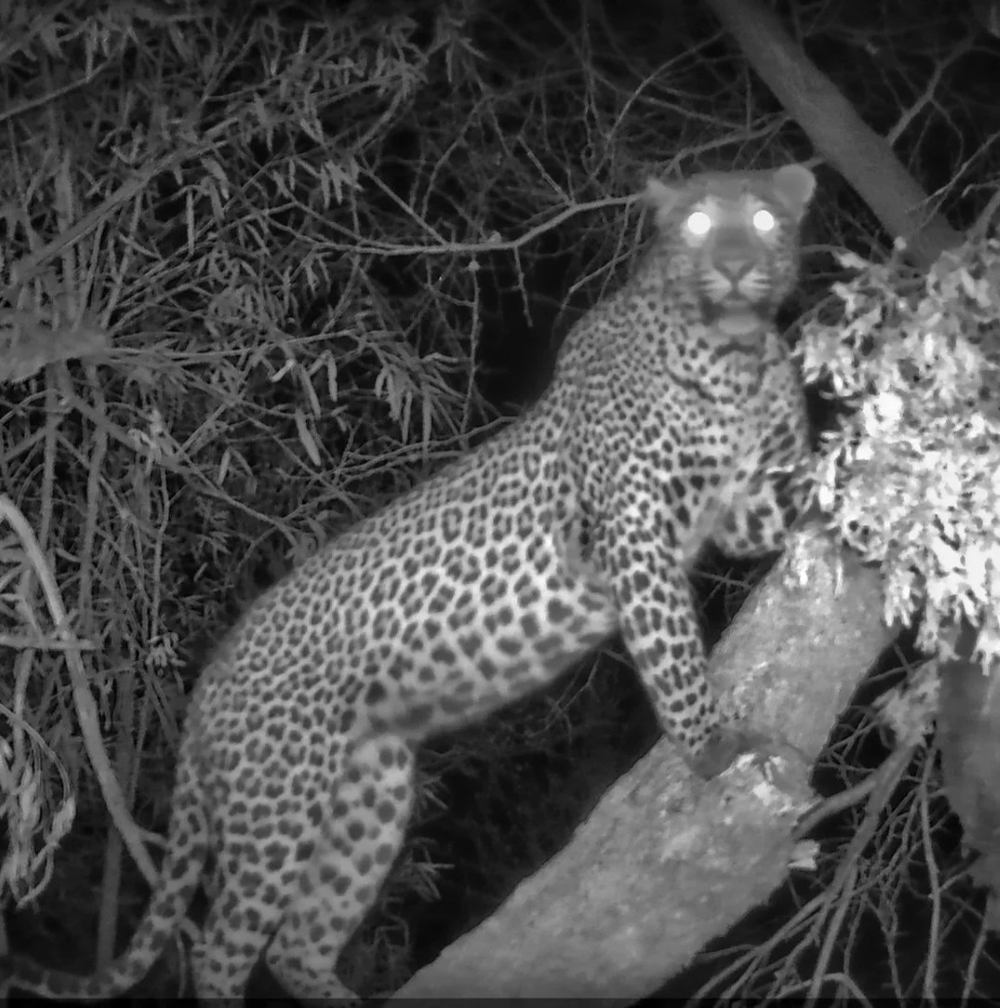
A trail-camera photograph of a big male leopard can get a hunter's attention quickly. Add a few old trophy photographs and stories about cats regularly moving through the property, and it can sound like exactly the place to book a hunt.
Having leopards on a property does not automatically make it a good leopard hunting area. When considering leopard hunting in Namibia, the better question is whether mature toms are regularly using country that can be hunted. The Professional Hunter needs enough access, current information and knowledge of the area to understand how those cats are moving before the start of the safari.
A single photograph proves that a leopard passed a camera. Old trophy photographs prove that good cats have been hunted there before. Neither tells you everything you need to know about the area today. Good leopard country is a combination of several things. Suitable habitat and prey matter. So does the amount of usable hunting country, current mature-tom activity, hunting pressure, access, quota and how well the hunting team knows the area.
None of those things can guarantee a successful hunt.
This helps you separate an area that has leopards from an area that gives a hunting team a realistic opportunity to find and hunt the right one.
Leopard Presence and a Huntable Tom Are Not the Same Thing
A property can have plenty of leopard activity without having a suitable tom regularly using the part of the ranch or concession that can be hunted.
Trail cameras may photograph females, younger males and cats that only pass through occasionally. Tracks along a road or a leopard feeding on a bait are useful signs, but the PH still needs to work out which cats are using the area and whether a mature male is among them.
An adult tom will have a large home range. He may spend part of his time on the hunting property and part of it on neighbouring land where the hunting team has no access. Property boundaries and game fences do not necessarily stop a leopard from moving between areas. Knowing that he exists is different from knowing how regularly he uses huntable country.
Current information matters. A photograph of a tom taken years ago tells you what the area produced then. Several recent photographs, tracks and other signs showing a male repeatedly using the same country tell the Professional Hunter more.
Even that does not make the leopard huntable on demand. Cats change their movements, hunting pressure can affect their behaviour, and a tom that was regular last week may disappear.
The important distinction is simple:
You are not looking for an area where somebody can prove that leopards exist. You are looking for an area where the hunting team has good reason to believe mature toms are regularly using country they can hunt.
Good Leopard Country Needs the Right Prey and Habitat
Leopards live in very different types of country across Namibia, from rocky mountain country to commercial farmland. Hunters considering hunting in Namibia should not assume that the country that looks wildest will necessarily be the best leopard habitat. What matters is whether the area provides enough food, cover and suitable habitat for them to remain there.
A good natural prey base is particularly important. Leopards are capable predators and will take animals such as warthog, baboons, impala, springbok and other antelope. They may also take young animals from much larger species when the opportunity presents itself. A leopard does not need to risk injury tackling a large adult animal when smaller or younger prey is readily available.
Good leopard country gives a cat plenty of opportunities to feed without taking unnecessary risks.
A hunter should be careful about judging leopard country by appearance alone. Dry or relatively open country may not look like classic leopard habitat, yet it can still hold cats if the food, cover and movement routes are there.
Namibian research has also found substantial differences in leopard density between areas. Some farmland has supported surprisingly strong leopard populations, showing why farmland should not automatically be considered poorer leopard country than more remote or mountainous areas.
Leopard density figures can be useful, but what the hunting team is seeing on the ground matters more. Are mature males leaving tracks regularly? Are the same toms appearing repeatedly on cameras? Is there enough natural prey? Does the area contain the cover and country those cats are using?
Good leopard habitat is not necessarily the country that looks wildest from the hunting vehicle. It is the country the leopards are choosing to use.
Usable Hunting Country Matters More Than Headline Acreage
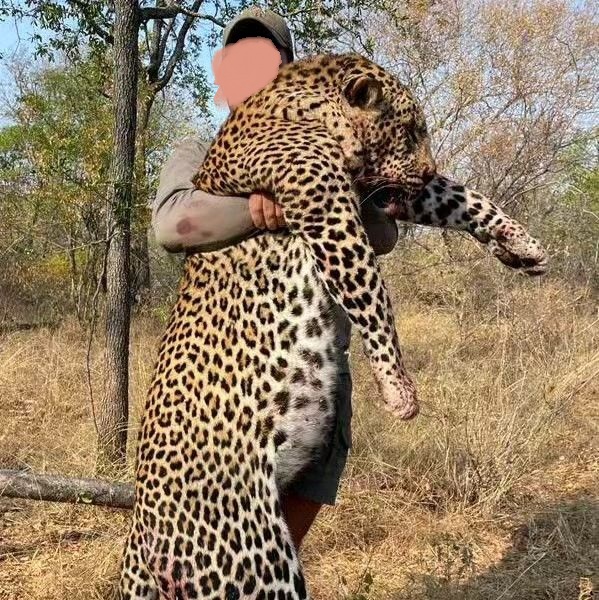
A large concession sounds impressive, but the total acreage does not tell you how much of that area can be used effectively for a leopard hunt.
A mature tom may move through several properties during his normal travels. If part of that country belongs to a neighbour where the outfitter has no hunting rights, the PH cannot simply follow the leopard across the boundary.
The same applies within a large ranch or concession. Some parts may consistently show leopard activity while others produce little sign. Roads, tracks and practical access affect how efficiently the hunting team can check spoor, cameras and other signs without spending most of the day simply getting from one end of the property to the other.
This does not mean smaller hunting areas are better. It means the number of acres should have some meaning behind it.
A good question to ask an outfitter is not only “How big is the hunting area?”
Ask how much of that country is available for the leopard hunt, where the mature toms are currently moving and what happens when a cat crosses onto neighbouring land. In some areas, access to neighbouring properties or cooperation between landowners may give the hunting team more options. In others, the property boundary is where the hunt stops.
A hundred thousand acres on a brochure tells you the size of the property. It does not tell you how much useful leopard country the PH has to work with.
The PH Should Know More Than Where Leopards Have Been Seen
Seeing leopard tracks or getting a mature tom on a trail camera is useful. Knowing how that cat has been using the area is more valuable.
An experienced leopard PH builds up knowledge of an area over time. He learns where toms regularly cross roads, which valleys or riverbeds they use, where females are active and where lone males have appeared before. Trackers add another layer to that picture by recognising fresh spoor and noticing changes that may indicate a different cat has moved into the area.
Experience in the actual hunting area matters. A PH may have hunted many leopards during his career, but knowledge gained from repeatedly hunting and monitoring the same area gives him information that cannot be picked up from a map.
Individual cats also become familiar to the hunting team. A tom may have distinctive markings, body size or behaviour that allows the PH to recognise him on different cameras. Over time, those photographs and tracks can start building valuable knowledge of where that leopard travels and how often he returns.
This does not mean the PH will know where the leopard will be tomorrow. Leopards remain unpredictable, and an established pattern can change.
It does mean the hunting team is making decisions from more than a photograph and a guess.
When discussing an area with an outfitter, ask how long the PH has hunted that concession and what he currently knows about the mature toms using it.
Ask What Is Happening in the Area Now
Past success tells you that an area has produced good leopards. What matters when booking a hunt is what is happening there now.
A trophy photograph from five years ago may be impressive, but it tells you little about which mature toms are currently using the concession. Recent trail-camera photographs, fresh spoor, bait activity and results from recent hunts give a much better picture.
Ask when the photographs were taken. Ask what happened during recent leopard hunts in the area. Were mature toms regularly showing on cameras? Were cats feeding consistently? Did the PH have opportunities, and are the same males still being seen?
This is also where talking to people who follow hunts across different areas can help. At Game Hunting Safaris, we stay in contact with the outfitters we work with and keep track of what is happening in the hunting areas they offer. We often know which areas have recently produced good cats and where mature toms are currently being seen.
None of this guarantees that the same leopard will still be there when your safari starts. A cat can change its movements overnight.
Current information tells you what the hunting team has to work with now.
Hunting Pressure Can Change a Good Area
An area can have good leopard habitat and suitable toms and still become more difficult if the cats are repeatedly disturbed.
Regular vehicle movement, people checking the same places too often, repeated hunting activity and other disturbance can change how a leopard uses an area or when it moves through it.
This does not mean a good leopard area has to remain untouched. The team still needs to check spoor, monitor cameras and work the area. What matters is whether that activity is controlled and purposeful.
It is worth asking how many leopard hunts are conducted in the area during a season. One productive concession being hunted carefully is different from an area being pressured repeatedly.
Recent hunting history matters. If a tom was hunted unsuccessfully a few weeks earlier, he may still be in the area, but he may become more cautious and change his movement patterns.
A good leopard area is not only about having mature toms. It is also about how carefully the hunting team manages the pressure placed on them.
Make Sure the Leopard Hunt Has the Right Quota and Permit
Before booking, confirm that leopard quota is available for the hunting area and season being offered.
Namibia manages leopard hunting through a quota and permit system. The predator permit is issued for a specific hunter and hunting area, and it cannot simply be transferred to another outfitter or area.
When planning an African hunting trip, paperwork like this should be confirmed well before you travel. Where applicable, ask for confirmation of the quota and get a copy of the relevant permit before you leave home.
Do not arrive in Namibia assuming the paperwork will somehow be sorted out once the safari starts. The PH or hunting guide must have the predator trophy-hunting permit in physical possession during the hunt.
A leopard on the property means very little if the legal authority to hunt that leopard is not in place.
Frequently Asked Questions
What makes a good leopard hunting area in Namibia?
A good leopard hunting area should have suitable habitat, a healthy prey base and recent evidence that mature toms are regularly using country that can be hunted. Access, hunting pressure, current quota and the PH's knowledge of the area also matter.
Having leopards in an area is not the same as having a good area in which to hunt a mature tom.
Does a bigger hunting area mean better leopard hunting?
Not necessarily. A large concession is useful only if enough of that country holds leopard activity and can be hunted and monitored effectively.
The same principle applies to big game hunting in Namibia. The number of acres matters less when animals regularly move beyond the country where the outfitter has hunting rights or quota.
Do leopards move between neighbouring hunting properties in Namibia?
Yes. A leopard's home range can extend across more than one property, and ordinary property boundaries or game fences do not necessarily prevent a cat from moving between areas. This is why it is worth asking what happens when a mature tom being monitored on one property moves onto neighbouring land where the hunting team may not have access.
Should I confirm the leopard quota and permit before travelling to Namibia?
Yes. Confirm that the appropriate leopard quota and permit arrangements are in place for the hunting area and season you are booking. Where applicable, ask for a copy of the relevant permit before leaving home rather than arriving for the safari and assuming the paperwork will be sorted out afterwards.
Choose the Area, Not Just the Leopard Hunt
Leopard is one of the most challenging species in Big Five hunting, and no hunting area can guarantee that a mature tom will give you an opportunity. What you can do is choose the area carefully. Look for recent mature-tom activity, suitable habitat and prey, enough usable hunting country, sensible hunting pressure, an experienced PH with a solid track record who knows the area, and the correct quota and permits.
Ask questions until you know exactly what you are booking, and where possible, ask for references from hunters who have recently hunted leopard in that area.
A good leopard area cannot guarantee the cat. It can make sure the hunting team has the right country, knowledge and opportunity to go looking for him.
About the Author
Pierre van Wyk is the co-founder of Game Hunting Safaris and has worked extensively across the African hunting industry. He writes from a practical hunting perspective, with a focus on helping international hunters understand what matters when choosing areas, outfitters and safari options across Africa.