
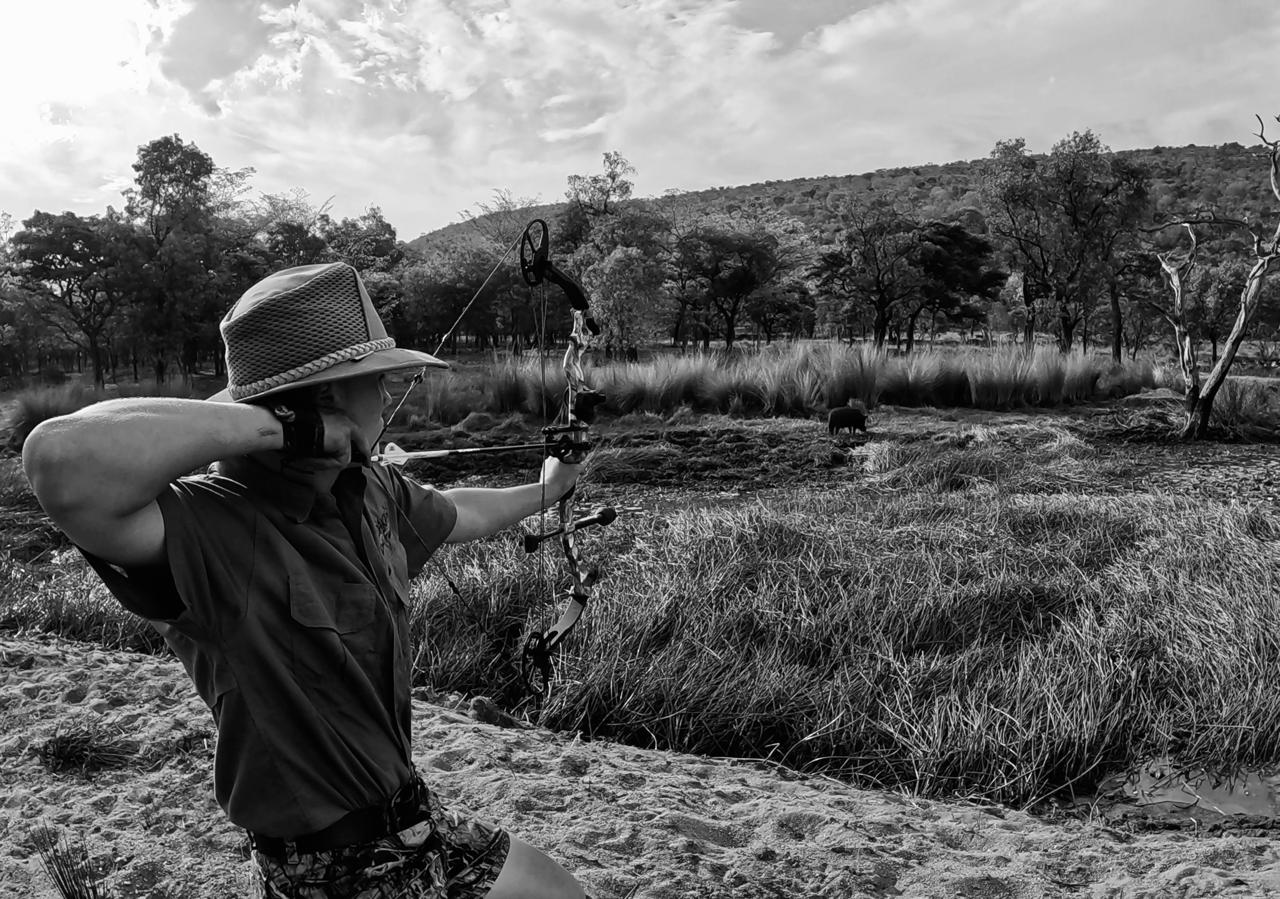
A kudu hunt and a buffalo hunt can both fall under big game hunting, but they are not the same hunting proposition.
That is where the confusion may start for some hunters.
Hunters may use the terms big game and dangerous game interchangeably, especially when talking about Africa’s largest and most sought-after species. Big game is the broader category. Dangerous game sits within that world, but brings a different level of risk, preparation and responsibility.
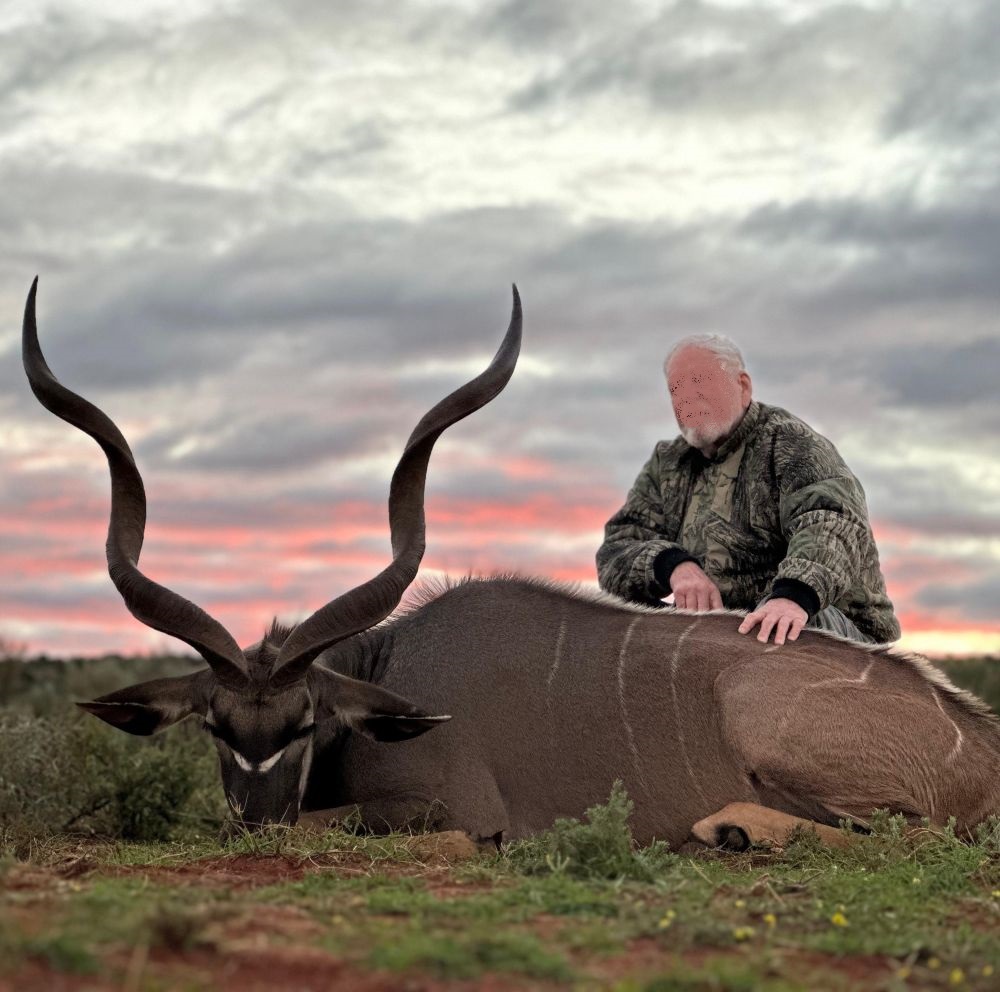
An African big game hunting safari may involve kudu, eland, sable or other large game without involving dangerous game at all. Add buffalo, lion, elephant or another dangerous species, and the nature of the hunt changes.
The difference is not only the animal being hunted.
It affects the role of the PH, the importance of shot selection, the equipment required, what happens if an animal is wounded and how the hunt is planned from the start.
Understanding that difference helps you know what kind of safari you are booking and what will be expected of you when you get there.
Big Game Is the Broader Category
Big game is the wider hunting category. It includes large plains game such as kudu, eland and sable, as well as species that are also hunted as dangerous game.
That overlap is where the terms can become confusing.
A hunter may book a big-game safari without ever pursuing an animal normally classed as dangerous game. Another hunter may build the entire safari around buffalo, lion or elephant. Both are big-game hunters, but the second hunt carries a different level of risk and preparation.
Dangerous game hunting is a more specific part of that broader category. The term is used for species that can present a serious threat to the hunter or hunting team, especially if wounded, surprised or followed at close range.
That does not mean every large animal is dangerous game, or that every animal capable of injuring a hunter belongs in that category.
Big game is the broader hunting world. Dangerous game is the part of that world where the consequences of a mistake can become much more serious.
Dangerous Game Changes the Consequences of a Mistake
Every hunter wants the first shot to be right. With dangerous game, the consequences of getting it wrong can be much more serious.
A poorly placed shot on a kudu may result in a difficult tracking job and a long recovery. On a buffalo, lion or other dangerous animal, a wounded animal can create an additional risk for the hunter, PH and trackers who may have to follow it.
That changes the way the shot is approached.
The PH may wait longer for the animal to turn, ask the hunter to hold fire or decide that an opportunity is not good enough. A few extra seconds of patience can matter more than taking the first shot that becomes available.
It also changes what happens after the shot. If the animal disappears into thick cover, the hunting team cannot simply assume it is dead or move on. The PH has to read the sign, judge what happened and decide how the follow-up should be handled.
This is one reason dangerous-game hunting places so much emphasis on judgement. Finding the animal is only part of the job. The hunter still needs the right opportunity, and the PH needs enough confidence in the situation to make the call.
A mistake on any hunt matters. On dangerous game, that mistake can change the situation for everyone involved.
The PH’s Role Becomes More Important
On any African safari, the PH plays an important role. On dangerous game, their judgement is critical.
The PH is not only helping the hunter find and assess the animal. They must judge the approach, decide whether the shot opportunity is good enough and think about what may happen if the first shot does not go as planned.
That experience matters when the situation starts changing quickly.
A buffalo may turn and disappear into cover. A lion may not present the angle the PH wants. An elephant may move into a position where the shot is no longer safe or sensible. The hunter may only see an opportunity, while the PH is looking at the animal, the terrain, the other people involved and what happens next if the shot goes wrong.
Dangerous-game experience is not the same as general safari experience. A PH may be excellent on plains game without having spent the same amount of time hunting buffalo, lion, elephant or other dangerous species.
The hunter still must make the shot, but also needs to trust the PH enough to wait when told to wait, move when told to move and pass an opportunity when the PH is not comfortable with it.
On dangerous game, the PH is not only helping you find the animal. Their experience helps manage the decisions that can keep a difficult situation from becoming a dangerous one.
Preparation Goes Beyond Choosing a Bigger Rifle
A suitable rifle matters on dangerous game, but owning one does not make a hunter ready for the safari.
The hunter needs to be comfortable with the rifle, know how it handles and be able to shoot it accurately without fighting the recoil. This matters more than simply carrying the biggest calibre available and hoping confidence arrives with it.
At the same time, adequate stopping power matters on dangerous game, especially if a follow-up becomes urgent or the situation turns bad.
Dangerous-game shooting can also happen from practical field positions rather than a comfortable bench. The hunter may need to shoot from sticks, from a standing or kneeling position, or after moving quickly into position with the PH. In thick cover, there may be very little time or space to settle properly.
A tree, branch or shooting sticks may become the only useful support, and the shot may need to be taken from an awkward angle rather than from a comfortable position.
Practice should include more than checking that the rifle groups well on paper. Hunters should be comfortable shooting from practical field positions and, where appropriate, practise getting onto a moving target and making a quick follow-up shot.
On dangerous game, the first shot matters most, but if another shot is needed, the hunter should not be learning how to cycle the rifle or reacquire the animal in that moment.
The hunter should know where the rifle shoots, be familiar with the trigger and safety, and be able to operate the action without looking at it. If a second shot is needed, working the rifle should feel familiar rather than becoming another problem to solve.
Physical preparation is important. Some dangerous-game hunts involve long tracking days, heat, thick cover and repeated approaches before the right opportunity develops. In some areas, the hunter may be dealing with dripping sweat, dust, tsetse flies and hours on his feet before the rifle ever comes up.
Fatigue should not be the reason a hunter struggles when the shot finally comes.
Firearm and calibre requirements also vary between countries and species, so the legal minimum should always be confirmed for the hunt being booked.
A suitable rifle is part of dangerous-game preparation. Being completely familiar with it is what makes it useful when the moment arrives.
Following a Wounded Animal Is Where the Difference Becomes Real
A wounded animal changes any hunt. On dangerous game, it can change the level of risk immediately.
If a buffalo, lion or other dangerous animal disappears into cover after the shot, the hunting team must assume the situation is more difficult. Visibility may be poor, the animal may be close, and nobody can be certain exactly what it will do next.
In a close follow-up, everyone needs to know who is carrying a rifle, who is expected to shoot and where the other members of the team are positioned. The PH will decide how the follow-up is handled.
That decision may depend on the species, the terrain, how the animal reacted to the shot, the sign on the ground, the amount of daylight left and whether the hunter can take part safely. Experienced PHs do not treat every wounded-animal follow-up the same way.
In some situations, the hunter may move with the PH and tracker. In others, the PH may decide that fewer people should go forward or that additional help is needed. The priority is to recover the animal without creating another problem through confusion, poor gun handling or too many people moving through thick cover.
The tracker may be concentrating on spoor while the PH is watching ahead for the animal. Everyone has a job, and those roles can change as the follow-up develops. That is one reason calm communication becomes so important.
A wounded buffalo in open woodland is a different proposition from the same animal disappearing into head-high grass. The animal has not changed, but the amount of warning the hunting team may have certainly has.
The first shot should be taken with the intention of avoiding this situation altogether. If a dangerous animal is wounded, the follow-up becomes a team decision led by the PH, not a chance for anyone to prove how brave — or how stupid — they are.
Dangerous Game Does Not Have One Rulebook Across Africa
Dangerous-game hunting rules are not identical across Africa.
Firearm and calibre requirements can vary by country and species. So can permits, licence conditions and the rules governing how a particular animal may be hunted.
A rifle that meets the legal requirement for one dangerous-game hunt may not automatically meet the requirement somewhere else. The same applies to paperwork.
The PH or outfitter will be able to confirm the current requirements for the species and country being hunted before the safari is booked.
The same applies to travelling with firearms. Import requirements can differ between countries, including how many rifles may be brought in, the types permitted and how much ammunition a hunter may carry.
Do not assume that a rule applying to buffalo in one African country will automatically apply to buffalo in another.
Dangerous Game Can Be Part of Your First African Safari
A hunter does not have to complete a plains-game safari before booking dangerous game in Africa.
Some hunters prefer to gain experience on kudu, eland or other plains game first. Others are comfortable making buffalo or another dangerous species part of their first African safari.
What matters more is whether the hunter is prepared for the hunt being booked. Shooting ability, confidence with the rifle, physical preparation and choosing an experienced dangerous-game PH all matter more than whether it is safari number one or safari number five.
A first safari can combine dangerous game with other big game. A Cape buffalo hunt may include kudu, eland or other plains game, while a lion or elephant safari may include additional species depending on the country and hunting area.
That overlap is one reason hunters sometimes use the terms big game and dangerous game loosely in normal conversation.
The better question is not whether dangerous game should be your first African safari. It is whether you are properly prepared for the dangerous-game hunt you have chosen.
So What Is the Actual Difference?
Big game and dangerous game can overlap, but the difference is what the hunt requires from the hunter and PH.
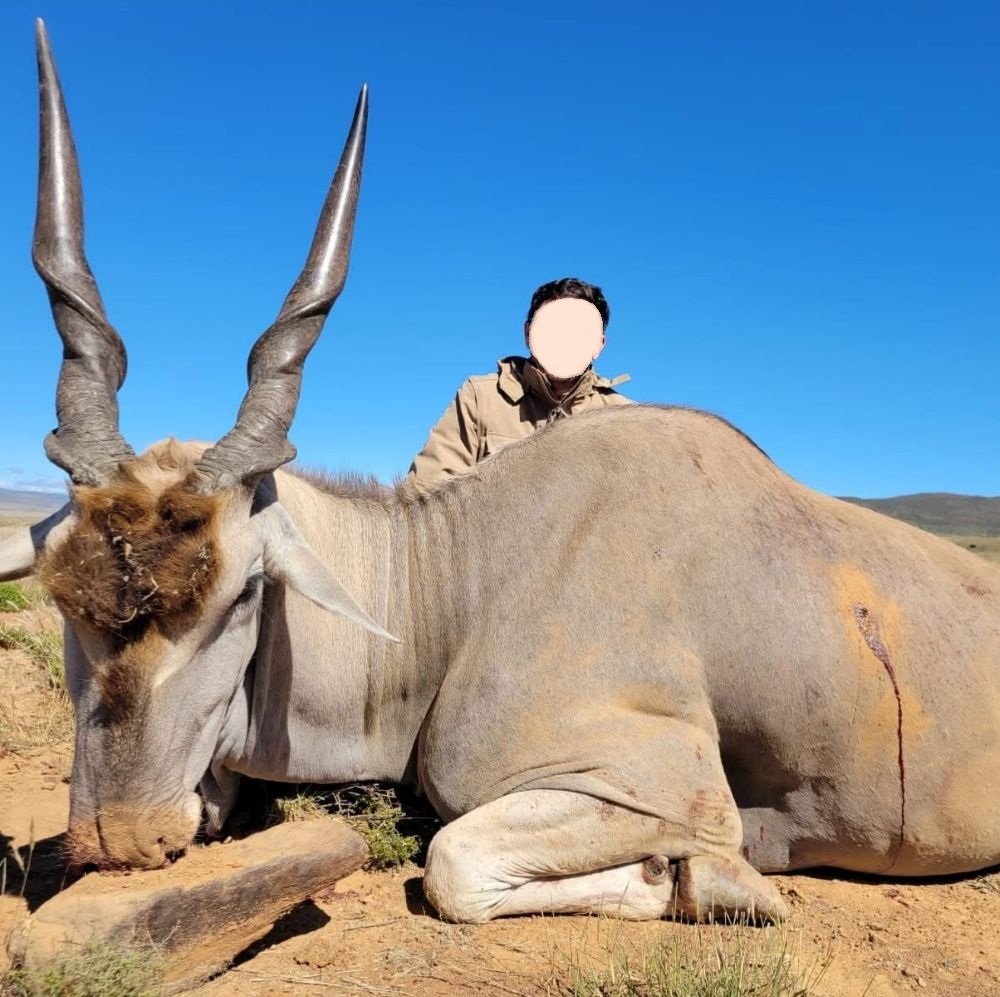
A big-game safari may involve large plains game such as kudu, eland or sable, where the challenges are finding the right animal, getting into position and making a clean kill.
Dangerous game adds another layer. The hunter needs to think more carefully about PH experience, firearm suitability, shooting preparation, shot selection, follow-up risk and the legal requirements for the species and country being hunted.
One hunt is not better than the other. They are simply different hunting propositions.
Big game describes the broader hunting world. Dangerous game is the part of that world where preparation, judgement and the consequences of a mistake carry more weight.
Frequently Asked Questions
Is dangerous game part of big game hunting in Africa?
Yes. Dangerous game sits within the broader world of big game hunting, but not every big-game animal is considered dangerous game.
Kudu, eland and sable can all form part of an African big-game safari without being classed in the same way as buffalo, lion or elephant.
What animals are usually considered dangerous game in Africa?
Buffalo, elephant, lion, leopard, rhino and hippo are commonly discussed as dangerous game, although legal classifications and hunting rules can vary between African countries.
The important distinction is not simply the size of the animal, but the additional risk and responsibility involved when hunting certain species.
Can dangerous game be part of your first African hunting trip?
Yes. A hunter does not have to complete a plains-game safari before including dangerous game on an African hunting trip.
Preparation, shooting ability, rifle familiarity and choosing an experienced dangerous-game PH matter more than whether it is your first African safari or your fifth.
Do dangerous-game hunts require different rifles or calibres?
Often, yes. Dangerous-game species may have specific minimum firearm or calibre requirements, but those rules vary by country and species.
The hunter should confirm the legal requirements for the exact hunt being booked and choose a rifle that is both suitable for the animal and comfortable enough to shoot accurately.
About the Author
Tamlyn van Wyk is the co-founder of Game Hunting Safaris and has hunted extensively in Africa, including buffalo, lion, hippo and crocodile. She writes from practical field experience, helping international hunters better understand African hunting, safari preparation and what to expect when pursuing big and dangerous game.