

5-Day Exportable Hippo Hunt in Namibia’s Caprivi
Booking Season: 2026
Hunt Difficulty: Difficult

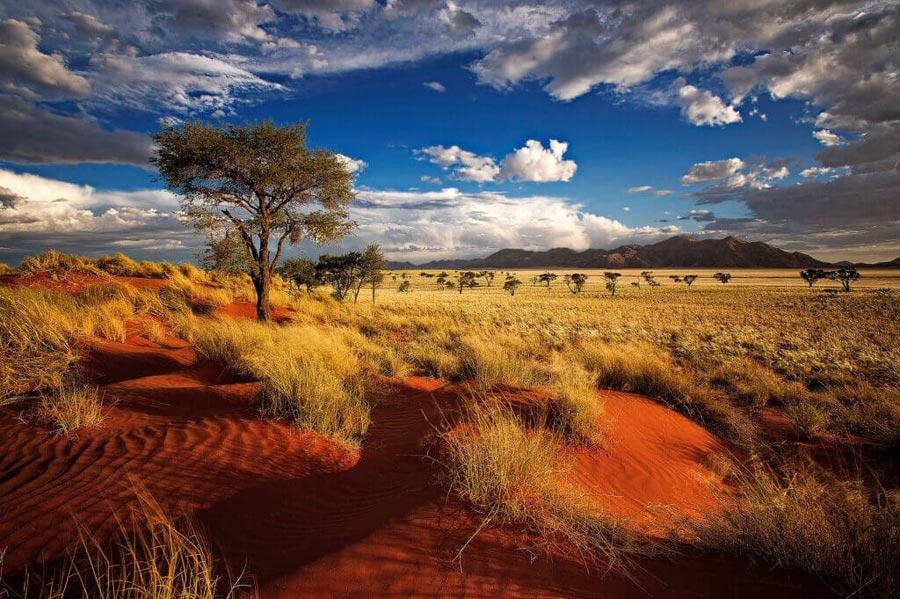
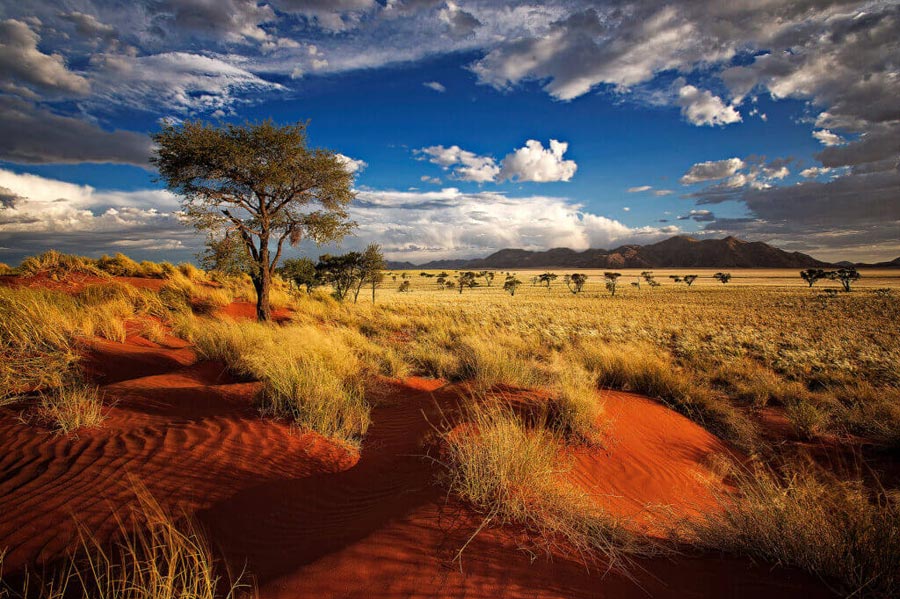
Hunting in Namibia offers a remarkably diverse range of safari opportunities, including several of Africa's most sought-after dangerous game species. While much of the country is associated with arid landscapes, Namibia's northeastern regions provide a completely different environment of rivers, floodplains and wetlands where hippo can be hunted. Hippo (Hippopotamus amphibius) is one of the distinctive dangerous game species found in this wetter part of the country.
Many people think of Namibia as only a desert country, when it actually offers a range of vegetation and terrains, resulting in exciting, and challenging game hunting experiences. No dangerous or big game hunting adventure can be complete without including the mighty hippo.
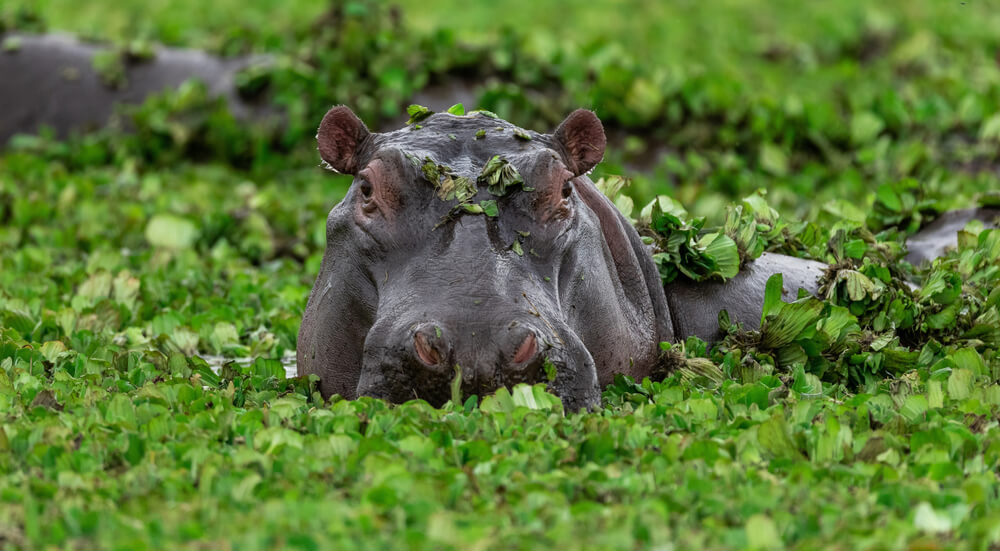
Hippo hunts are conducted throughout sub-Saharan Africa, in a variety of habitats including rivers, swamps, lakes, and other bodies of water. Situated in Namibia’s northeastern corner, lies a lush green paradise, with plenty of waterways, swamp-type areas, and lush vegetation that makes it simply irresistible to many animals, including elephants, hippos, crocodiles, and the notorious Cape buffalo. This is the Zambezi region, previously known as the Caprivi Strip, which provides a Namibia big game hunting safari with the best possible location for hippo hunting.
Available Hippo Hunts
5-Day Exportable Hippo Hunt in Namibia’s Caprivi
Booking Season: 2026
Hunt Difficulty: Difficult
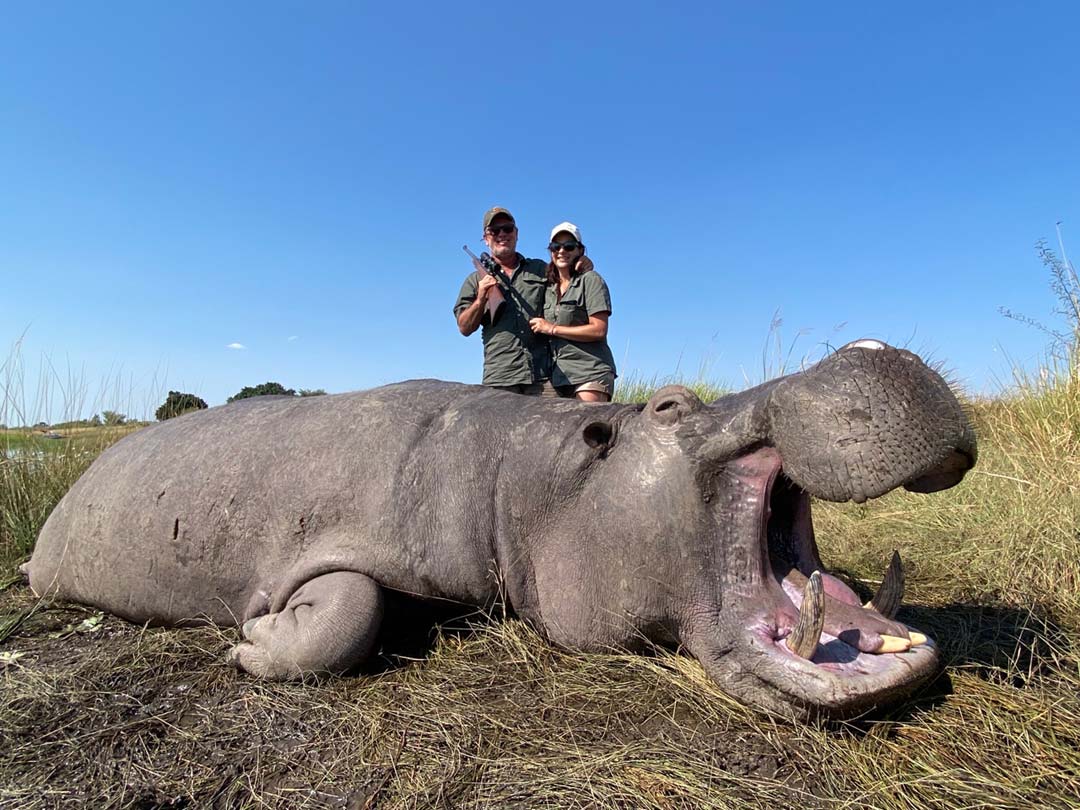
Non-Exportable Hippo Hunt Namibia | Zambezi (Caprivi Strip)
Booking Season: 2026
Hunt Difficulty: Difficult
Trophy Hippo Hunting Safari Namibia | Caprivi Strip
Booking Season: 2026
Hunt Difficulty: Difficult
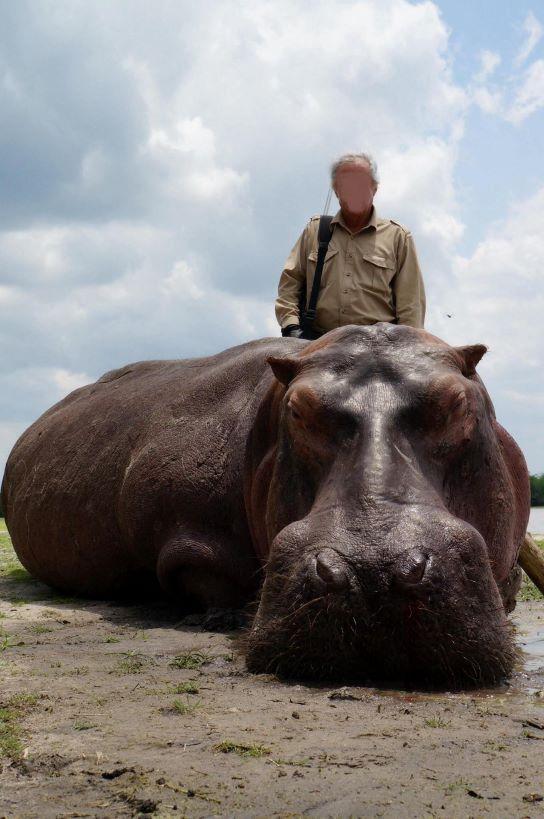
Hunt Giant Crocodile Hippo in Namibia 7 x Days in Caprivi
Booking Season: 2026
Hunt Difficulty: Difficult
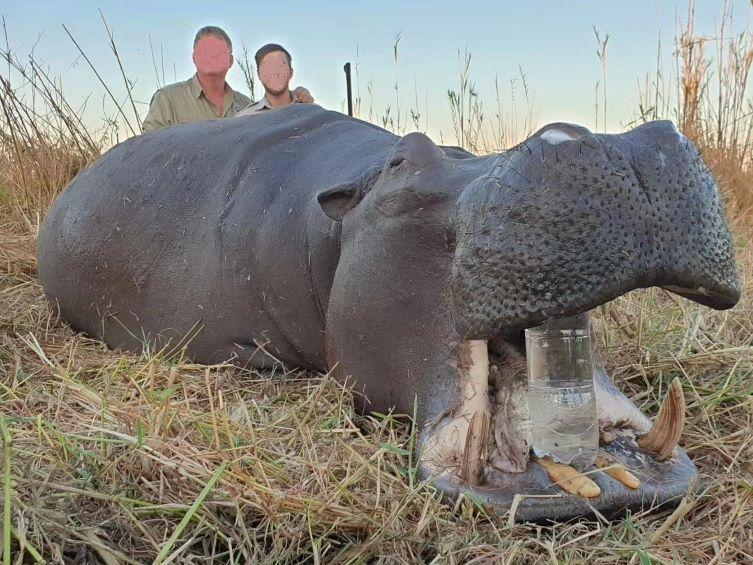
Weighing over 3,200 pounds, the hippo is a mighty adversary for big game hunting in Namibia. It spends over 16 hours a day wallowing in the water, keeping its almost skinless body moist and protected from the harsh African sun. When targeting your prize hippo bull, look out for two bumps on either side of the nostrils, where the bottom tusks push up when the hippo’s mouth is closed.
While hippo hunting in Namibia, you will target your sought-after game hunting trophy in a couple of ways: Walk-and-stalk. Firstly, getting closer to the herd in a mokoro (traditional canoe), followed by a walk-and-stalk. Target the hippo on land as it leaves the water around dusk to feed on land and makes its way back to the water before daybreak. All options have their own challenges, as hippos are extremely aggressive and territorial. In a mokoro, you stand the chance of your vessel being capsized, whereas you stand the chance of being chased on land. This is extremely hazardous, as the hippo will take out anything (or anyone) that stands in its way as it heads to the water.
Accurate hippo shot placement is critical, particularly when an animal is in the water and only a small part of the head may be visible. The correct aiming point changes depending on whether the hippo is facing the hunter, quartering away or standing broadside on land. There are a couple of options open to the hunter: The Frontal Brain Shot When mentally preparing for your big game hunting safari, be ready to consider this shot. If you are hunting during the rainy season, it may be the only one presented by the hippo, as its body will be submerged in water. The Frontal Heart Shot While hippo hunting in Namibia, a well-placed bullet from a high-caliber rifle designed for penetration will drop a bull hippo in its tracks. Practically and realistically the big game hunter will very rarely be presented with this frontal heart shot.
Broadside Brain Headshot (Hippo in the Water) When hunting a hippo while it’s in the water, the hunter will need to execute a brain shot, if the head is facing at an angle away from the hunter. This shot will be recommended by your professional hunter should, there be no other available options. Headshot Facing Away from the Hunter While on a hippo game hunting safari, this shot is not often taken by big game hunters or recommended by professional hunters. The Fleeting Shot On land, while hippo hunting the initial shot placement may not have been executed with perfection.
The urgent need for quick follow-up shots can happen during any big game hunting safari. If the hippo chooses not to charge the hunter, he will dash for the safety of the water, smashing everything in his path. This fleeing action may present the hunter with two possible shot placements, namely the spine or the hop joint. The Heart and Lung Shot The broadside heart and lung shots are the preferred option when on a hippo hunting safari and can only be executed when the hippo is out of the water. The odds of finding the hippo out of the water on the game hunting safari will seldom favor the hunter. The Neck Shot This will not be an ideal first choice for shot placement and will not be recommended by your professional hunter.
Dangerous big game hunting in Namibia calls for the minimum caliber of .375 as a legal requirement, with a minimum of a 300-grain bullet. Hippos are renowned for having thick skin, skulls, and vertebrae, requiring a solid bullet for proper penetration. When the hippo is targeted out of the water and is up close with the hunter taking a broadside shot, a suggested rifle would be a .416 Rigby or 500NE, to enter the heart for an accurate kill shot. Bow hunting for dangerous game is not legal in Namibia.
Hippo hunting in Namibia is concentrated in the country's northeastern Zambezi Region, where the landscape bears little resemblance to the dry country associated with much of Namibia. Permanent rivers, seasonal floodplains, channels and wetlands provide the habitat needed to support hippo populations as well as a wide variety of other game.
The Zambezi, Chobe, Kwando and Linyanti river systems shape much of this region. Hippos spend the majority of the day in or close to water, moving onto surrounding floodplains and feeding areas after dark before returning toward the rivers and channels in the early morning.
Where a hippo is found can influence how the hunt is conducted. Some animals may be observed from riverbanks or approached along waterways, while others can require considerable time spent watching pods and identifying a suitable mature bull. Water levels, vegetation and access can all affect how close a hunting team can get and which shot opportunities are realistically available.
This is also why choosing the hunting area matters. Namibia is not a destination where hippo are simply available throughout the country. The opportunity is tied closely to the waterways and suitable habitat of the northeast, making local knowledge of individual rivers, channels and seasonal hippo movement particularly important.
When considering a Namibia hippo hunt, the question should go beyond whether hippo are available. Ask where the hunt will take place, what water system is being hunted, how hippo use that area and what hunting method is normally used there.
Hippo hunting in Namibia can take place during much of the country's hunting season, but conditions in the Zambezi Region change considerably as the year progresses. Water levels, flooding, vegetation and access to individual waterways can all influence how a hunt is conducted.
Earlier in the season, higher water levels can spread hippo across a much larger network of rivers, channels and flooded areas. This can make access to some locations more difficult and may leave much of an animal submerged when it is encountered.
As the dry season progresses, water begins concentrating wildlife around permanent rivers and deeper channels. Vegetation also changes and access across the floodplains generally becomes easier, giving the PH more opportunity to locate pods, study individual animals and judge mature bulls.
That does not mean the latest or driest part of the season is automatically best. Conditions vary between hunting areas and river systems, and the availability of hippo is also controlled by quota and permits.
The better question to ask an outfitter is not simply, “What is the best month?”
Ask what water levels are normally like during the dates you are considering, where hippo are likely to be concentrated and how those conditions affect the way they are hunted. A hippo hunt planned for the Zambezi Region in October can look considerably different from one conducted when the floodplains are carrying much more water.
The cost of a hippo hunt in Namibia depends on the hunting area, safari length and whether the hippo is hunted as the primary objective or as part of a broader big game safari. Trophy fees are only one part of the overall cost, with daily rates, permits, transfers and other safari expenses also contributing to the final price.
Another important distinction is whether the hunt is exportable or non-exportable. Exportable trophy hippo hunts generally cost more because the animal is taken under the appropriate trophy quota and the necessary documentation is required for export. Non-exportable or own-use hunts can sometimes be offered at considerably lower prices, but the trophy cannot be exported by the hunter.
This distinction should be confirmed before booking. A lower advertised hippo price may represent a non-exportable opportunity and should not automatically be compared with the price of a fully exportable trophy hunt.
Hippo are also frequently added to safaris involving other species, which can change the economics of the hunt considerably. If the hunter is already paying daily rates for a Cape buffalo, elephant or broader big game safari in the Zambezi Region, adding a hippo may be more cost-effective than arranging a completely separate safari around that animal alone.
When comparing packages, look at the total safari cost rather than the trophy fee in isolation. Our African Hunting Safari Prices guide explains the broader costs that should be considered when budgeting for a hunt in Africa.
A hippo hunt in Namibia does not necessarily need to be planned as a standalone safari. The Zambezi Region supports a variety of dangerous game and plains game, making it possible to combine hippo with other hunting objectives when the appropriate quota and permits are available.
Cape buffalo is one of the most natural combinations. Both species occur within the river systems, floodplains and surrounding woodland of northeastern Namibia, although the hunting methods are completely different. Crocodile Hunts can also be combined naturally with a Namibia hippo safari, with both species occurring along many of the same rivers and waterways. Elephant opportunities may also be available depending on the particular hunting area, quota and permits.
This makes the region particularly interesting when planning a broader Big Game Hunting in Namibia safari. Instead of travelling to Namibia solely for a hippo, the animal can sometimes be incorporated into a longer safari built around one or two priority species.
The important consideration is availability. Dangerous game quotas are specific to individual hunting areas and should never be assumed simply because a species occurs in the region. If hippo is being added to another hunt, confirm that quota is available for your safari dates and whether the opportunity is for an exportable trophy or a non-exportable animal.
Combining species can make good practical and financial sense, but the safari should still allow enough time for each priority animal. A hippo may be an addition to the hunt, but finding and judging the right bull can still require patience.
Planning a hippo hunt in Namibia starts with understanding exactly what opportunity is being offered. Two hunts advertised for the same species can differ considerably depending on the hunting area, quota, time of year and whether the hippo is being hunted as an exportable trophy or a non-exportable animal.
Start with the hunting area. Ask which river system or concession will be hunted, what hippo numbers have been like in recent seasons and how the animals are normally located and hunted. Water levels can change conditions considerably, so it is also worth discussing what the area is typically like during your proposed safari dates.
The status of the animal should be equally clear before booking. If bringing the trophy home is important, confirm that the hunt is for an exportable hippo and that the appropriate quota and documentation are available. A non-exportable or own-use hunt may cost considerably less, but it is a fundamentally different opportunity.
If hippo is being combined with buffalo, crocodile, elephant or other game, decide which animals are the priorities before determining how many hunting days to book. Quota availability and the time required for each species can influence how realistic a multi-species safari will be.
A Namibia hippo hunt is relatively straightforward to understand once the right questions have been answered: where are you hunting, when are you going, what quota is available, what type of hippo hunt are you booking and what other species are priorities?
Yes. Hippo hunting is available in Namibia under regulated quota and permit systems, with opportunities concentrated primarily in the northeastern Zambezi Region. Hunts may be offered for exportable trophy animals or as non-exportable opportunities, depending on the quota available in the particular hunting area.
Namibia's Zambezi Region is the country's principal hippo hunting area. The Zambezi, Chobe, Kwando and Linyanti river systems, together with surrounding channels, wetlands and floodplains, provide the permanent water and habitat needed to support hippo populations.
Conditions change throughout the hunting season as water levels fall and the floodplains dry. Later in the dry season, hippo may become more concentrated around permanent rivers and deeper channels, but there is no single best month for every area. Water levels, access, quota and conditions in the specific hunting area should all be considered when choosing safari dates.
Prices depend on the hunting area, safari length, daily rates and whether hippo is the primary objective or part of a combination safari. Exportable trophy hunts generally cost more than non-exportable or own-use opportunities, so hunters should confirm exactly what type of hippo hunt is included before comparing prices.
An exportable hippo hunt must be conducted under the appropriate trophy quota with the required permits and documentation. Not every hippo hunting opportunity is exportable. Some hunts are specifically sold as non-exportable or own-use hunts, meaning the hunter cannot export the trophy. This distinction should always be confirmed before booking.
A Namibia hippo hunt should be selected according to the hunting area, water conditions, available quota and whether the opportunity includes an exportable trophy. Hunters ready to compare suitable packages and combination safaris can explore our current African Hunting Trips or speak with our team about available hippo hunting opportunities in the Zambezi Region.
Search from our range of Hunts across various popular destinations in Africa.

Book Your Hunt