
Hyena Hunting and Endemic Antelope 8 x Nights in Namibia
Booking Season: 2026
Hunt Difficulty: Moderate, Difficult

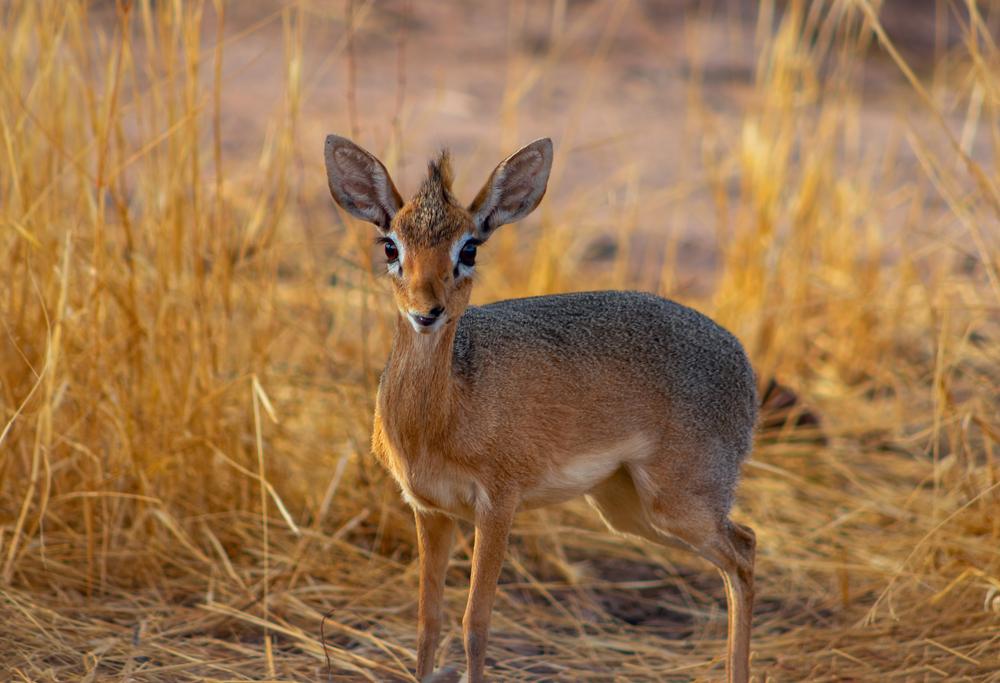
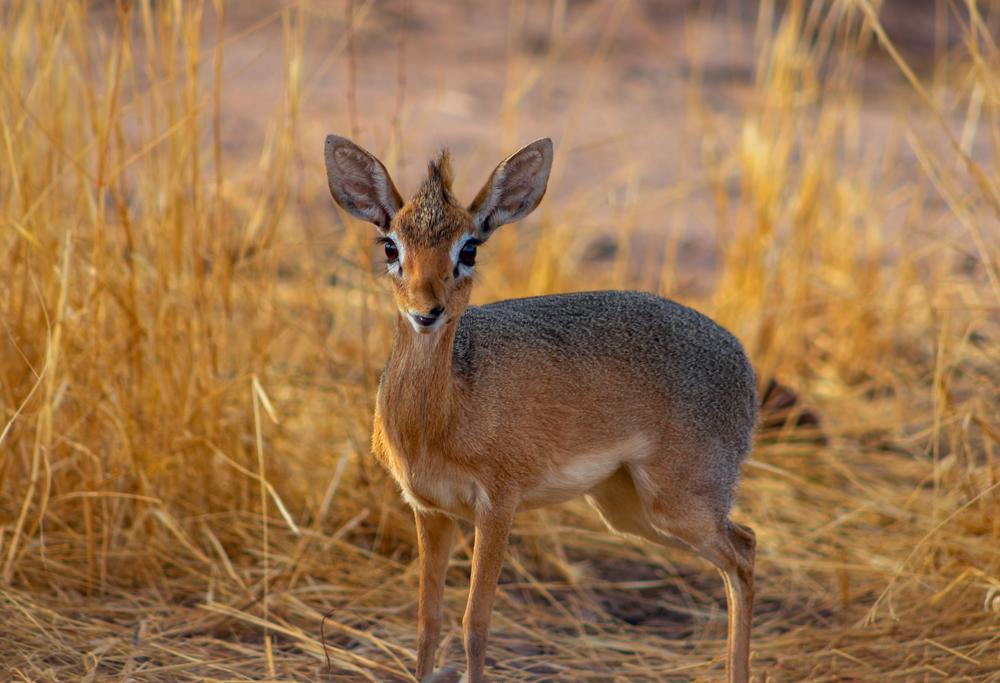
Damara dik-dik hunting in Namibia offers one of Africa's most specialised plains game pursuits. Standing little more than knee-high, these tiny antelope rely on camouflage, dense thorn bush and constant alertness rather than speed or size to avoid danger. Their elusive nature has earned them a place among Africa's most rewarding collector's trophies, and they remain a species that many experienced hunters hope to pursue at least once.
Success on a Damara dik-dik hunt is rarely measured by the distance walked or the terrain covered. Instead, it comes from slowing down, reading the bush carefully and recognising the slightest movement before it disappears into the surrounding vegetation. Patience, observation and precise shot placement become far more important than covering ground quickly.
Planning a safari Hunting in Namibia often involves deciding which species are unique to the country. Damara dik-dik stand firmly on that list. Their natural range is centred on Namibia's arid bushveld and thornveld, where they form part of a hunting tradition unlike any other plains game species. Namibia remains one of the very few destinations where a truly distinctive dik-dik safari can still be experienced.
Available Damara Dik-dik Hunts
Hyena Hunting and Endemic Antelope 8 x Nights in Namibia
Booking Season: 2026
Hunt Difficulty: Moderate, Difficult
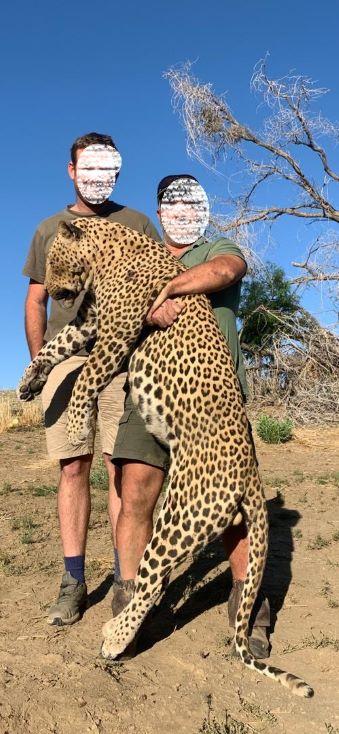
14-Day Namibia Leopard, Damara Dik-Dik & Klipspringer Safari
Booking Season: 2026
Hunt Difficulty: Difficult
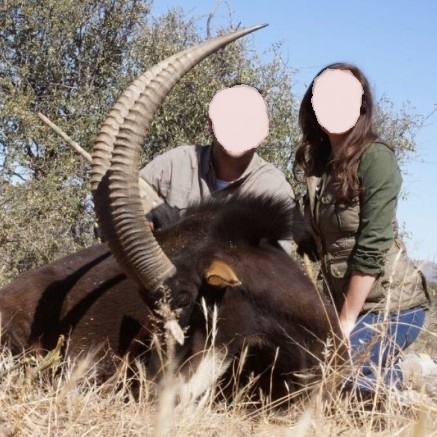
Custom Namibia Hunting Safari | 2 Hunters & 2 Observers
Booking Season: 2026
Hunt Difficulty: Moderate
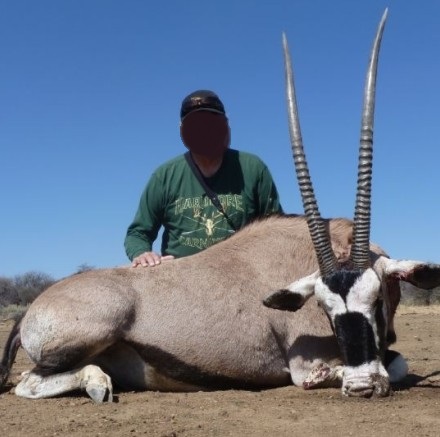
Hunt Gemsbok, Zebra, Impala & 2 More Species in Namibia
Booking Season: 2026
Hunt Difficulty: Moderate
A Damara dik-dik may be one of Africa's smallest antelope, but its size should never be mistaken for simplicity. Living in dense thornveld and arid bush country, these alert little animals rely on camouflage, intimate knowledge of their surroundings and an extraordinary ability to disappear into cover long before a hunter realises they are there. It is a style of hunting that perfectly illustrates why Namibia has earned such a strong reputation for traditional Plains Game Hunts.
Spotting a Damara dik-dik is often only the beginning of the challenge. Brief movement beneath a thorn tree or the flick of an ear may provide the only indication that an animal is nearby before it quietly slips back into cover. Progress through suitable habitat is naturally slow, with careful observation often proving far more valuable than covering large distances.
This creates a hunt built on patience rather than endurance. Every step, every pause and every careful scan of the surrounding bush becomes part of the experience. Success often belongs to the hunter who notices the smallest details and is prepared to wait for the right opportunity rather than forcing one.
It is this combination of subtlety, precision and patience that has earned the Damara dik-dik its reputation as one of Namibia's most rewarding collector's trophies. The challenge is not overcoming the animal's size, but learning to hunt at its pace.
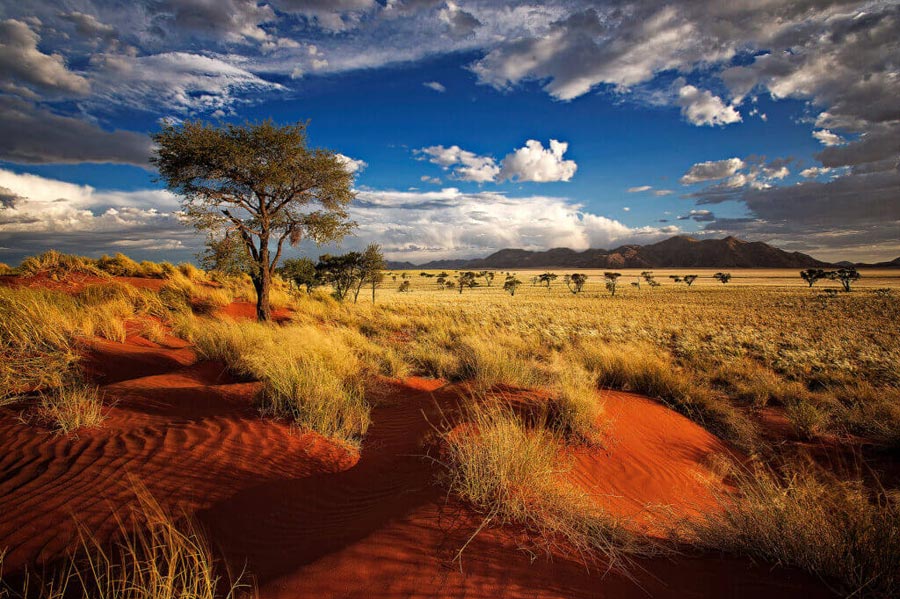
Damara dik-dik are perfectly adapted to Namibia's dry thornveld, where dense acacia scrub, low bush and scattered trees provide both food and protection throughout the year. Remaining hidden is their greatest defence, and every part of their behaviour reflects life in an environment where avoiding detection is often the difference between survival and becoming prey.
Rather than roaming across wide open plains, Damara dik-dik spend much of their lives within surprisingly small home ranges. They move quietly through well-established paths in the vegetation, pausing frequently to watch and listen before taking only a few more cautious steps. Understanding these habits allows experienced Professional Hunters to slow the pace of the safari and hunt the habitat as carefully as the animal itself.
This specialised environment is one of the reasons Namibia has become synonymous with Damara dik-dik hunting. The country's extensive thornveld and arid bush country continue to support healthy populations while offering hunters an authentic opportunity to pursue the species in its natural habitat.
Success rarely comes from walking further than everyone else. It comes from learning to read the bush, trusting experienced guidance and recognising that a movement no larger than a clenched fist may be the opportunity you've been waiting for.
Damara dik-dik are rarely the primary reason for travelling to Namibia, but they often become one of the most memorable trophies of the safari. Their limited natural range and specialised habitat make them an ideal addition for hunters looking to experience several of Namibia's unique plains game species during the same trip.
A carefully planned safari can naturally combine Damara dik-dik with Black-faced Impala Hunting in Namibia, allowing hunters to pursue two of the country's best-known endemic antelope. Although very different in size and habitat, both species represent trophies that are closely associated with Namibia and seldom hunted elsewhere in their natural range.
Hartmann's Mountain Zebra Hunting in Namibia also combines naturally with a Damara dik-dik safari, creating a hunt that moves from dense thornveld into rugged mountain country. Adding classic Namibian species such as Gemsbok and Springbok further showcases the remarkable diversity of the country's landscapes and hunting opportunities.
Hunters looking for an even more specialised safari may also choose to include Cheetah Hunting in Namibia, where regulations and quotas allow. Few destinations offer the opportunity to pursue such a distinctive combination of endemic plains game and one of Africa's most iconic predators during the same hunting trip.
Rather than measuring success by the number of trophies collected, many experienced hunters build their Namibian safari around species that cannot easily be hunted elsewhere. Damara dik-dik fit naturally into that philosophy, adding another uniquely Namibian chapter to an already exceptional safari.
Planning a Damara dik-dik hunting safari begins with choosing the right hunting area. Because these tiny antelope occupy specific thornveld and bush habitats, selecting a concession that supports healthy, naturally occurring populations is one of the most important decisions made before booking.
Namibia's dry season generally provides excellent hunting conditions. Improved visibility, cooler temperatures and reduced vegetation make it easier to move quietly through suitable habitat while spotting the subtle movement that often reveals a Damara dik-dik before it disappears into cover.
Although Damara dik-dik are frequently included as part of a broader plains game safari, allowing enough hunting time gives the Professional Hunter the flexibility to slow the pace, hunt the habitat thoroughly and focus on locating mature animals under favourable conditions.
Our carefully planned African Hunting Trips help hunters choose the right concession, safari duration and hunting season, ensuring every Damara dik-dik safari reflects the patience, precision and traditional hunting style that make this remarkable little antelope such a rewarding trophy.
The Damara dik-dik is one of Africa's smallest antelope and is naturally found in Namibia and parts of southern Angola. Despite its size, it is regarded as one of the continent's most rewarding collector's trophies because of its limited range and elusive behaviour.
Damara dik-dik are primarily hunted in Namibia's arid thornveld and bush country, where naturally occurring populations occupy suitable habitat. Selecting the right hunting area is an important part of planning a successful safari.
Their challenge comes from their behaviour rather than their size. Damara dik-dik rely on camouflage, dense vegetation and constant alertness, often disappearing into cover before a hunter has an opportunity to approach.
Most hunters prefer Namibia's dry season, when thinner vegetation and cooler temperatures improve visibility and make slow spot-and-stalk hunting more effective.
Yes. Damara dik-dik are commonly included as part of a broader Namibian plains game safari and combine naturally with several of the country's iconic and endemic species.
Most hunters include Damara dik-dik during a seven to ten-day plains game safari. This provides sufficient time to pursue multiple species while allowing flexibility to hunt suitable habitat at a slower pace.
Experienced Professional Hunters generally look for mature rams with well-developed horns, good body condition and the characteristic features that distinguish the Damara subspecies.
Although the distances walked are often shorter than on some other plains game hunts, success depends on moving slowly, remaining patient and carefully searching dense thornveld where the animals naturally occur.
Search from our range of Hunts across various popular destinations in Africa.

Book Your Hunt