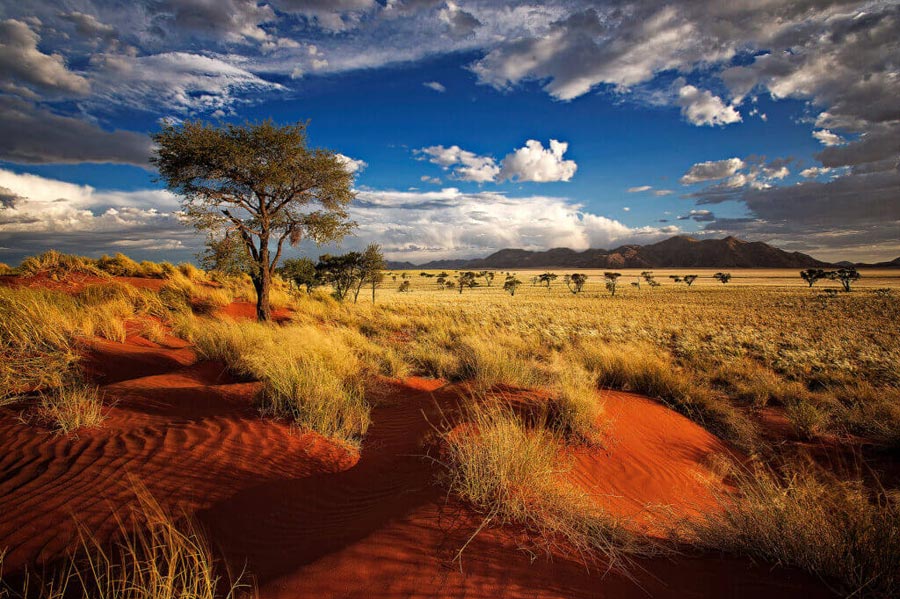

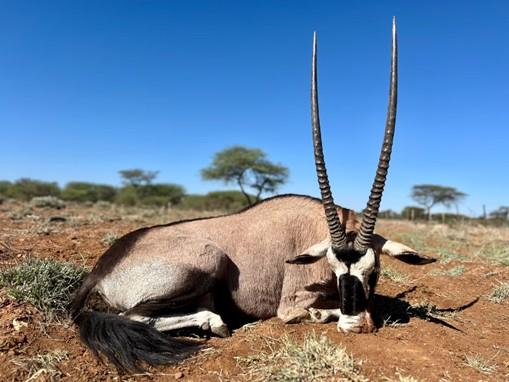
Namibia Plains Game Hunt — 8 Days for Two Hunters
Booking Season: 2026
Hunt Difficulty: Moderate

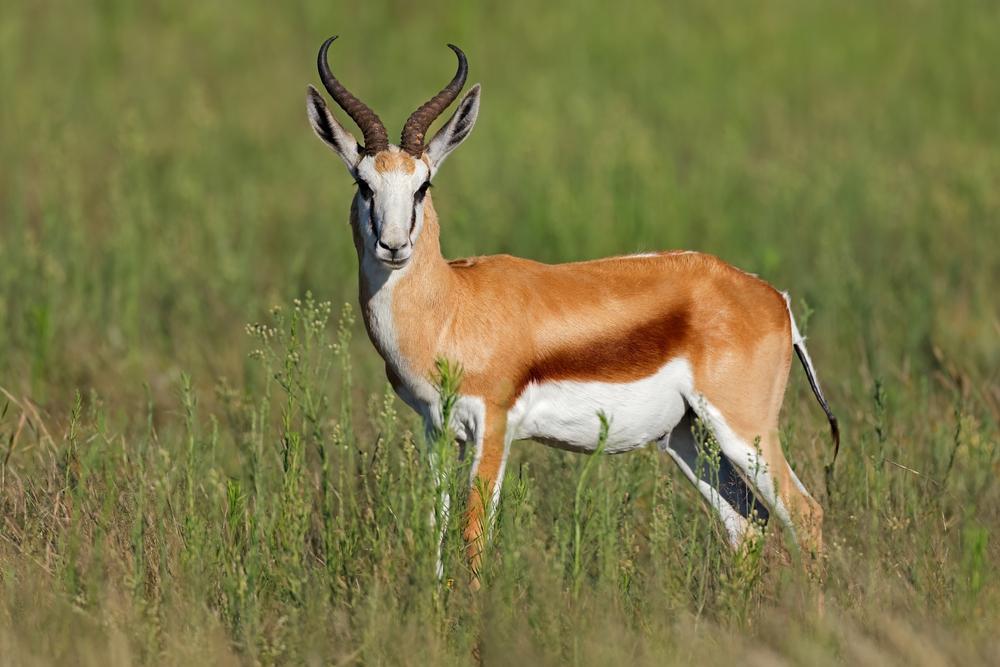
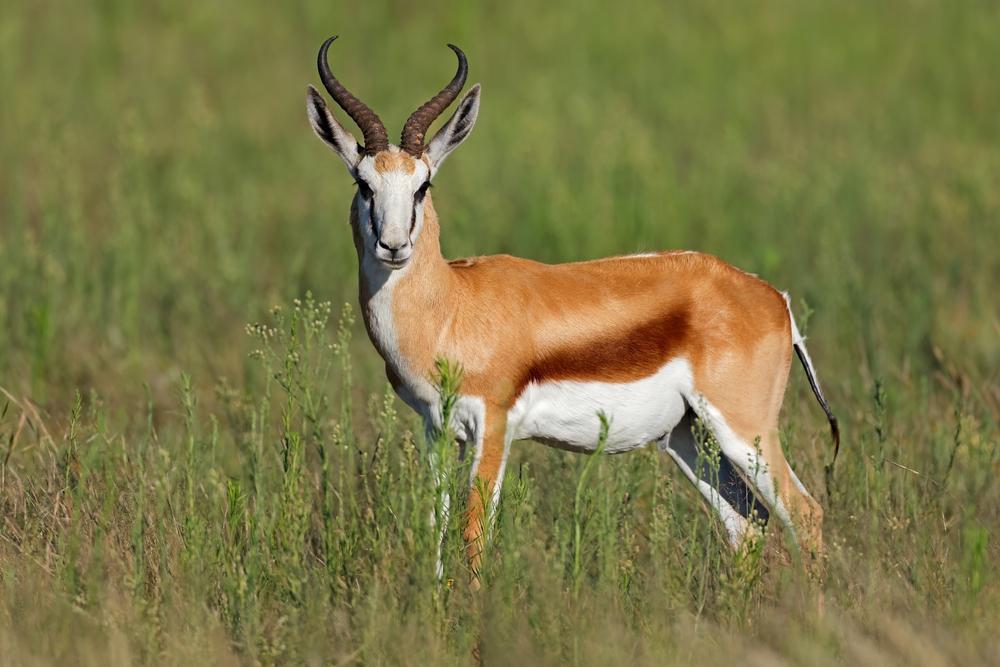
Few species are more closely associated with Namibia's vast open landscapes than the springbok. Whether feeding across endless grass plains, moving through semi-arid thornveld, or standing watch from a distant rise, springbok seem perfectly adapted to the wide-open spaces that define much of the country.
For American and international hunters, springbok are among the first animals encountered on a Namibian safari. Their abundance, striking appearance, and preference for open country make them a familiar sight throughout many of Namibia's premier hunting regions. Yet familiarity should never be mistaken for simplicity. Springbok possess exceptional eyesight, remain constantly alert to danger, and often inhabit terrain where closing the distance can be far more challenging than hunters initially expect.
Unlike some safaris that focus on a single species, springbok are often pursued as part of a broader plains game hunting experience. A typical Namibian safari may combine springbok with gemsbok, kudu, Hartmann's mountain zebra, red hartebeest, and several other iconic African species, creating a diverse and rewarding hunting adventure.
While this guide focuses specifically on hunting springbok in Namibia, hunters seeking information on trophy quality, hunting methods, costs, and safari planning can also explore our complete Springbok Hunts guide.
Available Springbok Hunts
Namibia Plains Game Hunt — 8 Days for Two Hunters
Booking Season: 2026
Hunt Difficulty: Moderate
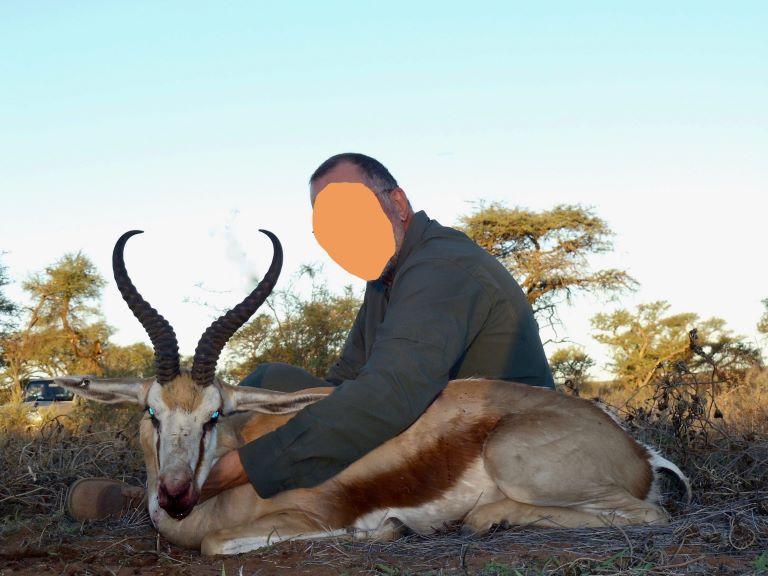
Spectacular Hunting Safari in Namibia 5 x Species 2 x 1
Booking Season: 2026
Hunt Difficulty: Moderate


5-Species Plains Game Hunting Safari in Namibia
Booking Season: 2026
Hunt Difficulty: Moderate, Difficult, Extreme
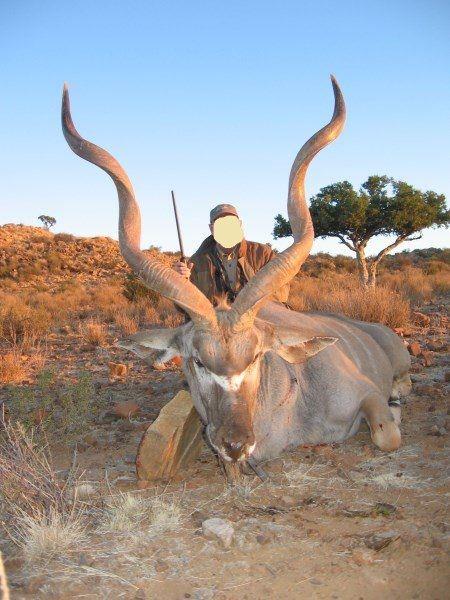
2 Hunters: Kudu, Gemsbok & Springbok Hunt in Namibia | 7 Days
Booking Season: 2026
Hunt Difficulty: Moderate
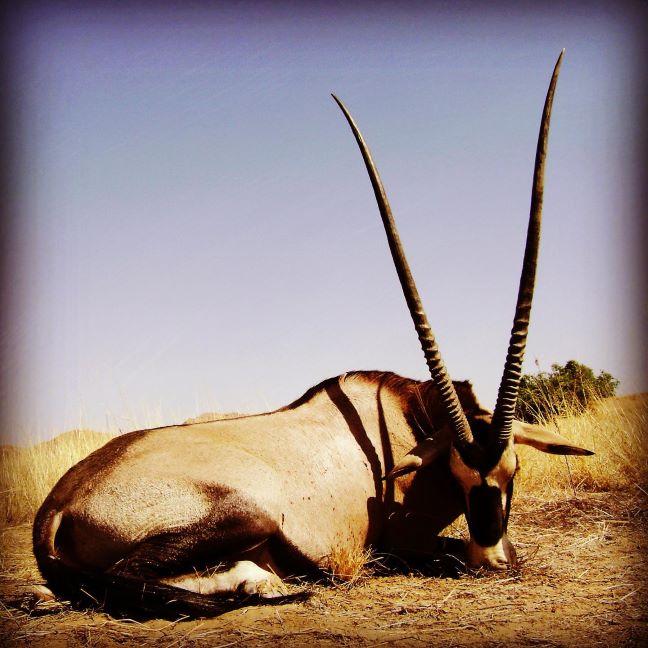
Namibia Plains Game Safari | Gemsbok & Springbok
Booking Season: 2026
Hunt Difficulty: Moderate, Difficult
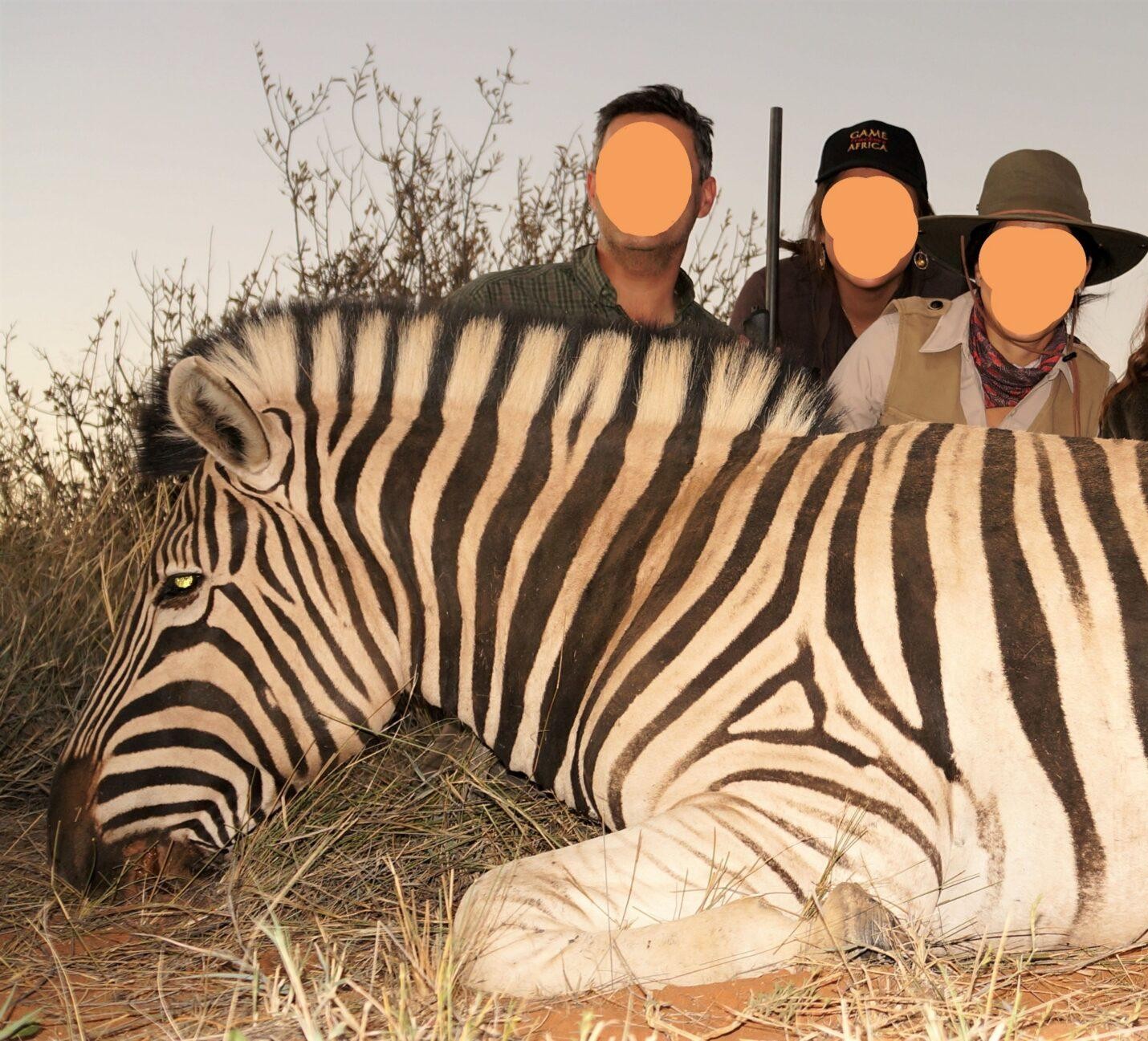
Hunting Safari in Namibia Oryx + 5 Species x 7 Days
Booking Season: 2026
Hunt Difficulty: Moderate
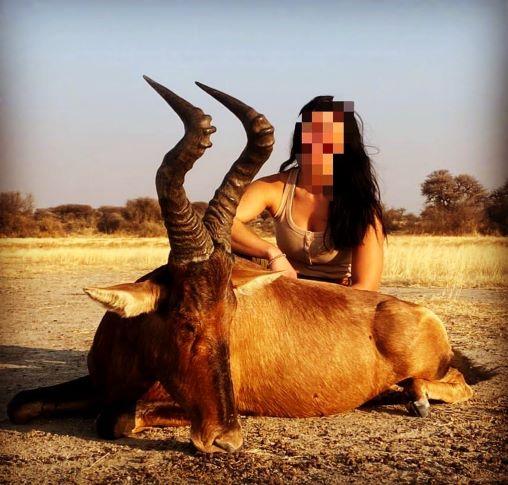
10-Day Namibia Plains Game Hunt | 6 Trophy Species
Booking Season: 2026
Hunt Difficulty: Moderate, Difficult
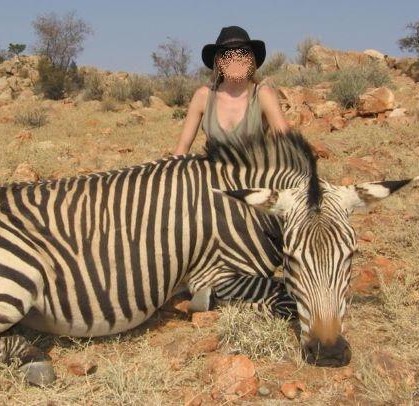
5-Day Namibia Plains Game Hunt | 4 Trophy Species
Booking Season: 2026
Hunt Difficulty: Moderate
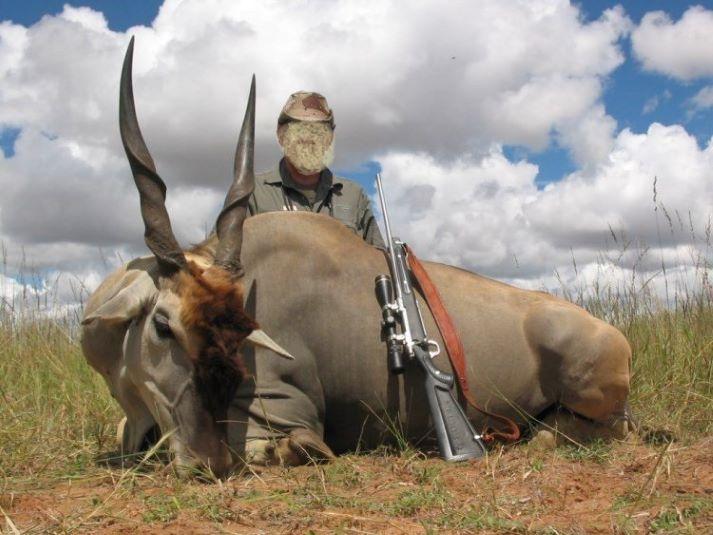
Hunting in Namibia Kudu, Cape Eland and 4 Species
Booking Season: 2026
Hunt Difficulty: Moderate
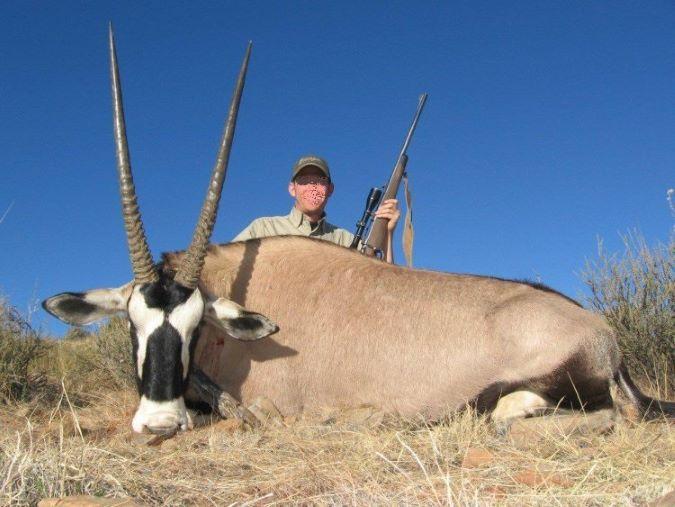
Gemsbok Hunting in Namibia: 5-Day Plains Game Safari
Booking Season: 2026
Hunt Difficulty: Moderate
Namibia and springbok have become closely linked in the minds of many international hunters. The species thrives across large areas of the country, from open plains and semi-arid savannas to the wide landscapes that have made Namibia one of Africa's most respected hunting destinations.
Hunters interested in hunting in Namibia are often drawn by the country's vast properties, fair-chase hunting philosophy, and the opportunity to pursue multiple species during a single safari. Unlike some destinations where hunting is concentrated into smaller areas, Namibia is renowned for the sheer scale of its hunting concessions and the freedom they provide both wildlife and hunters.
These conditions suit springbok perfectly. Large herds can often be spotted feeding across distant plains, yet the open terrain that makes them easy to locate frequently makes them difficult to approach. The result is a style of hunting that rewards patience, careful planning, and the ability to use the landscape to your advantage.
For visiting hunters, a springbok is far more than an additional plains game species. It is one of the animals that helps define the Namibian safari experience itself.
Unlike hunts focused on a single species, many hunters encounter springbok as part of broader plains game hunts that showcase the incredible diversity Namibia has to offer. While springbok are undoubtedly one of the country's most recognizable antelope, they are rarely the only species on a hunter's wish list.
A typical Namibian safari may also include gemsbok hunts, kudu hunts, and Hartmann's mountain zebra hunts, often within the same hunting area. This variety is one of the reasons Namibia continues to attract hunters from around the world. Rather than focusing all their efforts on a single animal, hunters can experience different habitats, hunting styles, and challenges throughout the course of a single safari.
One morning may be spent glassing distant hillsides for kudu, while the afternoon is devoted to stalking a herd of springbok feeding across an open plain. The following day may present opportunities for gemsbok in semi-arid country or Hartmann's mountain zebra in more rugged terrain. Few destinations offer such a rewarding mix of species within a single hunting trip.
For hunters, this variety becomes one of the most memorable aspects of a Namibian safari. Springbok may initially be viewed as one species among many, but by the end of the hunt, they often become one of the highlights of the entire experience.
One of the reasons springbok remain such popular plains game animals is that they often appear easier to hunt than they actually are. Namibia's open landscapes make locating springbok relatively straightforward, but closing the distance can be a very different story. Unlike species that rely on dense cover for protection, springbok depend heavily on exceptional eyesight, constant awareness, and the safety provided by their herds. Animals feeding across an open plain can often spot movement at considerable distances, forcing hunters to think carefully about every approach.
The terrain itself frequently becomes part of the challenge. Successful stalks often involve using shallow depressions, dry riverbeds, scattered vegetation, and changes in elevation to remain concealed while closing the distance. In many cases, hunters may spend significantly more time planning a stalk than actually executing it.
Wind also plays an important role. While visibility may seem unlimited, changing conditions can quickly expose a hunter's position and cause an entire herd to move away before an opportunity develops. Patience and adaptability are often rewarded far more than speed.
This combination of open country, alert animals, and carefully planned stalks is exactly what makes springbok hunting so enjoyable. The species may not be Africa's largest antelope, but earning an opportunity on a mature ram is often more challenging than first-time hunters expect.
One of the most common mistakes first-time hunters make is assuming that springbok are an easy addition to a Namibian trophy list. Their abundance, relatively small size, and frequent presence in open country often create the impression that success is simply a matter of finding a suitable ram and taking the shot.
The reality is often very different.
Springbok survive by remaining constantly alert. Their excellent eyesight, herd behaviour, and tendency to occupy open terrain make them remarkably effective at detecting danger long before a hunter gets within comfortable shooting range. More than one safari has seen hunters spend hours planning a stalk, only to watch a herd disappear over the horizon moments before the final approach.
Even when an opportunity presents itself, hunters should not underestimate the importance of proper shot placement for medium antelope. Like many plains game species, a well-placed shot is essential for ensuring a quick, ethical harvest and avoiding unnecessary tracking. Part of what makes springbok so rewarding is that success is rarely handed to the hunter. Mature rams are earned through patience, careful planning, and a willingness to adapt when conditions change. By the end of a safari, many hunters find they have developed a far greater respect for the species than they ever expected.
It is often only after a successful stalk that hunters fully appreciate why springbok continue to hold such a respected place among Africa's most popular plains game animals.
Hunters may arrive in Namibia focused on species such as kudu, gemsbok, or Hartmann's mountain zebra, yet it is often the springbok that leaves a lasting impression. Their abundance can make them appear straightforward, but time spent in the field quickly reveals a very different reality.
Open landscapes, constantly changing wind conditions, alert herds, and carefully planned stalks all combine to create a hunting experience that is both challenging and rewarding. Success is rarely a matter of simply finding springbok. More often, it comes down to patience, observation, and making the most of the opportunities that develop throughout the course of the safari.
Springboks embody the qualities that have made Namibia one of Africa's most respected hunting destinations. They thrive across vast landscapes, reward fair-chase hunting, and provide opportunities that must be earned rather than expected. While springbok may not always be the primary reason hunters travel to Namibia, they continue to earn a well-deserved place on countless safari itineraries. For hunters, a mature springbok becomes far more than another trophy. It becomes part of the story of a classic Namibian hunting adventure.
Search from our range of Hunts across various popular destinations in Africa.

Book Your Hunt