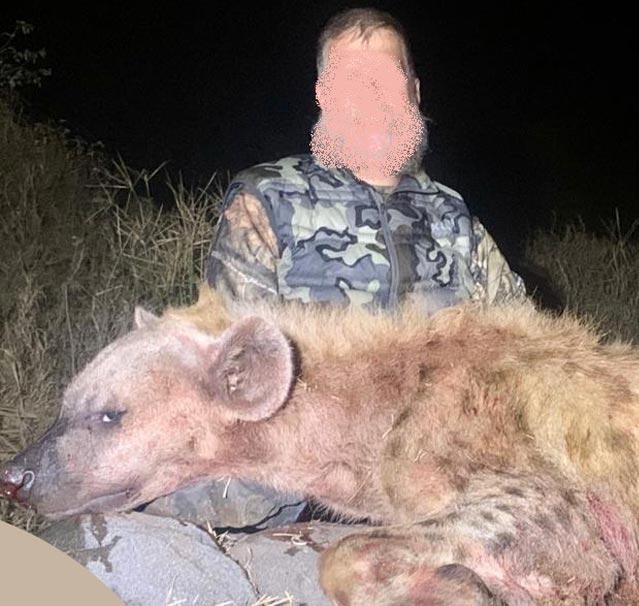
Spotted Hyena Hunting in SA plus 7 Specialty Species
Booking Season: 2026
Hunt Difficulty: Moderate

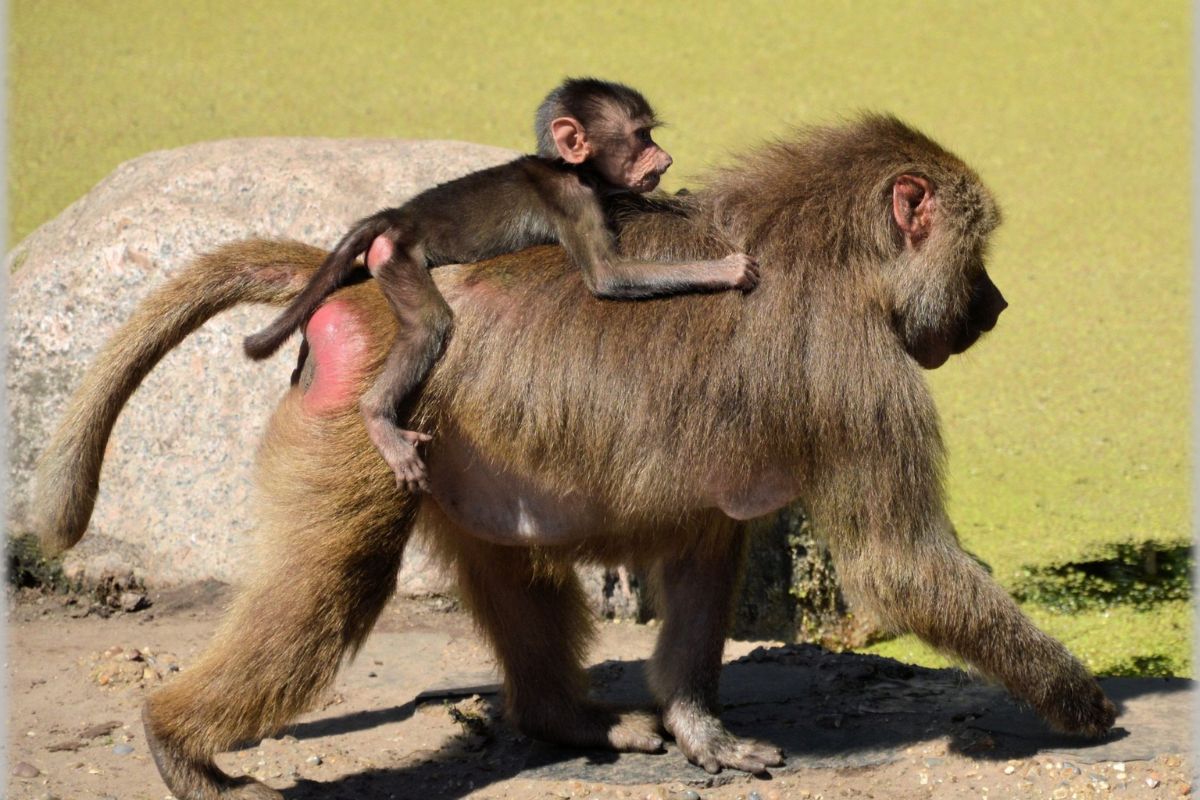
Baboon hunting in Africa is considerably more challenging than many hunters expect. These intelligent, highly social primates live in troops where several animals may be watching for danger at any given time. A single alarm call can send an entire troop disappearing over a ridge or into thick cover before the hunter has an opportunity to take a shot.
Finding baboons is often the easy part. Getting within range without being detected is where the real challenge begins. Troops may be glassed across rocky hillsides, mountains and open valleys, while experienced Professional Hunters use the terrain to plan an approach that remains hidden from the animals acting as sentries.
Baboons are commonly hunted during broader Plains Game Hunts in Africa, although hunters specifically interested in pursuing a mature male may dedicate considerably more time to the challenge. Spot-and-stalk, ambush hunting and waiting near established travel routes can all be effective depending on the hunting area and local conditions.
Hunters often underestimate baboons until they try to hunt one. Unlike pursuing traditional antelope, the challenge is not simply finding an animal and planning a stalk. A hunter may be trying to outwit an entire troop, with multiple pairs of eyes watching the surrounding country and sentries ready to sound the alarm at the first sign of danger. Their exceptional eyesight, constant awareness and ability to communicate danger throughout the troop mean that patience and careful positioning often matter more than simply covering ground.
A mature male also makes a distinctive African trophy, but success should never be taken for granted. Baboons that regularly encounter people or hunting pressure can become extremely wary, and once a troop has detected a hunter, getting another opportunity may require starting the entire process again.
Available Baboon Hunts
Spotted Hyena Hunting in SA plus 7 Specialty Species
Booking Season: 2026
Hunt Difficulty: Moderate
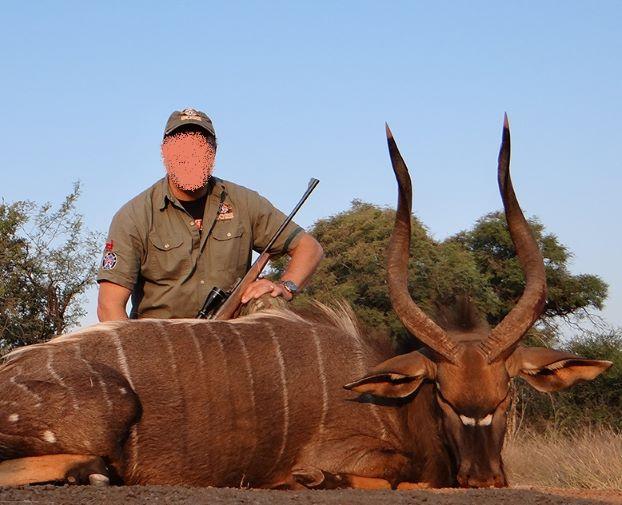
Plains Game Hunting in South Africa, 10 days x 10 x Species
Booking Season: 2025
Hunt Difficulty: Moderate

Hyena Hunting for 10 x Days in SA, plus 6 other Critters
Booking Season: 2026
Hunt Difficulty: Moderate, Difficult
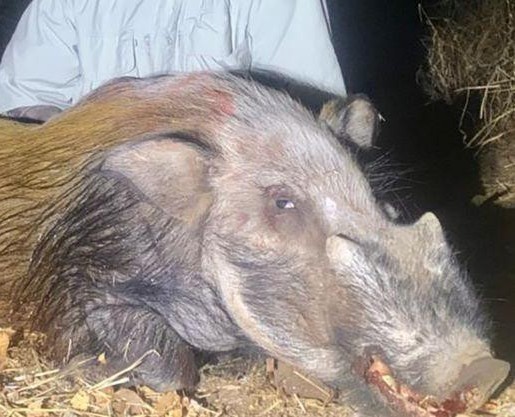
Bushpig Hunting in SA, plus 5 other Species in 10 Days
Booking Season: 2026
Hunt Difficulty: Difficult
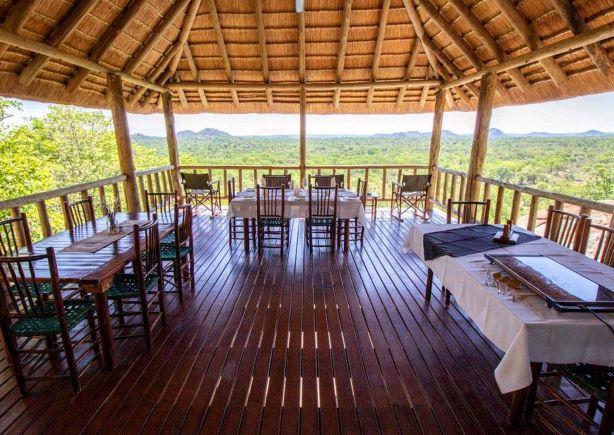
African Plains Game Hunt, plus Night Critters 10 Days in SA
Booking Season: 2025
Hunt Difficulty: Moderate, Difficult
Plains Game Hunting in South Africa Day & Night Safari
Booking Season: 2026
Hunt Difficulty: Moderate, Difficult
Plains Game Management Hunt in South Africa, Limpopo
Booking Season: 2026
Hunt Difficulty: Moderate, Difficult
South Africa Dangerous Game & Nocturnal Hunting Safari
Booking Season: 2026
Hunt Difficulty: Moderate, Difficult
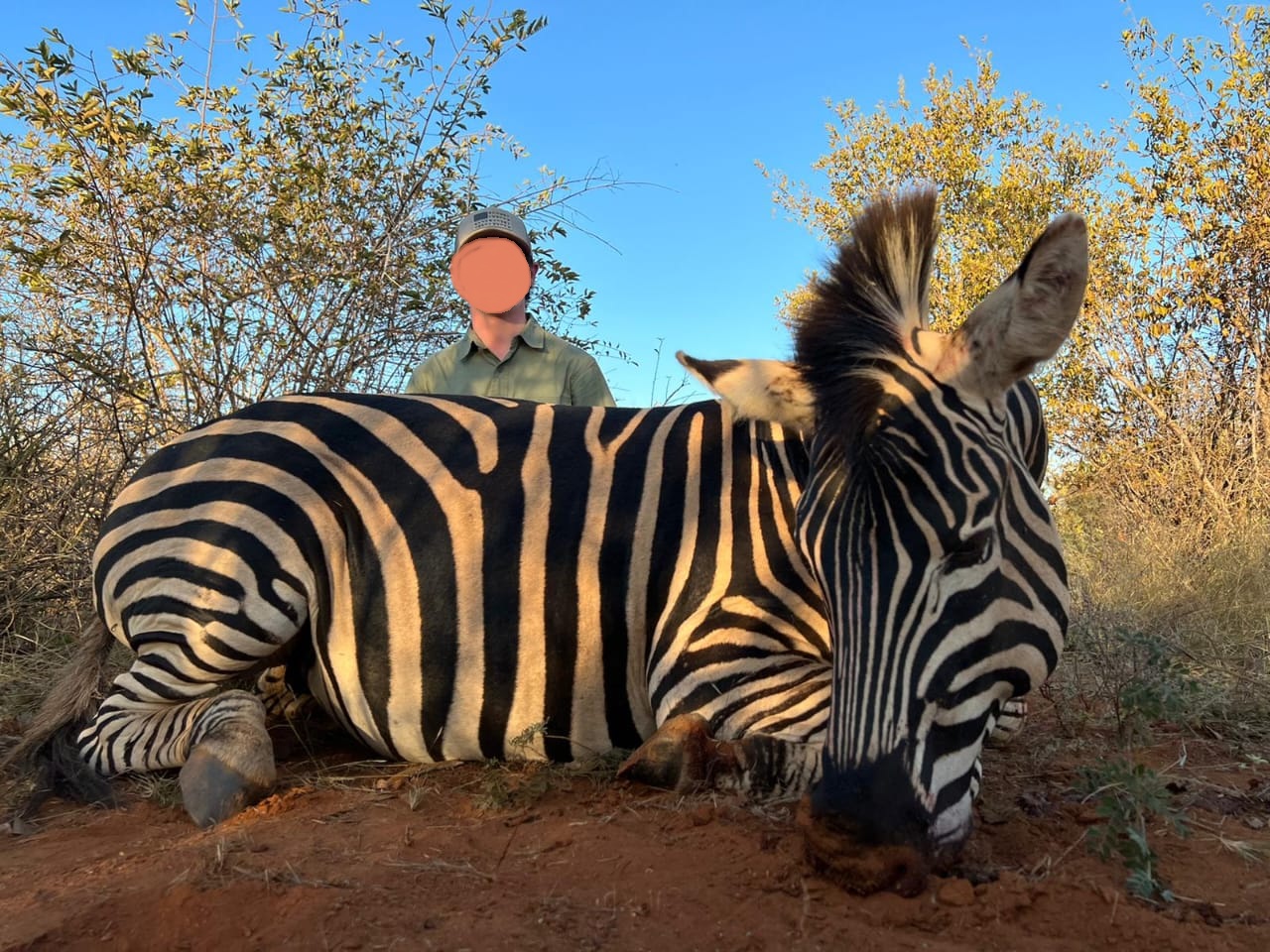
African Plains Game in Limpopo: Zebra, Impala & 4 Species
Booking Season: 2026
Hunt Difficulty: Moderate
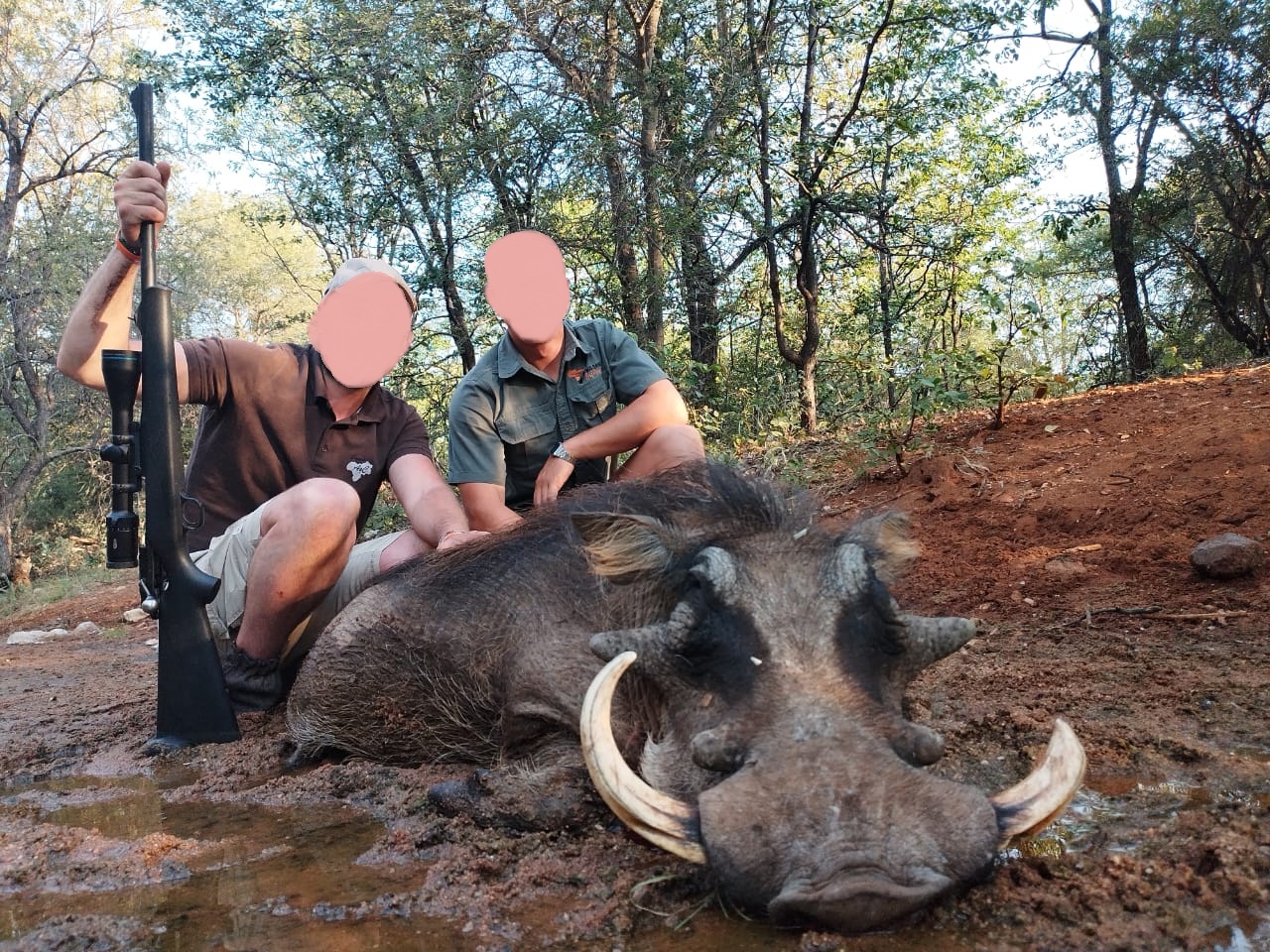
South African Plains Game in Limpopo: Zebra, Impala & 2 Species
Booking Season: 2026
Hunt Difficulty: Moderate
Baboon hunting is available across several African destinations, but the terrain and style of hunting can differ considerably from one country to another. South Africa, Namibia and Zimbabwe offer some of the most consistent opportunities, with baboons commonly encountered during broader plains game safaris or pursued as a specific objective.
South Africa offers varied hunting conditions, from the mountains and valleys of the Eastern Cape to the bushveld of Limpopo and KwaZulu-Natal. Namibia provides a different challenge, particularly in the Khomas Highlands and other mountainous areas where troops can often be glassed from considerable distances before a stalk is planned across the broken terrain.
Zimbabwe is another strong destination, with opportunities in areas such as Matabeleland and the Zambezi Valley. The country's large hunting areas can make locating a troop relatively straightforward, although getting close enough to a wary mature male is another matter entirely.
Baboons can also be hunted in countries including Mozambique, Tanzania, Zambia and Ethiopia, depending on the species and hunting area. The best destination ultimately depends on whether baboon is an additional trophy during a larger safari or a species the hunter specifically wants to pursue. Hunters with a mature male high on their list should discuss the quality of the local population, terrain and hunting pressure with their outfitter before choosing an area.
Baboon hunting is available year-round in many African hunting destinations, although conditions during the dry season can make locating and observing troops easier. Reduced vegetation improves visibility, while limited water can make daily movement between feeding areas, water sources and sleeping sites more predictable.
Early morning and late afternoon are often productive times to hunt. Troops may begin moving shortly after leaving their overnight sleeping areas and become active again later in the day as they feed or move towards water.
Local conditions ultimately play an important role. Food availability, water, weather and hunting pressure can all influence where baboons are found and how they move, making knowledge of the hunting area particularly valuable when planning a dedicated baboon hunt.
Few hunters travel to Africa with baboon at the very top of their trophy list, yet it is a species that rarely gets turned down when the opportunity arises. Part of the appeal is simply that baboons are so different from the plains game most visiting hunters have come to pursue.
A good male is an impressive animal, with considerable body size, prominent canine teeth and a character unlike any antelope trophy in the collection. But it is often the hunt itself that changes a hunter's perception of the species. What may begin as an opportunistic encounter can quickly become a serious pursuit once the hunter realizes how difficult it is to get within range of a wary troop.
Some hunters are satisfied to take a baboon if the opportunity presents itself during a safari. Others, after being outsmarted once or twice, become considerably more determined. By that point, baboon is no longer simply an extra animal on the list. There is unfinished business.
The way baboons are hunted depends heavily on the terrain, the behavior of the troop and the amount of hunting pressure in the area. In mountainous or rocky country, spot-and-stalk hunting is often the preferred approach. A troop may first be located from a distant vantage point before the Professional Hunter and client use ridges, valleys and available cover to close the distance without being seen.
Ambush hunting can be effective where baboons follow established routes between sleeping areas, feeding grounds and water. Success often depends on being in position before the troop begins moving and remaining concealed while waiting for the right animal to present a clear shot.
Baboons are also frequently encountered while hunting other species. A hunter carrying a rifle during a plains game safari may suddenly have an opportunity at a mature male, but these encounters can disappear quickly. If baboon is high on the hunter's trophy list, relying entirely on an opportunistic encounter may not be enough.
Hunting pressure can change the approach considerably. Troops that regularly encounter people or hunters may react to vehicles, unusual movement or activity at considerable distances. In these situations, patience and careful use of the terrain become increasingly important, as one poorly planned approach can alert the entire troop and make a second opportunity considerably more difficult.
A baboon hunt does not always begin with a carefully laid plan. Sometimes a troop is spotted while glassing for plains game, or a large male appears on a distant ridge while the hunting vehicle is moving between areas. The original hunt is temporarily forgotten, the binoculars come out and the question quickly becomes whether there is a way to get closer.
At other times, the interest builds over several days. You hear baboons barking from the ridges in the morning, spot them watching from rocky outcrops and occasionally catch sight of a big male disappearing over the skyline. They always seem to know where you are, and their constant alarm calls can become increasingly irritating when every attempt to get closer ends with the troop vanishing into the hills.
Then one finally makes a mistake.
Perhaps a mature male remains exposed a little too long, or you come around a bend and find one standing within range with a clear shot. After days of watching baboons disappear before you could get anywhere near them, few hunters need to be asked twice whether they want to take the opportunity.
The first attempt at deliberately hunting one may last only minutes. The second can take considerably longer. Once a hunter has watched a troop disappear because one unseen animal sounded the alarm, what started as an opportunistic encounter can become a challenge that occupies the rest of the afternoon—or finds its way onto the hunting plan for the following morning.
That unpredictability is part of what makes baboon hunting such a natural addition to an African safari. You may not have crossed the Atlantic specifically to hunt one, but after listening to them bark at you from the ridges and being outsmarted a few times, a good male standing on the opposite hillside can suddenly become the most interesting animal in Africa.
Baboons are not large animals, and most rifles commonly carried on an African plains game safari are more than adequate. The .243 Winchester, .270 Winchester, .308 Winchester and .30-06 Springfield are all suitable choices, although many hunters simply use the rifle they are already carrying when an opportunity presents itself.
Regardless of caliber, accurate shot placement remains important. On a broadside baboon, the heart-lung area provides the largest and most reliable target for a clean harvest. Hunters should take into account the animal's position, distance and shooting angle before taking the shot.
Hunters can refer to our Specialty Animal Shot Placement Guide for more detailed guidance on shot placement when hunting different species in Africa.
The cost of a baboon hunt will depend largely on whether the animal is taken as part of a broader plains game safari or whether pursuing a mature male is one of the primary objectives of the trip. When added to an existing safari, the cost may simply involve the applicable trophy fee, making baboon an affordable addition when an opportunity presents itself.
A hunter specifically wanting to pursue a mature baboon may need to allow more time. Daily rates generally cover accommodation, meals, the services of a Professional Hunter, trackers, camp staff and transportation within the hunting area, while trophy fees are charged separately. Transfers to and from the hunting area, dip and pack, taxidermy and international trophy shipping are normally additional costs.
Hunters comparing safari costs should consider the complete structure of the trip rather than the baboon trophy fee alone. Our African Hunting Safari Prices guide provides a broader breakdown of the costs involved when planning a hunting safari in Africa.
The difficulty of hunting baboons is that the hunter is rarely trying to remain hidden from a single animal. An entire troop may be spread across a hillside, rocky ridge or feeding area, with animals watching in different directions while others move, feed or rest.
A stalk can be going perfectly until a baboon you never noticed spots movement hundreds of yards away. One alarm call can put the entire troop on alert, and within moments the mature male you have been trying to reach may disappear with the rest of the troop into thick cover or across terrain where another approach is impossible.
This is what separates a deliberate baboon hunt from simply encountering one while hunting another species. Getting within range of a mature male requires patience, careful use of the terrain and an awareness that the baboon you are watching may not be the one that ends the stalk.
Baboon hunting can be planned as a specific objective or added to a broader African plains game safari, depending on the destination and hunting area. Hunters who particularly want a mature male should discuss this with their Professional Hunter in advance, as successfully pursuing a specific trophy may require considerably more patience than taking an opportunistic animal during another hunt.
When comparing Hunting Trips in Africa, consider the baboon populations in the area, terrain, hunting pressure and the amount of time available to pursue them. In the right country and with enough time, a baboon hunt can become one of the more challenging and memorable pursuits of a plains game safari.
South Africa, Namibia and Zimbabwe offer some of the most consistent opportunities for baboon hunting, although hunts are also available in countries including Mozambique, Tanzania, Zambia and Ethiopia. The best destination depends on the species available, terrain and whether baboon is a specific hunting objective or an additional trophy during a broader safari.
Baboon hunting can be considerably more difficult than it first appears. Baboons live in troops, have excellent eyesight and rely on multiple animals to watch for danger. A hunter may remain completely hidden from the mature male being pursued only to be spotted by another member of the troop, ending the opportunity before a shot can be taken.
Most common plains game rifles are suitable for baboon hunting. The .243 Winchester, .270 Winchester, .308 Winchester and .30-06 Springfield are all capable choices. Hunters who encounter a baboon opportunistically during a plains game safari will often use the rifle they are already carrying, provided the caliber and shot opportunity are appropriate.
Yes. Baboons are frequently hunted as an additional species during a plains game safari when a suitable opportunity presents itself. Hunters who specifically want a mature male should tell their Professional Hunter in advance, as deliberately pursuing a good trophy can require considerably more time than taking an opportunistic animal.
Baboon hunting costs vary between countries and hunting areas. When hunted during an existing safari, the hunter will generally pay the applicable trophy fee in addition to the safari's daily rates. A hunt planned specifically around pursuing a mature baboon may require additional hunting days, making the overall cost dependent on the destination and length of the safari.
Import requirements can depend on the baboon species, country of origin and current US wildlife regulations. American hunters should confirm the applicable requirements before booking and ensure that all necessary hunting, export and import documentation is in place before the trophy is shipped.
✉️ Contact us today to speak with an expert and plan your tailored baboon hunting adventure.
🌍 Browse our active hunting listings and secure your preferred species and dates.
Search from our range of Hunts across various popular destinations in Africa.

Book Your Hunt