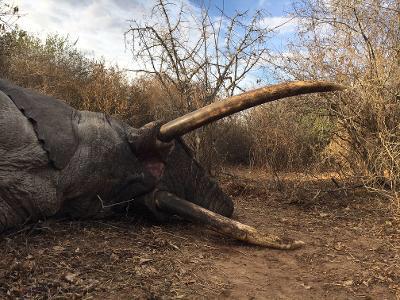
Legendary Selous Safari for Elephant, Lion and Leopard
Booking Season: 2026
Hunt Difficulty: Difficult

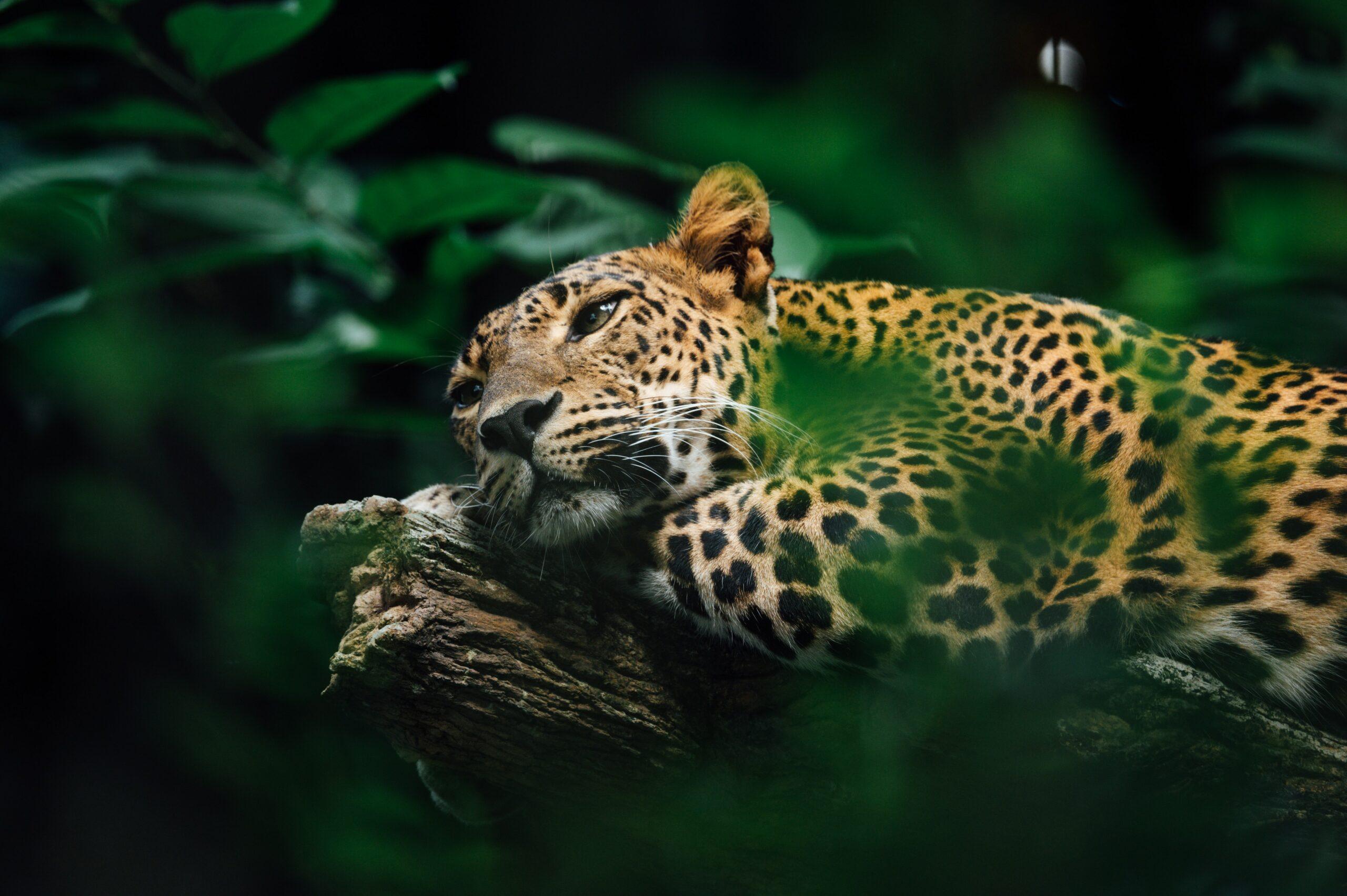
The African leopard is one of Africa's legendary Big Five species and remains one of the continent's most sought-after dangerous game animals. Renowned for its intelligence, stealth and remarkable adaptability, it has earned a reputation as one of the most challenging trophies in Big Five Hunting.
For hunters planning a leopard hunting safari in Africa, detailed options, pricing, and availability can be found on our Leopard Hunts in Africa page.
The African leopard (Panthera pardus) is one of the five species traditionally associated with Africa’s Big Five. The Dangerous 7 consists of the Big Five together with the hippopotamus and Nile crocodile. Hunting and harvesting any of these magnificent animals remains extremely difficult and is often seen as a rite of passage for seasoned hunters during a hunting safari.
The leopard’s home and habitat range from grasslands and savannahs to dense vegetation and mountainous terrain, but they thrive best in large expanses with plenty of prey. Being nocturnal, they spend most of their days resting and camouflaging in caves, bushes, or up trees, and you can consider yourself lucky should you spot them during daylight hours. Leopards occur across much of sub-Saharan Africa, although their distribution and population density vary considerably according to habitat, prey availability and human pressure.
Their diet consists of numerous prey options, depending on what is available. A leopard is an opportunistic hunter who will feast on whichever prey is abundant at the time and quite capable of killing prey larger than themselves. Depending on season and what is in abundance, a leopard’s diet can include:
Leopards are powerful and opportunistic predators capable of taking prey considerably larger than themselves. They are primarily nocturnal, normally hunting after dark and resting in concealed positions during daylight hours.
Their hunting technique involves getting as close to the prey as possible by ambushing or stalking it. Once the leopard is close enough to its target, it gives chase at an impressive speed of up to 37 miles per hour before silencing it with a bite to the neck area.
Leopards are very athletic and have an extraordinary climbing ability, which they use to carry their prey to trees and store it, to avoid scavengers such as hyenas and even lions.
Name:
Panthera pardus
Male Weight:
80-165 Pounds
Male Shoulder Height:
28 in
Range:
Sub-Saharan Africa
Habitat:
Grasslands, Savannahs, Dense Vegetation and Mountainous Terrain
Mating Season:
Once a Year, No Definite Breeding Season
Life span:
12-17 Years
Pursuing Africa’s Apex Predator in the Wild
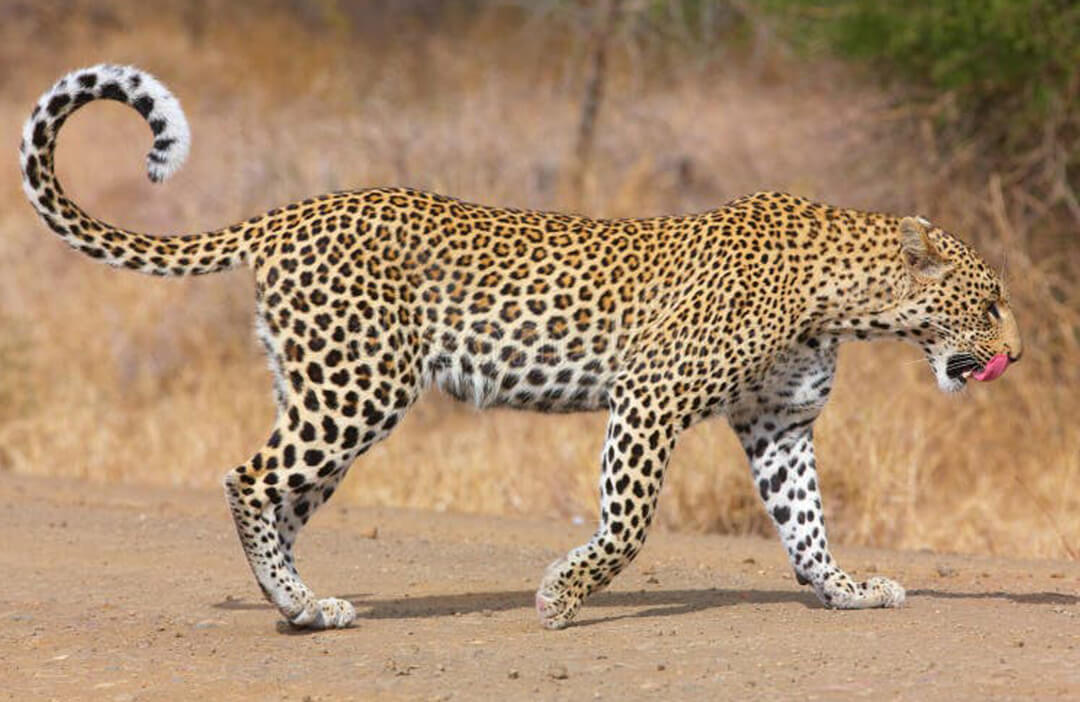
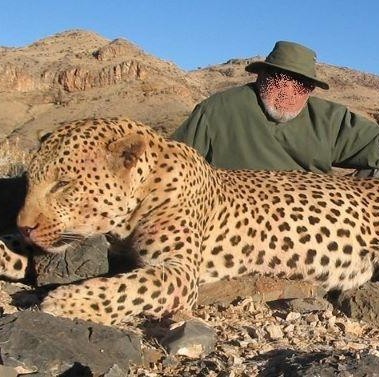
African leopards have tawny or cream-colored coats marked by distinctive black rosettes, allowing them to blend remarkably well into grassland, woodland and dense vegetation. The leopard is part of the cat family and is large with tawny or cream fur marked with evenly spaced solid black spots. Its head is quite small and rounded with a small, short snout. This member of the Big 5 has a distinctive marking of black tear-like shapes that run down its face. The leopard is an exceptionally agile and athletic animal and easily jumps into and climbs trees and descends a tree headfirst with ease. It is also one of the only cats that like water, and they are confident swimmers. The adult male leopard weighs 80-165 pounds and reaches approximately 26-37 inches at its shoulder, while the head-to-body length is 39-59 inches. Females weigh in slightly lighter at 46-132 pounds.
Leopards are solitary predators that rely on concealment, patience and short bursts of speed when pursuing prey. They normally stalk from cover before launching a close-range attack, using their powerful jaws to subdue the animal.
They are also exceptional climbers and frequently carry prey into trees, where it is protected from lions, hyenas and other scavengers. Their ability to move through trees, rocky terrain and dense vegetation contributes to their remarkable adaptability.
A leopard’s coat provides effective camouflage across a wide range of habitats. Its rosette pattern breaks up the outline of the body, making the animal extremely difficult to detect in broken light, long grass or dense cover.
Leopards can survive in savannah, woodland, mountains and semi-arid environments, provided sufficient prey and cover remain available. Their secretive nature also allows them to live surprisingly close to human settlements without being seen regularly.
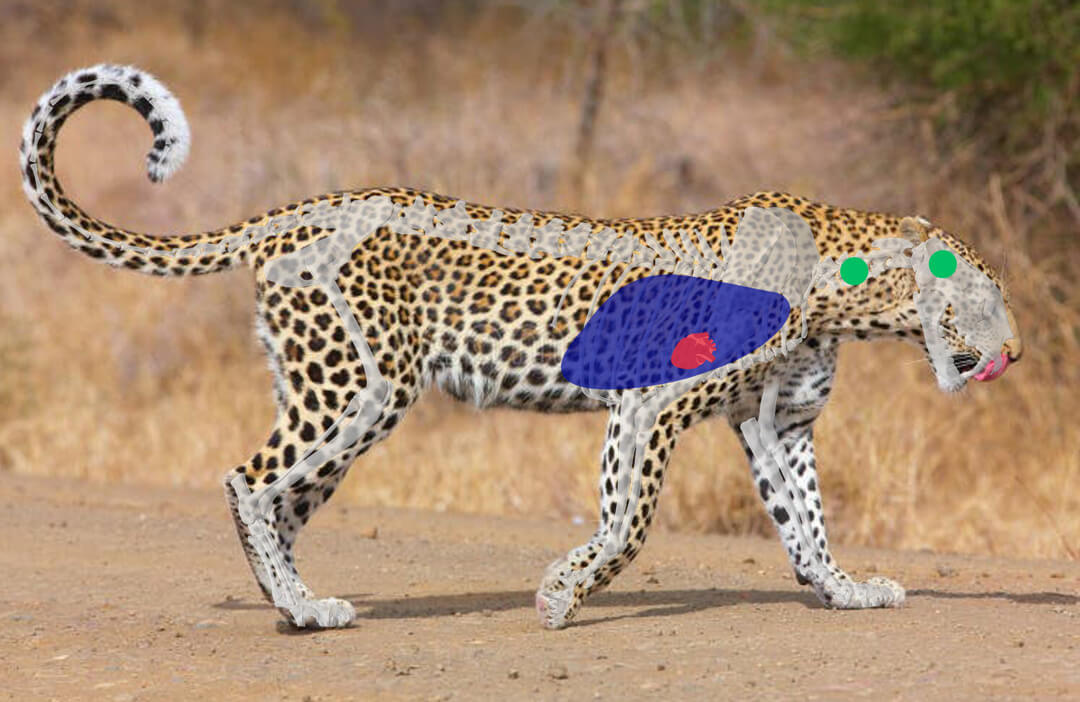
A leopard’s compact body, muscular shoulders and ability to remain concealed can make its vital area difficult to judge, particularly in low light or when the animal is partially obscured.
Understanding the position of the heart, lungs and shoulder structure is essential before taking a shot. Our dedicated leopard shot placement guide provides diagrams and practical guidance for identifying the vital area from different angles.
Available Leopard Hunts
Legendary Selous Safari for Elephant, Lion and Leopard
Booking Season: 2026
Hunt Difficulty: Difficult


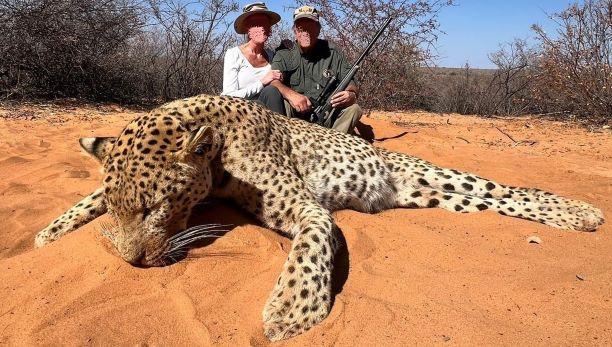
Leopard Safari in Bushmanland
Booking Season: 2026
Hunt Difficulty: Difficult
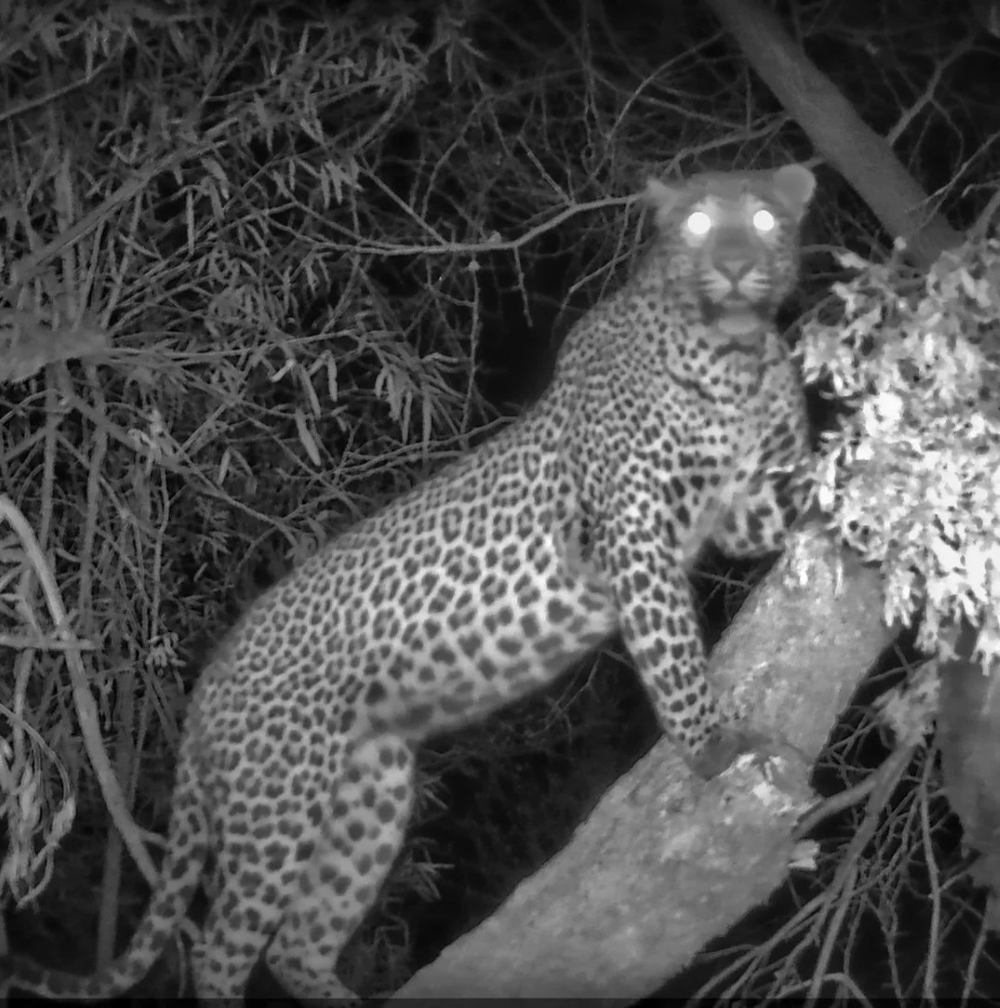
Hunting in Zambia: Leopard, Plains Game Plus Croc OR Hippo
Booking Season: 2027
Hunt Difficulty: Difficult
Leopard Hunting with Hounds in Botswana
Booking Season: 2026
Hunt Difficulty: Difficult
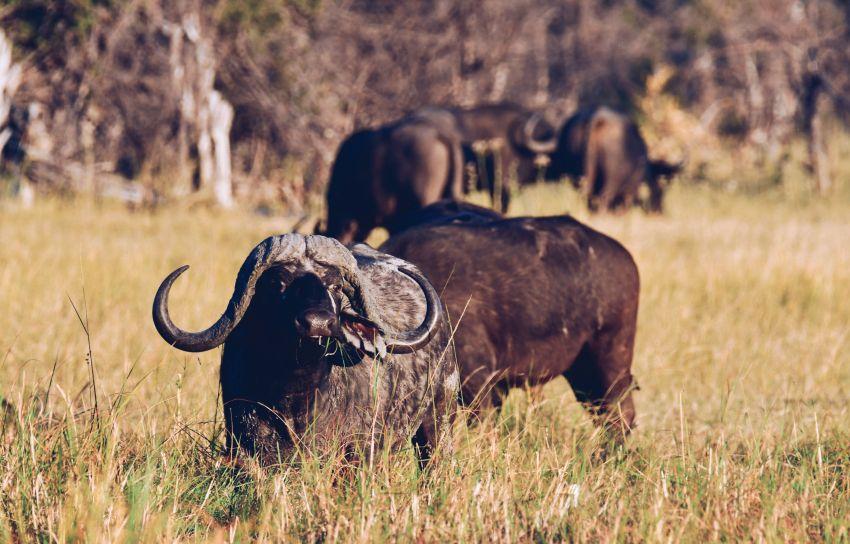
Botswana Leopard & Cape Buffalo Hunting Safari
Booking Season: 2026
Hunt Difficulty: Difficult
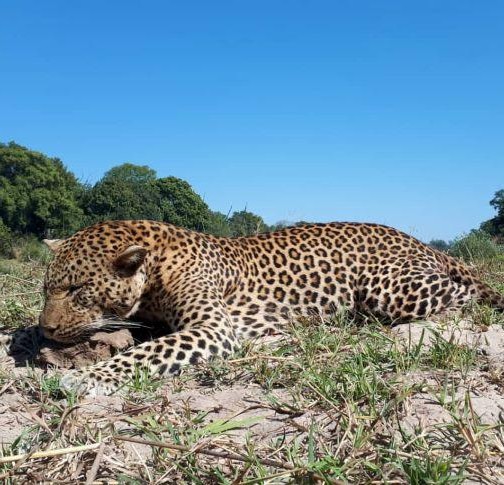
14-Day Rufunsa Leopard Hunt with Optional Buffalo
Booking Season: 2026
Hunt Difficulty: Difficult
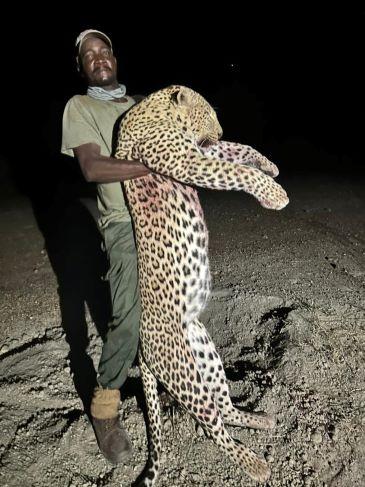
12-Day Save Valley Leopard Safari
Booking Season: 2026
Hunt Difficulty: Moderate, Difficult
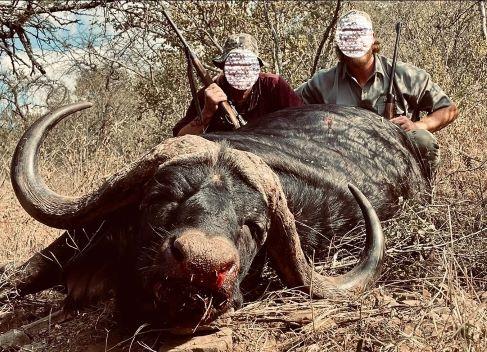
Leopard & Cape Buffalo Safari in Niassa
Booking Season: 2026
Hunt Difficulty: Difficult
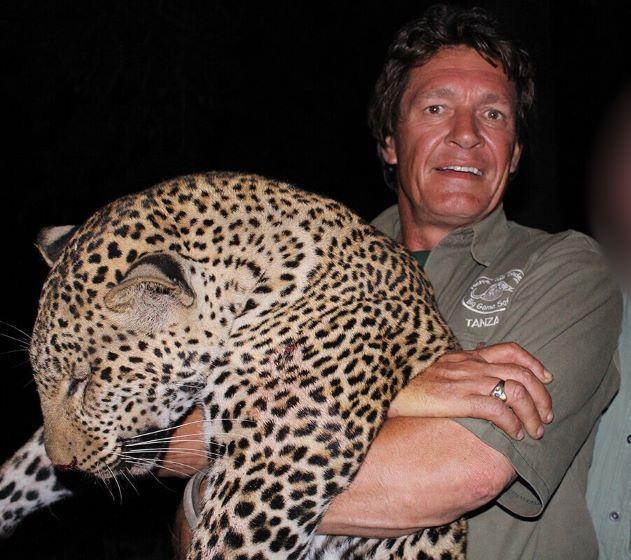
Classic 14-Day Selous Leopard & Buffalo Safari
Booking Season: 2026
Hunt Difficulty: Difficult
Namibia Leopard Safari in the Khomas Region
Booking Season: 2026
Hunt Difficulty: Difficult
Search from our range of Hunts across various popular destinations in Africa.

Book Your Hunt