Namibia Plains Game Hunting Safari | 6 Trophy Species Included
Booking Season: 2026
Hunt Difficulty: Moderate

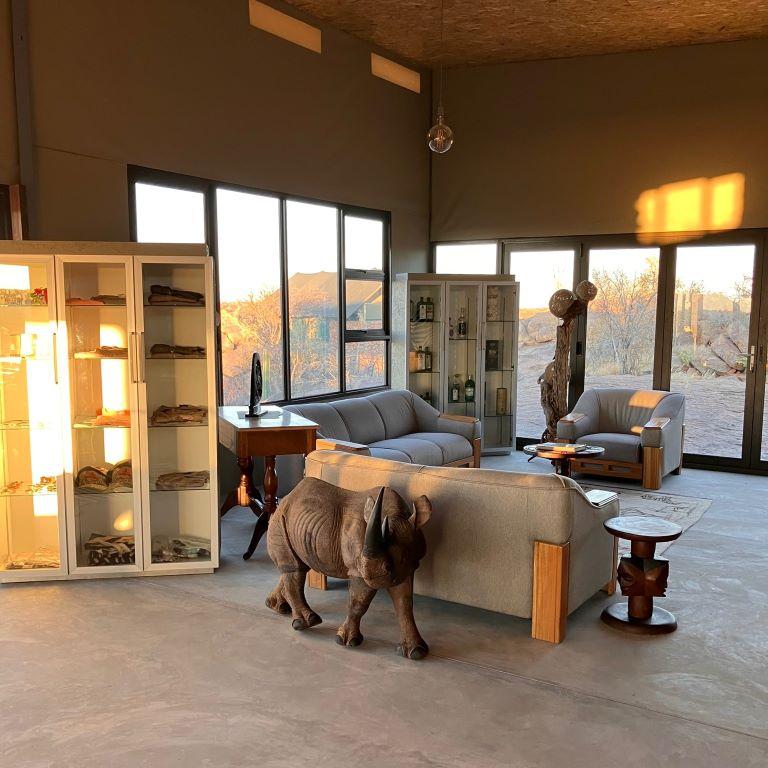
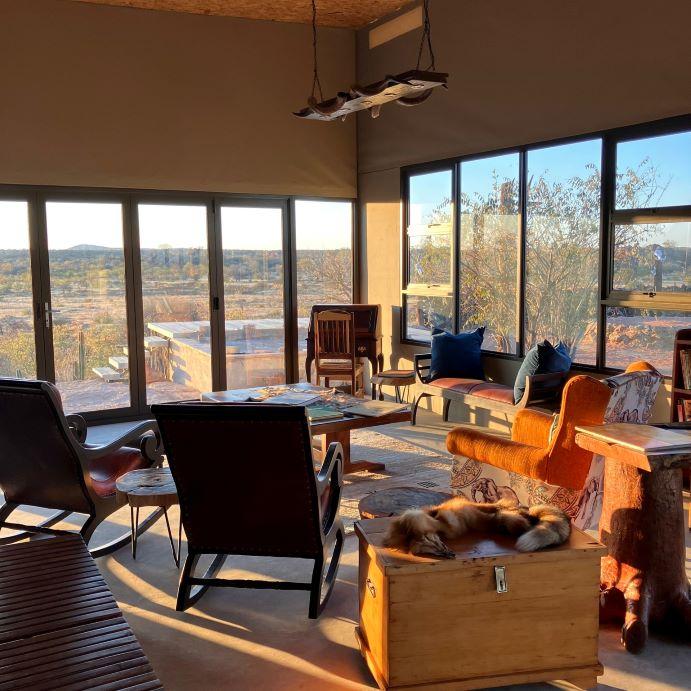
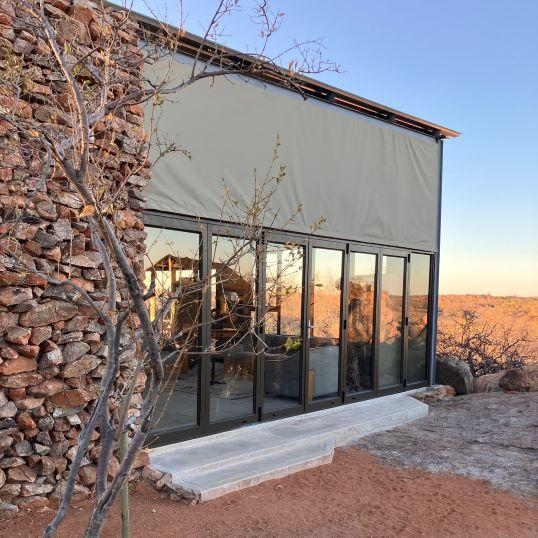
The safari is based at a four-star tented camp near Kamanjab, surrounded by the granite hills and valleys characteristic of the Kunene region. Comfortable safari tents feature two single beds that can be converted into a double, while a family unit accommodating two adults and two children is also available. Wood-fired boilers provide hot showers, with solar power supplying lighting and charging facilities. The central entertainment tent includes a lounge, self-service bar and dining area where meals are served.
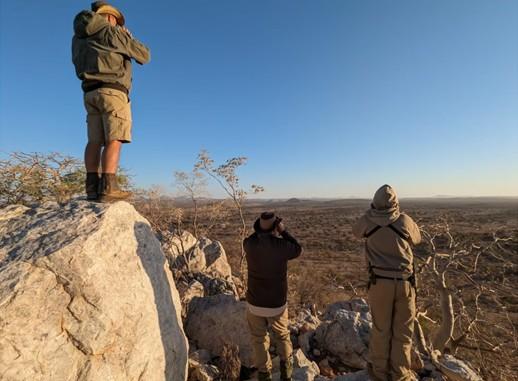
The hunting concession near Kamanjab combines dry bushveld with open plains, granite outcrops, rocky slopes and seasonal riverbeds. Vegetation is generally adapted to the region’s arid conditions, with thornveld and scattered trees providing pockets of cover between more open areas. As the terrain changes across the concession, so do the hunting conditions, from longer glassing opportunities across open ground to closer spot-and-stalk hunting through broken bush and rocky country.
| Language Spoken By Staff: | English, Afrikaans, German |
Hills: 40 %, Mountains: 30 %
Fields/Bush: 30 %, Forest: 0 %
| Nearest Airport Name: | Hosea Kutako International Airport |
| Transfer From Airport: | Yes |
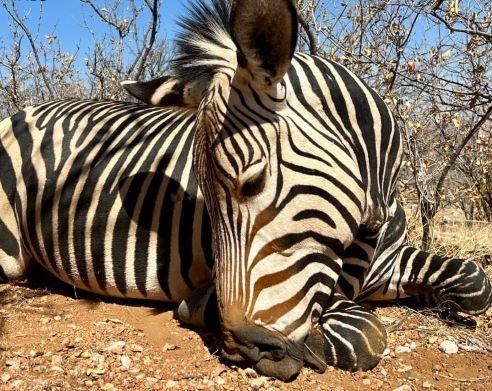
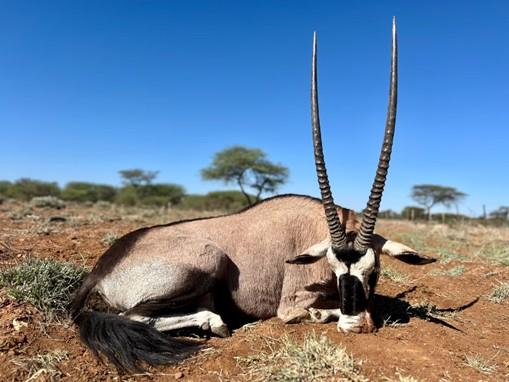
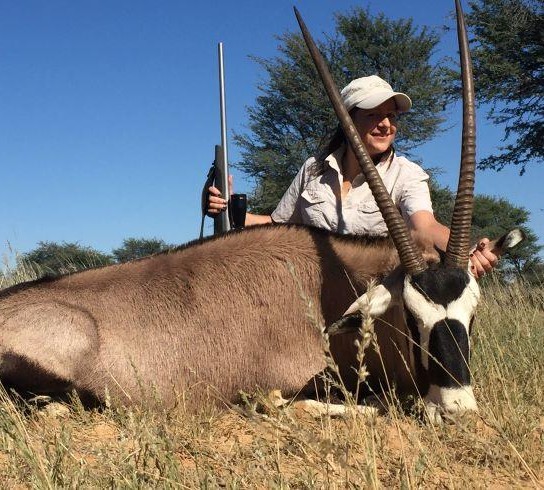
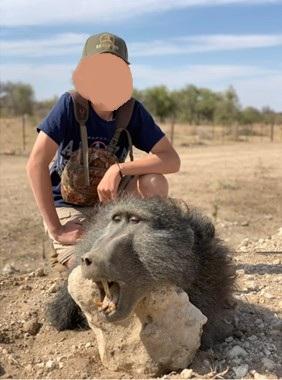
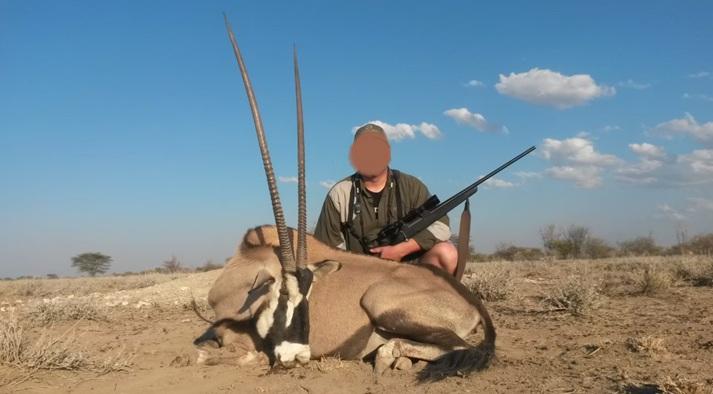
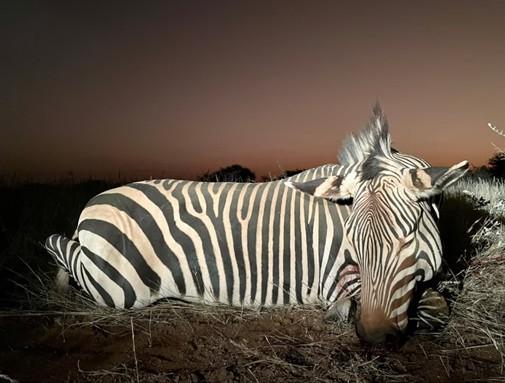
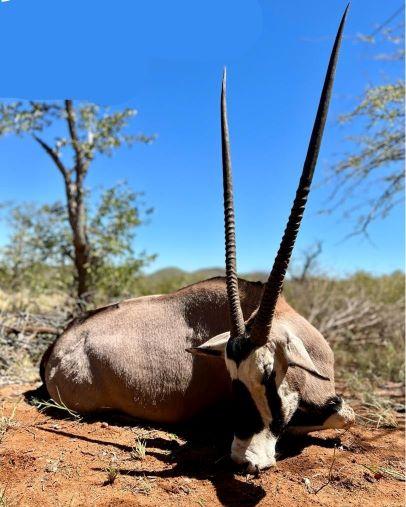
Gemsbok hunting in Namibia takes centre stage on this seven-day plains game hunting safari in the Kunene region. The package includes a trophy gemsbok, mountain zebra stallion, black-backed jackal and Chacma baboon, together with one non-trophy management gemsbok.
Known as the “Desert Warrior,” the gemsbok is one of Namibia’s most recognisable plains game species. This safari combines two gemsbok hunting opportunities with the very different challenge of pursuing mountain zebra through rocky hills and broken terrain.
Price: US$4,800 per Hunter
Duration: 7 Hunting Days / 7 Nights
Hunter Ratio: 1 Hunter | 1 Professional Hunter
Species Included: 1 × Trophy Gemsbok | 1 × Mountain Zebra Stallion | 1 × Black-Backed Jackal | 1 × Chacma Baboon | 1 × Non-Trophy Gemsbok
Observer: US$1,250 per Observer | Entire Safari
Rifle Rental: US$30 per Rifle per Day | Ammunition at Cost
Accommodation: Four-Star Tented Camp | Full Board
Airport Transfers: Included | Hosea Kutako International Airport
Hunting Area: Kunene Region | Namibiaterrain, this hunt combines quality trophies with a well-rounded and rewarding hunting experience.

Plains game hunting remains one of the most popular ways to experience an African hunting safari, particularly for hunters making their first trip to Africa. Rather than concentrating on a single species, a plains game safari can combine different animals, habitats and hunting situations within the same trip.
Namibia is particularly well suited to this style of hunting. Open country provides excellent opportunities for glassing, while bushveld, rocky hills and dry river systems require hunters to continually adapt their approach. A stalk for gemsbok across open terrain can be very different from a morning spent searching the mountains for zebra.
This seven-day safari brings that variety into a compact package, with five hunting opportunities ranging from trophy gemsbok and mountain zebra to jackal and baboon.
The Kunene region of north-western Namibia is a landscape of contrasts. Granite hills and rocky ridges break up stretches of dry bushveld and more open country, while seasonal riverbeds cut through a landscape shaped by Namibia’s arid climate.
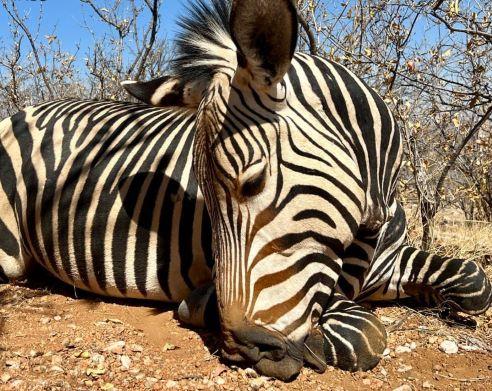
For the hunter, those changes in terrain matter. Gemsbok are well adapted to dry, open and semi-open country, while Hartmann’s mountain zebra are at home among the rugged hills and mountainous areas of western Namibia.
The wider region supports a variety of game adapted to these conditions. Depending on the hunting area and available quotas, hunters may encounter kudu, springbok, warthog and other Namibian plains game alongside the species included in this package.
It is this combination of arid plains and rugged mountain country that gives hunting in Namibia much of its character.
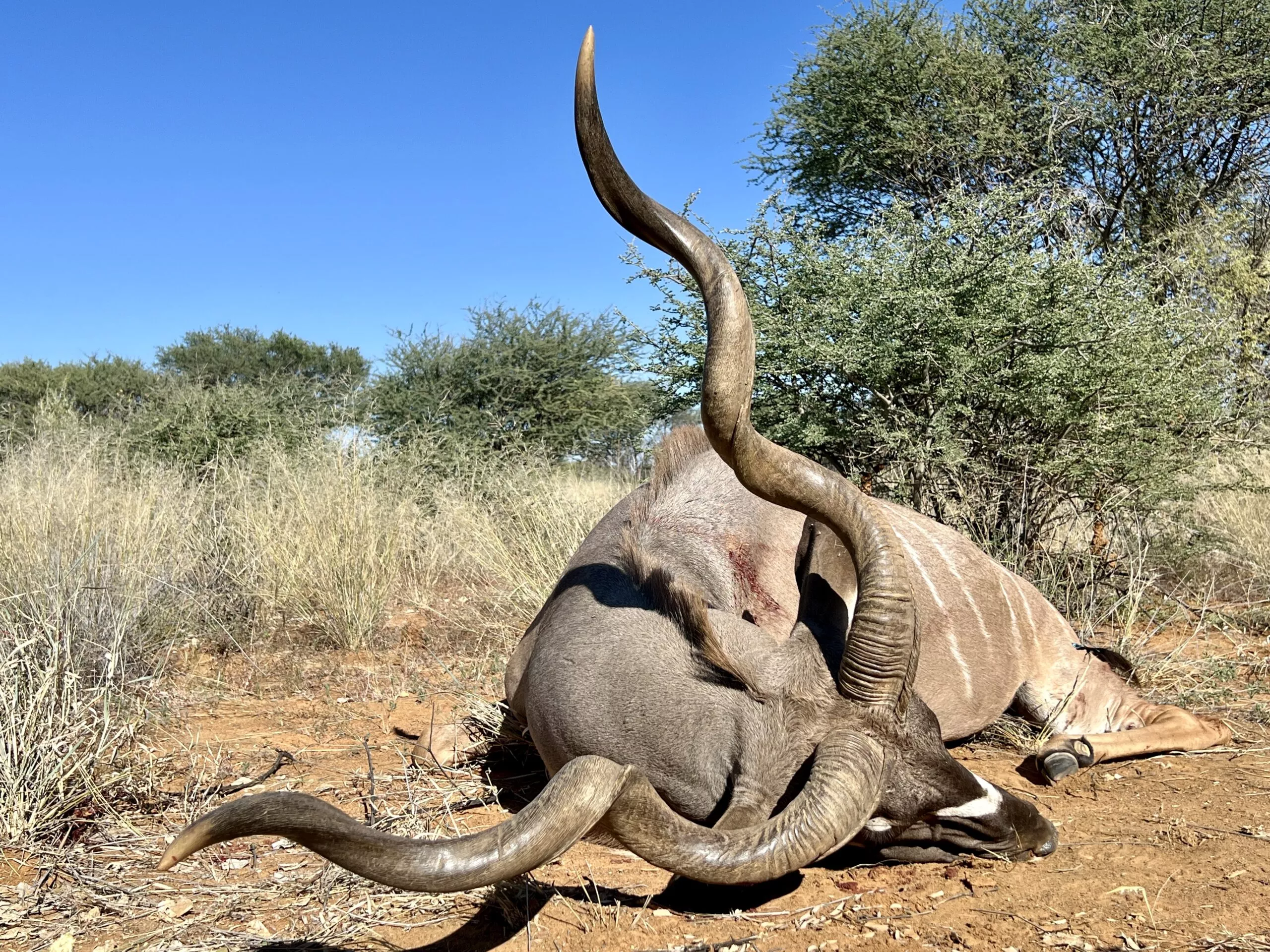
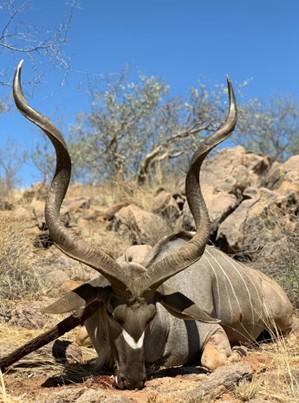
Few animals represent Namibia quite like the gemsbok. Long, straight horns, distinctive black-and-white facial markings and an ability to survive in extremely dry environments make this antelope immediately recognisable. In the field, its alert nature and preference for open country help explain its reputation as the “Desert Warrior.”
Gemsbok hunting frequently begins with covering country using binoculars before a suitable animal is located and an approach planned. In open terrain there may be little vegetation to conceal a hunter, placing greater emphasis on wind direction, patience and using every available fold in the landscape for cover.
This package provides two opportunities to hunt the species: one trophy gemsbok and one non-trophy management animal.
For hunters specifically interested in gemsbok hunting in Namibia, the combination of an iconic Namibian species and the dry landscapes of the Kunene makes this a particularly fitting setting in which to pursue it.
Moving from gemsbok country into the rocky hills in search of mountain zebra changes the character of the hunt.
Hartmann’s mountain zebra hunts are adapted to the rugged, dry terrain of western Namibia. Locating a suitable stallion can involve glassing distant slopes and valleys before deciding whether the terrain offers a workable approach.
Once the hunt continues on foot, uneven ground and changes in elevation can make what initially appears to be a straightforward stalk considerably more demanding.
That contrast is one of the strengths of this package. The hunter is not simply repeating the same hunt for five different animals. As the target species changes, so does the country and the way it is hunted.
Accurate shot placement is particularly important on the strongly built species included in this safari. Hunters pursuing gemsbok should be familiar with shot placement for large African antelope, while shot placement for specialty game covers the different anatomical considerations involved when hunting black-backed jackal and Chacma baboons.
Your Professional Hunter will advise on the correct point of aim according to the species, shooting angle and presentation, and hunters should wait for a suitable shot opportunity.
Namibia’s hunting season runs from February through 30 November, with the cooler and drier months generally providing favourable conditions for plains game hunting.
May through August brings cooler mornings and comfortable daytime conditions for the walking and glassing involved in this safari. As the dry season progresses, vegetation becomes thinner, which can improve visibility across the hunting area.
Hunters travelling during the warmer months should be prepared for higher daytime temperatures and ensure they remain well hydrated while in the field.
International hunters arrive at Hosea Kutako International Airport near Windhoek, where they are met by the outfitter before travelling north towards Kamanjab and the Kunene hunting area.
The journey provides an introduction to Namibia’s changing landscape as the route leaves Windhoek and heads towards the increasingly rugged and sparsely populated country of the north-west.
Return road transfers between Hosea Kutako International Airport and the hunting concession are included in the safari price.
The Kunene is the kind of country best experienced on foot, behind a pair of binoculars, with a Professional Hunter beside you and a day of hunting ahead.
For more on this hunt and other African hunting trips, contact the Game Hunting Safaris team to check available dates or discuss your safari.
Please note that terms, conditions and price are subject to change without notice and rates at the time of the hunt will apply
You can speak directly with the outfitter before booking. GHS remains available throughout the process.
Needing assistance with firearm permits and international travel services, or good taxidermists? View our affiliated companies
View Affiliated Services