Cape Buffalo Hunting in the Selous Tanzania 1 x 2 or 2 x 1
Booking Season: 2026
Hunt Difficulty: Difficult

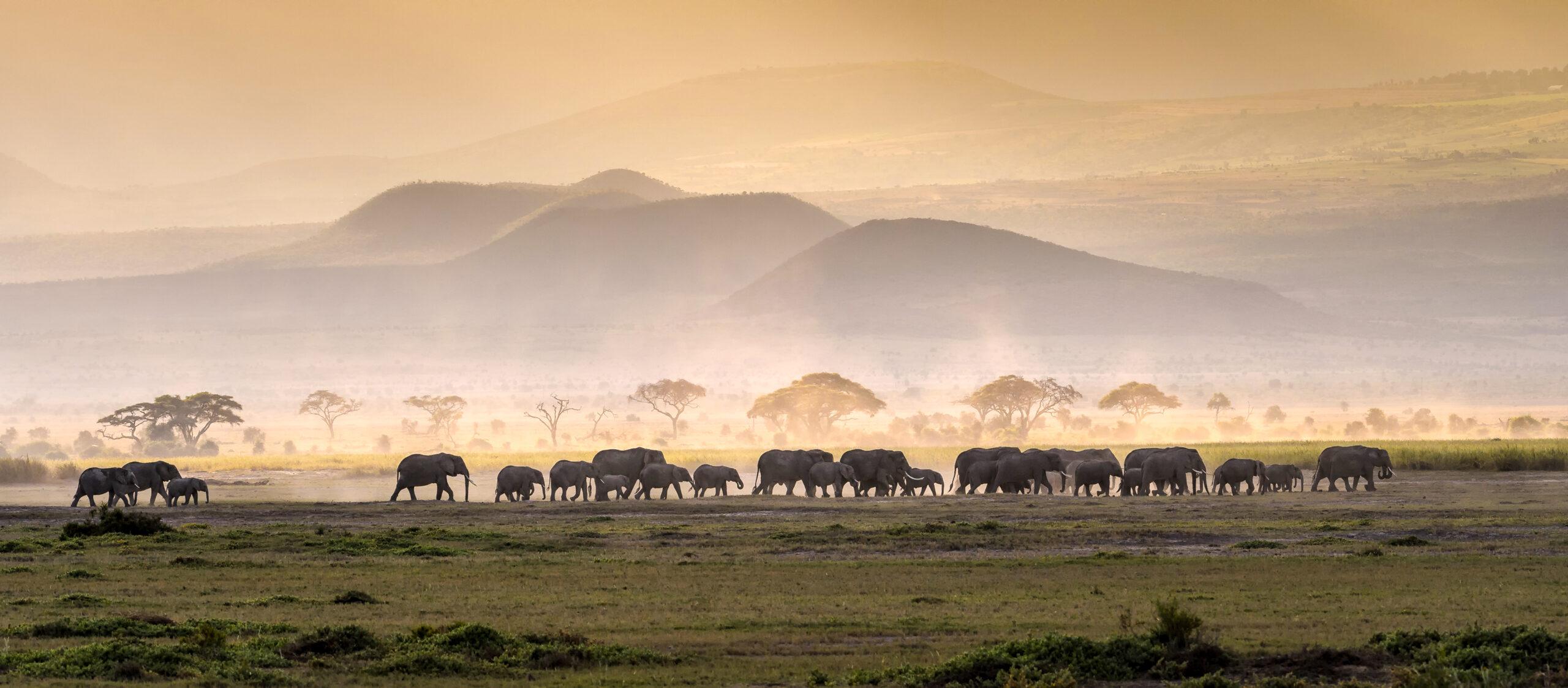
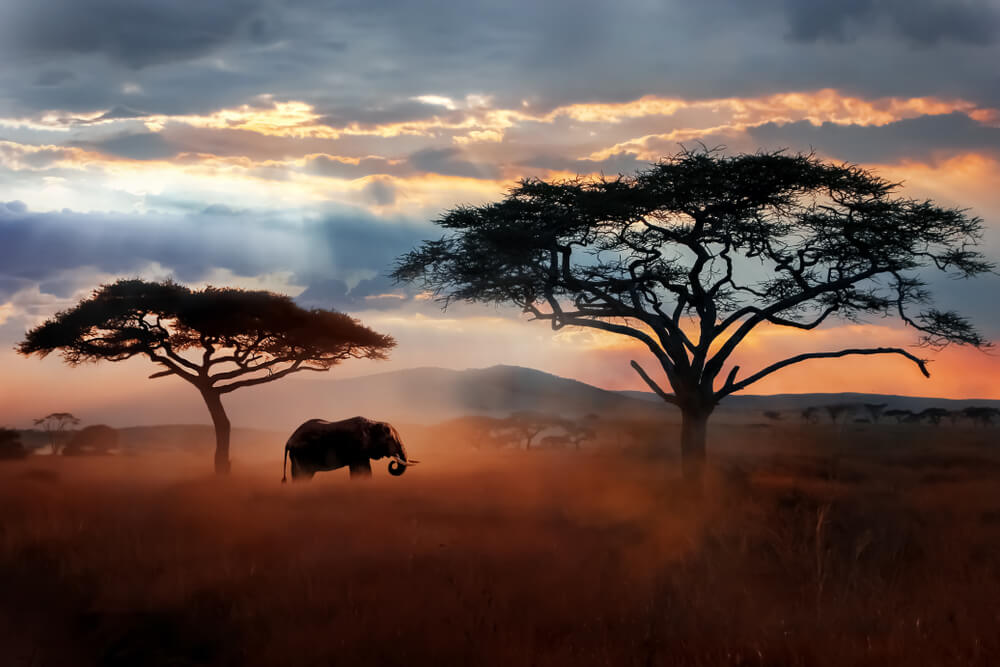
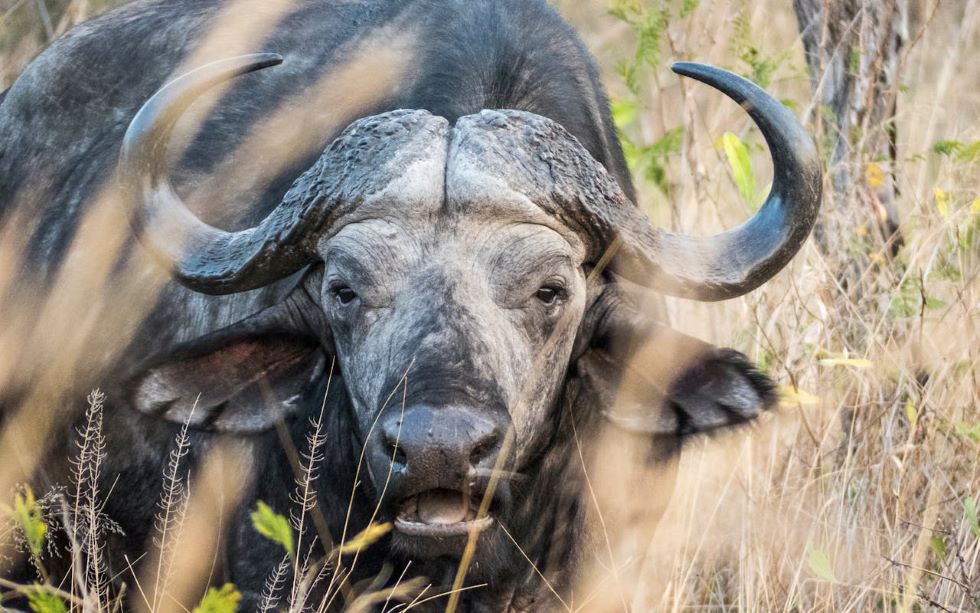
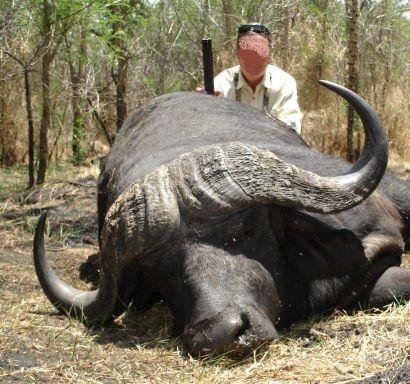
Cape buffalo hunting in Tanzania takes place across some of Africa's largest free-ranging hunting areas, where the concession you choose can make a considerable difference to the safari you experience. The Selous ecosystem, Masailand and Western Tanzania offer different terrain, buffalo concentrations and hunting conditions. Choosing between them involves more than comparing trophy fees or the number of hunting days.
Unlike buffalo hunts conducted on smaller managed properties, Tanzania's traditional hunting concessions can involve long days following fresh spoor across extensive unfenced areas. Buffalo movements, seasonal conditions and the experience of the hunting team all influence how a safari develops. Hunters considering buffalo hunting in Africa should understand these differences before deciding whether hunting in Tanzania best suits their expectations and budget.
Available Cape Buffalo Hunts
Cape Buffalo Hunting in the Selous Tanzania 1 x 2 or 2 x 1
Booking Season: 2026
Hunt Difficulty: Difficult
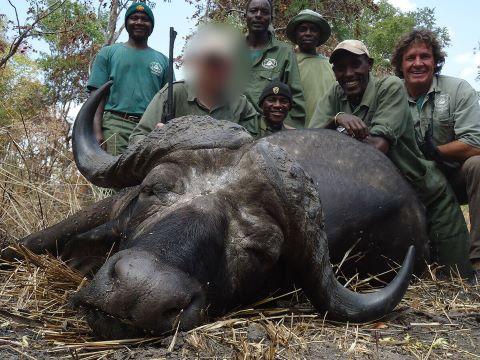
A Classic Cape Buffalo Safari in Tanzania's Legendary Selous
Booking Season: 2026
Hunt Difficulty: Difficult
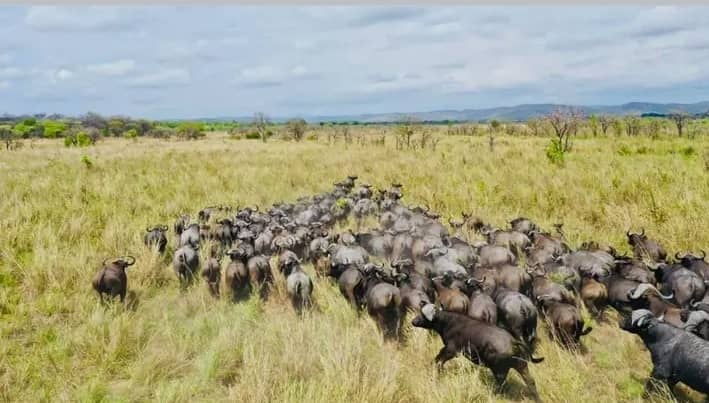
10-Day Selous Cape Buffalo Safari – Two Trophy Bulls
Booking Season: 2026
Hunt Difficulty: Difficult
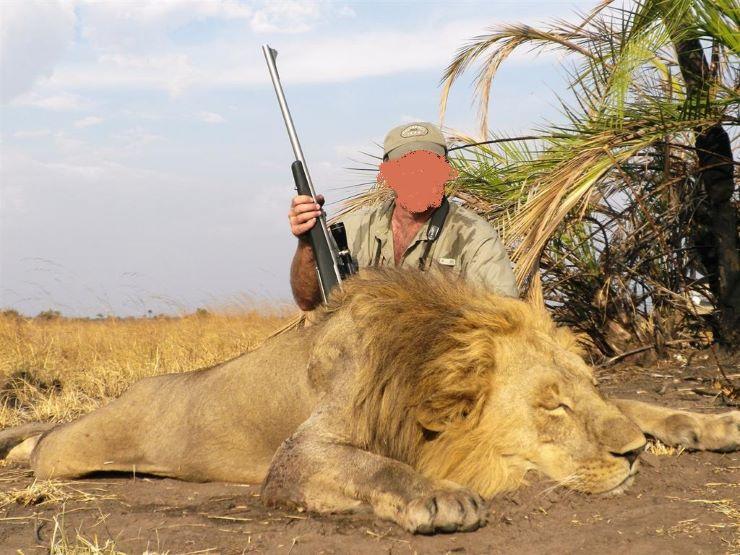
Hunt Lion, Buffalo and Hippo in Tanzania’s Selous
Booking Season: 2026
Hunt Difficulty: Difficult
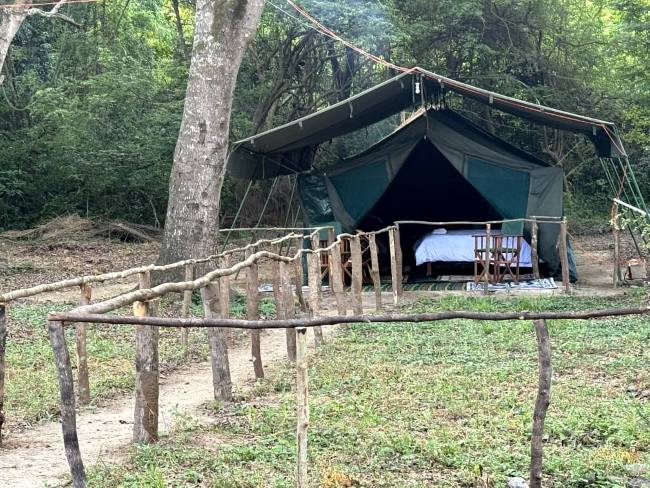
Triple Cape Buffalo Hunt in the Selous, Tanzania
Booking Season: 2026
Hunt Difficulty: Difficult
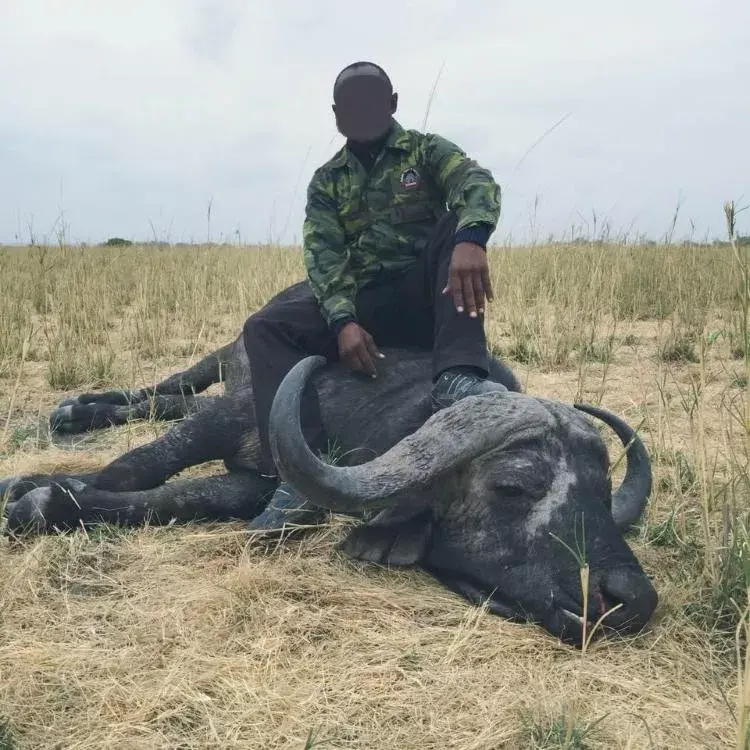
2 Cape Buffalo Safari in Tanzania's Maasailand
Booking Season: 2026
Hunt Difficulty: Difficult
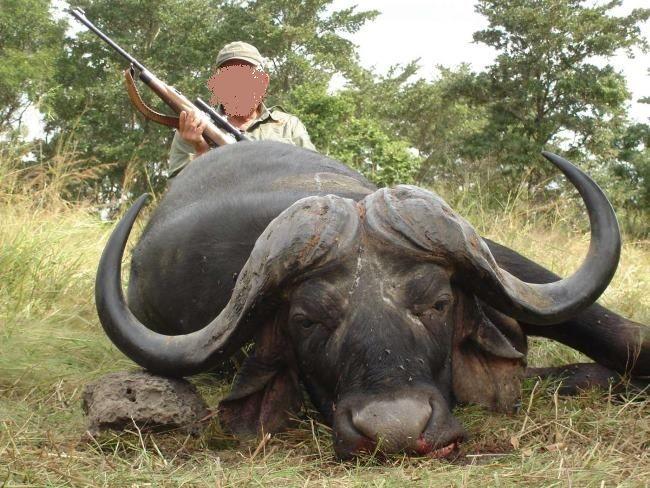
Hunt Two Cape Buffalo in the Selous
Booking Season: 2026
Hunt Difficulty: Difficult
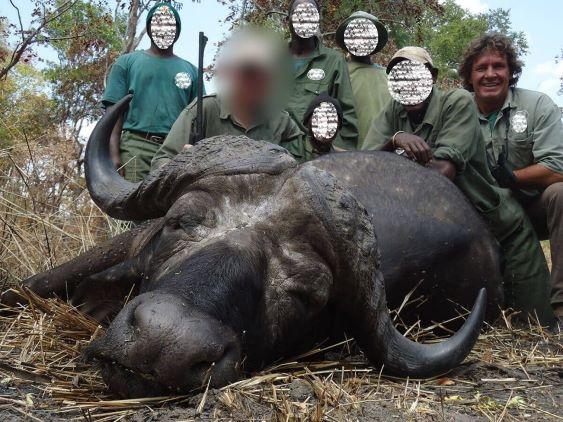
Traditional Cape Buffalo Hunting Safari in Tanzania
Booking Season: 2026
Hunt Difficulty: Difficult

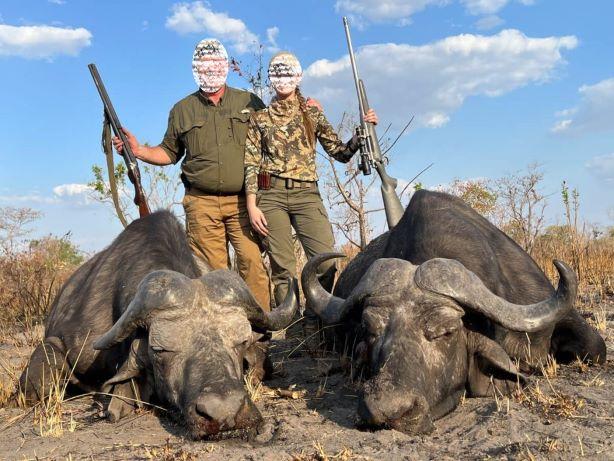
Hunt in Tanzania 2 x Cape Buffalo & Plains Game Selous
Booking Season: 2026
Hunt Difficulty: Difficult
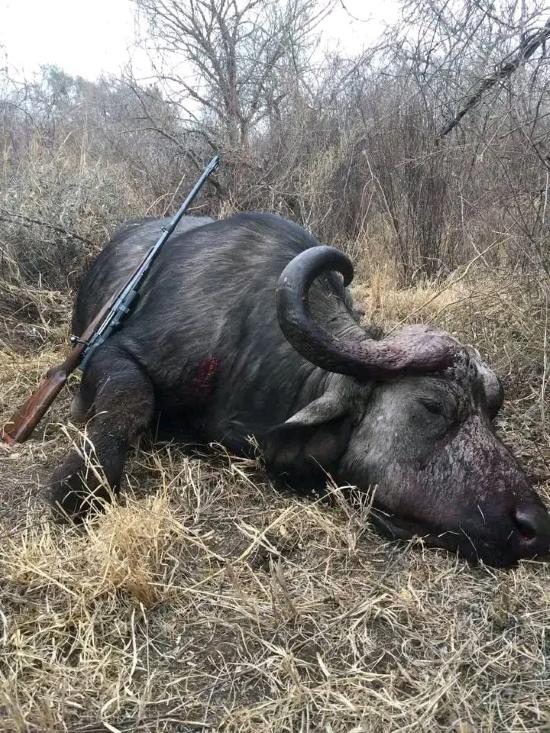
Tanzania Cape Buffalo Hunt | 2x1 Maasailand Buffalo Safari
Booking Season: 2026
Hunt Difficulty: Difficult
Tanzania is regarded as one of the most prestigious destinations for Cape buffalo hunting in Africa. It is also one of the continent's classic destinations for hunters planning a big game hunting safari in Africa, with buffalo often pursued alongside elephant and lion where quotas and regulations allow. Unlike more managed hunting systems found elsewhere, Tanzania offers vast free-range concessions where buffalo move naturally across remote free-range ecosystems.
Much of Tanzania's appeal lies in the traditional East African safari itself. Long days tracking buffalo on foot through heat, thick bush, dust, and tsetse flies form part of what makes buffalo hunting in Tanzania so respected among dangerous game hunters. Close-range encounters, changing wind, and the unpredictability of buffalo movement all add to the intensity of the experience.
Concessions operate across enormous unfenced areas with low hunting pressure, creating a true free-range hunting environment that rewards patience, preparation, and accurate shot placement.
Cape buffalo hunting prices in Tanzania vary considerably depending on the hunting concession, safari duration, number of hunters sharing a Professional Hunter, and what is included in the package. Shorter, dedicated buffalo safaris can cost considerably less than extended hunts in remote concessions or packages combining buffalo with other dangerous game.
As a general indication, advertised Tanzania Cape buffalo safari packages can start below US$20,000 per hunter for shorter, dedicated hunts, while longer expeditions and premium concessions can cost US$30,000–US$50,000 or more. These are broad planning figures rather than fixed package prices. Some hunts include the buffalo trophy fee, while others charge it separately, and charter flights, transfers and additional government fees may also affect the final cost.
One of the most important differences to check is whether the buffalo trophy fee is included. Some safaris advertise a daily-rate or package price with trophy fees charged separately, while others include one or more buffalo in the quoted price. Two hunts with similar advertised prices can therefore have very different final costs.
Hunters should also compare the number of actual hunting days, licence arrangements, airport transfers, charter flights, government fees and any additional trophy fees. A seven-day buffalo safari and a longer hunt in a remote concession are not necessarily comparable products.
The available Tanzania buffalo hunts displayed on this page provide the most current advertised package prices. For a broader explanation of safari costs and inclusions, see our African Hunting Safari Prices guide.
Free-range Cape buffalo hunting is available across several regions of Tanzania, although hunting conditions, buffalo populations and trophy expectations can vary considerably between concessions.
Key buffalo hunting areas include the Selous ecosystem, Masailand, Kizigo, and Western Tanzania, each offering different terrain, herd sizes, and hunting conditions.
Buffalo populations in Tanzania remain strong due to large concession areas and regulated hunting quotas.
The Selous, now part of Nyerere National Park, is one of the most well-known buffalo hunting regions in Africa.
This area is defined by vast river systems, thick vegetation, and large buffalo populations. Hunting here often involves close-range encounters in dense cover, with strong herd dynamics and a high level of unpredictability.
Located in northern Tanzania near the Kenyan border, Masailand offers a different type of hunt. The terrain is more open, allowing for longer visibility, but making the final approach more challenging. Buffalo here are often found in smaller groups, and tracking distances can be longer than expected.
Western Tanzania, including areas around Rungwa, is known for its remote and less pressured hunting concessions. This is a more isolated experience, often requiring significant tracking effort across varied terrain. Buffalo numbers are strong, but success depends heavily on persistence and time in the field.
Kizigo sits between the Selous and Rungwa ecosystems and offers a mix of terrain types. Hunters can expect both open tracking conditions and thicker cover, often within the same day.
This variability makes it a dynamic hunting environment that requires adaptability.
The Kilombero Valley is a fertile, river-fed system that supports large numbers of wildlife. Buffalo are often found near water systems, with hunting focused on tracking and intercepting herds moving between feeding and water areas.
Conditions can be humid and physically demanding.
Ugalla is a lesser-known but highly regarded buffalo hunting area in western Tanzania. It offers large, remote concessions with good buffalo populations and minimal hunting pressure. The terrain can be mixed, requiring both tracking and careful positioning.
Tanzania hunting safaris operate through government-controlled hunting concessions leased across different parts of the country. These concessions are often extremely large, remote, and managed under strict quota systems designed to support sustainable dangerous game hunting.
Unlike smaller private hunting areas found elsewhere in Africa, Tanzania’s hunting blocks allow buffalo to move naturally across vast wilderness ecosystems. This creates a more traditional free-range hunting experience where tracking, terrain, and patience play a major role in the hunt.
Concession quality, buffalo density, terrain type, and overall hunting pressure can vary significantly between regions, which is why selecting the right hunting area is an important part of planning a Tanzania buffalo hunting safari.
We've travelled to Tanzania to inspect hunting areas, meet outfitters and gain firsthand knowledge of the concessions and conditions behind the safaris we offer. Our expedition reports offer another perspective, showing hunters actual safaris we've helped arrange in Tanzania and elsewhere in Africa.
A collection of some of our most unforgettable moments in the wild. From the sweeping plains to the dense
forests, these photos showcase the landscapes, wildlife, and experiences that have defined our hunting
expeditions.
GHS in the Field
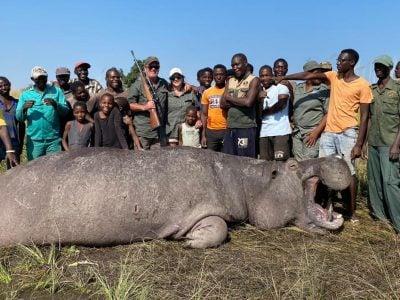
Wild Hippo Hunting In The Zambezi Region, Namibia
View Expedition Details
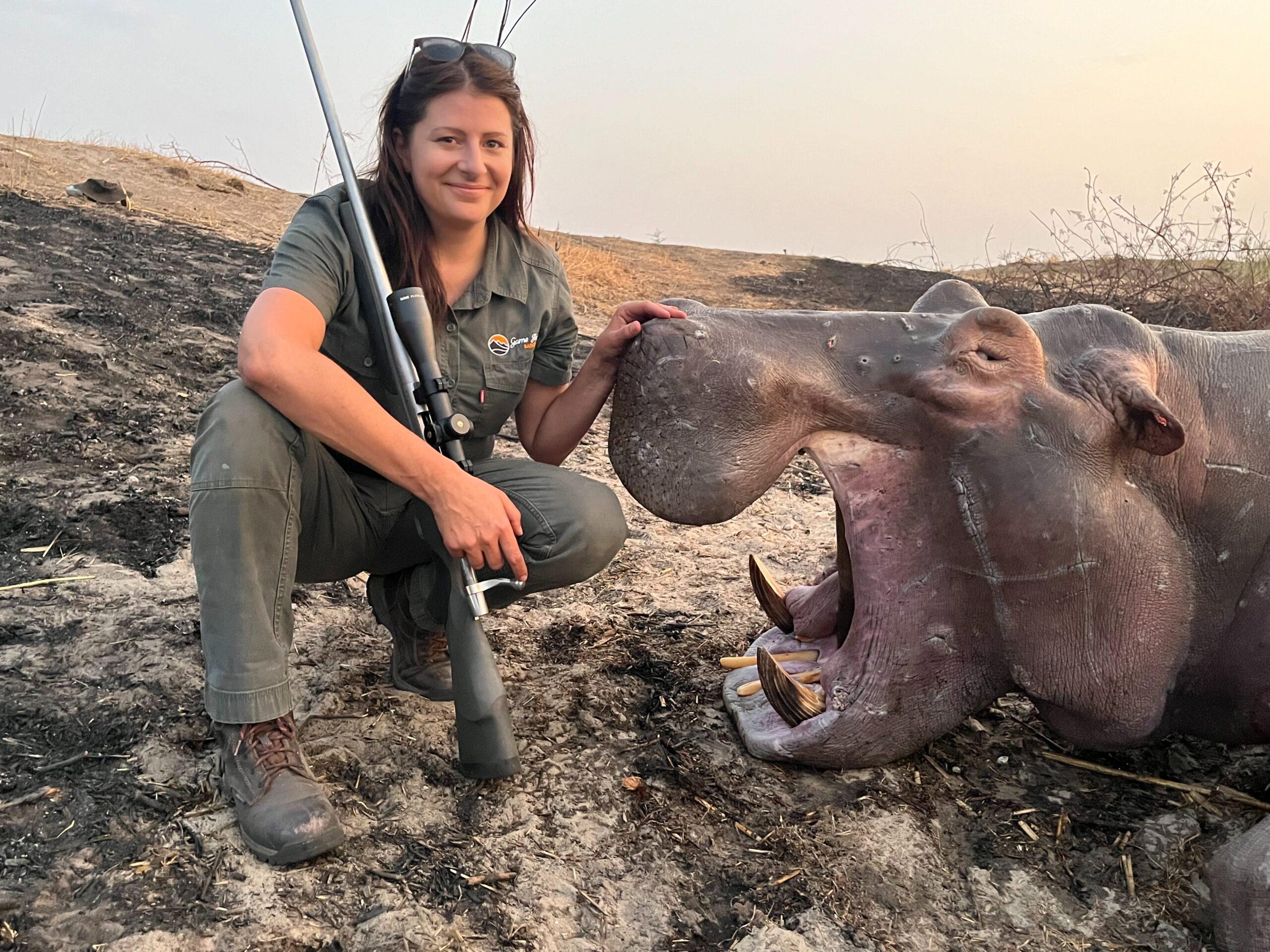
Hippo Hunting In The Zambezi Region (Caprivi Strip) Namibia
View Expedition Details
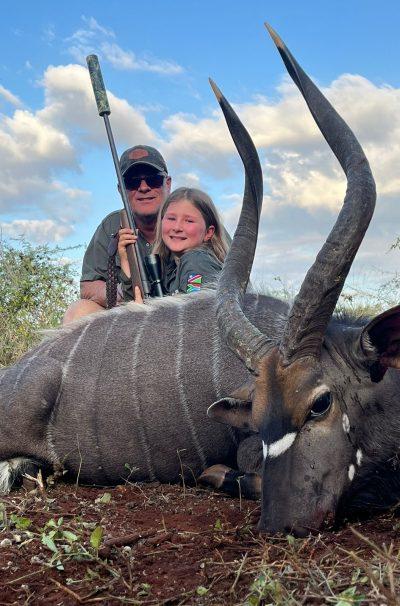
The Africa Plains Game safari, Trophy Nyala In KZN, SA
View Expedition Details
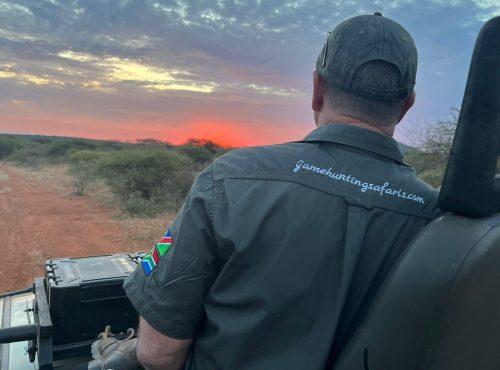
Hyena Hunting in South Africa | Safari Experience
View Expedition Details
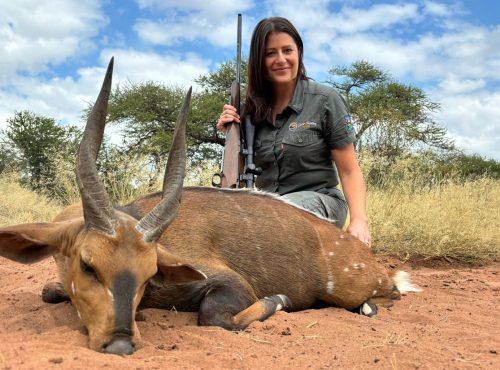
Bushbuck Hunting Safari in Limpopo | Stalking Africa’s Most Elusive Antelope
View Expedition Details
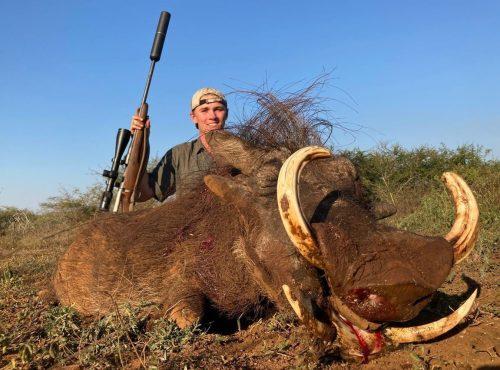
Warthog Hunting in Pongola, KwaZulu-Natal, South Africa
View Expedition Details
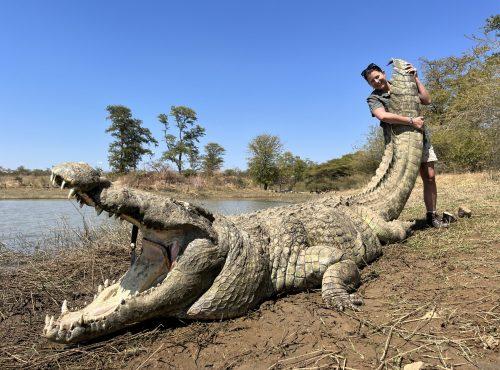
How We Took a 15.1 ft and a 14.9 ft Nile Crocodile on Lake Cahora Bassa
View Expedition Details
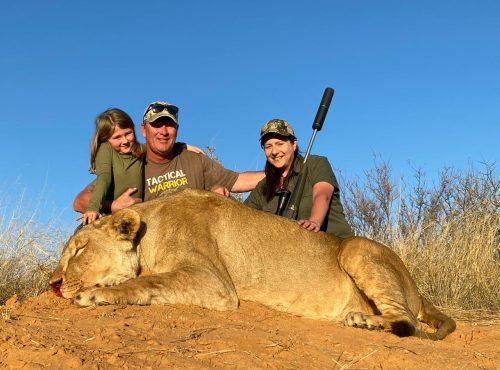
Lion Hunting In South Africa, Kalahari Desert Safari
View Expedition Details
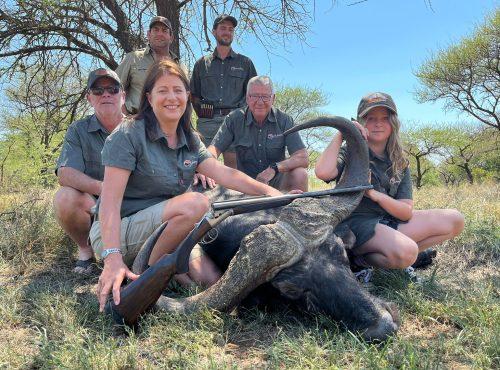
Dangerous Cape Buffalo Hunting Safari in Limpopo
View Expedition Details
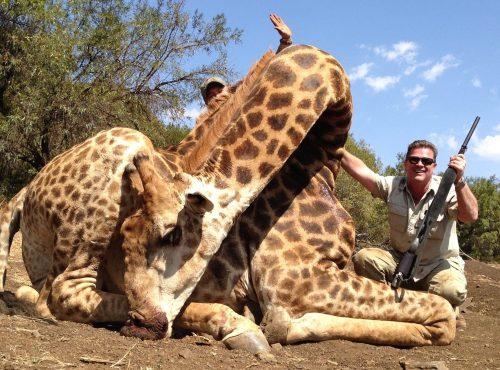
Giraffe Hunting Safari | North West Province, South Africa
View Expedition Details
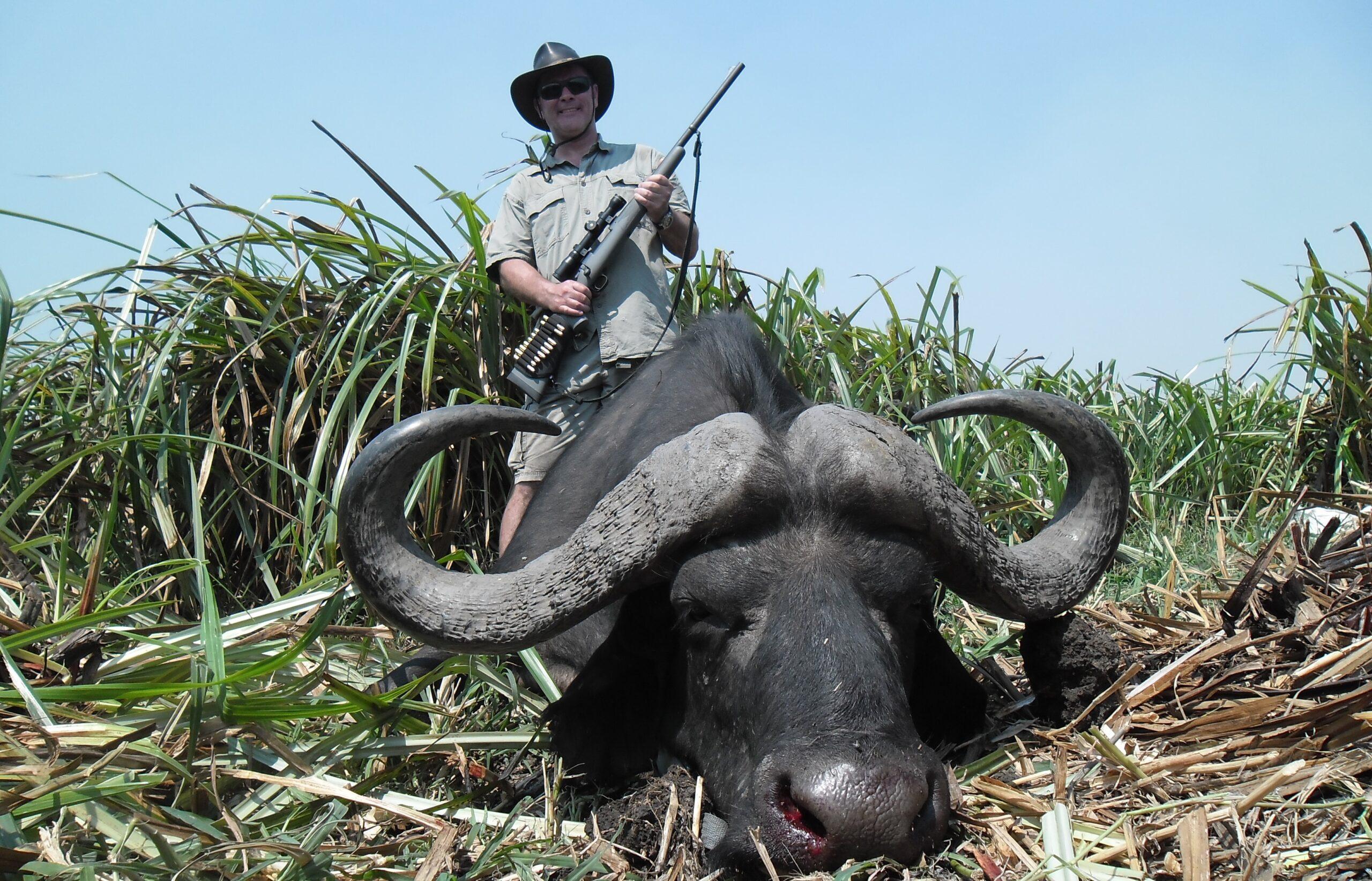
Dangerous Game Buffalo Hunting in Mozambique
View Expedition Details
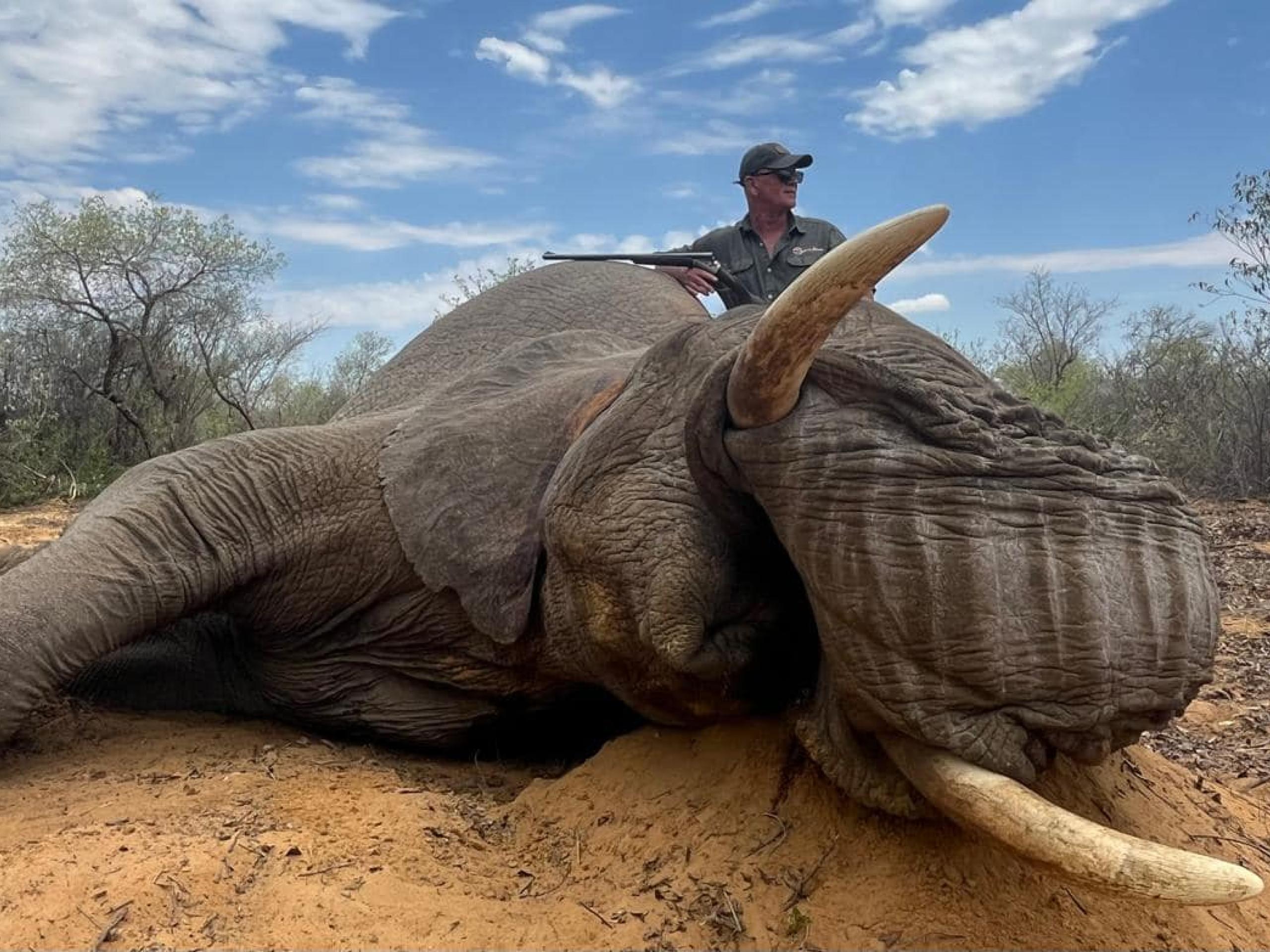
Drought Relief Elephant Hunting in Bushmanland, Namibia
View Expedition Details
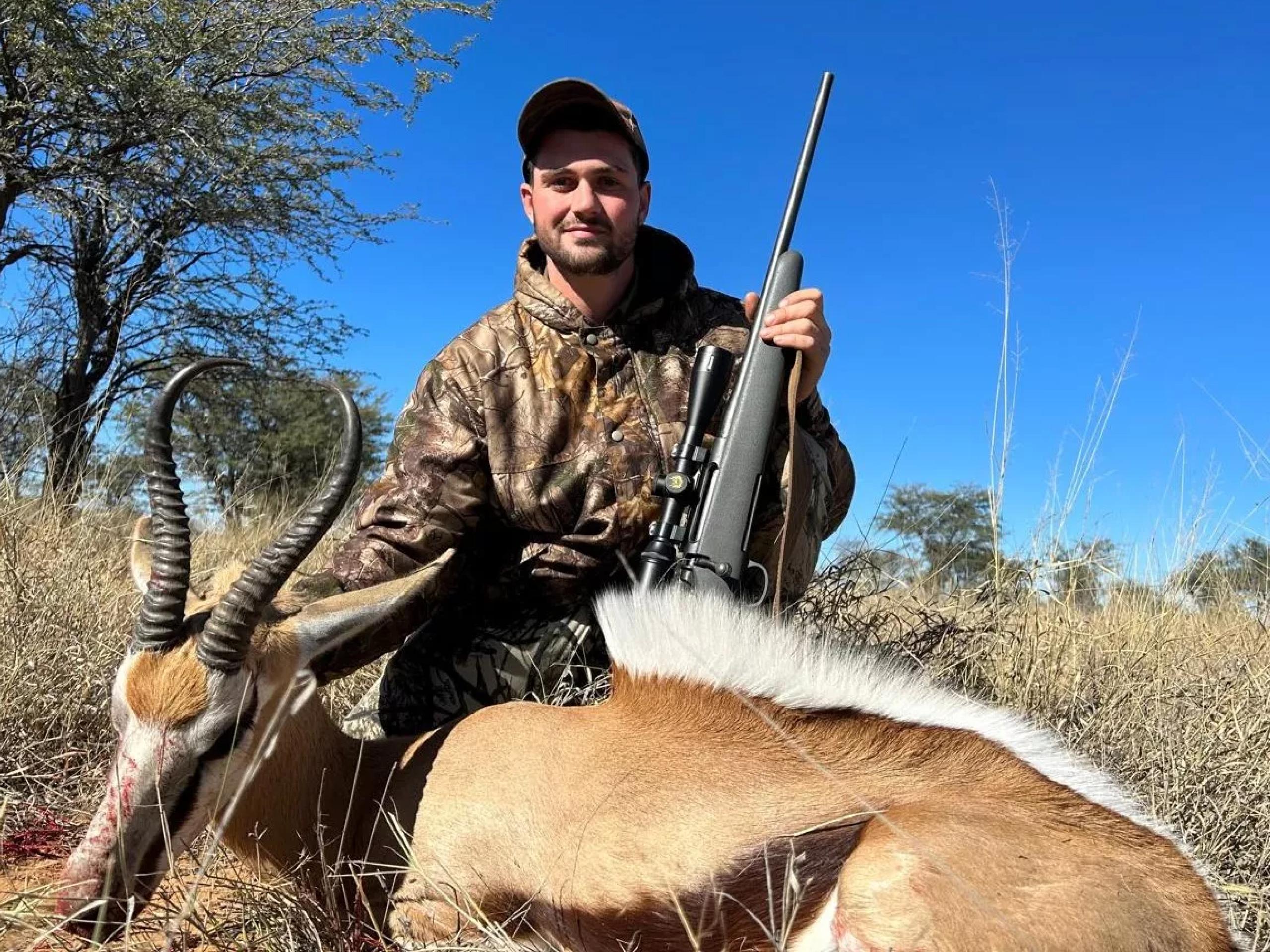
Rustic Kalahari Hunting Safari In South Africa
View Expedition Details
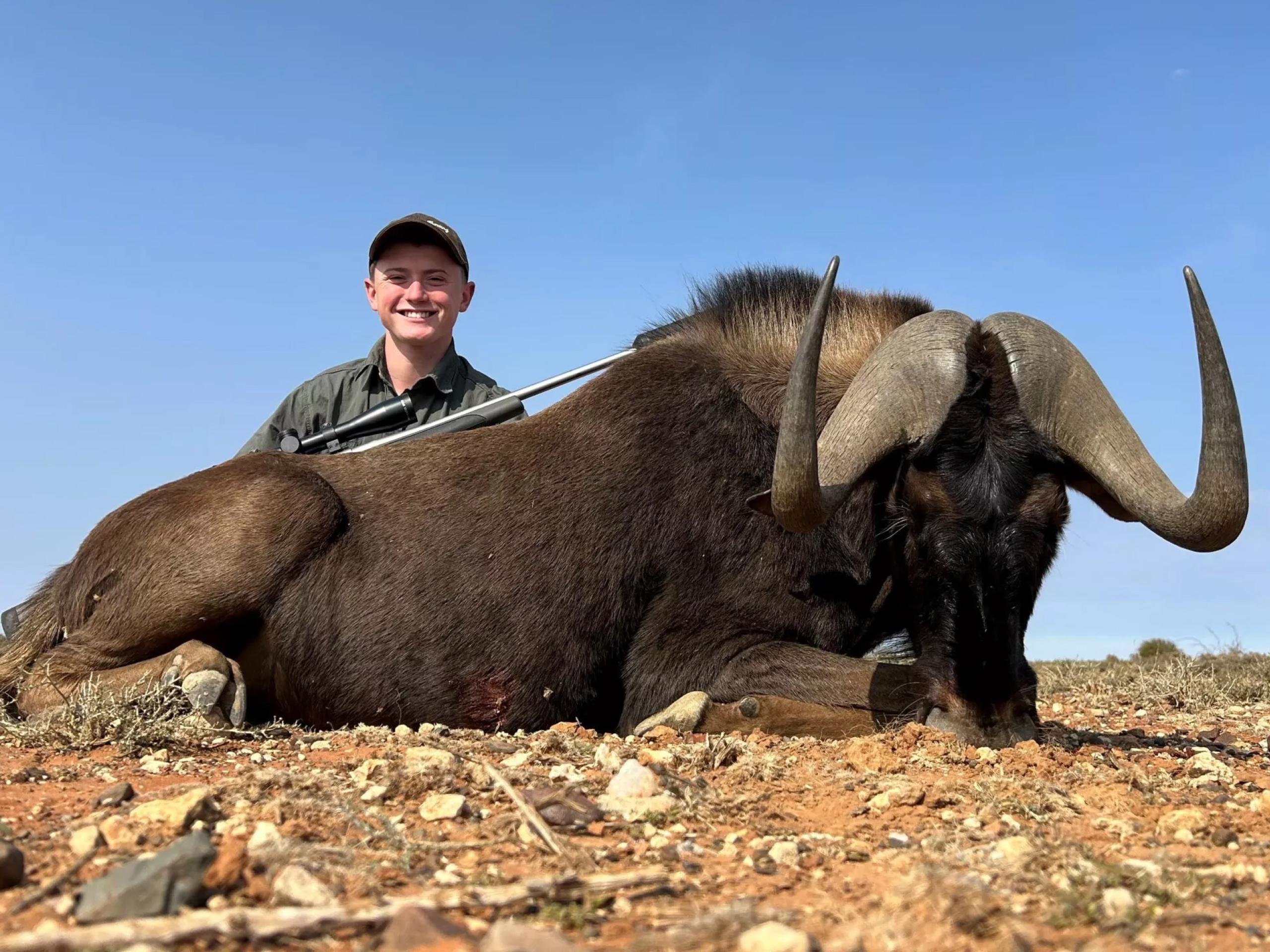
Karoo Hunting Safari In South Africa | Gemsbuck & Springbuck Hunt
View Expedition Details
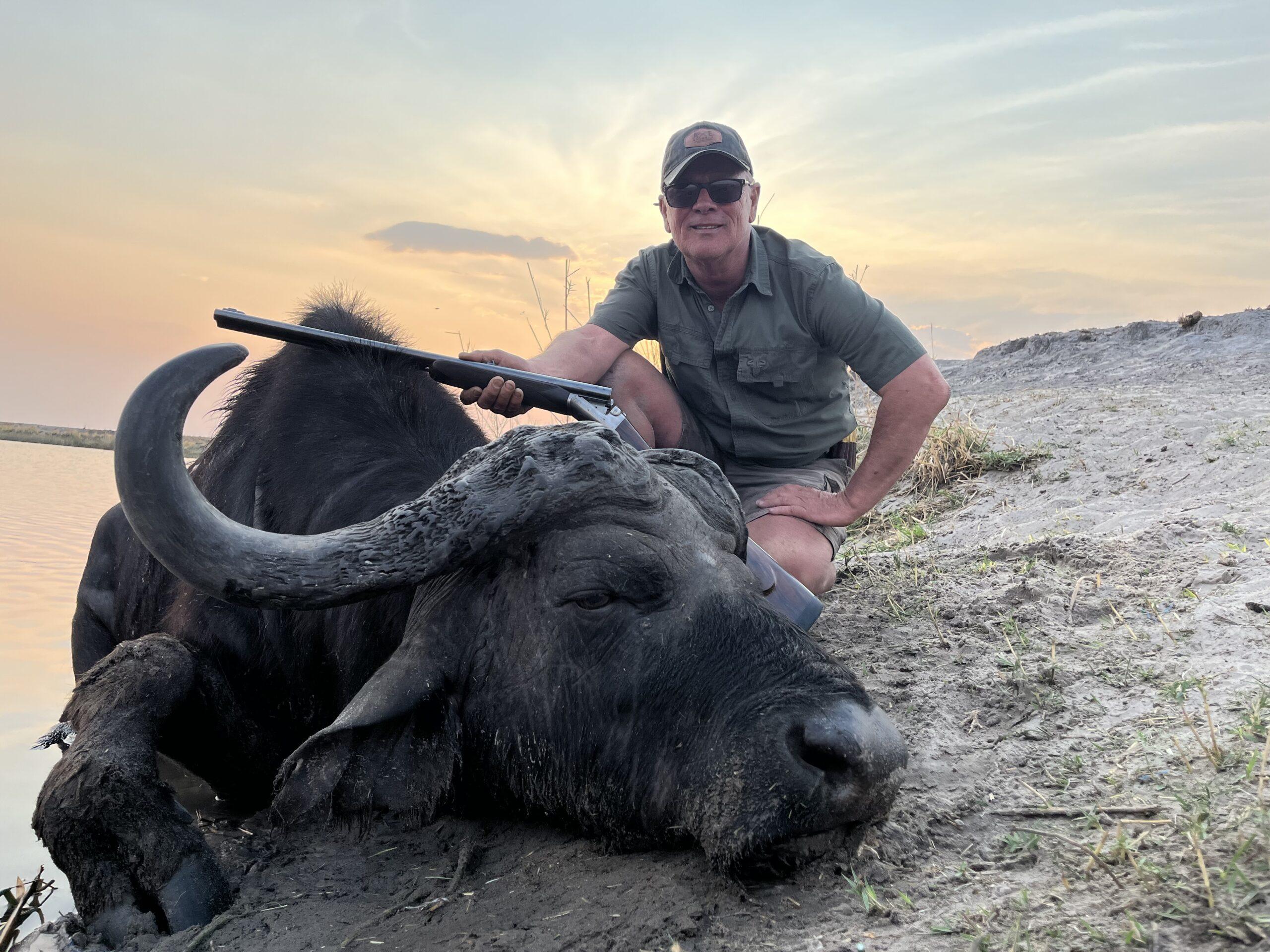
Cape Buffalo Hunting In Namibia’s Caprivi Strip
View Expedition Details
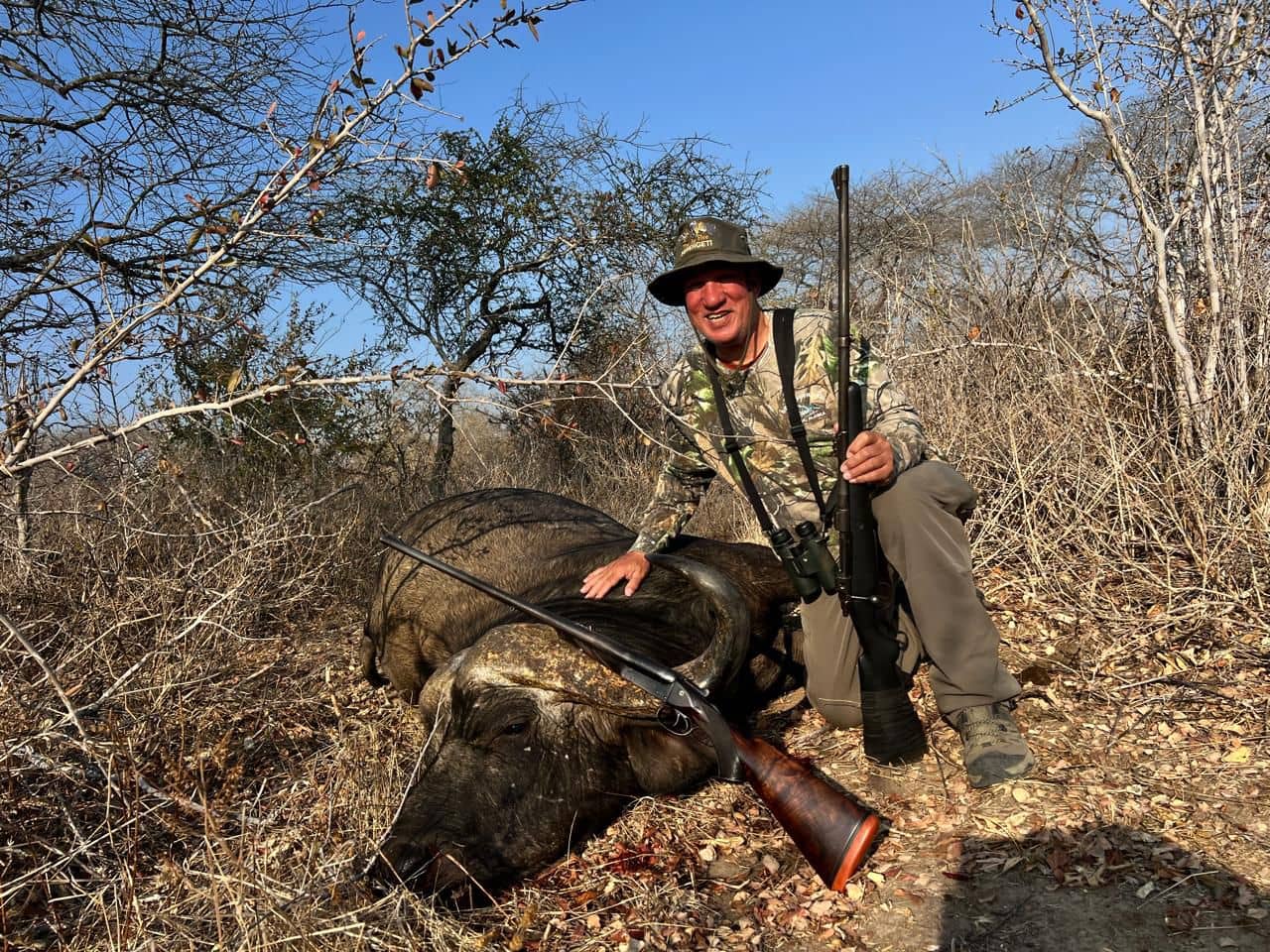
Following Mr Chapman’s Cape Buffalo Hunt in Lunda Nkwamb
View Expedition Details
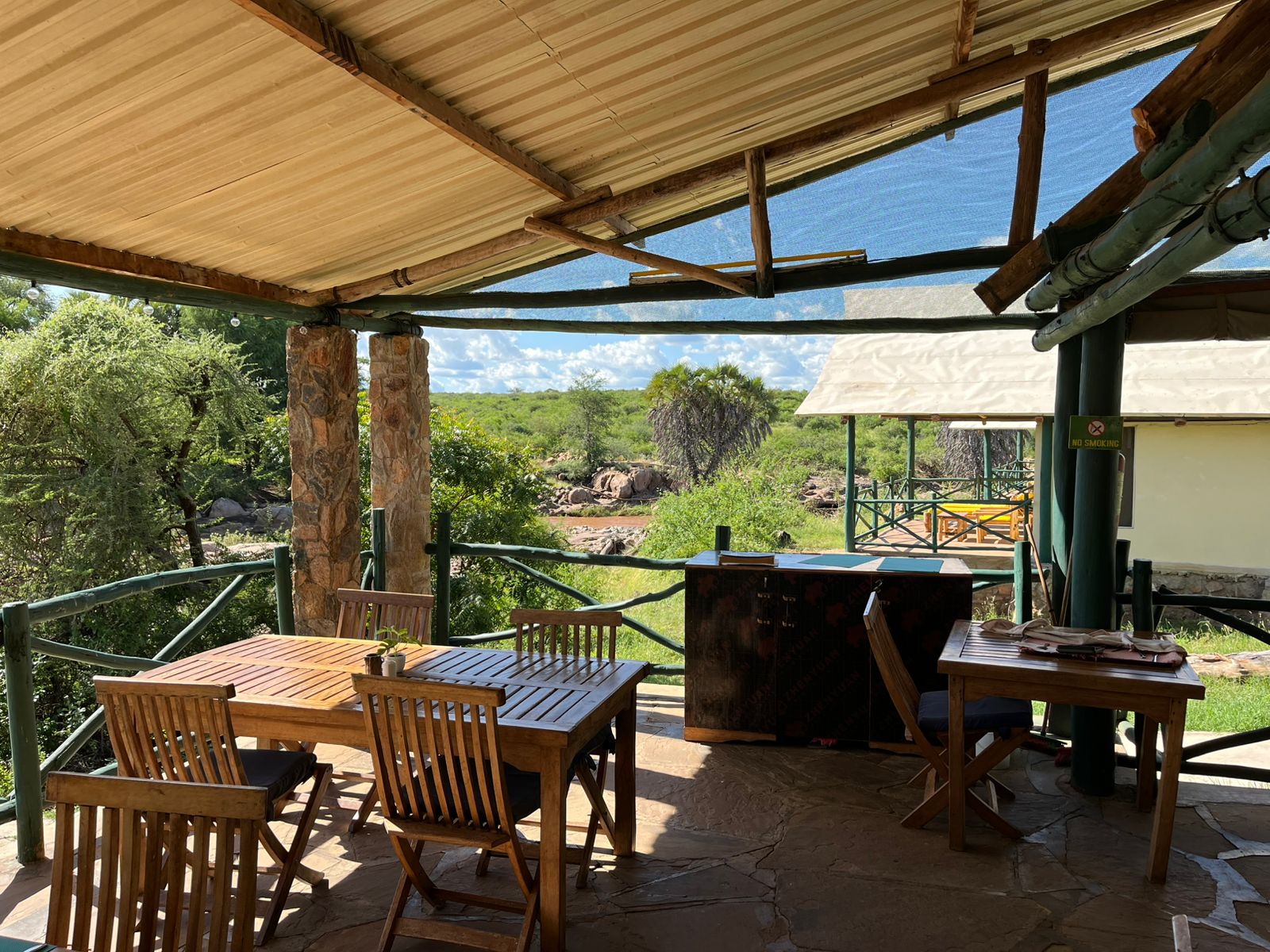
Tsavo Kenya Safari, Home Of Africa’s Big Tuskers
View Expedition Details
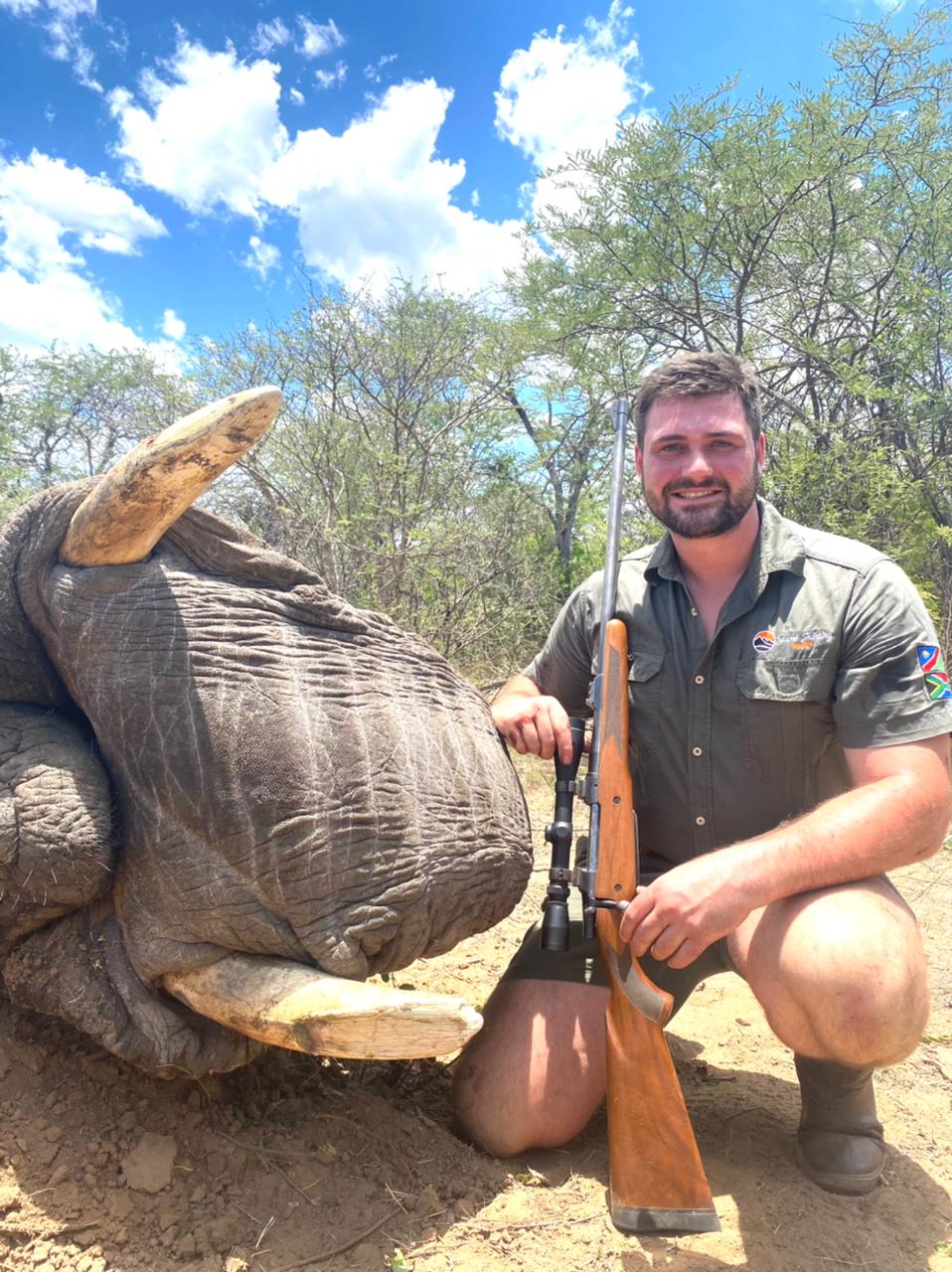
Problem Elephant Hunting Safari In Namibia
View Expedition Details
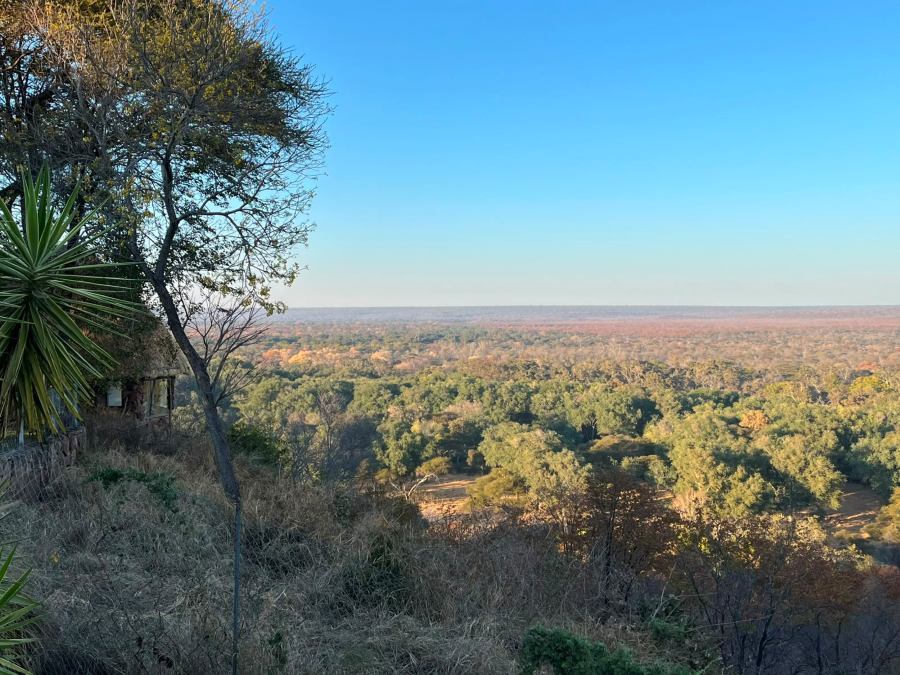
Exploring Zimbabwe's Matetsi, Gwayi & ECA Hunting Areas
View Expedition Details
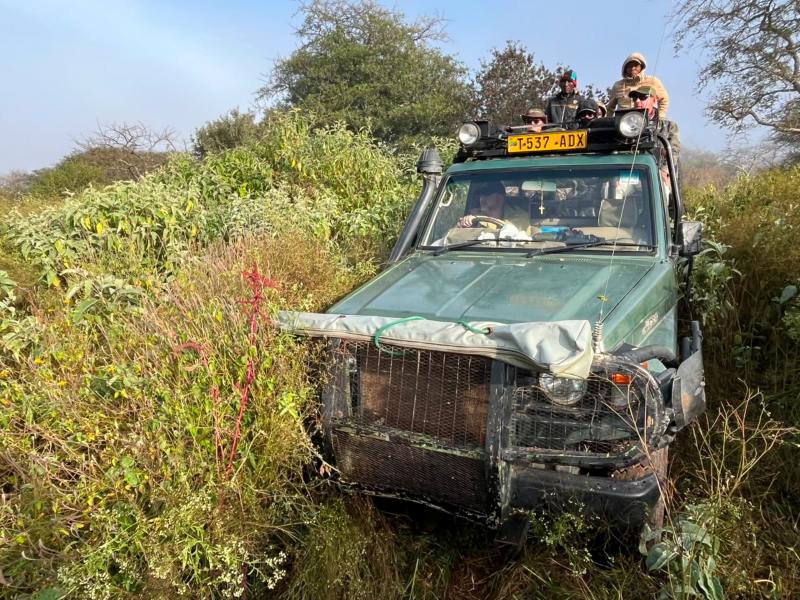
Exploring Tanzania's Simanjiro & Naberera Hunting Areas
View Expedition Details
Cape buffalo hunting in Tanzania can be physically demanding. Hunters should be prepared for long days tracking buffalo on foot through thick bush, river systems and occasionally difficult terrain. Depending on the concession, the final approach may involve closing the distance to less than 50 yards, sometimes with limited visibility and little time to prepare for a shot.
Accurate shooting and familiarity with your rifle are essential. Your Professional Hunter will help judge the bull and manage the approach, but the responsibility for placing that first shot correctly remains with you. Understanding buffalo anatomy and practising realistic shooting positions before your safari can make a considerable difference. Our detailed guide to buffalo shot placement covers the important considerations.
A wounded buffalo can be extremely dangerous, making careful shot selection, preparation and communication with your PH particularly important.
Tanzania buffalo hunting requires a minimum of a .375 caliber weapon shooting a 300-grain bullet to target this formidable member of the Big 5 and Dangerous 7.
Other commonly used buffalo calibres include the .416 Rigby, .404 Jeffery, .458 Win Mag and .458 Lott. Double rifles chambered in .470 NE or .500 NE are also used for close-range dangerous game hunting.
In addition to caliber selection, precise shot placement is critical when hunting dangerous game. Be ready and prepared for not only a single follow-up shot or two, but be prepared to keep the shots coming until your PH assures you that your trophy is, in fact, dead.
Buffalo hunting in Tanzania is built around tracking, not waiting, forming part of the broader dangerous game hunting Africa experience.
Most days start early, cutting fresh spoor and following herds on foot for hours. You may cover significant distance before ever seeing a shootable bull. Unlike higher-density countries, opportunities are earned slowly, and often require precise execution when they come.
Final shot distances are typically between 30 and 80 yards, but getting there is the real challenge.
Most people think a buffalo hunt is decided when the trigger is pulled. In reality, it’s often decided much earlier. Position, wind, and approach determine success long before the rifle is even raised.
If the wind is wrong, the hunt is already compromised. If the approach is rushed, the herd will shift before a shot is possible. If the wrong bull is selected, the opportunity may disappear entirely. By the time you are on the sticks, most of the outcome has already been determined.
This is why experienced professional hunters focus more on positioning than speed.
Slowing down, reading the situation, and adjusting the approach often matters more than closing distance quickly. The shot is just the final step in a process that started hours earlier. And when everything is done correctly, it feels simple. When it isn’t, it becomes obvious very quickly.
Buffalo in Tanzania move in large herds, often numbering in the hundreds, but mature bulls tend to separate from the herd over time. These older bulls, commonly referred to as “dagga boys”, are usually the primary target for hunters.
They behave differently from herd animals.
Dagga boys spend more time in thick cover, especially during the heat of the day, often holding in riverine bush, reed beds, or shaded areas near water. They are less predictable, slower to move, and far more likely to stand their ground when pressured.
Unlike plains game, buffalo do not rely on speed alone to escape danger. They rely on awareness, positioning, and cover. When a buffalo becomes aware of pressure, it doesn’t always run; it watches, circles, or repositions.
This is where things become difficult. A herd may move off quickly, but a bull may stop, turn, or disappear into cover, sometimes without making a sound. What looked like a straightforward follow can quickly turn into a slow, cautious approach in thick bush.
This behaviour is what makes buffalo hunting dangerous. When wounded, buffalo are known to turn back on the hunter, using terrain and cover to their advantage. They will often circle downwind or hold in dense vegetation, waiting rather than fleeing.
You are not always following the buffalo. Sometimes it is waiting for you.
Tanzania is not a uniform hunting environment, and terrain plays a major role in how buffalo are hunted across the country.
In areas like the Selous ecosystem, hunting often takes place in thick riverine bush, floodplains, and dense vegetation. Visibility is limited, and encounters tend to happen at close range, often inside 50 yards.
This creates a different type of pressure.
You may spend hours tracking spoor through relatively open ground, only to find yourself suddenly in thick cover where visibility drops and every step needs to be controlled. In Masailand and Western Tanzania, the terrain can open up significantly. You may cover more ground, glass further, and track over longer distances, but closing that final distance becomes the real challenge.
You can see more, but you are also more exposed.
Wind becomes harder to manage, and buffalo can detect movement at greater distances. What looked like a simple approach can break down quickly if conditions shift. What catches most hunters off guard is how quickly these environments change.
You might be tracking across open ground in the morning, then find yourself navigating thick bush along a river system by midday. Each environment requires a different approach, and there is little time to adjust once you are committed to a stalk.
There is no single way to hunt buffalo in Tanzania; the terrain dictates everything.
Tanzania is not designed for convenience, it is structured around large, unfenced hunting concessions that operate under strict government regulation. That alone changes the entire hunt.
Tanzania buffalo safaris range from shorter, dedicated hunts to extended expeditions lasting several weeks. The right duration depends on the concession, the number of buffalo being hunted, additional species and the time needed to hunt effectively in that particular area. Longer safaris provide greater flexibility when tracking conditions are difficult or hunters are pursuing several species.
Remote locations add another layer. Access often involves charter flights, long drives, and camps positioned far from infrastructure. Once you are in the hunting area, there are no shortcuts. You are committed to the hunt.
Physically, the demand is consistent. Days are built around tracking, often over uneven terrain in heat, humidity, or thick bush. There are no fixed shooting lanes or controlled setups.
Every opportunity must be created, not presented.
Unlike South Africa or parts of Namibia, where game densities can be higher and hunts more structured, Tanzania offers far less predictability. You may track for hours without a shot, then suddenly be in position where everything has to happen quickly. This is what makes Tanzania different.
It is not about maximizing opportunities, it is about making the most of the one that finally comes together.
A successful buffalo hunt in Tanzania depends heavily on the experience of the professional hunter (PH) and the tracking team. Many trackers in Tanzania have spent their entire lives in these environments, learning to read spoor, movement, and animal behaviour from a young age.
Tracking buffalo is not just about following footprints. It involves interpreting subtle signs, disturbed grass, broken branches, dung condition, and how a herd is moving through an area. This level of awareness is what allows a hunting team to stay on buffalo, even when conditions are difficult or the trail becomes unclear.
The difference between a successful hunt and a dangerous situation comes down to the decisions made by the PH and the awareness of the tracking team.
The PH’s role is equally critical.
They are responsible not only for finding and judging the right bull, but also for managing the approach, reading wind and terrain, and making decisions under pressure, especially in close-range situations where things can change quickly.
On a buffalo hunt, the PH is not just guiding the hunt; they are managing risk. In thick cover or during follow-ups, coordination between the PH, trackers, and hunter becomes essential. Everyone has a role, and communication is often minimal and precise.
This is where experience matters most, not just in finding buffalo, but in how the situation is handled once the pressure builds.
Tanzania is well suited to hunters seeking a traditional, free-range buffalo safari who understand that success requires patience, preparation and time in the field. It can also be an excellent destination for first-time dangerous game hunters with an experienced PH, provided they arrive physically prepared and with realistic expectations.
Hunters should choose a safari duration that suits the concession, species being pursued and their available time. Those expecting frequent shot opportunities, predictable hunting conditions or the same flexibility from a short safari as an extended expedition may find Tanzania less suited to their expectations.
Tanzania doesn't adjust to the hunter. The hunter must adjust to Tanzania. If Tanzania sounds like the type of safari you're looking for, our Hunting Trips guide compares buffalo hunting destinations across Africa, helping you choose the country, hunting style and safari that best matches your expectations.
If you're considering a Cape buffalo safari in Tanzania, browse the available hunts above or contact Game Hunting Safaris with your preferred hunting dates, budget and the type of buffalo hunt you're looking for. We can help you compare suitable concessions and available packages.
Search from our range of Hunts across various popular destinations in Africa.

Book Your Hunt