Three Icons of Africa: Rhino, Buffalo & Roan
Booking Season: 2026
Hunt Difficulty: Difficult

Rhino hunting remains legal in South Africa, but gaining access to a legitimate, fully permitted hunt is extremely difficult.
Legal rhino hunting is only possible under strict conditions, and availability is never guaranteed. Every hunt requires a government-issued permit, an approved bull selected for conservation purposes, and full compliance with national and international regulations, including CITES. Without these, rhino hunting is not allowed.
Rhino hunting is managed as part of national conservation programs, with each hunt tied to a specific animal selected for population management. These opportunities are rarely advertised and typically handled privately. While legal, access is limited and controlled. Availability depends on timing, approvals, and whether a specific animal has been allocated for hunting. Some opportunities circulate through established hunting networks, although these are rarely public.
Available White Rhino Hunts
Three Icons of Africa: Rhino, Buffalo & Roan
Booking Season: 2026
Hunt Difficulty: Difficult
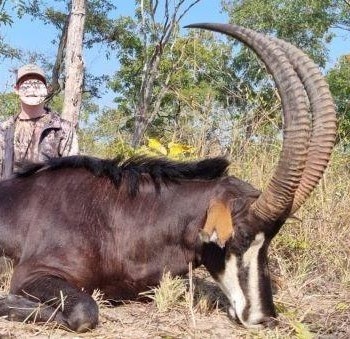
Rhino, Cape Buffalo & Sable Hunting Safari | South Africa
Booking Season: 2026
Hunt Difficulty: Difficult
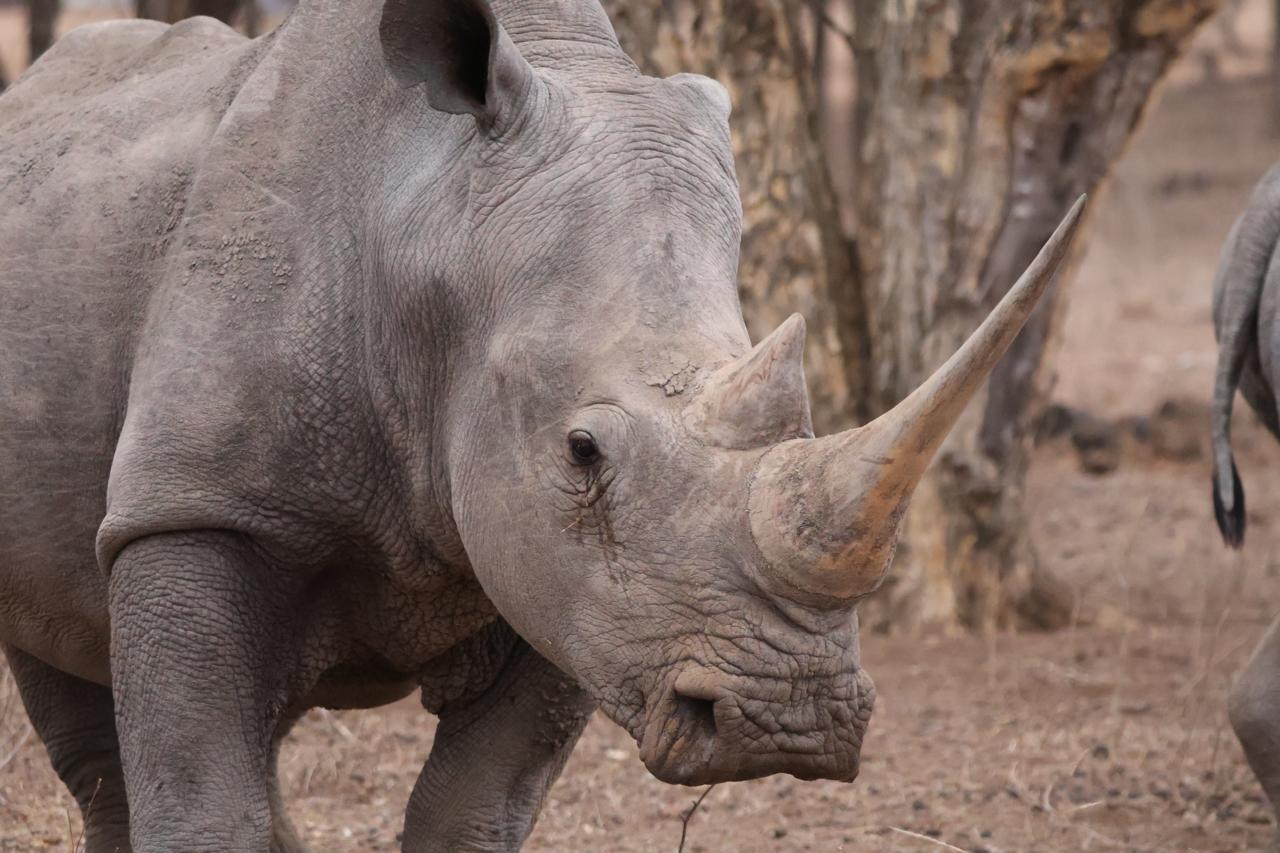
KwaZulu-Natal White Rhino Trophy Hunt
Booking Season: 2026
Hunt Difficulty: Difficult
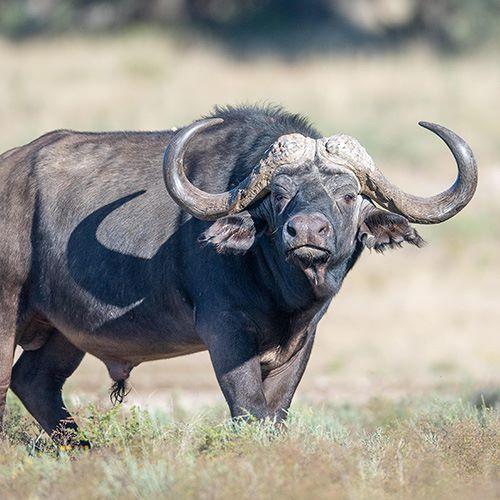
Luxury Cape Buffalo, Rhino Green Hunt & Premium Plains Game Safari
Booking Season: 2026
Hunt Difficulty: Difficult

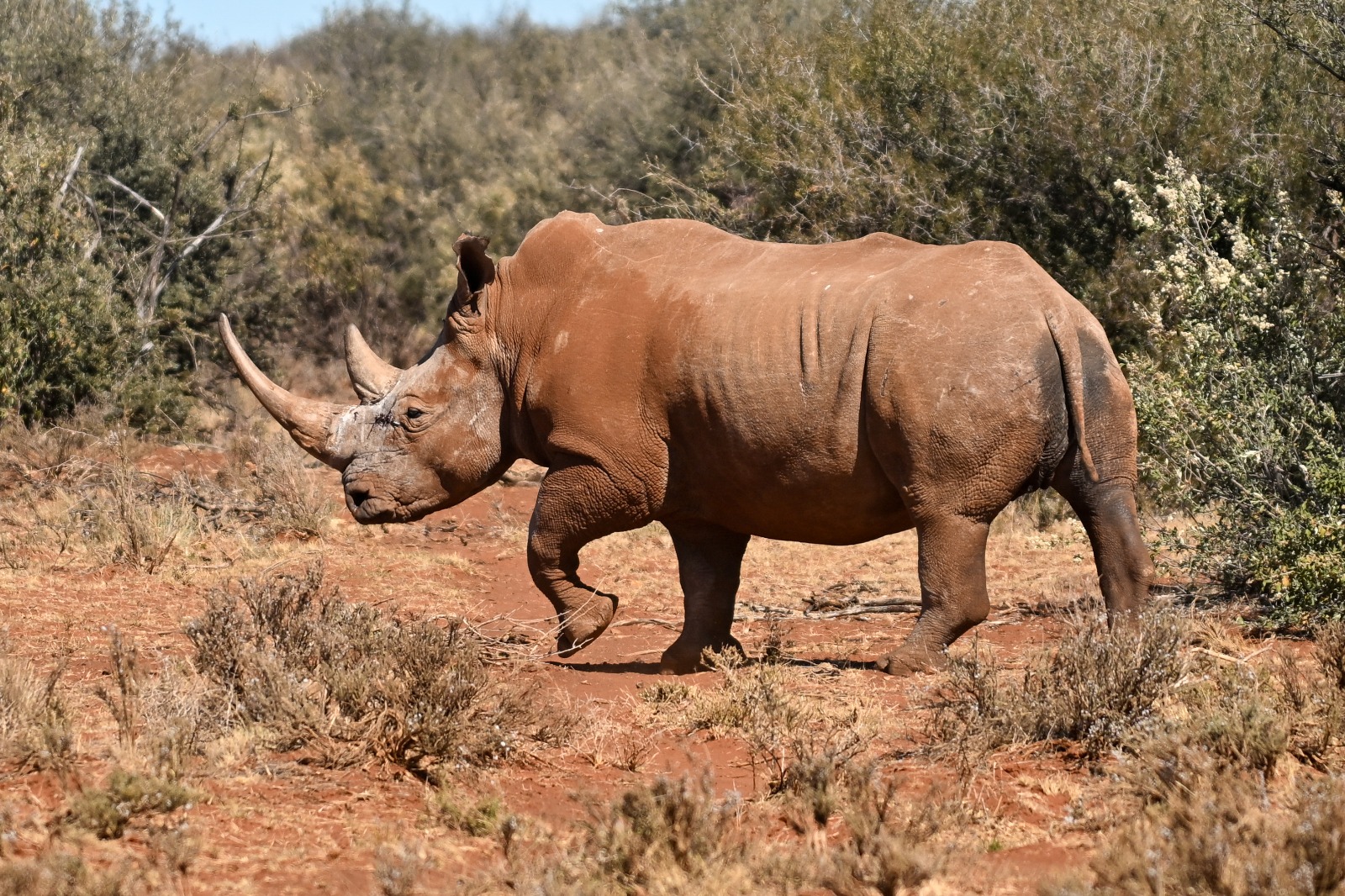
Rhino Dart, Buffalo & Plains Game Hunting in South Africa plus FREE Observer
Booking Season: 2026
Hunt Difficulty: Difficult
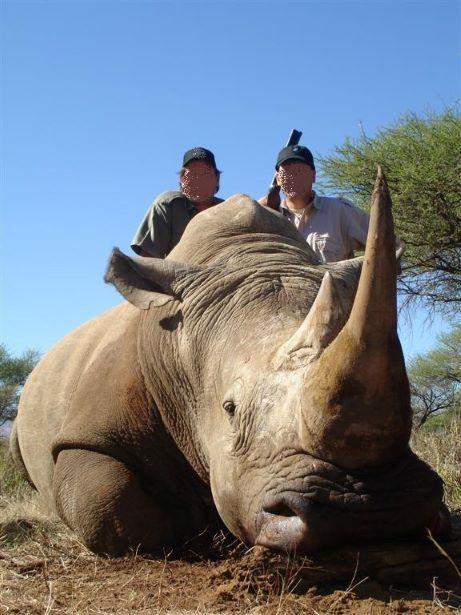
Exportable Southern White Rhino Trophy Safari
Booking Season: 2026
Hunt Difficulty: Difficult
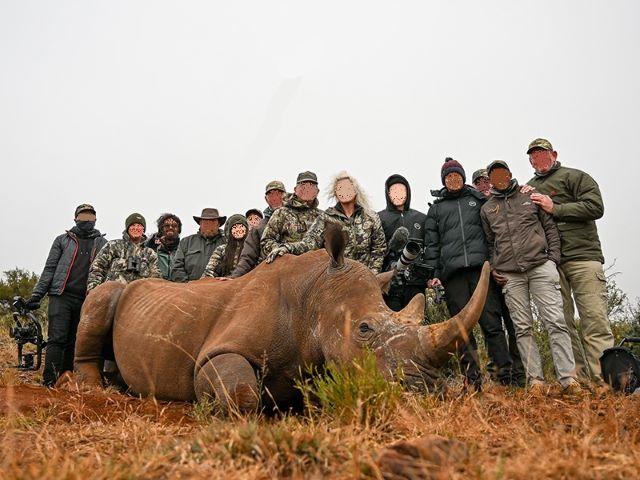
Hunt Cape Buffalo, Dart Rhino & Kudu in SA 2:1
Booking Season: 2026
Hunt Difficulty: Difficult
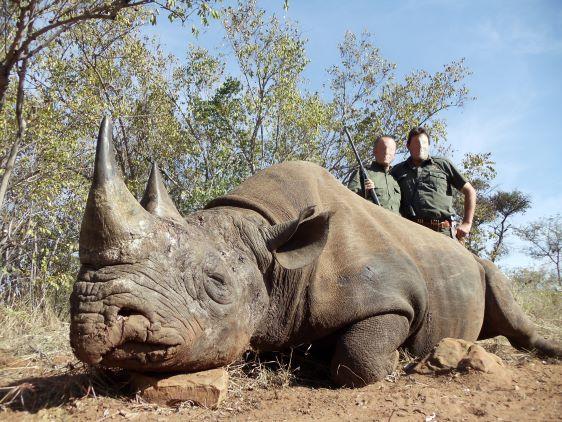
Northern Cape Rhino, Buffalo & Roan
Booking Season: 2026
Hunt Difficulty: Difficult
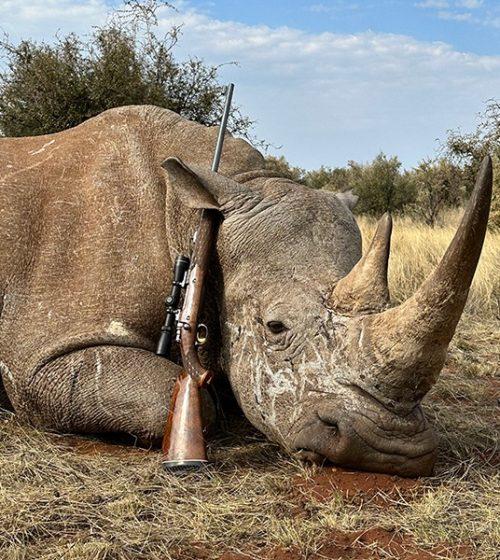
Hunt Cape Buffalo & Dart Rhino Northern Cape SA
Booking Season: 2026
Hunt Difficulty: Difficult
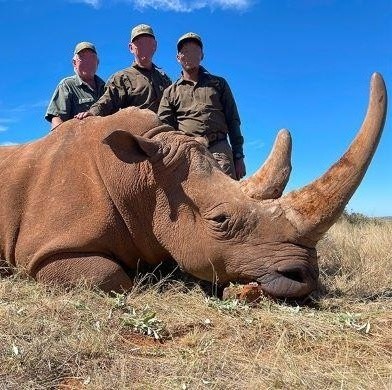
Cape Buffalo, Rhino & Premium Plains Game Safari in South Africa
Booking Season: 2026
Hunt Difficulty: Moderate, Difficult
Rhino hunting in South Africa is controlled through a tightly regulated permit system involving conservation authorities, private landowners, provincial wildlife departments, and international CITES compliance. Even compared with other Big Five Hunting, rhino hunting involves an unusually controlled approval process and does not work like a normal safari booking.
Every legal rhino hunt is tied to a specific animal that has already been identified for management or conservation purposes, typically an older, non-breeding bull. Before any hunt can take place, permits must be approved at both provincial and national level, with additional international documentation required for trophy export.
Private land also plays a role in how the system works. South Africa’s rhino populations are managed on privately owned reserves and conservancies, where landowners carry the cost of security, breeding programs, habitat management, and anti-poaching operations. Hunting decisions are closely tied to long-term conservation and population management rather than open commercial availability.
International oversight adds another layer of control. Rhino hunting falls under CITES regulations, meaning export permits, import requirements, and full documentation compliance must be in place before any trophy can legally leave the country.
Access is limited long before pricing or scheduling ever becomes part of the conversation.
Rhino hunting is subject to strict international regulation under CITES (the Convention on International Trade in Endangered Species), which adds an additional layer of control beyond national permitting.
Exporting a rhino trophy requires CITES export permits issued by South Africa, and in many cases, corresponding import permits from the hunter’s home country, particularly for U.S.-based hunters. All documentation must align before any trophy can legally leave the country. This international oversight is one of the key reasons rhino hunting remains so tightly regulated. It ensures that every hunt is traceable, compliant, and aligned with global conservation standards, rather than operating solely within a domestic framework.
In recent years, South Africa’s legal framework around rhino horn trade has also evolved, most notably through the Rockwood case. This case reaffirmed that while domestic trade in rhino horn may be permitted under specific conditions, it remains tightly regulated and does not override international restrictions under CITES. For hunters, the implication is clear: even in a legal hunting context, all aspects of rhino horn ownership, movement, and export remain under strict scrutiny. This is one of the key reasons why compliance, documentation, and vetting are treated so seriously throughout the entire process.
Rhino hunting in South Africa involves a level of hunter vetting that goes far beyond most other hunting experiences in Africa. This is not simply a matter of booking a hunt and arriving in camp. Hunters are required to go through a due diligence process before being approved to participate, particularly given the sensitivity and scrutiny surrounding rhino conservation.
This process may involve a review of the hunter’s background, hunting experience, and overall profile. Outfitters and authorities will often seek to understand who the hunter is, their track record in Africa (if any), and whether they have a legitimate interest in participating within a conservation-driven framework. In some situations, hunters may be asked to provide supporting information similar to a short hunting résumé or personal profile. This helps establish credibility and ensures that the individual aligns with the expectations associated with rhino hunting.
There is also a strong emphasis on compliance and reputation. Authorities are careful to ensure that hunters are not linked in any way to illegal wildlife trade or activities that could undermine conservation efforts. Gaining access to a rhino hunt is not just about availability or budget, it is also about being an acceptable and approved candidate within a tightly controlled system.
One of the defining features of rhino hunting in South Africa is the significant role played by privately owned wildlife land.
South Africa has developed a model in which a substantial portion of wildlife, including rhino, is managed on private land. These properties are extensive, professionally managed areas that include game reserves, conservancies, and large fenced ecosystems. Within this system, landowners invest heavily in breeding, protection, and long-term conservation of rhino populations, often carrying significant financial and operational responsibility for these animals.
Decisions around hunting are not made in isolation. Landowners, professional hunters, and conservation authorities work together to determine whether a hunt is appropriate, which specific animal may be selected, and when, or if a permit should be issued. This means access is rarely public or openly advertised. Opportunities are typically relationship-driven and arise through established networks rather than standard safari listings.
It also explains why availability can vary so widely. Each potential hunt is guided not only by regulation, but by the management decisions of the specific property where the animals are located.
You are not booking a hunt, you are gaining access to a specific, approved opportunity.
Even when a potential hunt exists, several elements must already be in place before it becomes viable. A specific animal must first be identified for management purposes, permits must be approved through the relevant authorities, and the hunter must be cleared through the required vetting process. Timelines are rarely predictable. Opportunities arise under specific conditions, and even then, they are not guaranteed. In many cases, discussions take place well in advance, with no certainty that a hunt will ultimately materialize.
The process is thus driven by availability and approval, not scheduling. Access depends on timing, conservation priorities, and whether an approved animal is available within the system.
Each rhino hunt is different, but the approval process generally follows the same structure.
It begins with the identification of a specific animal that has been selected for conservation or management purposes. This decision is typically made by landowners, professional hunters, and conservation authorities working together. Once an animal has been identified, the necessary permits are applied for and reviewed. At the same time, the prospective hunter may undergo a vetting process to ensure they meet the requirements associated with rhino hunting.
If all approvals are granted, including any required international documentation such as CITES permits, the hunt can proceed under full legal and regulatory compliance. This sequence cannot be reversed. The process does not start with the hunter. It starts with the animal, the permits and the approval framework that supports the hunt.
Black rhino hunting in South Africa represents one of the most restricted hunting opportunities in the world.
Only a limited number of permits are issued annually, typically for older, non-breeding bulls identified by conservation authorities. These hunts are tightly controlled and often linked to national-level allocation systems or high-value conservation auctions. There is no predictable availability. Access is extremely limited, and even experienced hunters may never obtain a permit.
Black rhino hunting is not part of the normal safari market. It exists entirely within a conservation framework where opportunity depends on allocation, not demand.
White rhino hunting in South Africa is more attainable than black rhino hunting, but it remains tightly controlled and shaped by conservation-driven decisions.
A large portion of white rhino populations in South Africa are managed on private land, including game reserves and conservancies. Hunting may take place under specific conditions tied to population control, genetic management, or broader land-use requirements. These decisions are not arbitrary. They form part of ongoing efforts to maintain sustainable and balanced populations.
Most legal rhino hunting opportunities in South Africa involve white rhino on privately managed land. Compared to black rhino, availability is more realistic and opportunities are more likely to arise through established outfitters and landowner networks. However, this does not mean the process is straightforward or guaranteed. Every hunt still requires permits, regulatory approval, and alignment with conservation objectives tied to a specific animal.
White rhino hunting sits in a middle ground, more accessible than black rhino, but still not a conventional safari that can be booked on demand. Each opportunity depends on timing, location, and the availability of an approved bull within a managed population.
Rhino hunting is one of the most expensive hunting opportunities in Africa, but the pricing structure is different from a typical safari. For hunters searching for “rhino hunting South Africa price” or “cost of rhino hunt South Africa” there is no fixed rate or standardized package.
Unlike plains game or even other dangerous game hunts, rhino hunting costs are tied directly to a specific permit and a specific animal, rather than a set daily rate or trophy fee structure.
Pricing can vary depending on several factors. Small differences can have a substantial impact on the final cost. Rhino hunts fall into the high six-figure range, with black rhino often exceeding this depending on permit allocation. Rhino sits at the extreme end of African Hunting Safari Prices, with the species, individual animal, permit allocation and location all capable of changing the final cost substantially.
Black rhino permits are extremely limited and often command higher prices due to rarity, strict allocation systems, and international demand. White rhino hunts are generally more attainable, but they remain expensive and tightly regulated.
The species alone can shift pricing dramatically before any other factors are considered, as availability and allocation differ significantly between the two.
How the permit is obtained plays a major role in determining cost.
Some permits are issued through government allocation systems, while others are made available through conservation-driven auctions, often at an international level. In auction scenarios, pricing is influenced heavily by demand and timing, and can escalate significantly when multiple buyers compete for a limited opportunity.
As a result, the same type of hunt can vary widely in price depending on how the permit was secured, rather than the hunting experience itself.
Where the hunt takes place has a direct impact on pricing, and in South Africa, this is one of the defining factors.
A large portion of rhino populations in South Africa are managed on privately owned land. This includes extensive game reserves, conservancies, and large fenced wildlife properties that are actively managed for conservation, breeding, and long-term sustainability.
These are not small or artificial environments, but professionally run operations where landowners carry significant responsibility for the protection and management of high-value species like rhino. Private land hunts often reflect the cost of that management. This can include ongoing anti-poaching security, veterinary involvement, habitat maintenance, and breeding programs that support population growth over time.
Hunts that take place within state-managed or conservation areas may follow a different structure, depending on how permits are allocated and how the broader conservation program is funded. This creates noticeable variation in pricing, not necessarily because one hunt is “better” than another, but because the underlying management model is different.
This is one of the most important and often overlooked factors influencing the cost of a rhino hunt. Unlike most hunting scenarios, where pricing follows a general structure, rhino hunting is tied directly to a specific, pre-selected animal. As a result, the individual characteristics of that animal play a major role in determining price. Age, condition, and particularly horn size all contribute to how a hunt is valued.
With rhino hunting, size matters.
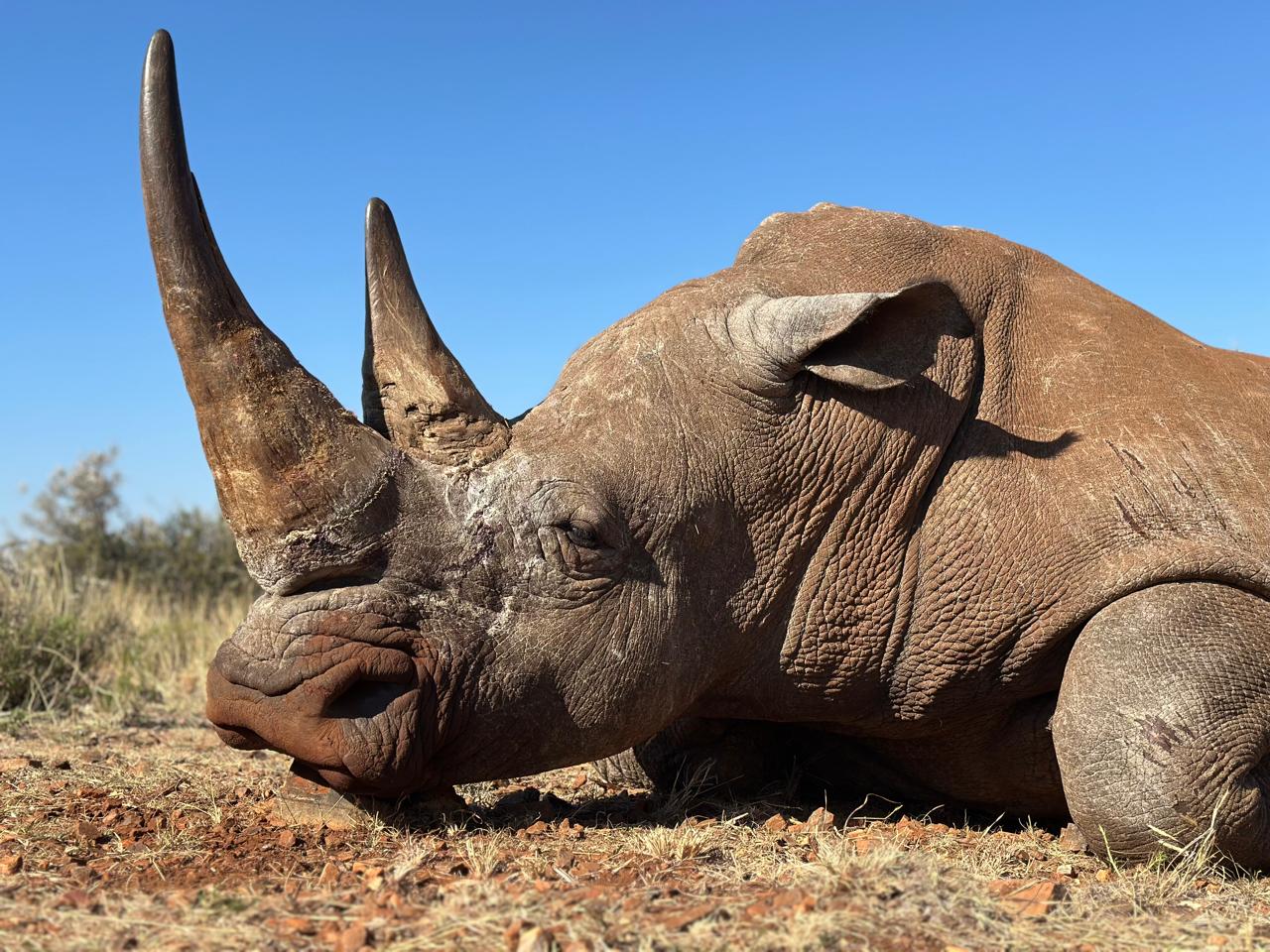
A younger bull with horn length in the 17–18 inch range may fall within a certain pricing bracket, while an older, fully mature bull in the 25–26 inch range can command substantially higher prices.
The difference is not incremental, it can be dramatic, even within the same property or hunting area.
The price difference is not simply a matter of trophy preference. Larger, mature bulls are often rarer within managed populations and may carry additional value from both a hunting and management perspective. That scarcity, combined with demand, drives pricing upward. While a similar concept exists in species like buffalo where trophy size influences cost, the effect is far more pronounced in rhino hunting due to the limited number of animals, the way they are managed, and the fact that each hunt is tied to a specific individual.
This is one of the main reasons two rhino hunts can differ so dramatically in price, even when they appear similar on the surface.
These factors do not operate in isolation, they combine to shape the final cost of a rhino hunt in ways that can vary dramatically from one opportunity to another. A hunt involving a large, mature bull, on privately managed land, with a permit secured through an auction process will sit at a completely different level from a hunt involving a smaller animal under direct allocation and different management conditions.
These differences are not incremental, they can be substantial, even when the hunts appear similar on the surface. What drives this variation is the cumulative effect of rarity, demand, management investment, and the specific characteristics of the individual animal. Each of these elements adds a layer of value, and when combined, they can significantly shift pricing.
No two rhino hunts are directly comparable. Each opportunity depends on the permits, management decisions, conservation priorities and specific animal involved.
While pricing is not standardized, most rhino hunts fall into the high six-figure range, particularly for black rhino.
White rhino hunts may be lower in comparison, but still represent a significant financial commitment and remain well beyond the cost of most other dangerous game hunts. This is not a market where hunters are comparing outfitters or shopping for deals. Availability and access determine the opportunity first, with cost following.
One of the most important and often misunderstood aspects of rhino hunting is how the revenue is used.
A substantial portion of the cost contributes directly to anti-poaching operations, ongoing wildlife protection and monitoring, habitat conservation, and local community involvement. These are not secondary considerations, but central components of how rhino populations are maintained and protected.
These funds play a measurable and necessary role in ensuring the long-term survival of rhino populations.
Rhino hunting does not follow the normal pricing structure of a traditional African safari.
There are no standard packages, no predictable seasonal pricing, and no consistent availability. Each opportunity depends on conservation decisions, permit allocation and timing rather than a fixed commercial structure.
You are not choosing a hunt based on price, you are evaluating whether a specific, approved opportunity exists within a conservation framework.
Rhino darting in South Africa is one of the few ways hunters can experience rhino at close range without a lethal hunt. Often referred to as a green hunt or vita darting, the experience centers around tracking and darting rhino on foot as part of a conservation operation.
Rhino darting involves tracking and approaching the animal on foot, followed by the use of a dart gun to deliver a vitamin injection rather than a tranquilizer or lethal shot. In modern practice, the hunter delivers the vitamin dart, while a licensed veterinarian immobilizes the animal separately. The entire process forms part of a broader conservation or wildlife management operation.
This may include activities such as tagging, monitoring, DNA sampling, health checks, or relocation, depending on the needs of the specific animal and the management objectives of the property.
One of the most common questions around rhino darting is what the hunter actually receives from the experience.
While no animal is taken, many outfitters provide replica trophies and documented records that serve as a lasting representation of the hunt. These can include horn casts, custom display mounts, and detailed documentation of the specific animal and the conservation work involved.
This creates a meaningful way to preserve the experience without a lethal outcome, while still reflecting the effort, proximity, and intensity of the encounter. Rhino darting is also often recognized within the context of completing the Dangerous 7, particularly for hunters who may never have access to a traditional rhino hunt due to permit restrictions.
Although the format differs from a conventional trophy hunt, the experience is widely regarded as a legitimate and rewarding achievement within African dangerous game hunting.
Although non-lethal, rhino darting still delivers a genuine dangerous game experience, both in terms of proximity and intensity.
Hunters are required to track rhino on foot, often across challenging terrain, before closing the distance to within effective darting range. This involves careful positioning, reading the animal’s behavior, and working closely with professional hunters and veterinary teams.
At close range, the dynamics are no different from a traditional dangerous game encounter. Rhino are unpredictable, highly aware of their surroundings, and capable of reacting quickly if disturbed. The approach must therefore be controlled, deliberate, and executed with a clear understanding of the situation.
The shot itself, while non-lethal, still demands precision. Dart placement is critical, and the margin for error is small, particularly given the size and movement of the animal at the moment of the shot.
The hunting experience retains the defining elements of dangerous game hunting: close-range engagement, elevated pressure, and real consequence if things go wrong. This is what makes rhino darting meaningful. It is not a passive or observational activity, but active participation in a high-stakes environment without the lethal outcome.
Even in non-lethal darting situations, understanding proper rhino shot placement remains important due to the size, anatomy, and unpredictability of the animal.
Cape buffalo remain one of the most accessible dangerous game species in South Africa and are often considered the most realistic entry point for hunters looking to pursue dangerous game. Explore available Cape buffalo hunts in Africa.
Most buffalo hunts in South Africa take place on large, privately managed properties. These are typically well-managed areas where populations are controlled, monitored, and hunted under structured conditions. One important distinction for hunters, particularly those comparing countries, is how pricing works.
In South Africa, buffalo are often priced per inch, meaning trophy size has a direct influence on cost. Larger, more mature bulls command significantly higher prices, and this can create noticeable variation even within the same area or outfitter. This differs from countries such as Tanzania or Zimbabwe, where buffalo hunts are more commonly structured as full safari packages with fixed daily rates and trophy fees, often in fully free-range environments.
South Africa offers greater availability and more predictable planning, but with a different style of hunting experience compared to unfenced wilderness areas.
Elephant hunting opportunities in South Africa are limited and highly controlled, and they differ significantly from what many hunters expect when comparing destinations across Africa.
While elephant do exist within South Africa, hunting opportunities are typically tied to specific properties or reserves and are closely linked to population management decisions. This means availability is not consistent and cannot be relied upon in the same way as in countries such as Zimbabwe or Tanzania. Realistically, securing an elephant hunt in South Africa can be challenging. Permits are issued selectively, and opportunities arise only under particular conditions, often requiring flexibility in both timing and location.
Elephant hunting opportunities are generally more established and predictable elsewhere in Africa.
For those looking beyond rhino, South Africa offers considerably more predictable opportunities for broader Big Game Hunting.
These hunts are typically built around species such as buffalo, leopard, and plains game, and are designed to provide a balanced and well-planned hunting experience. Unlike rhino or elephant, these safaris follow a more traditional structure, with clearer timelines, defined pricing, and consistent availability. They also allow hunters to experience multiple aspects of African hunting within a single trip, making them a common choice for both first-time visitors and experienced hunters returning to Africa.
This type of safari offers far greater certainty and flexibility, while still delivering a challenging and rewarding dangerous game experience.
Rhino hunting in South Africa is possible, but access defines everything. White rhino hunts do exist and are the most realistic option, particularly on private land. They remain limited and dependent on permits and timing. Black rhino hunts are exceptionally rare and largely inaccessible.
This is not a hunt that can be booked on demand. It is an opportunity that becomes available under specific conditions.
More than anything else, rhino hunting in South Africa comes down to access.
While opportunities do exist, particularly for white rhino, they depend on permits, conservation priorities and timing rather than demand. For black rhino, access remains exceptionally limited and, in most cases, unlikely. For hunters considering this path, the most important step is understanding how the system works. This is not a hunt that can be planned in the traditional sense, but one that becomes possible under specific conditions.
Most hunters do not “book” a rhino hunt in the traditional sense. Access only becomes possible when a specific animal, permit, and conservation approval align.
Yes. Rhino hunting remains legal in South Africa, but every hunt must comply with strict national and provincial permit requirements. The hunt is tied to a specific approved animal, and additional CITES documentation may be required for trophy export.
Yes, but securing a legal rhino hunt is considerably more complicated than booking a conventional African safari. The animal, permits and required approvals must all be in place, while hunters also need to meet the import requirements applicable in their home country.
Legal opportunities can exist for both species, but they are different. White rhino hunting is more attainable, particularly on privately managed land, while black rhino permits are exceptionally limited and may not be available at all in a given year.
There is no standard price. Cost depends on the species, specific animal, permit allocation, property and other management considerations. Rhino hunts can reach the high six figures, with black rhino generally representing the most expensive and difficult opportunities to secure.
Not in the same way as a conventional safari. A specific animal generally needs to be identified and approved before the opportunity becomes available. Permits, conservation approval and hunter vetting may then need to be completed before the hunt can proceed.
Search from our range of Hunts across various popular destinations in Africa.

Book Your Hunt