
8-Night Waterberg Cape Buffalo Hunting Safari
Booking Season: 2026
Hunt Difficulty: Difficult

South Africa is often the first destination hunters consider when planning a Cape buffalo hunt, and for good reason.
It’s accessible, well-developed and offers a strong likelihood of encountering suitable buffalo in well-managed hunting areas. Travel is straightforward, infrastructure is reliable, and hunts can be completed in shorter timeframes than in more remote countries.
But that accessibility comes with trade-offs most hunters don’t fully understand going in.
Buffalo hunting in South Africa is not built on the same foundation as countries such as Tanzania or Zambia. It is, however, one of the most accessible introductions to Big Game Hunting in South Africa, supported by reliable infrastructure, established hunting areas and a wide choice of safari packages.
The experience is different, not necessarily better or worse, but shaped by a more structured system where outcomes are less dependent on chance and more influenced by how the hunt is set up.
The key is understanding that difference before you book a buffalo hunt in South Africa.
Available Cape Buffalo Hunts
8-Night Waterberg Cape Buffalo Hunting Safari
Booking Season: 2026
Hunt Difficulty: Difficult
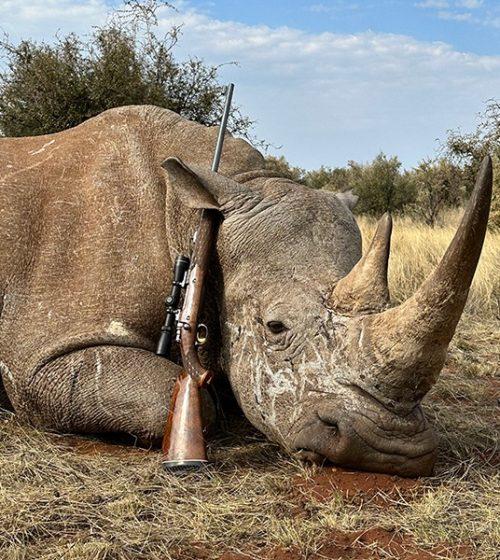
Hunt Cape Buffalo & Dart Rhino Northern Cape SA
Booking Season: 2026
Hunt Difficulty: Difficult
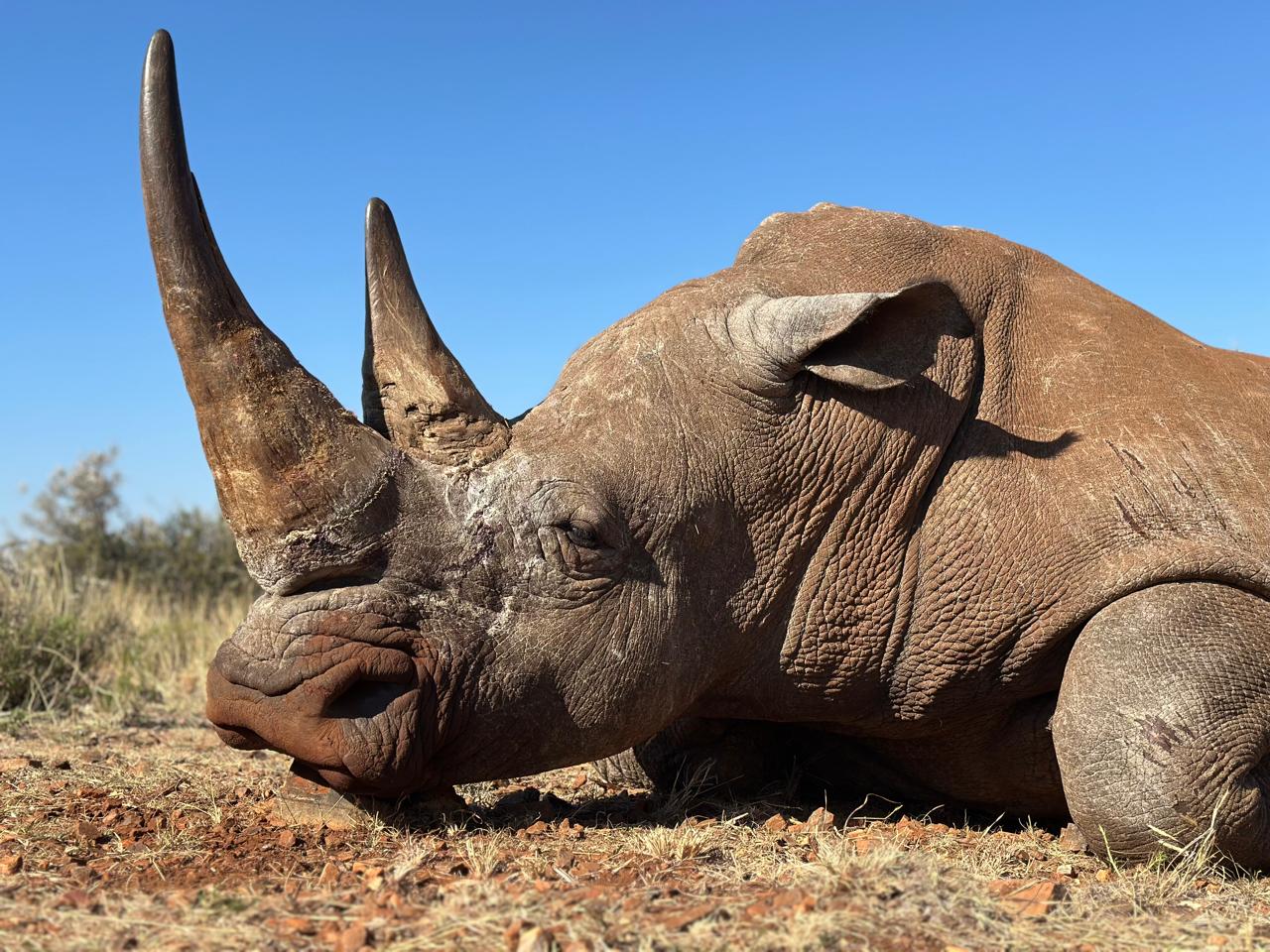
Three Icons of Africa: Rhino, Buffalo & Roan
Booking Season: 2026
Hunt Difficulty: Difficult
Trophy Cape Buffalo Hunt in South Africa 40” to 43”
Booking Season: 2026
Hunt Difficulty: Difficult
9-Day Cape Buffalo Hunting Safari in South Africa
Booking Season: 2026
Hunt Difficulty: Difficult
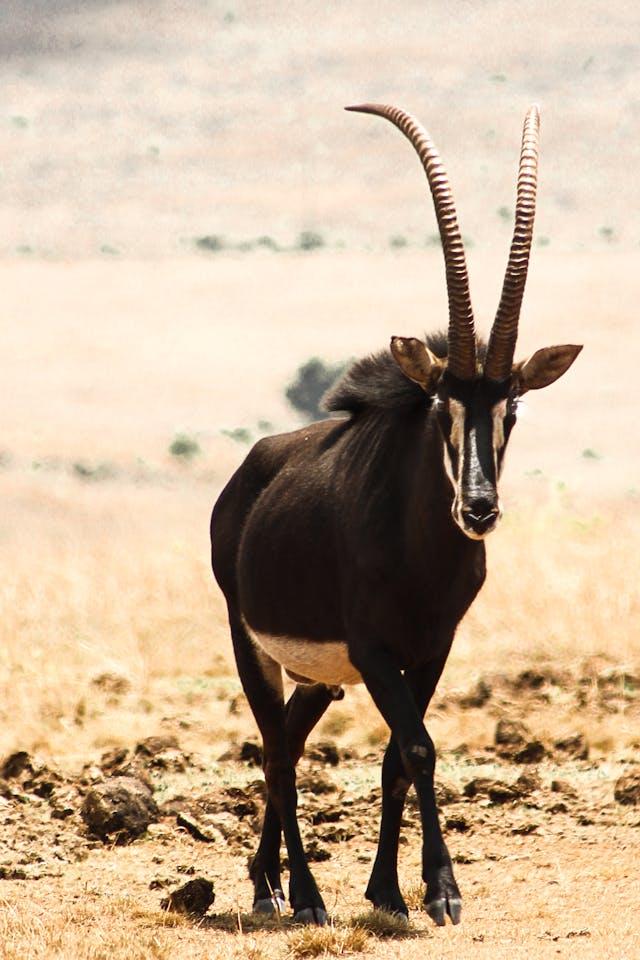
Cape Buffalo & Sable Hunting Safari in South Africa
Booking Season: 2026
Hunt Difficulty: Difficult
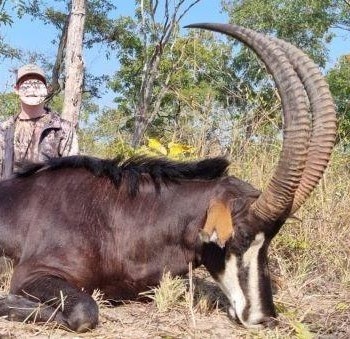
Rhino, Cape Buffalo & Sable Hunting Safari | South Africa
Booking Season: 2026
Hunt Difficulty: Difficult
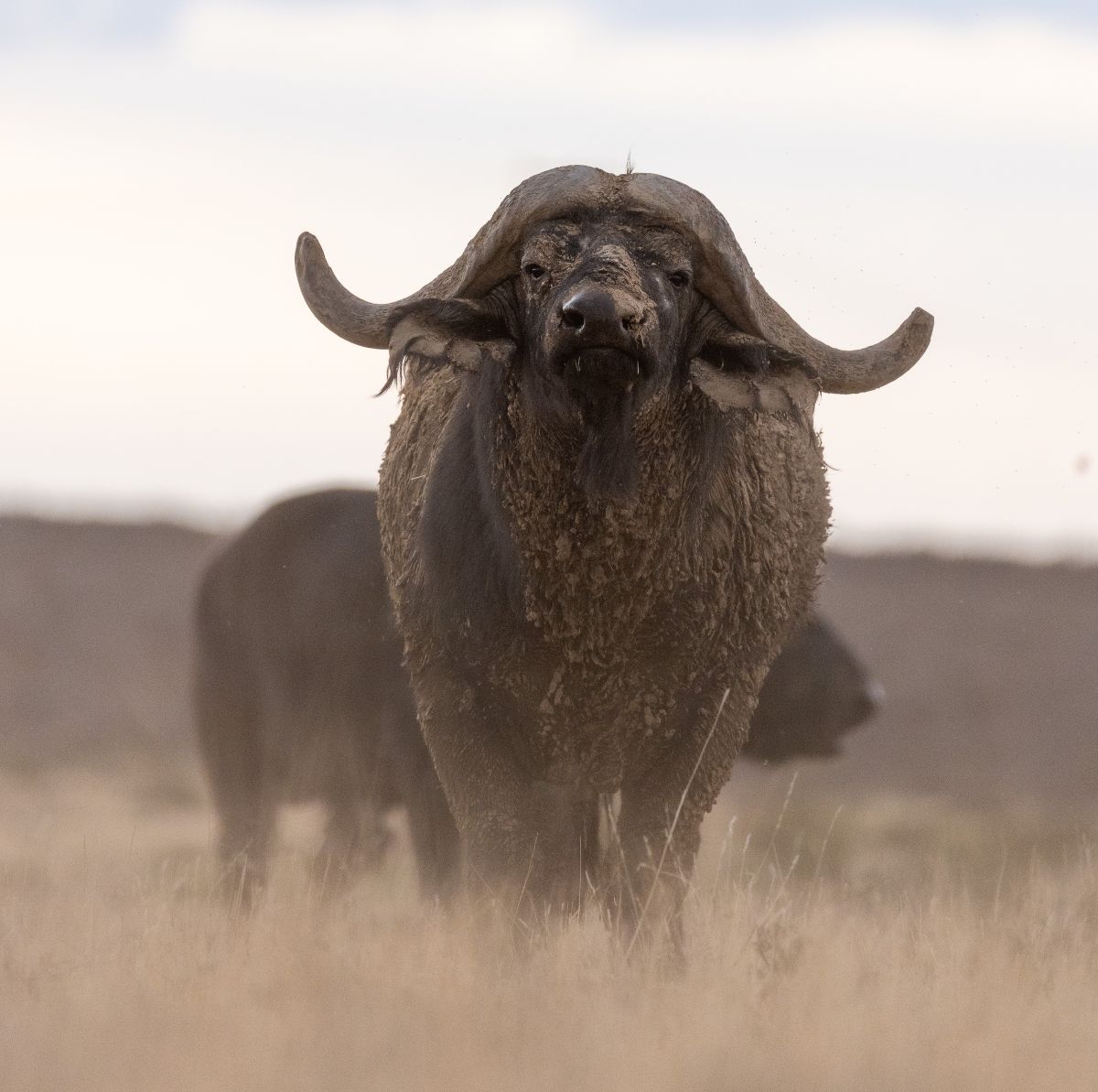
Cape Buffalo Hunting in South Africa's Eastern Cape
Booking Season: 2026
Hunt Difficulty: Difficult
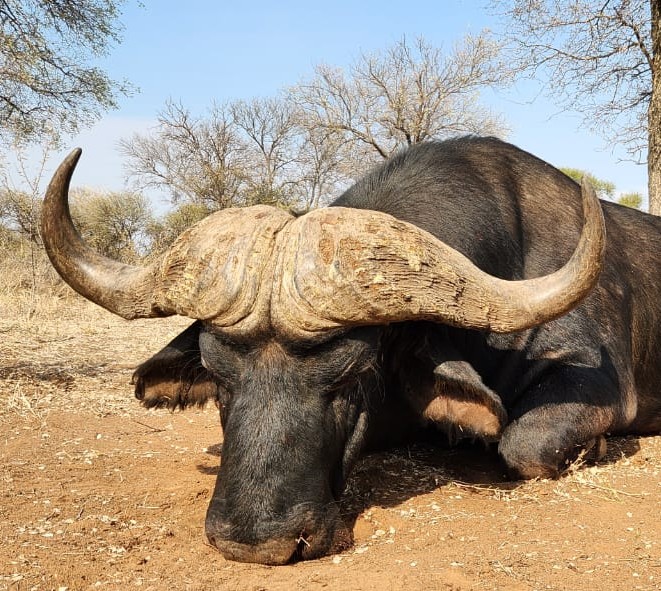
Cape Buffalo, Crocodile & Sable Safari in Limpopo
Booking Season: 2026
Hunt Difficulty: Difficult
Free-Range Cape Buffalo Safari on South African Government Reserves
Booking Season: 2026
Hunt Difficulty: Difficult
Buffalo hunting in South Africa operates within a more controlled system than most other African destinations, and that system directly affects how the hunt unfolds.
One of the biggest misconceptions about hunting in South Africa is the idea of “free-range” hunting. Nearly all buffalo hunting in South Africa takes place on fenced land.
That includes everything from smaller private ranches to very large conservancies covering tens of thousands of acres. Even in well-known wildlife regions, fencing is part of how land, wildlife, and hunting rights are managed.
This system is tied directly to South Africa’s model of private wildlife ownership, where animals are legally owned and managed by landowners.
Buffalo are not moving freely across vast, unfenced ecosystems the way they do in countries like Tanzania or Zambia. They are moving within defined boundaries. Now, this is where nuance matters. Not all fenced properties are the same.
Some are relatively small and tightly managed. Others are large enough that buffalo behave naturally, form herds, and require real tracking effort to locate and approach. On larger properties, you may still spend hours on spoor, working the wind and terrain just as you would in other parts of Africa.
But the key difference is this: The animals are contained within a known area.
They are not disappearing into neighboring concessions or moving across hundreds of square miles of open wilderness. That changes how hunts are planned, how quickly opportunities develop, and how much uncertainty is involved.
South African buffalo hunting ranches vary in size. Some are relatively small and tightly managed, while others are large conservancies covering tens of thousands of acres where buffalo behave naturally and require genuine tracking effort to locate and approach.
This is why asking about property size matters far more than simply asking whether a hunt is “fenced” or “free-range.”
On larger properties, buffalo may travel significant distances between water, feeding, and bedding areas, creating hunts that still involve tracking, changing wind conditions, and long periods on foot. On smaller properties, movement is naturally more limited, which can create a more controlled hunting experience.
The key is understanding how the property is managed, how many buffalo are present, and how the hunt is actually conducted, not simply whether fencing exists.
This structure didn’t happen by accident.
South Africa’s hunting industry is built around private land ownership, where wildlife is treated as a renewable resource managed by landowners. Fencing allows operators to control breeding, protect game from poaching, and maintain consistent populations.
From a business and conservation standpoint, it works. It has allowed South Africa to build one of the most stable and accessible hunting markets in Africa, with strong game numbers and reliable safari logistics.
But from a hunting perspective, it creates a different kind of experience.
Because buffalo are managed within defined properties:
• Movement is more predictable
• Time to locate animals is often shorter
• Hunts can be structured around a clear timeframe
• The likelihood of getting an opportunity is higher
The hunt is still conducted on foot. Tracking is still required. And when you are inside 50 yards of a buffalo, none of that structure matters. It is still dangerous. But the system behind the hunt introduces a level of control that simply does not exist in more open, unfenced countries.
That difference is what most hunters misunderstand when researching buffalo hunting in South Africa.
And when a mature bull suddenly stops, turns, or melts into thick cover at close range, a lot of the debates around fencing and hunting systems disappear pretty quickly.
At that point, your attention shifts to the wind, the bush in front of you, and whether that buffalo is about to break, circle, or come back through the cover. Your .416 or .500 Nitro doesn’t care whether the property is fenced or unfenced.
And if that buffalo decides to charge, he isn’t thinking about fences either, he’s thinking about hooking, stomping, and gouging you into the dirt.
That’s the part many hunters don’t fully understand before arriving in camp. Whatever system the hunt operates under, a Cape buffalo at close range still demands complete attention, calm shooting, and respect.
Because of that structure, buffalo hunting in South Africa tends to produce higher success rates.
Outfitters often know where buffalo are holding, how they are moving within a property, and how to position hunters for an opportunity within a defined timeframe. Hunts are typically shorter, often 7 to 10 days, which makes South Africa one of the more practical options for hunters traveling from the United States or Canada.
This doesn’t mean the hunt is guaranteed. Buffalo are still dangerous. Conditions can still change. Shots still need to be placed correctly. But compared to more open, less controlled systems, the margin for “never getting a chance” is significantly reduced. That reliability is a major factor when choosing South Africa for a buffalo hunt, particularly when time in Africa is limited.
For hunters traveling from the United States or Canada, South Africa is often the easiest entry point into African dangerous game hunting, but there are still a few realities worth understanding before you book.
First, travel is relatively straightforward compared to other African destinations. Hunters generally fly into Johannesburg, clear firearms through SAPS, and either connect via a short domestic flight or transfer by road to camp. Compared to countries like Tanzania or Zambia, the process is more predictable and easier to manage with the right outfitter.
Rifle importation is also well-established. Temporary import permits are standard, and most outfitters or meet-and-greet services handle the process on arrival. As long as your paperwork is in order, the system runs efficiently.
One of the reasons South Africa is so popular with American hunters is that a buffalo hunt can realistically be completed in 7 to 10 days, including travel. That’s not always possible in more remote countries, where longer safari durations are often required.
There’s also a financial side to consider. The strength of the U.S. dollar against the South African rand helps keep daily rates lower than many other destinations, making South Africa one of the more accessible options for a buffalo hunt.
South Africa is a modern country with established hunting infrastructure, and reputable outfitters operate in controlled environments where hunter safety is taken seriously. As with any international travel, awareness and preparation matter, but hunting areas themselves are generally well-managed and secure.
None of these factors define the hunt itself, but they do shape the overall experience. Together, they’re a big part of why South Africa is often the starting point for North American buffalo hunters.
South Africa is an excellent buffalo destination when accessibility, reliable logistics and a defined safari timeframe matter. Its established hunting infrastructure allows a buffalo hunt to be planned with fewer logistical uncertainties than hunts in remote parts of Tanzania, Zambia or Mozambique. This makes it particularly practical when a hunter cannot spend several weeks away from home or wants to combine buffalo with additional species during the same trip.
It can also be a sensible introduction to Dangerous Game Hunts. A first-time buffalo hunter benefits from experienced professional hunters, established tracking teams and hunting areas where buffalo populations are carefully managed. There is generally a strong likelihood of locating suitable animals, although no responsible outfitter should guarantee that a particular bull will be taken.
The important distinction is that most Cape buffalo hunting in South Africa takes place within fenced properties. Those properties vary enormously. A smaller, intensively managed ranch creates a very different hunt from an extensive conservancy where buffalo form herds, move naturally between feeding and watering areas and may require hours of tracking to locate. The presence of a perimeter fence therefore tells a hunter far less than the size of the property, how the buffalo are managed and how the hunt is conducted.
A structured hunting system does not make the final approach easy. Buffalo still need to be tracked, the wind can change without warning, thick vegetation can restrict visibility and the hunter must identify the correct bull before making a precise shot at close range. What South Africa reduces is some of the uncertainty leading up to the opportunity, not the pressure or danger when that opportunity finally develops.
South Africa may not be the right choice when the primary objective is an entirely unfenced wilderness safari. Hunters wanting buffalo that move across vast open ecosystems, where several days may pass without locating a suitable bull, may prefer Zimbabwe, Zambia, Tanzania or parts of Mozambique. Those destinations generally demand more time and involve greater logistical uncertainty, but that unpredictability is an important part of their appeal.
The right decision depends on what the hunter expects from the safari. South Africa suits those wanting a professionally managed buffalo hunt, straightforward travel, a realistic timeframe and the ability to understand exactly what is being offered before booking. When the property, hunting method and trophy expectations are clearly explained beforehand, the country can deliver a demanding and rewarding buffalo hunt without pretending to be something it is not.
One of the biggest mistakes hunters make is assuming that all buffalo hunts in Africa are roughly the same.
They’re not.
Each country operates under a different system, and South Africa sits in a very specific position within that spectrum.
Compared to Zimbabwe, South Africa is more controlled. Zimbabwe offers a balance between structure and free-range movement, with consistent encounters in large, unfenced areas. South Africa, by contrast, operates within defined properties, making outcomes more predictable and easier to plan around.
Compared to Tanzania, the difference is even more pronounced. Tanzania offers large, unfenced wilderness areas where hunts take time to develop and outcomes are far less certain. South Africa provides a shorter, more structured buffalo hunt with a higher probability of getting an opportunity.
Zambia pushes that even further. Hunts there are slower, less predictable, and heavily dependent on tracking, pressure, and daily conditions. South Africa sits on the opposite end, more efficient, more controlled, and less dependent on variables outside the operator’s influence.
Mozambique falls somewhere in between, depending on the area. Some concessions offer strong buffalo numbers, while others are more remote and unpredictable. South Africa is far more consistent across the board, but with less variation in how the hunt unfolds.
Namibia, while also structured, is shaped heavily by environment, particularly water systems and seasonal movement. South Africa is less dependent on those natural patterns and more influenced by how individual properties are managed.
None of these systems are better or worse. But they are not interchangeable. And choosing the right one depends entirely on what kind of buffalo hunt you’re actually looking for. Hunters comparing several destinations often benefit from understanding the broader differences between Big Five Hunting opportunities across Africa before making a decision.
One of the advantages of hunting in South Africa, especially compared to other African destinations, is the ability to combine a buffalo hunt with a wide range of plains game species. Buffalo are often not hunted in isolation. You may be tracking buffalo in the morning and have opportunities at species like kudu, impala, warthog, or wildebeest as the day unfolds. On larger properties, the variety can be extensive, often including both common plains game and more specialized species.
South Africa is also known for offering a range of color variants and selectively bred animals, which are far less common, or simply not available, in more traditional, free-range systems.
That creates options. Buffalo may be the primary objective, with a few additional animals taken opportunistically, or the hunt can be structured from the outset as a combination safari.
This is where South Africa stands out. Travel is already done. Licenses and logistics are in place. And adding plains game to your hunt is often far more efficient than planning a separate trip. It also changes how the overall safari feels.
Instead of a single-species focus, the hunt becomes more dynamic, balancing the intensity of buffalo hunting with additional opportunities throughout the day.
If you’re considering a multi-species safari, explore available Plains Game Hunts that can be combined with a South African buffalo safari.
Cape buffalo hunting in South Africa sits in the middle of the African dangerous game price range, but two apparently similar packages can represent very different hunts. The total cost depends on the number of hunting days, property size, accommodation, trophy expectations and exactly what the quoted package includes.
Indicative package prices commonly fall into the following ranges:
US$10,000–US$18,000: Standard buffalo packages, often including a defined number of hunting days and one mature bull.
US$18,000–US$30,000 or more: Larger properties, premium lodges, highly experienced operators or bulls sold within an upper trophy-size category.
The trophy fee is often the largest variable. Some packages include any mature hard-bossed bull, while others apply different prices according to horn spread or trophy category. The price can increase sharply once a buffalo exceeds a specified measurement, particularly when hunters are looking for bulls measuring 42 inches or more.
This difference should be understood before booking. A hunter interested in an old, mature dagga boy may be evaluating the buffalo according to age, boss development and character. Someone pursuing a particular horn measurement is entering a different market in which selective breeding, genetics and long-term game management may influence the price.
Property size and hunting style also affect value. Lower-priced packages may take place on smaller or more intensively managed properties, while higher prices can reflect larger conservancies, lower hunting pressure and more time spent tracking naturally behaving buffalo. A higher price does not guarantee a better hunt, but the conditions behind the quotation should be explained.
Hunters should request a complete written quotation confirming:
The number of hunting days
The size and nature of the hunting property
The age or trophy category included
Additional charges for larger bulls
Accommodation and meals
Road or airport transfers
Hunting licences and permit fees
Rifle rental and ammunition
Observer rates
Dip and pack, taxidermy and trophy shipping
Understanding the complete safari cost is more useful than comparing trophy fees in isolation. Our guide to African Hunting Safari Prices explains the principal expenses international hunters should consider when comparing buffalo packages.
Choosing a buffalo hunt in South Africa comes down to asking the right questions before you book. Hunts may look similar, same species, similar pricing ranges, similar timelines. But the details behind the hunt are what determine whether the experience matches your expectations.
The first thing to understand is the size and type of property you’ll be hunting. Most Cape buffalo hunting in South Africa takes place within fenced properties, but the scale and nature of those areas vary significantly. Some properties are relatively small and tightly managed. Others are large enough that buffalo behave naturally, form herds, and require real tracking effort to locate and approach.
Ask directly:
• How large is the property (in acres or hectares)?
• How many buffalo are on the property?
• How often are animals introduced or moved?
These answers will tell you more about the hunt than any marketing description.
Not all buffalo in South Africa are the same. Some hunts focus on mature, naturally aged bulls. Others are more focused on horn size and genetics, where animals have been selectively bred over time.
Neither approach is wrong, but they are different hunts. Be clear on what matters to you:
• Are you looking for a hard, old dagga boy?
• Or are you focused on achieving a specific horn measurement?
That decision will influence both price and experience.
Even within a controlled system, how the hunt is conducted can vary. Some outfitters emphasize:
• traditional tracking on foot
• longer days working spoor
• a slower, more deliberate approach
Others may structure the hunt more tightly around known animal locations to ensure opportunities within a shorter timeframe. Ask:
• How is a typical day structured?
• How are buffalo located, tracking vs known movement areas?
• How long do hunts typically take to produce an opportunity?
This helps you understand whether the hunt aligns with what you’re expecting.
Price alone is one of the worst ways to choose a buffalo hunt in South Africa.
On the surface, many hunts can look similar, same species, similar timelines, and pricing that appears competitive. But what sits behind that number is what determines the actual experience. Lower-cost buffalo hunts can sometimes reflect:
• smaller properties where movement is more limited
• higher hunting pressure, with multiple hunts taking place on the same ground
• more tightly controlled setups, where buffalo are easier to locate but the hunt feels less dynamic
• younger or less selective animals being taken
Higher prices don’t automatically guarantee a better hunt, but they often reflect:
• larger properties where buffalo behave more naturally
• lower hunting pressure and more selective harvest practices
• stronger long-term management, including how animals are bred, introduced, and hunted
• more experienced professional hunters and tracking teams
In South Africa, especially, price is often tied directly to how the property is run and what kind of buffalo you’re hunting. That includes factors like:
• property size
• buffalo density
• breeding programs
• and trophy expectations (particularly once horn size becomes a factor)
The key is understanding what sits behind the number. Because two buffalo hunts in South Africa can look similar on paper, but feel completely different in the field.
In South Africa, the outfitter plays a major role in how the hunt unfolds.
Two operators can offer buffalo hunts at similar prices, and deliver completely different experiences. What matters:
• The experience of the professional hunter
• The quality of the tracking team
• How the property is managed over time
• How selective the hunting approach is
Ask for specifics. Not just photos, but how hunts are actually conducted.
This is where most buffalo hunts in South Africa go wrong, before the hunt even begins.
Hunters often arrive with the wrong frame of reference. Some expect a fully wild, unfenced system where buffalo move across vast, open areas and every opportunity has to come together over time. Others go the opposite direction and assume the hunt will be simple, controlled, and almost guaranteed.
It’s neither. South Africa sits in the middle. The hunt is structured, but it still requires execution. You are working within a defined property, often with a good understanding of where buffalo are holding. That reduces uncertainty and increases the likelihood of getting an opportunity. But once you’re on foot, that structure disappears quickly.
You still need to:
• read the wind correctly
• move into position without being detected
• identify the right bull under pressure
• understand Cape Buffalo Shot Placement
That part is no different from anywhere else in Africa.
Where the disconnect happens is in how hunters interpret “higher success rates.”
Higher probability does not mean easier hunting. It means fewer unknowns leading up to the opportunity, not less pressure when it matters. If you come in expecting a completely wild, unpredictable buffalo hunt, South Africa may feel more controlled than you anticipated.
If you come in expecting something easy, you’ll quickly realize that a buffalo at 40 yards doesn’t care how the hunt was set up. When expectations are aligned, South Africa delivers exactly what it should: A well-run, efficient hunt with a real opportunity to take a mature buffalo. When they’re not, the experience can feel off, even if everything else is done right.
Buffalo hunting in South Africa is not a lesser version of a traditional African buffalo safari. It operates within a different system—one built around accessibility, private wildlife management, reliable infrastructure and the ability to create a realistic opportunity within a defined timeframe.
The quality of the hunt depends heavily on the property and outfitter. An extensive conservancy with naturally behaving buffalo, responsible management and an experienced tracking team can provide a demanding hunt conducted almost entirely on foot. A smaller or more intensively managed property may create a shorter and more predictable safari. Both can be sold as South African buffalo hunts, which is why understanding the details before booking is so important.
South Africa works particularly well when a hunter wants straightforward travel, a professionally managed safari and the option to combine buffalo with plains game. It may be less suitable when the main objective is an entirely unfenced wilderness hunt where buffalo move across vast open ecosystems and the outcome remains uncertain until the final day.
Neither approach is inherently better. The right buffalo hunt is the one that matches the hunter’s expectations, available time and preferred hunting style. Hunters ready to compare properties, packages and additional species can explore our current African Hunting Trips before selecting the safari that best fits their objectives.
The cost of a Cape buffalo hunt in South Africa depends on the hunting area, number of hunting days, accommodation, trophy fee and the type of bull being hunted. Trophy fees can vary considerably according to the age, quality and horn characteristics of the buffalo. Hunters should compare the total safari cost rather than the trophy fee alone, including daily rates, transfers and any additional species they intend to hunt.
Seven hunting days can be sufficient for a dedicated Cape buffalo hunt in South Africa, particularly in well-managed areas with healthy buffalo populations. Additional days provide more time to look over bulls, deal with difficult weather or tracking conditions and add plains game. The right safari length should ultimately depend on the hunting area and the hunter's objectives rather than simply choosing the shortest available package.
Cape buffalo hunting in South Africa generally takes place on fenced properties, but the scale and nature of those properties vary enormously. Some are relatively small and intensively managed, while large conservancies can cover tens of thousands of acres and require genuine tracking effort to locate and approach buffalo. Hunters should ask about property size, buffalo management and exactly how the hunt will be conducted rather than relying on the terms “fenced” or “free-range” alone.
Cape buffalo can be hunted during much of South Africa's hunting season, but conditions change as the year progresses. The cooler, drier winter months generally provide comfortable hunting conditions and reduced vegetation, while later dry-season conditions can concentrate buffalo around dependable water. The best timing can also vary according to the province, hunting area and other species being included in the safari.
Yes. South Africa can be particularly well suited to a first buffalo hunt because of its established hunting infrastructure, relatively straightforward travel logistics and wide choice of hunting areas. The hunt can still involve long tracking days, close encounters and demanding shot opportunities, but the overall safari is generally easier to plan than a buffalo hunt in some of Africa's more remote wilderness destinations.
Yes. Combining buffalo with plains game is one of the advantages of hunting in South Africa. Depending on the area, species such as kudu, wildebeest, impala, zebra and warthog may be available during the same safari. Buffalo can remain the primary objective while additional species are hunted when conditions and time allow.
Ask about the size of the hunting area, whether the buffalo are free-range or managed behind perimeter fencing, how the population is managed, what type of bull the quoted trophy fee covers and whether additional charges apply to larger bulls. It is also worth understanding how many hunting days are included, which costs are excluded and what normally happens if a suitable buffalo is not taken.
No buffalo hunt should be viewed as guaranteed simply because the hunting area has a strong population or historically high success rates. Weather, buffalo movement, hunting pressure, the quality of bulls encountered and the hunter's own decisions can all influence the outcome. A well-managed area can improve the opportunity to find suitable buffalo, but the hunter still has to track, approach, judge and make the shot.
Search from our range of Hunts across various popular destinations in Africa.

Book Your Hunt