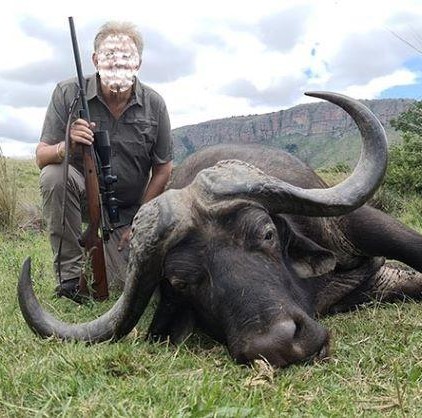
8-Night Waterberg Cape Buffalo Hunting Safari
Booking Season: 2026
Hunt Difficulty: Difficult

Check out the top-rated and featured Hunting Safaris in Africa.
Featured African Hunts
8-Night Waterberg Cape Buffalo Hunting Safari
Booking Season: 2026
Hunt Difficulty: Difficult
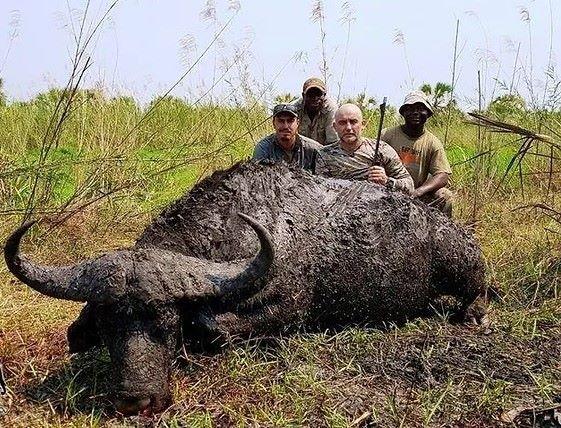
10-Day Cape Buffalo Hunt in Niassa, Mozambique + Plains Game
Booking Season: 2026
Hunt Difficulty: Difficult
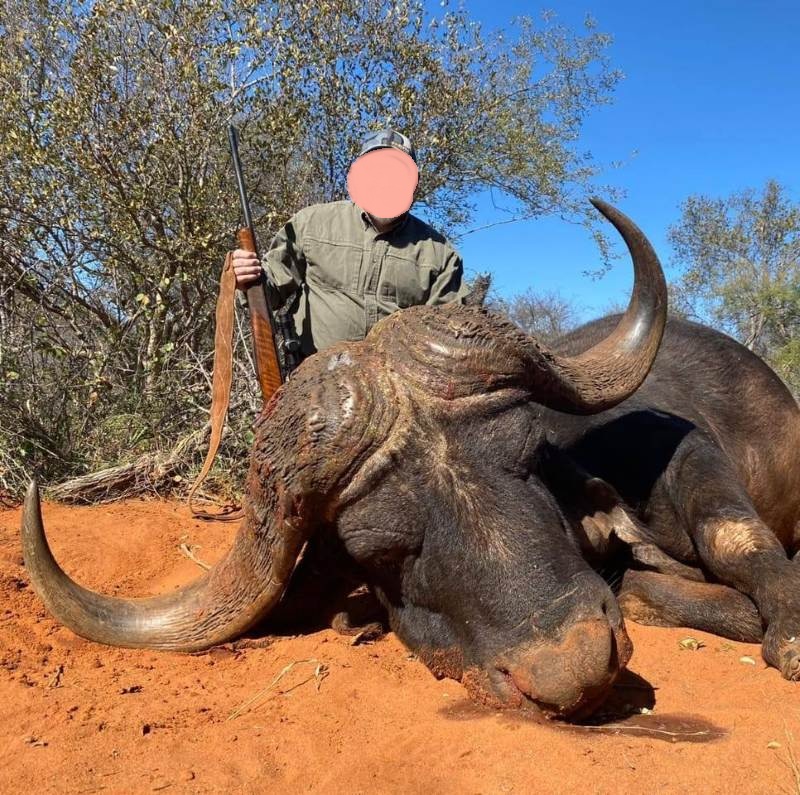
12-Day Cape Buffalo Hunting Safari in Mozambique
Booking Season: 2026
Hunt Difficulty: Difficult

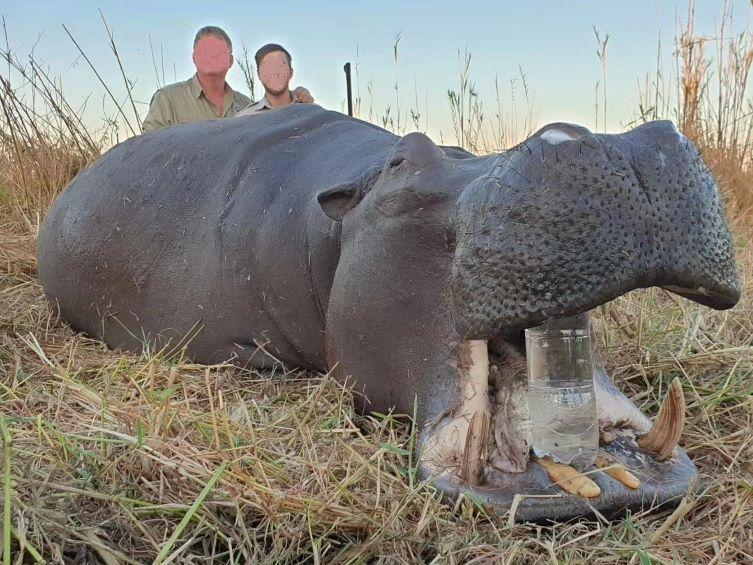
5-Day Exportable Hippo Hunt in Namibia’s Caprivi
Booking Season: 2026
Hunt Difficulty: Difficult
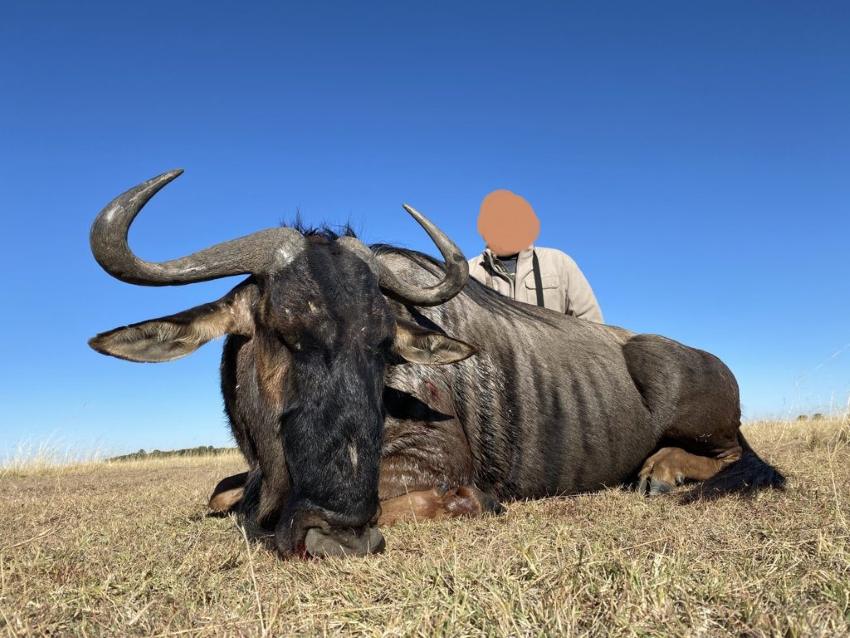
10-Day African Plains Game Safari in North West Province, SA
Booking Season: 2026
Hunt Difficulty: Moderate
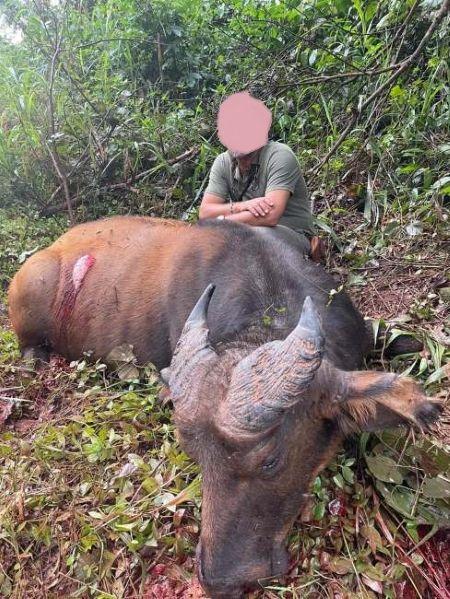
10-Day Dwarf Forest Buffalo Hunting Safari in the Republic of Congo
Booking Season: 2026
Hunt Difficulty: Difficult
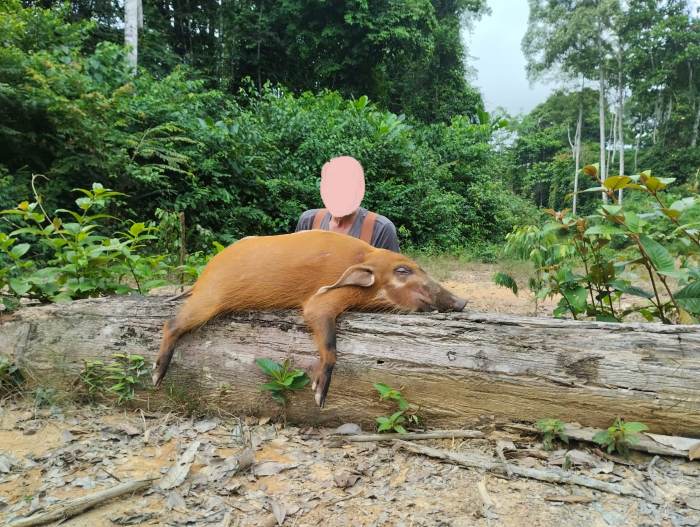
13-Day Dwarf Buffalo, Sitatunga & Forest Game Safari in Gabon
Booking Season: 2026
Hunt Difficulty: Difficult
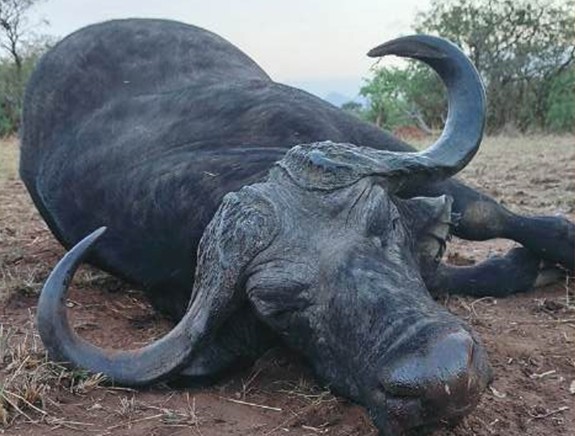
Two Nile Buffalo & Plains Game Safari in Karamoja, Uganda
Booking Season: 2026
Hunt Difficulty: Difficult
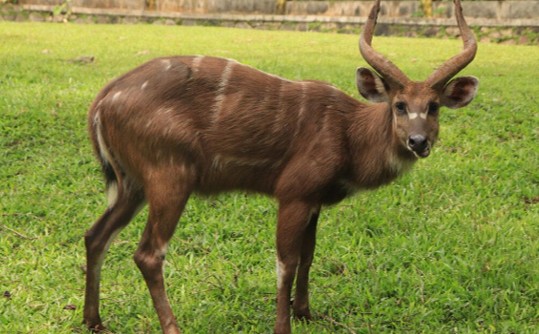
East African Sitatunga & Plains Game Hunting in Uganda
Booking Season: 2026
Hunt Difficulty: Moderate
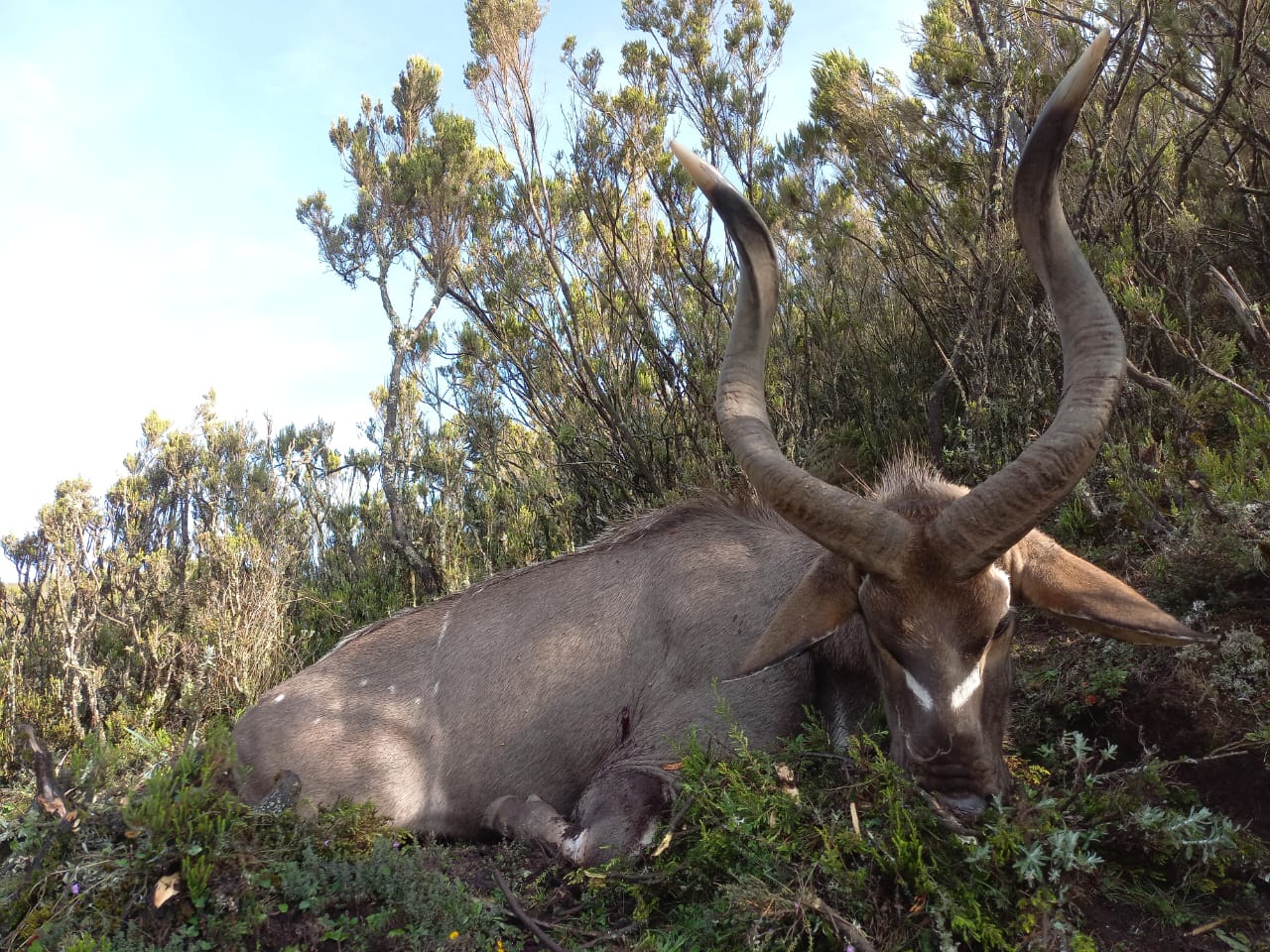
15 Day Mountain Nyala Hunting Safari in Ethiopia
Booking Season: 2026
Hunt Difficulty: Difficult
One of the first questions almost every hunter asks when planning an African safari is, "How much will it cost?" Unfortunately, there is no simple answer. Unlike booking a conventional holiday, safari prices are made up of several components, including daily rates, trophy fees, government licence fees, conservation levies, wildlife management charges and travel costs, all of which vary between countries, hunting areas and species.
This often creates confusion, particularly for first-time American hunters comparing safari prices online. Two buffalo hunts may appear similar at first glance, yet one costs twice as much as the other. The difference is not always the trophy itself. It may be the size of the hunting concession, the number of days included, government fees, charter flights, quota costs or the level of exclusivity offered by the outfitter.
The purpose of this guide is not simply to show prices. It is to help you understand how African hunting safari prices are structured, what is normally included, which additional costs you should budget for and, most importantly, how to compare hunting opportunities based on value rather than price alone.
If you are planning your first African Hunting Safari understanding how safari pricing works is one of the most important steps you can take. The more you understand about daily rates, trophy fees and the factors that influence safari prices, the easier it becomes to compare quotations, avoid unexpected costs and choose the hunt that best matches your expectations and budget.
Hunters expect the cost of a safari to be shown as a single advertised price. Safari pricing is built from several components that together determine the final cost of the hunt. Understanding how these costs work makes it far easier to compare quotations, ask the right questions and avoid expensive surprises later in the booking process.
A safari quotation is normally made up of three core elements: daily rates, trophy fees and additional safari costs. Exactly how these are presented depends on the outfitter and the destination. Some quotations include almost everything within a package price, while others list items such as charter flights, government licence fees, firearm permits, conservation levies and other mandatory wildlife management charged separately.
This pricing structure has been the industry standard across Africa for decades. Once you understand how each component contributes to the overall cost, comparing safari quotations becomes far more straightforward. Rather than focusing only on the advertised price, you can begin comparing what is included and decide which safari offers the best overall value.
Before looking at typical hunting safari prices, it helps to understand each of these three pricing components in a little more detail.
The term "daily rate" has been part of African hunting for more than a century, dating back to the early days of professional hunting safaris. Long before permanent camps, four-wheel drives and charter aircraft became common, hunters travelled deep into Africa on foot or horseback, supported by large safari caravans that carried everything needed to survive for weeks or even months in the wilderness.
Those early expeditions were remarkable logistical operations. Depending on the destination, a safari could involve professional hunters, trackers, skinners, cooks, camp staff, gun bearers, drivers and teams of porters responsible for transporting food, tents, equipment, ammunition and supplies through some of Africa's most remote regions. Every extra day in the field meant additional wages, more food, more fuel, greater wear on equipment and higher operating costs.
As the hunting industry evolved, camps became more permanent and vehicles replaced many of the traditional safari caravans. While the logistics changed, the pricing model remained largely the same. Rather than charging a single fixed amount for an entire hunt, outfitters continued calculating the operational cost of running a safari daily.
That is why the term daily rate is still used throughout Africa today. It reflects the cost of operating your safari each day, regardless of whether a trophy is taken. It keeps experienced professional hunters, trackers, camp staff, hunting vehicles and remote camps operating long before the first shot is fired and long after the hunter has returned home.
Understanding the history behind daily rates also explains why they vary between destinations. Operating a comfortable safari camp a few hours from a major city is very different from running a remote wilderness camp in Tanzania or maintaining a rainforest camp deep in the Congo Basin, where almost every litre of fuel, every bag of supplies and every piece of equipment must travel hundreds of miles before the hunt can even begin.
One of the biggest misconceptions about African hunting safari prices is that outfitters simply charge whatever they think the market will pay. The biggest factor influencing the cost of a safari is often not the trophy itself, but the expense of operating a hunting camp in that part of Africa.
The further you travel from major towns, reliable roads and modern infrastructure, the more complicated every aspect of the safari becomes. Fuel, food, vehicle parts, generators, building materials and even drinking water all must reach camp somehow. In many hunting areas, simply keeping a safari camp operational throughout the hunting season is a remarkable logistical achievement.
That is why two buffalo hunts can differ dramatically in price, even though both are pursuing the same species.
In certain countries, trophy fees are only one part of the overall regulatory system. Government licence fees, conservation levies and concession fees all contribute towards the management of wildlife and the administration of legal hunting. While these charges vary from one country to another, they are an important reason why two seemingly similar safaris can have very different overall prices.
Southern Africa generally offers the most established hunting infrastructure on the continent. Countries such as South Africa, Namibia and many parts of Zimbabwe benefit from excellent road networks, nearby suppliers and well-developed hunting industries. If a vehicle requires repairs, fuel runs low or camp supplies need replacing, those services are often within a few hours' drive. Lower operating costs help explain why many safaris in this region can offer outstanding value while still delivering exceptional hunting.
East Africa presents a completely different picture. Countries such as Tanzania are renowned for enormous hunting concessions where dangerous game safaris often take place hundreds of kilometres from the nearest town. Camps must be supplied well in advance; vehicles operate over vast distances and government concession costs are significantly higher than in many other parts of Africa. These factors naturally increase the cost of running a safari long before the hunter arrives.
The rainforests of Cameroon, the Republic of Congo and Gabon are unlike anywhere else on the continent. Thick jungle, seasonal rainfall and limited infrastructure make operating these camps exceptionally challenging. Supplies may spend days travelling by road, river or aircraft before reaching camp, while generators, refrigeration, communications equipment and vehicles all require constant maintenance in one of the harshest operating environments in Africa. Rainforest safaris are not expensive because outfitters choose to charge more, they are expensive because everything required to support the hunt costs substantially more.
Mountain hunting brings its own logistical challenges. In countries such as Ethiopia, specialised vehicles, steep terrain and remote highland camps all influence operating costs. Hunts for unique mountain species often involve areas that are far less accessible than traditional plains game destinations, requiring additional planning and support throughout the safari.
Some of Africa's finest hunting still takes place in vast wilderness areas where the nearest fuel station, workshop or supermarket may be many hours away. Parts of Mozambique, Zambia and northern Zimbabwe fall into this category. Everything required to keep camp operating, from diesel and tyres to fresh food and spare parts, must be transported into areas where modern infrastructure is limited. Those logistical realities are reflected in safari prices, but they also help preserve the wild, untamed hunting experience that attracts hunters from around the world.
Ultimately, the buffalo, lion or leopard may be the reason you book the safari, but the biggest influence on price often begins long before the hunt itself. It starts with the challenge of operating a professional hunting camp in the part of Africa where those animals still live naturally.
When hunters first receive a safari quotation, many assume the daily rate simply pays for accommodation and meals. It funds the operation of an entire hunting safari, much of which happens quietly behind the scenes long before the first hunter arrives in camp.
A successful safari begins well before sunrise. Trackers are already preparing hunting vehicles, camp staff are making breakfast, generators have been running through the night and experienced professional hunters are planning the day's hunt. By the time you finish your first cup of coffee, dozens of people have already contributed to making that day's hunt possible.
Your daily rate helps support far more than the visible parts of the safari. It contributes towards professional hunters, experienced trackers, skinners, camp staff, mechanics, drivers and maintenance teams who keep the operation running safely throughout the season. It also helps cover hunting vehicles, fuel, roads, accommodation, meals, daily laundry, field preparation of trophies, camp maintenance, communications equipment, generators and the countless operating expenses required to run a professional hunting camp.
Many of these costs continue whether hunters are in camp or not. This is one of the reasons experienced hunters rarely judge a safari by its daily rate alone. Understanding everything that daily rate supports provides a far more accurate picture of the overall value being offered.
Roads still need repairing after heavy rain, vehicles require servicing, generators need fuel, staff remain employed and hunting concessions must be maintained throughout the year. A safari camp is a year-round operation, not simply something that opens when hunters arrive.
This is one of the reasons experienced hunters look beyond the advertised daily rate when comparing quotations. A lower price may seem attractive at first, but once accommodation, airport transfers, firearm permits, charter flights or camp services are added separately, the final cost can look very different. Comparing what is included will almost always give you a better understanding of the true value of the safari.
One question hunters often ask is why the trophy fee for the same species can vary so much from one country to another, or even between outfitters operating in the same country.
The answer depends largely on who owns or manages the wildlife.
In countries such as South Africa and parts of Namibia, much of the huntable wildlife is found on privately owned land. Landowners invest heavily in purchasing wildlife, managing habitat, maintaining fences where applicable, providing water during droughts, controlling predators where necessary and protecting game from poaching. The trophy fee therefore reflects not only the value of the individual animal, but also the ongoing cost of managing the property and maintaining healthy wildlife populations. Trophy quality, genetics, demand and the reputation of the hunting area may also influence the price.
In many free-range hunting areas across Tanzania, Zimbabwe, Mozambique, Zambia, Cameroon and the Republic of Congo, the system is different. Wildlife remains a public resource managed under government quota systems, with outfitters leasing large hunting concessions from the state. Trophy fees are often determined or heavily influenced by government regulations, while concession fees, licence costs, community levies and conservation obligations all form part of the financial model required to operate these vast wilderness areas.
Although the pricing structures differ, both systems have the same underlying objective: ensuring wildlife has measurable economic value. Whether that value supports private land conservation or government-managed wilderness areas, trophy fees help fund the protection of habitat and create an incentive to conserve wildlife for future generations.
Naturally, individual outfitters may adjust trophy fees based on factors such as trophy quality, demand, operating costs and the reputation of their hunting area. As with any tourism business, pricing reflects both the cost of providing the safari and the quality of the hunting opportunity being offered.
One of the biggest mistakes first-time hunters make is comparing safari prices without comparing what is included. Two quotations may appear almost identical at first glance, yet the final cost of each hunt can differ by thousands of dollars once additional charges are considered.
A lower daily rate does not automatically mean a better deal, just as a higher price does not necessarily mean better hunting. The real value of any safari lies in understanding exactly what you receive for the money being spent.
Some outfitters include airport transfers, accommodation before the hunt, charter flights, firearm permits or government levies within their quotation. Others list these as separate costs. Trophy fees may be included in one package but excluded in another. Even small items such as observer rates, laundry, rifle hire or field preparation of trophies can significantly influence the final invoice.
The quality of the hunting itself should also form part of the comparison. The size of the hunting concession, whether the hunt is free-range or privately managed, the experience of the professional hunter, the quality of accommodation, the number of hunting days and the level of exclusivity all contribute to the overall value of the safari.
Always compare quotations line by line rather than simply comparing the final figure. Ask whether government licence fees, conservation levies, firearm permit fees, charter flights, observer rates, trophy fees and airport transfers are included or charged separately. Two quotations may appear similar until those additional costs are taken into account.
Experienced hunters rarely ask which safari is the cheapest. They ask a far better question.
"What am I getting for my money?"
Once you begin comparing quotations in that way, it becomes much easier to identify genuine value and avoid deciding based solely on the advertised price.
Once hunters understand how prices are structured, the next question is usually how those costs are actually paid. Unlike booking a hotel or holiday online, an African hunting safari is normally paid in stages, with different payments becoming due before, during and sometimes after the hunt.
For first-time hunters, this often feels unfamiliar. Deposits, balance payments, trophy fees, government licences and additional costs may all appear on the quotation, leaving many hunters wondering when each payment is due and why the process is structured that way.
The booking begins with a deposit that secures your hunting dates and reserves the necessary hunting quota. As the safari approaches, the balance of the daily rates and any government fees are normally paid before arrival, allowing the outfitter to prepare vehicles, staff, accommodation, licences and camp logistics well in advance of the hunt.
Trophy fees are often treated differently. Depending on the country, outfitter and the type of safari booked, they may be included within a package price, prepaid before arrival or settled after the hunt based on the animals harvested. This flexible approach allows hunters to make decisions in the field without paying in advance for animals they may never choose to hunt.
Understanding how safari payments work is just as important as understanding safari prices. Knowing when payments are due, what they cover and how they are managed helps remove uncertainty and allows hunters to book their safari with far greater confidence.
If this is your first safari, we recommend reading our detailed guide to African Hunting Safari Payments, Escrow & Financial Protection, which explains deposits, trophy fees, escrow options, payment timelines and the practical steps experienced hunters take to protect themselves when booking an international hunting safari.
One of the biggest surprises for first-time hunters is discovering that the financial side of an African hunting trip does not end when the last animal is taken. In many ways, bringing your trophies home is simply the final stage of the journey.
Once the safari has finished, your trophies still need to be professionally prepared, inspected, packed and exported before they can leave Africa. Depending on the country, this may involve dip and pack services, veterinary inspections, export permits, shipping, customs clearance and, finally, taxidermy once the trophies arrive back home.
These costs vary enormously depending on the number of animals taken, the type of taxidermy you choose and where you live. A shoulder mount, a European mount or a full-body mount all require different levels of craftsmanship, while international shipping costs differ significantly between destinations.
Many experienced hunters joke that the safari is only the beginning. You return home, unpack your gear, enjoy a few beers with friends while telling stories about Africa and then, a few weeks later, the next invoice arrives. First the shipping company, then the taxidermist, followed by the exciting phone call telling you your trophies are finally ready to collect.
That is why experienced hunters budget for the entire journey rather than focusing only on the safari itself. When all these costs are considered from the beginning, there are very few surprises later, allowing you to enjoy both the hunt and the memories that eventually find their place on your wall.
One of the biggest mistakes first-time hunters make is budgeting only for the advertised safari price. While the quotation forms the largest part of your investment, it is rarely the final figure you should use when planning your trip.
Before comparing destinations or species, decide on a realistic overall budget. This should include not only your daily rates and trophy fees, but also international flights, hotels before and after the safari, travel insurance, gratuities, firearm permits where applicable, taxidermy or dip-and-pack services, shipping and a sensible contingency for unexpected expenses.
Once you know your overall budget, choosing the right destination becomes much easier. Rather than trying to fit an expensive safari into an unrealistic budget, you can begin comparing African Hunting Trips that genuinely match your expectations, hunting goals and financial objectives.
Remember, the most rewarding safari is not necessarily the most expensive one. Africa offers outstanding hunting opportunities across a wide range of budgets, from plains game safaris in Southern Africa to classic dangerous game hunts in some of the continent's most remote wilderness areas. The key is understanding what your budget allows and selecting the hunting trip that offers the greatest overall value.
There is no such thing as the "perfect" safari. The right hunting trip depends far more on your personal goals than on the amount you plan to spend. Two hunters with the same budget may book completely different safaris and both return home convinced they made the right decision.
Some hunters dream of standing over their very first Cape buffalo, while others are building a collection of spiral-horned antelope or pursuing species found only in the rainforests of Central Africa. Others simply want to spend ten days walking wild country with a good professional hunter, where the quality of the experience matters far more than the number of trophies taken.
Before comparing safari quotations, spend some time deciding what success looks like to you. Is this your first visit to Africa? Are you trying to hunt as many species as possible? Are you searching for one exceptional trophy? Or are you beginning a collection that may take several safaris to complete?
The clearer your objectives become, the easier it is to compare hunting trips that genuinely match your expectations rather than simply choosing the lowest price.
When hunters compare safari quotations, it's natural to focus on price. After all, an African hunting trip represents a significant investment, and everyone wants to feel they have received good value for their money.
Yet experienced hunters often look back and realise that the most expensive safari isn't necessarily the one with the highest daily rates.
It's the one that never matched their expectations.
A hunter who dreams of tracking an old Cape buffalo through wild country is unlikely to remember a cheaper hunt fondly if it turned out to be something completely different from what he imagined. Equally, a hunter hoping to enjoy a relaxed plains game safari with family may find little value in paying for an intensive dangerous game expedition that was never suited to his goals in the first place.
The cost of a safari is forgotten surprisingly quickly.
The memories remain for a lifetime.
That is why choosing the right hunting area, the right professional hunter and the right style of safari is often far more important than saving a few thousand dollars on the original quotation. A safari that matches your expectations will almost always provide better value than a cheaper hunt that never really suited you.
Before comparing prices, spend time deciding what you want from Africa. Once you know that answer, finding the right safari becomes much easier than simply chasing the lowest quotation.
Planning your first African hunting trip is exciting, but it is also easy to focus on the wrong things. After speaking to hundreds of hunters over the years, the same questions—and the same mistakes—appear time and time again. Most of them have very little to do with hunting ability and everything to do with understanding how African safaris work.
The cheapest safari is not always the best buy, and the most expensive safari is not automatically the best hunt. Before comparing prices, compare what is included. The hunting area, number of hunting days, accommodation, professional hunter, government fees, charter flights and trophy fees all influence the overall value of the safari. Experienced hunters compare the complete hunting trip, not just the figure printed at the bottom of the quotation.
A quotation for seven hunting days is not directly comparable to one offering ten hunting days, even if the daily rate appears similar. Likewise, remember that some outfitters advertise safari days while others advertise hunting days. Understanding exactly how many days you will spend hunting helps you compare quotations fairly.
No two quotations are identical. Some outfitters include airport transfers, rifle hire, government licences or charter flights, while others list these separately. Before deciding, ask what is included, what is optional and what you should still budget for after arriving in Africa.
Many hunters begin by asking which country is cheapest. A better question is which country best suits the type of hunt you have always wanted. A buffalo hunter, a plains game collector and someone dreaming of a rainforest bongo safari are all looking for completely different experiences. Start with your hunting goals, then choose the destination that delivers them.
The last shot is rarely the last expense. Shipping, dip and pack, export permits and taxidermy all form part of bringing your trophies home. Planning for these costs from the beginning helps avoid disappointment later and makes the entire experience far more enjoyable.
One of the biggest mistakes a first-time hunter can make is worrying about asking too many questions. A reputable outfitter should be happy to explain exactly what is included, how payments work, what happens if you add another animal and what costs you should expect before, during and after the safari. The more you understand before booking, the more relaxed you will be once you arrive in Africa.
Some hunters spend months comparing prices and only minutes comparing outfitters. The professional hunter, the hunting area and the reputation of the operation will have a far greater influence on your safari than saving a small percentage on the quotation. Take your time, ask questions and book the hunt that feels right—not simply the one that costs the least.
One of the first questions hunters ask is, "How much does an African hunting trip cost?" By now, you've probably realised that there isn't a single answer.
An African hunting trip is far more than a collection of daily rates and trophy fees. Behind every quotation are professional hunters, trackers, camp staff, hunting vehicles, wildlife management programmes, remote concessions and the enormous logistical effort required to operate safely in some of the wildest places left on earth.
The best safari is rarely remembered because it was the cheapest. It is remembered because it delivered exactly what the hunter had hoped for. The right hunting area, the right professional hunter and the right expectations will almost always prove to be a better investment than simply finding the lowest quotation.
Take the time to understand what is included, ask questions and compare hunting trips based on value rather than price alone. The more informed your decision is before you leave home, the more enjoyable your first African safari is likely to be.
Long after the invoices have been paid, the flights have been forgotten and the trophies have finally arrived home, very few hunters remember exactly what their safari cost.
They remember the sunrise and the fresh spoor. The trackers smiling and the campfire after a successful day.
And the moment they realised that every dollar they invested bought something far more valuable than a hunting trip.
It bought them Africa.
There is no single answer because every hunt is different. Your overall budget should include more than just the advertised safari price. International flights, trophy fees, government charges, hotels, gratuities, shipping and taxidermy can all form part of the total investment. Planning for the complete journey from the outset helps avoid unexpected costs later.
The species is only one part of the equation. Hunting area size, country, government fees, concession costs, charter flights, daily rates, hunting pressure and the overall style of the safari all influence the final price. Two buffalo hunts may pursue the same animal but offer completely different hunting experiences.
Sometimes they are, and sometimes they are not. Package safaris often include trophy fees, while traditional dangerous game safaris frequently list them separately. Always ask exactly what is included in the quotation before comparing prices.
Daily rates commonly include your professional hunter, trackers, hunting vehicles, accommodation, meals, daily laundry, camp staff and the general operation of the safari. Items such as charter flights, government licence fees, firearm permits and trophy fees may be charged separately depending on the country and outfitter.
The biggest difference is usually logistics rather than the animals themselves. Tanzania's enormous hunting concessions, remote wilderness camps, government concession fees and higher operating costs naturally result in higher safari prices than destinations with more developed infrastructure.
Most safaris are paid in stages. A deposit secures your dates and hunting quota, while the remaining balance is generally paid before arrival. Depending on the safari, trophy fees may be included in the package, prepaid or settled after the hunt based on the animals harvested.
For many hunters, the biggest surprise comes after the safari. Shipping, dip and pack, export documentation, customs clearance and taxidermy all occur after returning home and should be included when planning your overall budget.
Not necessarily. Experienced hunters compare far more than the advertised price. The quality of the hunting area, the experience of the professional hunter, what is included in the quotation and the overall style of the hunt usually have a much greater influence on the success of the safari than choosing the lowest price.
Search from our range of Hunts across various popular destinations in Africa.

Book Your Hunt