
Written by the Game Hunting Safaris team in collaboration with professional hunters and conservation partners across Southern Africa.
[DYNAMIC-BLOGTABLEOFCONTENT]
Why Rhino Hunts Are Extremely Rare
If you've spent any time looking into African safaris, you’ve probably noticed something interesting - rhino hunts don’t show up very often.
There’s a reason for that.
Rhino are among the most protected animals in Africa, and opportunities to hunt one legally are extremely limited. Unlike plains game or even many other dangerous game species, rhino hunts operate under strict government oversight and carefully controlled permit systems.
For hunters researching rhino hunts, understanding this rarity is important. These hunts exist within tightly managed conservation programs designed to protect rhino populations while still allowing responsible wildlife management.
To put it simply, rhino hunts are not common safari opportunities. They only take place when wildlife authorities determine that removing a specific animal benefits the broader population.
Over the years we’ve spoken with many hunters who have considered a rhino safari. Almost all of them begin with the same questions — how the permits work, why the opportunities are so rare, and how rhino hunting fits into modern conservation programs.
Understanding those answers is the first step before deciding whether the experience is something worth pursuing.

Just How Rare Rhino Hunts Really Are
The truth is, rhino hunts are among the rarest hunting permits in the world.
In many years, only a small number of legal rhino hunting permits are issued globally. Compared with other dangerous game species, the number of available rhino hunts is extremely limited.
That rarity is part of what makes the hunt so unique.
Many hunters spend years thinking about the decision before pursuing one. It is not a hunt most people simply book on short notice.
In fact, many experienced hunters begin researching the opportunity long before they seriously consider pursuing one. They want to understand the conservation background, the permit process, and the broader role rhino hunting plays in wildlife management.
That careful thought process is part of what makes rhino hunts different from most other safari experiences.
The Two Rhino Species Hunters Should Understand
When hunters talk about rhino in Africa, they are usually referring to two species: the white rhino and the black rhino.
White Rhino
White rhino represent one of conservation’s greatest recovery stories. At the beginning of the 20th century their population had dropped to fewer than 100 animals.
Through decades of conservation work their numbers recovered dramatically, particularly in South Africa and Namibia.
Most rhino hunts historically involved older white rhino bulls that were no longer contributing to breeding. These bulls may become territorial and disruptive to younger breeding animals.
Removing such animals can sometimes help maintain healthier population dynamics.
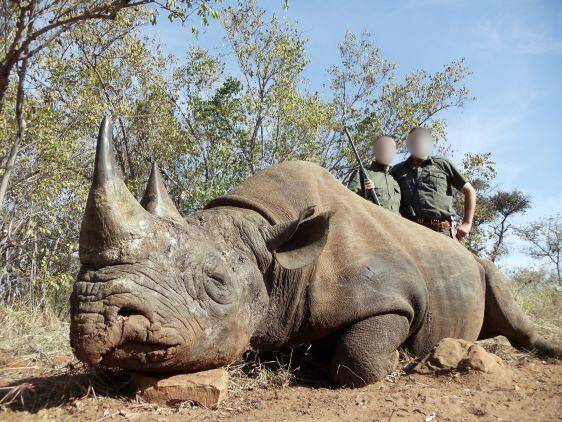
Black Rhino
Black rhino populations are much smaller and far more tightly protected.
Hunting permits are extremely rare and issued only under strict conservation programs. These permits typically involve older bulls that have been identified through long-term monitoring by wildlife authorities.
Because of the conservation status of black rhino, such permits are among the most carefully regulated wildlife management decisions in Africa.
International Laws and CITES Regulations
Rhino hunting operates under both national wildlife laws and international conservation agreements.
The most important of these is the Convention on International Trade in Endangered Species — better known as CITES.
CITES regulates the international movement of wildlife trophies and ensures hunting programs remain tightly controlled.
For hunters traveling from the United States, these regulations determine how trophies can be legally exported and imported.
Obtaining the correct documentation requires cooperation between wildlife authorities, professional hunters, and export authorities.
Because of these legal requirements, rhino hunts involve significantly more paperwork and oversight than most other safari hunts.
The Real Cost of Protecting Rhino
Protecting rhino isn’t cheap.
Across Africa, anti-poaching units operate year-round. Wildlife reserves invest heavily in:
- armed anti-poaching patrols
- aerial surveillance
- monitoring systems and tracking technology
- veterinary care and wildlife monitoring
- security fencing and patrol units
Maintaining these programs requires constant funding and long-term commitment.
In many areas, rhino protection has become one of the most expensive wildlife conservation efforts on the continent.
In certain cases, regulated hunting permits contribute to supporting these conservation programs. Revenue generated from a limited number of permits can help offset the cost of maintaining wildlife security and habitat management.

Private Wildlife Reserves and Rhino Conservation
Many people assume rhino live mainly in national parks. In reality, a large portion of Africa’s rhino population lives on privately managed wildlife reserves.
In South Africa especially, many rhino are protected on private land.
Wildlife ranchers and conservation landowners have invested heavily in protecting these animals and expanding rhino populations over the past several decades.
Protecting rhino on private land requires constant monitoring and security. Many reserves maintain full-time anti-poaching teams as well as surveillance systems designed to detect potential threats.
But protecting rhino also comes with significant costs — fencing, security personnel, veterinary care, habitat management, and monitoring programs.
Without sustainable conservation funding, many private landowners would struggle to maintain these populations.
Private wildlife reserves now play a major role in ensuring rhino populations remain stable across southern Africa.
Rhino Conservation, Private Ownership, and the Debate Around Horn Trade
South Africa has become a global center for rhino conservation largely because so many rhino are protected on private land.
Over the past several decades, private wildlife ranchers have invested heavily in breeding programs, habitat protection, and security infrastructure designed to safeguard rhino populations. In many cases, these private reserves now hold a significant percentage of the country’s rhino population.
One of the most debated conservation topics in recent years has been the legal trade in rhino horn.
Rhino horn grows naturally and can be removed safely through veterinary procedures. In certain conservation programs animals are occasionally dehorned to reduce the risk of poaching or for veterinary management purposes.
A landmark South African court ruling several years ago reopened the possibility of regulated domestic trade in rhino horn that had previously been restricted. Supporters of regulated trade argue that controlled systems could generate funding for rhino protection, while critics remain cautious about how such systems might affect illegal trade.
Private rhino breeders have been central to this discussion. Operations such as Rockwood Conservation have invested heavily in breeding programs and security measures to protect rhino populations on private land.
Regardless of where someone stands in the debate, one reality is widely recognized across the conservation community: protecting rhino requires significant long-term investment.
Without sustainable funding models, maintaining large and healthy rhino populations would become far more difficult.
Where Rhino Hunts Take Place in Africa
Legal rhino hunting opportunities exist in only a small number of African countries where wildlife populations are carefully monitored and managed.
South Africa holds the largest population of white rhino in the world and has become the center of modern rhino conservation. Many of these animals live on privately managed wildlife reserves where landowners invest heavily in habitat protection, anti-poaching security, and long-term wildlife monitoring.
Namibia has also developed strong conservation programs through its community conservancy system. These conservancies allow rural communities to manage wildlife populations while benefiting economically from conservation and tourism.
This model has helped restore wildlife populations across large areas of Namibia while giving local communities a direct incentive to protect wildlife habitat.
In both South Africa and Namibia, rhino populations are monitored closely by wildlife authorities and conservation scientists. When hunting permits are issued, they are typically connected to very specific conservation objectives such as removing older bulls or managing population balance within fenced reserves.
For international hunters traveling from the United States or Canada, rhino hunts involve careful coordination between wildlife authorities, professional hunters, veterinarians, and conservation officials.
Because of the legal requirements and conservation oversight involved, rhino hunts are among the most carefully organized safaris in Africa.
How Wildlife Authorities Decide Which Rhino Can Be Hunted
Rhino hunts are never random.
Wildlife authorities approve hunts only after long-term monitoring identifies a specific animal.
Candidates for removal often include older bulls that are past their breeding years or individuals that have become aggressive toward younger breeding animals. In some fenced reserves, removing certain bulls can actually improve population health by allowing younger animals greater access to breeding opportunities.
These decisions are typically made by wildlife managers and conservation scientists who track rhino populations over many years.
Hunters Must Often Submit a Hunting Background
One detail many hunters don’t realize is that applying for a rhino hunting permit often involves more than simply securing the opportunity.
In some cases, wildlife authorities require hunters to submit a short hunting résumé when applying for a permit.
This may include:
- previous African hunting experience
- dangerous game hunted previously
- firearms experience
- references from professional hunters or outfitters
Rhino hunts are extremely rare and tightly regulated. Wildlife authorities want to ensure that hunters participating in these programs have the appropriate experience and respect for the animal.
For many hunters, this requirement reinforces just how seriously rhino hunting is treated within modern conservation programs.

The Ethical Debate Around Rhino Hunting
Rhino hunting remains one of the most debated subjects in wildlife conservation.
Some conservationists support tightly regulated hunting programs as a conservation funding tool. They argue that the revenue generated from a small number of permits can contribute to habitat protection, anti-poaching efforts, and long-term wildlife management.
Others oppose rhino hunting entirely, believing that these animals should never be hunted regardless of the conservation framework.
The debate continues across the conservation world.
Regardless of where someone stands on the issue, legal rhino hunts remain extremely rare and tightly controlled by wildlife authorities.
The Emotional Reality of a Rhino Hunt
For many hunters, pursuing a rhino carries a similar emotional weight to hunting elephant.
Standing within sight of a mature rhino bull is a powerful experience. These animals command a level of respect that few other species inspire.
Because of their size and toughness, rhino hunts are typically conducted with large-caliber rifles similar to those used for elephant or buffalo — often in the .375 H&H class or larger.
For many hunters, the encounter itself becomes the most memorable part of the experience.
What the Experience of Tracking a Rhino Is Like
Tracking a rhino on foot is very different from hunting most other animals in Africa.
Rhino leave enormous tracks that experienced trackers can follow across sandy soil, dry riverbeds, and thick bush. These tracks — known as spoor — are often easy to recognize but still require patience and skill to follow over long distances.
Most rhino hunts begin early in the morning when trackers search for fresh spoor left during the night. Once a track is located, the hunting party follows carefully while constantly checking the wind.
Rhino rely heavily on their sense of smell and hearing while their eyesight is relatively poor. Because of this, wind direction becomes critical during the final approach.
Despite their size, rhino can move quietly through thick vegetation. It is not uncommon for hunters to suddenly realize they are much closer to the animal than expected.
Many professional hunters say the final approach during a rhino hunt is one of the most intense moments in African hunting.
A Moment Most Hunters Never Forget
Professional hunters often talk about the silence just before the final approach.
Trackers slow their pace.
The wind is checked again.
And suddenly the bush seems to grow quiet.
Then, sometimes with almost no warning, a massive rhino bull appears through the vegetation.
It’s a moment that many hunters remember for the rest of their lives.
Green Rhino Hunts and Conservation Programs
In recent years, green rhino hunts have become increasingly popular among hunters who want to experience the tracking and field aspects of rhino hunting while also participating directly in conservation work.
During a green hunt the rhino is not harvested. Instead, the animal is darted by a qualified wildlife veterinarian as part of a conservation operation.
These operations may involve relocating rhino to new reserves, fitting tracking collars for monitoring programs, conducting veterinary health checks, or dehorning animals to reduce poaching risks.
Hunters participating in green hunts are involved in the tracking process and are present during the veterinary procedure. In many cases they assist wildlife professionals by helping locate animals or monitoring the surrounding area while the veterinarian safely handles the rhino.
For many hunters, this provides a rare opportunity to participate directly in wildlife conservation while still experiencing the challenge of tracking one of Africa’s most iconic animals.
Green hunts have become particularly popular with international hunters who want to contribute to conservation efforts while learning more about modern wildlife management.
For Many Hunters, a Rhino Safari Becomes the Last Great African Hunt
For many experienced hunters, pursuing a rhino comes later in their African hunting journey.
By that stage they may already have hunted buffalo, plains game, or even elephant. Africa may already hold decades of hunting memories for them.
Because of that, a rhino safari often becomes something different.
It is not simply another hunt.
For many hunters it becomes the hunt that completes their African story.
Some hunters quietly recognize they may only have a few more safaris left. For those hunters, pursuing a rhino becomes a way of finishing the journey they started years earlier.
It becomes less about trophies and more about the experience itself.
A Hunt That Does Not Require Extreme Physical Demands
Unlike mountain hunts or high-altitude expeditions, rhino hunts are typically conducted in terrain that allows hunters to move at a steady pace.
Professional hunters and trackers often locate the animal first before planning the final approach.
This means the hunt still requires focus, patience, and respect for the animal, but it does not demand the same level of physical exertion as some other safari pursuits.
For hunters in their 60s or even 70s, this makes a rhino safari an appealing opportunity to experience one of Africa’s most iconic animals while still enjoying the adventure of a traditional hunt.
Why Some Hunters Decide to Pursue a Rhino
For most hunters, the decision to pursue a rhino is not made quickly.
It is often something they think about for years.
Some are drawn by the conservation story behind rhino management. Others recognize that legal rhino hunting opportunities are extremely rare and may become even more limited in the future.
Many hunters also see a rhino safari as a chance to take part in one of the most carefully regulated wildlife management programs in Africa.
Those who eventually pursue one often describe the experience as one of the most meaningful hunts of their lives.
The Story That Stays With You
Ask hunters who have pursued rhino what they remember most, and many will talk about the moment when the animal finally appeared through the bush.
Not the shot.
The moment before it.
The sudden realization that one of the largest animals in Africa is standing just ahead.
Many hunters say the real reward of a rhino hunt comes years later — sitting around a campfire with friends and telling the story of that moment.
Those are the memories that stay with you.

What Hunters Should Understand Before Considering a Rhino Hunt
Rhino hunts are unlike most other safaris.
Permits are extremely limited, regulations are strict, and conservation considerations play a major role in how these hunts are managed.
Anyone interested in rhino hunting should approach the subject with a clear understanding of the legal frameworks and conservation responsibilities involved.
A Conversation Is Often the First Step
Because rhino hunts involve complex permits, conservation approvals, and strict regulations, most hunters begin by simply having a conversation with someone familiar with the process.
Experienced outfitters and professional hunters can explain how permits work, what timelines are involved, and whether opportunities may realistically exist in a given year.
For many hunters, that first conversation becomes the starting point for understanding whether a rhino safari is possible.
The Future of Rhino Conservation
The future of rhino conservation will depend on a combination of strategies including habitat protection, anti-poaching programs, community involvement, and sustainable conservation funding.
Across southern Africa, wildlife ranchers, conservation organizations, and government agencies continue to invest heavily in protecting rhino populations.
New technologies such as aerial surveillance, satellite tracking collars, and advanced monitoring systems are helping conservation teams detect threats earlier and respond more quickly.
At the same time, conservationists continue to debate how best to fund long-term rhino protection.
Private wildlife reserves now play a critical role in maintaining healthy rhino populations, and their ability to sustain these animals often depends on reliable conservation funding.
Whether through wildlife tourism, conservation initiatives, or carefully regulated wildlife management systems, ensuring reliable long-term support for rhino protection will remain one of the most important conservation challenges in Africa.

Final Thoughts
Rhino hunts remain rare because rhino themselves remain one of Africa’s most important conservation priorities.
Protecting these animals requires constant effort, significant investment, and careful wildlife management.
Hunters who are seriously considering a rhino safari often find it helpful to speak directly with someone familiar with the permits, regulations, and conservation programs involved.
For the hunters who eventually choose to pursue one, a rhino hunt is rarely just another safari.
It becomes a reminder of just how remarkable Africa’s wildlife really is — and why protecting it matters.
Written by:
The Game Hunting Safaris Team
This article was prepared by the Game Hunting Safaris editorial team in consultation with experienced professional hunters, wildlife managers, and conservation partners across Southern Africa. Our goal is to provide accurate, practical information to help international hunters better understand African hunting safaris and the conservation systems that support them.