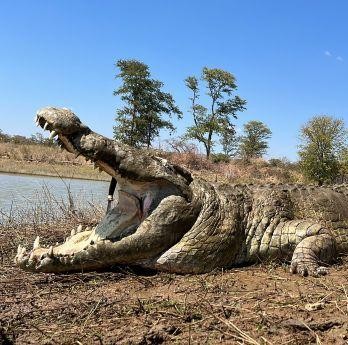
Lake Kariba Hippo & Crocodile Hunting Safari in Zimbabwe
Booking Season: 2026
Hunt Difficulty: Difficult

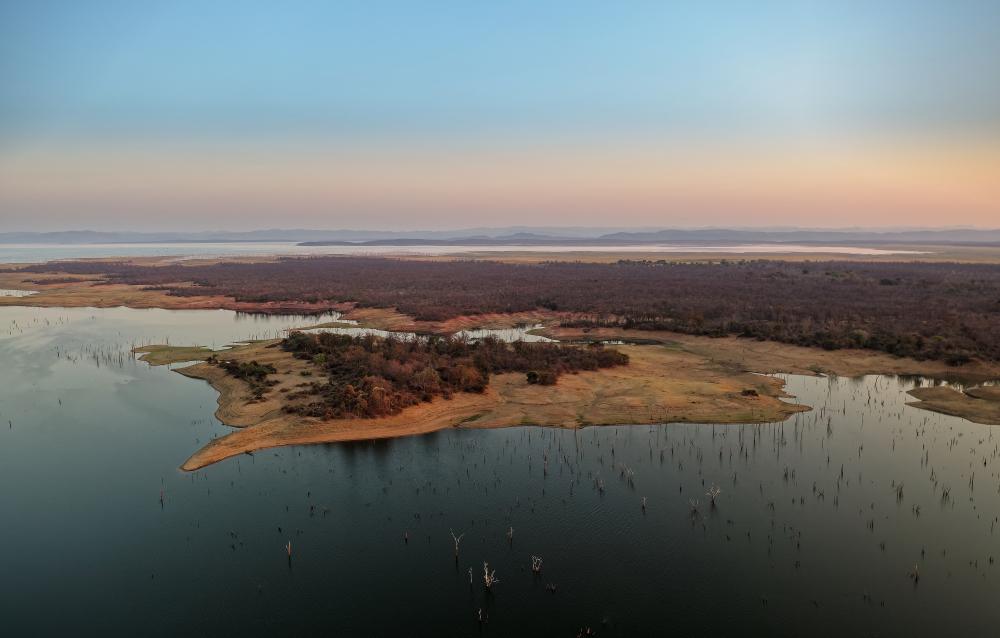
Big game hunting in Zimbabwe is built around wild country, tracking and time on foot. Large hunting areas, established dangerous game populations and a long Professional Hunting tradition have made the country one of Africa's classic destinations for serious big game safaris.
Cape buffalo sits at the center of much of that hunting, but Zimbabwe offers considerably more. Elephant, lion, leopard, hippo and crocodile can all form part of a safari depending on the hunting area, available quota and the species a hunter wants to pursue. For anyone comparing Big Game Hunting across Africa, Zimbabwe remains one of the few destinations capable of offering such a broad combination of dangerous game in genuinely wild country.
Hunts Currently Available
Lake Kariba Hippo & Crocodile Hunting Safari in Zimbabwe
Booking Season: 2026
Hunt Difficulty: Difficult
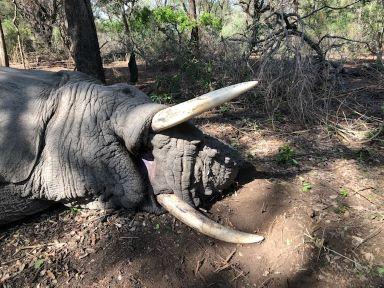
Elephant Hunting in Zimbabwe 10 Days Action in Save Valley
Booking Season: 2026
Hunt Difficulty: Difficult
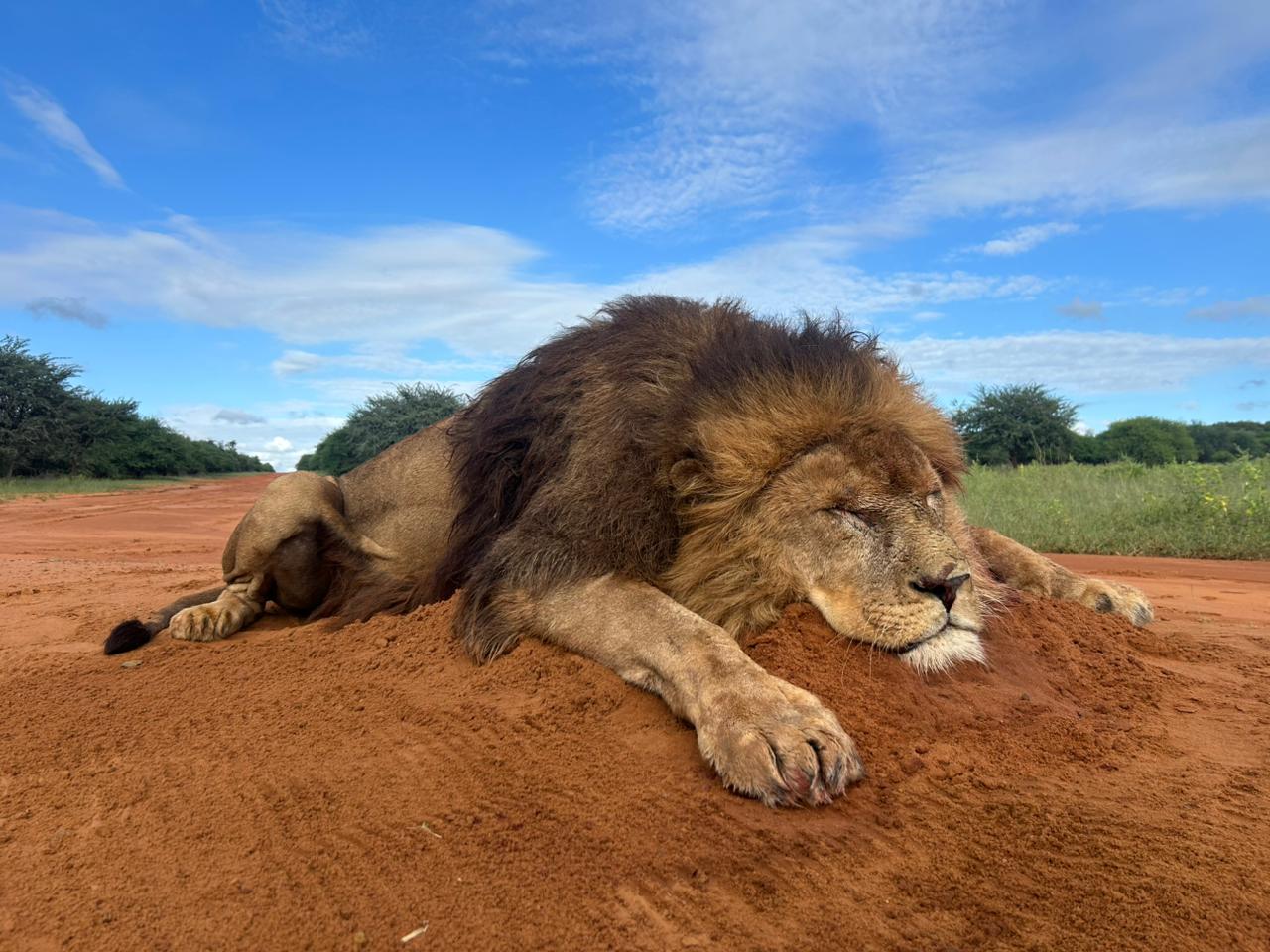
17-Day Free-Range Lion Hunt Near Hwange
Booking Season: 2026
Hunt Difficulty: Difficult
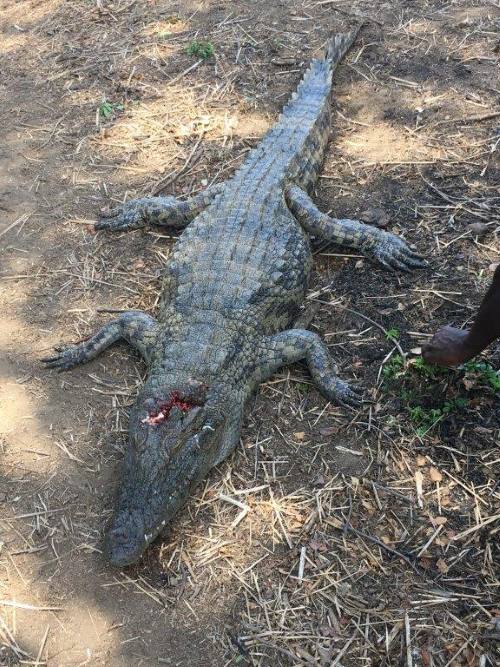
Hippo & Nile Crocodile Hunting Safari in Zimbabwe
Booking Season: 2026
Hunt Difficulty: Difficult
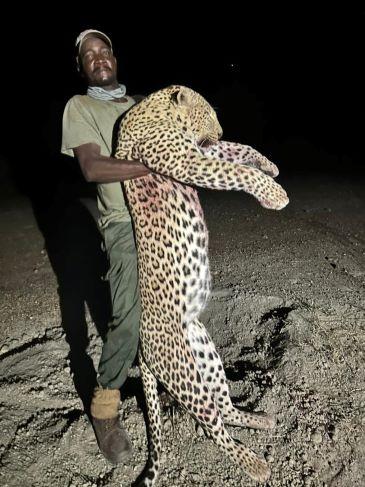
12-Day Save Valley Leopard Safari
Booking Season: 2026
Hunt Difficulty: Moderate, Difficult
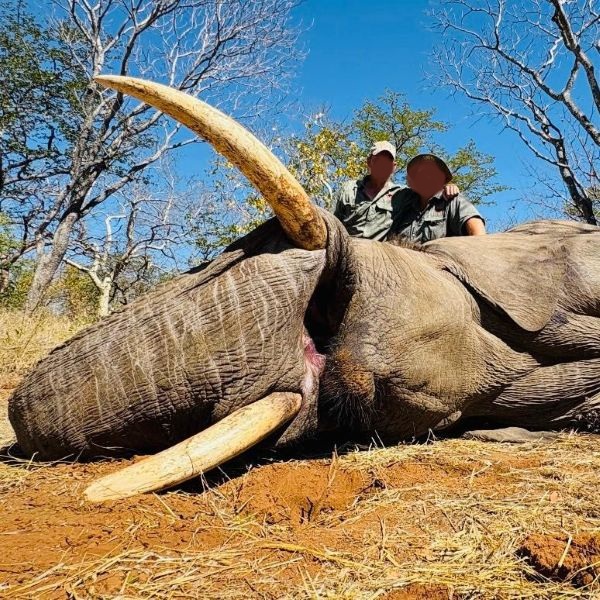
Hunt Exportable Trophy Elephants in Matetsi East RFC, Zimbabwe
Booking Season: 2026
Hunt Difficulty: Difficult
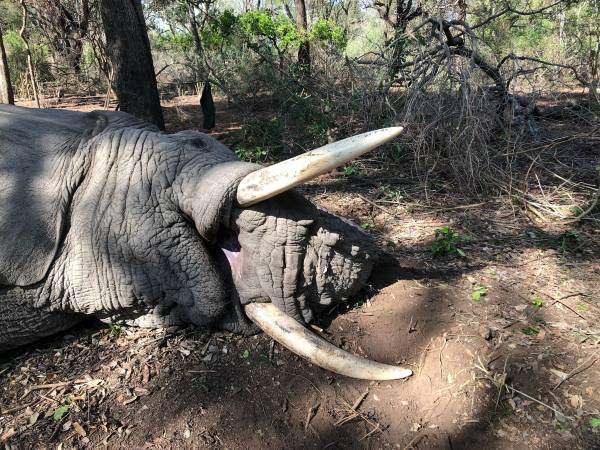
Elephant Hunting, Hyena and Night Critters in Zimbabwe
Booking Season: 2026
Hunt Difficulty: Difficult
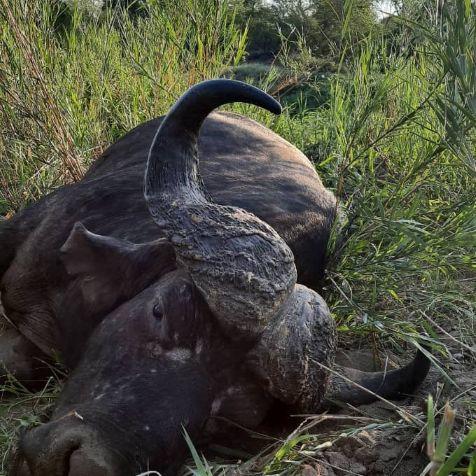
7-Day Cape Buffalo Hunting Safari | Matetsi, Zimbabwe
Booking Season: 2026
Hunt Difficulty: Difficult
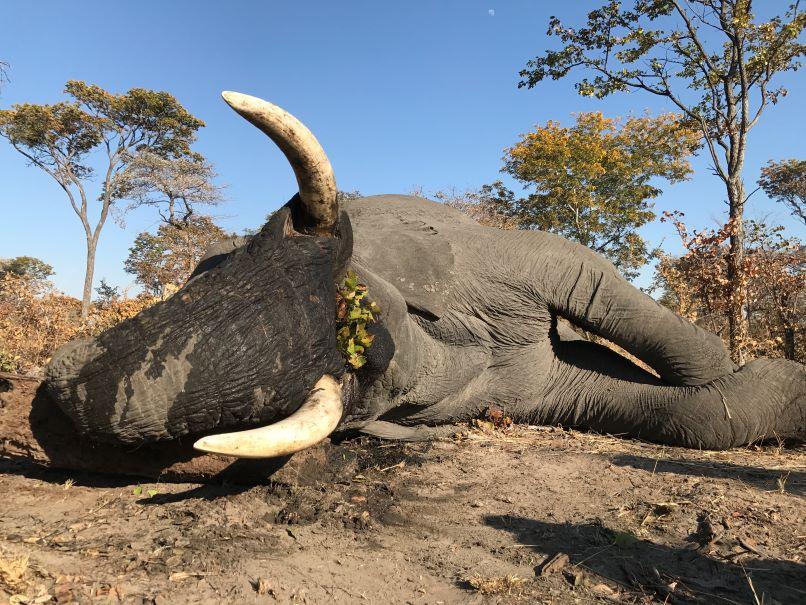
Lowveld Elephant Hunting in Zimbabwe | Mateke Hills
Booking Season: 2026
Hunt Difficulty: Difficult
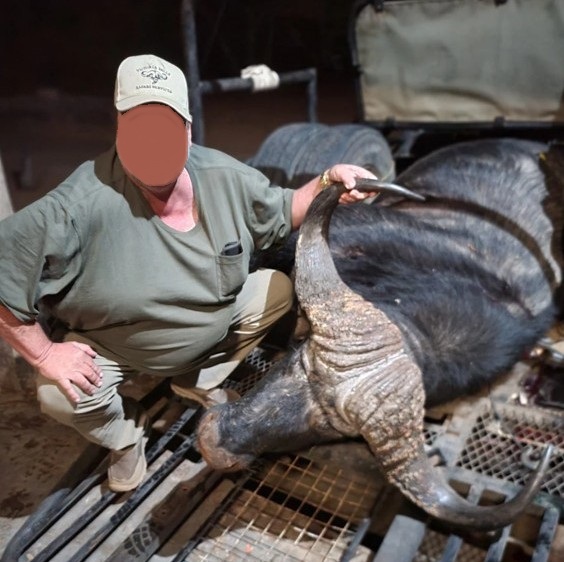
Free-Range Cape Buffalo Safari in Matetsi East
Booking Season: 2026
Hunt Difficulty: Difficult
What separates Zimbabwe is the way much of the hunting is done. A day may begin by cutting fresh tracks along a road or watercourse before leaving the vehicle and following spoor for several hours. There may be no animal at the end of those tracks. Another set may be found later that afternoon, or the following morning. Finding game is only part of the job. Getting close enough to judge a mature animal and create a responsible shot opportunity is what takes time.
That makes Zimbabwe different from destinations where the outcome of a hunt can be more predictable. Big game safaris here are often built around unfenced areas where animals move naturally and the hunting team has to work with whatever the country gives them.
The wider Hunting in Zimbabwe guide covers the country's hunting regions, travel, seasons and safari logistics in detail. Here, we are concentrating on one thing:
What makes Zimbabwe such a strong big game hunting destination, what can you hunt, and what should you know before choosing a safari?
Zimbabwe remains one of Africa’s strongest destinations for traditional dangerous game hunting. Cape buffalo, elephant, lion, leopard, hippo and crocodile can all be hunted, subject to quota, permits and availability in the hunting area.
Cape Buffalo Hunts are at the heart of Zimbabwe’s big game hunting. Bulls are found across several of the country’s major safari areas, and a buffalo hunt can be booked on its own or combined with other dangerous game and selected plains game. Tracking buffalo on foot through jesse, riverine cover and broken woodland remains one of the country’s classic hunts.
Elephant also plays an important role, particularly in areas connected to wildlife systems where animals can move over considerable distances. Lion and leopard hunting is more specialized, with the quality of the area, available quota and the experience of the hunting team becoming particularly important when planning either safari.
Hippo and crocodile add another option where suitable rivers, lakes and waterways form part of the hunting area. These hunts can be booked individually, but they are also regularly added to longer big game safaris when quota and time allow.
Zimbabwe therefore works particularly well for someone wanting to build a safari around more than one major species. The starting point should not be how many animals can be added to a package. It should be deciding which big game species matters most and choosing the area and safari length around that priority.
Zimbabwe has retained something that has disappeared from parts of Africa: large hunting areas where finding the animal is still part of the hunt. Buffalo, elephant and other big game can move considerable distances, and knowing where they were yesterday does not mean they will be there this morning.
That is why tracking remains so important. Roads and waterholes may be checked early for fresh spoor, but once the right tracks are found, much of the work is done on foot. Experienced trackers read the direction of travel, the age of the tracks and small changes in the ground as the hunting team follows behind.
Sometimes those tracks lead to an animal within an hour. Sometimes they lead through several miles of jesse and broken woodland before disappearing into other tracks or difficult ground. A herd may be caught before midday, or the entire morning may end without seeing the animals being followed.
The size and openness of many Zimbabwe hunting areas also matter. Animals can move between water, feeding areas and neighboring wildlife country without remaining where a hunting team expects to find them. That uncertainty is important when pursuing Dangerous Game Hunts, where locating an animal is only the beginning. The PH still needs enough time and visibility to judge age and trophy quality before deciding whether to continue the approach.
Zimbabwe rewards patience more than a long species list. A hunter may spend hours following tracks without taking the rifle off his shoulder, then suddenly have only a few minutes to make the final approach when the right animal is found.
That combination of tracking, wild country and uncertainty is what gives Zimbabwe big game hunting its character.
The best hunting area in Zimbabwe depends first on the species you want to hunt. A concession that makes sense for a buffalo safari may not be the first choice for lion, leopard or elephant, while hippo and crocodile require access to suitable rivers, lakes or other permanent water.
The Zambezi Valley remains one of Zimbabwe's best-known big game regions, particularly for buffalo and elephant. Hunting takes place in hot, rugged country where tracking can involve long hours on foot. Areas associated with the wider Hwange and Matetsi ecosystems offer another option, with large wildlife populations and opportunities for several dangerous game species depending on quota.
Private conservancies in the Lowveld provide a different setting. Areas such as the Save Valley and Bubye Valley have established big game populations and carefully managed hunting programs, but the terrain, wildlife densities and way a safari is conducted can differ from hunting in the Zambezi Valley.
The name of the region is only part of the decision. Ask about the actual hunting area, recent game movement, available quota, hunting pressure and how much country the hunting team can realistically cover. For lion and leopard, recent activity and the operator's knowledge of individual animals can be particularly important. For buffalo and elephant, access to large areas where animals can move naturally may matter more.
If more than one species is a priority, the area becomes even more important. A safari that looks excellent on a trophy list may involve compromises if the main species occur in different parts of the concession or require different hunting methods.
Choose the species first, then the hunting area. Not the other way around.
A big game hunt in Zimbabwe can involve considerably more time in a vehicle than someone expecting to walk directly from camp might imagine. Hunting areas can be enormous, and covering enough country to find fresh sign often means driving roads, checking water, looking for tracks and speaking with trackers or scouts before deciding where to begin on foot.
That time in the truck is not wasted. It is part of searching a large hunting area efficiently. Once fresh spoor is found, the vehicle is left behind and the hunt may continue for several hours on foot. On another day, the team may cover a considerable distance without finding tracks fresh enough to follow.
Animals also move. Buffalo or elephant seen in an area one afternoon may have travelled miles by the following morning or crossed into neighboring country. In some hunting areas they may move beyond the concession boundary altogether. A productive part of the concession can therefore become quiet very quickly, and there will be days when the hunting team must start again somewhere else.
Human activity can influence that movement as well. Some Zimbabwe hunting areas lie alongside communal land, villages, agricultural areas or other places used by local people. Livestock, wood collection, fishing and everyday community activity can affect where animals are comfortable at different times. A good PH and tracking team will understand those patterns and adjust where they look rather than assuming game will remain in the same place throughout the safari.
This can be frustrating, particularly when yesterday's tracks, sightings or information suggested that the right animals were close. Zimbabwe does not always reward a hunter on the timetable he arrived with.
That is why enough hunting days matter. Large areas give big game room to move, but they also give the hunting team a lot of country to search when the animals move with them.
The best time for a Zimbabwe big game hunt depends partly on what you are hunting and what conditions you are prepared to deal with. The dry months provide the most practical conditions, but an easier hunt is not automatically waiting simply because the calendar has moved later into the season.
As the country dries, vegetation thins and permanent water becomes increasingly important. Buffalo and elephant may spend more time moving between feeding areas and dependable water, which can help a hunting team decide where to start looking. Tracks can also become easier to find around well-used roads, pans, river systems and waterholes.
There is a trade-off. Late-season conditions can make game easier to locate, but September and October can be hot in lower country such as the Zambezi Valley. A long buffalo or elephant track at that time of year can become a different physical proposition from the same hunt during the cooler months.
Earlier hunts can mean cooler walking conditions but more vegetation and more widely distributed water. Animals may have fewer reasons to follow the patterns they develop as the dry season progresses.
The priority species should help determine the dates. A hunter planning primarily for buffalo or elephant may choose differently from someone building a safari around lion, leopard or several species.
Rather than asking for Zimbabwe's single best hunting month, ask the PH when he would choose to hunt your priority animal in that area.
The cost of big game hunting in Zimbabwe depends heavily on the species being hunted and the length of safari required. A dedicated Cape buffalo hunt sits at a very different price point from a longer safari built around elephant, lion, leopard or several dangerous game species.
Most Zimbabwe safaris are priced using a combination of daily rates and trophy fees. Depending on the hunt, additional costs can include government levies, hunting permits, concession fees, transfers or charter flights, rifle permits and trophy handling. Lion and leopard hunts generally require longer safari periods, while buffalo can often be hunted within a shorter itinerary.
Combination hunts can offer good value when several species are genuine priorities, but the cheapest package is not necessarily the cheapest safari. Adding animals, extra hunting days or charter movements between areas can change the final cost considerably.
Our African Hunting Safari Prices guide provides a broader comparison of costs across Africa. When comparing Zimbabwe hunts, ask for a complete quotation showing the daily rate, trophy fees and additional charges so you know what the safari is likely to cost before arriving.
Start with the animal you most want to hunt. If Cape buffalo is the priority, build the safari around buffalo rather than choosing a package because it includes a long list of additional species. The same applies when lion, leopard or elephant is the main reason for travelling to Zimbabwe.
Then look closely at the hunting area and available quota. Ask what has been hunted there in recent seasons, what animals are currently being seen and how much of the advertised quota is genuinely available for your dates. A species appearing on an outfitter's list does not necessarily mean it should be treated as a realistic objective during your safari.
Allow enough time as well. Zimbabwe's large hunting areas and moving game can punish an itinerary that tries to achieve too much in too few days. If two or three major species are priorities, the safari should be long enough to give each one a realistic chance rather than forcing the hunting team to constantly move on to the next objective.
The PH matters just as much as the package. Ask who will guide the hunt, how well they know the area and how recently they have hunted your priority species there. On a tracking-based safari, local knowledge can save a great deal of time when animals move or conditions change.
A good Zimbabwe big game safari should therefore be built in the right order: priority species, hunting area, available quota, enough days and the right hunting team. Price matters, but it should come after those questions have been answered. Our African Hunting Trips bring together current safari opportunities for hunters ready to start comparing individual hunts.
Zimbabwe offers Cape buffalo, elephant, lion, leopard, hippo and crocodile hunting, subject to quota, permits and availability in the hunting area. Cape buffalo remains one of the country's principal big game species and can be hunted on a dedicated safari or combined with other dangerous game.
The cost depends on the species, safari length and hunting area. Zimbabwe safaris are generally priced using daily rates and trophy fees, with additional charges potentially including government levies, permits, concession fees, transfers, charter flights and trophy handling. A dedicated buffalo hunt will normally cost considerably less than a longer multi-species dangerous game safari.
There is no single best area for every species. The Zambezi Valley is particularly well known for buffalo and elephant, while the Hwange and Matetsi ecosystems and private Lowveld conservancies such as Save Valley and Bubye Valley offer different big game opportunities. The priority species should determine the hunting area rather than choosing the region first.
The dry months generally provide the most practical big game hunting conditions as vegetation thins and wildlife becomes increasingly dependent on permanent water. Earlier hunts can provide cooler walking conditions, while late-season hunts may make some animals easier to locate but can involve considerable heat, particularly in the Zambezi Valley.
The number of hunting days should be determined by the priority species and how many major animals are being pursued. A dedicated buffalo safari can usually be planned within a shorter itinerary than lion or leopard hunting, while a multi-species dangerous game safari requires enough time to deal with animal movement, changing conditions and days when fresh tracks simply cannot be found.
Discounted Hunts
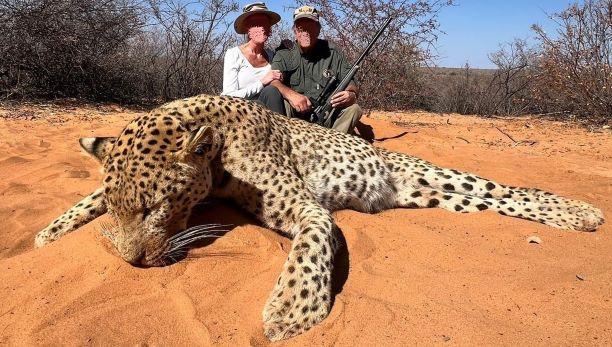
Leopard Safari in Bushmanland
Booking Season: 2026
Hunt Difficulty: Difficult
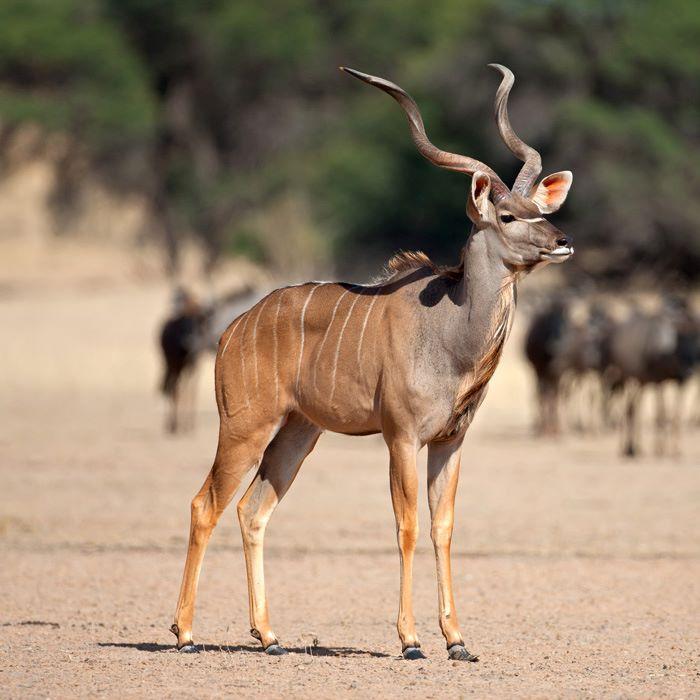
10 Days Kudu hunting bonanza and more for 2 Hunters in SA
Booking Season: 2026
Hunt Difficulty: Difficult
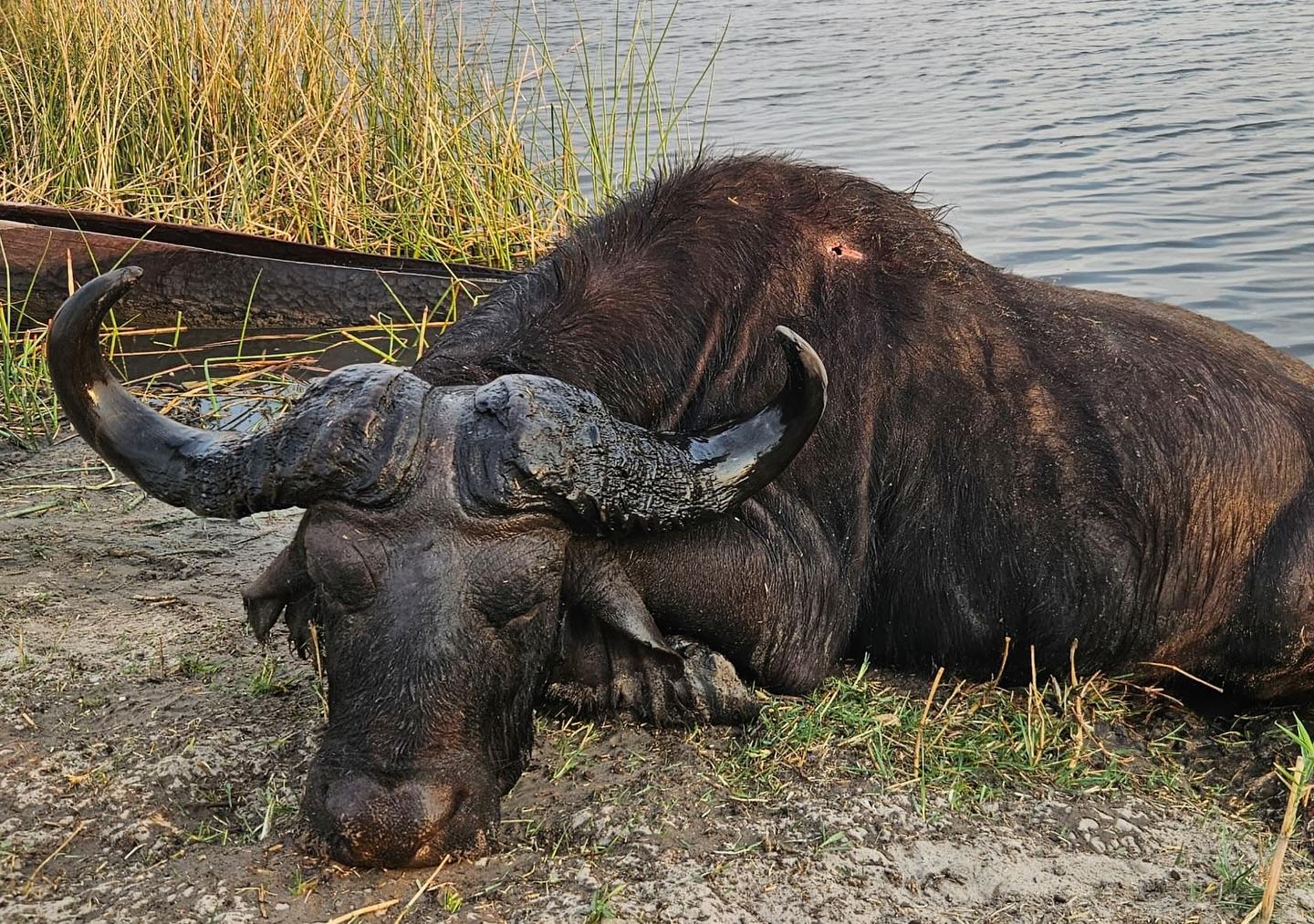
5 Full Day Zambezi Cape Buffalo Safari, Namibia
Booking Season: 2026
Hunt Difficulty: Difficult

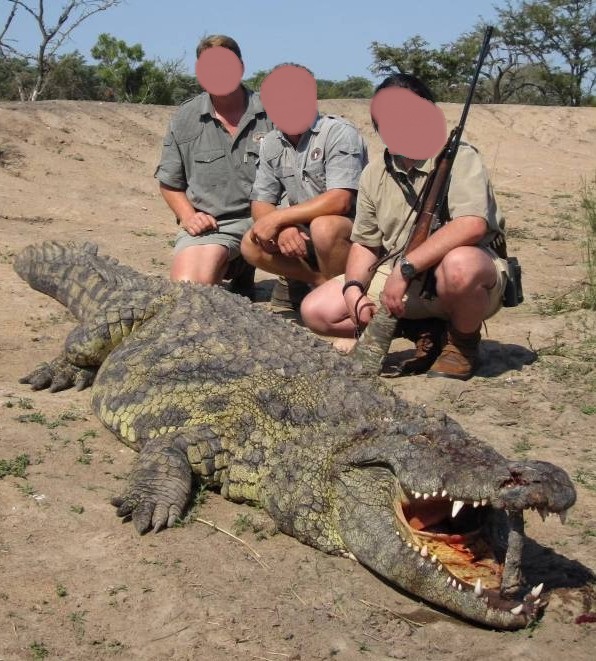
Non-Exportable Crocodile Hunt in Namibia’s Caprivi Strip
Booking Season: 2026
Hunt Difficulty: Moderate, Difficult
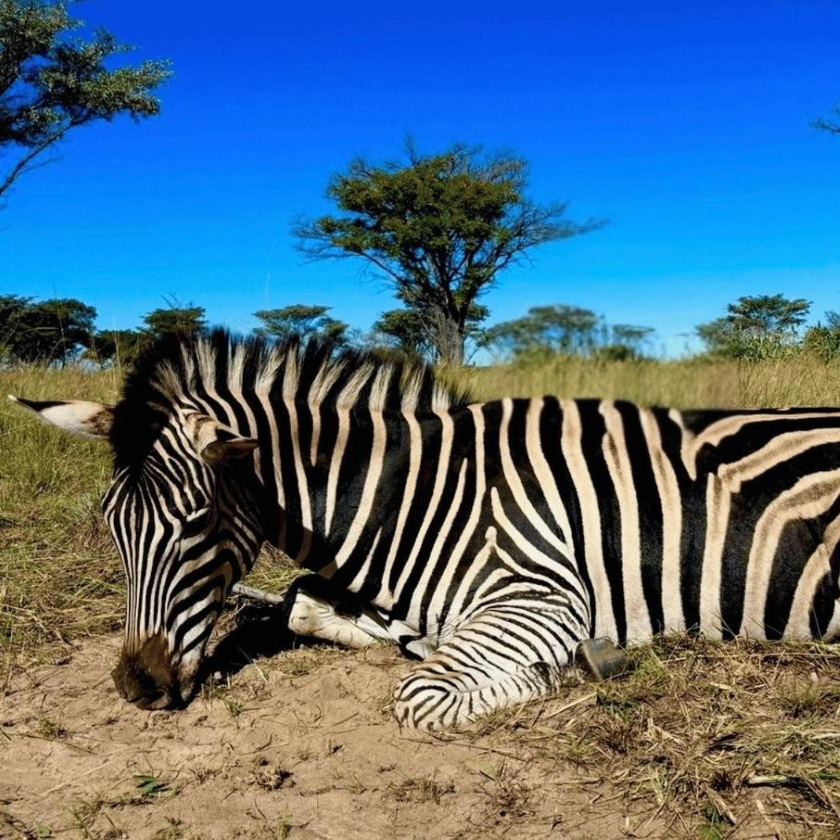
Wildebeest, Impala, Zebra, Warthog & Blesbok Hunts in Limpopo
Booking Season: 2026
Hunt Difficulty: Moderate
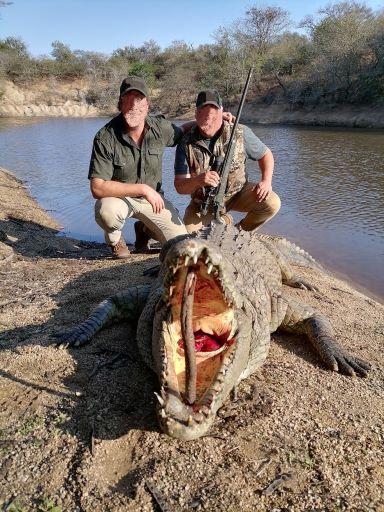
Free Range Crocodile Hunting Safari in Limpopo, SA
Booking Season: 2026
Hunt Difficulty: Moderate
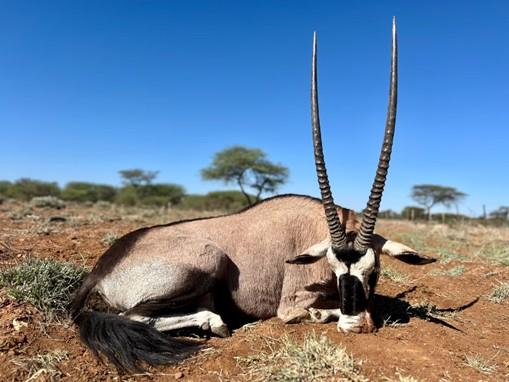
Namibia Plains Game Hunt — 8 Days for Two Hunters
Booking Season: 2026
Hunt Difficulty: Moderate
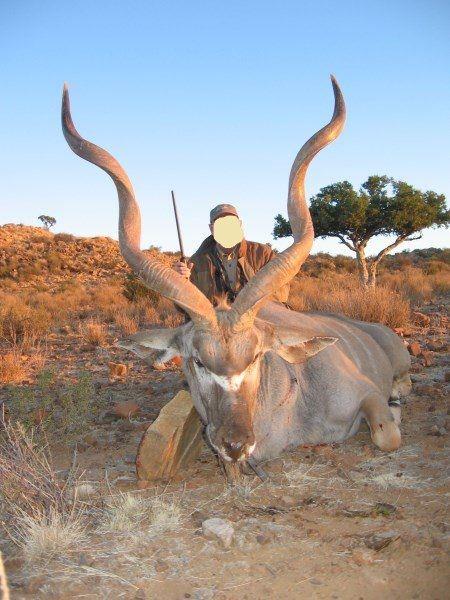
2 Hunters: Kudu, Gemsbok & Springbok Hunt in Namibia | 7 Days
Booking Season: 2026
Hunt Difficulty: Moderate
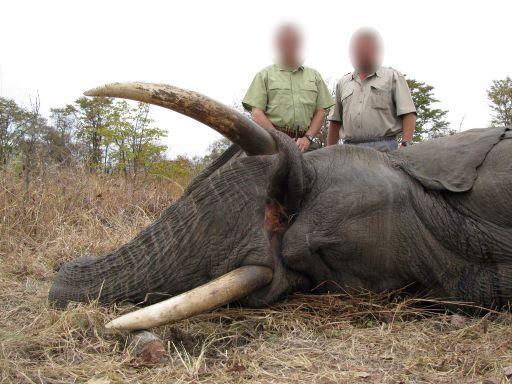
14-Day Elephant Hunting Safari | Matetsi Unit 2
Booking Season: 2026
Hunt Difficulty: Difficult
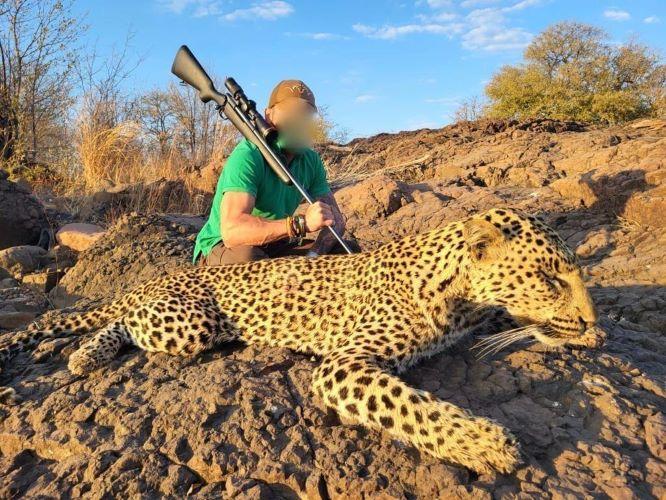
Free-Range Leopard Hunting Safari in Tanzania | 14-Day Licenc
Booking Season: 2026
Hunt Difficulty: Difficult
Packaged Hunts
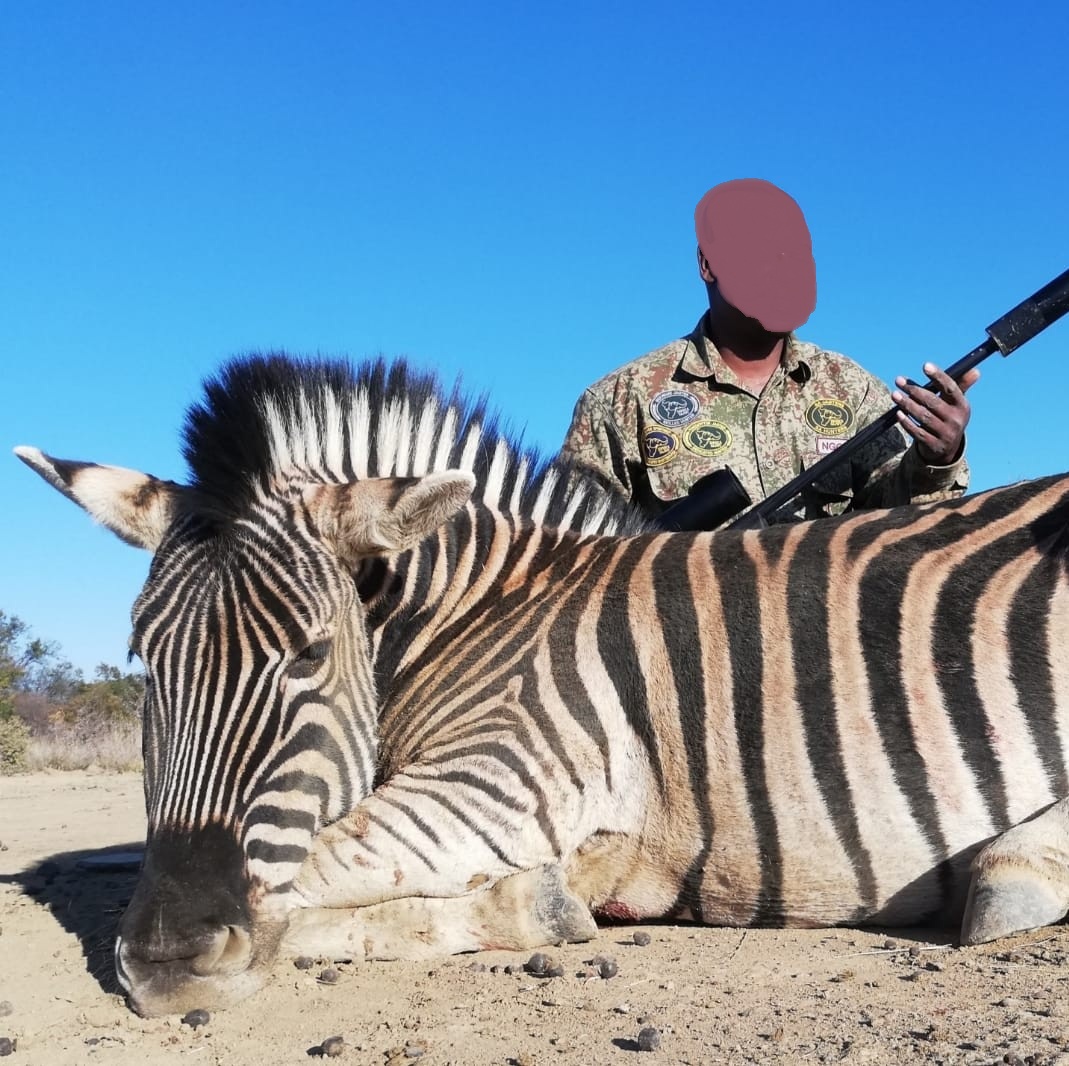
Hunt Eland, Zebra, Sable & 3 More Plains Game Species in SA
Booking Season: 2026
Hunt Difficulty: Moderate
Hunting Safari in SA 10 x Nights Plains Game Combination
Booking Season: 2025
Hunt Difficulty: Difficult
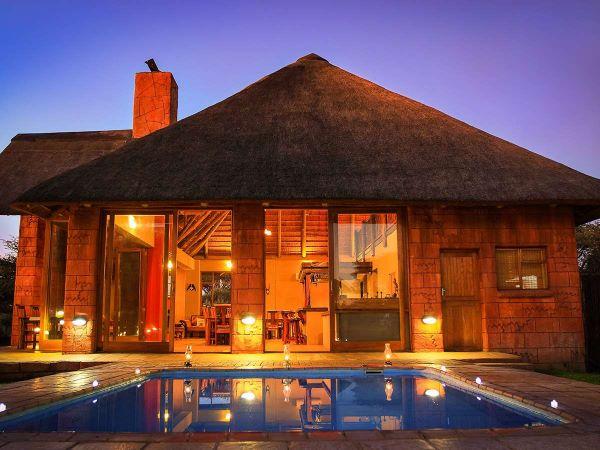
Plains Game Hunting in South Africa 5 Star Luxury 4 x 2
Booking Season: 2026
Hunt Difficulty: Moderate, Difficult
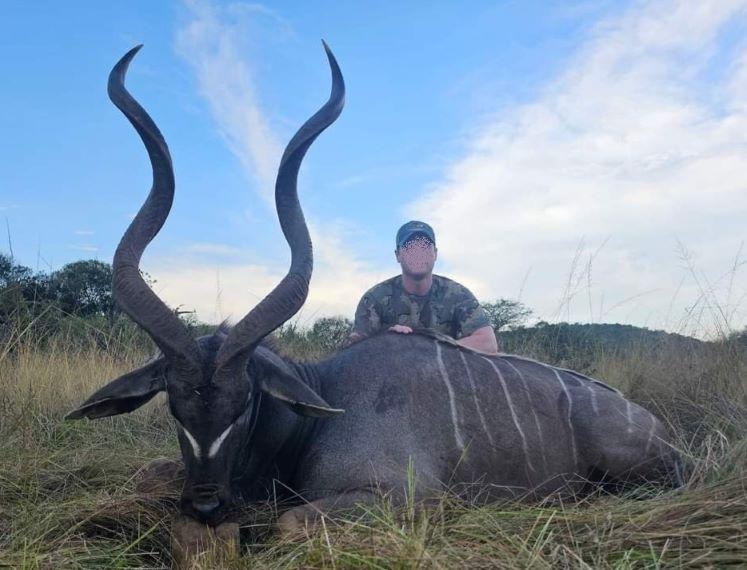
African Plains Game Safari in South Africa 6 Trophies KwaZulu Natal
Booking Season: 2026
Hunt Difficulty: Moderate
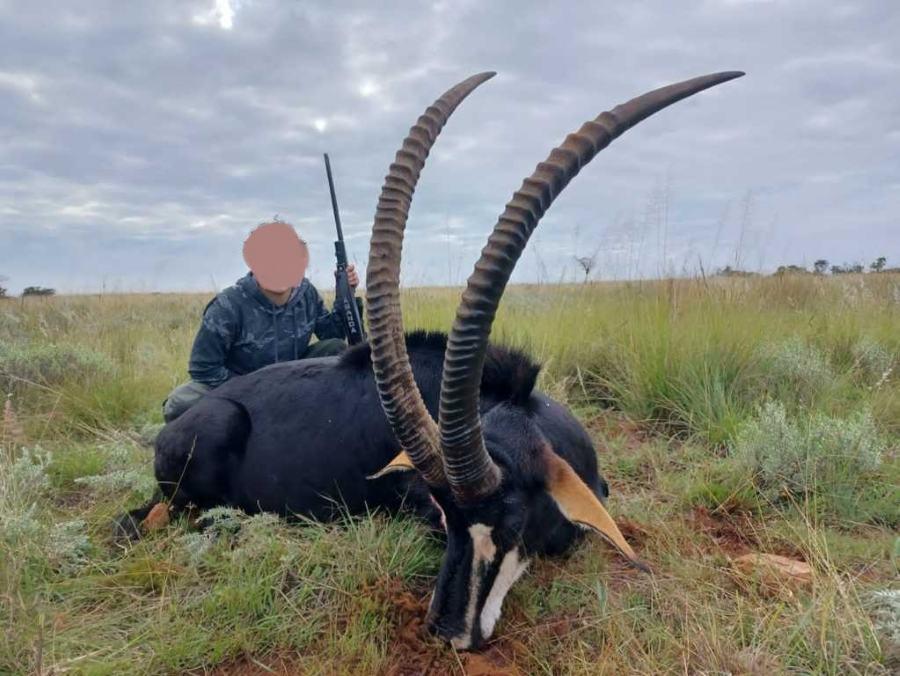
6-Day Roan & Sable African Plains Game Hunt in SA
Booking Season: 2025
Hunt Difficulty: Moderate
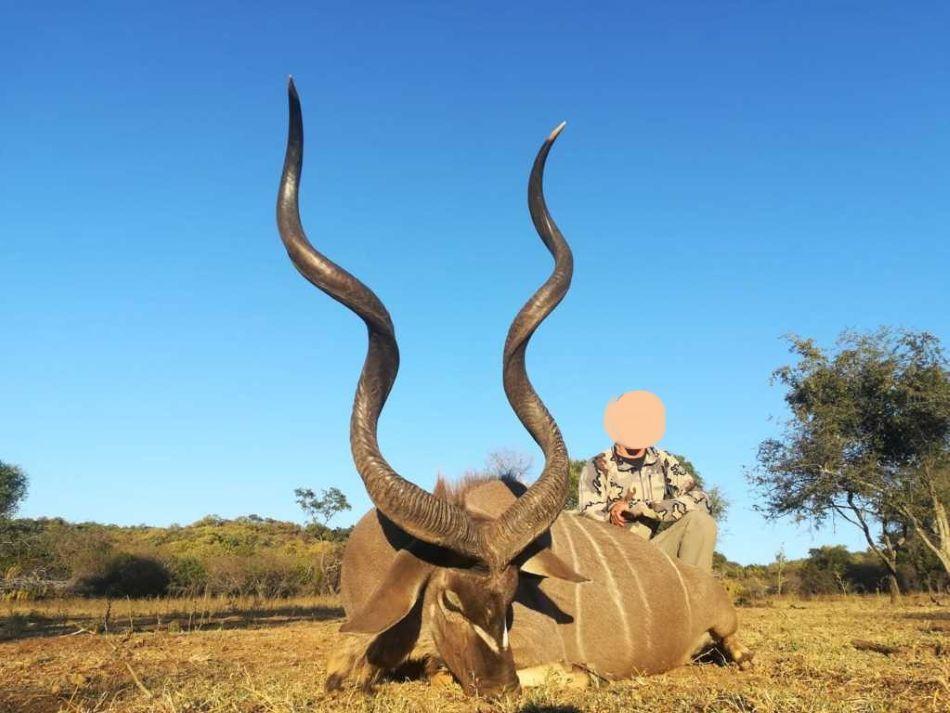
10-Day Plains Game Extravaganza Hunting in South Africa
Booking Season: 2026
Hunt Difficulty: Moderate
Hyena Hunting for 10 x Days in SA, plus 6 other Critters
Booking Season: 2026
Hunt Difficulty: Moderate, Difficult
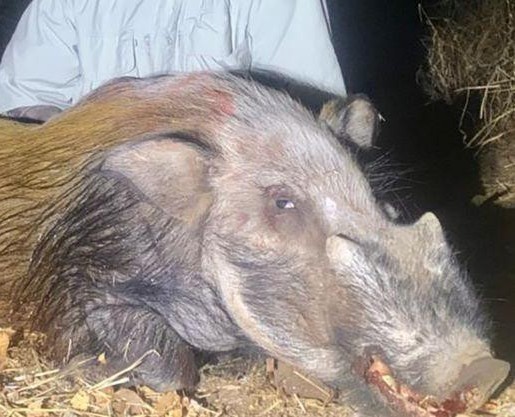
Bushpig Hunting in SA, plus 5 other Species in 10 Days
Booking Season: 2026
Hunt Difficulty: Difficult
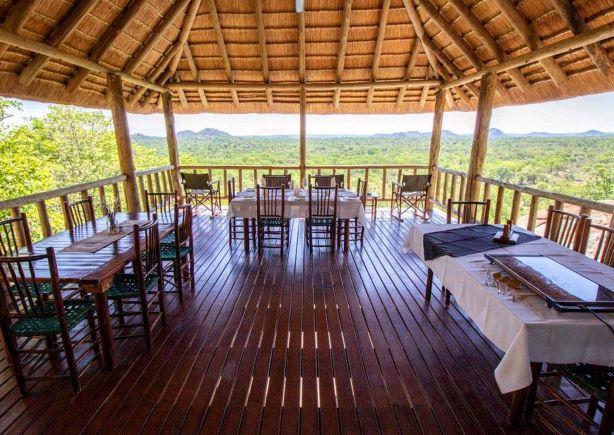
African Plains Game Hunt, plus Night Critters 10 Days in SA
Booking Season: 2025
Hunt Difficulty: Moderate, Difficult
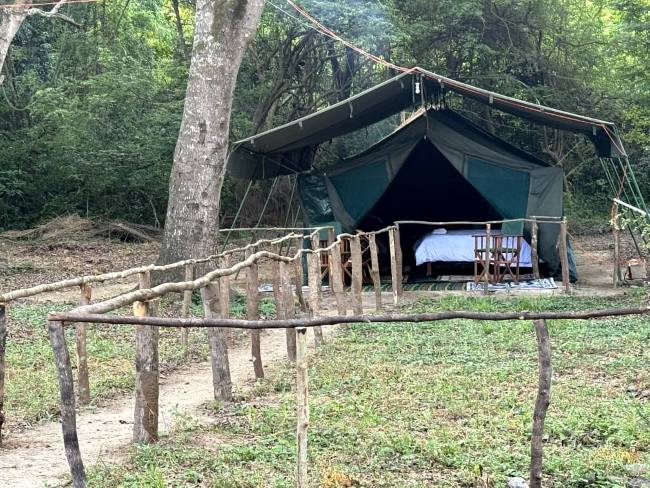
Triple Cape Buffalo Hunt in the Selous, Tanzania
Booking Season: 2026
Hunt Difficulty: Difficult
Cancelled Hunts
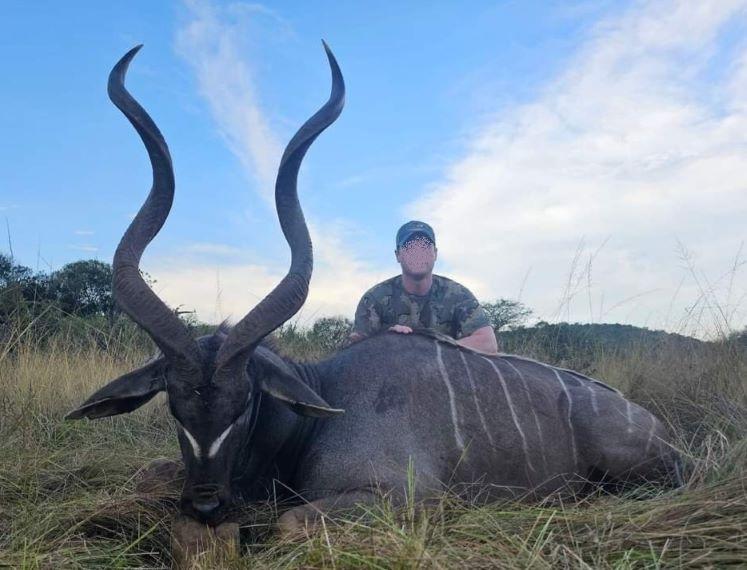
South African Plains Game Safari Trophy Nyala plus 5 Species
Booking Season: 2026
Hunt Difficulty: Moderate, Difficult
Wildebeest, Impala, Zebra, Warthog & Blesbok Hunts in Limpopo
Booking Season: 2026
Hunt Difficulty: Moderate
Free-Range Leopard Hunting Safari in Tanzania | 14-Day Licenc
Booking Season: 2026
Hunt Difficulty: Difficult
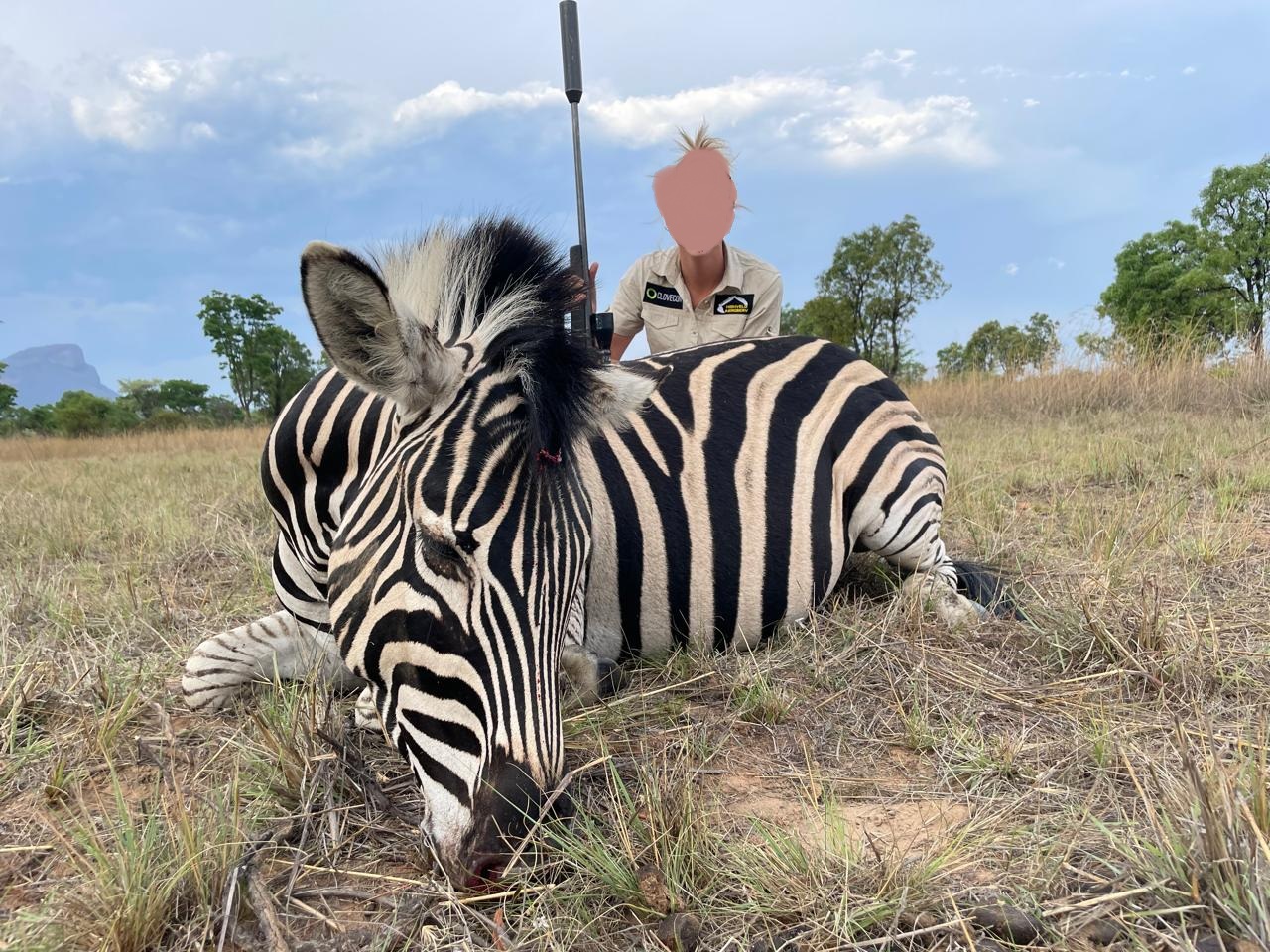
Hunt Cape Buffalo, Wildebeest, Zebra & Bushbuck in Limpopo
Booking Season: 2026
Hunt Difficulty: Difficult
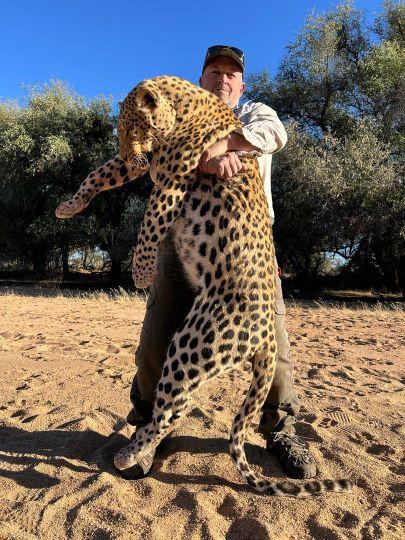
Namibia Leopard & Brown Hyena Cancelation Hunt
Booking Season: 2025
Hunt Difficulty: Difficult