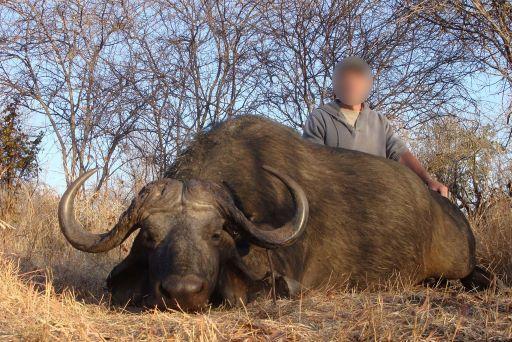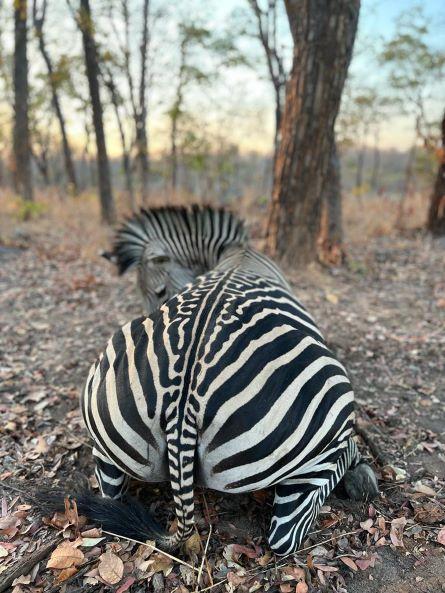
Save Valley Cape Buffalo & Plains Game Safari
Booking Season: 2026
Hunt Difficulty: Difficult

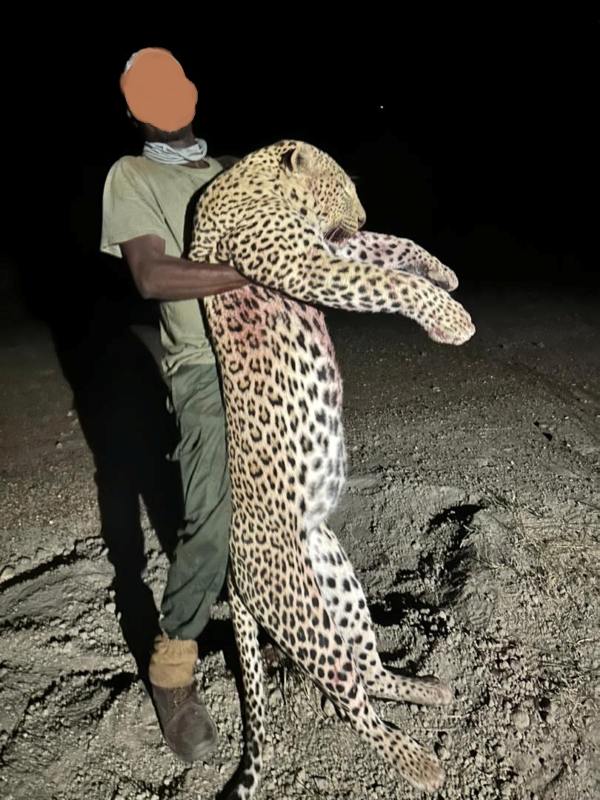
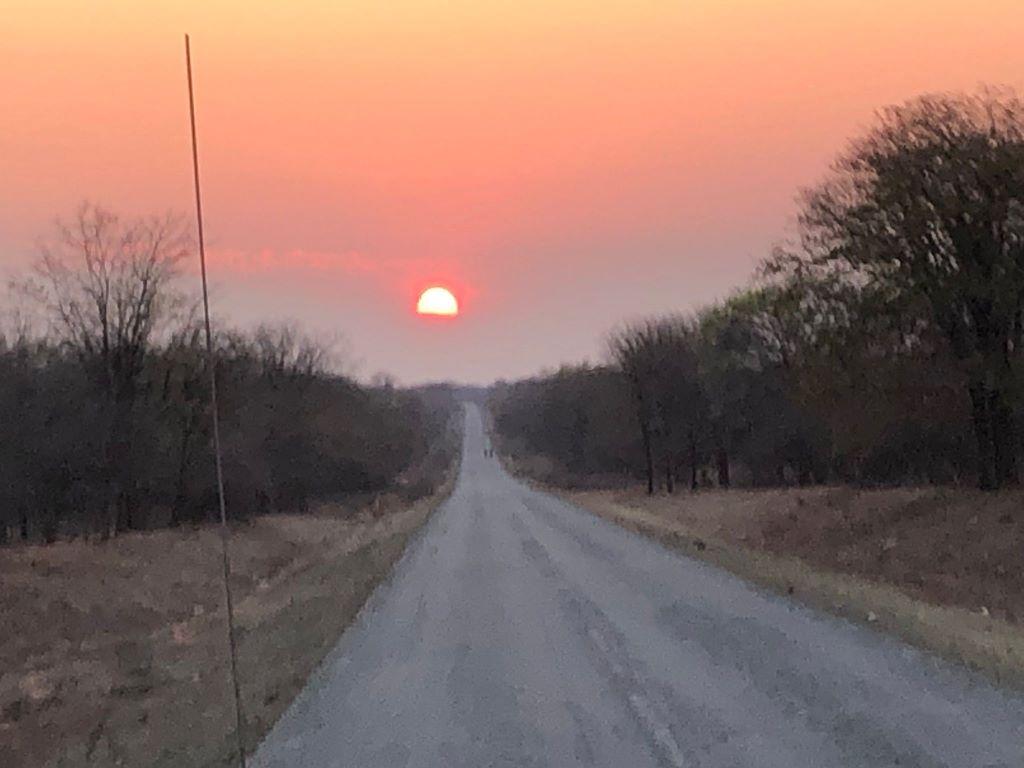
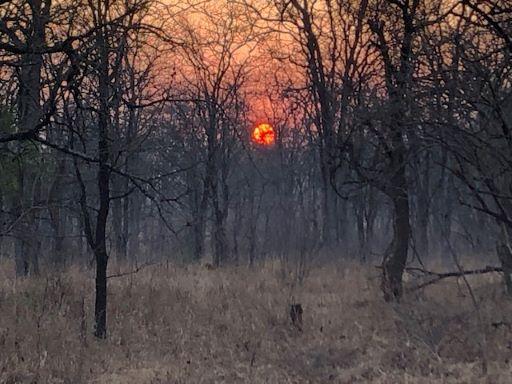
Accommodation is provided in comfortable safari tents with proper beds, hot showers, and all the essentials needed after a day in the field. The camp offers a traditional Zimbabwe hunting atmosphere where good food, cold drinks, and hunting stories are often shared around the fire each evening.
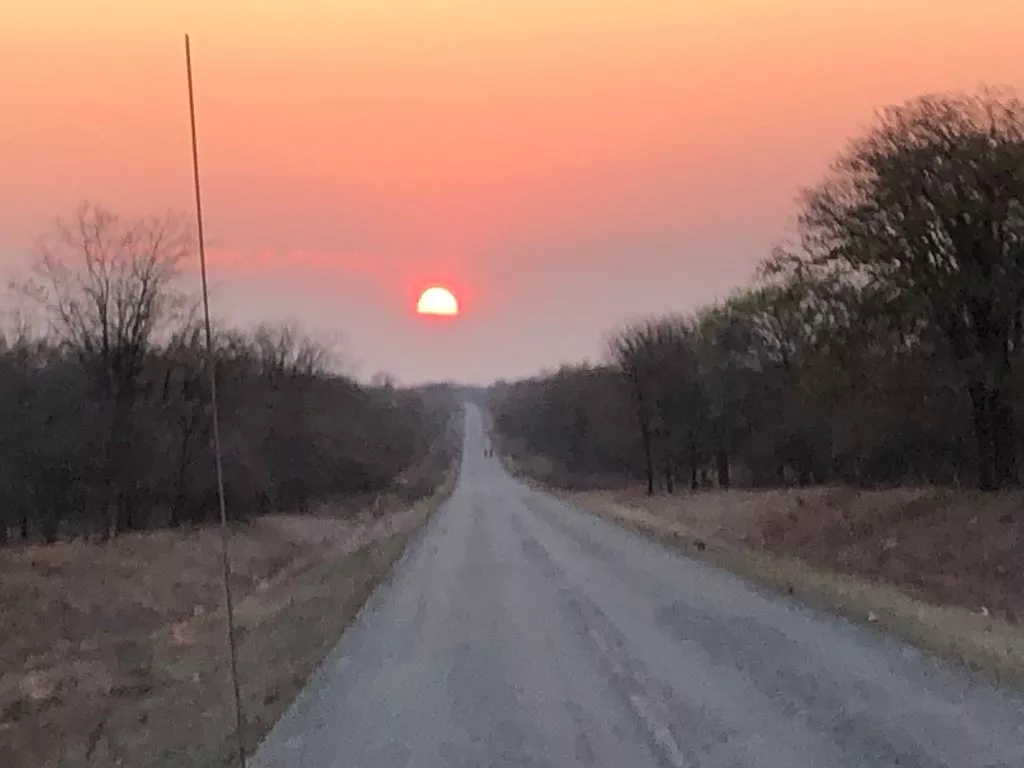
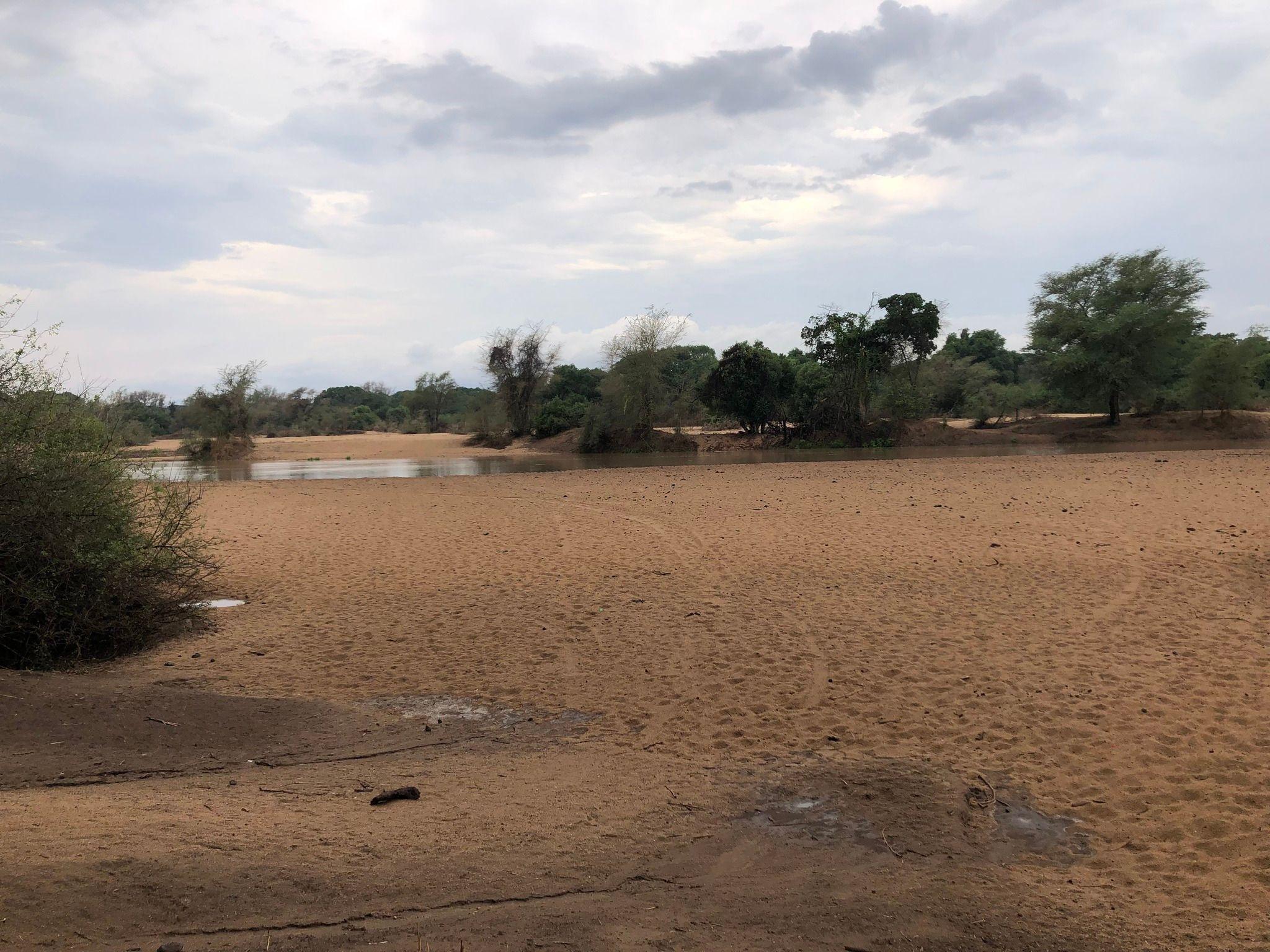
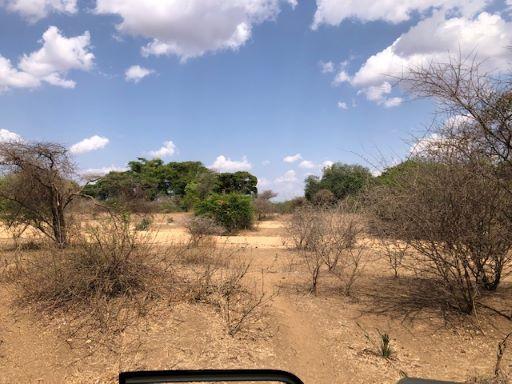
Hunters can expect a mixture of rolling bushveld, dense mopane woodland, open plains, and river systems associated with the Save River. The varied terrain creates ideal habitat for lion and other dangerous game while ensuring a challenging and rewarding hunting experience.
| Fence Type: | Free-range |
| Hunting Ground Size: | 50000 ha |
| Nearest Airport Name: | rare International Airport (HRE), Zimbabwe |
| Transfer From Airport: | Yes |
Authentic lion hunting in Zimbabwe remains one of Africa's greatest dangerous game adventures, and few areas enjoy the reputation of the Save Valley Conservancy. Covering more than 750,000 acres of unfenced wilderness, Save Valley supports healthy populations of lion, leopard, elephant, buffalo, and numerous plains game species, making it one of the continent's premier free-range hunting destinations.
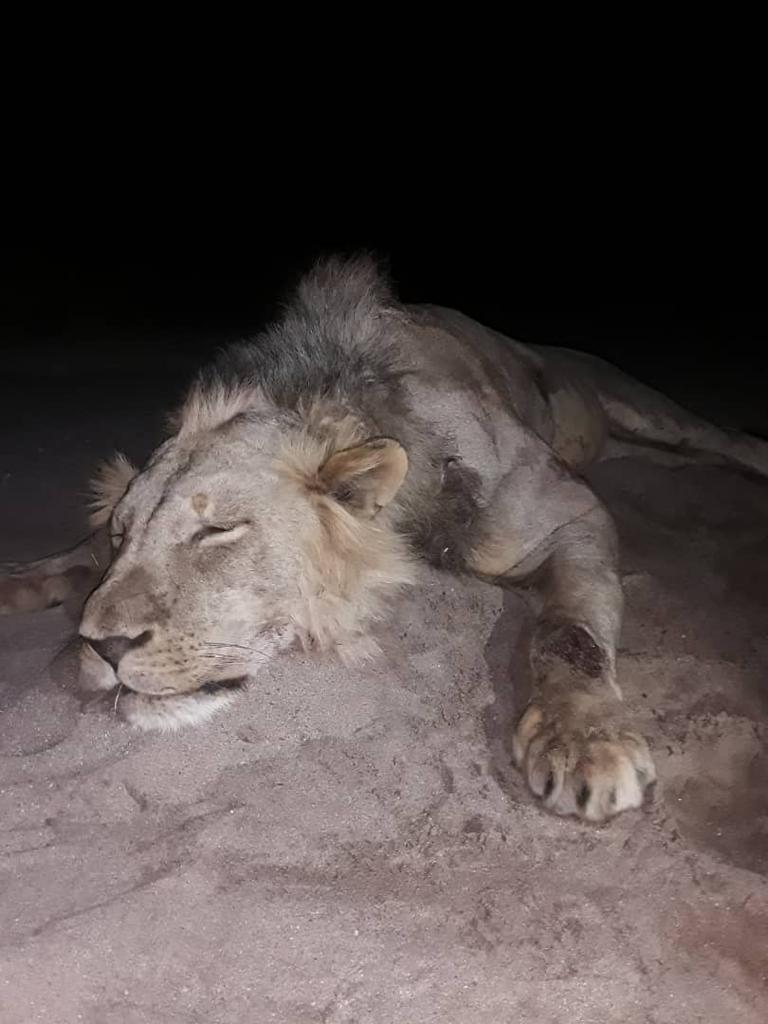
This 14-day safari provides hunters with the opportunity to pursue a mature trophy male lion under the guidance of experienced dangerous game professional hunters. With limited lion quotas, strong conservation management, and the possibility of importing qualifying trophies into the United States subject to permit approval, Save Valley continues to attract serious hunters seeking an authentic free-range lion safari in Africa.
This 14-day lion hunting safari takes place in the renowned Save Valley Conservancy, one of Africa's largest and most respected free-range wildlife areas. Hunters have the opportunity to pursue a mature trophy male lion across more than 750,000 acres of unfenced wilderness under the guidance of experienced dangerous game professional hunters.
Lion trophies from qualifying free-range hunts in Zimbabwe may be considered for import into the United States on a case-by-case basis through the USFWS permit process. Conservation Force can assist hunters with enhancement findings and permit application requirements where necessary.
The Save Valley Conservancy is renowned for producing mature, full-maned lions and remains one of Africa's premier destinations for hunters seeking authentic free-range lion hunts. With vast unfenced hunting areas, experienced dangerous game professional hunters, and carefully managed lion quotas, Save Valley continues to attract hunters from around the world in search of one of Africa's most iconic dangerous game animals.
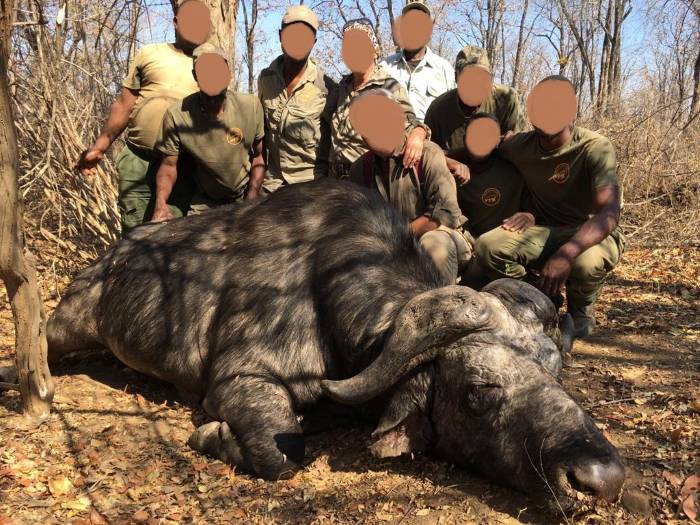
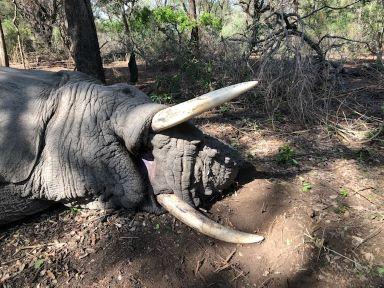
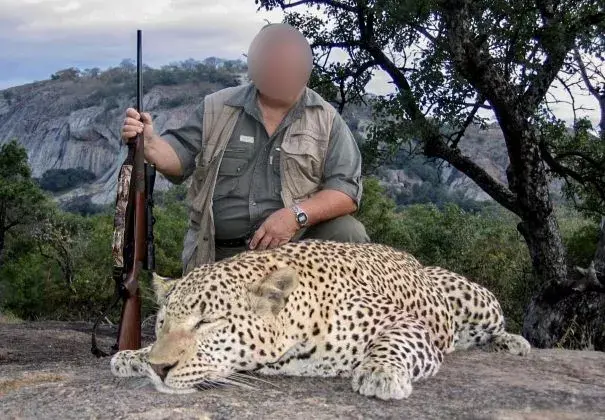
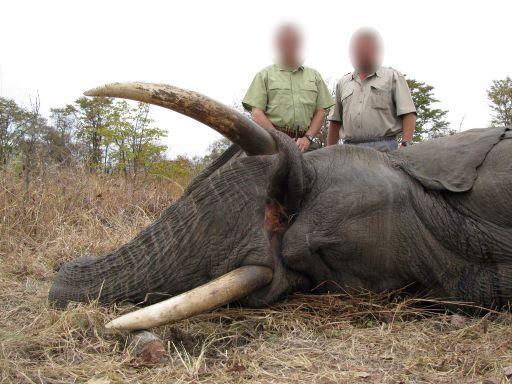
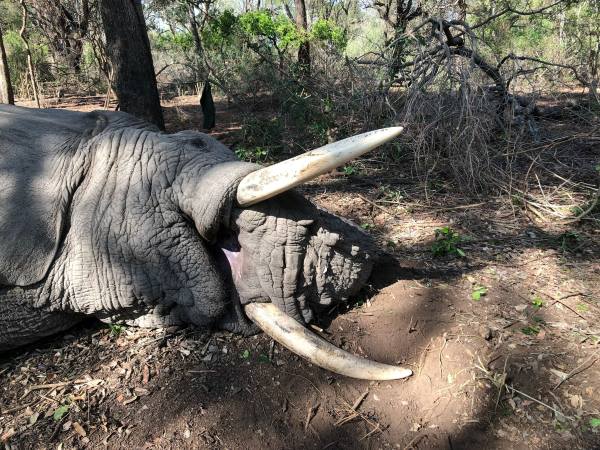
One of the advantages of hunting in the Save Valley Conservancy is the opportunity to add additional dangerous game species to your safari. Hunters already pursuing lion often choose to take advantage of the area's exceptional game diversity and add further trophies while in camp.
Additional trophy opportunities may include:
The Save Valley Conservancy is one of the few areas in Africa where hunters can realistically pursue multiple dangerous game species within the same free-range concession. Limited quotas apply and additional trophy opportunities should be discussed when planning your safari.
Additional hunting days may be arranged at a rate of US$ 750 per day, plus applicable government levies and taxes.
This safari offers the opportunity to pursue a mature free-range lion in one of Zimbabwe's most respected wildlife conservancies while benefiting from transparent, all-inclusive pricing with no hidden costs.
Free-range lion hunting remains one of Africa's most sought-after dangerous game hunting experiences, but opportunities to pursue mature trophy males have become increasingly limited over the past decade. Across Africa, lion quotas are carefully controlled and wildlife authorities have implemented stricter regulations to ensure hunting remains sustainable and contributes positively to long-term conservation objectives.
Modern lion management places significant emphasis on age restrictions, quota allocation, population monitoring, and conservation outcomes. As a result, only a limited number of mature male lions are made available to hunters each year. These restrictions help protect breeding populations while ensuring that hunting continues to play a role in wildlife conservation and habitat preservation.
Areas such as the Save Valley Conservancy have become increasingly important because they continue to support healthy lion populations within vast free-range ecosystems. Covering more than 750,000 acres of unfenced wilderness, Save Valley provides the type of habitat required to sustain naturally occurring lion populations alongside other iconic African species including buffalo, leopard, elephant, and endangered African wild dogs.
This means that opportunities to pursue a mature free-range lion are becoming more valuable each year. Unlike smaller hunting properties or heavily managed systems, free-range lion hunting in areas such as Save Valley remains a genuine wilderness experience where success depends on patience, careful planning, professional guiding, and the availability of limited annual quotas.
For big game hunters, the opportunity to hunt a mature free-range lion in one of Africa's great wildlife conservancies represents one of the last truly iconic hunting adventures remaining on the continent.
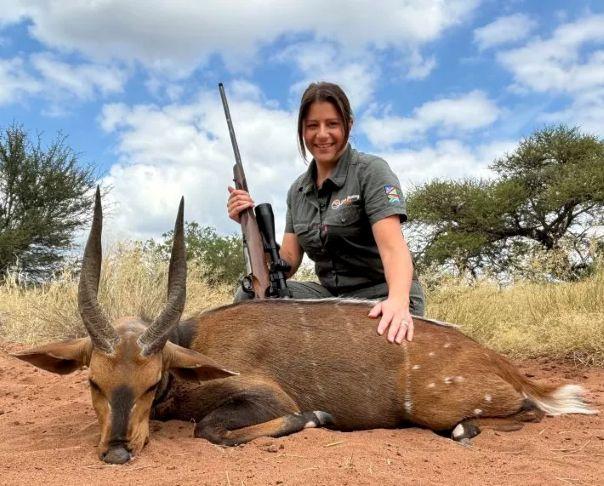
With more than three decades of hunting experience in Africa, Christine has established herself as one of Zimbabwe's most respected dangerous game outfitters and remains one of only a handful of women operating at the highest levels of the professional hunting industry in the country.
In addition to her extensive hunting background, Christine holds a PhD in Medicine, bringing a unique combination of wilderness experience, leadership, and professional expertise to every safari. Together with her team of professional hunters, trackers, and camp staff, she has guided international hunters on countless lion hunts, elephant hunting safaris, leopard hunts, and cape buffalo adventures throughout Zimbabwe.
The Save Valley Conservancy has long been one of Christine's preferred hunting areas, offering the type of vast free-range wilderness and healthy wildlife populations required for exceptional dangerous game safaris. Her knowledge of the area, combined with decades of experience hunting Africa's most iconic species, helps ensure hunters enjoy a professional, safe, and memorable hunting experience from arrival to departure.
While lion are the primary focus of this safari, many hunters choose to take advantage of the exceptional hunting opportunities available throughout the Save Valley Conservancy. Should your lion be successfully harvested early in the safari, additional days can often be used to pursue a variety of sought-after African species.
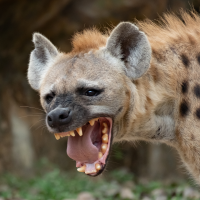
Particularly popular additions include hunting kudu, one of Africa's most iconic spiral-horned antelope, as well as hyena hunting in Zimbabwe. Hyena are especially appealing to lion hunters, as both species often occupy the same areas and may be encountered while checking baits or traveling between hunting locations.
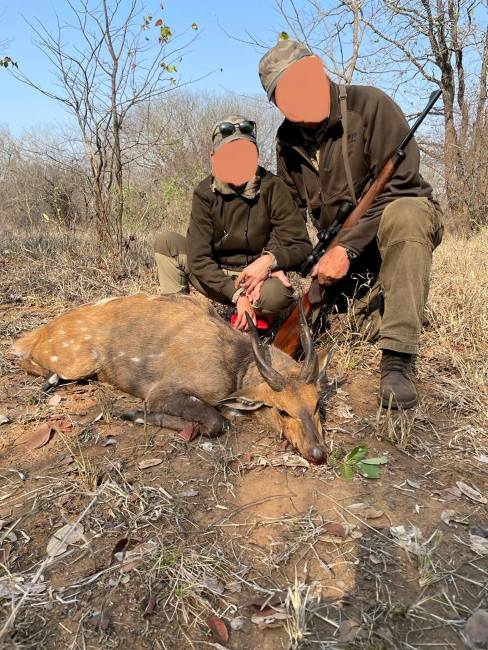
Additional trophy opportunities include:
The Save Valley also offers opportunities for hunters interested in smaller species, including civet, jackal, duiker, grysbok, and klipspringer. For those looking to experience a wider variety of African game during their stay, the conservancy provides excellent plains game hunts alongside its renowned dangerous game safaris.
Bird hunting opportunities are also available, with species including ducks, francolin, geese, pigeons, and doves found throughout the conservancy.
The Save Valley Conservancy is often described as "Old Africa" and remains one of Zimbabwe's most respected wildlife areas. Covering more than 750,000 acres of unfenced wilderness, the conservancy supports the Big Five as well as healthy populations of plains game, predators, and numerous specialty species. Save Valley is also internationally recognised for its conservation efforts, particularly its work with endangered African wild dogs and both black and white rhino populations.
The conservancy is owned and managed through a partnership between private landowners, local communities, and government stakeholders, creating one of Africa's most successful wildlife conservation models. For hunters, this means access to a vast free-range ecosystem where wildlife is managed sustainably and hunting contributes directly to conservation and local livelihoods.
The terrain is remarkably diverse, consisting of rolling granite hills, open grasslands, mopane woodland, teak forests, and dense riverine thickets. This variety of habitat supports exceptional wildlife numbers and ensures that no two days in the field are ever quite the same.
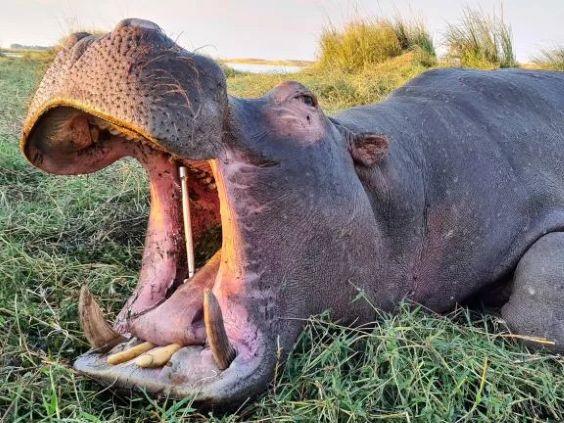
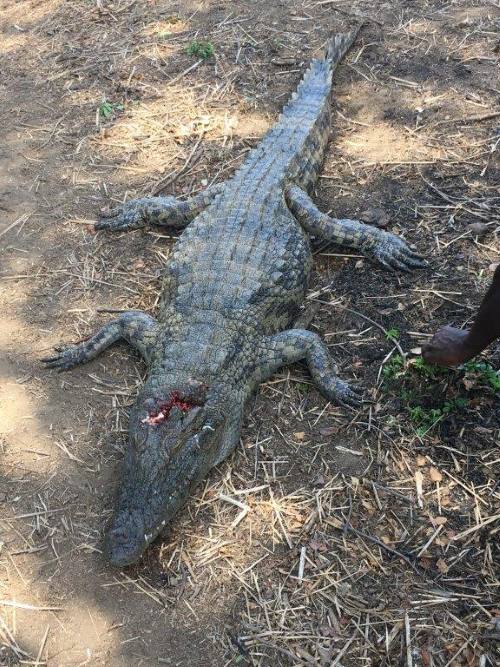
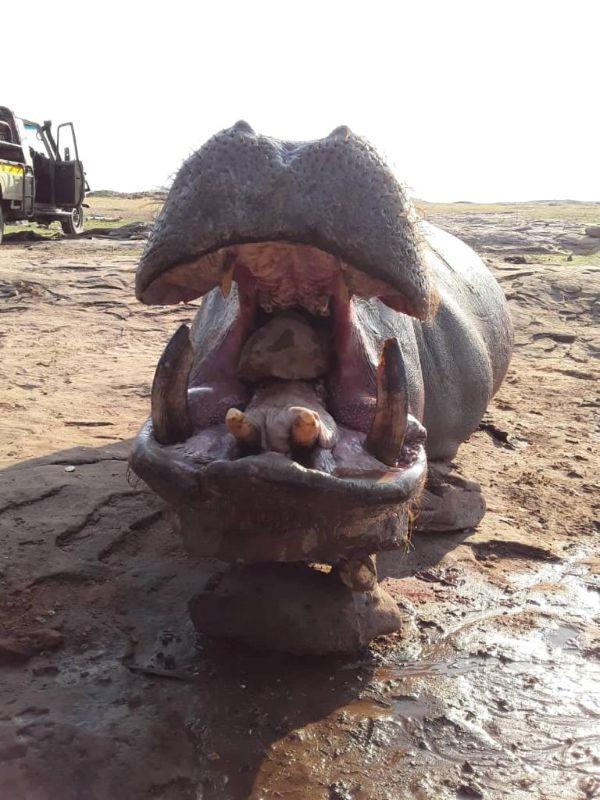
Flowing through the conservancy, the Save River provides a permanent water source that attracts wildlife throughout the year. The river system supports healthy populations of animals often pursued on hippo hunts and crocodile hunts, while also drawing buffalo, elephant, lion, and countless plains game species to its banks. During the dry season, the river becomes one of the most important wildlife corridors in the region and plays a vital role in sustaining the conservancy's remarkable biodiversity.
This safari operates within the broader philosophy of Zimbabwe's CAMPFIRE program (Communal Areas Management Programme for Indigenous Resources), one of Africa's best-known community-based wildlife conservation models. The principle behind CAMPFIRE is straightforward: when local communities benefit directly from wildlife and natural resources, they have a greater incentive to protect and conserve them for future generations.
Revenue generated through regulated hunting safaris helps support employment opportunities, anti-poaching efforts, wildlife management, and community development initiatives in rural areas. Across Zimbabwe, CAMPFIRE-related projects have historically contributed toward infrastructure improvements, education, healthcare, and other local development programs linked to wildlife conservation.
For areas supporting dangerous game species such as lion, elephant, buffalo, and leopard, conservation is not simply about protecting animals. Communities living alongside wildlife must also deal with crop damage, livestock losses, and the daily realities of sharing land with some of Africa's most powerful animals. Programs based on the CAMPFIRE model aim to ensure that wildlife remains an asset to local communities rather than a burden.
For many hunters participating in a free-range lion safari in Zimbabwe is about far more than pursuing a trophy. It is also about supporting a conservation system where wildlife, habitat protection, professional hunting, and local communities remain directly connected.
The prime months for lion hunting in Zimbabwe typically fall during the cooler, drier period between April and September. During this time, vegetation becomes thinner, visibility improves, and wildlife movements become more predictable around water sources and established travel routes.
This safari is conducted as a fair-chase free-range lion hunt within the Save Valley Conservancy. Lion hunting is primarily undertaken using the baiting method, which remains the most effective and ethical way of identifying mature trophy males in large wilderness areas. Chris, Shepard, and their team carefully monitor established bait sites throughout the concession, checking for tracks and signs of suitable lions. Once a mature male has been identified and regularly visiting a bait, a temporary blind will be constructed nearby using natural materials from the surrounding environment.
Patience is often the key to a successful lion hunt. While some lions may appear quickly, others may require days of monitoring before an opportunity presents itself. In certain situations, lions may also be followed on foot after feeding, adding another exciting dimension to the safari.
As with all dangerous game hunting, proper lion shot placement is critical to ensuring a quick, ethical harvest. Hunters are encouraged to familiarize themselves with lion anatomy and shot placement before arriving in camp, while your professional hunter will guide you through every shooting opportunity that presents itself.
Hunters who prefer not to travel with their own firearms may make use of quality camp rifles, including a .375 H&H and various larger dangerous game calibers. While lions are often considered one of Africa's softer-skinned dangerous game animals, premium-quality expanding bullets are strongly recommended to ensure reliable penetration and maximum effectiveness.
Accommodation is provided in a comfortable and traditional safari camp within the Save Valley Conservancy. While the focus of this safari is the hunting experience rather than luxury accommodation, hunters can expect clean and comfortable tented rooms, proper beds, en-suite facilities, hot showers, and all the essentials required after a long day in the field.
Evenings are typically spent around camp sharing stories from the day's hunt, enjoying a cold drink, and discussing plans for the following morning. Hearty home-cooked meals are prepared daily, with hunters often enjoying local venison and traditional safari cuisine throughout their stay.
The primary point of entry for this safari is Harare International Airport, Zimbabwe's largest international gateway. Most hunters arriving on afternoon or evening flights will overnight in Harare before departing for the Save Valley Conservancy the following morning.
Road transfers from Harare to the hunting area typically take approximately five hours, depending on road conditions and seasonal factors. Hunters travelling through South Africa may also choose to fly into Johannesburg before connecting directly to Harare via Airlink or Air Zimbabwe. Charter flight options can also be arranged upon request.
Few hunting opportunities in Africa combine free-range wilderness, conservation significance, and dangerous game hunting quite like a lion safari in Zimbabwe's Save Valley Conservancy. Covering more than 750,000 acres of unfenced habitat, Save Valley remains one of the last places where hunters can pursue a mature trophy male lion in a truly wild environment.
This safari is about far more than simply harvesting a lion. It offers the opportunity to hunt one of Africa's most iconic predators under a carefully managed quota system that supports both wildlife conservation and local communities. With healthy lion populations, experienced professional hunters, and one of Zimbabwe's most respected wildlife conservancies as the backdrop, hunters can expect an authentic and challenging dangerous game experience.
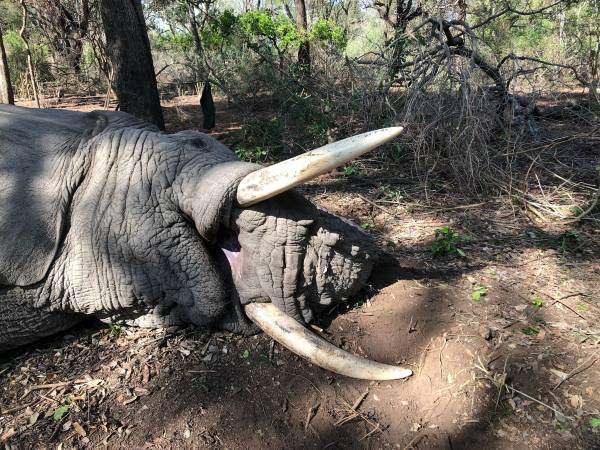
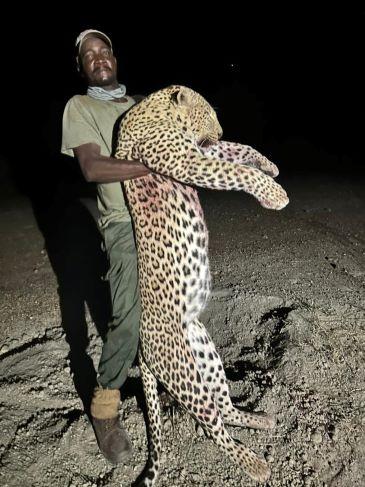
The ability to add species such as leopard, buffalo, elephant, hippo, crocodile, hyena, and plains game further enhances the value of the safari, allowing hunters to tailor the experience to their individual goals. Combined with transparent pricing, professional guiding, and the possibility of importing qualifying trophies into the United States subject to permit approval, this hunt represents one of the finest free-range lion hunting opportunities available in Africa today.
If you would like to learn more about this lion hunting safari in Zimbabwe, discuss available hunting dates, or determine whether this Save Valley hunt is the right fit for your hunting goals, please contact the Game Hunting Safaris team.
Please note that terms, conditions and price are subject to change without notice and rates at the time of the hunt will apply
Needing assistance with firearm permits and international travel services, or good taxidermists? View our affiliated companies
View Affiliated Services