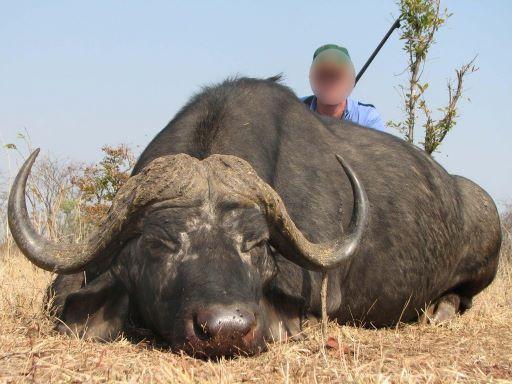
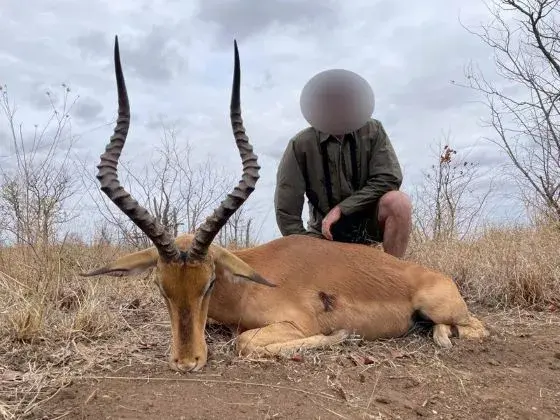
Trophy Hunting in Zimbabwe, Plains Game in Matetsi Unit 2
Booking Season: 2026
Hunt Difficulty: Moderate


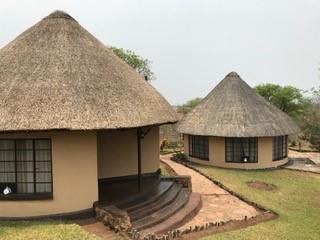
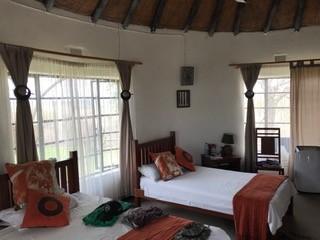
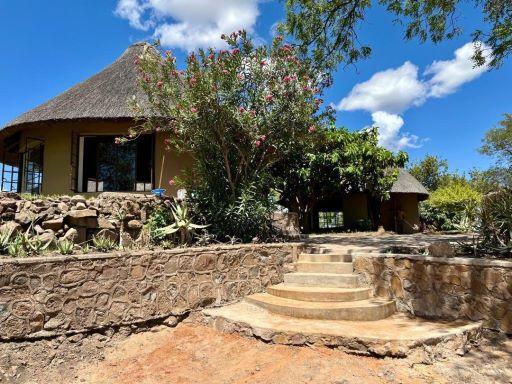
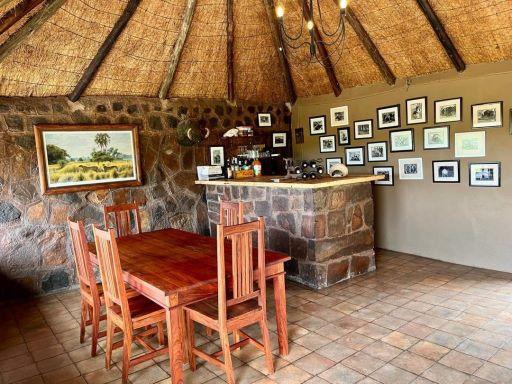
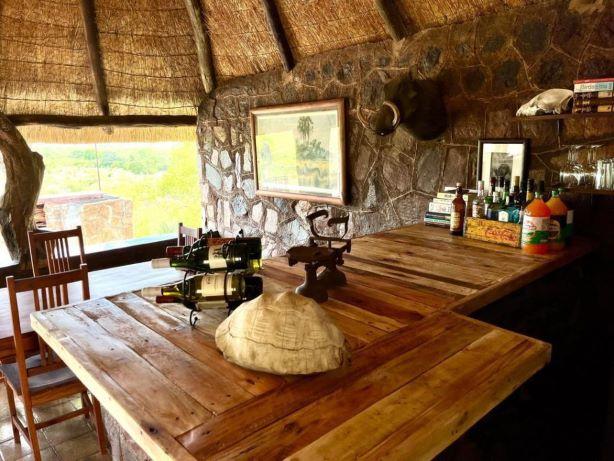
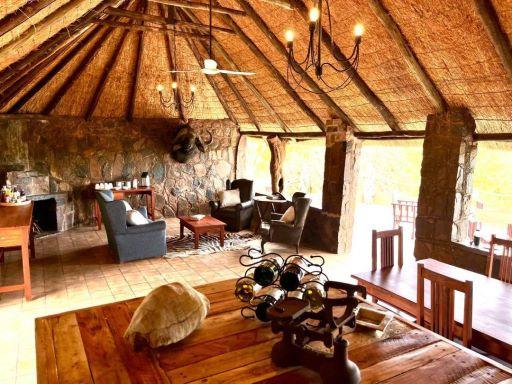
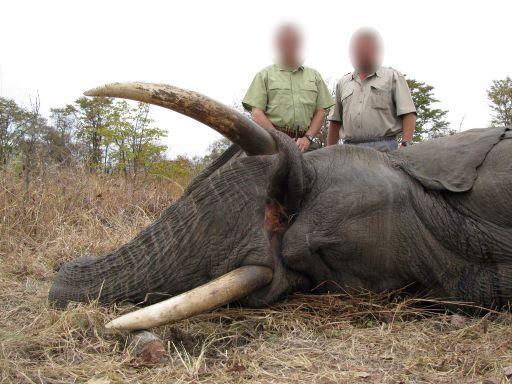
The lodge offers comfortable traditional safari accommodation overlooking the Matetsi wilderness, with thatched rondavels, en-suite facilities, and relaxed camp areas where hunters can unwind after long days tracking dangerous game. Positioned above a nearby vlei, the camp regularly attracts wildlife movement directly below the lodge throughout the day.
Matetsi terrain varies from thick mopane woodland and dry river systems to open vleis, teak forest, and scattered spring-fed areas supporting year-round wildlife movement. The combination of heavy bush, sandy tracking conditions, and large unfenced wilderness areas creates ideal conditions for traditional free-range dangerous game hunting on foot.
| Fence Type: | Free-range |
| Fence Area: | 80000 acres |
| Nearest Airport Name: | Victoria Falls International Airport |
| Transfer From Airport: | Yes |
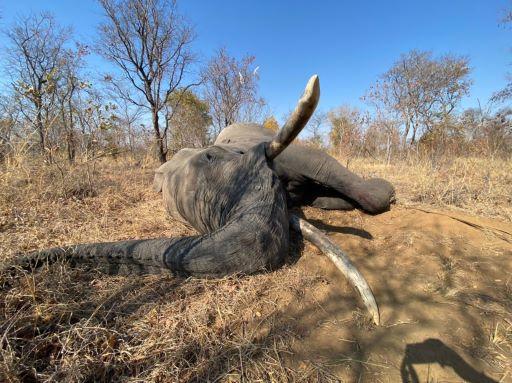
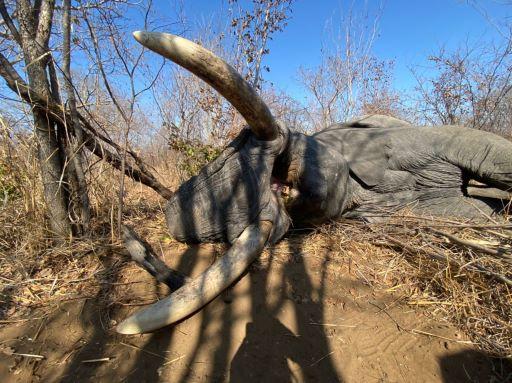
For American and international hunters searching for a true free-range African elephant safari, few areas remain as respected as Zimbabwe’s legendary Matetsi hunting blocks bordering Hwange National Park and the greater Zambezi ecosystem. This 14-day elephant hunting safari takes place across more than 80,000 acres of unfenced wilderness in Matetsi Unit 2, where massive elephant bulls, thick mopane woodland, dry river systems, and traditional tracking conditions continue to define dangerous game hunting in Zimbabwe.
Elephant hunting in this part of Zimbabwe is built around long days on foot following fresh spoor through sand, mopane, river crossings, and thick bush country while tracking mature bulls moving naturally across the concession. Wind direction, tracking conditions, visibility, and physical endurance all play an important role once hunters begin closing the distance on older bulls in heavier cover.
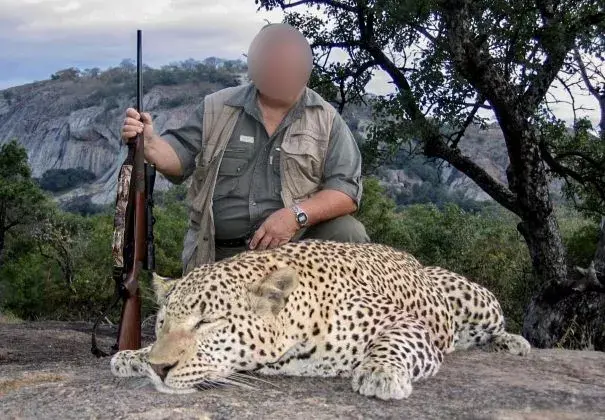
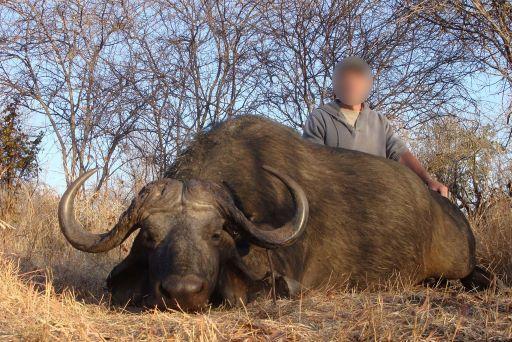
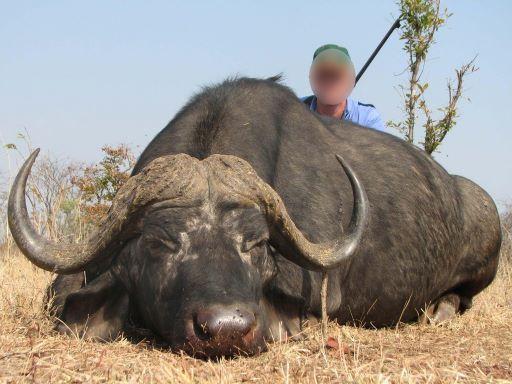
Beyond elephant hunting, the Matetsi region is also internationally respected for exceptional cape buffalo hunts, leopard, lion, sable, and a wide variety of plains game species found throughout the greater wilderness ecosystem. For hunters researching authentic elephant hunting in Zimbabwe, Matetsi remains one of the continent’s most established dangerous game hunting areas.
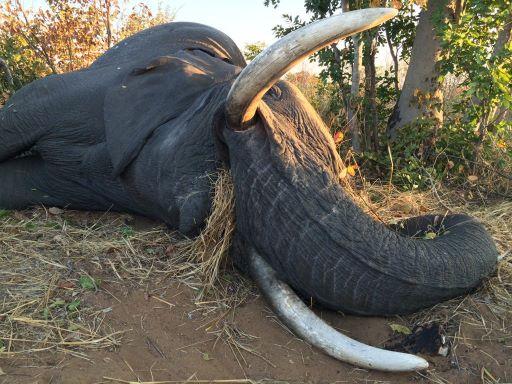
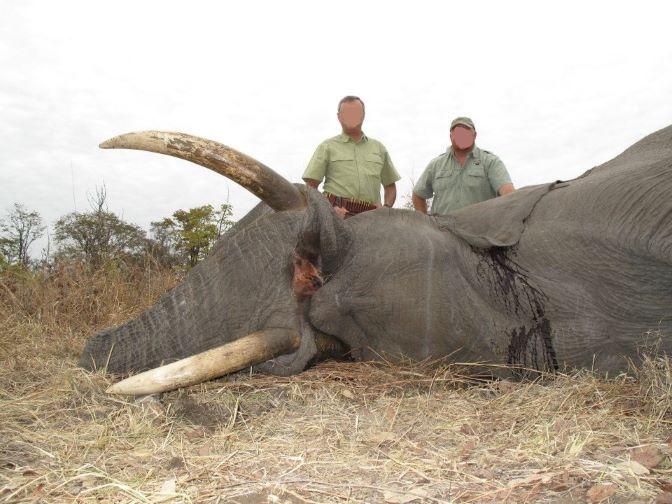
Matetsi Unit 2 is well known for producing quality free-range trophy elephant bulls, with elephants exceeding 45 lbs regularly taken in the area.
Elephant trophies legally hunted in Zimbabwe may be exported under current CITES regulations, including elephants harvested within the Matetsi hunting areas. For American hunters, trophy imports into the United States remain subject to approval by the US Fish and Wildlife Service (USFWS), with each application reviewed individually under existing import regulations and permit requirements.
Hunters importing elephant trophies into the USA will generally require both CITES documentation and Endangered Species Act (ESA) approval before importation can proceed. Zimbabwe continues to operate under wildlife management and hunting regulations aligned with international CITES requirements, with regulated safari hunting playing an important role in conservation funding and wildlife management throughout many hunting regions.
Because import regulations and permit requirements can change over time, hunters are advised to consult directly with their outfitter, professional hunting associations, or specialist wildlife import companies such as Conservation Force before booking or exporting trophies from Zimbabwe.
The Matetsi Safari Areas remain some of the most respected dangerous game hunting concessions in Zimbabwe, particularly for hunters pursuing free-range elephant, buffalo, leopard, and lion across vast unfenced wilderness bordering Hwange National Park and the greater Zambezi ecosystem. Strong game populations, traditional safari hunting conditions, and enormous wilderness areas continue to make Matetsi one of southern Africa’s premier dangerous game destinations.
The greater Matetsi system consists of seven separate hunting concessions covering more than 1,200 square miles of remote bush country stretching between Hwange National Park in the south and the Zambezi River in the north. Large sections of the concession system are made up of mopane woodland, dry river systems, open vleis, teak forest, and thick bush country where wildlife moves naturally across unfenced terrain throughout the year.
Matetsi is internationally respected for producing exceptional trophy elephant bulls, but the area is equally well known for quality lion hunts, leopard hunts, and traditional dangerous game safaris conducted across enormous unfenced wilderness areas. Alongside the dangerous game safaris, the concession also supports outstanding plains game hunts for species such as sable, kudu, zebra, eland, wildebeest, and giraffe that move naturally throughout the greater Matetsi ecosystem.The combination of permanent water, low hunting pressure, and large wilderness concessions creates ideal habitat for dangerous game and contributes to the area’s long-standing reputation among professional hunters and international safari clients alike.
One of the defining characteristics of hunting in Matetsi is the scale of the country itself. Days are often spent tracking game through remote sections of woodland and river systems where encounters with elephant, buffalo, and predators can happen unexpectedly while moving between water sources, crossing points, and thicker cover.
Matetsi Unit 2 consists of more than 80,000 acres of unfenced wilderness bordering some of Zimbabwe’s best-known dangerous game areas. Positioned roughly two hours from Victoria Falls, the concession shares boundaries with Botswana, Kazuma Forest, and neighboring Matetsi hunting blocks, allowing wildlife to move naturally across a vast free-range ecosystem.
Terrain across the concession varies significantly from one section of country to the next. Hunters may move through open vleis, thick mopane woodland, dry river systems, natural springs, flat-top ridges, and heavier teak forest along the Gusu Ridge in the northwest. The Matetsi River, together with smaller seasonal river systems including the Tshabolisa, Tsankaruka, and Guyu Rivers, provides permanent water throughout much of the concession and supports healthy year-round game movement.
These varied conditions create excellent habitat for elephant hunts, while also supporting strong populations of lion, leopard, buffalo, sable, and a wide variety of plains game species throughout the area. Matetsi is particularly well known for producing mature elephant bulls and remains one of the few regions in Zimbabwe where permits may still be issued for roan antelope hunting under strict quota systems.
Tracking conditions in Matetsi often change quickly depending on wind, soil conditions, and the density of the bush. Some days may involve long hours following fresh spoor through mopane and sandveld country, while others may require slow movement through thicker cover near river systems where visibility becomes limited and encounters with dangerous game can happen unexpectedly.
The Matetsi ecosystem supports an impressive variety of wildlife beyond the well-known dangerous game species that attract most international hunters to the region. Alongside elephant, buffalo, lion, and leopard, the concession system also supports healthy populations of giraffe, kudu, sable, eland, zebra, wildebeest, and numerous smaller plains game species moving naturally throughout the unfenced wilderness areas.
Predators and smaller nocturnal species are also commonly encountered throughout the concession. Spotted hyena, African wild cats, servals, genets, honey badgers, and African wild dogs all form part of the broader ecosystem surrounding the Matetsi hunting areas, particularly near river systems and thicker sections of cover where prey species concentrate.
The landscape itself varies from mopane woodland and open vleis to riverine habitat, teak forest, and scattered spring systems supporting year-round wildlife movement. More than 350 bird species occur within the greater Matetsi and Zambezi ecosystem, while crocodile, hippo, monitor lizards, and numerous freshwater fish species are found along the river systems connected to the Zambezi Valley.
Vegetation across the concession plays an important role in supporting both browsing and grazing species throughout the year. Albida trees, riverine vegetation, mopane woodland, and seasonal floodplain areas all contribute to the diversity of habitat found within the Matetsi hunting blocks.
Tracking mature elephant bulls on foot remains one of the most physically demanding and respected forms of dangerous game hunting in Africa. In Zimbabwe’s Matetsi region, elephant hunts are conducted under traditional free-range conditions where hunters and trackers spend long hours following fresh spoor through mopane woodland, river crossings, sandveld, and thick bush country in search of older bulls moving naturally across the concession.
Most hunts begin early in the morning when trackers search roads, waterholes, and crossing points for fresh tracks left during the night. Once a suitable spoor is identified, the hunting party follows the tracks on foot, often covering significant distances while constantly adjusting to wind direction, visibility, terrain, and the movement of the herd or bull being tracked.
Conditions during an elephant hunt can change quickly. Thick cover, shifting wind, dry ground, and the size of the terrain itself all influence how closely hunters can approach before a shooting opportunity develops. Patience, physical endurance, and the ability to move quietly over long distances remain important parts of a successful elephant safari in Matetsi.
Because elephant encounters often develop at close range in heavy cover, hunters should also spend time understanding proper elephant shot placement before arriving in camp, particularly for frontal brain shots and quartering angles that may present themselves during a traditional tracking hunt.
Born and raised in Zimbabwe, Dean has been guiding and operating dangerous game hunting safaris across southern Africa for more than two decades, with extensive experience hunting elephant, buffalo, lion, and leopard throughout some of the continent’s best-known wilderness areas.
In addition to Zimbabwe, Dean has hunted extensively in South Africa, Namibia, Cameroon, Ethiopia, Benin, and Mozambique, bringing broad dangerous game experience and deep knowledge of African hunting conditions to every safari conducted in Matetsi. His approach to safari hunting places strong emphasis on traditional hunting values, realistic expectations, field craft, and creating a genuine African hunting experience built around the wilderness, the tracking, and the overall atmosphere of the hunt itself.
For many returning hunters, time spent around the campfire discussing previous safaris, dangerous game encounters, and African hunting stories becomes just as memorable as the hunt itself.
The hunting lodge is positioned on a small rise overlooking a typical Matetsi vlei, offering wide views across the surrounding bush and regular wildlife activity moving through the area below camp. The atmosphere remains relaxed and traditionally safari-focused, providing hunters with a comfortable base between long days spent tracking dangerous game throughout the concession.
Accommodation consists of three thatched rondavels with en-suite bathrooms, air coolers, permanent electricity, and Wi-Fi access in camp. A separate thatched entertainment area includes the bar, dining space, and outdoor fire pit where hunters often gather in the evenings to discuss the day’s tracking, game movement, and plans for the following morning while watching the sun set across the Matetsi wilderness.
Elephant hunting safaris in Zimbabwe are most productive during the cooler and drier months between April and late October. During this period, vegetation begins thinning out, water sources become increasingly important for wildlife movement, and tracking conditions across dry riverbeds, sandveld, and mopane country are often at their best.
As temperatures rise later in the season, hunting conditions can become more physically demanding. Pepper ticks, mosquitoes, and other insects become more active during warmer periods, particularly near thicker bush and river systems after seasonal rains. Long days spent tracking elephant on foot through dry country also make hydration, comfortable boots, and physical preparation important considerations for hunters planning a safari in Matetsi.
That said, elephant hunting in Zimbabwe remains a rewarding experience throughout much of the hunting season, with different conditions and hunting dynamics developing as the year progresse.
International hunters attending this safari will typically arrive through Victoria Falls International Airport before transferring by road into the Matetsi hunting areas. Most travelers route through Johannesburg’s OR Tambo International Airport before connecting onward to Victoria Falls, with Airlink remaining one of the more commonly used regional carriers for hunters traveling with rifles and ammunition while visiting Zimbabwe for dangerous game safaris and hunting in Zimbabwe.
Depending on international flight schedules and firearm clearance timing, some hunters may prefer to overnight in Johannesburg before continuing into Zimbabwe the following day. Hotels near OR Tambo, including African Sky Boutique Hotel, are commonly used by international hunters and can often assist with airport transfers and temporary firearm permit logistics.
The road transfer from Victoria Falls International Airport into Matetsi Unit 2 takes approximately two hours through remote bush country bordering the greater Hwange and Zambezi wilderness ecosystem.
For elephant hunting in Zimbabwe, a .375 loaded with quality ammunition is generally considered the sensible minimum caliber. Many experienced dangerous game hunters prefer stepping up to larger calibers such as the .404, .416, .458 Winchester Magnum, or .458 Lott, particularly when hunting in thicker cover where close-range encounters may develop quickly.
Traditional double rifles including the .470 Nitro Express, .500 Nitro Express, and .600 Nitro Express also remain highly respected choices for elephant hunting due to their stopping power and fast second-shot capability in heavy bush conditions. Regardless of caliber selection, most professional hunters will advise using a rifle that the hunter can handle confidently and shoot accurately under pressure, especially during close-range encounters with dangerous game.
For hunters extending their safari before or after the hunt, Zimbabwe also offers a wide range of non-hunting travel opportunities throughout the country. Victoria Falls remains one of Africa’s most visited natural attractions, while destinations such as Hwange National Park, Mana Pools, Lake Kariba, and the Matobo Hills provide additional opportunities for photographic safaris, fishing, birding, cultural experiences, and wilderness tourism.
Many international hunters combine their dangerous game safari with additional travel throughout the greater Zambezi and Hwange regions, particularly when visiting Zimbabwe for the first time.
For hunters planning one of Africa's premier Hunting Trips, few safaris offer the opportunity to pursue a free-range elephant in a concession as respected as Matetsi Unit 2. This is a safari designed for hunters who value wilderness, traditional tracking, and the challenge of earning success through patience, teamwork, and sound fieldcraft rather than convenience.
Tracking mature elephant bulls on foot across more than 80,000 acres of unfenced wilderness is among the most physically demanding forms of Big Game Hunting in Africa. Every day is shaped by fresh spoor, changing wind, varied terrain, and the decisions made alongside experienced professional hunters as you close the distance on one of the continent's most iconic animals.
If you are comparing African safaris, our guide to African Hunting Safari Prices provides useful information on how elephant safaris compare with other dangerous game hunts across the continent. Whether this is your first elephant safari or another chapter in your African hunting journey, Matetsi Unit 2 continues to offer the scale, tradition, and free-range hunting conditions that have made Zimbabwe one of Africa's most respected dangerous game destinations.
Please note that terms, conditions and price are subject to change without notice and rates at the time of the hunt will apply
You can speak directly with the outfitter before booking. GHS remains available throughout the process.
Needing assistance with firearm permits and international travel services, or good taxidermists? View our affiliated companies
View Affiliated Services