Exportable Trophy Elephant Hunt in Namibia Caprivi Strip
Booking Season: 2026
Hunt Difficulty: Difficult

Zimbabwe offers a wide range of elephant hunting opportunities, from traditional trophy-bull safaris to tuskless and non-exportable elephant hunts. The difference between these options goes well beyond price. The hunting area, available quota, type of elephant being pursued and whether the trophy can be exported all influence which safari is right for you.
Elephant hunting takes place across several very different parts of Zimbabwe. A hunt in the Zambezi Valley, with its thick jesse bush and long days following tracks, can be a different proposition from hunting the country bordering Hwange or the conservancies of the Lowveld. The actual concession matters, as does the time of year and the experience of the professional hunter working that area.
For hunters comparing elephant hunts in Africa, Zimbabwe offers a choice of hunting areas and safari arrangements. Our broader guide to hunting in Zimbabwe covers the country as a whole, while this page concentrates on helping you choose a suitable elephant hunt.
Browse the available Zimbabwe elephant safaris below, paying particular attention to the hunting area, safari duration, trophy category and what is included in the advertised price.
Available Elephant Hunts
Exportable Trophy Elephant Hunt in Namibia Caprivi Strip
Booking Season: 2026
Hunt Difficulty: Difficult

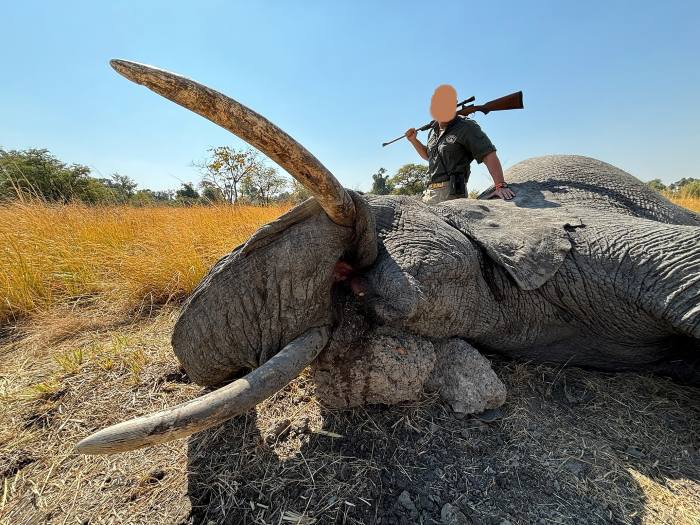
Exportable Trophy Elephant Hunt in Zambezi, Namibia
Booking Season: 2026
Hunt Difficulty: Difficult
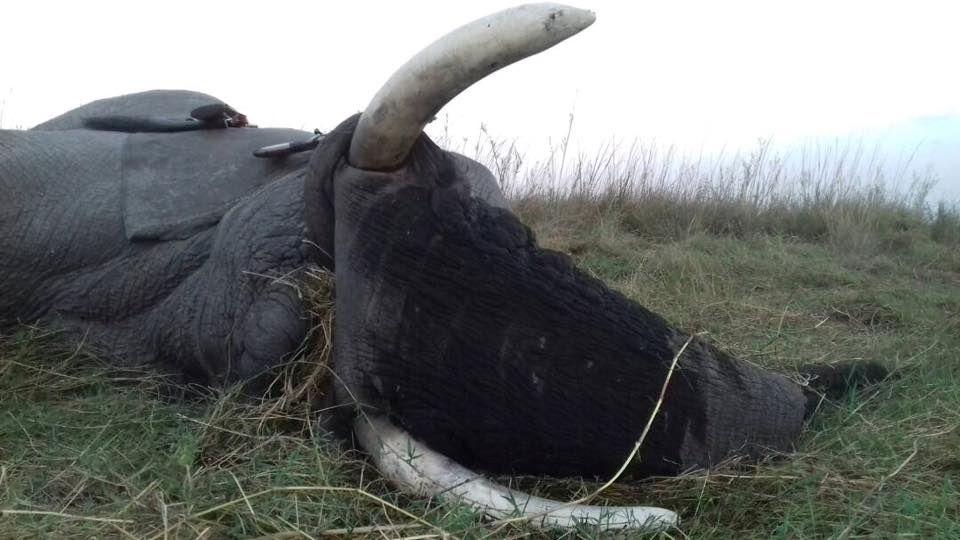
Hunt Non-Exportable Elephant in the Caprivi, Namibia
Booking Season: 2026
Hunt Difficulty: Difficult

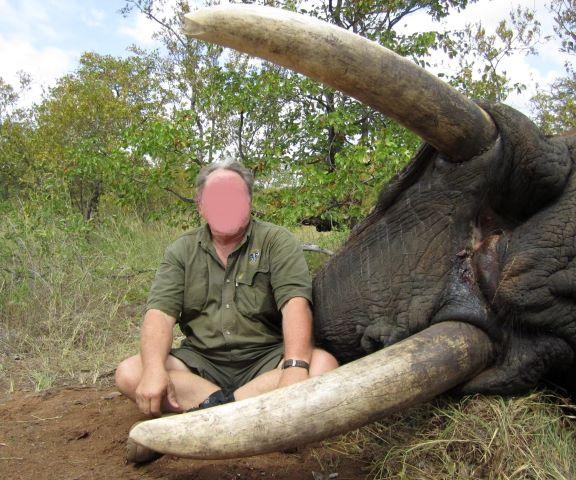
Non-Export Elephant Hunt in Namibia | Caprivi Safari
Booking Season: 2026
Hunt Difficulty: Difficult
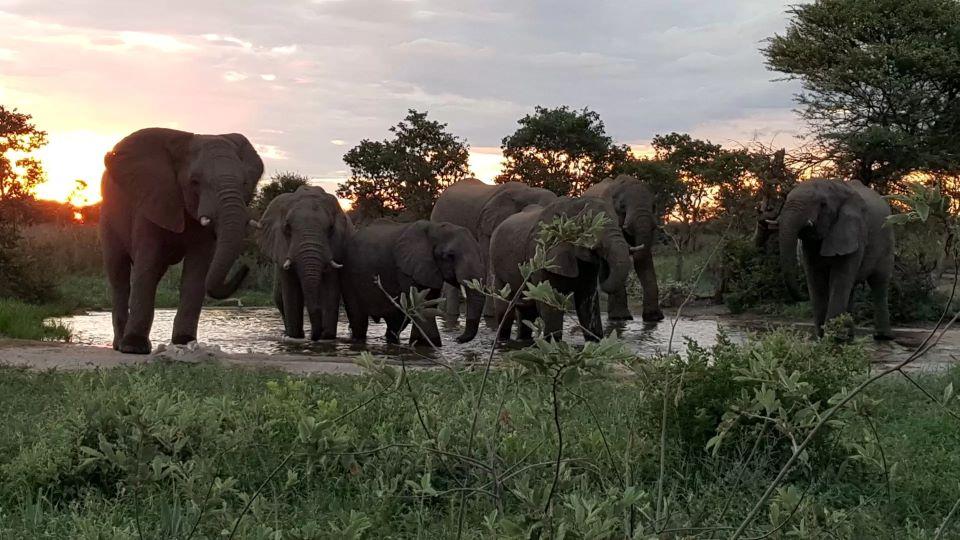
Non-Exportable Elephant Hunting in Namibia: Bushmanland
Booking Season: 2026
Hunt Difficulty: Difficult
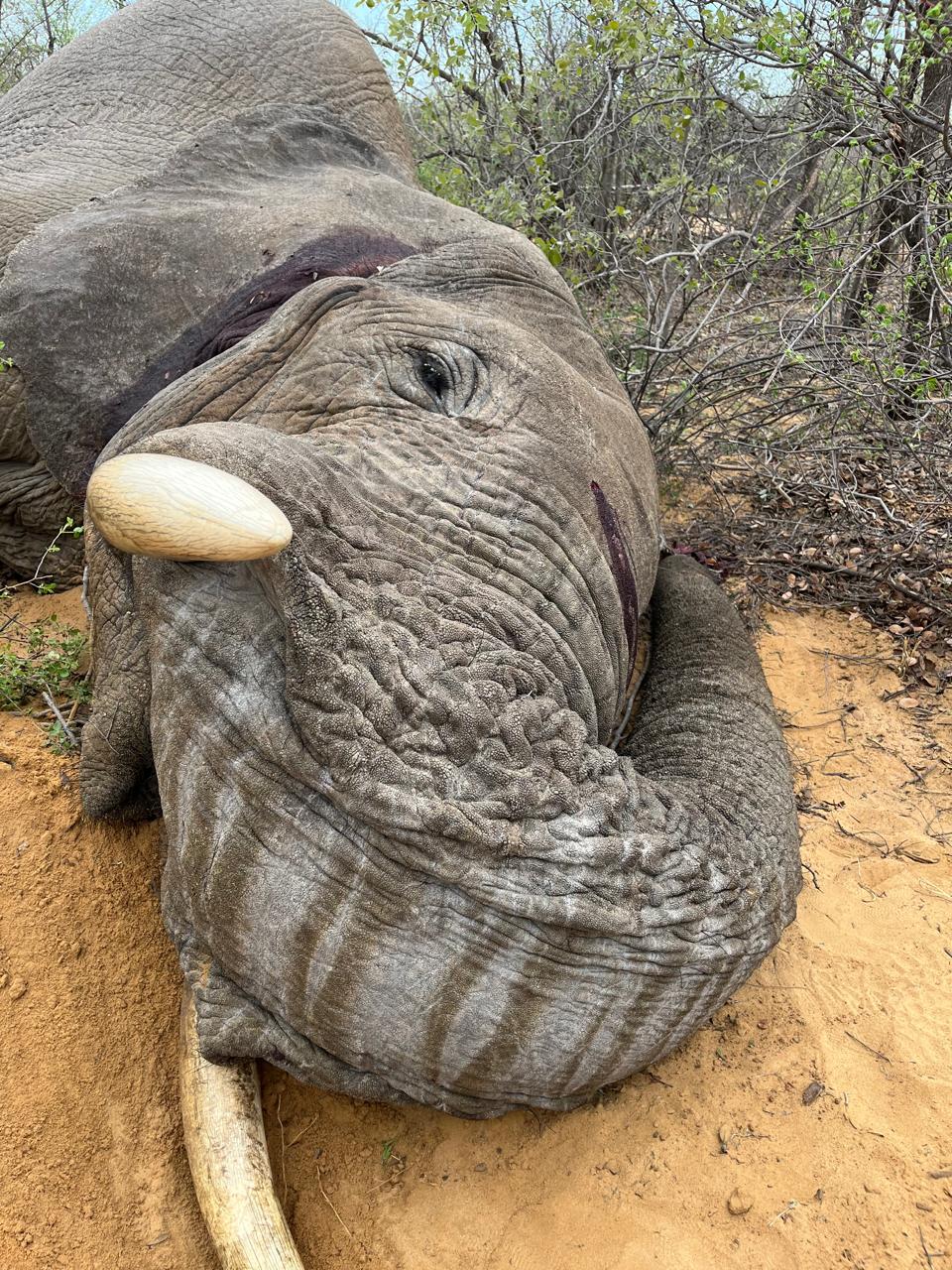
Exportable Caprivi Elephant Safari
Booking Season: 2026
Hunt Difficulty: Moderate, Difficult
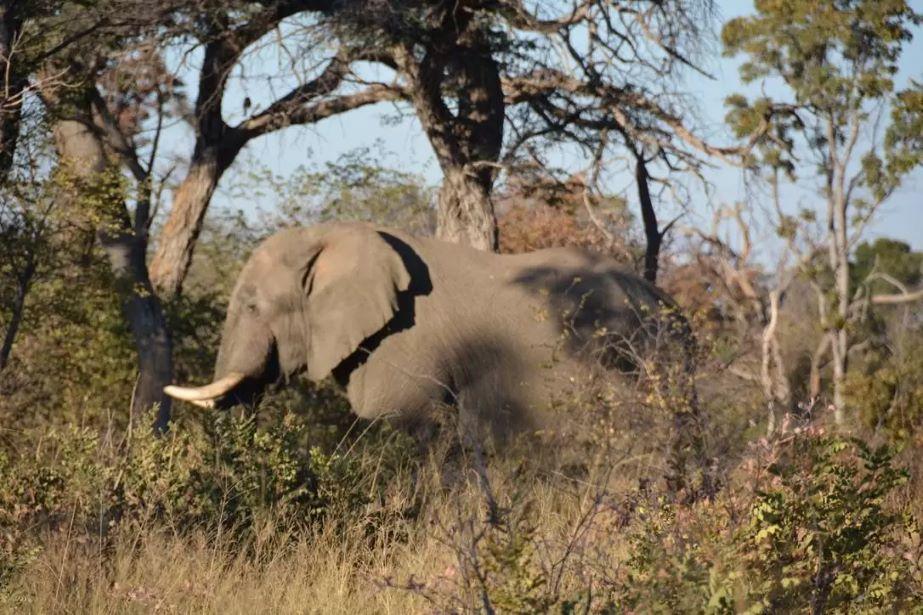
Namibia Trophy Elephant Safari | Bushmanland Conservancies
Booking Season: 2026
Hunt Difficulty: Difficult
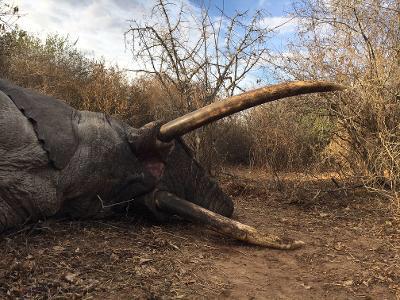
Legendary Selous Safari for Elephant, Lion and Leopard
Booking Season: 2026
Hunt Difficulty: Difficult
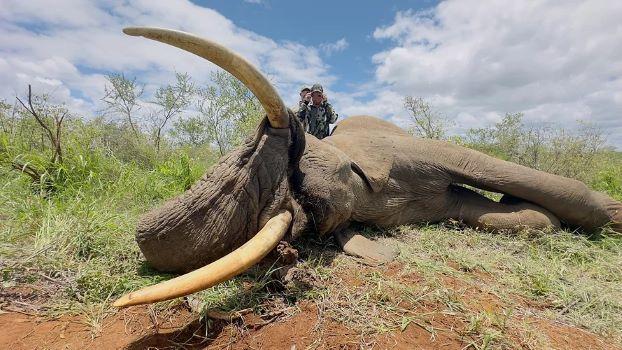
Dangerous game hunting in Botswana, Trophy Elephant
Booking Season: 2026
Hunt Difficulty: Difficult
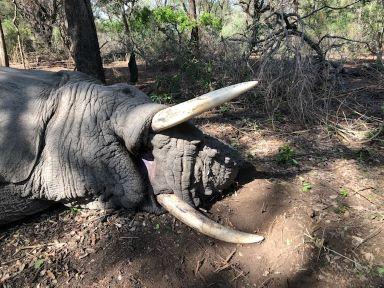
Elephant Hunting in Zimbabwe 10 Days Action in Save Valley
Booking Season: 2026
Hunt Difficulty: Difficult
Not every elephant hunt advertised in Zimbabwe offers the same trophy opportunity, and the difference is not always obvious from the price. Before comparing concessions or safari lengths, a hunter needs to establish exactly what type of elephant the hunt covers, what quota has been allocated and whether the trophy is eligible for export.
For hunters wanting to pursue a mature ivory bull, Zimbabwe offers traditional tracking-based safaris in several established elephant hunting areas. These hunts are generally priced according to the concession, safari duration and the trophy category offered. Some operators quote a complete package, while others separate the daily rates from the elephant trophy fee. Ivory weight may also affect the final price.
An exportable bull hunt should never be booked on the assumption that a particular tusk weight is guaranteed. The professional hunter must work within the allocated quota and judge the bulls encountered during the safari. A mature elephant carrying less ivory than a hunter originally hoped for may still be an excellent trophy, but that is a conversation worth having before the hunt rather than after several days of tracking.
For American hunters, there is another important distinction. A trophy that qualifies for export from Zimbabwe does not automatically qualify for import into the United States. Import eligibility and the required approvals must be established separately before committing to the safari.
A tuskless elephant hunt is a different proposition from pursuing a mature ivory bull. These hunts may involve working around breeding herds rather than tracking a solitary bull, which brings its own difficulties. The PH must identify the correct animal, account for the movement of the surrounding elephants and make certain the opportunity is appropriate before allowing the hunter to proceed.
Tuskless hunts can appeal to hunters who place greater value on the experience of tracking elephant than on bringing home ivory. They may also offer a more affordable opportunity, depending on the concession and available quota. However, hunters should confirm exactly which animals are authorised under the offer rather than assuming that every advertised tuskless hunt follows the same arrangements.
Non-exportable elephant hunts are another option worth considering, particularly for hunters who are interested primarily in the hunt itself. These safaris can be priced considerably below some traditional exportable trophy-bull packages, but the conditions attached to them matter.
The important question is why the elephant is classified as non-exportable and what that means for the hunter. The category may reflect the specific quota, trophy status or other restrictions attached to the offer. It should not be assumed that a non-exportable hunt necessarily involves an inferior animal or an easier safari.
A hunter should understand from the outset that the advertised trophy may not be taken home. The operator should also explain what happens to any ivory or other trophy material after the hunt.
Zimbabwe also offers elephant hunting opportunities through community-based wildlife management arrangements, including areas associated with the CAMPFIRE programme. These are not a separate type of elephant in the same sense as a tuskless animal or an ivory bull. Community quota describes how the hunting opportunity is allocated and managed.
Such a safari may still involve an exportable bull, a non-exportable elephant or another specifically authorised hunt category. What matters to the hunter is the actual concession, the quota available for the safari, the hunting conditions and the terms of the offer.
The sensible approach is to choose the type of elephant hunt you want first, then compare the areas, operators and prices available for that particular opportunity.
Elephant hunting prices in Zimbabwe vary according to the hunting area, trophy category, safari duration and what is included in the package. A traditional exportable trophy-bull safari generally costs more than a tuskless or non-exportable hunt, although prices can differ substantially even between similar opportunities.
Among the Zimbabwe elephant safaris currently advertised through Game Hunting Safaris, exportable trophy-bull opportunities start at approximately US$27,000, with other packages priced around US$33,000–$38,000. Tuskless elephant hunts are advertised from approximately US$14,200–$15,100. These are indicative advertised prices, not fixed quotations, and hunters should check whether the elephant trophy fee and other safari expenses are included.
Some Zimbabwe elephant safaris are advertised as complete packages with the elephant trophy fee included. Others are quoted using daily rates, with the trophy fee charged separately. A lower advertised price can therefore become a substantially more expensive hunt once the trophy fee is added. Neither pricing method is necessarily better, provided the hunter understands the total cost before paying a deposit.
Daily rates generally cover the professional hunter, tracking team, accommodation, meals, vehicles and the running costs of the safari. Trophy fees may vary according to the type of elephant being hunted and, in some cases, the weight of the ivory. The conditions attached to these fees also deserve attention. Before paying a deposit, establish whether the trophy fee is payable only after a successful hunt, whether any portion is payable regardless of the outcome, and what happens if a suitable elephant is not taken.
There are other costs worth checking. Government levies, park scouts, rifle permits, airport transfers, charter flights, dip-and-pack, taxidermy and international trophy shipping may be included in one quotation and excluded from another. Our broader guide to African hunting safari prices explains these costs in more detail.
A lower-priced elephant hunt is not necessarily a lesser safari, just as a higher price does not guarantee a larger bull. What matters is the actual hunting area, the trophy opportunity being offered, the number of days available and the professional hunter responsible for the safari. Once those details are clear, comparing prices becomes a much more useful exercise.
Zimbabwe's elephant hunting areas stretch from the country around Hwange and Victoria Falls to the Zambezi Valley, the South-East Lowveld and the communal hunting areas surrounding Lake Kariba. These regions offer different terrain, hunting conditions and elephant opportunities.
The following areas are worth understanding before choosing a safari, particularly when comparing the type of elephant available, the hunting conditions and the time needed to locate a suitable animal.
The hunting concessions around Hwange National Park and Matetsi, near Victoria Falls, provide established opportunities for elephant safaris. During the dry season, water availability influences elephant movement across this landscape, although the presence of large herds does not necessarily mean a suitable mature bull will be found.
Matetsi is particularly interesting because individual hunting concessions can offer quite different experiences. Some have relatively accessible tracking country, while others require longer searches for fresh spoor. A hunter pursuing an old ivory bull may spend several days evaluating tracks and passing younger elephants, even in country where elephants are regularly encountered.
For hunters arriving through Victoria Falls, Matetsi can also be convenient from a travel perspective. Transfer arrangements depend on the camp, but access is generally worth considering when planning the overall safari. The hunting opportunity, however, should always take priority over convenience.
During our own visit to the region, we explored Matetsi, Gwayi and the surrounding community hunting areas, meeting professional hunters and examining the differences between concessions. You can read more about what we found in our Zimbabwe hunting expedition through Matetsi, Gwayi and ECA.
Elephant hunting in Zimbabwe's Zambezi Valley can involve long days following tracks through thick jesse bush, riverine woodland and broken country. Visibility may be limited to a few yards, and a hunter can spend hours on fresh spoor without seeing the elephant. Even when the tracks belong to a promising bull, getting close enough to judge him can take considerable time.
The physical demands deserve attention. September and October can be extremely hot in the lower Zambezi Valley, and tracking through dense bush in those conditions is hard work. An elephant may be feeding slowly ahead, or he may have moved several miles since leaving the tracks. Some days end without an encounter, regardless of how much ground the hunting team covers.
This is hunting country for someone who enjoys tracking and is prepared for the uncertainty involved. The Zambezi Valley covers a large and varied landscape, however, so the particular concession and the hunting team's recent experience there remain more important than the reputation of the valley as a whole.
Save Valley Conservancy, in Zimbabwe's south-eastern Lowveld, offers elephant hunting in a different setting from the Zambezi Valley or the concessions around Hwange. This extensive conservancy consists of privately managed wildlife properties, with hunting country ranging from thick bush and riverine vegetation to more open woodland.
One important distinction is that elephants can move between different parts of the conservancy as feeding and water conditions change. A property that regularly holds elephants during one period may offer a different opportunity several weeks later. For a hunter pursuing a mature ivory bull, recent information about which animals are using the hunting area is particularly valuable.
Save Valley should not automatically be regarded as an easier elephant hunt simply because it is a managed conservancy. Tracking conditions can still be demanding, and a successful safari may depend on spending several days locating a suitable bull. The important advantage to investigate is how the particular property is managed and what hunting opportunities are available there.
The hunting concessions adjoining Gonarezhou National Park and elsewhere in Zimbabwe's South-East Lowveld cover varied country, from open woodland to thick riverine bush. Gonarezhou itself is a national park; elephant hunting takes place only in areas where it is legally authorised outside the park.
Elephant movement between protected areas and surrounding hunting concessions can influence the opportunities available during a safari. Some concessions may hold elephants for extended periods, while others depend more heavily on animals moving through them. That distinction matters when choosing dates and deciding how much hunting time to allow.
Tracking conditions also vary across the Lowveld. Open woodland may make locating elephants easier, while thick bush can turn a promising track into a long day's work. Hunters considering this region should pay particular attention to where the concession lies in relation to established elephant movement routes and what recent activity has been recorded there.
The Mateke Hills in Zimbabwe's southern Lowveld offer elephant hunting in extensive mopane woodland, broken terrain and thick bush. Some safaris take place in large communal hunting areas under Zimbabwe's CAMPFIRE arrangements, where tracking free-ranging elephants can involve covering considerable ground.
One important distinction is the type of elephant hunt available. Mateke Hills offers both trophy and non-trophy opportunities, but these are not interchangeable. A non-trophy hunt may carry an ivory-weight restriction, while a conventional trophy-bull safari is arranged under different conditions. The distinction affects both the elephant a hunter may pursue and the price of the safari.
The size of the hunting area also matters. Some opportunities may be restricted to a particular concession, while others may permit hunting across a broader authorised area. That difference can influence how much country the hunting team can cover when searching for suitable bulls.
The Sebungwe region, along the southern side of Lake Kariba, is an established part of Zimbabwe's elephant hunting country. Omay and Binga offer different hunting opportunities across a landscape of mopane woodland, river valleys, steep hills and broken ground. The terrain can make tracking physically demanding, particularly where elephants move through the hillier country.
Omay has a long history of elephant hunting and wildlife management in communal areas adjoining the Lake Kariba ecosystem. Hunting can involve extensive country where the distribution of water, steep terrain and movement between neighbouring areas influence where elephants are found. Conditions can vary considerably between different parts of Omay.
Farther west, Binga also offers elephant hunting, sometimes alongside opportunities for buffalo, hippo or crocodile. These combinations depend on the particular concession and the quota available for each species, rather than simply their presence in the wider district.
One characteristic of the Sebungwe region is the relationship between wildlife and communal land use. These are not entirely uninhabited wilderness areas. Settlements, access routes and wildlife-management arrangements can influence where hunting takes place and how the safari is conducted.
Elephant hunting in Zimbabwe is commonly arranged between April and November, although some concessions offer hunts outside those months. The best dates depend on the hunting area, available quota and the type of elephant being pursued. There is no single month that offers the best conditions throughout the country.
During April and May, vegetation can still be relatively thick following the rains, while June, July and August generally bring cooler, drier conditions. As the dry season progresses, elephants may concentrate around remaining water sources or move between hunting areas. September and October can offer favourable tracking conditions, but temperatures in the Zambezi Valley can become extremely demanding, particularly for hunters spending long days on foot.
Many traditional trophy-bull safaris are arranged for approximately 10–14 hunting days, while some tuskless and non-exportable opportunities are offered over shorter periods. The duration should reflect the hunting objective. A hunter prepared to take a suitable mature bull may have more flexibility than someone determined to find an exceptional ivory trophy.
An important detail when comparing packages is the number of full hunting days included. A ten-day safari that includes arrival and departure days may provide less hunting time than expected, particularly when reaching a remote concession involves additional travel.
An elephant hunt in Zimbabwe often begins before sunrise, with the PH and trackers checking roads, riverbeds and waterholes for fresh spoor. Finding elephant tracks is not always difficult in country holding good numbers of animals. The challenge is deciding which tracks are worth following and whether they might lead to the kind of bull the hunter has come for.
Once a promising track is found, the day can change completely. What begins as an easy walk may turn into hours of following spoor through thick bush and broken country. Trackers stop occasionally to examine a footprint, disturbed vegetation or another small sign. The bull may be feeding somewhere ahead, or he may have covered several miles since leaving those tracks. Sometimes the hunters never catch up.
Even when the hunting team finds a mature bull, there may be no opportunity to approach closely enough for a proper assessment. A hunter can spend an entire morning following an elephant only to discover that he is younger than expected or simply not the bull they are looking for. Passing an unsuitable elephant is part of the hunt, not necessarily a wasted day.
When an opportunity finally develops, it can happen quickly. Hours of patient tracking may end with a brief encounter in thick cover, where the hunter and PH need to understand their responsibilities. Familiarity with the rifle and a sound understanding of elephant shot placement are important long before that moment arrives.
There is a difference between wanting to hunt a good, mature elephant bull and insisting on a particular weight of ivory. Both are legitimate objectives, but they are not necessarily the same hunt. A hunter who would be pleased with an old bull carrying respectable ivory may have considerably more flexibility than someone who intends to pass every elephant that falls short of a specific weight.
Elephant ivory varies enormously, even between bulls of similar age. Some old bulls carry long, relatively slender tusks, while others have shorter, heavier ivory. Broken tusks, uneven pairs and years of wear can also change the appearance of an otherwise impressive elephant. Judging ivory in the field takes experience, and photographs seldom tell the whole story. The weight of a tusk is not something a PH can determine precisely simply by looking at it.
Age deserves just as much attention. An old bull may show the wear of a long life in his body condition, head, skin and tusks, although no single characteristic establishes his age with certainty. A younger elephant with attractive ivory is not automatically a better hunting prospect than a truly mature bull carrying less weight. Much depends on the hunter's objectives and the judgment of the professional hunter.
This is a conversation worth having before the safari begins. If a hunter hopes for a 50-pound bull, he should say so. If he would be happy with an old, mature elephant regardless of whether the ivory reaches that figure, the PH needs to know that too. The discussion should include what has been taken in the concession in recent seasons, what bulls are currently being encountered and whether the hunter's expectations are realistic for the time available.
There is nothing wrong with setting a high standard. The mistake is booking a hunt without understanding what that standard may mean. A hunter who passes a suitable mature bull early in the safari in the hope of finding something exceptional might make exactly the right decision, or he might spend the remaining days looking for an elephant that never appears. Neither outcome should come as a surprise if the expectations were discussed properly beforehand.
Elephant hunting in Zimbabwe operates under allocated hunting quotas. These authorise a specified number of animals to be hunted in particular areas, rather than giving an outfitter unrestricted access to elephants throughout a region.
Zimbabwe's hunting arrangements include government safari areas, private conservancies and communal lands participating in programmes such as CAMPFIRE. Hunting rights and quota arrangements differ between these systems. An operator must have legitimate access to the hunting area and the appropriate elephant allocation for the safari being offered.
The distinction between trophy-bull, tuskless and non-exportable opportunities is important. Having elephant quota does not automatically mean an operator can offer every category of hunt. The authorised category, any trophy restrictions and the conditions attached to the allocation determine what the hunter may legally pursue.
Before paying a deposit, the hunter should receive confirmation of the hunting area, the agreed elephant category and what happens if the advertised opportunity becomes unavailable. An allocated elephant is also not a guaranteed trophy. The quota permits the hunt; finding a suitable animal remains part of the safari.
Elephant and buffalo are often hunted in the same parts of Zimbabwe, making a combination safari an attractive option for hunters who want to pursue both species on one trip. Where the concession has suitable quota for each, the same professional hunter, tracking team and camp can often be used throughout the safari. That can be more practical than arranging two separate hunts, particularly for someone travelling from the United States.
The important consideration is how much time to allow. An elephant hunt can absorb several days following bulls that ultimately prove unsuitable, while buffalo hunting brings its own uncertainties. Adding buffalo to an elephant safari does not necessarily mean that a few spare days will be enough. If both animals are serious priorities, the hunting schedule should reflect that rather than treating one species as an afterthought.
Before booking a combination hunt, establish whether both species are available in the same concession, whether the outfitter has the necessary quota and how the daily rates and trophy fees will be structured. Hunters considering this option can also explore our guide to buffalo hunting in Zimbabwe, which covers the country's buffalo hunting opportunities in more detail.
Hunters considering several dangerous game species on one safari can also explore our guide to big game hunting in Zimbabwe, which covers the country's broader hunting opportunities.
For American hunters considering an exportable elephant hunt in Zimbabwe, trophy import arrangements need to be discussed before paying a deposit. An elephant may be legally hunted under Zimbabwe's allocated quota and its trophy may qualify for export, but that does not automatically mean the ivory and other trophy parts can be imported into the United States.
The U.S. Fish & Wildlife Service regulates African elephant trophy imports under the Endangered Species Act and CITES. The process involves a U.S. import permit and conservation-related requirements, including conditions affecting the country from which the trophy is exported. Regulations have changed in recent years, and hunters should establish the current position for Zimbabwe and their proposed safari before assuming that an exportable elephant trophy can be brought home.
This distinction matters when comparing safari offers. If bringing home the ivory is an essential part of the hunt, confirm the current requirements through the U.S. Fish & Wildlife Service's official African elephant trophy import guidance and consult an experienced trophy-import specialist before committing to the booking. The outfitter should also be able to explain the Zimbabwean export documentation and the responsibilities involved in preparing and shipping the trophy.
A hunter primarily interested in the experience of elephant hunting may consider a specifically authorised non-exportable safari. However, the conditions attached to that hunt should be understood from the outset, including what happens to the ivory and other trophy material afterward.
Hunters from countries other than the United States must also establish their own country's import requirements before booking an exportable elephant safari. Zimbabwean export approval does not automatically guarantee permission to import the trophy elsewhere.
Choosing an elephant hunt in Zimbabwe involves more than finding an available package at the right price. Two safaris may offer the same number of hunting days and a similar trophy category, yet differ considerably in hunting conditions, the professional hunter, recent elephant activity and what is included in the quoted price.
At Game Hunting Safaris, we help hunters compare those differences before committing to a particular outfitter. If you're considering a Zimbabwe elephant hunt, tell us your preferred dates, approximate budget and whether you're looking for an exportable trophy bull, a tuskless elephant or a non-exportable hunt. If you have a particular hunting area or ivory expectation in mind, include that too. We'll help you narrow down the suitable opportunities and establish the details that matter before making a booking.
You can contact Game Hunting Safaris to discuss your Zimbabwe elephant safari, or explore our broader selection of African hunting trips if you're considering other hunting opportunities across the continent.
Search from our range of Hunts across various popular destinations in Africa.

Book Your Hunt