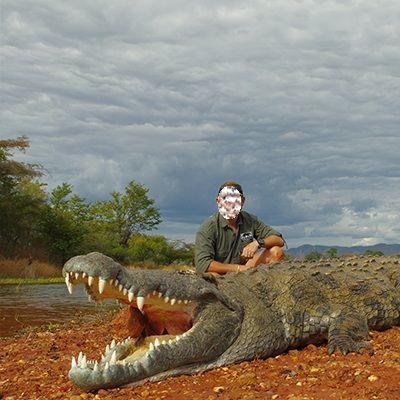
Lake Kariba Hippo & Giant Crocodile Safari
Booking Season: 2026
Hunt Difficulty: Difficult

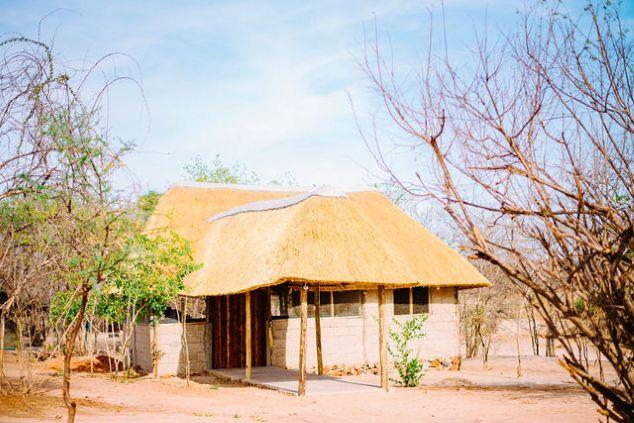
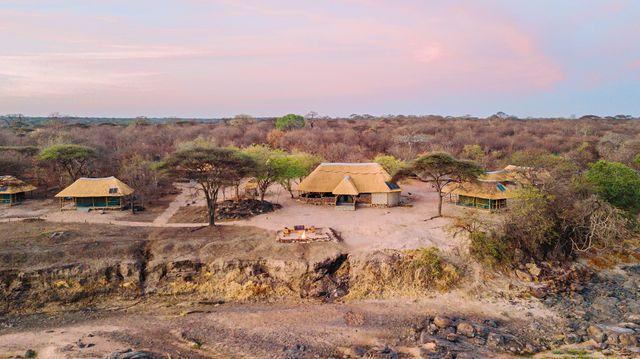
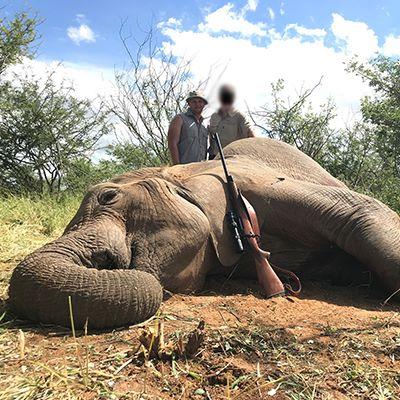
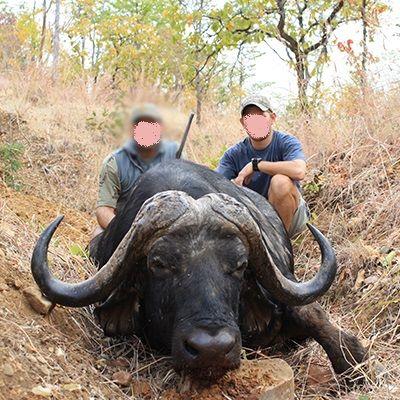
Hunters stay in comfortable safari chalets with private en-suite bathrooms, providing a relaxing retreat after a day spent tracking dangerous game in the Zambezi Valley. Excellent meals, warm hospitality, and views of the surrounding wilderness ensure an authentic Zimbabwe hunting experience.
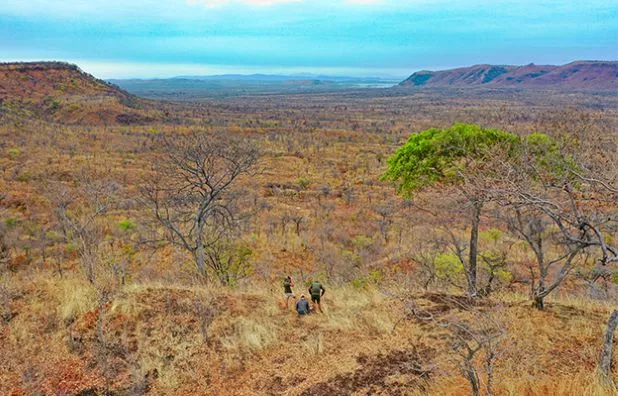
Expect a combination of thick jesse bush, riverine cover, and open valley terrain throughout the Omay concession. The varied landscape provides challenging and rewarding hunting conditions for both buffalo and elephant.
| Fence Type: | Free-range |
| Hunting Ground Size: | 1000000 ha |
| Nearest Airport Name: | Harare International Airport (HRE) |
| Air Charter Available: | Yes |
The Zambezi Valley remains one of Africa's most respected destinations for Zimbabwe hunting safaris. Vast unfenced wilderness, thriving wildlife populations, and traditional free-range hunting combine to create the type of safari experience that serious hunters travel across the world to pursue.
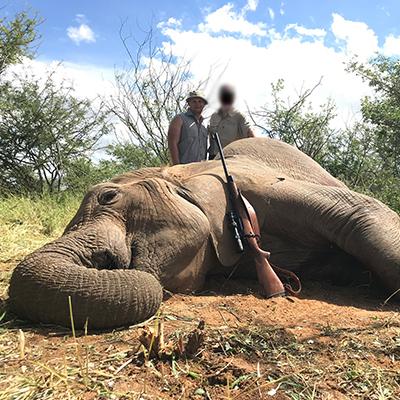
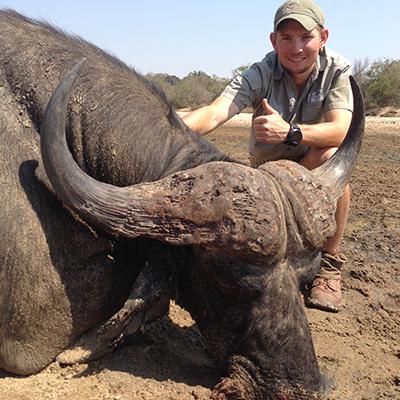
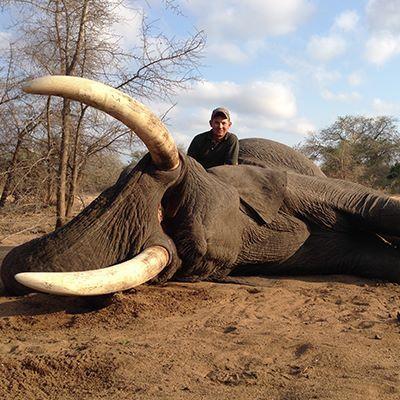
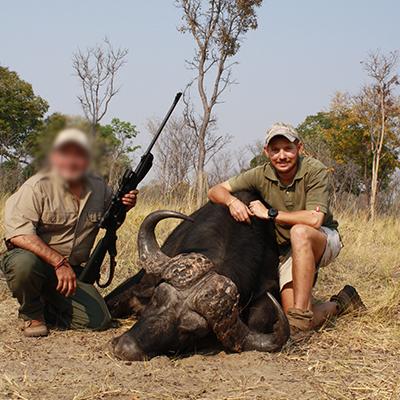
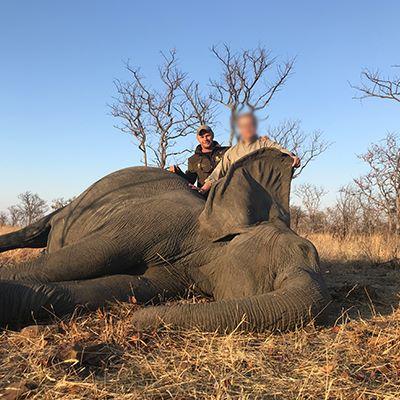
This safari takes place within the renowned Omay concession, a wilderness area covering more than two million acres along the southern shoreline of Lake Kariba. Hunters have the opportunity to pursue either a hard-bossed Cape buffalo, a fully exportable tuskless elephant, or combine both species on a classic dangerous game hunting in Zimbabwe safari.
With healthy populations of elephant, buffalo, lion, leopard, hippo, crocodile, and a variety of plains game species sharing the same ecosystem, Omay remains one of the few areas where hunters can still experience Africa on a truly wild and unrestricted scale.
Choose the dangerous game challenge that suits your goals. Hunt a Cape buffalo or pursue a tuskless elephant, or combine both species on the same safari. Trophy fees are charged only for the animals hunted, allowing hunters complete flexibility when planning their Zimbabwe dangerous game safari.
The safari price covers daily rates, accommodation, professional hunter services, and government levies. The following costs are additional and may apply depending on the species selected and individual safari requirements:
The Omay concession forms part of the legendary Zambezi Valley ecosystem and is one of Zimbabwe's largest unfenced hunting areas. Covering more than two million acres of wilderness and stretching along over 150 miles of Lake Kariba shoreline, the concession offers the scale, freedom of movement, and wild character that have made Zimbabwe one of Africa's premier dangerous game destinations.
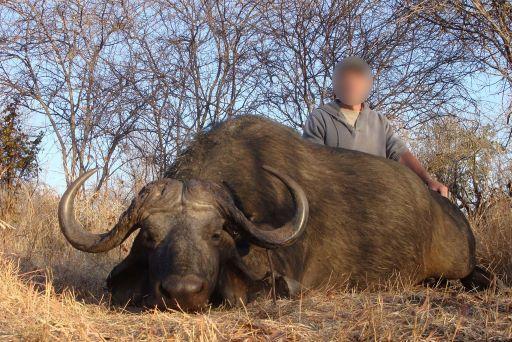
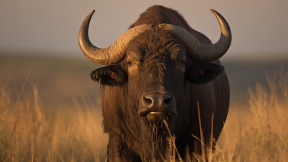
This is genuine free-range hunting country. Large buffalo herds move throughout the valley, while old dagga boys retreat into thick jesse bush and riverine habitat, creating the type of tracking opportunities that have helped establish the region as one of the leading destinations for Cape buffalo hunting in Zimbabwe. Hunters pursuing buffalo in Omay should expect long days on spoor, challenging stalks, and encounters that often occur at surprisingly close range.
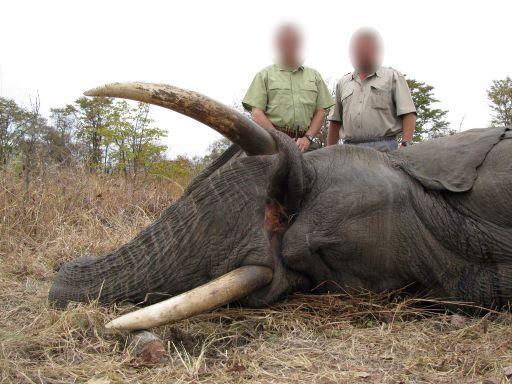
The concession is equally respected for its populations of elephant, with both trophy bulls and tuskless elephant occurring throughout the area. The combination of rugged terrain, extensive wilderness, and healthy wildlife populations has helped cement the Zambezi Valley's reputation for elephant hunting in Zimbabwe, particularly among hunters seeking a traditional free-range experience.
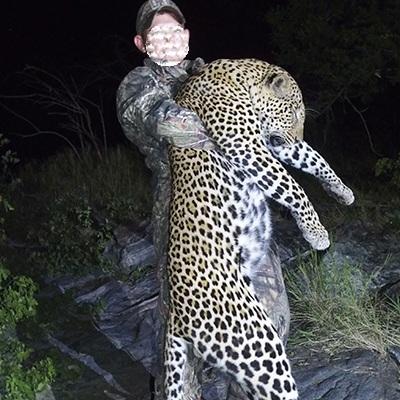
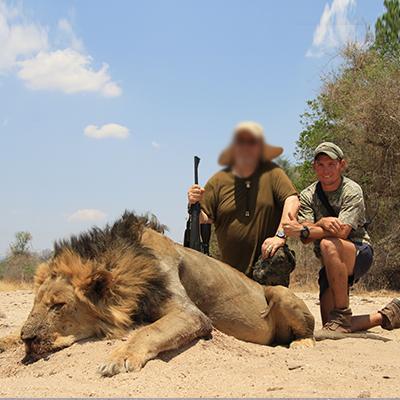
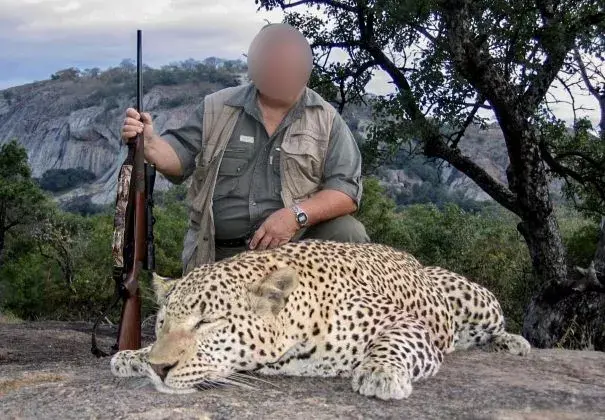
Omay's diversity is one of its greatest strengths. In addition to buffalo and elephant, the concession supports healthy populations of lion, leopard, hippo, crocodile, and a variety of plains game species. Hunters interested in extending their safari may also wish to explore opportunities for lion hunts or leopard hunting, depending on quota availability and seasonal regulations.
Omay is a communal area where wildlife provides meaningful benefits to local communities. Revenue generated through regulated hunting contributes to employment, infrastructure, and conservation initiatives, helping ensure that both wildlife and wild places continue to hold value for future generations.
Omay represents the Zimbabwe many hunters have always imagined: vast, remote, untamed, and still capable of delivering the type of dangerous game safari that has become increasingly difficult to find elsewhere in Africa.

American and international hunters will typically arrive via Harare International Airport (HRE), Zimbabwe's primary international gateway. Major carriers including South African Airways, Ethiopian Airlines, Qatar Airways, and several regional airlines offer convenient connections through Johannesburg, Addis Ababa, and Doha.
Many hunters choose to spend a night in Harare before and after the safari to simplify travel logistics and firearm import procedures. Depending on flight schedules, an overnight stay in Johannesburg may also be beneficial when connecting through OR Tambo International Airport.
From Harare, hunters can continue to the Omay concession by charter flight or road transfer, depending on personal preference and safari arrangements. The Game Hunting Safaris team and outfitter will assist with travel planning and transfer logistics prior to arrival.
The journey into the Zambezi Valley is part of the experience, gradually leaving towns and infrastructure behind before entering one of Africa's last great dangerous game wilderness areas.
Dalton and his team have spent many years conducting dangerous game safaris throughout Zimbabwe and bring extensive experience guiding hunters in the Zambezi Valley. Their focus is on traditional free-range hunting, professional service, and delivering authentic dangerous game experiences in some of Africa's most productive hunting areas.
Depending on quota availability and the species being pursued, hunts are conducted from either Ume Camp or Chifudzi Camp within the Omay concession.
Dangerous game hunts are conducted from either Ume Camp or Chifudzi Camp, depending on quota availability and the species being pursued. Both camps are situated within the Omay concession and provide comfortable permanent accommodation in the heart of the Zambezi Valley.
Ume Camp is located along the Ume River near Matusadona National Park, while Chifudzi Camp overlooks a scenic valley and nearby waterhole. Both camps offer private en-suite rooms, excellent meals, Wi-Fi, daily housekeeping, and a relaxed atmosphere after a day spent hunting Zimbabwe's dangerous game country.
Wildlife sightings around camp are common, with elephant, buffalo, hippo, and a variety of other species regularly encountered throughout the safari.
One of the unique aspects of this safari is the flexibility it offers. Hunters can pursue a hard-bossed Cape buffalo, a fully exportable tuskless elephant, or combine both species on a classic Zimbabwe dangerous game safari.
While both animals fall into Africa's dangerous game category, the hunts themselves are very different. Elephant hunts are a test of patience, discipline, and precise shot placement. Success depends on reading animal behavior, moving quietly through the bush, and waiting for the perfect opportunity to place a bullet accurately into a relatively small target area. Even a minor mistake can turn a routine stalk into a highly charged encounter.
Cape buffalo hunting presents an entirely different challenge. Hunters may spend hours tracking spoor through thick jesse bush, following herds across the valley floor, or attempting to close the distance on an old dagga boy hidden deep within dense cover. Buffalo are renowned for their toughness, unpredictability, and ability to disappear into terrain that seems far too thick to conceal such a large animal.
Regardless of which species you choose, accurate shot placement remains one of the most important factors in a successful hunt. Hunters are encouraged to familiarize themselves with dangerous game shot placement before arriving in camp, particularly when pursuing elephant or buffalo at close range.
The cooler, drier months from April through October are generally considered the best time to hunt in the Zambezi Valley. Vegetation is less dense, wildlife becomes easier to locate around water sources, and conditions are typically more comfortable for long days spent tracking dangerous game on foot.
When hunting elephant or Cape buffalo in Zimbabwe, rifle selection is an important consideration. While the legal minimum caliber is typically .375 H&H, many dangerous game hunters prefer larger calibers such as the .416 Rigby, .458 Lott, .470 Nitro Express, or .500 Nitro Express. These rifles provide additional stopping power when hunting Africa's largest and most dangerous animals.
That said, the best rifle is always the one you shoot accurately and confidently. Familiarity, practice, and shot placement are far more important than sheer caliber. Many experienced professional hunters would rather see a hunter arrive with a well-practiced .375 H&H than a larger rifle they struggle to shoot comfortably.
Zimbabwe maintains a straightforward firearm import process for visiting hunters. Temporary firearm permits are issued on arrival and there is currently no fee for importing hunting rifles or shotguns. A maximum of 100 rounds of ammunition may be imported per rifle.
Automatic firearms are prohibited, while handguns require special authorization and are generally not permitted on government hunting concessions. Hunters traveling with firearms will receive assistance from the outfitter before arrival to ensure all documentation is completed correctly.
Whether your goal is a hard-bossed Cape buffalo, a tuskless elephant, or the challenge of pursuing both species on the same safari, the Omay concession offers one of Zimbabwe's most respected free-range dangerous game hunting experiences.
Contact the Game Hunting Safaris team to discuss availability, trophy fees, travel arrangements, observer options, and custom safari extensions.
Please note that terms, conditions and price are subject to change without notice and rates at the time of the hunt will apply
You can speak directly with the outfitter before booking. GHS remains available throughout the process.
Needing assistance with firearm permits and international travel services, or good taxidermists? View our affiliated companies
View Affiliated Services