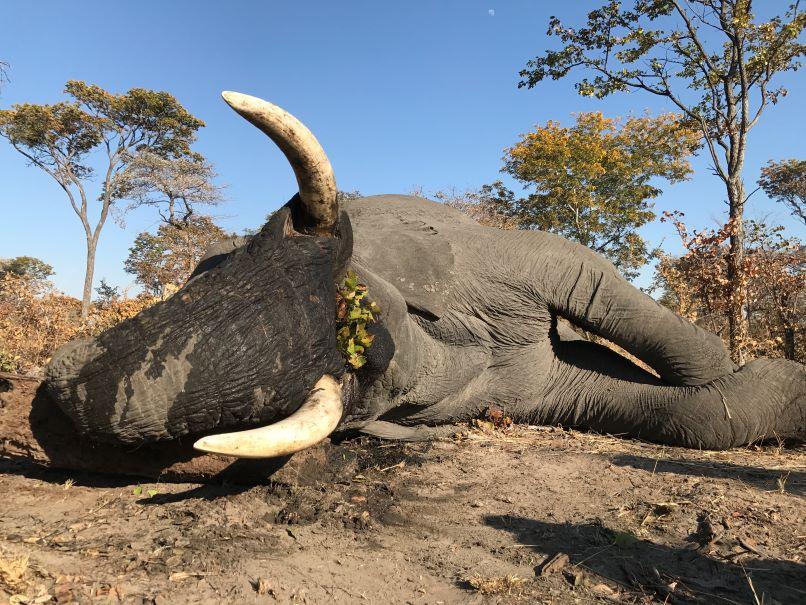
Lowveld Elephant Hunting in Zimbabwe | Mateke Hills
Booking Season: 2026
Hunt Difficulty: Difficult

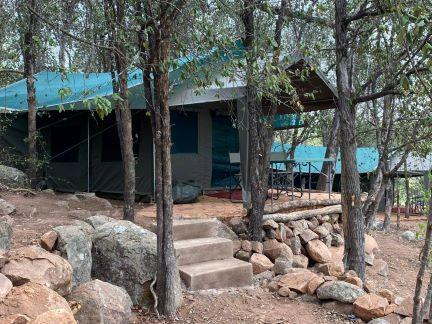
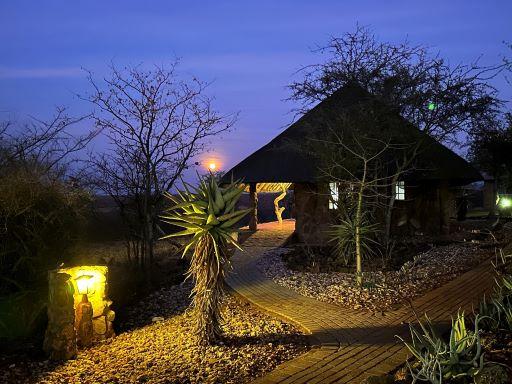
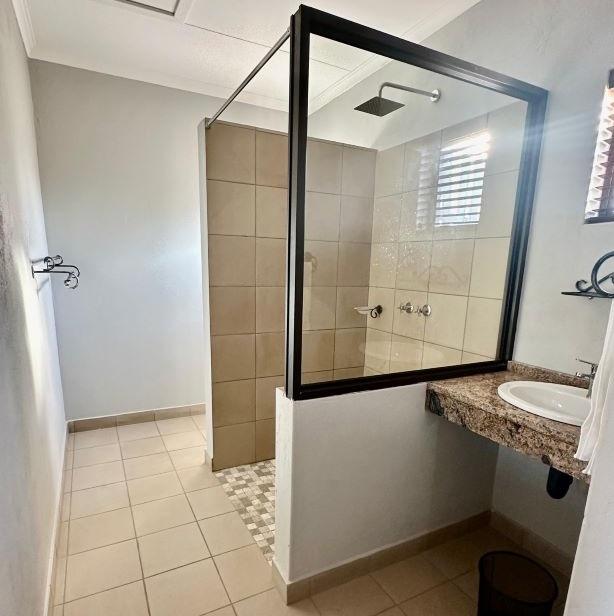
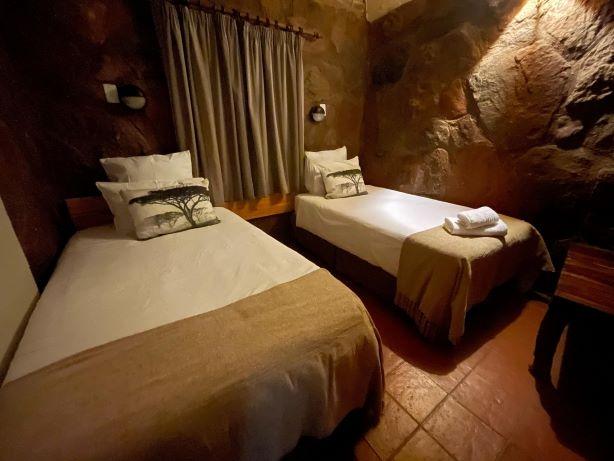
The safari camp offers comfortable lodge accommodation with en-suite facilities, daily housekeeping, and relaxed communal areas where hunters can unwind after the day’s hunt. Additional camp facilities include hot showers, reliable electricity, hearty safari-style dining, and outdoor firepit areas overlooking the surrounding lowveld wilderness.
The Mateke Hills terrain consists of classic Zimbabwe lowveld habitat made up of thick bushveld, mopane woodland, rocky hills, dry river systems, and scattered riverine vegetation supporting year-round wildlife movement. Sandy ground conditions, heavy cover, and rugged terrain create ideal conditions for traditional free-range elephant hunting on foot.
| Fence Type: | Free-range |
| Fence Area: | 150000 acres |
| Nearest Airport Name: | Bulawayo International Airport |
| Transfer From Airport: | Yes |
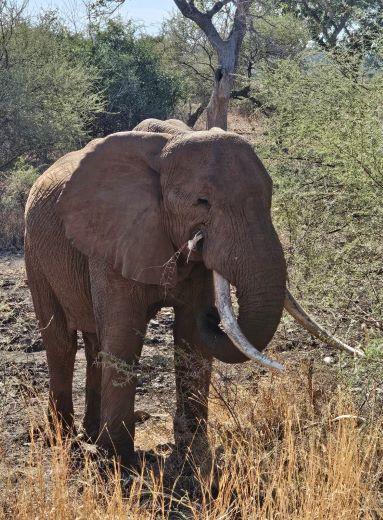
For American and international hunters searching for a true lowveld elephant safari, the Mateke Hills region in Zimbabwe’s Mwenezi Province offers one of the country’s most authentic free-range dangerous game hunting experiences. This traditional elephant hunts takes place across more than 150,000 acres of remote communal wilderness operating under Zimbabwe’s CAMPFIRE conservation framework, where elephant move naturally between neighboring wildlife areas, river systems, and unfenced bushveld habitat.
The Mateke Hills form part of Zimbabwe’s broader lowveld ecosystem bordering some of southern Africa’s best-known wildlife regions, including Gonarezhou National Park and the Save Valley Conservancy. Long days tracking elephant on foot through dry country, thick bushveld, rocky hills, and sandy river systems remain central to the experience, making this area particularly appealing to hunters seeking traditional elephant hunting in Zimbabwe under genuine fair chase conditions.
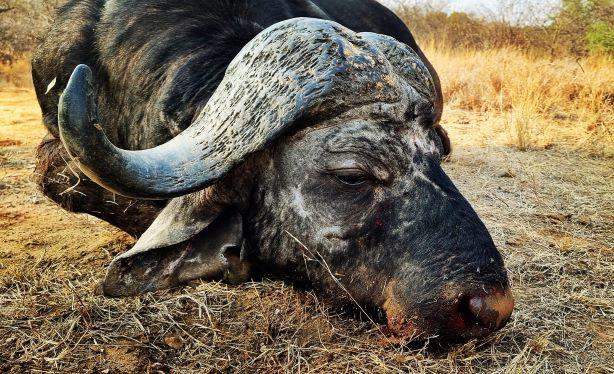
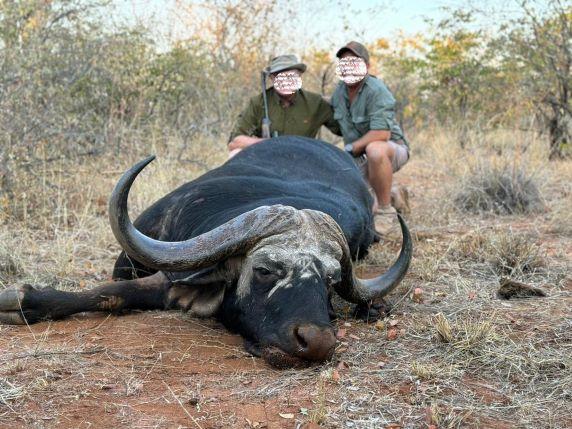
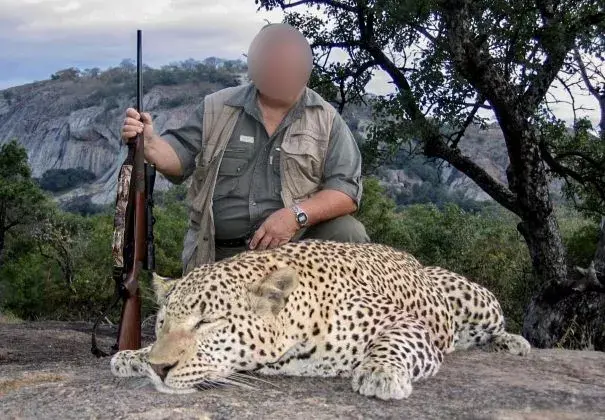
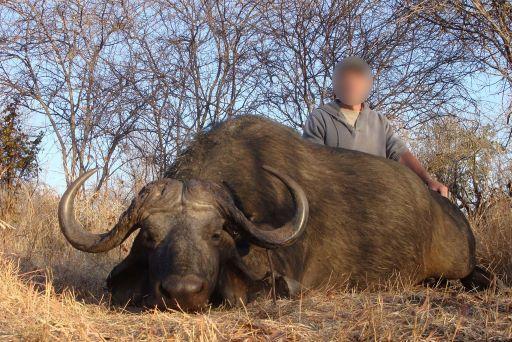
Alongside elephant hunting, the region also supports healthy populations of buffalo, leopard, hyena, and a variety of plains game species adapted to Zimbabwe’s harsh and unforgiving lowveld terrain.
The Mateke Hills in Zimbabwe’s Mwenezi Province form part of the country’s vast lowveld ecosystem and remain one of the more remote areas for traditional hunting in Zimbabwe. Bordering important wildlife regions including Gonarezhou National Park and the Save Valley Conservancy, the area supports large free-range elephant populations moving naturally across communal wilderness areas operating under Zimbabwe’s CAMPFIRE conservation framework.
The lowveld terrain is made up of thick bushveld, dry river systems, rocky hills, mopane woodland, and scattered riverine habitat that creates excellent conditions for tracking elephant on foot. Alongside elephant hunting, the region also supports healthy populations of buffalo, leopard, hyena, and a variety of plains game species adapted to Zimbabwe’s harsh and unforgiving lowveld conditions.
Total Price: US$ 25 000 (Including Government Taxes)
Zimbabwe remains one of Africa’s most respected destinations for free-range dangerous game hunting, particularly for hunters pursuing elephant across large wilderness concessions and communal conservation areas. The country supports substantial elephant populations throughout regions such as the Zambezi Valley, lowveld, Save Valley Conservancy, Gonarezhou ecosystem, and CAMPFIRE-managed communal lands where regulated hunting continues to play an important role in wildlife management and rural conservation funding.
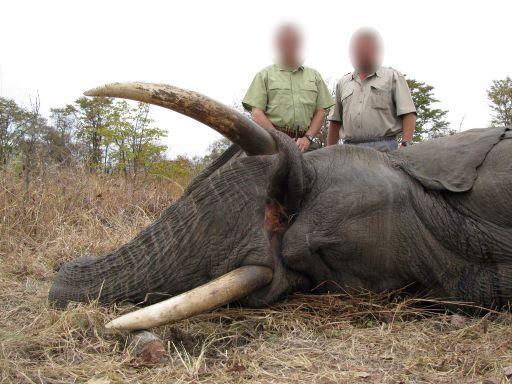
Elephant hunting opportunities in Zimbabwe may include trophy, non-trophy, non-exportable, and tuskless elephant safaris depending on the area, quota allocation, and conservation objectives of the concession. Regions such as the Mateke Hills and surrounding communal land areas remain highly regarded for traditional tracking safaris conducted under genuine free-range conditions across vast unfenced terrain.
Zimbabwe has produced some of Africa’s best-known elephant hunting areas for decades, with mature bulls still occurring in several wilderness regions under carefully regulated quota systems. Because African elephants are protected under international wildlife trade agreements, CITES documentation and export permits remain mandatory for applicable elephant hunts and trophy exports.
Established during the 1980s, Zimbabwe’s CAMPFIRE program remains one of Africa’s best-known community-based conservation models. The system allows rural communities living alongside wildlife to directly benefit from regulated safari hunting and sustainable wildlife management conducted on communal land.
Revenue generated through hunting concessions and wildlife utilization is often reinvested into local infrastructure, schools, clinics, roads, employment opportunities, and broader conservation initiatives within the surrounding communities. This approach has helped create long-term incentives for wildlife conservation across large wilderness areas where people and dangerous game continue to coexist.
For many international hunters, participating in regulated hunting safaris under the CAMPFIRE framework also contributes directly to conservation funding and rural community support throughout remote hunting regions in Zimbabwe.
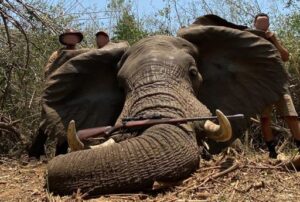
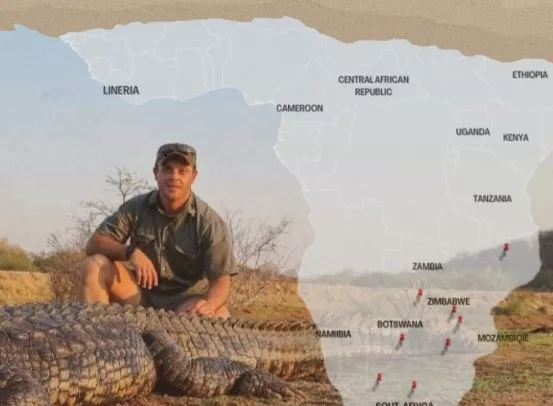
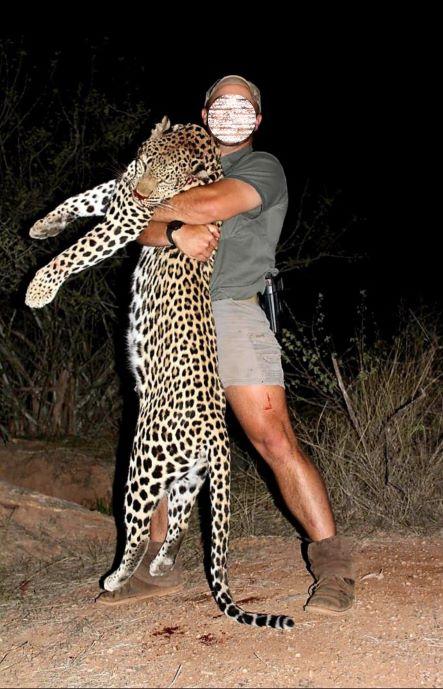
Operating across Zimbabwe, Mozambique, and South Africa since 2013, Storm has built a strong reputation for conducting professional dangerous game and plains game hunting safaris throughout southern Africa. His experience includes guiding free-range elephant safaris together with quality cape buffalo hunts and traditional leopard hunts across some of the region’s best-known wilderness concessions and communal hunting areas.
Alongside dangerous game hunting, Storm also offers a wide variety of plains game safaris throughout southern Africa, with a strong focus on realistic hunting conditions, experienced tracking teams, and authentic safari experiences built around traditional fair chase hunting. Hunters returning to camp with Storm often appreciate the combination of hard hunting, relaxed camp atmosphere, and the overall experience of spending time in remote African wilderness areas.
Accommodation in the Mateke Hills offers a comfortable and relaxed safari camp atmosphere designed around the surrounding lowveld wilderness. After long days tracking elephant through the bush, hunters can return to camp to enjoy comfortable lodging, warm hospitality, and quiet evenings overlooking the African landscape.
Meals are prepared around traditional safari dining with a combination of local cuisine, freshly prepared game dishes, and hearty camp-style meals served throughout the hunt. Evenings around the fire, together with the sounds of the surrounding bushveld and conversations from the day’s hunting, form an important part of the overall safari experience.
International hunters attending this safari will typically arrive through Bulawayo International Airport before transferring into Zimbabwe’s remote lowveld region surrounding the Mateke Hills and Save Valley ecosystem. Most travelers route through Johannesburg’s OR Tambo International Airport before connecting onward to Bulawayo, with airlines such as Airlink commonly used by hunters traveling with rifles and ammunition.
Depending on international flight schedules and firearm clearance timing, some hunters may prefer to overnight in Johannesburg before continuing into Zimbabwe the following day. Hotels near OR Tambo, including African Sky Boutique Hotel, are frequently used by international hunters and can often assist with airport transfers and temporary firearm permit logistics.
The final transfer into the hunting area passes through remote lowveld bush country where the landscape gradually changes into the dry river systems, mopane woodland, rocky hills, and thick bushveld characteristic of southern Zimbabwe’s elephant country.
Elephant hunting in Zimbabwe is generally most productive during the cooler and drier months between April and late September when vegetation begins thinning out and tracking conditions improve across the lowveld. During this period, wildlife movement around water sources becomes more predictable and long days spent tracking elephant on foot are often more manageable in the cooler temperatures.
As temperatures rise later in the season, hunting conditions can become more physically demanding. Pepper ticks, mosquitoes, and other insects become increasingly active during the warmer months, particularly near thicker bush and river systems after seasonal rains. Long tracking days through dry country also make hydration, comfortable boots, and physical preparation important considerations for hunters planning a lowveld elephant safari.
For elephant hunting in Zimbabwe, a .375 loaded with quality ammunition is generally considered the sensible minimum caliber for dangerous game hunting. Many experienced hunters prefer larger calibers such as the .404, .416, .458 Winchester Magnum, or .458 Lott, particularly when tracking elephant through thick lowveld bush where close-range encounters may develop quickly.
Traditional double rifles including the .470 Nitro Express, .500 Nitro Express, and .600 Nitro Express also remain highly respected choices for elephant hunting due to their stopping power and fast second-shot capability in heavy cover. Regardless of caliber selection, most professional hunters recommend using a rifle that the hunter can shoot confidently and accurately under pressure during close-range dangerous game situations.
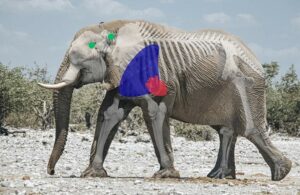
Because elephant hunts often involve close shooting distances and heavy bushveld conditions, understanding proper elephant shot placement is extremely important before arriving in camp. Frontal brain shots, quartering angles, and broadside opportunities all require a clear understanding of elephant anatomy, bullet angle, and penetration to ensure an ethical and effective shot placement during the hunt.
Hunters traveling to Zimbabwe for an elephant safari may temporarily import sporting rifles and ammunition for use during the hunt, with temporary firearm permits generally issued on arrival at the port of entry. There is currently no formal limit on the number of firearms a hunter may import for legal hunting purposes, although ammunition imports are normally limited to a maximum of 100 rounds per rifle.
Semi-automatic and automatic rifles are not permitted for hunting in Zimbabwe, with the exception of certain semi-automatic shotguns used for bird hunting. Black powder rifles may also be used under Zimbabwean hunting regulations provided they meet the minimum caliber requirements. Certain handgun applications may be permitted on private or communal land under special authorization from the Zimbabwe Parks and Wildlife Management Authority (ZPWMA), although handguns are generally not permitted on government hunting concessions.
Tracking elephant through Zimbabwe’s lowveld remains one of Africa’s most physically demanding dangerous game hunting experiences. Long days spent following fresh spoor through mopane woodland, dry river systems, and thick bushveld create a style of safari that remains closely connected to the traditional roots of African elephant hunting.
For hunters searching for a physically demanding and authentic lowveld elephant safari, the Mateke Hills remain one of Zimbabwe’s more traditional free-range hunting regions. The combination of vast communal wilderness, CAMPFIRE conservation, challenging tracking conditions, and genuine fair chase elephant hunting continues to make this part of southern Zimbabwe highly respected among dangerous game hunters seeking a more remote African safari experience.
If any further information is required re this Non Trophy Elephant hunt in Zimbabwe, contact our team at Game Hunting Safaris.
Please note that terms, conditions and price are subject to change without notice and rates at the time of the hunt will apply
You can speak directly with the outfitter before booking. GHS remains available throughout the process.
Needing assistance with firearm permits and international travel services, or good taxidermists? View our affiliated companies
View Affiliated Services