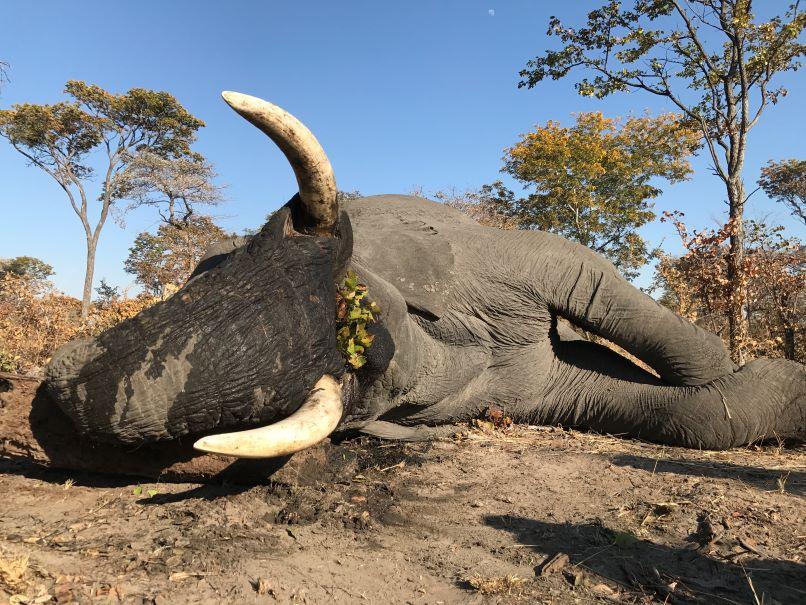
Lowveld Elephant Hunting in Zimbabwe | Mateke Hills
Booking Season: 2026
Hunt Difficulty: Difficult

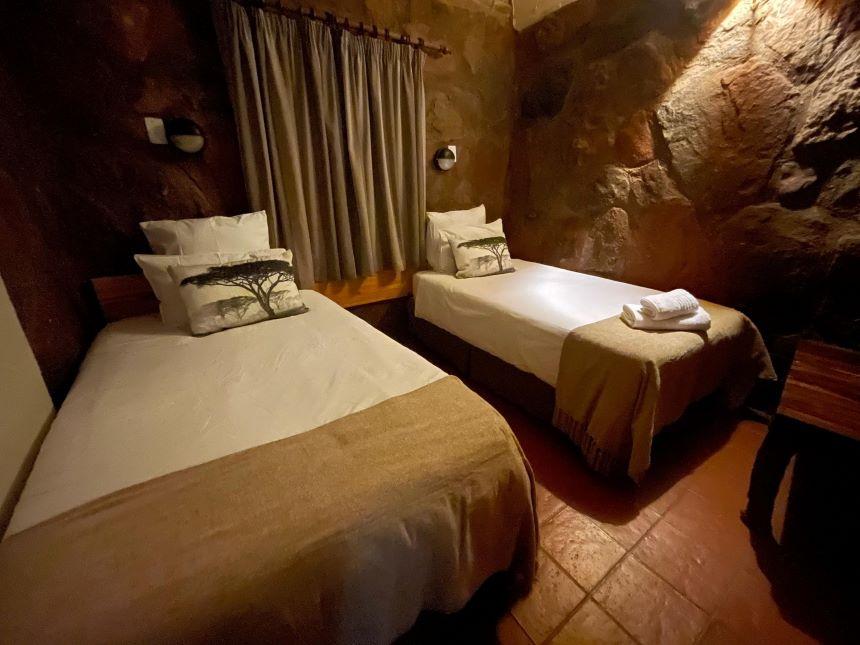
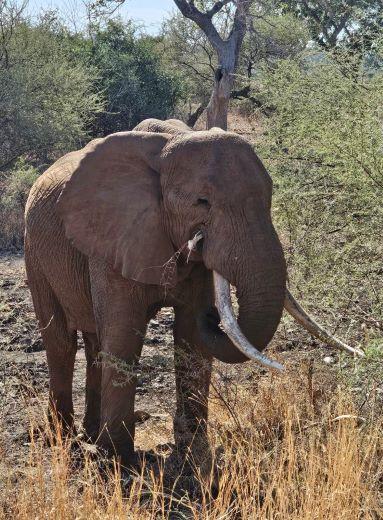
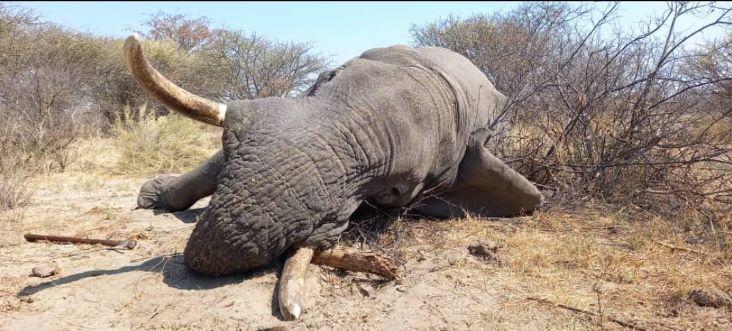
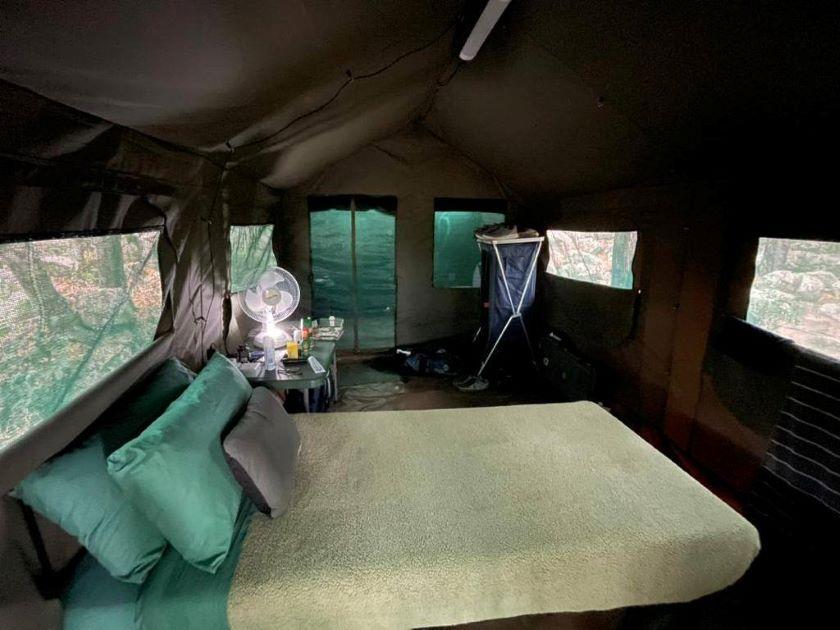
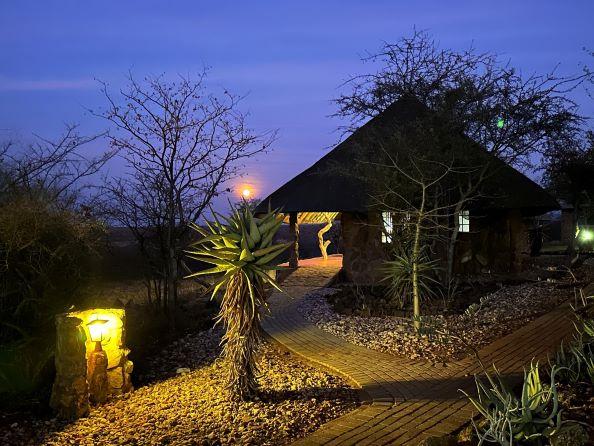
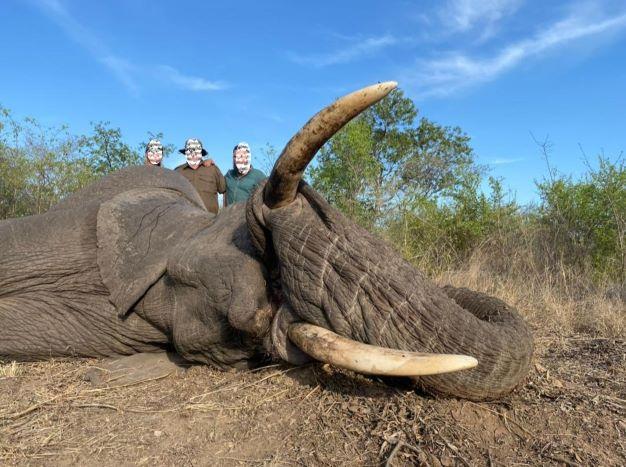
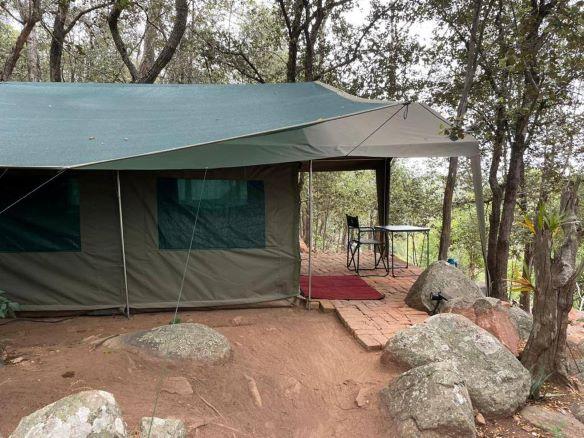
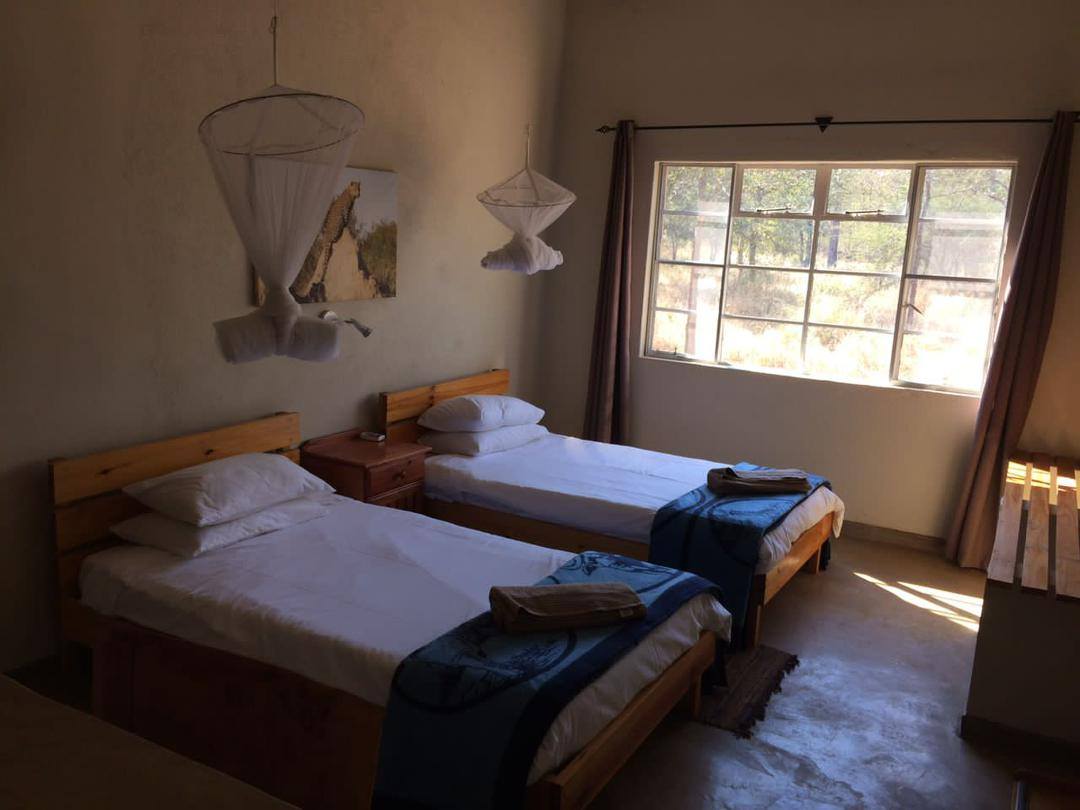
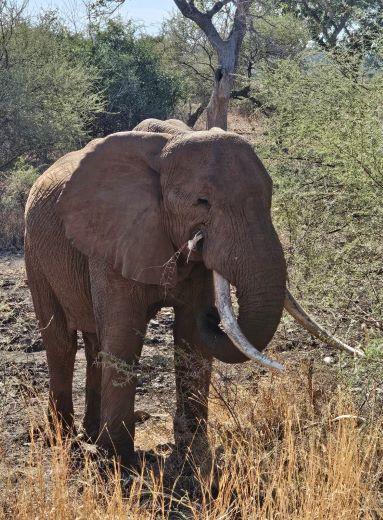
Comfortable chalet-style accommodation provides hunters with a welcoming base between days spent tracking elephant in the Zimbabwe Lowveld. En-suite facilities, hearty meals, daily laundry service, and attentive camp staff ensure a comfortable and relaxing safari experience.
The Mateke Hills are characterized by classic Zimbabwe Lowveld habitat consisting of mopane woodland, scattered acacia, dry river systems, and broken rocky terrain. This diverse landscape provides excellent cover for elephant and other dangerous game species while rewarding hunters who enjoy tracking on foot through genuine free-range wilderness.
| Fence Type: | Free-range |
| Hunting Ground Size: | 150000 ha |
| Year Founded: | 2013 |
| Nearest Airport Name: | Joshua Mqabuko Nkomo International Airport (BUQ) – Bulawayo |
| Transfer From Airport: | Yes |
American and international hunters looking for a traditional free-range elephant hunt in Zimbabwe will find the Mateke Hills region offers a very different experience from many of the country's better-known safari areas. Situated within Zimbabwe’s Lowveld and operating under the CAMPFIRE conservation model, this hunt combines genuine wilderness hunting with a system that directly benefits local communities and wildlife conservation.
Conducted across more than 150,000 acres of unfenced habitat, the safari focuses on tracking elephant through mopane woodland, river systems, and rugged Lowveld terrain where patience, persistence, and good fieldcraft remain essential. For hunters researching hunting in Zimbabwe, Mateke Hills offers an opportunity to experience a traditional community-based safari in one of southern Africa’s most established hunting regions.
US$ 25,500
The Mateke Hills form part of Zimbabwe’s renowned Lowveld region, a vast landscape of mopane woodland, dry river systems, broken hills, and remote wilderness that supports healthy populations of elephant, buffalo, leopard, and a wide variety of plains game. Hunting is conducted under true free-range conditions across more than 150,000 acres where wildlife moves naturally through communal land managed under Zimbabwe’s CAMPFIRE conservation model.
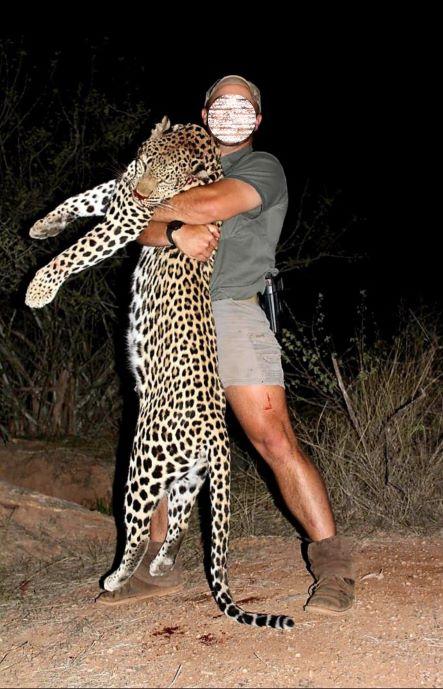
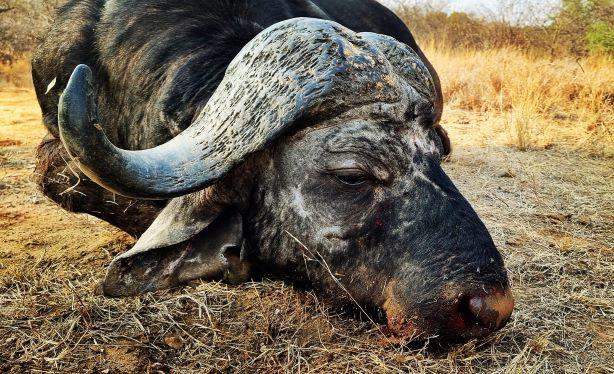
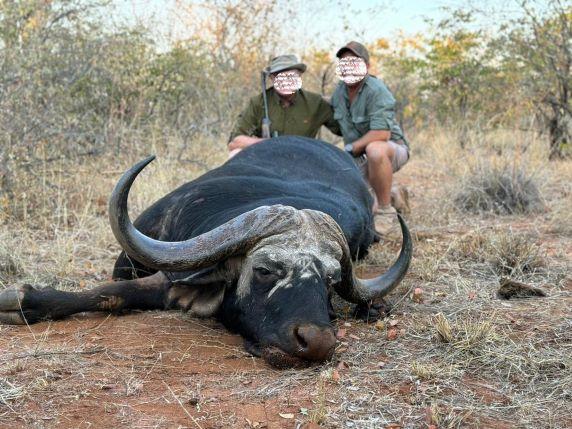
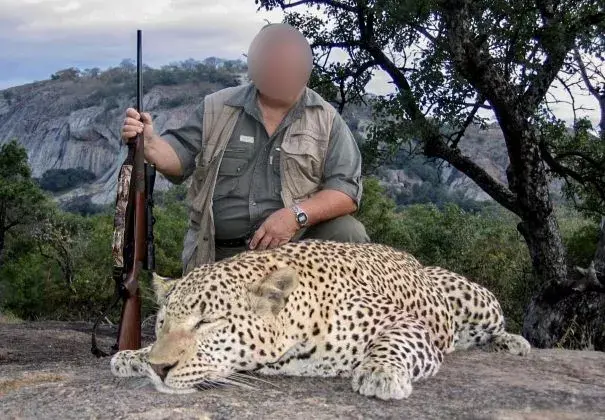
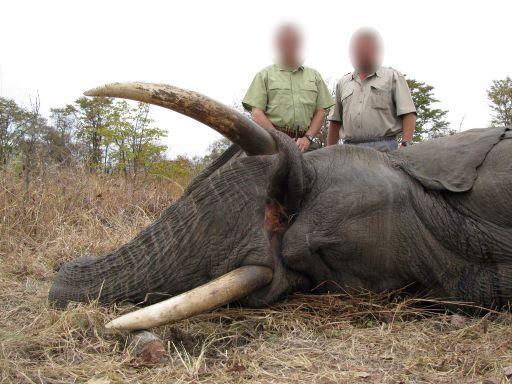
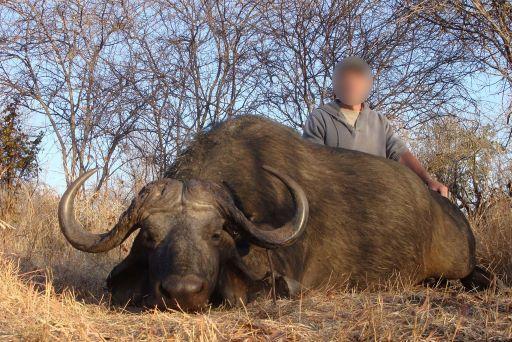
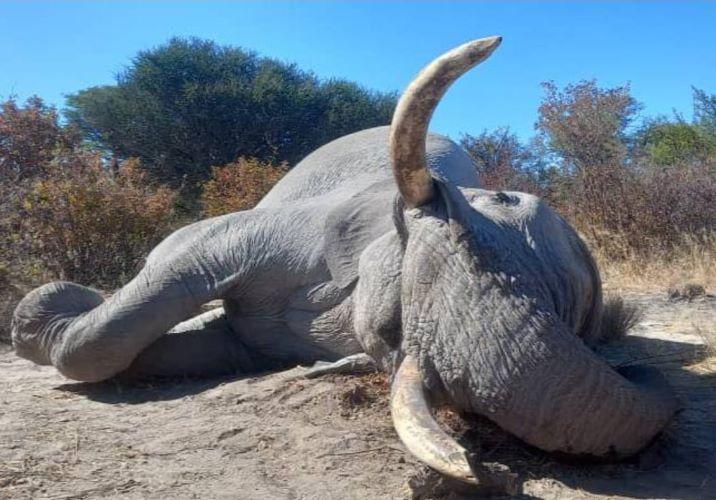
The area is particularly well known for elephant hunting, with seasonal movement patterns, reliable habitat, and low hunting pressure contributing to consistent opportunities throughout the season. Beyond elephant, the region also supports excellent Cape buffalo hunts and respected leopard hunting in Zimbabwe, making it one of the more diverse dangerous game hunting areas within the country’s Lowveld ecosystem.
As a CAMPFIRE concession, revenue generated through hunting contributes directly toward wildlife conservation, anti-poaching efforts, employment, and community development projects. This approach has helped ensure that wildlife remains a valuable resource for local communities while preserving large areas of habitat for future generations.
Zimbabwe remains one of Africa’s most established destinations for elephant hunting, offering trophy, non-trophy, non-exportable, and tuskless elephant safaris across a variety of communal and private hunting areas. Regions such as Mateke Hills operate under Zimbabwe’s CAMPFIRE conservation model, where sustainable hunting contributes directly toward wildlife conservation and local community development.
For hunters researching elephant hunting in Zimbabwe, the country continues to offer some of the continent’s most respected free-range elephant hunting opportunities, with mature bulls, extensive wilderness areas, and experienced Professional Hunters forming the foundation of the safari experience. Depending on the area and quota available, trophy quality can vary significantly, with exceptional bulls still taken in several Zimbabwe hunting concessions each season.
As with all dangerous game hunting, success is often determined long before the moment a shot is taken. Understanding elephant behavior, anatomy, and elephant shot placement remains an important part of ethical and effective elephant hunting under real-world field conditions.
International regulations apply to elephant hunting, and hunters should always confirm current CITES requirements and import regulations before planning a safari.
Wildlife and local communities exist side by side throughout the Mateke Hills region. Unlike national parks where people are generally separated from wildlife, communal hunting areas require residents to live with elephant, buffalo, predator conflicts, crop damage, and the daily realities that come with sharing land with dangerous game.
Sustainable hunting helps create a practical reason for wildlife to remain valuable on these communal lands. Revenue generated through regulated hunting contributes toward employment, anti-poaching activities, infrastructure projects, and community development while helping preserve large areas of habitat that might otherwise be converted to agriculture or livestock production.
For visiting hunters, the impact is often visible throughout the concession. Local trackers, camp staff, skinners, and support teams are frequently drawn from nearby communities, creating a direct connection between conservation, employment, and wildlife management. The result is a system where both wildlife and rural communities benefit from maintaining healthy game populations across the landscape.
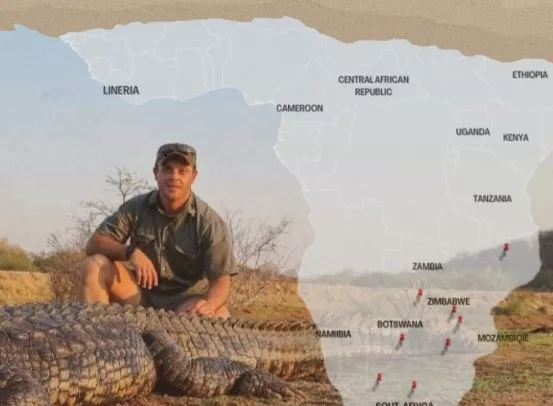
Operating since 2013, Storm offers dangerous and plains game hunting safaris in South Africa, Mozambique and Zimbabwe and is highly respected in the hunting fraternity. Loved by clients, with a history of success, Storm will commit 110% to ensure that clients harvest their dream African trophy. In South Africa, Storm offers a wide range of Plains Game and Cape Buffalo, with dangerous game hunts for “Africa’s big four” in Mozambique and Zimbabwe.
International hunters will generally arrive via Joshua Mqabuko Nkomo International Airport (BUQ) in Bulawayo, Zimbabwe. Major airlines including Qatar Airways, Ethiopian Airlines, and South African Airways provide convenient connections through hubs such as Doha, Addis Ababa, and Johannesburg.
Depending on international flight schedules, many hunters choose to overnight in Johannesburg before continuing to Bulawayo. Airlink remains a popular regional carrier for hunters traveling with rifles and ammunition and is well regarded for safari travel throughout southern Africa.
From Bulawayo, hunters will continue to the Mateke Hills concession by road transfer. As the journey moves into Zimbabwe’s Lowveld, the landscape gradually transitions into remote wilderness characterized by mopane woodland, dry river systems, and expansive communal hunting areas that support healthy populations of elephant and other dangerous game species.
Elephant hunting in Zimbabwe can be conducted throughout much of the year, although the cooler and drier months between April and September are generally considered the most comfortable period for hunters. During this time, temperatures are milder, vegetation is less dense, and conditions are often better suited to long days on foot.
As temperatures rise later in the season, hunting can become more physically demanding, particularly in the Lowveld where daytime temperatures can be significant. Insect activity also tends to increase during the warmer months, making hydration, lightweight clothing, and proper preparation increasingly important.
That said, elephant movement, local conditions, rainfall patterns, and available quota often play a greater role in hunt planning than the season itself. Experienced Professional Hunters adapt their approach throughout the year, making successful elephant hunts possible across a wide range of conditions.
A quality .375 caliber rifle is widely regarded as the practical minimum for elephant hunting, although many hunters prefer larger calibers such as the .404 Jeffery, .416 Rigby, .458 Winchester Magnum, or .458 Lott. Double rifles chambered in .470 Nitro Express, .500 Nitro Express, and larger remain popular among hunters who prefer a traditional dangerous game rifle.
More important than caliber alone is selecting a rifle that you can shoot confidently and accurately under field conditions. Elephant hunting often takes place at close range, where calm decision-making and precise shot placement are far more important than excessive recoil or rifle size.
Before arriving in camp, hunters should familiarize themselves with elephant shot placement, particularly frontal brain and side-brain presentations, as understanding anatomy and shot angles is critical to achieving quick, ethical results on dangerous game.

International hunters may temporarily import sporting firearms and ammunition into Zimbabwe for use during a hunting safari. Temporary firearm permits are generally issued on arrival, with ammunition imports normally restricted to a maximum of 100 rounds per rifle.
Zimbabwe hunting regulations prohibit the use of automatic and semi-automatic rifles for dangerous game hunting. Black powder rifles may be used where legal minimum caliber requirements are met, while handguns require special authorization and are generally restricted on government hunting concessions. There is currently no government fee for temporary rifle import permits. Hunters should always confirm current firearm, ammunition, and permit requirements before traveling, as regulations may change over time.
Hunters traveling to Zimbabwe should consult their healthcare provider before departure to discuss recommended vaccinations and current travel health requirements. Malaria prevention is particularly important in many hunting areas, and appropriate medication, insect repellent, and protective clothing are strongly recommended.
This safari is best suited to hunters looking for a traditional free-range elephant hunt conducted under Zimbabwe’s CAMPFIRE conservation model. The combination of extensive wilderness, community-based conservation, and healthy elephant populations creates a hunting experience built around tracking, patience, and ethical decision-making rather than volume or convenience.
For hunters who value authentic African hunting, experienced Professional Hunters, and the opportunity to hunt elephant across more than 150,000 acres of Lowveld wilderness, the Mateke Hills remain one of Zimbabwe’s most respected hunting regions.
If any further information is required re this Trophy Elephant hunt in Zimbabwe, contact our team at Game Hunting Safaris.
Please note that terms, conditions and price are subject to change without notice and rates at the time of the hunt will apply
You can speak directly with the outfitter before booking. GHS remains available throughout the process.
Needing assistance with firearm permits and international travel services, or good taxidermists? View our affiliated companies
View Affiliated Services