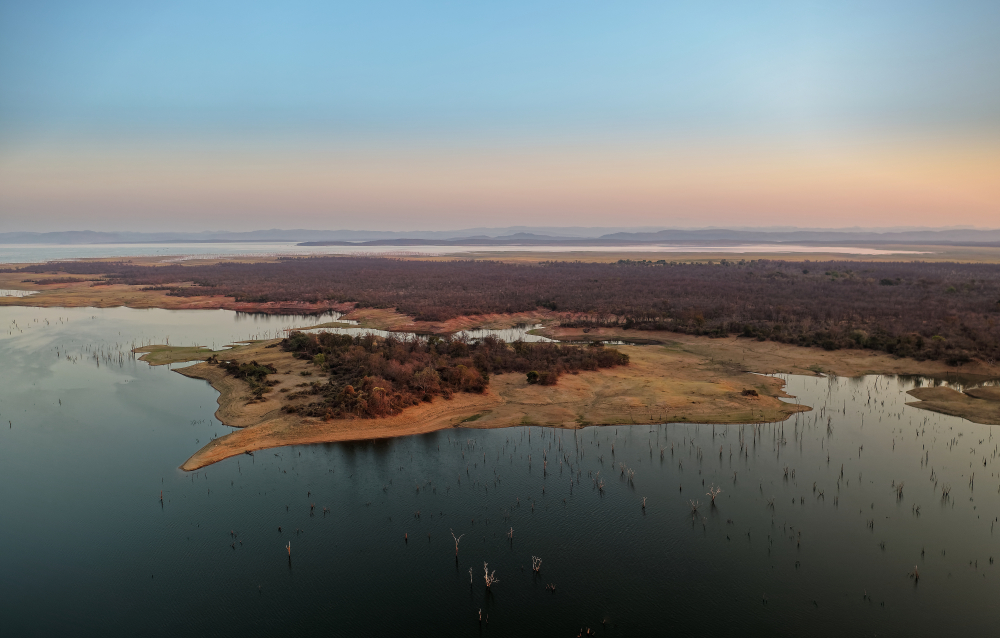
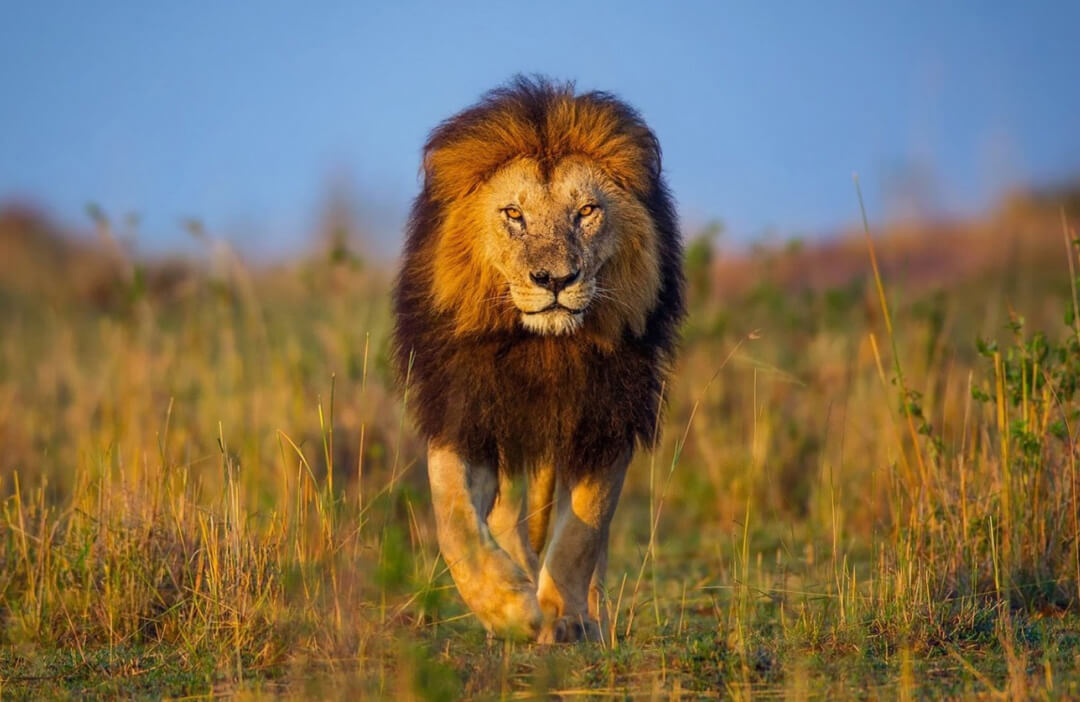

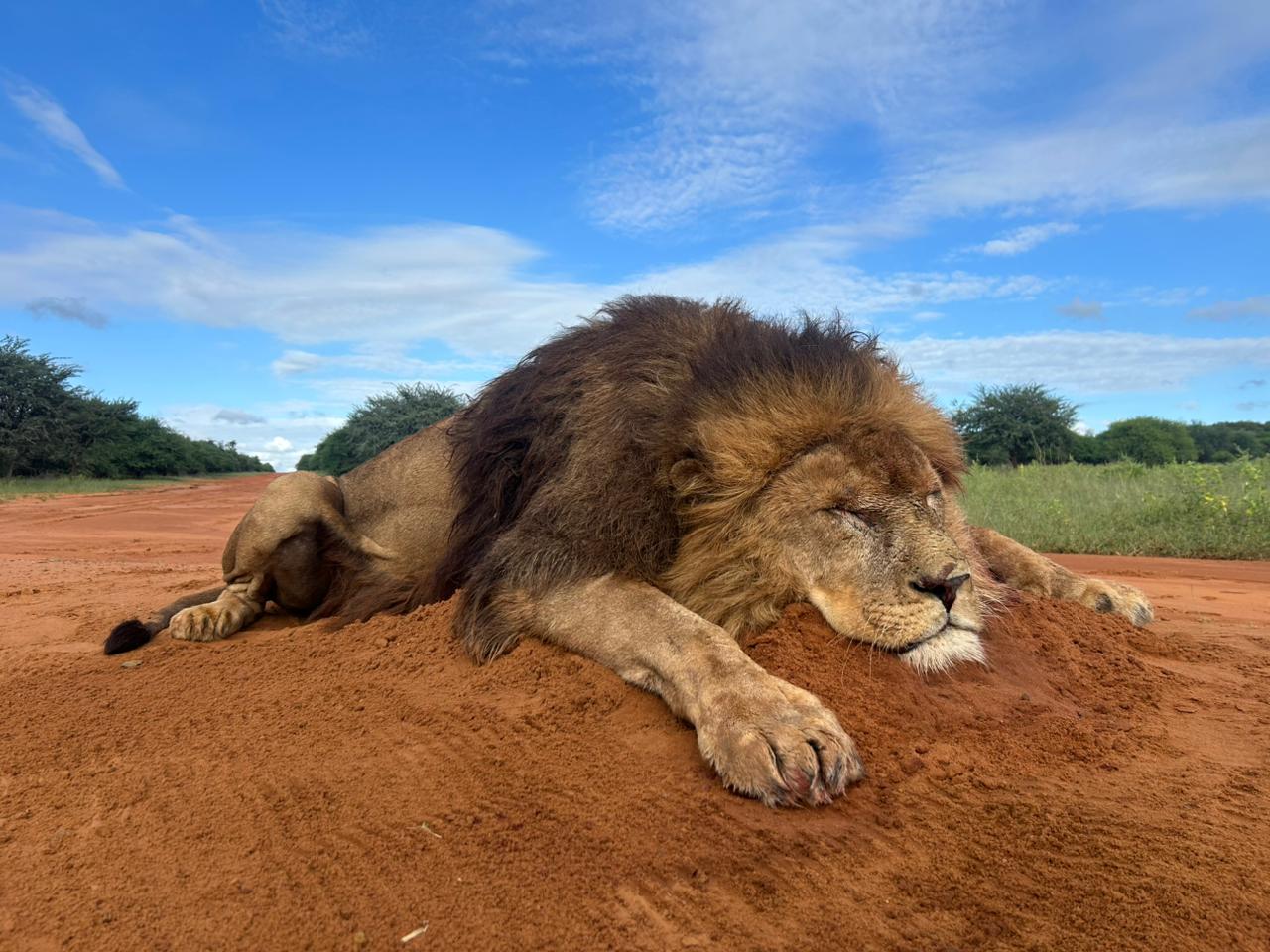
17-Day Free-Range Lion Hunt Near Hwange
Booking Season: 2026
Hunt Difficulty: Difficult

For American and international hunters, lion hunting represents the ultimate African dangerous game challenge. It is not a hunt chosen lightly. The financial commitment is significant, success is never guaranteed, and the process demands patience, discipline, and realistic expectations. A typical lion safari in Zimbabwe will cost between US$45,000 and US$80,000+, making it one of the most expensive and heavily regulated hunts in Africa.
Zimbabwe has earned a reputation as one of Africa's premier lion hunting destinations. Areas such as Matetsi, Hwange, Gwaai, and Save Valley Conservancy continue to produce mature, export-quality lions under carefully managed quota systems. Hunters considering a broader hunting safari in Zimbabwe will find few countries that can match the combination of dangerous game opportunities, experienced professional hunters, and established hunting areas available today.
This guide explains the real costs of lion hunting in Zimbabwe, how the major hunting areas compare, what hunters should know about success rates, baiting, trophy imports, and operator selection, and the mistakes that most often lead to disappointment. The goal is simple: help you make an informed decision before committing to one of Africa's most challenging and expensive lion hunts.
Lion hunting in Zimbabwe is generally best suited to experienced hunters who understand the realities of dangerous game hunting and are prepared for the challenges that come with pursuing one of Africa's most iconic predators. While some hunters choose a lion hunt as part of their journey toward completing Africa's Big Five, many arrive with prior experience hunting species such as Cape Buffalo, Leopard, or other dangerous game.
This is a hunt that rewards patience, discipline, and realistic expectations. Days may be spent monitoring bait sites, tracking movement, and waiting for the right opportunity to present itself. Hunters should also appreciate the importance of ethical hunting practices, including age-based lion selection and responsible quota management.
Perhaps most importantly, lion hunting requires a significant financial commitment. With safari costs often starting around US$45,000 and increasing substantially in premium areas, hunters should focus on the quality of the hunting area, the reputation of the operator, and the overall experience rather than simply searching for the lowest price.
Available Lion Hunts
17-Day Free-Range Lion Hunt Near Hwange
Booking Season: 2026
Hunt Difficulty: Difficult
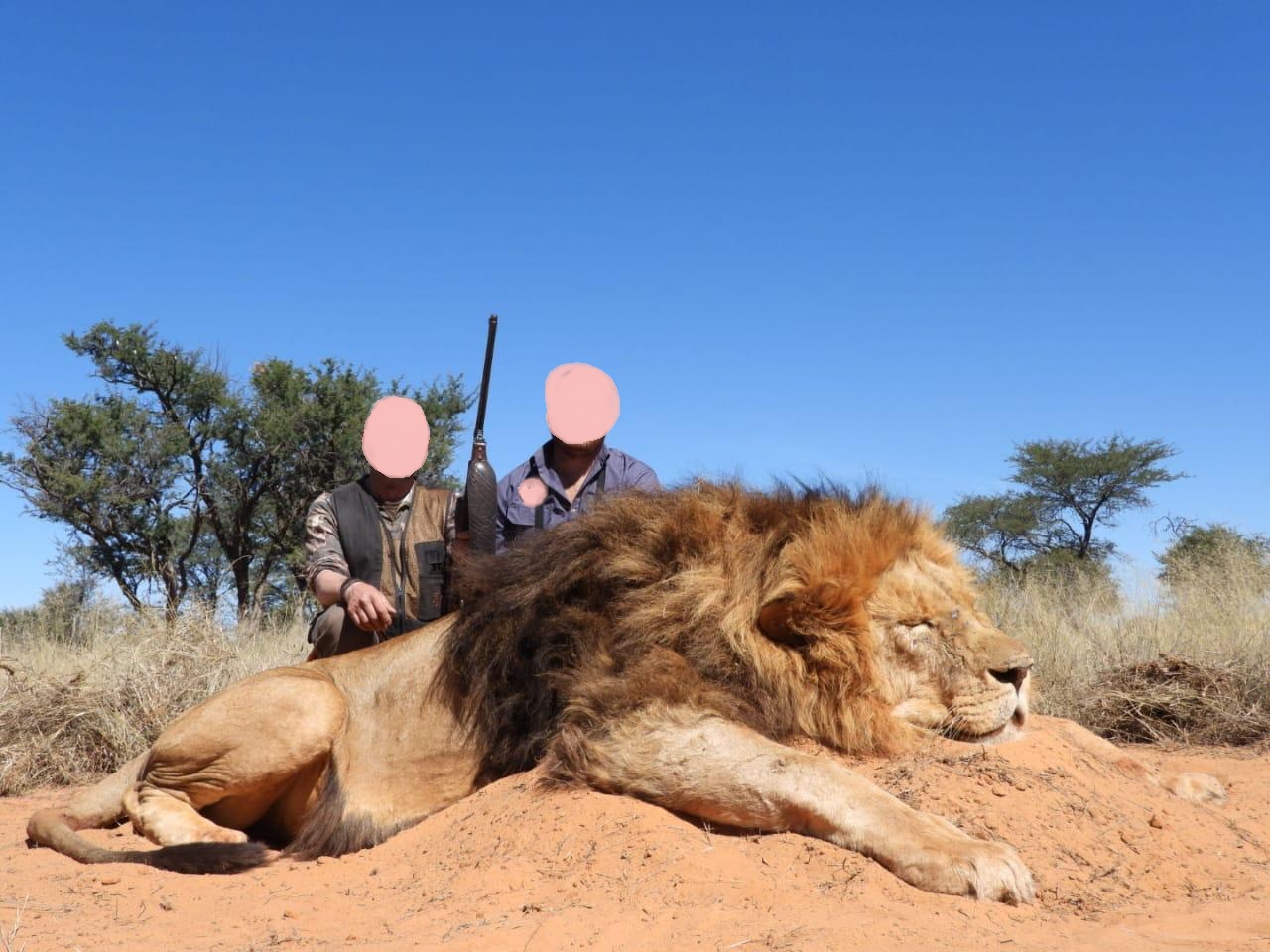
Hunt Lion, Leopard and Cape Buffalo in Zimbabwe, Save Valley
Booking Season: 2026
Hunt Difficulty: Difficult
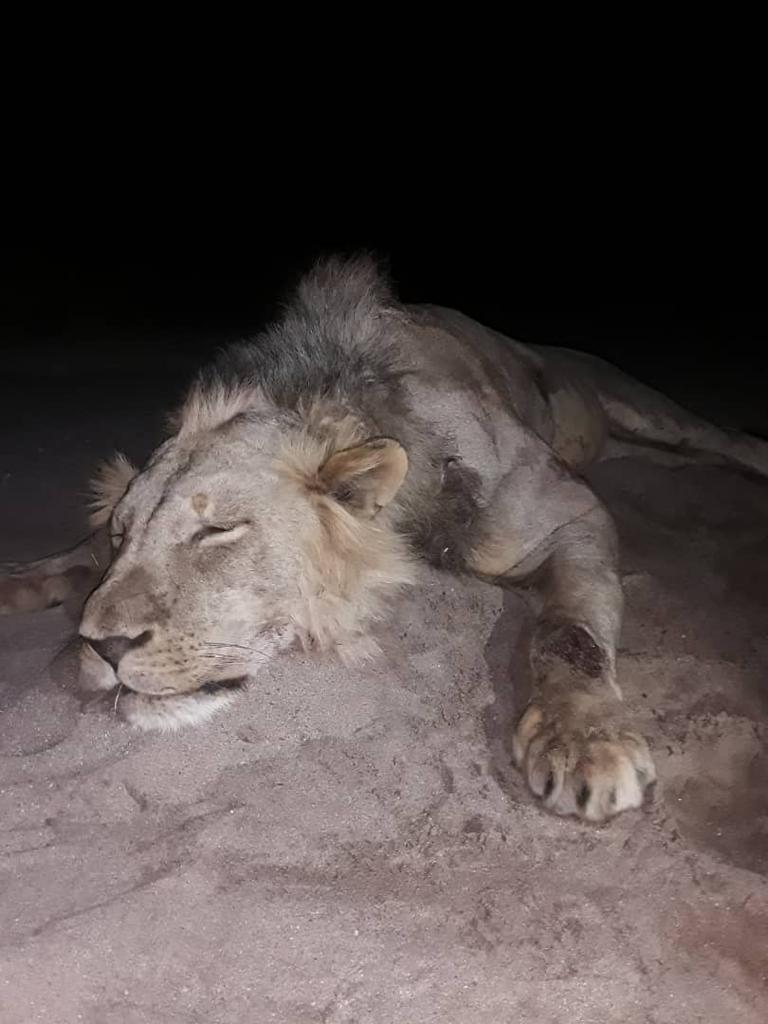
Lion Hunting in Zimbabwe | Save Valley 14-Day Trophy Lion Safari
Booking Season: 2026
Hunt Difficulty: Difficult
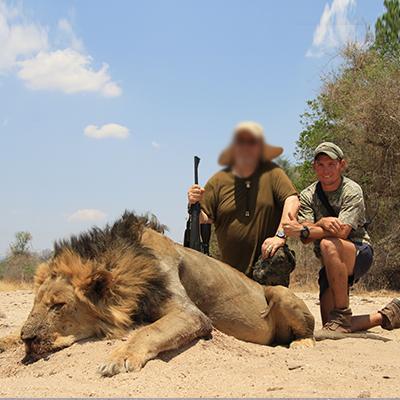
Full Bag Dangerous Game Safari | Zimbabwe
Booking Season: 2026
Hunt Difficulty: Difficult
Lion hunting in Zimbabwe is not an ideal choice for hunters seeking a low-cost or entry-level African safari. The financial commitment is substantial, the process can be slow and unpredictable, and success is never guaranteed regardless of the area or operator.
It is also not well suited to hunters who are uncomfortable with the realities of lion hunting, including baiting, extended periods of waiting, and the possibility of spending days without meaningful activity before the right opportunity presents itself. Patience is often one of the most important factors in a successful lion hunt.
Hunters who focus primarily on finding the lowest price rather than the quality of the hunting area, operator, and quota management are often disappointed. Likewise, hunters who have little experience with plains game or dangerous game hunting may find greater value in building experience before committing to a lion safari of this scale.
Lion hunting is one of the most scrutinized and regulated hunts in Africa. Quotas are limited, expectations are high, and mistakes, whether in choosing an operator or understanding the process, can be extremely costly. Taking the time to understand the hunt upfront is one of the most important decisions you will make.
One of the most important concepts in modern lion hunting is age-based lion selection. Responsible outfitters focus on harvesting older, non-breeding males that have already contributed to the population, rather than younger lions that are still actively involved in pride dynamics.
This approach plays an important role in conservation and is one of the reasons lion hunting remains so tightly regulated in Zimbabwe. Reputable operators invest significant time identifying suitable animals, monitoring bait sites, and assessing maturity before a hunt proceeds.
This means that lion hunting is not simply about finding a lion, it is about finding the right lion. Understanding the importance of age-based selection is one of the key differences between a properly managed lion hunt and one that prioritizes short-term success over long-term sustainability.
Lion hunting in Zimbabwe sits at the very top end of African hunting, both in price and in complexity. This is not a standard safari, and understanding the real cost upfront is critical before making any decisions.
On average, a lion trophy fee alone in Zimbabwe ranges between $25,000 and $35,000, depending on the area, quota availability, and the age of the lion.
But that is only one part of the total cost. Once you factor in:
• Daily rates
• Government and conservation fees
• Baiting and tracking costs
• Trophy preparation and export permits
A realistic total for a Zimbabwe lion hunt typically falls between $45,000 and $80,000+.
In premium concessions, such as parts of the Zambezi Valley or top-tier private areas, pricing can increase significantly.
In these cases:
• Daily rates alone can exceed $8,000–$10,000 per day
• Trophy fees for older, fully mature lions can reach $80,000–$100,000+
These hunts are not the norm. They are driven by:
• Limited quotas
• Strict age requirements
• High-quality genetics
• Low hunting pressure
At first glance, Tanzania appears far cheaper.
• Zimbabwe: ~$25,000–$35,000 trophy fee
• Tanzania: ~$15,000 trophy fee (government-set)
However, this comparison is incomplete. Tanzania safaris typically require:
• Longer mandatory hunt durations
• Higher daily rates
• Additional government levies and conservation fees
In practice, total hunt costs between Zimbabwe and Tanzania are often far closer than the trophy fee alone suggests.
Lion hunting is not a price-driven hunt. While trophy fees and daily rates vary, the final cost, and more importantly, the quality of your hunt is shaped by where you hunt in Zimbabwe.
Key factors include:
• The hunting area
• Operator standards and quota management
• Lion age and population quality
• Overall hunting pressure
Two hunts with similar price tags can deliver completely different experiences depending on these factors.Lion hunting is among the more expensive dangerous game safaris in Africa, and the trophy fee is only one part of the overall cost. Daily rates, concession fees, licences, permits, baiting costs, transfers and other safari expenses can all affect the final price. Anyone comparing the wider costs of hunting across Africa can find a more complete breakdown in our African Hunting Safari Prices guide.
Understanding Zimbabwe’s lion hunting areas is not just about geography, it’s about how concessions are structured, how much land an operator controls, and how effectively they can run a hunt.
Outfitters operate on specific blocks within larger areas, not the entire region. This directly impacts baiting strategy, lion movement, and ultimately, your chances of success.
Located near Hwange National Park and Victoria Falls, Matetsi is widely regarded as one of Zimbabwe’s premier hunting regions.
• Divided into well-managed concession blocks
• Low quotas with strong oversight
• Consistently produces mature, high-quality lions
Hunting here is typically:
• Structured and professionally managed
• Focused on older, export-quality males
• Conducted in areas with controlled pressure
Operators with access to strong Matetsi blocks can offer some of the most reliable lion hunting in Zimbabwe.
Insider tip: The difference between an average and top Matetsi hunt often comes down to the specific block, not just the name “Matetsi.”
Areas bordering Hwange National Park benefit from natural lion movement out of the park.
• Lions move across boundaries, creating opportunity
• Success often depends on timing and bait placement
• Quality varies significantly between concessions
However: Not all operators control large enough areas to fully capitalize on this movement.
• Smaller concessions = limited bait sites
• Reduced ability to adapt to lion movement
• Higher reliance on luck and timing
In these areas, the operator matters more than the location itself. Insider tip: If an operator can’t clearly explain their boundary and baiting strategy around Hwange, that’s a red flag.
The Gwaai region offers a more remote and traditional lion hunting experience.
• Large, wild landscapes with lower infrastructure
• Lion densities can be inconsistent depending on block
• Hunts are often more physically demanding
Key reality: Concession size plays a major role here.
• Operators with larger blocks can run multiple bait sites effectively
• Smaller operators may struggle to cover enough ground
Hunts in Gwaai are typically:
• More affordable than premium areas
• Less predictable in terms of success
Best suited to experienced hunters who understand and accept variability.
Insider tip: Ask how many active bait sites are run at once, this will tell you more than the price.
One of the largest private conservancies in Africa, Save Valley is known for:
• Strong wildlife management and established populations
• Controlled hunting pressure in well-run sections
• Good overall infrastructure and accessibility
This is where a common misconception exists: Not all operators have access to large, continuous areas within the conservancy.
In practice:
• Many outfitters operate on smaller sections or specific properties
• Limited area size can restrict bait placement and coverage
• This can impact how effectively lions are located and hunted
Hunts here are typically:
• Mid to high price range
• Consistent when run by established operators with sufficient land access
The key in Save Valley is not just the conservancy, it’s how much of it your operator actually controls. Insider tip: In Save Valley, always ask for the exact property or section name, not just “Save Conservancy.”
Choosing the right area is one of the most misunderstood parts of planning a lion hunt in Zimbabwe. Hunters may rely on names rather than understanding how the hunt actually works on the ground.
Common mistakes include:
• Focusing only on the area name
Assuming all concessions within a region offer the same quality or success rates
• Not asking about concession size
Smaller areas limit baiting options and reduce the ability to adapt to lion movement
• Ignoring operator differences within the same area
Two outfitters in the same region can deliver completely different experiences
• Comparing hunts purely on price
Lower pricing often reflects limitations in area control, quota, or hunting pressure
• Not understanding baiting strategy
The number and placement of bait sites is one of the biggest factors influencing success
When evaluating lion hunts in Zimbabwe, “area” alone is not enough. You need to understand:
• The specific concession or block
• How much land the operator controls
• How many bait sites they can realistically run
This is one of the biggest hidden factors affecting success rates.
Lion hunting in Zimbabwe is not just expensive, it is one of the most demanding and uncertain hunts in Africa. Understanding the reality of what the hunt involves is critical before committing.
A typical lion hunt in Zimbabwe will range between $45,000 and $100,000+ all-in, depending on the area, operator, and the age of the lion.
This is not a hunt where shortcuts exist. Lower pricing often reflects compromises in:
• Area quality
• Quota management
• Hunting pressure
Lion hunts are not quick, opportunistic hunts.
• Most safaris run between 10 and 21 days
• The early part of the hunt is often spent baiting and monitoring movement
• Success can come late in the safari, or not at all
You are paying for time, effort, and opportunity, not a guaranteed outcome.
Unlike plains game, lion hunting success is far from guaranteed.
• Even in well-managed areas, success rates can vary significantly
• Weather, lion movement, and pressure all play a role
• Ethical operators will prioritize age and quality over filling a quota quickly
Any hunt that feels “guaranteed” should be approached with caution.
Lion hunting is often underestimated.
Physically:
• Long hours tracking or checking bait sites
• Walking in thick bush or sand
• Exposure to heat and demanding terrain
Mentally:
• Extended periods of waiting and uncertainty
• High-pressure shot situations at close range
• The need for discipline when the wrong animal presents itself. This is as much a mental hunt as it is a physical one.
Many hunters approach lion hunting expecting:
• Faster results
• Clear-cut outcomes
• A predictable process
In reality, lion hunting is:
• Slow
• Unpredictable
• Highly dependent on conditions outside your control
Lion hunting in Zimbabwe is not just a financial commitment, it is a test of patience, judgment, and expectation.
The hunters who get the most out of this experience are the ones who understand the process before they arrive.
Lion hunting in Zimbabwe requires time. While safari lengths vary between areas and operators, choosing the number of hunting days should involve more than simply comparing package prices.
The first part of a safari may be spent establishing or refreshing baits, checking tracks and monitoring which lions are moving through the hunting area. Even when a mature male begins feeding, he may not return consistently enough to create an immediate hunting opportunity.
A shorter safari leaves less room for things to go wrong. A productive bait can suddenly go quiet, lion movement can change or an animal initially considered suitable may prove younger than expected once the PH has a better opportunity to judge him.
This is why the preparation taking place before you arrive matters. Ask whether baits will already be established, how many can realistically be maintained across the concession and how much lion activity the hunting team has seen before your safari begins.
Booking additional days does not guarantee a lion. What it provides is more time for the PH to respond to what is actually happening rather than allowing the approaching end of the safari to influence decisions about the animal being hunted.
When comparing Zimbabwe lion hunts, look beyond the total package price. Compare the number of actual hunting days, the size of the hunting area, the number of bait sites that can be operated effectively and what preparation takes place before you arrive.
On a lion hunt where success can depend on what happens during the final few days, time in the field is something worth buying.
Timing plays an important role in lion hunting success, but not always in the way many hunters expect.
Lion hunting in Zimbabwe generally takes place during the dry season, which runs from May through October. During this period, vegetation thins out, water becomes more limited, and both prey species and predators begin to follow more predictable movement patterns.
This creates better conditions for baiting, tracking, and overall hunt visibility, but each part of the season comes with its own advantages and trade-offs.
• Cooler temperatures and more comfortable hunting conditions
• Vegetation still relatively thick from the rainy season
• Water sources are still widely available across the landscape
Impact on hunting:
• Lions are less concentrated and move over larger areas
• Baiting can take longer as natural prey is still abundant
• Tracking conditions can be slightly more difficult due to ground cover
Early season hunts are often more comfortable and less physically demanding, but may require more patience before consistent lion activity develops.
This period suits hunters who value a more relaxed pace and are willing to trade some predictability for better overall conditions.
• Dry conditions begin to take hold across most areas
• Vegetation thins, improving visibility and access
• Water sources start to concentrate game movement
Impact on hunting:
• Bait sites become more productive and easier to monitor
• Lion movement becomes more consistent and easier to pattern
• Tracking conditions improve significantly
This is often considered the most balanced time of the season.
It offers a combination of:
• Manageable temperatures
• Increasing hunting effectiveness
• More reliable bait activity
For hunters, this is the ideal window between comfort and performance.
• Very dry conditions with limited natural water sources
• High temperatures, especially in October
• Game and predators concentrate heavily around remaining water and bait sites
Impact on hunting:
• Lion activity increases as movement becomes more predictable
• Baiting is often highly effective due to limited natural food sources
• Shot opportunities can come faster once a lion is located
However:
• Heat can be extreme, particularly in low-lying areas
• Physical demands increase significantly
• Long days and tough conditions become part of the experience
Late season is widely regarded as the most productive time for lion hunting in Zimbabwe, but it is also the most physically and mentally demanding.
For hunters traveling from the United States or Canada, lion hunting in Zimbabwe comes with additional considerations that go beyond the hunt itself. Regulations, import requirements, and public scrutiny all play a role in how the hunt is planned and executed.
Understanding these factors upfront is essential before committing to a lion safari.
Yes, lion hunting in Zimbabwe is legal when conducted under government-regulated quota systems and through licensed operators.
However, legality in Africa does not automatically guarantee import approval back home.
• Hunts must comply with Zimbabwean wildlife regulations
• Lions must be taken under approved quotas
• Age and conservation standards must be met
For international hunters, the key question is not just whether the hunt is legal—but whether the trophy can be legally imported.
Importing a lion trophy is regulated by the U.S. Fish and Wildlife Service.
• Each import application is reviewed individually
• Approval is not guaranteed
• Regulations and policy interpretations can change over time
This means:
• Even a legally conducted hunt in Zimbabwe may not result in an approved import
• Additional documentation and justification may be required
• Processing times can be unpredictable
U.S. hunters should always confirm current import requirements before booking.
Canadian hunters generally face fewer restrictions compared to the United States, but the process still requires:
• Valid CITES export permits
• Compliance with Canadian import regulations
• Proper coordination with shipping agents and taxidermists
While more predictable, it is still important to plan the process correctly from the start.
This is one of the most overlooked risks in lion hunting.
If a trophy cannot be imported:
• It may need to remain in Zimbabwe or South Africa
• Storage, handling, or additional export costs may apply
• Future import may be possible, but not guaranteed
Hunters should be comfortable with this possibility before proceeding with a hunt.
Lion hunting is one of the most publicly scrutinized hunts in Africa.
For international hunters, this means:
• Choosing operators who follow strict ethical standards
• Ensuring lions meet age and conservation criteria
• Understanding how the hunt fits within broader conservation frameworks
Responsible hunting practices are not just important for legality, they directly affect long-term access to lion hunting for international hunters.
Lion hunting in Zimbabwe is accessible to U.S. and Canadian hunters, but it requires careful planning beyond the hunt itself.
• Legal in Zimbabwe does not always mean importable
• Regulations can change
• Operator selection plays a critical role in compliance
The more informed you are before booking, the fewer risks you carry after the hunt.
While seasonal timing influences conditions, it is not the primary factor determining the success of a lion hunt.
More important variables include:
• The size and quality of the concession
• How effectively the operator runs baiting operations
• Lion density and quota management in the area
• The amount of time available to hunt
A well-managed hunt in a strong area will consistently outperform a poorly run hunt, regardless of the time of year.
There is no single “perfect” time to hunt lion in Zimbabwe.
Each part of the season offers different advantages depending on conditions, expectations, and hunting style.
The best time to hunt is when the right combination of area, operator, and preparation comes together, not simply what the calendar says.
Lion hunting in Zimbabwe follows a structured and methodical process. It is not a walk-and-stalk hunt like plains game, and understanding how the hunt unfolds is essential before arriving in camp.
The Baiting Process
• Baits are placed in strategic locations based on spoor, terrain, and lion movement
• These are typically hung in trees to attract lions over several days
• Trail cameras or daily checks are used to monitor activity
Professional hunters will:
• Identify individual lions visiting the bait
• Assess age and maturity
• Wait until the right animal is consistently feeding
This stage can take several days and requires patience before any hunting begins.
Once a suitable lion is identified, the hunt typically proceeds in one of two ways:
• A blind is set up near the bait
• The hunter waits for the lion to return, often at last light
• Shots are usually taken at close range under controlled conditions
• Lions are tracked on foot from spoor
• Requires highly experienced trackers and favorable conditions
• More physically demanding and less predictable
Most successful lion hunts in Zimbabwe are conducted over bait, with tracking used when conditions allow.
Lion shot placement is critical and leaves very little room for error.
• Shots are often taken at close range, but under low-light conditions
• The target area is smaller and more precise than many hunters expect
• Poor shot placement can lead to dangerous follow-up situations
Understanding shot angles and anatomy before the hunt is essential.
For a detailed breakdown, see our lion shot placement guide.
Lion hunting is time-intensive and unpredictable.
• The first several days may be spent purely on baiting and observation
• Even with active bait sites, lions may come and go unpredictably
• Success often happens late in the safari, or not at all
This is not a fast hunt. It rewards patience, discipline, and timing.
While lion is often the primary objective, most hunts in Zimbabwe offer the opportunity to pursue a wide range of additional species during your safari. Depending on the area and quota, hunters commonly take animals such as kudu, impala, warthog, zebra, and other antelope species while waiting for lion activity to develop around bait sites. This not only makes better use of your time in the field but also adds significant value to the overall experience. Many hunters choose to combine their lion hunt with a dedicated plains game safari, allowing them to take advantage of Zimbabwe’s exceptional diversity of species. If you’re considering extending your safari, see our plains game hunts in Africa guide for a full breakdown of species and hunt options.
Lion hunting in Zimbabwe is tightly regulated at both national and international levels. For hunters traveling from the United States or Canada, understanding the legal framework is just as important as choosing the right area or operator.
Lions are listed under CITES (Convention on International Trade in Endangered Species), which means:
• Each lion hunt must be conducted under a legal quota
• Export permits are required from Zimbabwe authorities
• The lion must meet strict age and management criteria
Reputable operators will only hunt within approved quotas and legal frameworks.
For U.S. hunters, importing a lion is not guaranteed.
• The U.S. Fish & Wildlife Service (USFWS) reviews each import individually
• Permits may be approved, delayed, or denied depending on current regulations
• Requirements can change, and approval is not automatic
This is one of the most important considerations before booking a hunt.
Canadian regulations are generally more straightforward than U.S. imports, but still require:
• Proper CITES documentation
• Compliance with provincial import laws
• Coordination with shipping agents and taxidermists
While typically less restrictive than the U.S., the process still requires planning.
This is a scenario many hunters do not consider.
If import is denied or delayed:
• The trophy may need to remain in Africa
• Additional storage or handling costs may apply
• Export may be possible at a later stage, depending on regulation changes
You should always understand this risk before committing to a lion hunt.
Lion hunting is one of the most scrutinized hunts globally.
Responsible hunting in Zimbabwe depends on:
• Strict quota systems
• Age-based harvesting (older, non-breeding males)
• Proper operator oversight
Choosing a reputable operator is not just about success, it is about legality, sustainability, and long-term conservation.
Lion hunting costs are often misunderstood. Most listings focus on a single number, but in reality, a lion hunt is made up of several components that directly influence both price and quality.
The two main cost components are:
• Paid only if a lion is successfully taken
• Typically ranges from $25,000 to $35,000+ in Zimbabwe
• Higher fees usually reflect older, fully mature lions and stricter quota management
• Charged per hunting day, regardless of success
• Covers accommodation, staff, vehicles, and guiding
• Can range from $1,500 to $10,000+ per day depending on the area
The balance between these two is what shapes the total cost of your hunt.
Beyond the main fees, several additional costs can significantly impact your final budget:
• Government levies and conservation fees
• Bait animals and baiting logistics
• Trophy preparation, dip & pack, and shipping
• Rifle import permits or firearm hire
• Gratuities for staff and trackers
These are rarely highlighted upfront but can add substantially to the total cost.
Not all lion hunts are priced the same—and for good reason.
Key factors include:
• Area quality (private conservancy vs open concession)
• Quota management (low quota vs high turnover)
• Lion age structure (mature males vs younger animals)
• Hunting pressure (exclusive vs heavily hunted areas)
Lower prices often reflect compromises in one or more of these areas.
The Key Takeaway
Lion hunting pricing is not standardized. Understanding what you are paying for is far more important than comparing headline prices.
Choosing the right operator is the single most important decision you will make when planning a lion hunt in Zimbabwe. Two hunts in the same area, at similar prices, can deliver different outcomes depending on the operator behind them.
Be cautious of operators who:
• Promote “guaranteed” lion hunts
• Offer significantly lower prices than comparable hunts
• Cannot clearly explain their quota or concession details
• Avoid discussing lion age or selection criteria
• Push for quick booking decisions without proper consultation
These are often signs of poor quota management or unrealistic expectations.
Before booking a lion hunt, you should be able to get clear answers to:
• What is your lion quota for the season?
• How many lions have been taken from this area recently?
• What age criteria do you follow when selecting a lion?
• How many bait sites are typically run at one time?
• What is your realistic success rate, not your best-case scenario?
A reputable operator will answer these questions openly and in detail.
Lion hunting in Zimbabwe is governed by strict quota systems.
• Each area is allocated a limited number of lions per season
• Sustainable operators harvest selectively, not aggressively
• Older, non-breeding males are the target in responsible hunts
Operators who respect quota systems consistently deliver better long-term hunting.
Low-priced lion hunts often come with hidden compromises:
• Overhunted areas with declining lion populations
• Pressure to take the first available animal rather than the right one
• Reduced time spent baiting and properly managing the hunt
• Increased risk of legal or ethical issues
In a hunt of this scale, saving money upfront can lead to poor outcomes, or no outcome at all.
The success of your lion hunt depends far more on the operator than the price. Independent advice and proper vetting will always outperform chasing the lowest offer.
Lion hunting is not a hunt you measure purely by success or cost.
It represents the pinnacle of African dangerous game hunting, a test of patience, discipline, and decision-making under pressure. It is as much about the process as it is about the outcome.
However, it is not a hunt for everyone.
The financial commitment is significant. The time required is substantial. And success is never guaranteed, even in well-managed areas.
For those who approach it with the right expectations, understanding the role of baiting, the unpredictability of lion movement, and the importance of selecting the right operator, it is often considered one of the most challenging and rewarding hunts in Africa.
Expecting quick results or a predictable outcome can make lion hunting in Zimbabwe a frustrating and expensive proposition.
Ultimately, the value of a lion hunt is not defined by the price alone, but by the quality of the area, the professionalism of the operator, and the experience of the hunt itself.
After understanding the costs, areas, and realities of lion hunting in Zimbabwe, the next step is choosing a hunt that aligns with your expectations.
Instead, we focus on a small number of operators and areas that meet strict criteria:
• Proven quota management and ethical standards
• Consistent track record in their specific area
• Transparent pricing and realistic expectations
• Professional teams with experienced trackers and staff
What You’ll Find Below
• Carefully selected based on area quality and operator reputation
• Structured to reflect realistic pricing and timeframes
• Suitable for hunters who value a properly managed experience
These are not the cheapest options available, but they are hunts we trust.
Our role is not to sell as many hunts as possible.
It is to help you:
• Avoid costly mistakes
• Understand what you are booking
• Choose a hunt that matches your expectations
Independent advice comes first. The right hunt comes second.
Lion hunting in Zimbabwe is not a simple booking decision, it is one of the most complex and demanding hunts in Africa.
It requires:
• Careful planning
• A clear understanding of cost and expectations
• The right combination of area, operator, and timing
Throughout this guide, the goal has been to give you a realistic, experience-based understanding of what this hunt involves, not just how to book it.
The difference between a successful lion hunt and a disappointing one rarely comes down to luck. It comes down to the decisions made before you ever arrive in camp.
Choosing the right area, working with a reputable operator, and understanding the realities of the hunt will ultimately define your experience. Zimbabwe remains one of the most respected lion hunting destinations in Africa, but it rewards preparation and informed decision-making.
If you approach it correctly, it can be one of the most challenging and rewarding hunts you will ever undertake.
Search from our range of Hunts across various popular destinations in Africa.

Book Your Hunt