Cape Buffalo Hunting in the Selous Tanzania 1 x 2 or 2 x 1
Booking Season: 2026
Hunt Difficulty: Difficult

Hippo hunting in Zimbabwe offers one of Africa's most demanding Big Game Hunting safaris. Although hippos spend much of the day submerged in rivers, lakes and backwaters, they are among the continent's most territorial and unpredictable animals. A mature bull can weigh well over 3,200 pounds, move surprisingly quickly on land, and become highly aggressive when threatened or blocked from returning to the water.
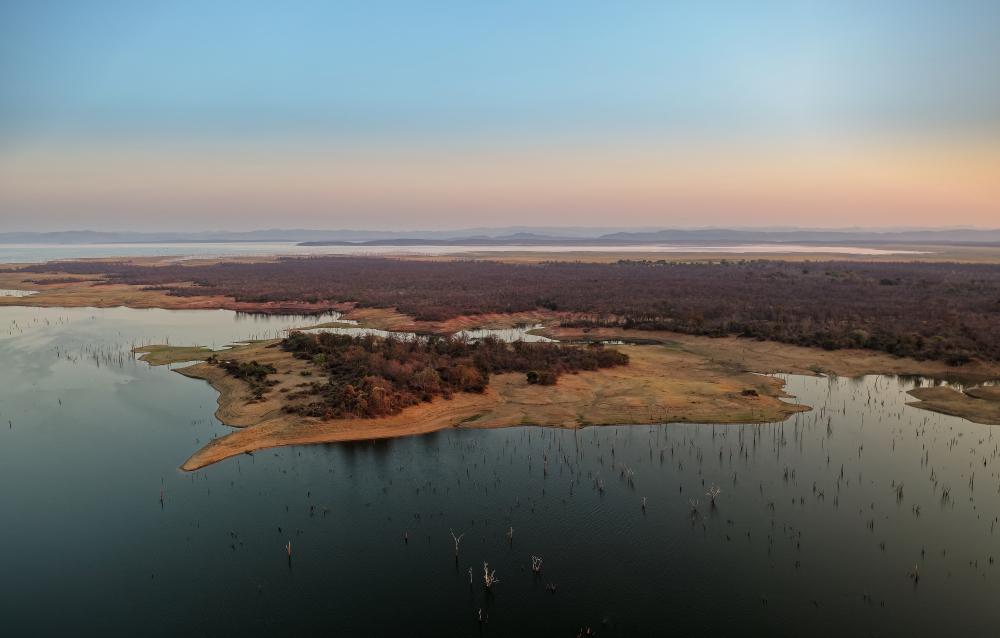
Zimbabwe has long been regarded as one of Africa's leading destinations for Hippo Hunts. The Zambezi River, Lake Kariba and sections of the Limpopo River all support healthy hippo populations, giving hunters the opportunity to pursue this remarkable species in classic riverine environments. Unlike many dangerous game hunts, hippo hunting in Zimbabwe is available throughout the year, although bowhunters require a special permit. The species is currently classified by the IUCN as Vulnerable.
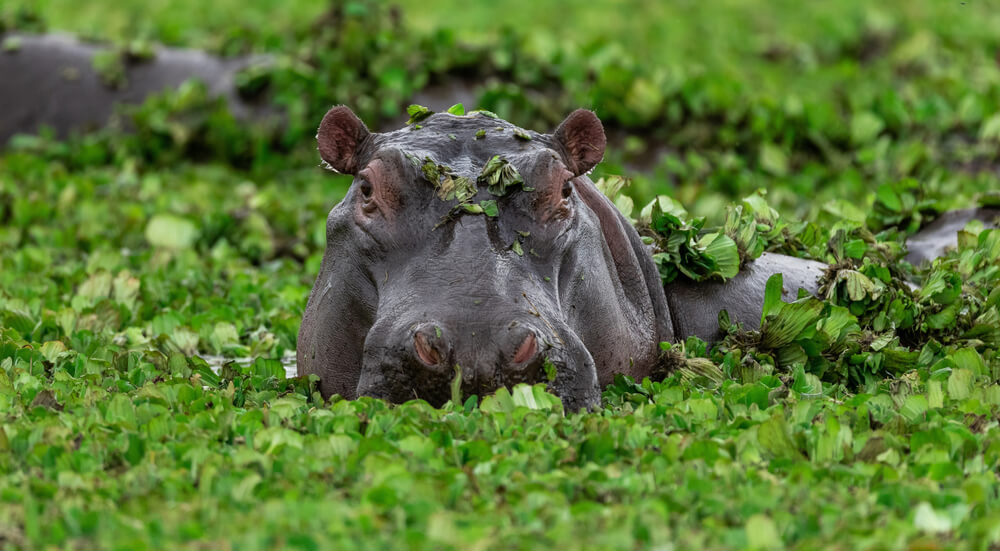
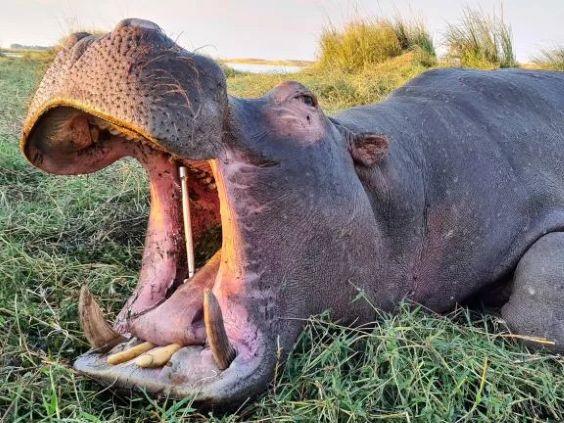
Much of the hunt revolves around careful observation. Hippos often spend more than sixteen hours each day submerged, leaving only their eyes, ears and nostrils visible above the water. Identifying a mature trophy bull requires patience and experience. Older bulls typically carry heavier heads, thicker necks and larger tusks, while the prominent bulges alongside the nostrils are created by the lower tusks pressing against the upper jaw.
Available Hippo Hunts
Cape Buffalo Hunting in the Selous Tanzania 1 x 2 or 2 x 1
Booking Season: 2026
Hunt Difficulty: Difficult
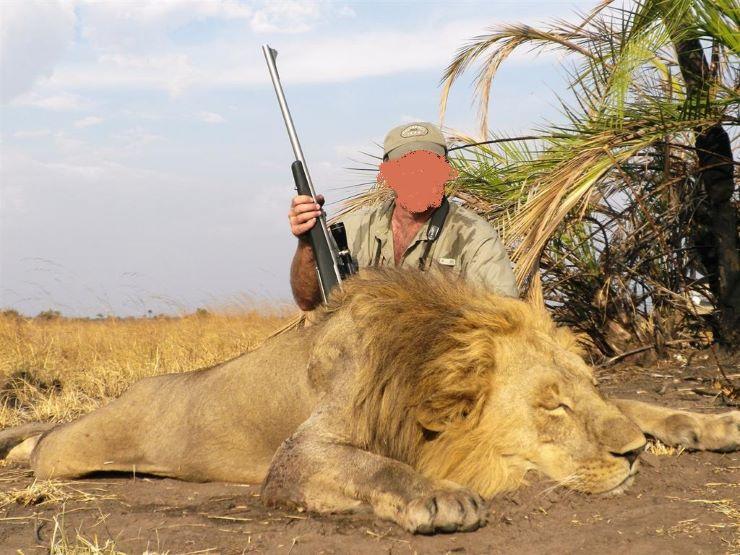
Hunt Lion, Buffalo and Hippo in Tanzania’s Selous
Booking Season: 2026
Hunt Difficulty: Difficult


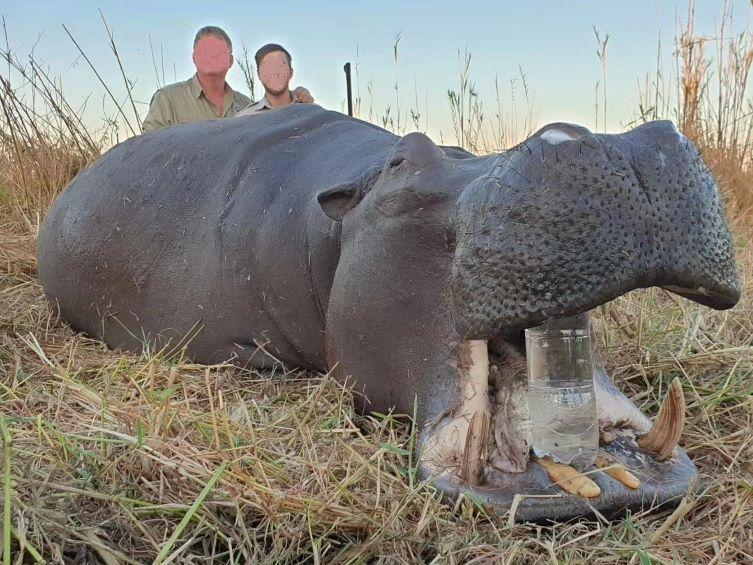
5-Day Exportable Hippo Hunt in Namibia’s Caprivi
Booking Season: 2026
Hunt Difficulty: Difficult
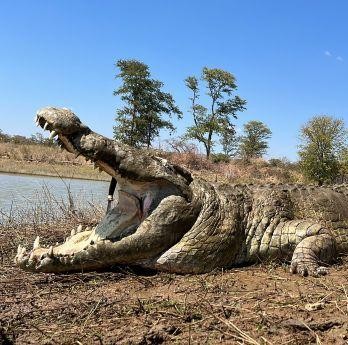
Lake Kariba Hippo & Crocodile Hunting Safari in Zimbabwe
Booking Season: 2026
Hunt Difficulty: Difficult
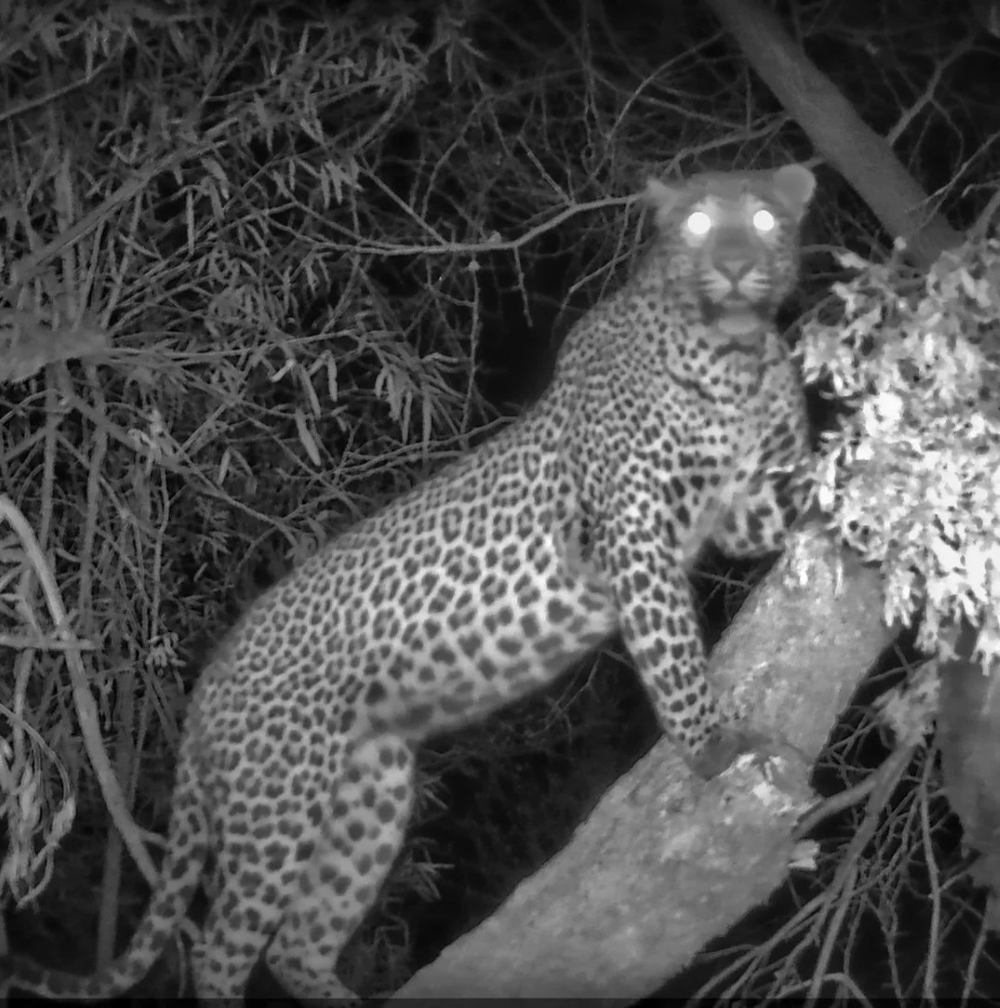
Hunting in Zambia: Leopard, Plains Game Plus Croc OR Hippo
Booking Season: 2027
Hunt Difficulty: Difficult
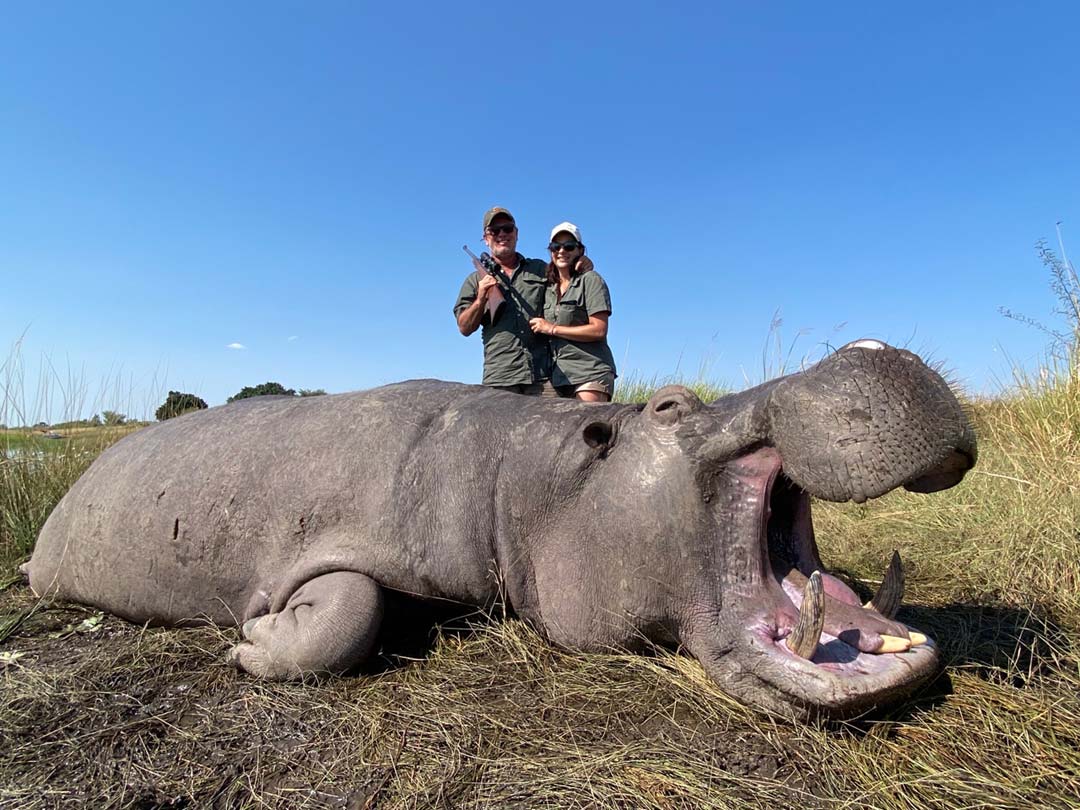
Non-Exportable Hippo Hunt Namibia | Zambezi (Caprivi Strip)
Booking Season: 2026
Hunt Difficulty: Difficult
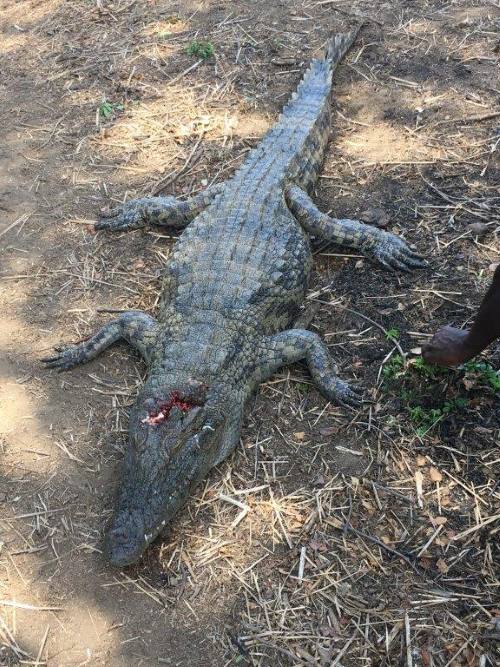
Hippo & Nile Crocodile Hunting Safari in Zimbabwe
Booking Season: 2026
Hunt Difficulty: Difficult
7-Day Dangerous Game & Plains Game Safari in Zambia
Booking Season: 2026
Hunt Difficulty: Difficult
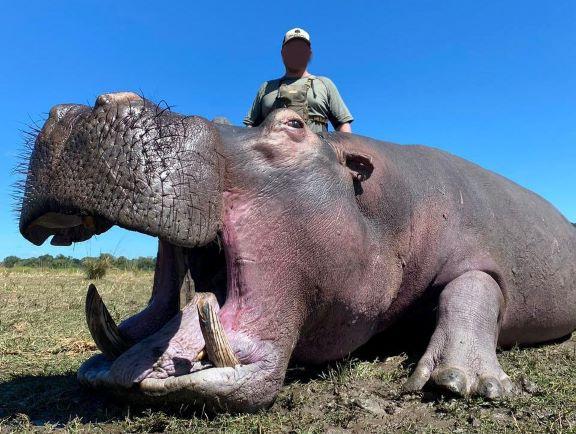
South Africa Dangerous Game & Nocturnal Hunting Safari
Booking Season: 2026
Hunt Difficulty: Moderate, Difficult
The Save Valley Hippo Combination Safari
Booking Season: 2026
Hunt Difficulty: Moderate, Difficult
Hunting in Zimbabwe often presents two very different hippo hunting scenarios. A hunter may stalk a bull while it is partially submerged in the water, where only the eyes, ears and nostrils are visible, or wait until it leaves the water to feed before making an approach on land. Both situations require patience, careful judgement and an understanding of how the animal behaves.
A hippo's instinct is almost always to return to the safety of the water. An animal surprised on land may charge if it believes its route back to the river has been blocked, making every approach a responsibility shared between the hunter and Professional Hunter. Careful planning, wind direction and positioning are therefore just as important as the shot itself.
Accurate shot placement is essential. Hippos have an exceptionally thick skull and heavy bone structure, while the correct aiming point differs depending on whether the animal is in the water or standing on land. A poorly placed shot can result in a wounded animal entering the water or creating a dangerous follow-up situation.
Before your safari, we recommend reviewing our Hippo Shot Placement Guide to understand the correct aiming points for both water and land shots before arriving in camp.
Unlike some dangerous game hunts where animals are actively tracked over long distances, a hippo hunt often rewards patience more than constant movement. Hours may pass watching a section of river, waiting for a mature bull to surface fully, change position or leave the water. Rushing a shot rarely improves the outcome, particularly when only a small portion of the animal is visible.
Conditions can also change quickly. Wind direction, fading light and the movement of other hippos all influence when an opportunity presents itself. A bull that appears settled may disappear beneath the surface for several minutes before resurfacing in a completely different position, requiring the hunter and Professional Hunter to reassess the situation.
Successful hippo hunting in Zimbabwe often comes down to discipline rather than speed. Waiting for the right presentation and the correct shot opportunity not only increases the chances of a clean, ethical harvest but also reflects the measured approach that has long defined responsible dangerous game hunting.
A quality hippo trophy is judged by far more than tusk size alone. Experienced Professional Hunters look for mature bulls with heavy heads, well-developed lower tusks and the distinctive facial features that develop with age. Years spent defending territory and competing with rival bulls often leave older hippos with worn tusks, scars and other signs of a long life along the river.
The largest tusks do not always belong to the oldest bull. Trophy quality is often determined by the overall character and maturity of the animal rather than a single outstanding feature. An experienced Professional Hunter will help identify a mature bull that has reached the appropriate age while ensuring younger breeding animals remain part of the population.
Like any ethical African hunting safari, the objective is not simply to harvest the biggest animal available, but to select a mature trophy that reflects responsible wildlife management. Carefully planned African Hunting Trips focus on the quality of the hunt, the maturity of the animal and the long-term sustainability of the resource rather than measurements alone.
Search from our range of Hunts across various popular destinations in Africa.

Book Your Hunt