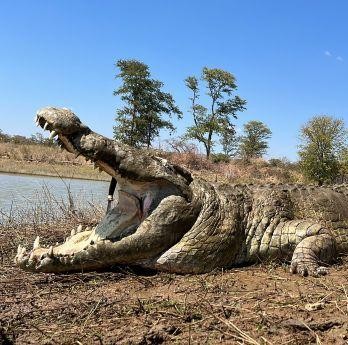
Lake Kariba Hippo & Crocodile Hunting Safari in Zimbabwe
Booking Season: 2026
Hunt Difficulty: Difficult

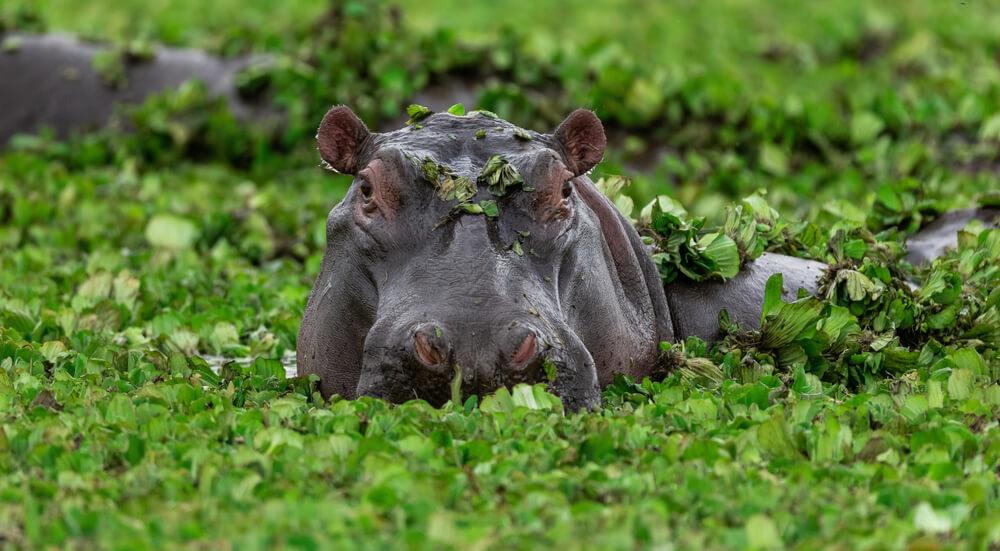
The hippopotamus is one of Africa's most powerful and unpredictable animals, earning its place among the continent's renowned Dangerous 7. Although often seen resting quietly in rivers and lakes, hippos are highly territorial and responsible for more human fatalities in Africa than many other large mammals. As one of the defining species pursued during Dangerous Game Hunts, the hippopotamus commands respect from hunters and wildlife enthusiasts alike.
Hunters researching current destinations, prices and available safaris can visit our dedicated Hippo Hunts.
The hippopotamus is also one of the largest species pursued during Big Game Hunting, although this species page focuses on its biology, behaviour and physical characteristics.
Despite its seemingly calm appearance, the hippo is one of the most formidable animals a hunter can face. Their territorial behaviour, unpredictable aggression, and sheer strength make hippo hunts rewarding.
Hippos inhabit sub-Saharan Africa, thriving in environments that provide ample access to water. Their preferred habitats include:
Hippos occur across parts of sub-Saharan Africa, although their distribution has declined because of habitat loss, human-wildlife conflict and increasing pressure on permanent water sources.
The hippopotamus (Hippopotamus amphibius) is a semi-aquatic mammal, spending up to 16 hours a day submerged in water. This behavior helps them regulate body temperature and protect their sensitive skin from the harsh African sun.
These habits shape how hippos use rivers, lakes and surrounding grazing areas throughout the day and night.
Hippos are deceptively dangerous. While they appear slow and docile, they are highly aggressive and territorial, particularly in water.
Name:
Hippopotamus Amphibius
Male Weight:
3,300-3,970 pounds
Male Shoulder Height:
4.6 feet
Range:
Sub-Saharan Africa
Mating Season:
Breeds all year around but peaks between February and August
Life span:
40-50 years
The Hippo is a Much Prized Trophy that Challenges Hunters to Bring their A-game at All Times.
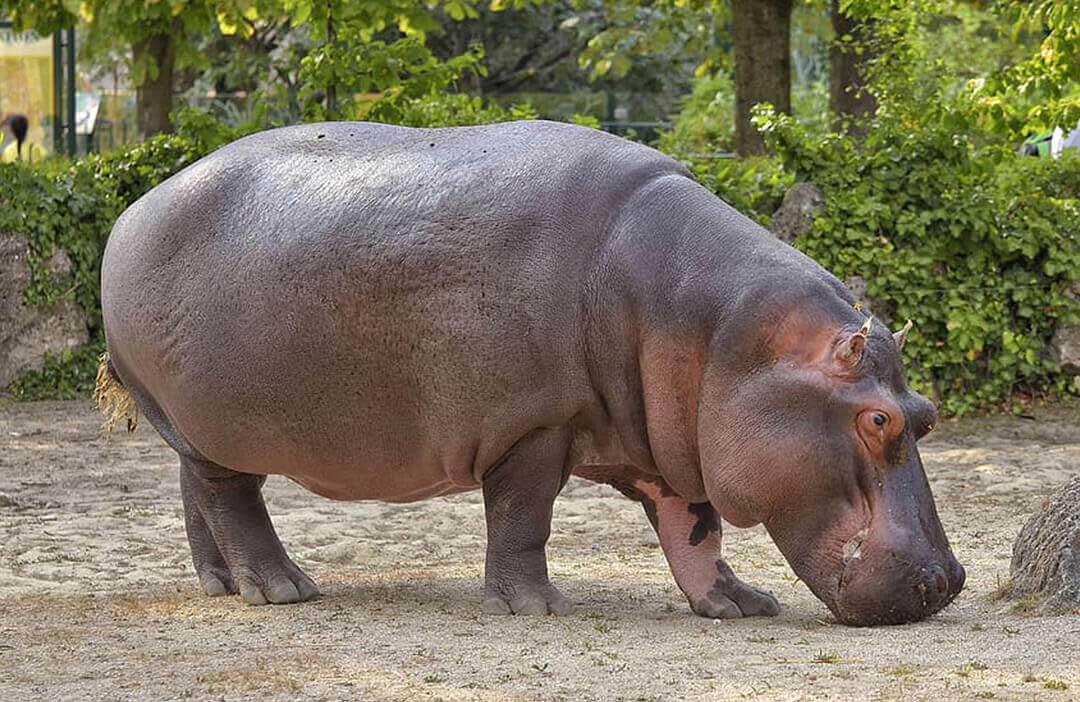
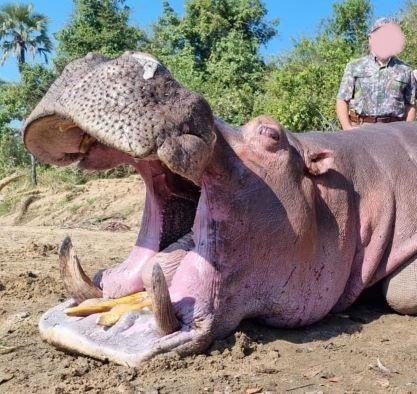
When preparing for a game hunting safari, it is important to remember that most of the time your target will be in the water, with only the top of their head visible. Hippos have a large barrel-shaped body, with short, stubby legs and tails. Its body color is a mixture of greyish to muddy-brown colors, with a pale pink underbelly. The hippo has a large head, which at times is all you can see when it lies submerged in water and this makes it difficult to differentiate between a male and female hippo. When game hunting in Africa, and you are at the stage of needing to identify the target’s gender, remember that male hippos are larger and their teeth and tusks are larger than females, which makes identification a bit easier when only the head is visible! Hippos have large tusks in both jaws, representing the upper incisors and the lower canines, with 36 teeth in total. Their sharp tusks can grow up to a foot long and actually never stop growing. They are used by hippos to fight other males and used in defence when attacked. Hippos move efficiently through water, often pushing off the river or lake bed, and adults can remain submerged for several minutes before surfacing to breathe. They even can sleep underwater, using a reflex that allows them to bob up, take a breath, and sink back down without waking up.
Hippos spend much of the day resting in water and generally leave after dark to graze on land. They may travel considerable distances along established paths before returning to the water around dawn.
Despite their size, hippos can move quickly over short distances. They may become particularly dangerous when surprised on land, separated from the water or approached near calves.
Dominant bulls defend sections of rivers, lakes and pools against rivals. Territorial displays may include yawning, vocalisation, dung scattering and confrontations involving their powerful jaws and canine teeth.
Hippos are social while resting in water, but they usually graze individually at night. Their behaviour can change quickly when they feel threatened or when another animal or person blocks their route to safety.
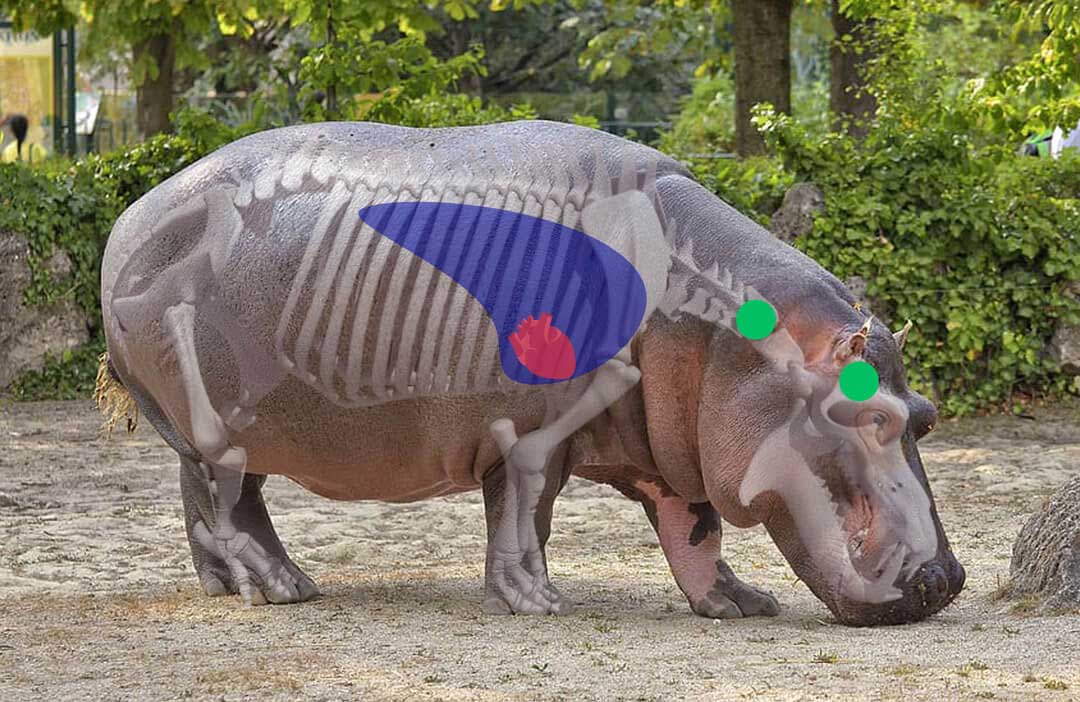
A hippo’s heavy skull, small visible target area and partially submerged position can make its anatomy difficult to judge. Shot angle and the amount of the animal visible must always be considered carefully.
Our dedicated hippo shot placement guide provides diagrams and practical guidance for identifying the vital area from different angles.
Available Hippo Hunts
Lake Kariba Hippo & Crocodile Hunting Safari in Zimbabwe
Booking Season: 2026
Hunt Difficulty: Difficult

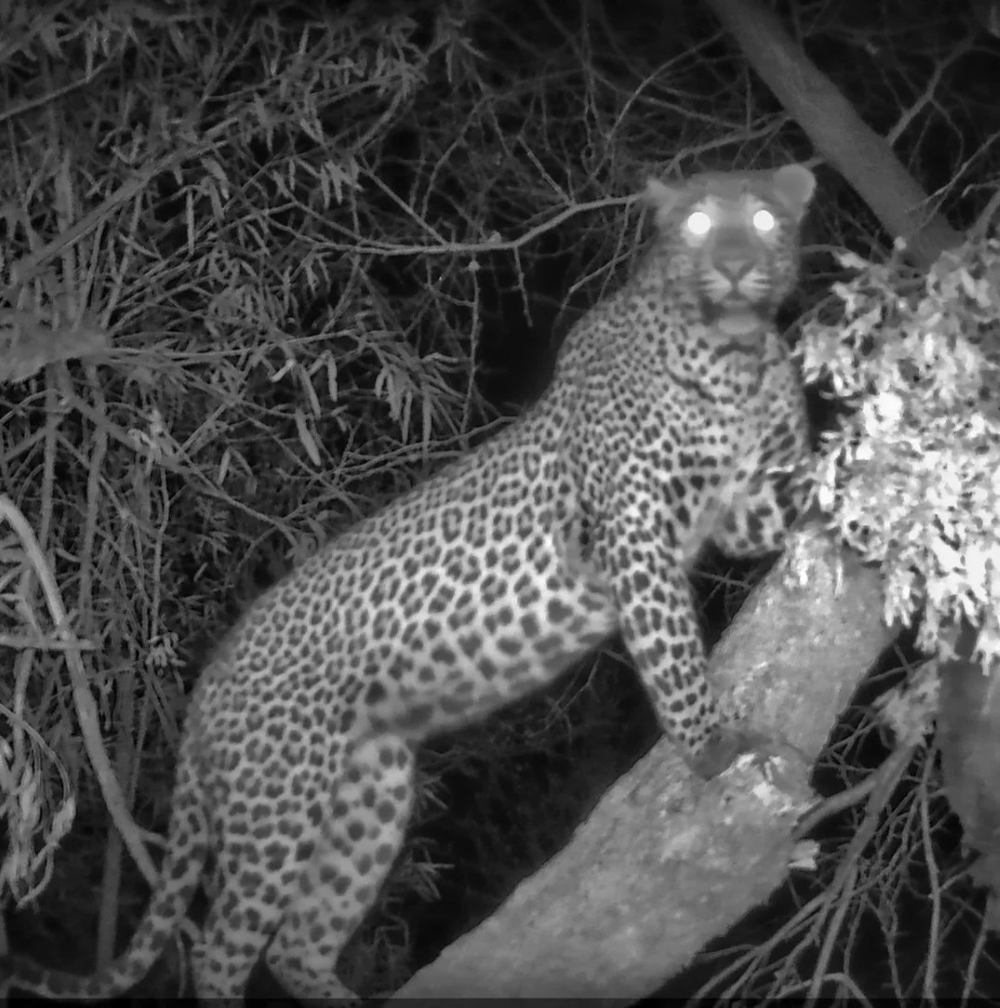
Hunting in Zambia: Leopard, Plains Game Plus Croc OR Hippo
Booking Season: 2027
Hunt Difficulty: Difficult
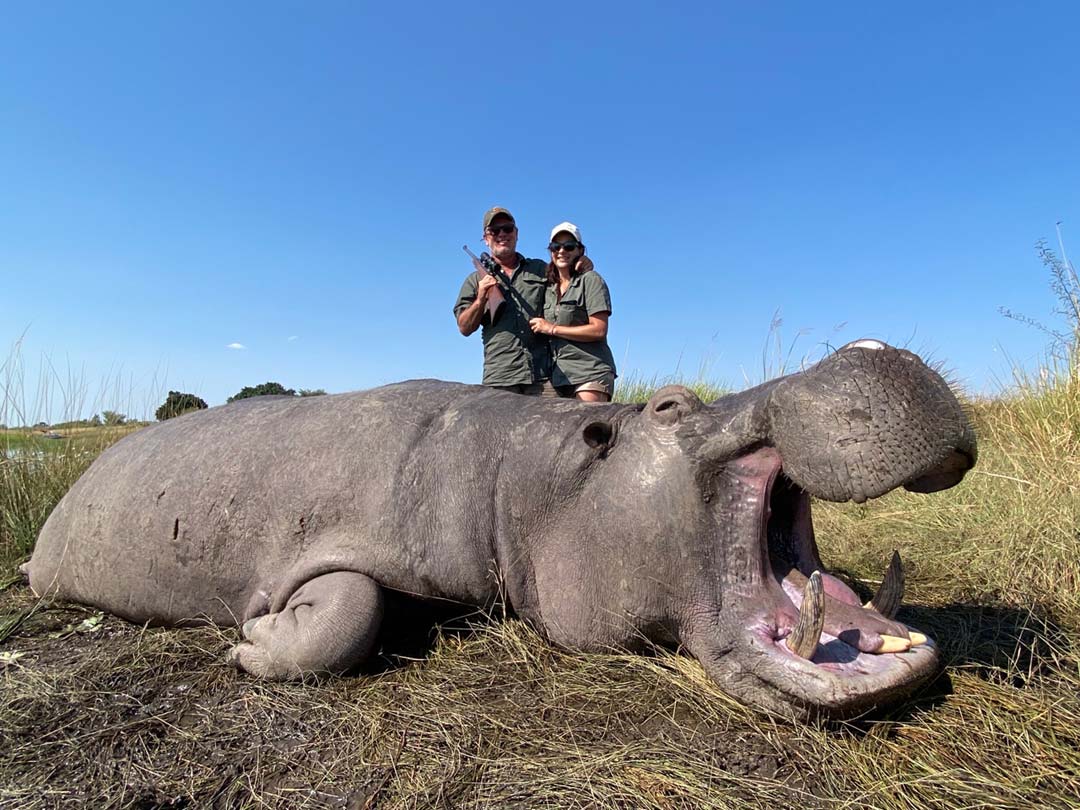
Non-Exportable Hippo Hunt Namibia | Zambezi (Caprivi Strip)
Booking Season: 2026
Hunt Difficulty: Difficult
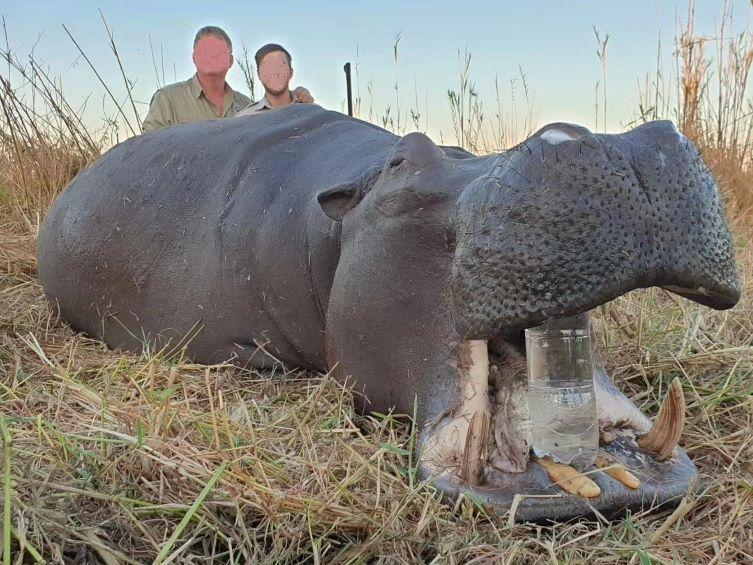
5-Day Exportable Hippo Hunt in Namibia’s Caprivi
Booking Season: 2026
Hunt Difficulty: Difficult
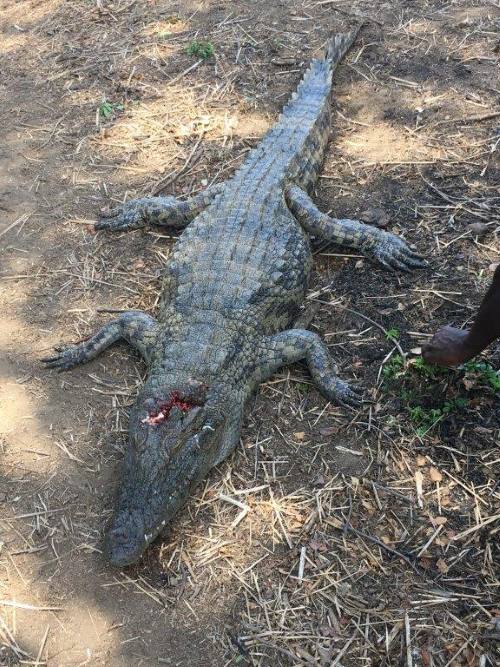
Hippo & Nile Crocodile Hunting Safari in Zimbabwe
Booking Season: 2026
Hunt Difficulty: Difficult
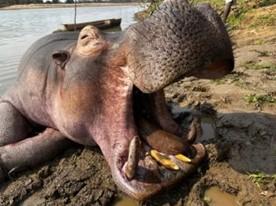
7-Day Dangerous Game & Plains Game Safari in Zambia
Booking Season: 2026
Hunt Difficulty: Difficult
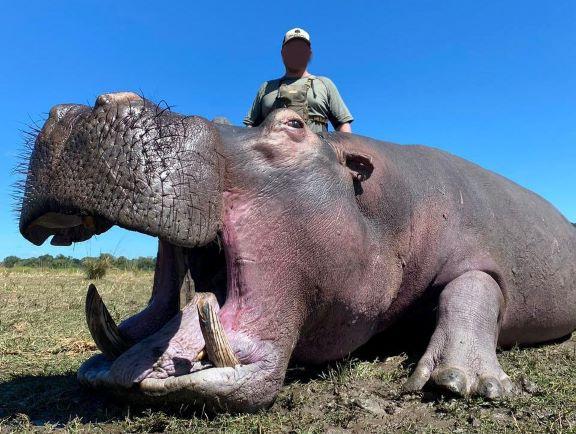
South Africa Dangerous Game & Nocturnal Hunting Safari
Booking Season: 2026
Hunt Difficulty: Moderate, Difficult
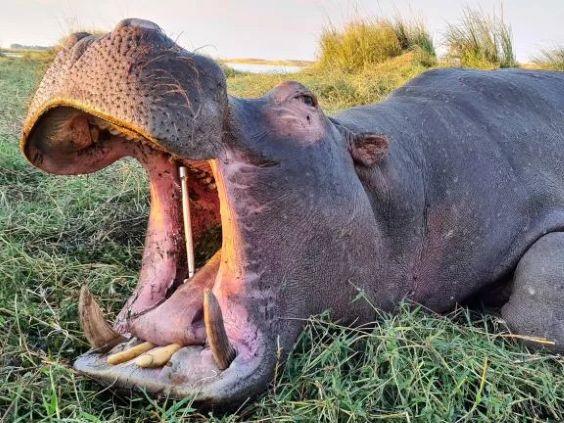
The Save Valley Hippo Combination Safari
Booking Season: 2026
Hunt Difficulty: Moderate, Difficult
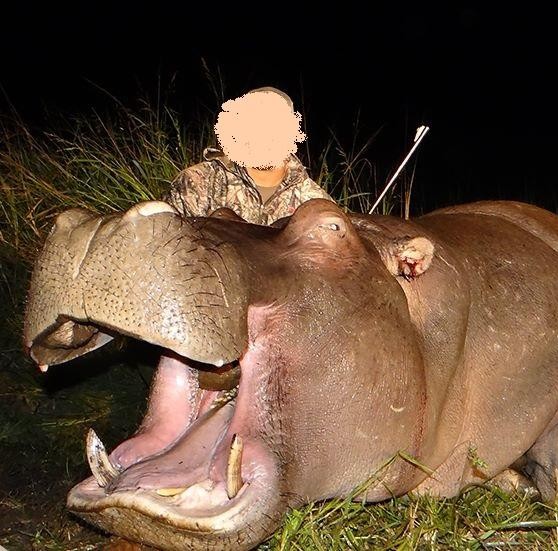
A 10-Day Hippo & Nocturnal Hunting Safari in South Africa
Booking Season: 2026
Hunt Difficulty: Difficult
14-Day Dangerous Game & Plains Game Safari in South Africa
Booking Season: 2026
Hunt Difficulty: Difficult
Search from our range of Hunts across various popular destinations in Africa.

Book Your Hunt