Designed by Hunters, for Hunters

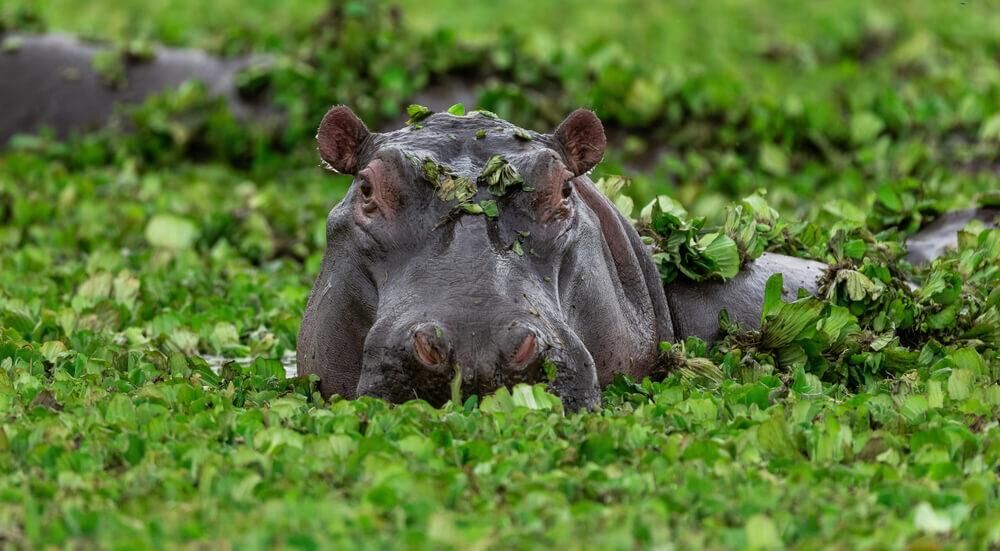
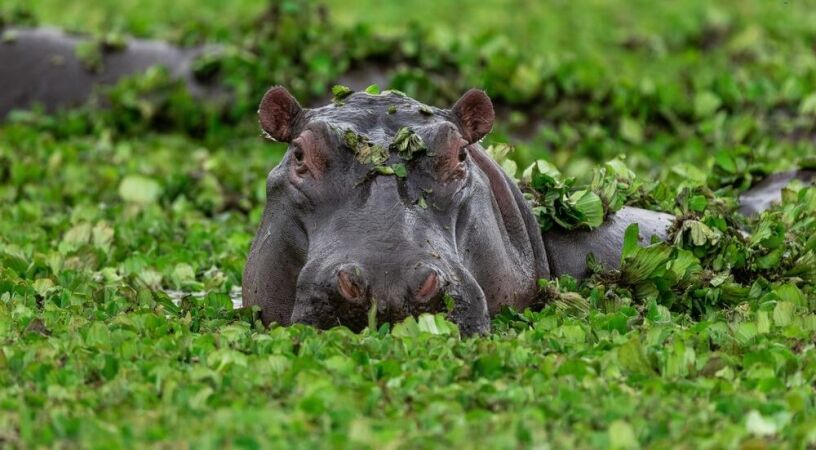
No African dangerous game hunting safari would be complete without the hippo. This massive and highly unpredictable animal is responsible for more human deaths in Africa than most other species, earning its place among the continent’s most serious dangerous game. As a result, hippos are a key part of many hippo hunting safaris, and form part of the broader world of dangerous game hunting safaris where precision and proper shot placement are absolutely critical.
The name “hippopotamus” comes from Greek, meaning “water horse,” yet there is nothing gentle about this animal. Despite often appearing slow or docile, hippos are extremely aggressive and territorial, especially when encountered in or near water. Understanding their behavior and anatomy is essential before attempting any shot placement on a hippo during an African hunting safari.
When mentally preparing for your big game hunting safari, be ready to consider this shot. If you are hunting during the rainy season, it may be the only one presented by the hippo, as its body will be submerged in water.
Perfect shot placement for a frontal brain shot is critical, as the target area is exceptionally small.
The smallest error will penetrate the surrounding bone protecting the brain and the hippo will sink into the water, more than likely momentarily knocked out. A missed frontal brain shot, assuming there is no opportunity for a quick follow-up, could result in an inhumane and slow death for the hippo. This is not the objective of ethical hunting in Africa.
When attempting the frontal brain shot, the hunter needs to aim at the triangular indentation just above the hippo’s eyes. With a successful frontal brain shot, the hippo will immediately sink into the water and surface a few hours later.
This shot will normally be taken at 20-60 yards. If the hunter cannot be a hundred percent sure that the shot cannot be executed with pinpoint accuracy, it is not to be taken.
The frontal brain shot is the only shot to be considered when facing a charging hippo, as no other shot placement will stop the hippo in its tracks.

While hippo hunting in Africa, a well-placed bullet from a high-caliber rifle designed for penetration will drop a bull hippo in its tracks. Practically and realistically the big game hunter will very rarely be presented with this frontal heart shot.
A bull hippo has an enormous head and mostly obscures the view of the chest from the front making the frontal heart shot impossible.
On any big game hunting safari, the broadside position is preferable. Normally from the broadside the target will be the heart and lungs. In the case of hunting a hippo while it’s in the water, the hunter will need to execute a brain shot, if the head is facing at an angle away from the hunter. The side brain shot will need to be placed, again with pinpoint accuracy, between the eye and ear of the hippo. When taking the broadside brain shot on a hippo hunting safari, the target area is approximately two inches long by an inch high. This shot will be recommended by your professional hunter should, there be no other available options.
While on a hippo game hunting safari, this shot is not often taken by big game hunters or recommended by professional hunters. Like with all brain shots, the target area is tiny and the margin for error is minimal. The hunter will need to consider the angle of the exposed portion of the back of the head to the projected trajectory of the bullet. An imaginary line can be drawn between the bases of the hippo’s ears. Shot placement will be in the middle of the eras.
On land, while hippo hunting the initial shot placement may not have been executed with perfection. The urgent need for quick follow-up shots can happen during any big game hunting safari. If the hippo chooses not to charge the hunter, he will dash for the safety of the water, smashing everything in his path. This fleeing action may present the hunter with two possible shot placements. Firstly, if the angle is correct, the hunter may have a chance to place a bullet into the hippo’s spine thus anchoring the hippo. The second option would be to shoot at the hip joint of the hippo with the intention being to break the joint and immobilize the animal. The dangerous game hunting safari for hippo hunting will take place over a few days. Be patient and wait for the perfect shot. A hippo in the water will surface for air every 3-5 mins (even when sleeping) and will present a further opportunity. Harvesting and successfully completing hippo hunting safaris requires precise marksmanship using the correct caliber rifle. Don’t rush it, the opportunity will present itself.

This shot placement can only be executed while the hippo is on land and the body is out of the water. The traditional method of hippo hunting in Africa in this fashion is a spot and stalk method.
Hunting hippos on land is challenging and exciting. The hunter will face the very real possibility of being charged by one of these beasts should the shot placement not be perfect. The net result will be a frontal brain shot with a big bore rifle at approximately twelve to fifteen yards.
When hunting hippos out of the water, the hunter is going to have to ensure the bullet is designed for penetration. The skin of the hippo is exceptionally thick and strong. Bull hippos are often seen with deep gashes on their sides and back because of tusk damage during territorial clashes and mating rights.
The heart of the hippo, unlike that of ungulates, sits a little further back in the body cavity. When considering the heart shot, the ideal shot placement will be just behind the front shoulder.
Should the bullet go a little high, this will penetrate the lungs of the hippo.
The broadside heart and lung shots are the preferred shot when on a hippo hunt. The odds of finding the hippo out of the water on the game hunting safari will seldom favor the hunter.
When on a hippo hunting safari, the neck shot should never be a first consideration for shot placement. The neck of the hippo, besides generally being in the water, is exceptionally thick making the exact placement of the vertebrae challenging. This will not be an ideal first choice for shot placement and will not be recommended by your professional hunter.
If you have the financial means, it will save you from having to book additional African hunts to obtain your trophy crocodile. Many hunters choose to combine this experience with crocodile hunts, as both species share similar habitats and are often pursued together.