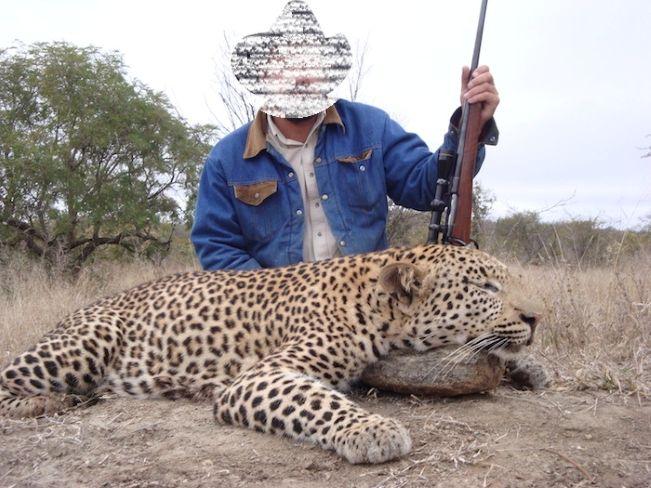
Free-Range Leopard Hunting Safari | Zimbabwe
Booking Season: 2026
Hunt Difficulty: Difficult


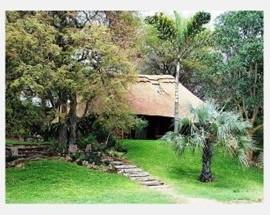
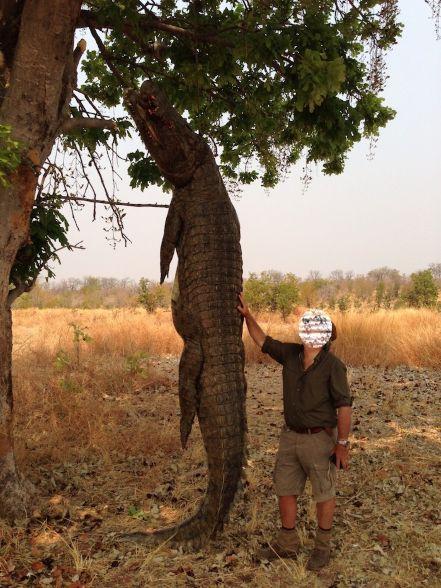
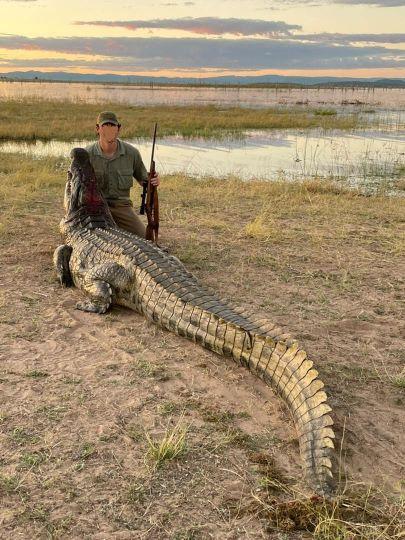
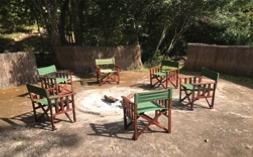
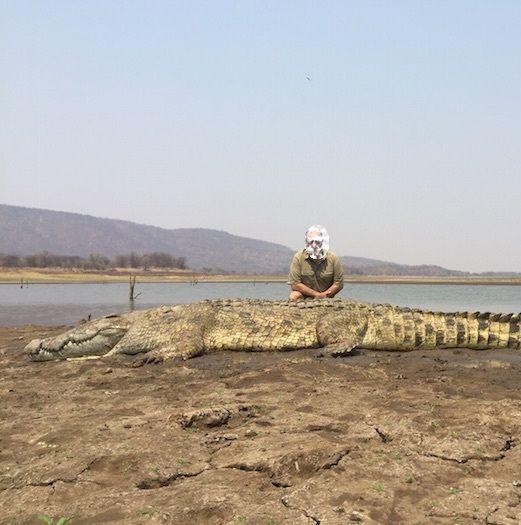
Comfortable riverfront chalets at Sidinda Camp on the Zambezi River, with en-suite bathrooms, private decks, daily meals, laundry service, housekeeping, and Wi-Fi at the lodge. The camp is built from stone, wood, and thatch, with design touches inspired by traditional Batonka architecture.
Free-range hunting area in the Hwange CAMPFIRE region, running along the Zambezi River downstream from Victoria Falls. The concession offers river systems, riverine forest, miombo woodland, open savanna, and strong habitat for hippo, Nile crocodile, elephant, Cape buffalo, lion, and plains game.
| Fence Type: | Free-range |
| Nearest Airport Name: | Victoria Falls International Airport |
| Nearest Airport Distance: | Approximately 70 miles by road |
| Nearest Town Name: | Victoria Falls |
| Nearest Town Distance: | Approximately 70 miles by road |
| Transfer From Airport: | Yes |
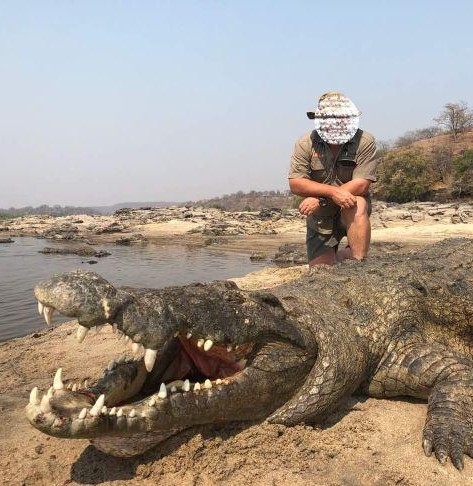
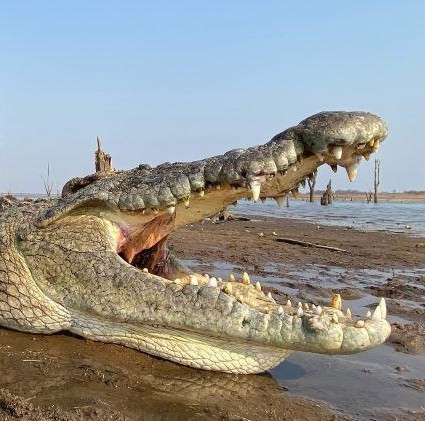
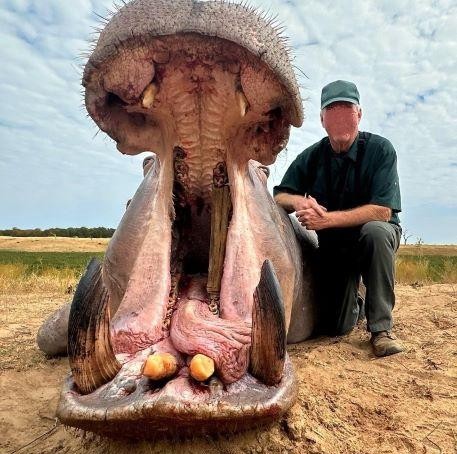
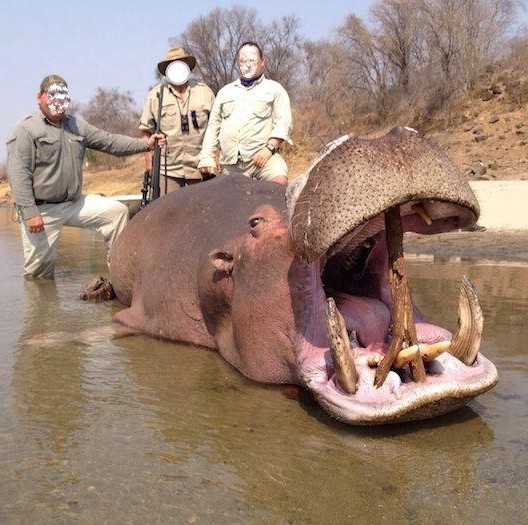
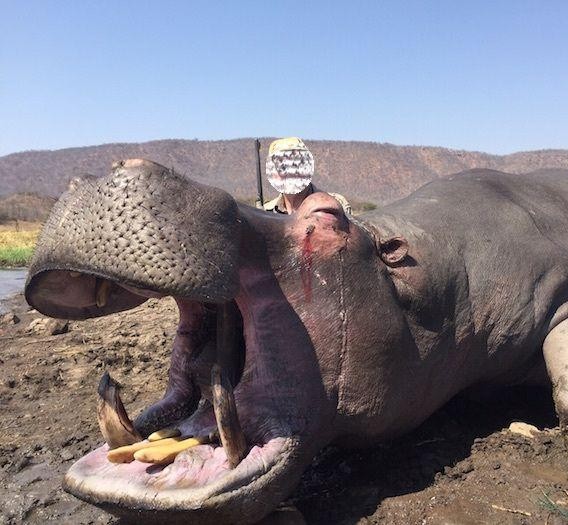
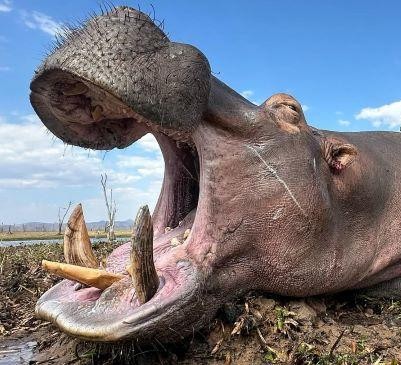
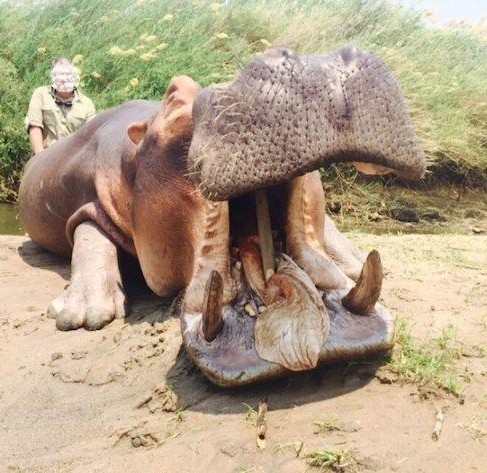
This 7-day Hwange District safari combines hippo hunts and crocodile hunts along one of Zimbabwe’s most productive aquatic hunting areas. The package includes one exportable hippo and one Nile crocodile with no size limit, making it a strong option for hunters wanting a focused dangerous game safari without committing to a longer big five package.
Designed for American and international hunters, the safari includes road transfers from Victoria Falls International Airport, comfortable lodge accommodation, daily meals, laundry, Wi-Fi at the lodge, and assistance with temporary rifle import permits on arrival.
Unlike traditional Big Game Hunting safaris that focus on tracking animals across vast stretches of bushveld, this hunt revolves around Zimbabwe's great river systems. Every day is dictated by the movement of the water, with hunters glassing quiet bays, sandbanks, and deep pools where mature hippo and Nile crocodiles spend much of their time. Success comes through patience, careful observation, and precise shot placement, making this one of Africa's most specialised and rewarding dangerous game safaris.
Price: US$20,950 per Hunter (1×1)
Duration: 7 Hunting Days / 8 Nights
Location: Hwange District, Zimbabwe
Hunting Style: Free-range hippo and Nile crocodile safari
Observers: US$250 per person, per day
Rifle Rental: US$30 per hunting day (ammunition charged separately)
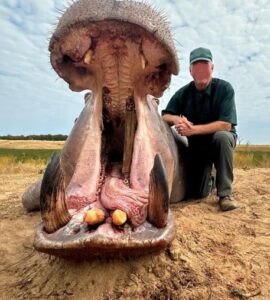
Hunting in Zimbabwe offers some of Africa’s best free-range dangerous game areas, with Hwange standing out for its river systems, elephant movement, and access to the Zambezi. The area has a long hunting history and remains a strong destination for international hunters looking for a proper wild African safari.
The Hwange District is especially well suited to aquatic dangerous game. Hippo hunting in Zimbabwe is often centred around rivers, backwaters, and deep pools where mature bulls hold territory. Crocodile hunting in Zimbabwe follows the same water systems, with big Nile crocodiles using the banks, sandbars, and quiet bays to bask and feed.
This combination makes Hwange a natural fit for a focused hippo and crocodile safari. Both species require patience, accurate shooting, and a professional hunter who understands water-based recovery, especially when hunting close to deep water
Zimbabwe is one of Africa’s premium safari destinations, offering international hunters a true free-range hunting in Zimbabwe experience across areas such as the Zambezi Valley, Lake Kariba, Save Valley Conservancy, and Hwange District.
The country is known for quality big five trophies, especially leopard, lion, Cape buffalo, and elephant, while its river systems also create strong opportunities for aquatic dangerous game hunts. In areas such as Hwange, Gache Gache, and Lake Kariba, giant crocodile and hippo hunting require specific methods, careful planning, and accurate shot placement.
Hwange’s CAMPFIRE area is community-managed hunting country, running from near Victoria Falls along the Zambezi River towards the Gwaai River mouth. The western and southern boundaries border the game-rich Hwange National Park, giving this area strong movement of elephant, lion, Cape buffalo, hippo, crocodile, and plains game.
The concession stretches across a long section of Zambezi River frontage, which is why hippo and Nile crocodile are such a natural fit here. The water gives them everything they need, and gives the hunter very little room for sloppy shooting. Before the safari, hunters should study both hippo shot placement and crocodile shot placement, as recovery can become very difficult once an animal reaches deep water.
Hwange is also part of a much larger wilderness system that includes Matetsi, Kazuma, Zambezi, and Pandamasui. The terrain changes from hill country and miombo woodland to riverine forest and open savanna, making it good country for fair-chase, walk-and-stalk dangerous game hunting.
This program, established in the 1980’s, is Zimbabwe’s most successful community oriented models of conservation. This initiative empowers local and rural communities, to directly benefit and manage Zimbabwe’s wildlife on communal lands. In Africa, “if it pays it stays”. Funds are then channeled to fund essential projects such as hospitals, schools, roads and infrastructure. This conservation model has directly impacted communities by providing financial incentive models which ensure and promote sustainable land management, thus encouraging residents to view Zimbabwe’s game animals as invaluable resources.
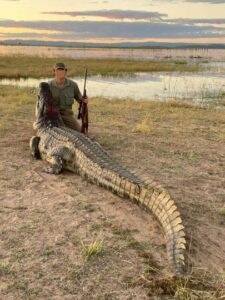
The Zambezi River system provides excellent habitat for both hippo and Nile crocodile, making this one of Zimbabwe’s strongest areas for aquatic dangerous game hunting. These hunts are not usually about long walks; they are about patience, reading the water, and making the first shot count.
Hippo hunting is a test of timing and accuracy. Hippos may look relaxed when lying in the water, but they are powerful, territorial animals and can become aggressive very quickly. With only the head or upper body often visible, hunters need to understand hippo shot placement before the hunt begins.
A hippo hunt is not just about pulling the trigger. It is about watching the animal, understanding its movement, waiting for the right angle, and making sure the shot is placed correctly. A poor shot near deep water can mean a lost trophy, which is a very expensive way to learn a lesson.
Crocodile hunting requires a different kind of patience. Big crocodiles can lie motionless for hours along the bank, looking more like a log than a 15-foot predator with bad intentions. A successful crocodile hunt depends on calm shooting and precise crocodile shot placement, usually into the spine or brain, to prevent the animal from slipping back into the water.
This is a focused hippo and crocodile hunting safari in Zimbabwe, where accuracy matters more than speed and patience usually beats excitement.
Hunters will fly into Victoria Falls International Airport, usually connecting through O.R. Tambo International Airport in Johannesburg, South Africa. Depending on flight times, an overnight stay in Johannesburg may be needed before continuing to Zimbabwe.
Airlink is a reliable option for the Johannesburg to Victoria Falls route. Flights are usually affordable, on time, and Airlink can assist with rifle transport if arranged in advance. African Sky Boutique Hotel near O.R. Tambo is a practical overnight option and can assist with airport transfers and firearm permits.
On arrival at Victoria Falls, Lindon or a member of his team will meet you and assist with any rifle import permits. The hunting lodge is situated approximately 70 miles downstream from Victoria Falls, with the road transfer to camp done by 4x4 vehicle.

Sidinda Camp is set on the Zambezi River, with chalets built on stilts to give guests privacy and good views over the water. The main lodge is built from stone, wood, and thatch, with design touches inspired by traditional Batonka architecture.
The chalets are spacious and practical, with comfortable beds, en-suite bathrooms, and private decks. After a day hunting hippo and crocodile along the river, camp offers what matters most: a good meal, a hot shower, and a quiet place to sit with a drink.
The camp is shaded by large tamarind trees and has a relaxed riverfront setting. It is comfortable, but still close enough to the hunting area to feel like you are properly in the Zambezi wilderness.
Before travelling on a hunting safari to Zimbabwe, hunters should speak to their doctor or travel clinic about recommended vaccinations and malaria precautions. Routine vaccines should be up to date, and your doctor may also discuss Yellow Fever, Hepatitis, and Typhoid depending on your travel route.
Malaria prevention is important in many areas used for hunting in Zimbabwe. Anti-malarial medication, mosquito repellent, long sleeves in the evenings, and sensible camp precautions are strongly recommended.
Zimbabwe is well worth exploring if you have extra time before or after the safari. Popular non-hunting activities in Zimbabwe include Victoria Falls, Zambezi River fishing, Lake Kariba, sunset cruises, photographic safaris, bird watching, cultural visits, and village tours.
For observers or family joining the trip, Victoria Falls after a hunting safari is one of the easiest add-ons, especially when flying in or out through Victoria Falls International Airport.
This safari is designed for hunters who want to focus on two of Africa's most challenging aquatic dangerous game species rather than chasing a long trophy list. If you enjoy patient, methodical hunting where careful observation, precise shot placement, and experienced Professional Hunters make all the difference, this Zimbabwe safari offers an authentic free-range hunt along one of Africa's most iconic river systems.
It is particularly well suited to hunters looking to combine an exportable trophy bull hippo with a giant Nile crocodile while enjoying comfortable riverside accommodation, straightforward travel through Victoria Falls, and the opportunity to hunt in genuine CAMPFIRE conservation areas that continue to support both wildlife and local communities.
If you're comparing Hunting Trips across Africa, or would like to see how this safari compares with other dangerous game packages, our African Hunting Safari Prices guide explains the typical costs of hunting different species and destinations, helping you choose the safari that best matches your hunting goals and budget.
Please note that terms, conditions and price are subject to change without notice and rates at the time of the hunt will apply
You can speak directly with the outfitter before booking. GHS remains available throughout the process.
Needing assistance with firearm permits and international travel services, or good taxidermists? View our affiliated companies
View Affiliated Services