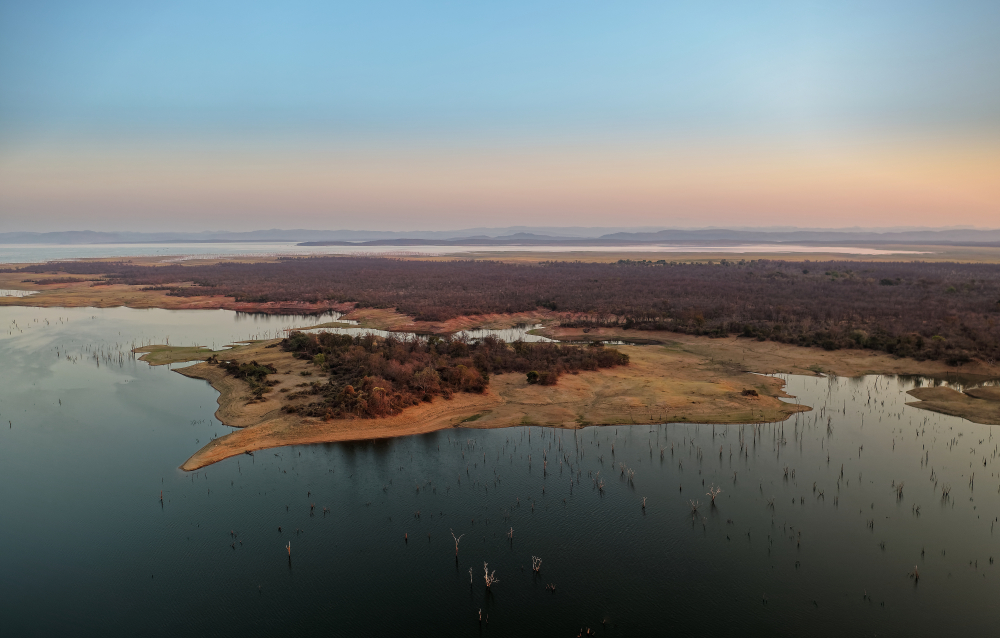
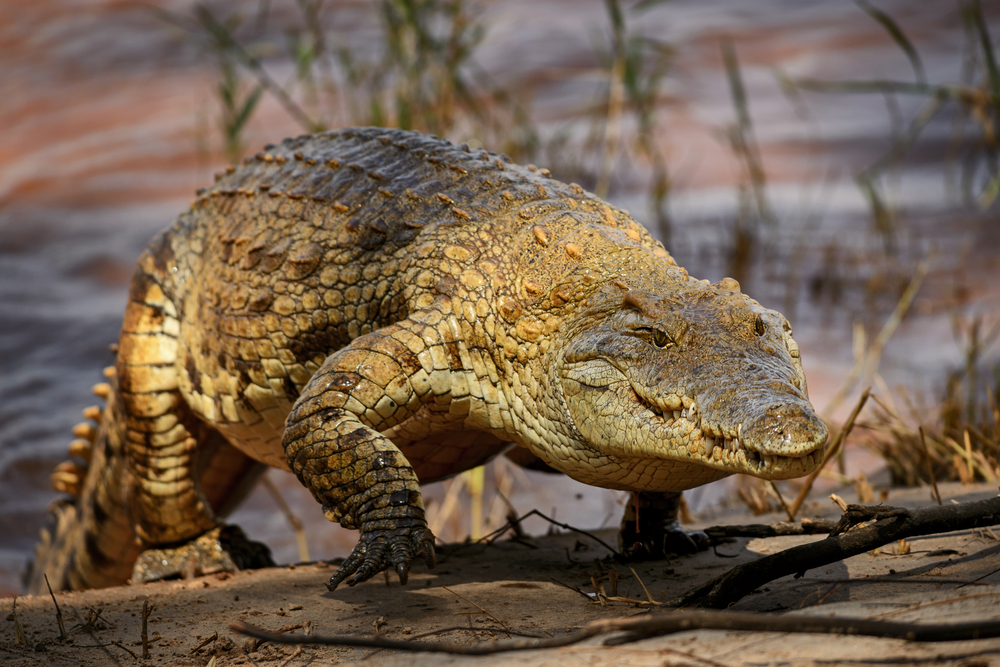
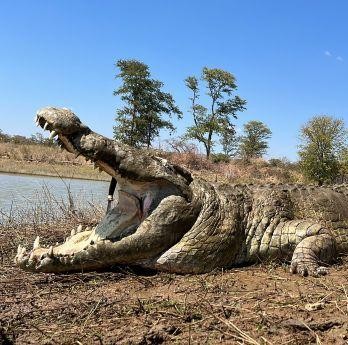
Lake Kariba Hippo & Crocodile Hunting Safari in Zimbabwe
Booking Season: 2026
Hunt Difficulty: Difficult

If you’re looking at crocodile hunting in Zimbabwe, you’re already focused on getting the outcome right, not just chasing the experience.
This is one of the more structured and reliable crocodile hunts available in Africa. Unlike some destinations where conditions can work against you, hunting in Zimbabwe offers an environment where visibility, access, and recovery are all more manageable.
That doesn’t make it easy, crocodile hunting is never easy, but it does make it more predictable.
For hunters traveling from the United States and Canada, this matters. You are investing significant time and money into the hunt, and the last thing you want is to lose an animal due to poor visibility or difficult recovery conditions. Zimbabwe reduces much of that uncertainty.
Available African Crocodile Hunts
Lake Kariba Hippo & Crocodile Hunting Safari in Zimbabwe
Booking Season: 2026
Hunt Difficulty: Difficult
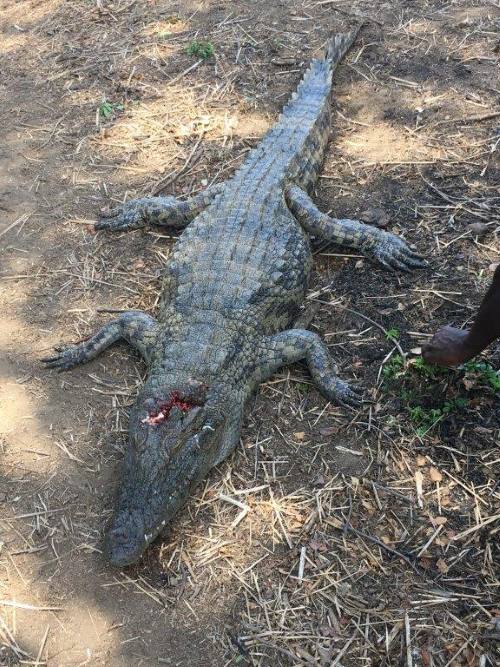
Hippo & Nile Crocodile Hunting Safari in Zimbabwe
Booking Season: 2026
Hunt Difficulty: Difficult
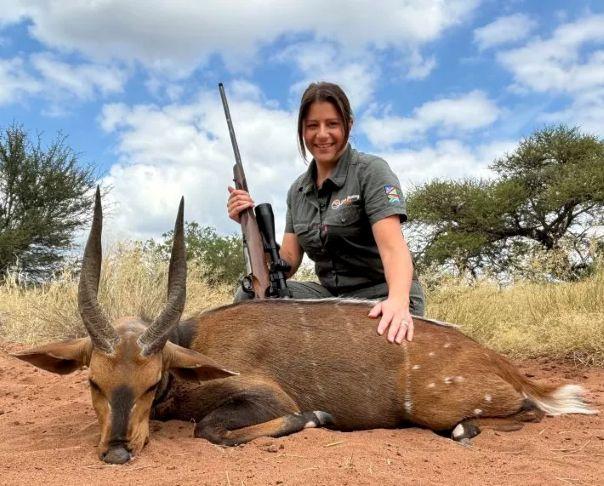
Save Valley Crocodile, Hippo, Hyena & Bushbuck Safari
Booking Season: 2026
Hunt Difficulty: Moderate, Difficult

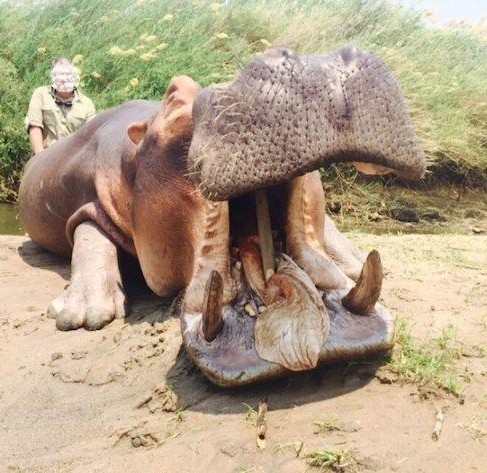
Hwange Hippo & Giant Crocodile Safari
Booking Season: 2026
Hunt Difficulty: Difficult
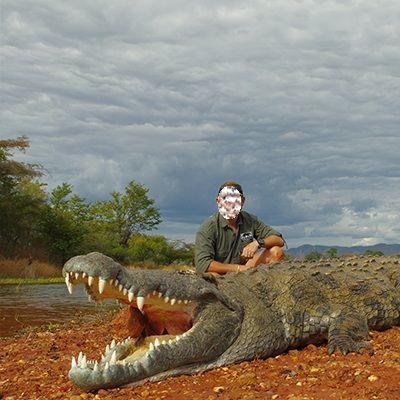
Lake Kariba Hippo & Giant Crocodile Safari
Booking Season: 2026
Hunt Difficulty: Difficult
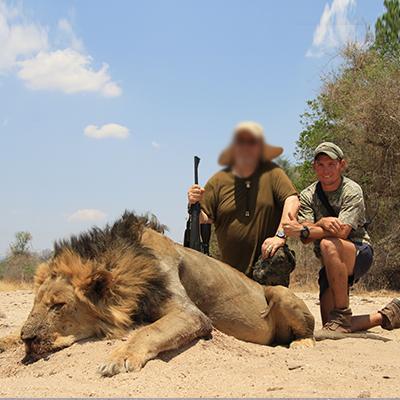
Full Bag Dangerous Game Safari | Zimbabwe
Booking Season: 2026
Hunt Difficulty: Difficult

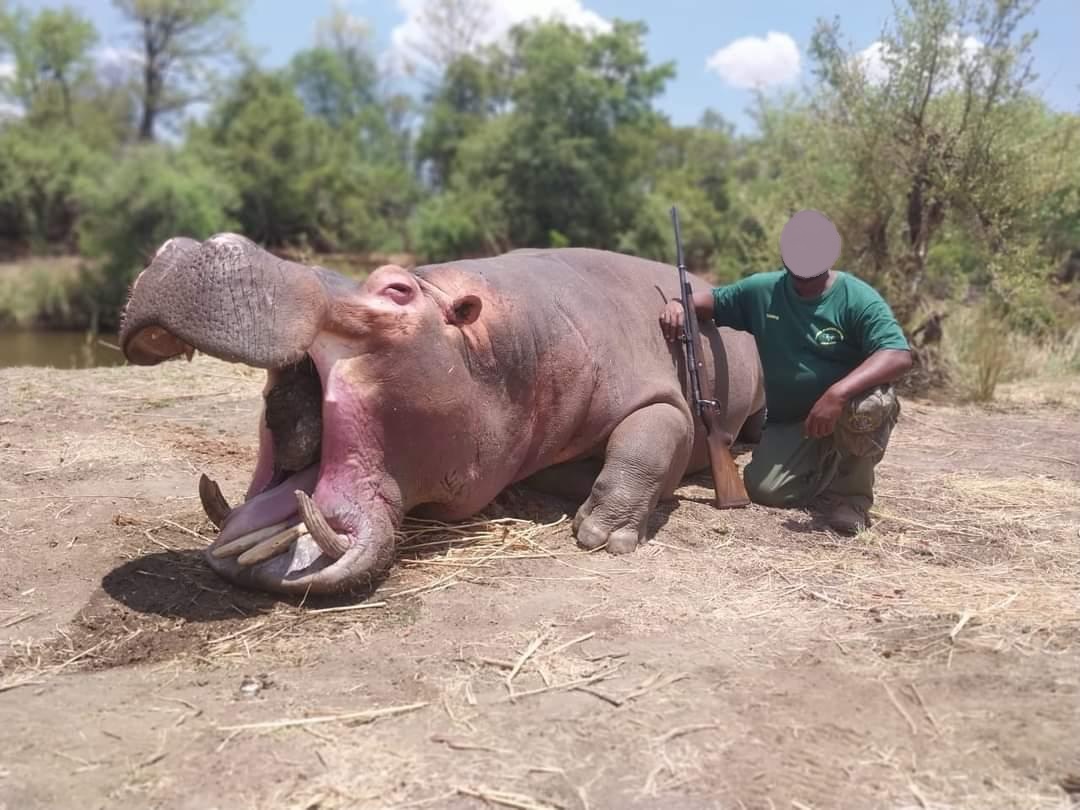
Hippo & Nile Crocodile Safari in Zimbabwe
Booking Season: 2026
Hunt Difficulty: Difficult
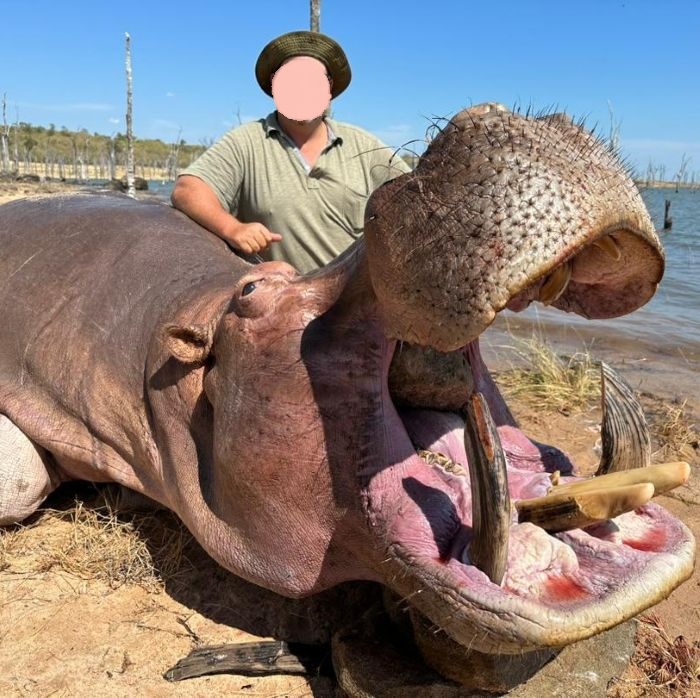
Hunt Monster Hippo & Croc in Zimbabwe’s Lake Kariba
Booking Season: 2026
Hunt Difficulty: Difficult

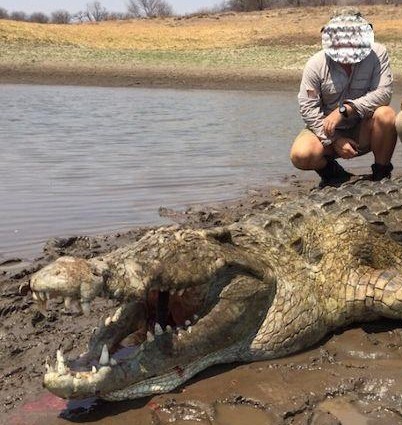
Discounted Crocodile Hunt in Matetsi ECA, Zimbabwe
Booking Season: 2025
Hunt Difficulty: Moderate
In practical terms:
• Shot opportunities are clearer
• Recovery rates are higher
• Conditions are easier to manage
That is why Zimbabwe is often considered one of the best starting points for a first crocodile hunt, and why many experienced hunters return when they want a more consistent, outcome-focused safari.
This guide will walk you through how crocodile hunting in Zimbabwe actually works, what makes it different from other destinations, and whether it is the right fit for your expectations.
Zimbabwe stands out for one simple reason: the conditions allow you to control more of the hunt.
Crocodile hunting is not just about finding a large animal, it is about being able to take the shot correctly and recover it successfully. In Zimbabwe, the environment works with you far more than against you.
In many of Zimbabwe’s key hunting areas, particularly along the Zambezi River and Lake Kariba, water clarity is generally better than in delta or floodplain systems.
This has a direct impact on the hunt.
Crocodiles are often visible while basking on open banks or positioned in areas where you can clearly assess their size and angle. Instead of trying to shoot through vegetation or interpret partial views in murky water, you are working with a much clearer visual picture.
That clarity gives you time to make the right decision, which is critical in a hunt where shot placement must be exact.
Zimbabwe’s crocodile hunting areas are typically based around structured river systems and dam edges rather than shifting floodplains.
This creates a more predictable environment. Crocodiles tend to use consistent basking areas and travel routes, and access to these areas is easier to manage. You are not dealing with constantly changing water levels or wide, uncontrolled systems.
Instead, you are hunting within environments where movement patterns can be observed and used to your advantage. This allows for more deliberate planning rather than reactive decision-making.
One of the biggest advantages in Zimbabwe is the ability to control the shot setup.
In many situations, you are able to position yourself properly before taking the shot, wait for a clean presentation, and avoid rushed or compromised angles.
This is a major difference from more difficult environments where opportunities are brief and often imperfect. Here, you can build the shot rather than chase it.
That level of control significantly improves shot placement, which is essential when aiming for a target as small as a crocodile’s brain.
Recovery is where Zimbabwe separates itself more clearly than most other destinations.
In crocodile hunting, the moment after the shot is often more important than the moment before it. If a crocodile reaches deep water or heavy cover, recovery becomes uncertain very quickly.
In Zimbabwe, conditions are generally more favorable.
Water systems are more manageable, access to shorelines is better, and vegetation is less likely to obstruct recovery efforts. If a crocodile enters the water after the shot, the chances of locating and recovering it are significantly higher.
This does not eliminate risk, but it reduces it to a level that most hunters are far more comfortable with.
Zimbabwe does not necessarily produce larger crocodiles than other countries.
What it does offer is a more controlled hunting environment, clearer shot opportunities, and more reliable recovery conditions.
Zimbabwe’s strength in crocodile hunting comes down to how its main areas are structured. You are not dealing with scattered, unpredictable environments. You are working within defined systems where conditions can be understood, managed, and used to your advantage.
Two areas stand out consistently.
The Zambezi River is one of the most established crocodile hunting regions in Africa, and for good reason.
It offers a balance of accessibility, visibility, and consistent crocodile activity. The river system creates natural travel routes and predictable basking areas, which allows hunters to focus on specific sections rather than covering vast, uncertain ground.
From a practical standpoint, this changes how the hunt unfolds.
Crocodiles are often encountered along defined banks where they can be properly observed before making a decision. Instead of reacting to brief opportunities, you are able to watch an animal, assess its size, and wait for the right angle.
Access also plays a major role. The structure of the river allows for controlled approaches, whether by vehicle or boat, making it easier to position for a stable shot.
This combination of predictability and access is what makes the Zambezi one of the most reliable crocodile hunting environments available.
Lake Kariba offers a slightly different, but equally effective, setup. The lake is known for its long shorelines, open banks, and consistent crocodile populations. Visibility is typically very good, especially when crocodiles are basking along exposed edges.
This creates a more controlled hunting scenario.
Instead of working through vegetation or partial views, hunters are often able to clearly see the animal, evaluate its size, and plan the shot with fewer variables interfering.
What sets Kariba apart is how manageable the environment is.
• Shorelines are accessible
• Shooting positions are easier to establish
• Follow-up after the shot is more controlled
This makes it particularly well suited to hunters who want a higher level of consistency without removing the challenge of the hunt itself.
Across both the Zambezi and Kariba systems, one of the biggest advantages is how well the hunting areas can be managed.
You are not dealing with constantly shifting conditions or areas that are difficult to reach. Instead, you are working within environments where:
• Productive zones can be revisited
• Crocodile movement can be observed over time
• Approaches can be planned rather than improvised
This level of control does not make the hunt easy, but it does remove many of the variables that lead to poor shot opportunities or failed recoveries.
In Zimbabwe, success is not based on luck or finding a single opportunity. It is based on working within systems that allow you to:
• See the animal clearly
• Position correctly
• Take the shot under controlled conditions
• Recover the animal efficiently
That is what creates consistency.
Success in crocodile hunting is often misunderstood. It is not just about how many crocodiles are in an area. It is about how often a hunter is able to take a clean shot and recover the animal successfully.
This is where Zimbabwe has a clear advantage.
Better visibility leads directly to better shot placement.
In Zimbabwe, crocodiles are more often encountered in positions where the hunter can clearly see the angle of the head and understand exactly where the brain sits. This reduces guesswork and allows for more precise shooting.
When you are aiming at such a small target, that clarity makes a measurable difference. A well-placed shot is not just more likely, it is more repeatable.
After the shot, access becomes critical.
In many Zimbabwe hunting areas, the structure of the terrain allows for quicker and more effective follow-up. Whether approaching from the bank or by boat, hunters are able to respond immediately rather than being limited by terrain or vegetation.
This reduces the time between the shot and recovery, which is often the difference between a successful hunt and a lost animal.
Recovery is where success is ultimately determined. In Zimbabwe, the conditions generally support higher recovery rates because:
• Water systems are more contained
• Visibility remains better even after the shot
• Access to likely recovery zones is manageable
This does not remove the risk entirely, but it significantly improves the odds compared to more difficult environments.
The Real Measure of Success
A successful crocodile hunt is not just defined by pulling the trigger.
It is defined by:
• Taking the shot under the right conditions
• Placing it correctly
• Recovering the animal
For hunters traveling long distances, particularly from the United States and Canada, success is not just about opportunity. It is about outcome.
Zimbabwe offers one of the most consistent environments for turning opportunity into a completed hunt.
And in crocodile hunting, that is what separates a good experience from a successful one.
Zimbabwe produces consistently good Nile crocodiles, and one of its biggest advantages is not just size, but how reliably those animals can be taken under the right conditions.
A realistic trophy in Zimbabwe typically falls in the 10 to 13-foot range. These are mature, high-quality crocodiles and represent the standard outcome in well-managed areas. Larger specimens do exist, but as with anywhere in Africa, they are not something to plan a hunt around.
Where Zimbabwe stands apart is not in producing dramatically bigger crocodiles, but in how often hunters are able to execute successfully on the animals they encounter.
In practical terms, this comes down to conditions.
Crocodiles are more often seen clearly, positioned in areas where their size can be properly judged, and approached in a way that allows the hunter to wait for a correct shot angle. This removes much of the guesswork that can affect decision-making in more difficult environments.
Shot opportunity plays a major role here. Instead of working with brief or partially obstructed views, hunters are more likely to have time to assess the animal and take the shot under controlled conditions.
That directly impacts outcomes.
A well-managed hunt in Zimbabwe is not about chasing the biggest crocodile available. It is about identifying a mature animal, waiting for the right setup, and executing the shot in a way that leads to a successful recovery.
Because in crocodile hunting, consistency in execution is what ultimately defines trophy quality.
Crocodile hunting in Zimbabwe follows a similar basic pricing structure to other African destinations, with daily rates and a trophy fee forming the foundation of the hunt. Understanding broader African hunting safari prices can also help put these costs into perspective when comparing destinations and species.
Daily rates generally range between $800 and $1,500 per day, depending on the area, operator, and level of accommodation. Trophy fees typically fall between $3,000 and $7,000, depending on crocodile size and concession quality.
On paper, those numbers are comparable to other countries. The difference in Zimbabwe comes from how predictable the overall cost tends to be.
Zimbabwe’s hunting areas are generally more accessible, and the logistics are more straightforward. In many cases, you are not as dependent on charter flights or complex travel arrangements to reach productive areas.
That reduces variability in cost.
For a well-managed crocodile hunt in Zimbabwe, a realistic total cost is often in the range of:
$10,000 to $14,000 all-in
This typically includes:
• Daily rates for the duration of the hunt
• Trophy fee for a standard crocodile
• Professional hunter and guiding services
• Accommodation and meals
Because the structure of the hunt is more predictable, it is easier to understand what you are paying upfront without having to account for as many moving parts.
There are still additional costs that need to be factored in, including:
• International flights
• Trophy handling, dip and pack, and export
• Gratuities
• Observer fees
• Firearm import permits
However, compared to more remote or logistically complex destinations, these costs tend to be more consistent and easier to plan for.
The key difference in Zimbabwe is not necessarily that it is cheaper. It is that the relationship between cost and outcome is more predictable.
A hunt that is slightly more structured, with better visibility and higher recovery rates, often delivers a more reliable result for the investment.
In crocodile hunting, that predictability has real value. Because the true cost of a hunt is not just what you spend, it is whether the hunt delivers the result you planned for.
Example:
• Less charter dependency
• More accessible areas
• Better value per success rate
This is one of the most important decisions you’ll make when planning a crocodile hunt in Africa, and it comes down to what you value more: the nature of the experience, or the reliability of the outcome.
Both countries offer strong crocodile hunting, but they deliver very different types of hunts.
Mozambique is often chosen for the experience.
In areas like the Zambezi Delta and parts of Lake Cahora Bassa, you are hunting in large, open, and often remote environments where conditions can change quickly. There is a strong sense of wilderness, and hunts tend to feel less structured and more exploratory.
That comes with real appeal.
Crocodile populations in good areas are solid, and for hunters who value a raw, less managed safari, Mozambique offers something unique.
However, those same conditions introduce variability.
Water clarity, vegetation, and access can all affect how the hunt unfolds. Shot opportunities are not always ideal, and recovery can become difficult if a crocodile reaches deep water or heavy cover.
In Mozambique, success is influenced heavily by conditions on the day, not just the presence of crocodiles.
Zimbabwe approaches crocodile hunting differently.
The focus is on creating a controlled, repeatable process where the key variables, visibility, access, and recovery are more manageable.
In many Zimbabwe hunting areas, you are working within defined river systems and dam edges where crocodiles can be observed clearly and approached deliberately. This allows for better shot selection and more reliable execution.
The biggest advantage is consistency. Higher visibility leads to better shot placement. Better access allows for quicker follow-up. More manageable water systems improve recovery rates.
All of this increases the likelihood of turning an opportunity into a completed hunt.
The difference between Mozambique and Zimbabwe is not about which country has crocodiles.
It is about how often a hunt can be executed properly from start to finish. Mozambique offers a more variable, experience-driven hunt where conditions play a larger role in the outcome.
Zimbabwe offers a more controlled environment where those variables are reduced, and the focus shifts to execution and result.
If your priority is a remote, less structured hunt where the experience is the main driver, Mozambique can be the right choice.
If your priority is a higher probability of success, clearer shot opportunities, and more reliable recovery, Zimbabwe is often the better option.
For many hunters, especially those traveling from the United States and Canada or planning their first crocodile hunt, that difference is significant.
Because in crocodile hunting, the best experience is usually the one that ends with a recovered animal.
Crocodile hunting is never easy, regardless of where you hunt.
You are aiming at a very small target, under conditions where timing, angle, and discipline all matter. That does not change in Zimbabwe. What does change is how manageable those conditions are.
The fundamentals of crocodile shot placement remain the same. You are aiming for the brain, and the margin for error is minimal. Even in good conditions, a small mistake in angle or placement can lead to a non-fatal hit.
Zimbabwe does not remove that requirement. What it does is give you a better chance of getting it right.
With clearer visibility and more controlled setups, you are more likely to take the shot from a stable position, with a clear understanding of the angle and target.
The moment after the shot is where crocodile hunting often becomes difficult. In Zimbabwe, that situation is generally more manageable.
Because access is better and water systems are more controlled, you are able to respond more quickly. Whether approaching from the bank or by boat, follow-up can happen immediately rather than being delayed by terrain or visibility issues.
This reduces the chances of the situation deteriorating after the shot.
Recovery is still a factor. Crocodiles will almost always move toward water, and once they reach depth, the situation becomes more complicated.
However, in Zimbabwe:
• Water systems are more contained
• Visibility is often better
• Access to likely recovery zones is more direct
This improves the odds of locating and recovering the animal, even when things are not perfect.
The Patience Factor
You may spend hours watching a single animal, waiting for it to shift position or expose the right angle. Rushing the shot is still one of the most common mistakes hunters make.
The difference is that when the opportunity does come, it is more likely to be a clean and controlled one.
Crocodile hunting in Zimbabwe is still technical and requires discipline, but it is more manageable than in more difficult environments. You are working with conditions that support good decision-making rather than working against you.
And in a hunt where everything depends on one shot and what happens immediately after it, that difference matters.
Zimbabwe is one of the few places in Africa where it makes practical sense to combine a crocodile hunt with other dangerous game species.
Because many crocodile hunts take place along the Zambezi River or around Lake Kariba, you are already in areas that hold strong populations of buffalo, and in some cases, elephant and hippo. This allows hunters to structure a safari that goes beyond a single-species hunt.
From a planning perspective, this can add significant value to the trip.
Instead of traveling to Africa for one animal, hunters often choose to build a broader safari around the crocodile hunt, adding species where the opportunity makes sense and conditions allow. Buffalo is the most common addition. In many Zimbabwe concessions, buffalo can be hunted in the same areas or within close range, making it a natural combination without requiring major changes to the hunt setup.
In certain areas, hippo may also be available, particularly along river systems, offering another species that fits well within the same environment. Elephant is more dependent on quota and specific concession availability, but in the right setup, it can be included as part of a longer safari.
The key is not to overload the hunt, but to structure it properly.
Crocodile hunting requires focus, patience, and timing. Adding additional species should complement the hunt, not distract from it. When planned correctly, combining species can turn a single hunt into a more complete African safari experience.
If you are considering a broader dangerous game safari, it is worth reviewing our full guide to dangerous game hunts to understand how different species and locations can be combined effectively.
Crocodile hunting in Zimbabwe is not just about the animal, it’s about the type of hunter and what they want from the experience.
Because of the more controlled conditions, clearer shot opportunities, and higher recovery rates, Zimbabwe tends to suit a specific type of hunter particularly well.
For hunters pursuing their first crocodile, Zimbabwe is often the most practical place to start.
The learning curve in crocodile hunting is steep. Shot placement is exact, timing matters, and what happens after the shot can determine the entire outcome.
In Zimbabwe, the conditions allow you to focus on those fundamentals without dealing with unnecessary variables. You are more likely to have a clear view of the animal, more time to prepare for the shot, and a better chance of recovering it successfully.
That makes it a far more forgiving environment to learn the hunt properly.
Some hunters are primarily focused on one thing: completing the hunt successfully. For those hunters, Zimbabwe offers one of the most reliable setups available.
Better visibility leads to better shot placement. Better access allows for faster follow-up. More manageable environments improve recovery rates.
All of this increases the likelihood that a good opportunity results in a recovered animal, which is ultimately what defines success in crocodile hunting.
Zimbabwe is also well suited to hunters who prefer a more structured and controlled hunting process.
You are not relying on unpredictable conditions or waiting for rare opportunities to appear. Instead, you are working within systems where movement patterns can be understood, approaches can be planned, and shot setups can be managed.
That level of control allows for more deliberate decision-making and reduces the chances of being forced into a rushed or compromised shot.
Zimbabwe may be less appealing to hunters who are specifically looking for a more remote, less structured wilderness experience where uncertainty is part of the appeal.
While the hunting is still fair and challenging, it does not always offer the same sense of raw unpredictability found in more difficult environments.
Zimbabwe is best suited to hunters who want to stack the odds in their favor. It does not remove the challenge, but it provides the conditions needed to approach the hunt in a controlled, disciplined way and to see it through to completion.
We don’t push hunts based on location alone.
The goal is not to book a crocodile hunt in Zimbabwe simply because it is popular or widely recommended. The goal is to match the hunter to the environment that gives them the best chance of achieving the outcome they are looking for.
That said, Zimbabwe is often the first option we recommend when a hunter’s priority is a successful, well-managed hunt. Zimbabwe offers a level of consistency that is difficult to match.
The combination of visibility, access, and recovery conditions allows hunts to be planned and executed in a way that reduces unnecessary risk. This makes it particularly well suited to hunters traveling long distances, where the margin for error needs to be minimized.
We work with a small number of trusted operators in Zimbabwe where:
• Crocodile populations are proven and actively managed
• Hunting areas provide consistent conditions
• Shot opportunities can be taken under control, not pressure
• Recovery is planned for before the shot is ever taken
In some cases, Zimbabwe is clearly the right choice. In others, a different country or a different type of hunt may be a better fit.
Being clear about that upfront is what leads to better decisions, better hunts, and better long-term outcomes. If you are considering a crocodile hunt, the most important step is not choosing a destination.
It is choosing the setup that gives you the best chance of getting it right.
Zimbabwe offers one of the most consistent crocodile hunting setups available in Africa, but like any African hunting trip, it still comes down to making the right decisions before you arrive.
This is a hunt where small details matter. Shot placement, timing, and discipline are still critical, but in Zimbabwe, the environment supports those decisions rather than working against them.
When visibility is clear, access is controlled, and recovery conditions are manageable, the hunt becomes less about dealing with variables and more about execution.
That is what gives Zimbabwe its advantage.
For hunters, this often translates into confidence. You are not relying on unpredictable conditions or hoping for the right moment to appear. You are working within a system where opportunities can be created, managed, and taken correctly.
That does not guarantee success, but it does significantly improve the probability of achieving it.
It is determined by:
• Taking the shot under the right conditions
• Placing it correctly
• Recovering the animal successfully
Zimbabwe consistently supports all three.
If your priority is a more controlled hunt, clearer shot opportunities, and a higher likelihood of completing the hunt successfully, Zimbabwe is often the right choice.
It may not offer the same level of unpredictability as more remote environments, but in return, it provides something far more valuable for hunters, a system where the key parts of the hunt can be managed and executed properly.
In Zimbabwe, you are not relying on conditions to line up perfectly. You are working within an environment where visibility, access, and recovery all support the decisions you need to make in the moment.
That changes the nature of the hunt. Instead of hoping an opportunity comes together, you are able to recognize it, prepare for it, and take it under the right conditions.
That is what creates consistency. And in crocodile hunting, consistency is what turns opportunity into a successful outcome.
Search from our range of Hunts across various popular destinations in Africa.

Book Your Hunt