
Last Updated: May 2026
Zimbabwe has earned its reputation through decades of disciplined, free-range African hunting safaris built around tracking, patience, and sound decision-making in the field. For hunters researching hunting in Zimbabwe, the country remains one of Africa’s most respected safari destinations, known not for easy opportunities or high-volume hunting, but for ethical hunting standards, experienced Professional Hunters, and traditional dangerous game safaris conducted properly.
This is a country where hunting is built around restraint. Shots are earned, not rushed. Decisions matter. And success is measured by how the hunt is conducted, not simply by what ends up in the salt.
Much of what defines Zimbabwe hunting only becomes obvious after you’ve spent time in the field here. After multiple safaris, patterns begin to repeat, not in the number of animals seen, but in the decisions made along the way. Tracks that look promising but aren’t worth the day. Stalks that feel close but shouldn’t be forced. Shots that are technically possible but ethically wrong. Zimbabwe has a way of teaching those lessons quietly, and once learned, they tend to stick.
It’s the kind of country that doesn’t reveal itself on your first safari, but once it does, it tends to recalibrate how you hunt everywhere else. For serious hunters, that’s exactly the appeal.

[DYNAMIC-BLOGTABLEOFCONTENT]
Zimbabwe’s Premier Hunting Areas
Save Valley Conservancy
Save Valley Conservancy is one of Zimbabwe’s largest and most established hunting areas, spanning vast low-fence wilderness where wildlife moves naturally across enormous concessions. This is not patchwork land or tightly controlled blocks, it is real country hunted properly.
Hunting in Save Valley is conducted almost entirely on foot. Cape buffalo hunts are tracked the old way, often over long distances. Elephant hunts unfold over days rather than hours. Lion and leopard hunting in Zimbabwe remains conservative and age-based, with an emphasis on judgment rather than quota pressure.
Save Valley suits hunters who want a traditional safari experience, physically engaging and mentally demanding.
Matetsi
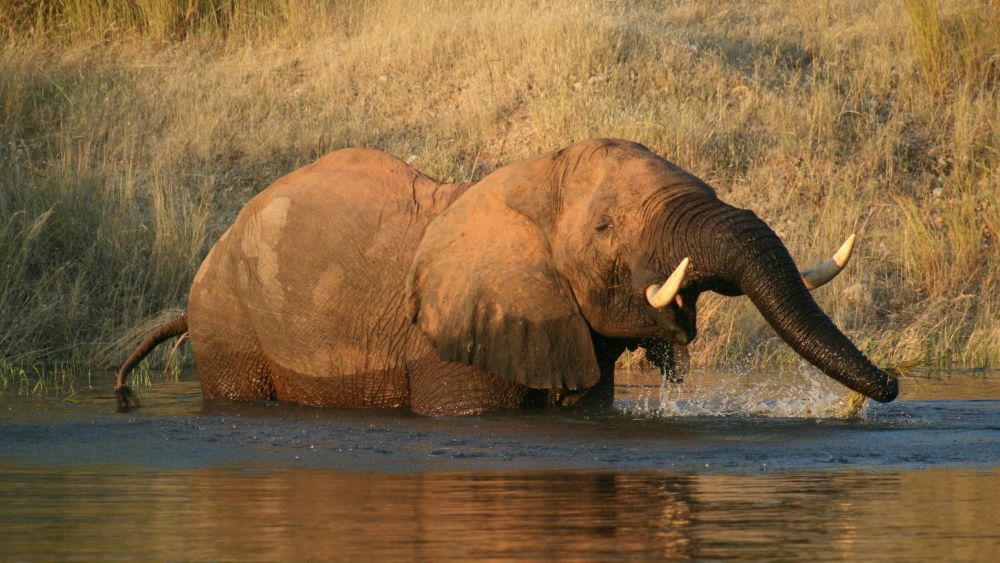
Matetsi is internationally respected for its elephant hunting in Zimbabwe program and disciplined conservation model. Situated within the greater Zambezi ecosystem, it combines riverine forest, teak woodland, and open floodplain edges that create exceptional dangerous-game habitat.
Quotas in Matetsi are conservative, and pressure is tightly controlled. Elephant genetics are outstanding, but success here depends far more on timing, patience, and judgment than opportunity. This is not a place for rushed decisions or forced shots. For hunters focused on ethical elephant hunts conducted under strict regulation, Matetsi remains one of Africa’s gold standards.
Gwaai Conservancy
Gwaai Conservancy offers a quieter, more understated safari experience. It appeals to hunters who value solitude, patience, and traditional safari rhythm over presentation or pace.
Pressure is low, days are slower, and the emphasis stays firmly on tracking and decision-making. Gwaai feels refreshingly uncomplicated, a place where hunting unfolds naturally without unnecessary interference.
Zambezi Valley
The Zambezi Valley is rugged, hot, and unforgiving, classic dangerous-game country shaped by escarpments, river systems, and vast unfenced terrain. Tracking conditions are excellent, but the environment demands respect, making it one of Africa’s most authentic regions for dangerous game hunts.
Hunting here tests patience and judgment more than endurance. Success comes from reading conditions correctly and knowing when to press forward, and when not to.
Chewore Safari Area
Chewore is one of Zimbabwe’s most remote safari areas, sitting deep within the Zambezi Valley system. Its isolation and strict quota management have preserved strong elephant and buffalo populations.
Infrastructure is minimal, pressure is low, and responsibility is high. Chewore appeals to hunters who value wilderness integrity over comfort.
Hurungwe Safari Area
Hurungwe is known for consistent buffalo numbers and classic tracking terrain. A mix of river systems, woodland, and broken country creates varied hunting conditions that reward careful planning and adaptability.
It is often chosen by hunters who want reliability without sacrificing authenticity.
Lake Kariba
Lake Kariba adds a unique dimension to Zimbabwe hunting. The combination of vast water, rugged shorelines, and adjacent hunting concessions creates a diverse environment unlike anywhere else in the country.
Hunts here often blend classic Zambezi Valley tracking with riverine movement patterns, offering both variety and outstanding scenery. The region is also well known for traditional hippo hunting and large Nile crocodile hunts conducted along the lake systems and river channels.

Zimbabwe Hunting Safaris: What Sets the Experience Apart
Zimbabwe does not reward impatience.
Hunts are shaped by strong tracking teams, highly trained Professional Hunters, and a shared understanding that forcing a moment usually ends badly. Animals are assessed carefully for age and suitability. Opportunities are passed without hesitation. Shots are taken only when wind, angle, backstop, and behavior align, which is why understanding dangerous game shot placement is such an important part of ethical hunting in Zimbabwe.
Passing animals is considered good hunting, not a missed chance. That philosophy runs through every successful safari here. The result is a quieter, more deliberate hunting experience that values process as much as outcome.
Who Zimbabwe Hunting Safaris Are Best Suited For
Zimbabwe suits hunters who care about how the hunt unfolds, not just how it ends. This destination appeals to hunters who enjoy tracking on foot, accept long days without shots, and value judgment over urgency. Zimbabwe rewards preparation, patience, and respect for the process.
It often resonates most strongly with experienced Africa hunters, but first-time hunters with realistic expectations and the right mindset can also find Zimbabwe deeply rewarding.
What Zimbabwe Hunting Safaris Are Not
Zimbabwe is not a high-volume trophy destination. It does not promise guaranteed opportunities or quick results. It is not fence-heavy or vehicle-dependent. It does not reward rushing, shortcuts, or pressure-driven decision-making.
Hunters seeking speed or certainty may find other destinations more suitable. Zimbabwe prioritizes integrity over convenience.
Why Zimbabwe Makes You a Better Hunter
Zimbabwe sharpens judgment. Not because the animals are bigger, but because every decision carries weight. Hunters learn when not to shoot, when to slow down, and when to walk away. Over time, urgency gives way to patience, and impulse gives way to discipline.
Professional Hunters slow the hunt down. Trackers are listened to. Time is spent confirming age, behavior, and recovery options before a rifle ever comes up. Zimbabwe doesn’t make hunting easier. It makes hunters better.
What Most Hunters Get Wrong on Their First Zimbabwe Safari
Zimbabwe doesn’t punish inexperience, but it does expose assumptions.
The most common mistake is trying to impose pace on a hunt that doesn’t want it. Another is underestimating how often the correct decision is to do nothing at all. Passing animals, backing out of stalks, or calling a day early can feel counterintuitive. In Zimbabwe, those decisions often lead to success later in the safari.
The hunters who enjoy Zimbabwe the most aren’t the ones who push hardest. They’re the ones who adapt fastest.

A Real Hunting Day in Zimbabwe
A hunting day in Zimbabwe starts early, but rarely in a rush.
Before vehicles move, trackers are already reading the ground, checking tracks from the night before and deciding which animal is worth following and which is not. Not every track deserves a day, and choosing poorly usually reveals itself later. Once a track is selected, the pace slows. Hours may be spent tracking on foot, reading soil, broken grass, and subtle changes most hunters never notice. Plans change constantly as wind shifts, terrain tightens, and animals alter course.
Midday heat brings pauses for shade, water, and reassessment. No one pretends that pushing harder improves judgment. Shots, when they come, are deliberate. Many days end without firing a rifle, even after seeing animals, and that outcome is accepted as part of hunting properly.
Evenings are spent reviewing decisions, not making excuses, because tomorrow’s hunt depends on getting today’s calls right. Hunters who leave Zimbabwe satisfied are rarely the ones who measured success by inches. They’re the ones who felt involved in every decision, including the decision not to shoot.
Final Thoughts on Hunting in Zimbabwe
Zimbabwe isn’t a destination that tries to impress quickly. It earns respect slowly.
For hunters who value judgment over urgency and process over shortcuts, Zimbabwe offers something increasingly rare, a safari that feels honest from start to finish. It may not be the easiest hunt you ever do, but it is often the most meaningful.
For many American and international hunters, that’s exactly why Zimbabwe stays with them long after they’ve left.
Hunters looking for detailed information on safari areas, species, costs, and seasons can explore our complete guide to Hunting in Zimbabwe.
Zimbabwe Hunting Safaris – Frequently Asked Questions
Is Zimbabwe a good destination for an African hunting safari?
Yes. Zimbabwe is widely respected for its Professional Hunter training standards, strong tracking culture, and predominantly free-range hunting areas.
Is Zimbabwe suitable for first-time African hunters?
It can be, provided expectations are realistic. Zimbabwe favors patience, discipline, and process over speed.
What species are commonly hunted in Zimbabwe?
Zimbabwe is best known for Cape buffalo and elephant, with leopard, lion in select areas, and a wide variety of plains game depending on the concession.
How physically demanding is a Zimbabwe hunting safari?
Hunting involves regular walking, tracking on foot, and long days. Preparation and mindset matter more than raw physical strength.
Why are Zimbabwe Professional Hunters so highly regarded?
Zimbabwe has one of Africa’s most demanding PH training and licensing systems, emphasizing long apprenticeships, tracking skill, animal judgment, and ethical decision-making.
Are hunting areas in Zimbabwe free-range?
Most hunting areas are low-fence or unfenced, allowing wildlife to move naturally across large landscapes.
Is elephant hunting legal and ethical in Zimbabwe?
Yes. Elephant hunting is legal, tightly regulated, and quota-based within conservation frameworks designed to support sustainable populations.
About the Author
Pierre van Wyk is the co-founder of Game Hunting Safaris and has spent years hunting dangerous game and plains game across southern Africa. His experience includes elephant, buffalo, leopard, and hippo hunts conducted throughout Zimbabwe, Namibia, South Africa, and other leading African safari destinations.