Rusa Deer & Wild Boar Hunting in Mauritius | Island Holiday Safari
Booking Season: 2026
Hunt Difficulty: Moderate

Hunting in Mauritius follows a very different model from most African hunting safaris, with a focus on introduced species such as rusa deer and wild boar in a controlled island environment. Unlike mainland destinations, hunting here takes place on private estates where populations are actively managed, and success depends less on vast wilderness and more on terrain, planning, and execution.
While the scale is smaller than traditional safari countries, Mauritius offers consistent hunting opportunities, well-managed properties and a style of hunting that cannot be replicated elsewhere in Africa.
Hunts Currently Available
Rusa Deer & Wild Boar Hunting in Mauritius | Island Holiday Safari
Booking Season: 2026
Hunt Difficulty: Moderate
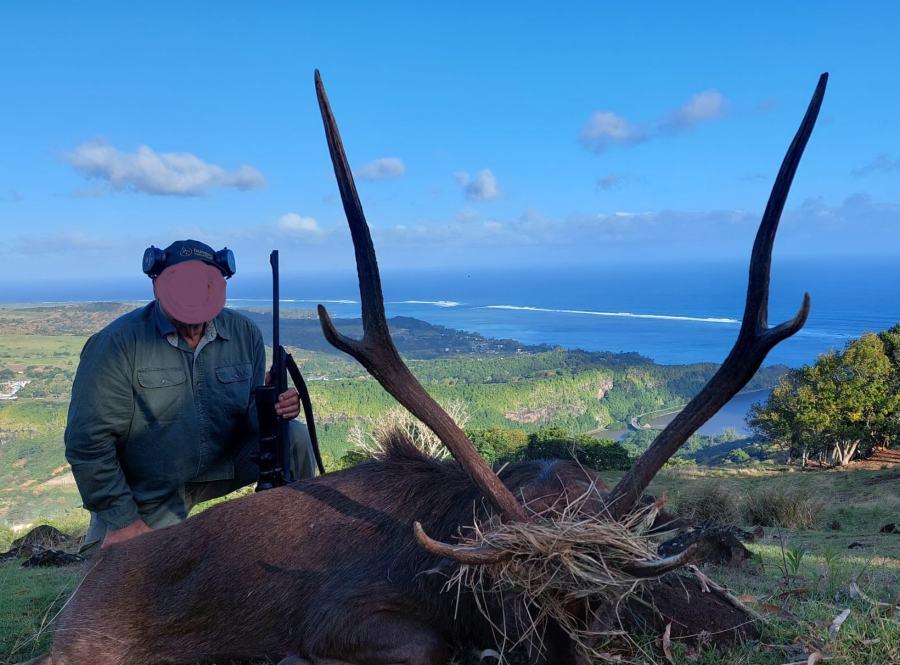
Mauritius Hunting Safari | 3-Day Rusa Deer & Wild Boar Package
Booking Season: 2026
Hunt Difficulty: Moderate
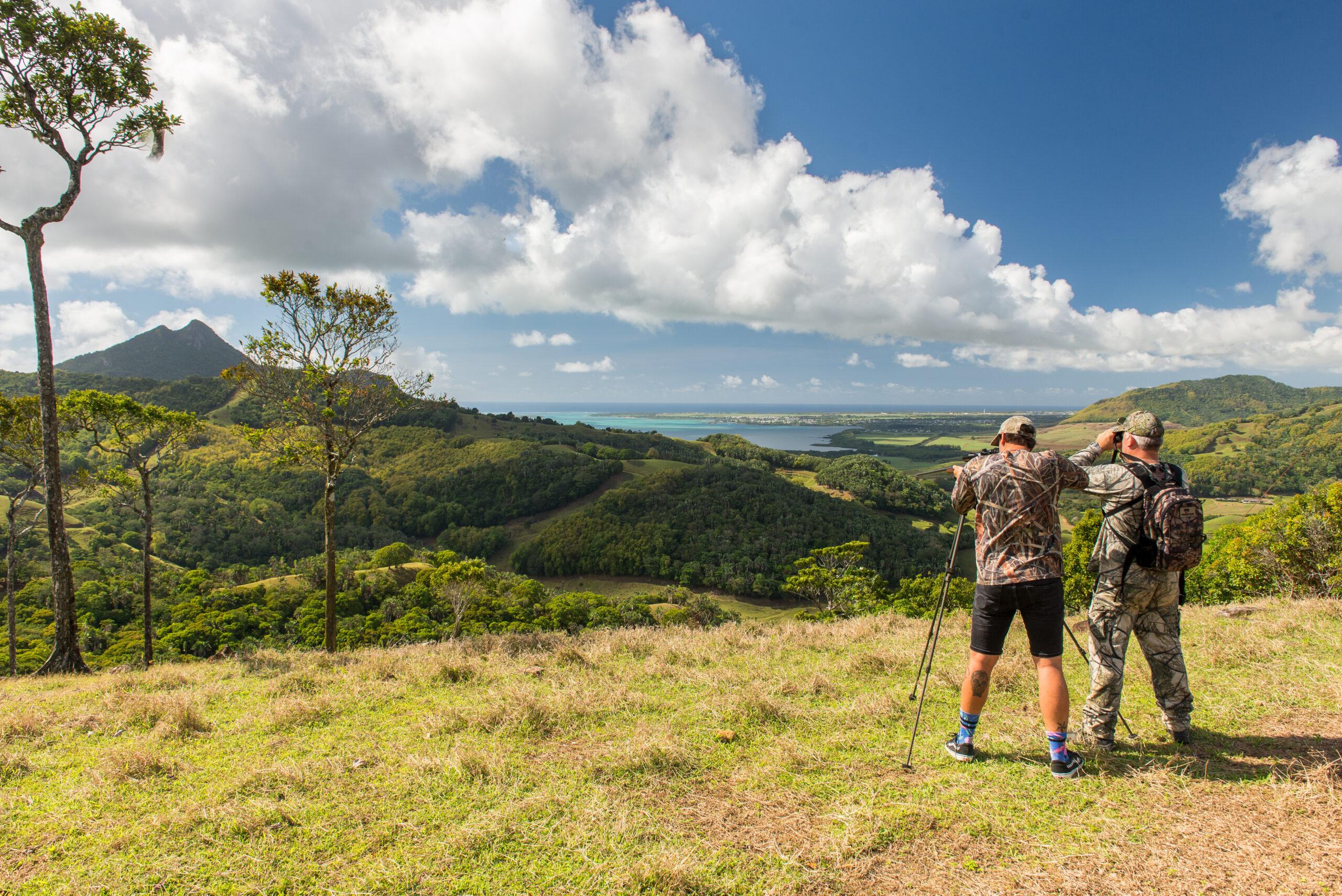
Mauritius Hunting Safari | Rusa Deer, Wild Boar & Fishing
Booking Season: 2026
Hunt Difficulty: Moderate
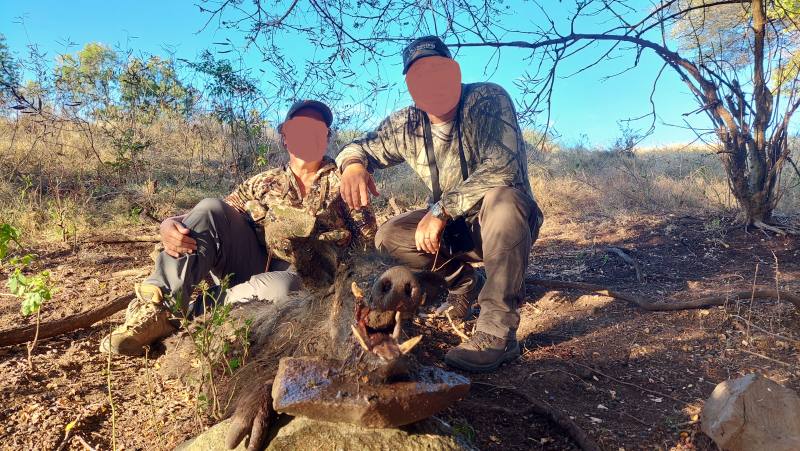
3 x Rusa Deer & 1 x Wild Boar on a Mauritius Hunting Safari
Booking Season: 2026
Hunt Difficulty: Moderate
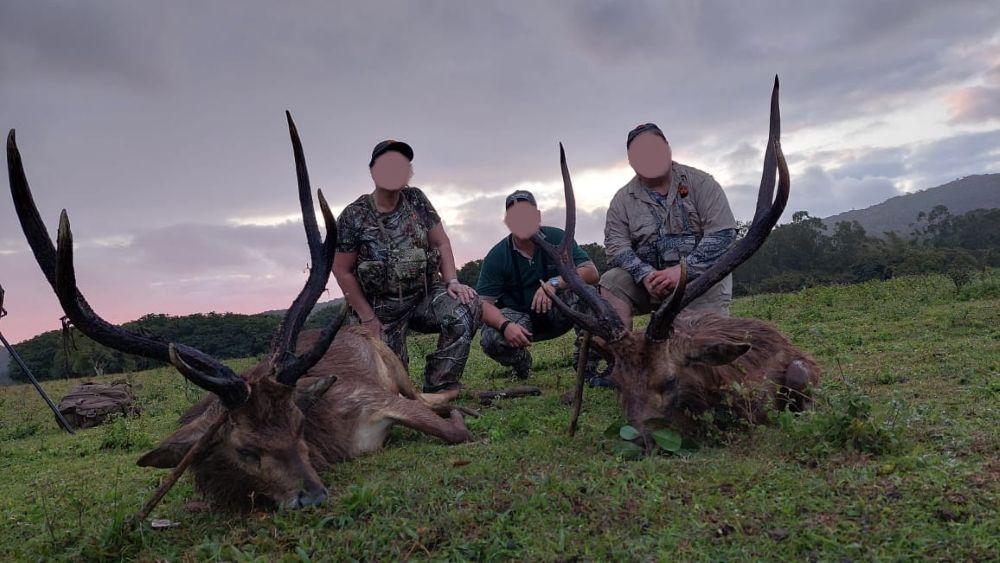
Rusa Deer & Wild Boar Hunting in Mauritius | Fishing, Beaches & Hunting Safari
Booking Season: 2026
Hunt Difficulty: Moderate
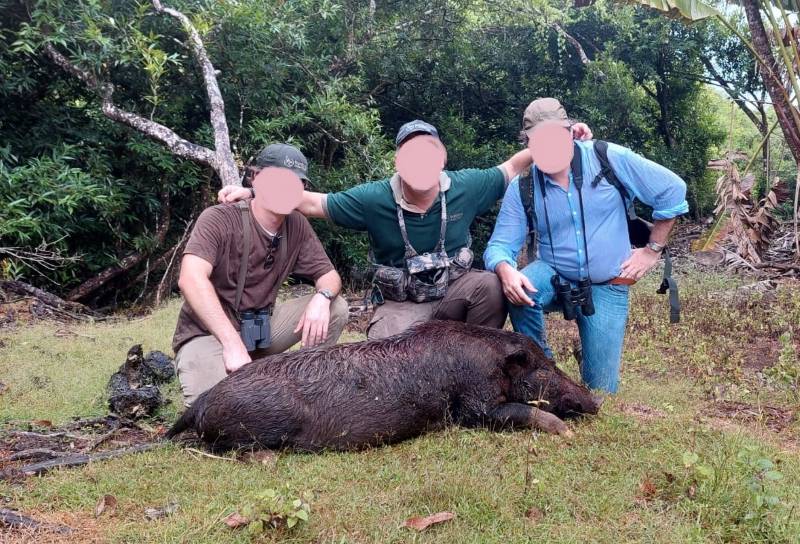
Enjoy Hunting in Mauritius with Deer, Boar & Deep-sea Fishing
Booking Season: 2026
Hunt Difficulty: Moderate
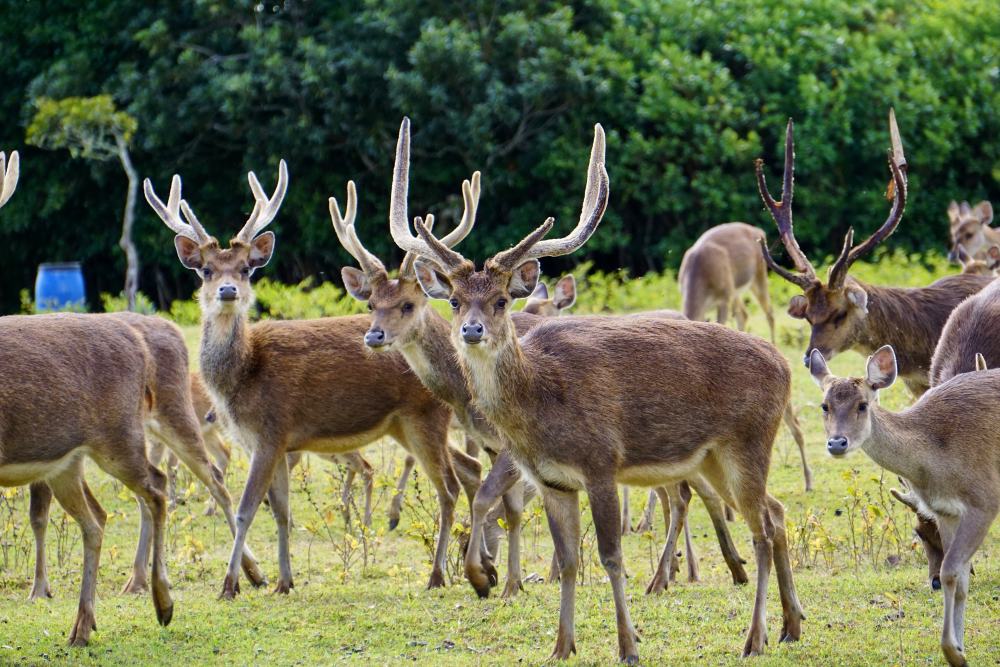
Rusa deer and wild boar were both introduced to Mauritius several centuries ago rather than occurring naturally on the island.
Historical records indicate that rusa deer were brought to the island from Southeast Asia during the seventeenth century. The animals adapted extremely well to the island's vegetation and climate and eventually established strong populations across the forests and hills of Mauritius.
Wild boar were also introduced during early colonial periods and quickly adapted to the island's varied terrain. Over time both species became firmly established and are now carefully managed through regulated hunting programs across private estates.
Today these animals form the foundation of the island's hunting tradition.
Mauritius On Map
You Might Also Like
The cost of a hunting safari in Mauritius can vary depending on the estate, the size of the rusa stag being pursued, and the overall structure of the hunt. Hunts are organized around trophy categories, where larger stags with heavier antlers fall into higher trophy classes.
Hunters can expect pricing to reflect the quality of the stag taken, along with daily rates or package arrangements offered by the estate. Some hunts include accommodation, guiding, and meals as part of the overall experience, while trophy fees may be determined by the final antler measurements.
As estates manage their deer populations carefully, the pricing structure helps ensure that mature animals are selectively harvested while younger stags are allowed to continue developing within the herd. Discussing the available trophy categories and pricing with the outfitter in advance provides a clear understanding of what to expect during the hunt.
Our African Hunting Safari Prices guide provides a broader comparison of safari costs, trophy fees and other expenses hunters should consider when planning a hunt in Africa.
Rusa deer can be hunted in Mauritius during much of the year, but certain periods tend to offer particularly favorable conditions. Hunts take place during the cooler and drier months when temperatures are more comfortable for both hunters and guides.
During these periods, deer are often more active in the early morning and late afternoon, which can create excellent stalking opportunities across the island's hills and forest edges. Vegetation conditions may also make it easier to spot animals moving between feeding areas.
As Mauritius has a tropical climate, hunting conditions can remain productive throughout much of the year. Discussing seasonal timing with the estate or outfitter in advance can help hunters plan their safari during the most suitable months for rusa deer activity.
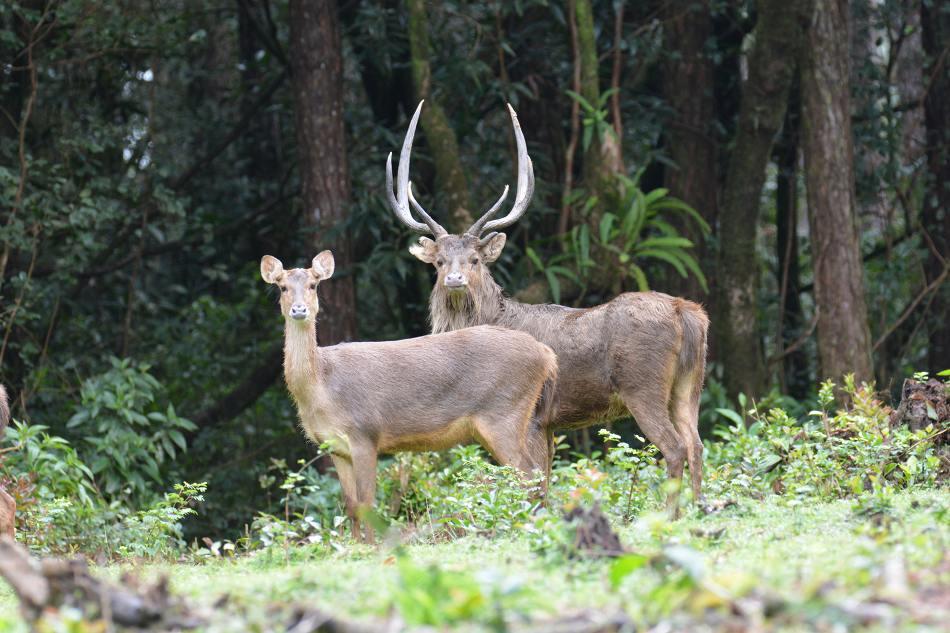
Hunters visiting Mauritius may notice that rusa deer trophies are categorized based on antler size. Estates may measure the length and spread of the antlers to determine the trophy class of the stag.
Larger stags with heavier and longer antlers are generally considered top trophy animals, while smaller stags may fall into lower categories. Many estates use these measurements to organize hunts and manage harvest levels within their deer populations.
This system helps ensure that mature animals are targeted while younger stags continue to grow within the herd.
Hunting estates in Mauritius organize rusa deer hunts using trophy categories based on the size and quality of the stag's antlers.
Stags are grouped into different trophy classes depending on measurements such as antler length, spread, and overall development. Larger and more mature stags fall into the highest trophy categories, while younger or smaller animals may fall into lower categories.
Trophy fees will increase according to the size of the stag taken. Mature animals with larger antlers command higher trophy fees, while smaller stags are priced at lower levels.
This approach allows estates to manage their deer populations carefully while ensuring that mature animals are selectively harvested. It also creates a clear understanding of how trophies are valued and helps guide expectations before the hunt begins.
Outfitters will explain these categories in detail before the safari begins so hunters understand the trophy options available within each estate.
Hunting in Mauritius takes place on privately managed estates rather than free-range concessions.
These estates carefully control wildlife numbers and habitat to maintain sustainable populations of rusa deer and wild boar. Year-round management means hunts are usually well organized and conducted with guides who know the terrain intimately.
This creates a comfortable hunting experience while still providing challenging stalks across varied landscapes.
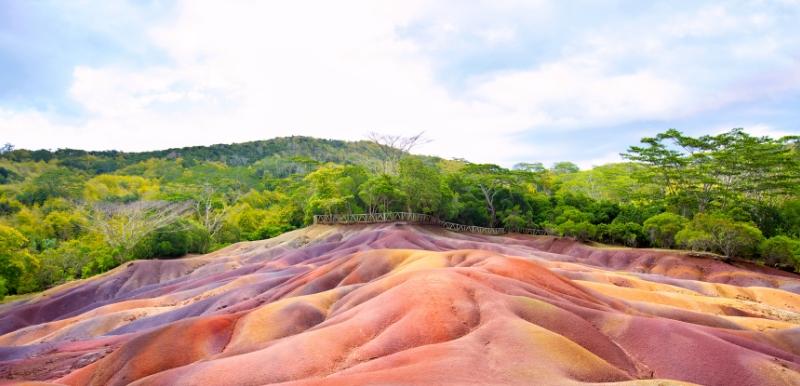
Most hunting in Mauritius takes place on privately managed estates spread across different parts of the island. These properties vary in size and terrain but are generally characterized by a mixture of forested hills, thick vegetation, open grazing areas, and extensive sugar cane plantations. Some of the best-known hunting areas are found in the southern and south-western parts of Mauritius, where larger estates provide suitable habitat for both rusa deer and wild boar.
The combination of volcanic hills, natural cover, and agricultural land creates ideal conditions for these species to thrive. Hunters can expect terrain that differs considerably from the open plains often associated with African hunting. Visibility may change quickly as stalks move from open ground into thick cover, requiring patience and careful shot placement. Elevated ground provides opportunities to glass for deer before planning an approach, while other hunts may involve moving quietly through dense vegetation where animals can disappear from view within seconds.
Guides on these estates are usually very familiar with local animal movements, feeding areas and travel routes. This local knowledge plays an important role in locating mature rusa stags and wild boar while still providing hunters with a challenging and rewarding hunting experience.
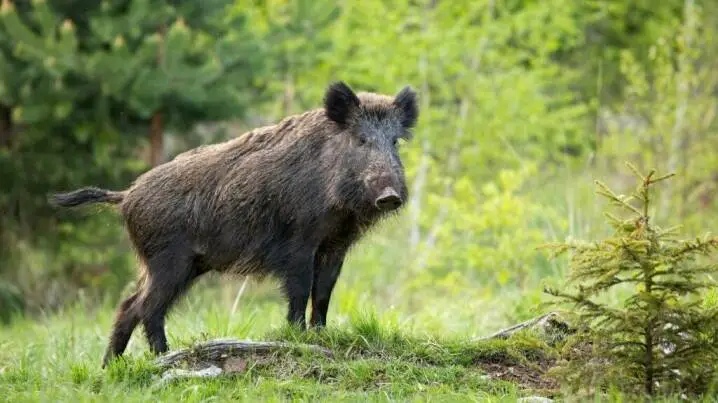
Wild boar are another popular species pursued by hunters visiting Mauritius. These animals inhabit thick vegetation, wooded areas, and agricultural land where they move between feeding areas and cover.
Boar hunts can be fast-paced and unpredictable. Animals may appear suddenly from dense vegetation, requiring quick reactions and accurate shooting. Depending on the estate, hunts may involve stalking or drives conducted with experienced local guides.
Hunters interested in focusing specifically on the island's wild boar opportunities can learn more about Eurasian hog hunting in Mauritius and how these hunts differ from traditional mainland African safaris.
One of the unique advantages of a Mauritius hunting safari is the opportunity to combine hunting and deep-sea fishing during the same trip. Few destinations allow hunters to pursue game in the morning and target some of the Indian Ocean's most sought-after fish species the following day.
Mauritius has developed an international reputation for offshore fishing, with anglers targeting species such as blue marlin, black marlin, yellowfin tuna, wahoo, dorado, and sailfish. The island's location and deep-water access provide productive fishing grounds throughout much of the year.
Some hunters extend their stay by a few days after the hunt to spend time fishing offshore. It also works well for families or groups where not everyone plans to hunt each day.
Combining a hunt with time on the water is one of the things that makes Mauritius different from most African hunting destinations. The ability to hunt rusa deer and wild boar while also enjoying world-class offshore fishing is one of the factors that continues to attract hunters to the island year after year.
Mauritius offers a hunting experience unlike anywhere else in Africa. Rather than focusing on a long list of game species, hunting on the island revolves around two established quarry animals: rusa deer and wild boar.
The attraction is not simply the animals themselves, but the setting in which they are hunted. Stalking a trophy rusa stag through forested hills, volcanic terrain, and sugar cane country creates a different experience from what hunters associate with a traditional African safari.
Mauritius gives hunters the opportunity to pursue a species they may never encounter elsewhere in Africa, particularly those interested in dedicated Rusa Deer Hunting in Mauritius. The island is also known for its beaches, fishing, outdoor activities and resort accommodation, making it easy to combine time in the field with a broader holiday.
Hunters may also choose to target both rusa deer and wild boar during the same trip. While the species list is limited, the hunting remains engaging, with deer requiring careful stalking and boar often encountered in thick cover where quick opportunities can develop.
Mauritius occupies a unique place in the hunting world. It is a destination built around a specific hunting experience, offering hunters the opportunity to pursue rusa deer and wild boar in a tropical island environment found nowhere else in Africa.
One characteristic that makes Mauritius different from most African hunting destinations is the relatively small number of game species available.
Hunting in Mauritius is primarily focused on rusa deer and wild boar, rather than the wide variety of plains game species commonly available on mainland African safaris. Both species have adapted exceptionally well to the island's environment and form the foundation of its hunting tradition.
Rather than pursuing a long list of species, the focus is on enjoying a well-organized hunt for mature rusa stags while experiencing the unique landscapes of this tropical island.
Rusa deer are hunted in several parts of the world, including Australia, New Caledonia, and parts of Southeast Asia where the species originated. Each location offers a different hunting experience.
In Australia, rusa deer are often hunted in large wild landscapes where animals may range widely and hunting conditions can vary depending on the region.
New Caledonia also offers rusa deer hunting, often in mountainous terrain where hunts may involve longer stalks across rugged landscapes.
Mauritius offers a different style of hunt. As most hunting takes place on managed private estates, populations are stable and hunts are typically well organized with guides who know the terrain and deer movements closely. This often creates an enjoyable balance between genuine stalking and reliable hunting opportunities. Combined with the island's tropical setting and comfortable accommodations, Mauritius provides a rusa deer hunting experience that is quite different from hunts in larger continental environments.
A typical hunting day in Mauritius often begins early in the morning when rusa deer are most active.
Hunters move quietly through the estate with their professional hunter and local guides, glassing hillsides and forest edges where deer are known to feed. Once animals are spotted, careful stalking begins, often using terrain and vegetation for cover.
Afternoons may involve additional stalking or pursuing wild boar in thicker cover. Because most estates are relatively accessible, hunting days can be productive while still allowing hunters to return to comfortable accommodations in the evening.
Compared with traditional African safaris, hunting in Mauritius is considered moderately demanding rather than extreme.
Hunts take place across rolling hills, forest patches, and open fields where hunters may spend several hours walking and stalking animals through varied terrain. The tropical climate can be warm and humid at times, but the distances covered during a typical hunting day are usually manageable for hunters in reasonable physical condition.
Mauritius is considerably less demanding than a remote mountain hunt or a long dangerous game tracking safari, and hunters can usually return to comfortable accommodations at the end of the day. This combination of active stalking and accessible terrain makes Mauritius an appealing destination for hunters who enjoy the challenge of a real hunt without the extreme physical demands sometimes associated with African safaris.
Hunters researching Mauritius often ask what they can realistically expect during a rusa deer hunt. While every hunt depends on weather, timing, and individual shooting opportunities, the well-managed estates on the island generally maintain healthy deer populations.
As with any hunt, patience and careful stalking are still required. Deer may move quickly through vegetation or disappear into forest cover when disturbed. Success is never automatic, but healthy populations and knowledgeable guides put the odds in the hunter's favor.
Mauritius has developed a strong reputation among hunters seeking an enjoyable deer hunt in a unique island environment.
Hunters traveling to Mauritius can either bring their own rifle or use one provided by the hunting estate. Both options are possible, although renting a rifle can make the travel considerably simpler.
Bringing a personal rifle requires advance paperwork and coordination with the outfitter or estate. Firearm details normally need to be supplied before arrival so the necessary temporary import permits can be arranged.
Using an estate rifle avoids much of the additional paperwork and logistics involved with international firearm travel. Hunting properties generally have suitable rifles available for rusa deer and wild boar, making this a practical option for hunters who are also spending time elsewhere on the island.
Whichever option you choose, confirm the arrangements with your outfitter well before traveling to Mauritius.
Reaching Mauritius typically involves international flights through major global hubs such as Europe or the Middle East before continuing to the island's main airport.
Although the journey can be long, the travel process is generally straightforward, especially when coordinated in advance with the outfitter or hunting estate. Many hunters combine their safari with several days on the island, allowing time to adjust after the flight and enjoy the surrounding environment.
Because Mauritius is a well-established international tourism destination, the island offers modern infrastructure, comfortable hotels, and reliable transportation services. This makes travel relatively easy compared with some remote African hunting destinations.
One advantage that makes Mauritius different from most African hunting destinations is how easily a hunting trip can be combined with a family vacation.
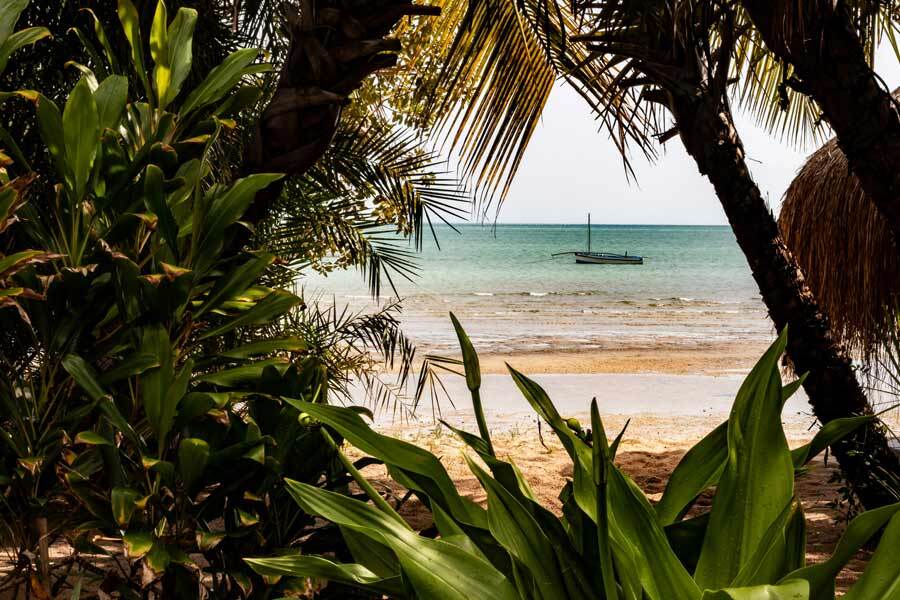
While the hunter spends time in the field pursuing rusa deer or wild boar, family members can enjoy the many activities that have made Mauritius one of the most popular island destinations in the world. Beaches, snorkeling, sailing, golf courses, and luxury resorts offer plenty to do while the hunt is underway.
Hunters may choose to schedule a few additional days on the island before or after the safari so the entire family can enjoy the tropical environment together. Exploring the coastline, visiting local markets, or simply relaxing at a beachfront resort allows the trip to become more than just a hunting expedition.
This ability to combine a rewarding hunt with a memorable family holiday makes Mauritius a very unique destination.
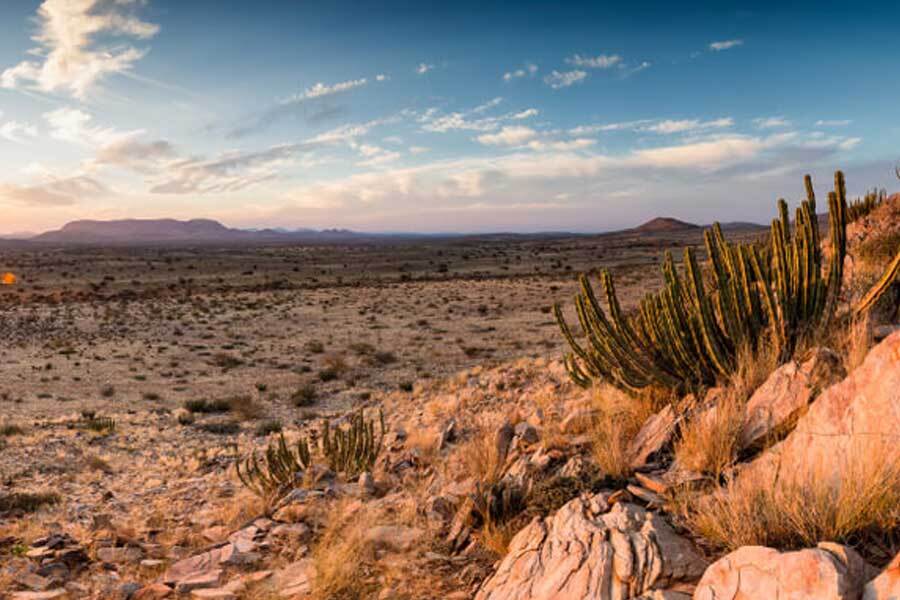
Mauritius offers terrain quite different from the savannas typically associated with African hunting.
The island features rolling volcanic hills, tropical vegetation, sugarcane fields, and patches of forest that provide excellent habitat for rusa deer and wild boar. These landscapes create varied hunting conditions where hunters may move between open hillsides and dense vegetation during a single day in the field.
The combination of lush scenery and active hunting makes Mauritius a visually striking destination.
Hunting in Mauritius is limited and highly controlled, focusing on select species rather than traditional African big game. These hunts are typically short and structured, making them suitable as an addition to a broader island travel experience rather than a primary safari destination.
No. Mauritius does not replace classic African safari destinations. It is best viewed as a niche option for hunters who want to combine limited hunting opportunities with a high-quality island environment, beaches, and other recreational activities.
Mauritius is best suited for hunters who value flexibility, comfort, and travel variety over species diversity or challenging tracking hunts. It appeals to those combining hunting with family travel, leisure activities, or post-safari relaxation.
Yes. One of Mauritius's main appeals is the ability to combine hunting with activities such as coastal recreation, nature exploration, and luxury accommodation. This makes it attractive for mixed-interest trips where hunting is only part of the itinerary.
As hunting opportunities are limited and carefully managed, bookings should generally be made several months in advance. Early planning ensures availability and alignment with travel arrangements.
Search from our range of Hunts across various popular destinations in Africa.

Book Your Hunt