
Rusa Deer & Wild Boar Hunting in Mauritius | Island Holiday Safari
Booking Season: 2026
Hunt Difficulty: Moderate

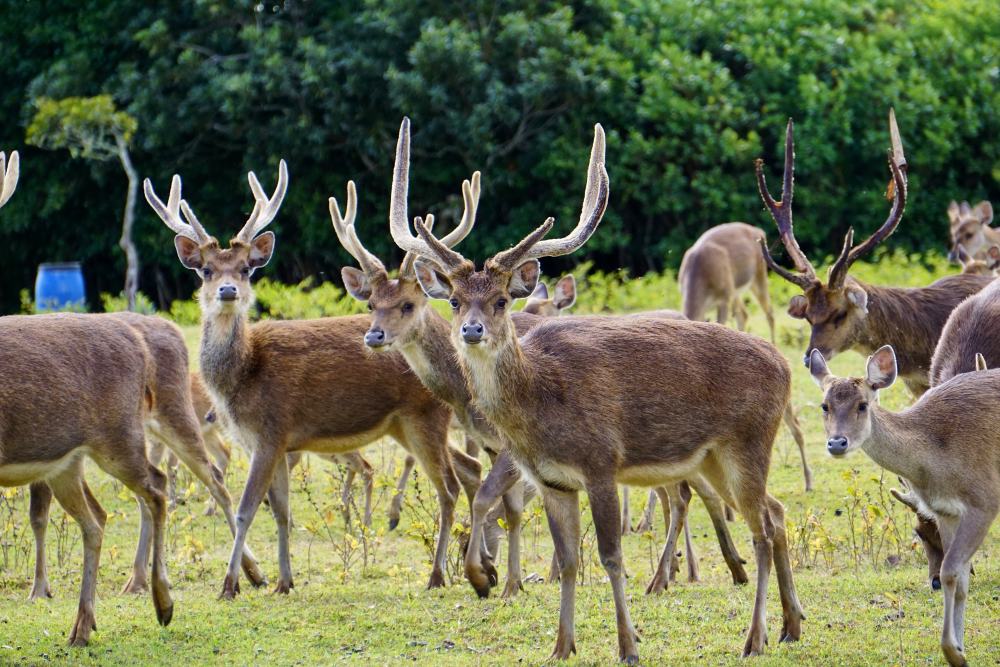
Rusa deer hunting in Mauritius is very different from what most hunters picture when they think of Africa. There are no vast, unfenced concessions or long days spent covering ground just to locate animals. Instead, hunts take place on private estates where access is controlled, deer are well established, and time in the field is used far more efficiently. For American and international hunters, that translates into something simple, more predictability, and a much higher chance of success within a shorter timeframe. Most hunts are completed in just a few days, and on well-run properties, encounters with deer are consistent from the start.
If you’re considering a trip focused on hunting in Mauritius, rusa deer are the main reason to go. Nearly every hunting package on the island is built around them, offering a straightforward way to hunt internationally without committing to a full-length African safari.
That said, rusa deer shouldn’t be underestimated. They use cover well, move quickly, and don’t stand around waiting. Most opportunities come and go fast, so being ready, and making the shot count is what ultimately determines success.
Available Rusa Deer Hunts
Rusa Deer & Wild Boar Hunting in Mauritius | Island Holiday Safari
Booking Season: 2026
Hunt Difficulty: Moderate
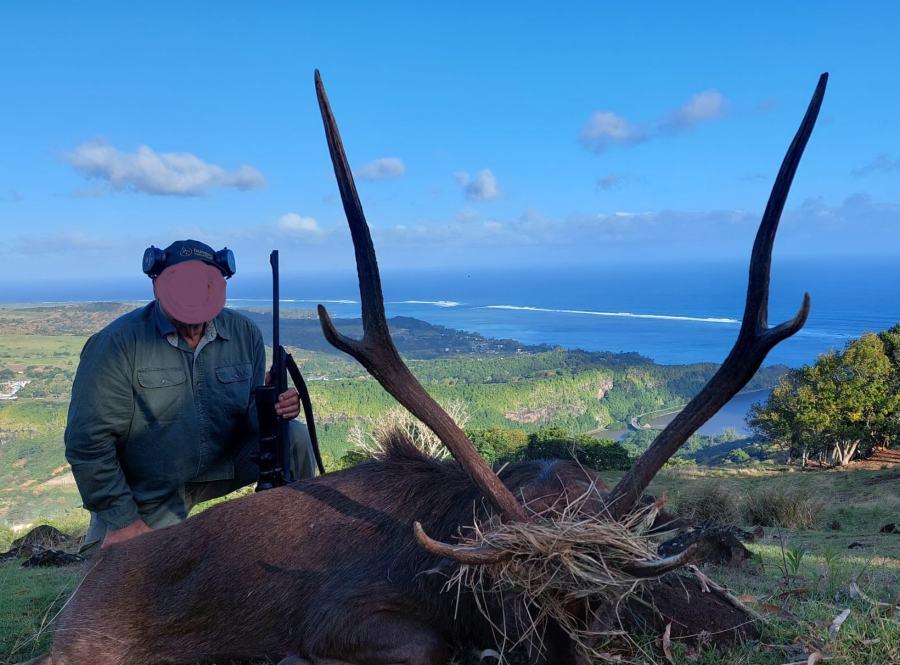
Mauritius Hunting Safari | 3-Day Rusa Deer & Wild Boar Package
Booking Season: 2026
Hunt Difficulty: Moderate
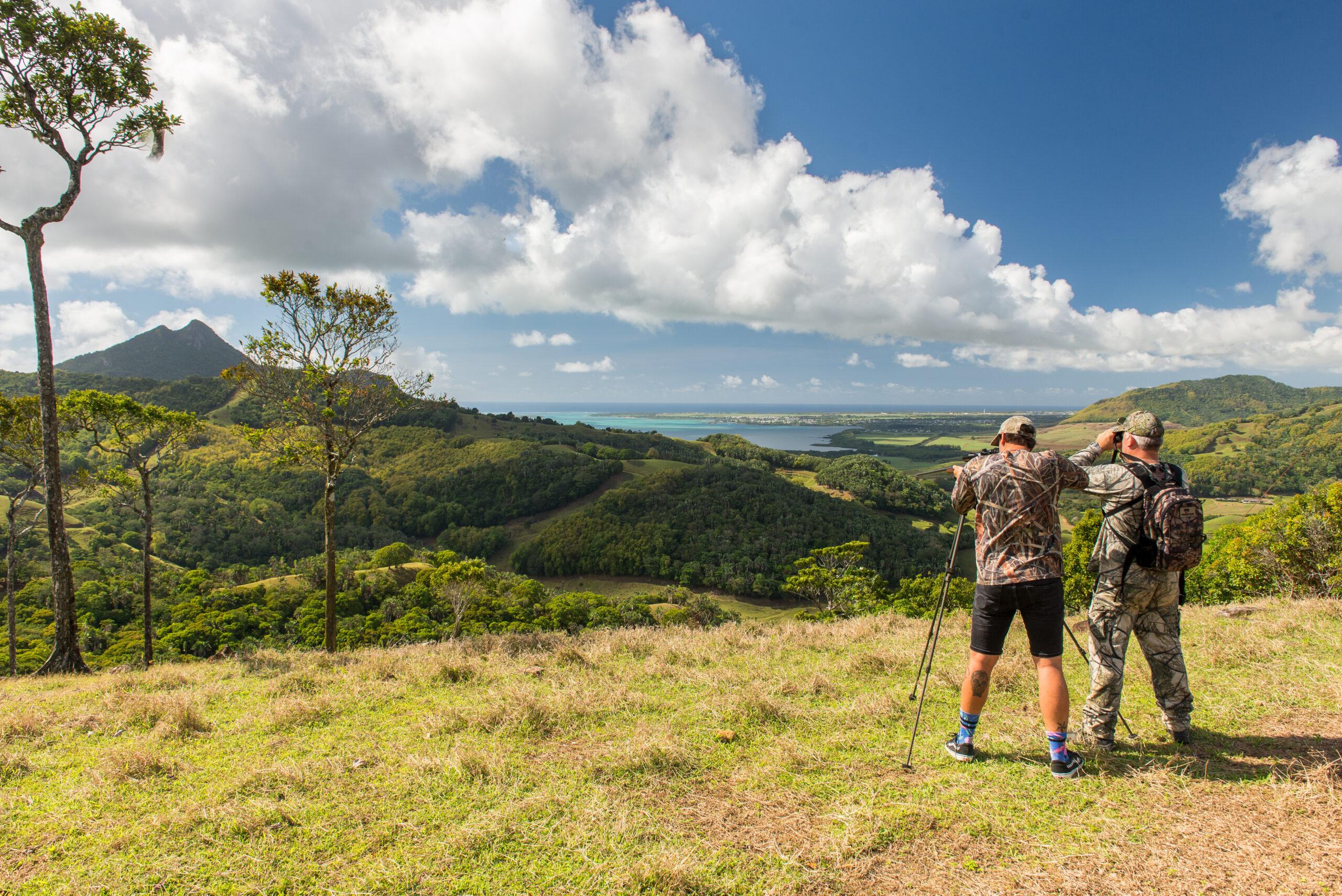
Mauritius Hunting Safari | Rusa Deer, Wild Boar & Fishing
Booking Season: 2026
Hunt Difficulty: Moderate
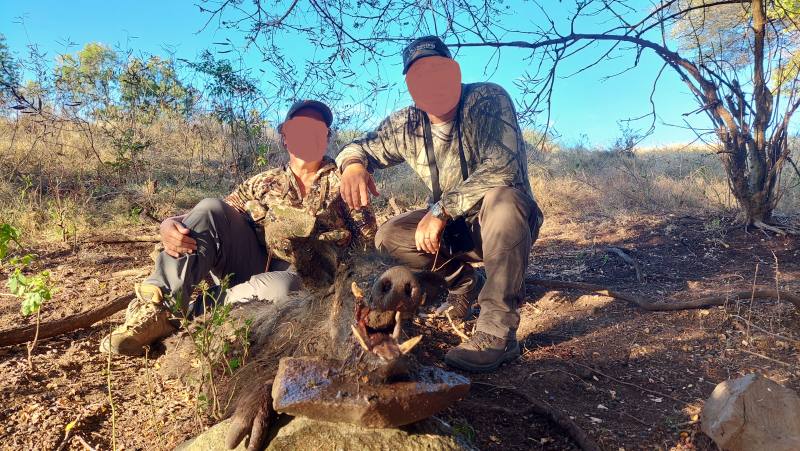
3 x Rusa Deer & 1 x Wild Boar on a Mauritius Hunting Safari
Booking Season: 2026
Hunt Difficulty: Moderate
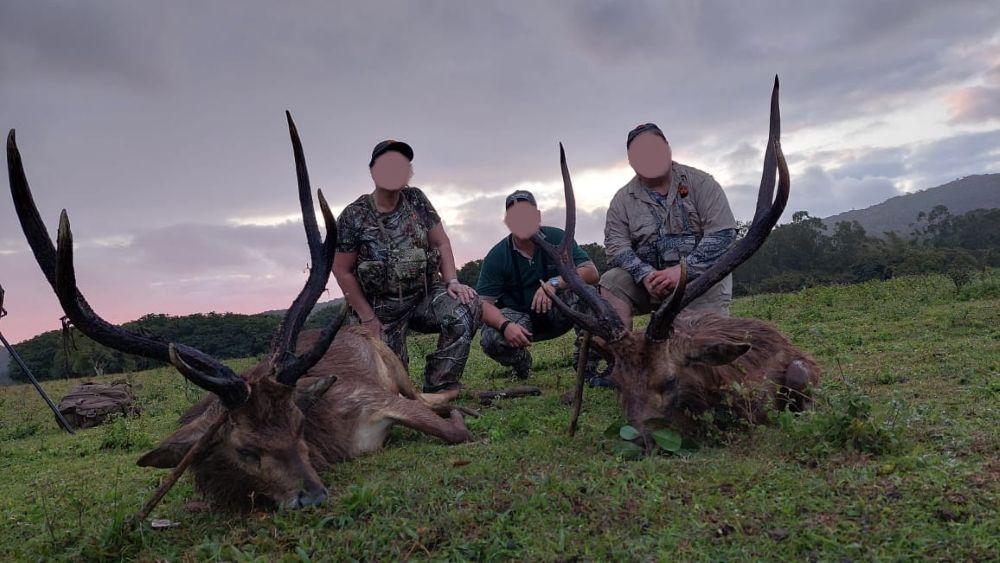
Rusa Deer & Wild Boar Hunting in Mauritius | Fishing, Beaches & Hunting Safari
Booking Season: 2026
Hunt Difficulty: Moderate
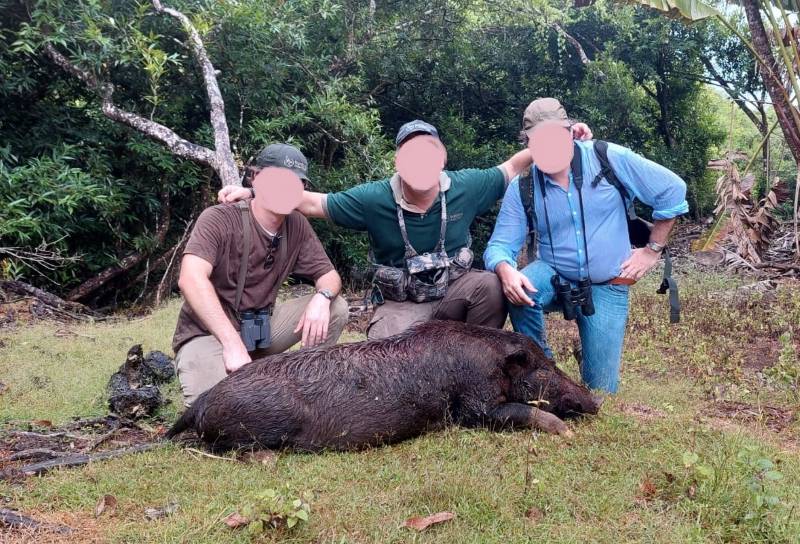
Enjoy Hunting in Mauritius with Deer, Boar & Deep-sea Fishing
Booking Season: 2026
Hunt Difficulty: Moderate
What makes Mauritius stand out is efficiency, but without feeling artificial. You’re not spending days trying to find animals. On most estates, deer are already holding in known areas, and guides are working properties where movement patterns are well understood. That means you spend more time hunting, and less time figuring out where to start.
For hunters looking into rusa deer hunting in Mauritius, that structure makes a big difference. It’s one of the few places where you can realistically arrive, hunt hard for a couple of days, and have a legitimate shot at a mature animal.
At the same time, the setting couldn’t be more different from mainland Africa. You’re hunting in a tropical environment, often not far from the coast, with comfortable accommodations and a pace that’s noticeably more relaxed. That combination is exactly why it appeals to hunters booking their first international trip, those with limited time, or experienced hunters who want something straightforward without the scale of a full scale safari.
All rusa deer hunting in Mauritius takes place on private estates. These are established properties where habitat is managed, deer populations are maintained, and access is controlled to keep hunting consistent.
If you’re researching where to hunt rusa deer in Mauritius, expect more variation in terrain than most people assume. Some properties offer open hillsides where deer can be spotted at distance, while others are dominated by thicker brush and wooded cover that forces slower movement and closer encounters. On certain estates, you may also deal with mixed terrain that includes coastal or semi-coastal areas, which creates a completely different hunting dynamic than anything you’d experience inland.
Because these properties are more contained than large African concessions, the hunt is more structured. You’re not covering miles hoping to cross tracks—you’re working areas where deer are known to move. That doesn’t make it easy, but it does make it efficient.
Most rusa deer hunts are built around simple methods that fit the terrain, but simple doesn’t mean easy. Spot-and-stalk is the most common approach, often combined with short, controlled stalks from vantage points where deer are feeding or moving between cover. On some properties, hunts are adjusted depending on how deer are behaving that day.
If you’re looking into how to hunt rusa deer in Mauritius, one thing stands out quickly, this is not a long-range game. Most shots happen at moderate distances, and opportunities tend to come fast. Deer don’t stay in the open for long. You’re often dealing with short windows, and hesitation can cost you the chance. On many hunts, the difference between success and failure comes down to being ready in that moment.
Even on managed properties, rusa deer remain alert and unpredictable. That’s what keeps it honest.
Shot placement on rusa deer is not complicated, but the challenge comes from how quickly opportunities develop. Most shots are taken at moderate distances, often with limited time to settle in, which makes preparation more important than the shot itself.
On well-run properties, you’ll usually get a clear broadside or slightly quartering angle—but deer don’t stay still for long. If you’re not ready when the opportunity presents itself, it’s easy to lose the shot altogether.
For a more detailed breakdown of effective shot placement and anatomy, refer to our guide on shot placement for medium antelope.
One of the biggest advantages here is how simple the pricing is.
Rusa deer hunting is usually structured around short, clearly defined packages, often just one to three days. In most cases, pricing includes a combination of daily rates and trophy fees, or a straightforward all-in package that covers the basics. For hunters researching rusa deer hunting cost in Mauritius, this makes planning much easier. You’re not dealing with the layers of complexity that come with many African safaris. You know what the hunt costs, and you can adjust from there if you want to add extra days or animals.
Because the hunts are shorter and more controlled, overall costs are typically lower than a traditional plains game safari. For many U.S. hunters, it’s one of the most efficient ways to book an international hunt without stretching time or budget.
Timing matters, especially if you want the best possible experience. Rusa deer can be hunted year-round, but the rut is what most hunters focus on. This is often referred to as the roaring season, when stags are more active, more visible, and easier to locate.
If you’re looking at when to hunt rusa deer in Mauritius, this period gives you the best chance of encountering a mature animal that’s moving and responding.
Outside of the rut, hunting is still productive, but deer tend to be more cautious and less predictable. Cooler months can also help, as daytime movement improves and animals are easier to spot earlier in the day.
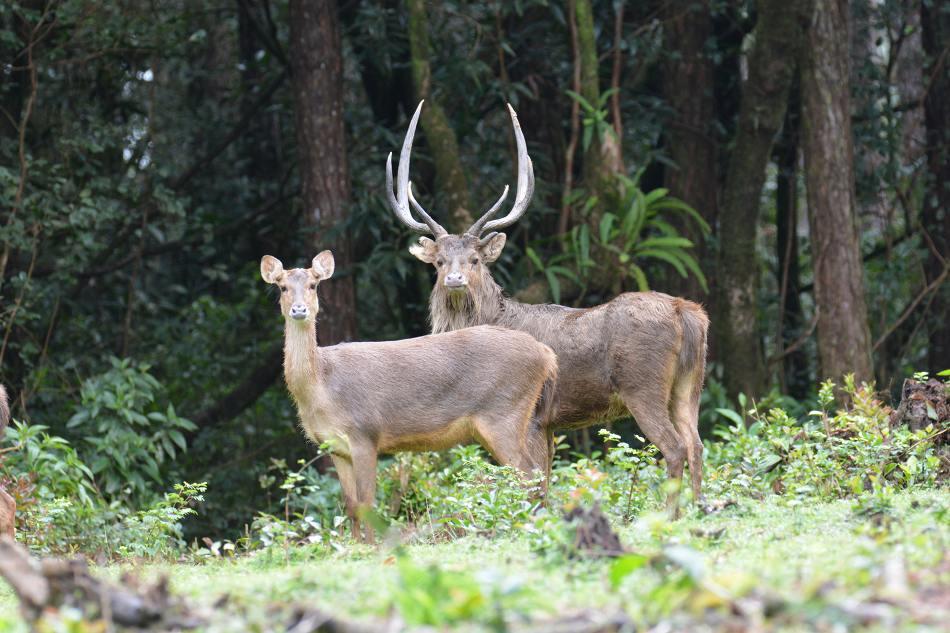
Rusa deer are a solid trophy animal, known for their balanced antlers and overall body size.
Most hunters are looking for mature stags with strong, multi-point antlers and good symmetry. On well-managed estates, you’ll often have the opportunity to look at more than one animal before making a decision.
That’s a big advantage here. You’re not forced into rushed shots. You can take your time, evaluate the animal, and decide if it’s what you came for.
Many first-time rusa deer hunters focus on antler size alone, but experienced hunters often look at the overall maturity of the animal as well.
A mature stag typically carries heavier antlers, a thicker neck, and a more developed body than younger animals. While antler shape and symmetry are important, age often plays a significant role in how a trophy is viewed. An older stag that has reached full maturity can be more desirable than a younger animal carrying slightly larger antlers.
One of the advantages of hunting rusa deer in Mauritius is that hunters are often able to evaluate more than one stag before making a decision. This allows time to compare animals and avoid rushing the shot.
As with most hunting, the most memorable trophy is not always the largest one encountered. For many hunters, it is the mature stag that was carefully selected and successfully hunted after several opportunities had been passed.
Rusa deer hunting in Mauritius is best described as moderate, but that doesn’t mean easy. You’re not dealing with extreme terrain or long tracking days, but you do need to stay sharp. Deer move quickly, cover is often thick, and most shot opportunities don’t last long.
If you’re asking how difficult rusa deer hunting in Mauritius is, the answer comes down to this: physically manageable, but mentally engaging. Most shots happen at moderate distances, often with little time to prepare. You need to be ready, stay focused, and execute when it counts.
That’s what makes it appealing. It’s accessible for first-time international hunters, but still rewarding for experienced hunters who want a clean, straightforward hunt.
Rusa deer are the main focus, but they're not the only option. On many estates, wild boar hunting in Mauritius can be added to the trip without changing the overall structure. These hunts are often combined with rusa deer and provide a different style of hunting within the same estate environment.
Some properties may also offer limited small game or bird hunting depending on the season, but these are secondary options. Most hunters come for rusa deer, and everything else is an add-on.
One of the unique aspects of hunting in Mauritius is how easily it can be combined with other outdoor activities—particularly deep sea fishing. Many hunting estates are located within a short drive of the coast, which makes it possible to split time between hunting and fishing without changing locations. It’s not uncommon for hunters to spend a morning in the field and head out for marlin, tuna, or dorado in the afternoon, depending on conditions and timing.
For those planning a trip, this adds another layer to the experience. Instead of a hunt being the entire focus, Mauritius allows you to build a more varied itinerary without complicating logistics or extending the overall length of the trip.
Rusa deer are not unique to Mauritius, but the way they’re hunted here is very different from other destinations.
In countries like Australia or parts of Southeast Asia, rusa deer are typically hunted in more open, less controlled environments where success depends heavily on time in the field and local conditions. Hunts can take longer, and opportunities are less predictable. Mauritius is different. The use of managed estates means deer are more consistently encountered, and hunts are structured to make the most of a shorter timeframe. You’re not spending days trying to locate animals—you’re hunting areas where deer are already known to move.
That doesn’t make it “easier,” but it does make it more efficient. For hunters with limited time, or those looking for a straightforward international hunt, Mauritius often makes more sense than destinations where rusa deer are more widely dispersed and less predictable.
Yes, but only if you understand what you’re booking. This is not a traditional African safari. You’re not covering huge areas or hunting multiple species over ten days. If that’s what you’re after, you’re better off looking elsewhere.
Mauritius is a simpler hunt. More controlled. More efficient. And that’s exactly the point.
For hunters asking whether rusa deer hunting in Mauritius is worth it, it comes down to priorities. If you want a short trip, high success rates, and a straightforward experience in a completely different environment, it delivers.
For U.S. hunters especially, it fills a gap. It’s an easy entry into international hunting, a practical option when time is limited, and a good way to add something different to your collection.
Rusa deer hunting in Mauritius isn’t trying to replace a traditional African safari, and it shouldn’t. If your goal is to spend ten days tracking multiple species across vast, unfenced wilderness, there are better destinations for that kind of experience.
Mauritius offers something different. It’s a shorter, more efficient hunt built around well-managed properties where time in the field is focused and productive. You’re not guessing where animals might be, you’re hunting areas where deer are consistently found, which makes a big difference when time is limited. For many hunters, especially those traveling from the U.S., that’s exactly the appeal. You can plan a trip without committing to a long itinerary, hunt hard over a few days, and still come home with a quality trophy. It’s also one of the easier international hunts to organize, with fewer moving parts and a more straightforward overall experience.
That said, it’s not for everyone. If you’re looking for a classic safari feel, with long tracking days and a wide variety of species, Mauritius will feel too controlled. But if you value efficiency, simplicity, and the chance to hunt in a completely different setting, it’s hard to find a more practical option.
How much does rusa deer hunting cost in Mauritius?
Most rusa deer hunts in Mauritius are structured as short packages, typically lasting one to three days. Costs usually include daily rates and a trophy fee, or a simple all-inclusive package. Compared to traditional African safaris, overall pricing is generally lower due to the shorter duration and more controlled setup.
When is the best time to hunt rusa deer in Mauritius?
Rusa deer can be hunted year-round, but the best time is during the rut, often referred to as the roaring season. During this period, stags are more active and easier to locate, which improves the chances of encountering a mature animal.
Is rusa deer hunting in Mauritius free range?
Most rusa deer hunting in Mauritius takes place on private estates. While these are managed properties, deer move freely within them and are not confined to small areas. The experience is more structured than a traditional safari but still requires real hunting skills.
How long is a typical rusa deer hunt in Mauritius?
Most hunts are completed within one to three days. This makes Mauritius one of the more time-efficient international hunting options, especially for hunters traveling from the U.S.
What caliber should you use for rusa deer?
Rusa deer are similar in size to medium to large deer species. Common calibers such as .270, .308, or .30-06 are more than sufficient, provided shot placement is accurate and the hunter is comfortable with the rifle.
Can you export rusa deer trophies from Mauritius?
Yes, rusa deer trophies can typically be exported, but the process depends on your home country’s import regulations. Most outfitters will assist with documentation and shipping arrangements.
Is rusa deer hunting in Mauritius a good first international hunt?
Yes. The shorter duration, high success rates, and straightforward logistics make it one of the easiest international hunts to plan and complete, especially for first-time overseas.
Search from our range of Hunts across various popular destinations in Africa.

Book Your Hunt