
Rusa Deer & Wild Boar Hunting in Mauritius | Island Holiday Safari
Booking Season: 2026
Hunt Difficulty: Moderate

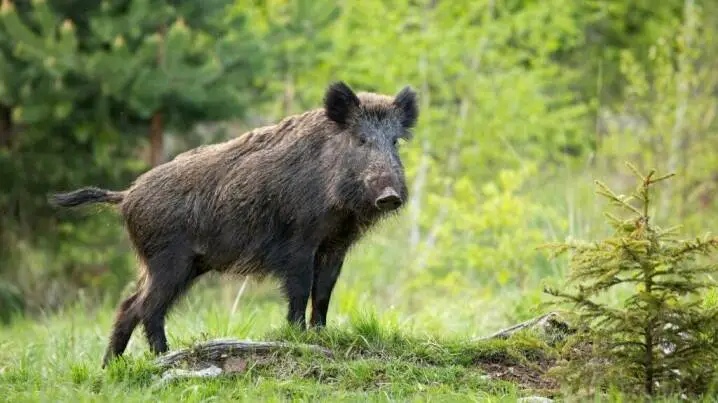
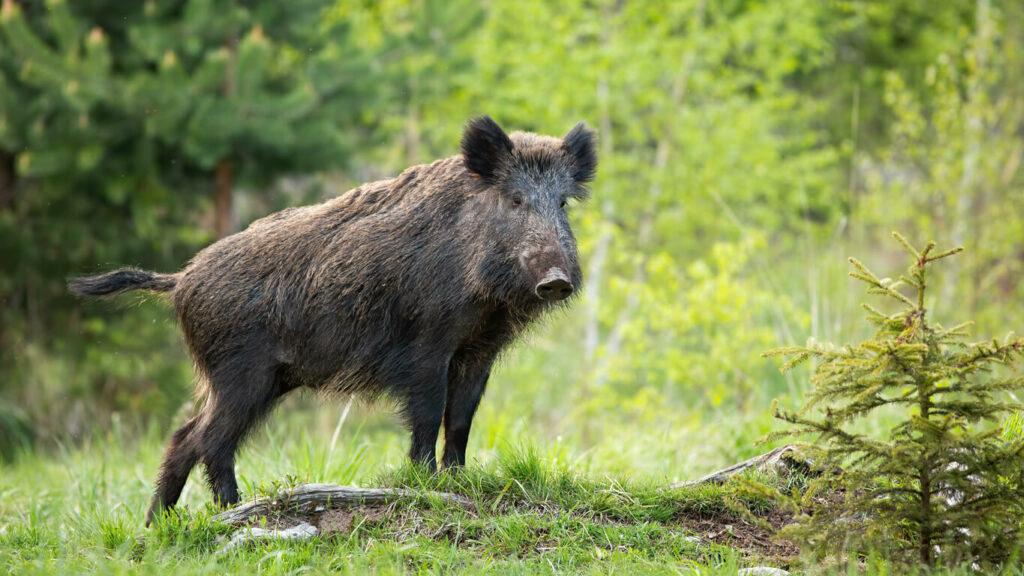
Wild boar hunting in Mauritius isn’t what most hunters expect, and that’s exactly why it works. You’re not dealing with huge, unfenced areas where days can go by without seeing animals. On most established estates, hunts take place on private land where populations are actively managed and access is controlled.
That means you’re seeing sign early, fresh tracks, rooting, and movement, and you’re not wasting time trying to figure out if animals are even in the area.
For U.S. hunters, that usually comes down to one thing, efficiency. Most trips are short, often just a few days, and you’re into animals quickly. It’s a straightforward way to hunt internationally without the time commitment or complexity of a full safari. That said, wild boar are not easy animals. They use cover well, move quickly, and don’t give you much time once they appear. On most hunts, opportunities develop fast, sometimes with only a few seconds to get set and take the shot. Being ready in that moment is what usually separates success from a missed chance.
Available Eurasian Wild Pig Hunts
Rusa Deer & Wild Boar Hunting in Mauritius | Island Holiday Safari
Booking Season: 2026
Hunt Difficulty: Moderate
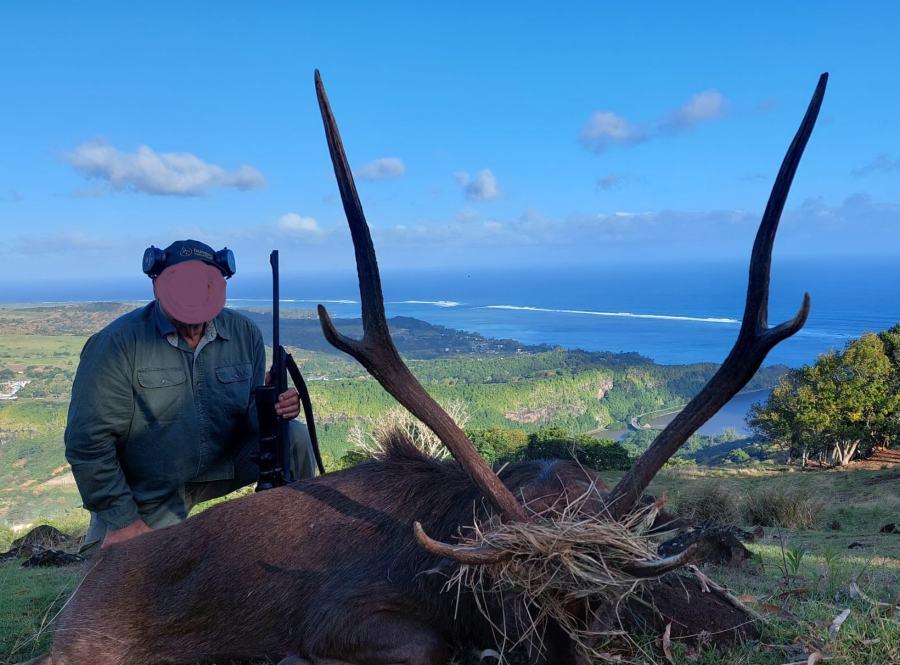
Mauritius Hunting Safari | 3-Day Rusa Deer & Wild Boar Package
Booking Season: 2026
Hunt Difficulty: Moderate
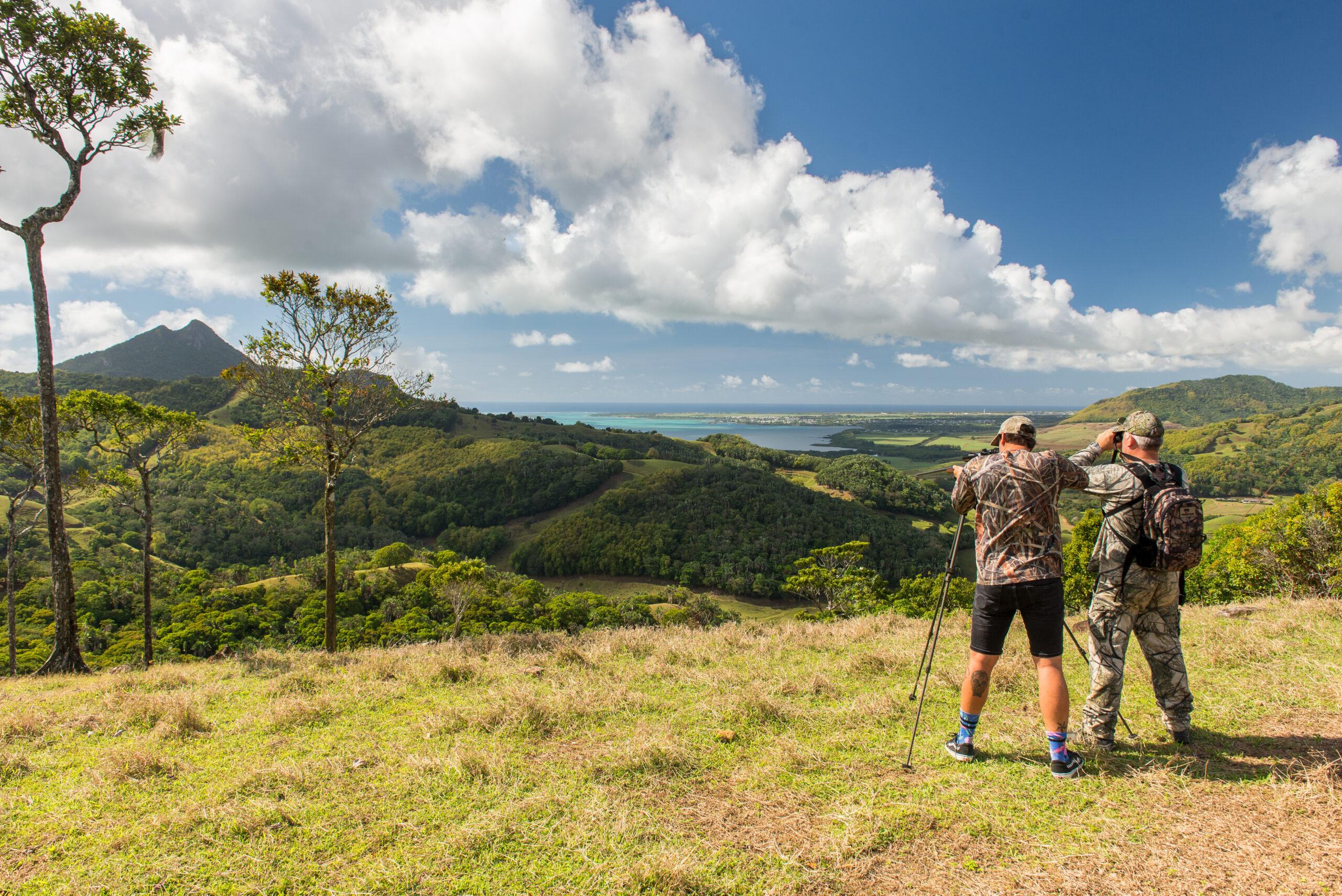
Mauritius Hunting Safari | Rusa Deer, Wild Boar & Fishing
Booking Season: 2026
Hunt Difficulty: Moderate
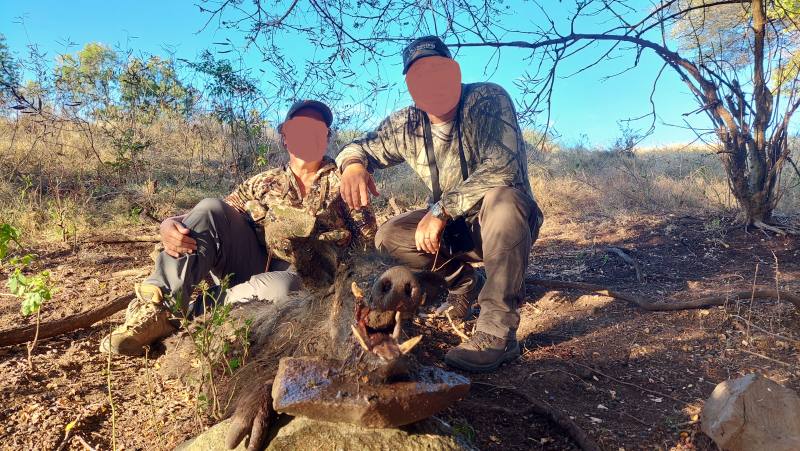
3 x Rusa Deer & 1 x Wild Boar on a Mauritius Hunting Safari
Booking Season: 2026
Hunt Difficulty: Moderate
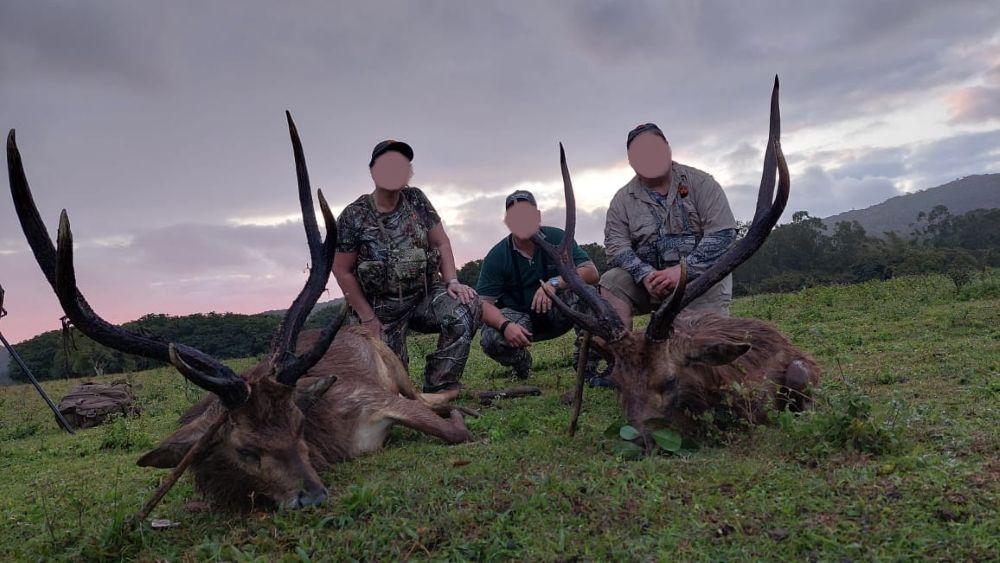
Rusa Deer & Wild Boar Hunting in Mauritius | Fishing, Beaches & Hunting Safari
Booking Season: 2026
Hunt Difficulty: Moderate
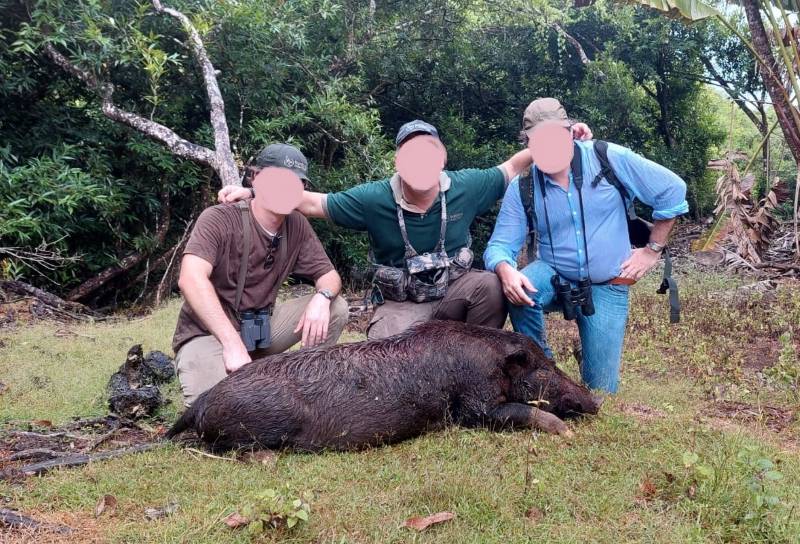
Enjoy Hunting in Mauritius with Deer, Boar & Deep-sea Fishing
Booking Season: 2026
Hunt Difficulty: Moderate
All wild boar hunting in Mauritius takes place on private land. These are established hunting estates that manage both habitat and game, which keeps pressure controlled and animal numbers stable.
Terrain varies more than people expect. Some properties offer more open ground with decent visibility, while others are thicker, with brush and wooded cover that limits how far you can see. In most hunts, you’ll move between both, glassing open sections, then working into thicker cover where animals tend to hold during the day. What stands out on most estates is how predictable movement can become once you start reading the ground. Tracks, feeding areas, and entry points into cover give you a good sense of where boar are likely to appear, which is why hunts tend to feel structured without being staged.
Because these areas are well managed, hunts tend to focus on places where boar are already being seen moving. That doesn't make the hunting easy, but it does make time in the field more productive.
Most wild boar hunts in Mauritius are built around spot-and-stalk or short, controlled ambush setups.
In most cases, you’ll spend time glassing or moving slowly through areas where boar are feeding or transitioning between cover. When animals are located, things tend to close quickly. The stalk itself is usually short, and so is the window to take a shot. Shots are typically taken at moderate distances. This isn’t a long-range hunt. In most situations, you’re shooting inside comfortable distances where accuracy and shot placement matter more than reach.
Even on well-managed properties, boar don’t behave predictably. They show up fast, react quickly, and disappear just as easily. It’s not unusual to hear them before you see them, moving through brush or breaking cover and by the time you’re on them, the opportunity is already closing.
Hunters who stay focused tend to do well. Those who hesitate often don’t get another chance.
A typical day of wild boar hunting in Mauritius starts early, usually just before first light when temperatures are cooler and animals are still moving.
On most estates, you’ll begin by checking areas where boar have been active—looking for fresh tracks, rooting, and movement from the previous night. From there, the hunt usually shifts into a mix of glassing open ground and working into thicker cover where animals tend to hold during the day. Mornings are often the most productive. It’s not unusual to pick up movement quickly, especially along the edges of cover where boar transition between feeding and bedding areas. When it happens, it tends to happen fast, most opportunities come with very little warning, and you’re expected to be ready.
Midday is typically slower, depending on conditions. Some hunters choose to break, while others continue to move carefully through shaded areas or known travel routes. On cooler days or after rain, activity can carry through longer than expected. Afternoons build toward a second window of movement. As temperatures drop, boar begin to move again, often emerging from thicker cover to feed. This is where patience pays off, being set up in the right place can produce solid opportunities late in the day.
Hunts are not physically extreme, but they do require awareness and readiness. You’re not covering miles, you’re working specific areas carefully, watching for movement, and reacting quickly when it happens.
For many hunters, this style of hunting feels efficient but still engaging. You’re not waiting around, but you’re also not rushing the experience. When things come together, it feels earned.
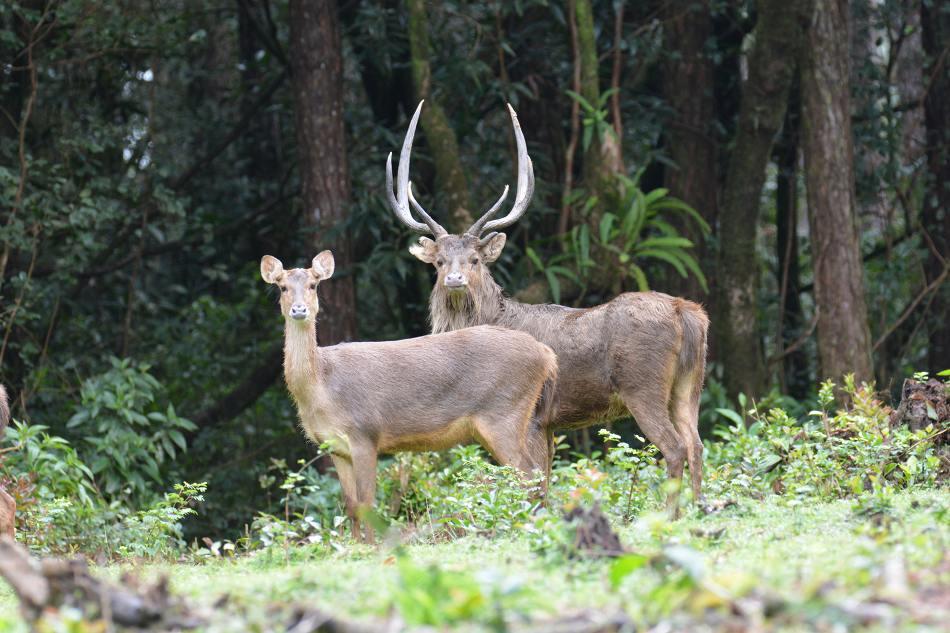
One of the main advantages of hunting in Mauritius is how easily species can be combined within a short trip. Most hunts are built around rusa deer hunting in Mauritius, with wild boar added either as a primary target or as an additional opportunity. The two species often share similar ground, which makes it practical to pursue both without changing the overall structure of the hunt.
It’s common to encounter both species during the same outing, glassing for deer and picking up movement from boar in thicker cover, or shifting focus depending on what presents first. That flexibility is part of what makes these hunts efficient. For hunters, that makes a difference. Instead of committing to multiple trips, you can take quality animals and experience different styles of hunting within a few days. It’s a simple, efficient way to build a diverse trophy list without extending your time in the field.
One of the advantages of hunting in Mauritius is that the trip doesn’t have to revolve entirely around time in the field.
Because most hunting estates are located within a reasonable distance of the coast, it’s common for hunters to combine a few days of hunting with other activities. Deep sea fishing is the most popular option, with opportunities to target species like marlin, tuna, and dorado depending on the season. Hunters will split their time, spending mornings or full days hunting, and setting aside additional time for fishing or simply enjoying the island. Travel logistics are straightforward, so adding these elements doesn’t complicate the trip the way it often would in more remote safari destinations.
For hunters traveling with family or looking to turn a hunt into a broader experience, this is one of the things that sets Mauritius apart. You’re not limited to a single focus, you can build a trip that includes both hunting and time off the field without extending your schedule too much.
Pricing in Mauritius is straightforward compared to many international hunts.
Most trips are structured as short packages, typically running one to three days. These usually include daily rates along with trophy fees, making it easier to understand the total cost before you arrive. On most estates, pricing is clearly laid out ahead of time, so there’s very little guesswork once you’re on the ground. Because the hunts are shorter and logistics are simpler, overall costs tend to come in lower than a traditional African safari. You’re not paying for extended days in the field or large-scale operations, just focused hunting time.
Many hunters find that they can plan a complete trip, travel, accommodation, and hunting within a much tighter timeframe and budget than they initially expected.
For hunters traveling internationally, that makes Mauritius one of the more practical ways to plan a hunt without overcomplicating the process.
Wild boar can be hunted year-round in Mauritius, but conditions still influence how productive a hunt will be.
Movement is usually best in the early morning and late afternoon, especially in warmer weather when animals stay closer to cover during the middle of the day. On most hunts, you’ll notice activity pick up quickly as temperatures drop, with boar moving out of thicker cover to feed. Seasonal changes are less extreme than in mainland Africa or Europe, but cooler periods generally improve daytime activity. After light rain, in particular, fresh sign becomes easier to read, and movement can increase as animals begin feeding again.
In most hunts, success comes down to timing your efforts around movement and conditions rather than relying on a narrow seasonal window.
Wild boar hunting in Mauritius is best described as moderate. Physically, it’s manageable. You’re not covering extreme distances or dealing with harsh conditions, but terrain can still be uneven, and moving quietly through thicker areas takes some effort.
The real challenge is how quickly things happen. Boar don’t give you much time. They appear without warning, move fast, and often present only a short opportunity to take a shot. In many cases, you’ll hear them before you see them, and by the time they break cover, you’re already on the clock. That’s what makes it a good fit for a wide range of hunters, from those booking their first international trip to more experienced hunters looking for something efficient but still engaging.
Mauritius is one of the few destinations where you can combine hunting with a broader travel experience without needing a long itinerary or extended time off.
Many first-time wild boar hunters focus on size alone, but experienced hunters often pay just as much attention to age and character.
A mature boar typically carries heavier shoulders, a thicker shield over the front quarters, and more developed tusks than younger animals. While tusk length is important, the overall appearance of the animal often tells a much bigger story. Old boars frequently show signs of years spent fighting, feeding, and surviving in thick cover, which is part of what makes them appealing trophies.
Unlike some hunts where measurements dominate the conversation, wild boar trophies are often judged as much by maturity and character as by numbers. Worn tusks, scars, and a heavily built animal can be just as desirable as exceptional tusk length.
One of the advantages of hunting wild boar in Mauritius is that hunters are often able to see more than one animal before making a decision. That allows time to assess the boar properly rather than rushing the first opportunity that presents itself.
As with most hunting, the most memorable trophy is not always the largest one encountered. More often, it is the mature boar that was carefully selected and successfully hunted under challenging conditions.
Wild boar are tougher than they look, and shot placement matters more here than many hunters expect.
The vital area sits slightly lower and farther forward than on most antelope species, and heavy shoulder structure can limit penetration if shots are not placed correctly. Broadside shots just behind the shoulder are typically the most effective, while quartering angles require more consideration.
Because most opportunities happen quickly, it’s important to be comfortable with your setup and confident in where to hold before the moment arrives. For a more detailed look at anatomy and effective shot placement on species such as wild boar, see our shot placement for specialty game guide.
Wild boar can be hunted in a number of countries, but the experience in Mauritius is very different from what you’ll find in Europe or mainland Africa.
In much of Europe, wild boar hunting is built around driven hunts. Animals are pushed through dense cover toward waiting hunters, and shots are often taken quickly at moving targets. These hunts can be high-volume and fast-paced, but they rely heavily on timing, coordination, and the ability to shoot under pressure.
In parts of Africa, wild boar are usually taken more opportunistically, often as part of a broader plains game hunt. They’re not always the primary focus, and encounters can be less predictable depending on the area and overall hunting pressure.
Mauritius sits somewhere in between, but leans toward control and consistency. On most established estates, boar are actively managed and hunts are structured around known movement patterns. You’re not spending days trying to locate animals, you’re working areas where they are already being seen. That doesn’t make the hunt easy. It just makes it more efficient.
For hunters deciding where to go, it usually comes down to time and expectations. If you’re looking for a shorter, more controlled hunt with consistent opportunity, Mauritius makes sense. If you’re after tradition, volume, and a more dynamic style of hunting, Europe is often the better fit.
Eurasian wild boar are different from the feral hogs most U.S. hunters are familiar with.
They tend to carry heavier shoulders, longer snouts, and more developed tusks, and they often behave more cautiously in pressured environments. While feral hog hunting in places such as Texas in the United States can be high-volume and less structured, wild boar hunting internationally is usually more controlled and intentional.
That difference changes the pace of the hunt and the way opportunities present themselves.
If you’re looking for a simple, efficient international hunt, Mauritius is hard to beat.
It’s not trying to compete with a traditional African safari, and it doesn’t need to. What it offers is a shorter trip, consistent opportunity, and a setup that makes the most of your time in the field. For hunters who want to get in, hunt hard, and come home with a quality animal without a long schedule or complicated logistics, it’s one of the more practical options available.
It’s also a strong choice if you’re looking to combine species, try something different, or ease into international hunting without overcommitting.
How much does wild boar hunting cost in Mauritius?
Most wild boar hunts in Mauritius are structured as short packages lasting one to three days. Pricing usually includes daily rates and a trophy fee, making it easier to understand total costs upfront. Compared to longer African safaris, overall costs are generally lower due to the shorter duration and simpler logistics.
Can you hunt wild boar year-round in Mauritius?
Yes, wild boar can be hunted year-round in Mauritius. While hunting is available throughout the year, activity is typically best in the early morning and late afternoon when animals are moving between feeding and cover.
Is wild boar hunting in Mauritius free range?
Wild boar hunting in Mauritius takes place on private estates. These areas are managed for sustainable hunting, but animals move freely within them. The experience is more structured than hunting on large, unfenced concessions, but it still requires real hunting skill and awareness.
How long is a typical wild boar hunt in Mauritius?
Most wild boar hunts in Mauritius are completed within one to three days. This makes it a practical option for hunters looking for a shorter international trip without committing to a longer safari.
Can you combine wild boar and rusa deer hunting in Mauritius?
Yes, most hunting packages in Mauritius are built around rusa deer, with wild boar included as an additional opportunity or secondary target. The two species often share the same areas, making it easy to hunt both during the same trip.
What caliber should you use for wild boar?
Wild boar are tough animals, so calibers such as .270, .308, or .30-06 are commonly used. Shot placement is more important than caliber choice, especially when dealing with heavy shoulder structure.
Is wild boar hunting in Mauritius a good first international hunt?
Yes. The short duration, straightforward logistics, and consistent opportunities make Mauritius one of the easier places to plan and complete a first international hunting trip.
What’s the difference between wild boar and feral hogs?
Eurasian wild boar are generally more structured in how they are hunted and tend to be more cautious than feral hogs found in the U.S. They also have heavier shoulders and more developed tusks, which can affect both behavior and shot placement.
Search from our range of Hunts across various popular destinations in Africa.

Book Your Hunt