
Last Updated: May 2026
Most Cape buffalo hunts in Africa follow a fairly familiar pattern, both in terms of the hunting experience and what hunters expect to pay. But every now and then, a very different type of opportunity appears.
In Namibia, buffalo hunting on the Waterberg Plateau has developed a reputation of its own. Availability is limited, pricing is often significantly higher than standard buffalo hunting in Namibia, and the animals themselves are managed very differently from buffalo in more traditional wilderness systems.
For American and international sportsman exploring hunting in Namibia, the question is not simply whether these hunts are expensive, but why they are valued so differently in the first place. The answer comes down to geography, conservation history, disease-free genetics, and the way these buffalo are managed within a tightly controlled system.
[DYNAMIC-BLOGTABLEOFCONTENT]
What Is the Waterberg Plateau in Namibia and Why Does It Matter for Buffalo Hunting?
The Waterberg Plateau Park covers just over 400 square kilometers and is defined by its unique geography. The plateau rises sharply above the surrounding landscape, with steep escarpments and limited access points.
While not fenced in the traditional sense, this terrain creates a naturally contained environment. Combined with active wildlife management, buffalo populations on the plateau do not move freely across large ecosystems as they would in other parts of Africa.
This is an important distinction. In larger wilderness areas such as the Selous Game Reserve or the Zambezi Valley, buffalo range across vast, open systems. On Waterberg, the environment is more controlled, which influences both the hunting experience and the way these animals are managed.

Where Do Waterberg Buffalo Come From? (Origins and History Explained)
Buffalo on the Waterberg Plateau Park are not part of a naturally expanding, migratory population. Instead, they were introduced as part of a conservation initiative during the 1980s and early 1990s, with the aim of establishing a secure, disease-free breeding population in a controlled environment. These animals were translocated from other southern African populations, and over time the herd has developed under careful management, with limited outside influence.
Since their introduction, the population has grown steadily, with estimates varying over time depending on management decisions, removals, and monitoring methods. What remains consistent is that the herd is maintained within defined limits, rather than being allowed to expand unchecked.
The structure of the population, including age distribution, genetics, and overall condition, has developed differently from buffalo in fully wild systems, where natural movement, predation, and environmental pressures shape herds over much larger areas.
This managed origin is a key part of what makes these buffalo unique, and it continues to influence both their value and the way they are hunted today.
Why Disease-Free Buffalo in Namibia Are So Valuable
One of the most important factors is that buffalo from this area are disease-free, particularly in relation to foot-and-mouth disease.
In much of Southern Africa, buffalo carry diseases that restrict movement, breeding, and trade. A disease-free population changes that completely.
This means:
- Animals can be relocated to other properties
- They hold significant value for breeding programs
- Demand extends beyond hunting into the wider wildlife industry
This alone plays a major role in why hunts from this population are priced at a premium compared to most other buffalo hunts in Africa.

Why Waterberg Buffalo Hunts Are So Limited and Exclusive
Unlike large wilderness areas where buffalo populations move freely across vast regions, the herd on the Waterberg Plateau Park exists within a defined and carefully managed system.
This is not a case of abundance spread across thousands of square kilometers. The population is finite by design, actively monitored, and managed under strict conservation-driven quotas.
Buffalo were originally introduced to the plateau as part of a controlled conservation initiative, and that management approach remains in place today. Population numbers are maintained within specific limits to support long-term sustainability, habitat balance, and genetic integrity.
The disease-free status of these animals adds another layer of oversight. The high value of Waterberg buffalo within breeding and conservation programs means hunting and relocation decisions are made carefully and in limited numbers.
As a result, only a small number of animals become available for hunting during any given period, often tied to specific management requirements rather than commercial demand. Availability is therefore highly restricted, and hunts are rarely offered publicly or in large numbers.
This creates a very different kind of buffalo hunt, built around limited access and a carefully managed population.
How Big Are Waterberg Buffalo? (Horn Size and Expectations)
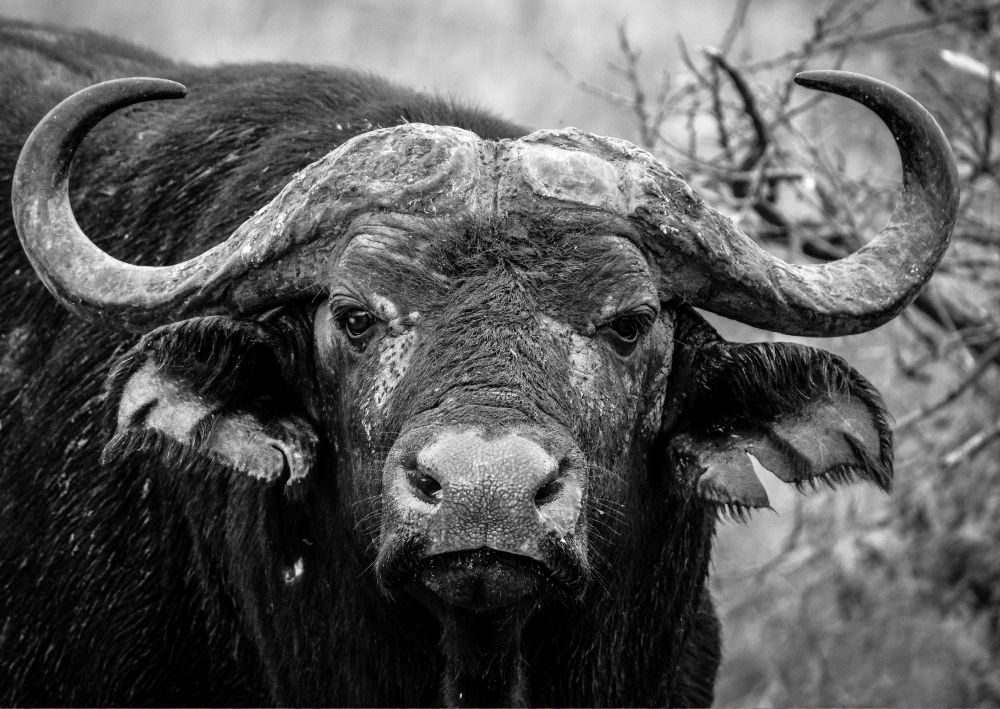
You will often hear claims about exceptional horn size from this region and while every buffalo hunt comes with uncertainty, there is no doubt that the Waterberg Plateau Park has produced some very impressive bulls over time.
Buffalo in this type of managed environment can benefit from consistent nutrition, lower overall pressure, and a more controlled age structure, all of which can contribute to strong horn development and heavy bosses.
While nothing in buffalo hunting is ever guaranteed, hunters can reasonably expect to encounter good, mature bulls, with the potential for above-average horn width in the right conditions. Exceptional animals do exist, but as anywhere in Africa, they remain the exception rather than the rule.
As always, the focus should be on taking a mature, hard-earned bull, with horn size being a bonus rather than the sole objective.
In practice, judging bulls in this type of environment often comes down as much to boss development and age as it does to horn width alone.
What to Expect When Hunting Buffalo on the Waterberg Plateau
The Waterberg Plateau Park offers a unique hunting environment, but the fundamentals of buffalo hunting remain unchanged.
Hunting is conducted on foot, tracking animals through rugged terrain, reading sign, and working the wind to close the distance. Encounters are often in thick bush and broken ground, requiring patience, discipline, and proper Cape buffalo shot placement, exactly what you would expect from serious dangerous game hunts in Africa.
In this type of terrain, encounters often happen at closer ranges than many hunters expect, particularly where visibility is limited in thicker bush
The plateau itself is expansive and naturally defined by steep escarpments, which limit movement in and out of the area. Buffalo are managed within this ecosystem rather than migrating across vast regions.
The emphasis is on tracking and engaging buffalo within a defined landscape, rather than moving across vast areas in search of opportunity.
The experience remains intense and hands-on, with close-range encounters and the same level of respect required for serious dangerous game safaris in Africa. The hunt itself remains authentic, but the environment is managed very differently from large wilderness systems.
This creates a more concentrated and purposeful hunting experience, while still delivering the challenge and authenticity that buffalo hunting is known for.
Plains Game Hunting Opportunities Around the Waterberg Plateau
While much of the focus is on buffalo, the surrounding areas of the Waterberg Plateau Park are also well known for high-quality plains game hunting.
Large privately managed ranches and conservancies around the plateau support a wide range of species, with opportunities for kudu hunts in Namibia, as well as eland, hartebeest, gemsbok, and other iconic plains game animals.
These areas are often expansive, with well-managed wildlife populations and a strong emphasis on sustainable use. In many cases, they provide a more traditional free-range hunting experience, with animals moving across large properties and varied terrain.
Combining buffalo with plains game can add significant value to the overall safari, particularly in terms of variety and time spent hunting different terrain.
It also offers the opportunity to pursue multiple species in a single trip, making full use of travel and logistics, particularly for international hunters.
If you’re considering adding plains game to your safari, explore our full guide to plains game hunts in Africa to understand species options, pricing structures, and what to expect.
What Most Hunters Misunderstand About Waterberg Buffalo
One of the most common misconceptions is that buffalo on the Waterberg Plateau Park can be evaluated in the same way as those found in large, open concession systems. The value of these animals is not based purely on the hunting experience, but on the combination of the genetics, disease-free status, and controlled population. Another common misunderstanding is related to horn size. Strong, mature bulls are certainly present, but truly exceptional animals remain rare, just as they do elsewhere in Africa.
Hunts like this are often misunderstood, particularly by hunters who are only familiar with larger wilderness areas. Hunters who understand how the system works usually enjoy the experience far more.

Who Should Consider a Waterberg Buffalo Hunt?
Buffalo hunting on the Waterberg Plateau Park is not a one-size-fits-all experience, and understanding whether it aligns with your expectations is an important part of the decision.
This type of hunt is particularly well suited to hunters who value access to a limited and highly controlled opportunity, where availability is restricted and not widely accessible. For those who appreciate exclusivity and the chance to hunt within a carefully managed population, this alone can be a major draw.
It also appeals to hunters who are focused on encountering good, mature bulls within a defined and consistent environment, rather than spending extended periods covering vast areas in search of opportunity. The structure of the plateau allows for a more concentrated hunting experience, where time is spent actively engaging with the hunt itself.
Namibia offers relatively straightforward travel logistics, good infrastructure, and a well-established hunting industry, making it an attractive option for international hunters who want to minimize complications without compromising on the quality of the experience.
At the same time, this type of hunt may be less suited to hunters who are specifically seeking the scale and unpredictability of large, free-ranging wilderness systems. In areas where buffalo move across vast, open landscapes, the experience often involves long tracking distances, changing conditions, and a higher degree of uncertainty.
For some, that unpredictability is a defining part of the appeal. Others prefer a more focused and controlled hunting experience like the one found on the Waterberg Plateau.
Ultimately, the right choice comes down to what you value most in a buffalo hunt: scale and unpredictability, or access and exclusivity within a unique system.
Can You Hunt Buffalo in Namibia Without Exporting the Trophy?
While much of the focus is on fully exportable trophy hunts, there are occasionally limited opportunities on the Waterberg Plateau Park for non-exportable, own-use buffalo. These hunts are typically made available in very small numbers and are not always widely advertised. Instead of focusing on exporting a trophy, the emphasis shifts toward the experience itself, tracking buffalo in a unique environment, spending time in the field, and taking home the memories rather than the horns.
This offers a more accessible way to experience buffalo hunting in the region, without the higher costs associated with exportable animals.
It’s important to note that the hunting experience itself remains largely the same, the same terrain, the same animals, and the same level of professionalism, but the end goal is different. For hunters who are less focused on record-book measurements and more interested in the hunt itself, this type of opportunity can be worth considering when available.
Are Waterberg Buffalo Hunts Worth It? Final Thoughts
Buffalo hunts in the Waterberg Plateau Park are not typical, and they are not meant to be. They are shaped by a unique combination of geography, conservation history, and strict management, resulting in a limited and highly controlled hunting opportunity.
Hunters looking for a classic wilderness buffalo hunt may still prefer areas like the Selous Game Reserve or the Zambezi Valley. But for others, particularly those seeking a rare, tightly managed opportunity with strong animal quality and limited availability, it represents something different.
And in a landscape where truly unique hunting opportunities are becoming harder to find, that difference is exactly what makes it appealing.
Frequently Asked Questions About Waterberg Buffalo Hunts
Why are Waterberg buffalo hunts so expensive?
Waterberg buffalo hunts are priced differently because the animals come from a tightly managed, disease-free population with significant value beyond hunting alone. These buffalo are important to breeding and conservation programs, and only a limited number become available for hunting. Restricted supply, controlled management, and strong demand all contribute to the higher pricing associated with this type of hunt.
Are Waterberg buffalo considered free range?
Waterberg buffalo exist within a naturally contained environment on the plateau rather than moving across massive open wilderness systems. The area is expansive and rugged, but the population is actively managed within defined boundaries. This creates a hunting experience that differs from traditional free-ranging buffalo areas like the Selous or Zambezi Valley, while still involving tracking and hunting buffalo on foot in challenging terrain.
Why are disease-free buffalo so valuable?
Disease-free buffalo are highly valued because they can legally be relocated, bred, and integrated into wildlife programs without the restrictions associated with foot-and-mouth disease. In Southern Africa, this creates demand far beyond hunting alone. Their value is tied not only to trophy quality, but also to genetics, breeding potential, and long-term conservation management.
Can you hunt buffalo in Namibia without exporting the trophy?
In some cases, limited own-use buffalo hunts may become available in Namibia without full trophy export. These opportunities are usually offered in very small numbers and are not always publicly advertised. The hunting experience itself remains largely the same, but the overall cost can be lower because the animal is not being sold as a fully exportable trophy buffalo.
Are Waterberg buffalo hunts worth it?
That depends entirely on what a hunter values most. Hunters looking for classic wilderness buffalo hunting across huge open systems may still prefer areas like the Selous or Zambezi Valley. Others are drawn to Waterberg because of its limited access, tightly managed population, strong bull quality, and unique conservation history. It offers a very different type of buffalo hunting experience from most traditional safari areas.
How big are Waterberg buffalo?
Waterberg has produced some impressive buffalo bulls over the years, particularly in terms of boss development and horn quality. Consistent nutrition, controlled population management, and lower pressure can contribute to strong trophy potential. As with any buffalo hunt, however, exceptional bulls remain rare, and no hunt can guarantee horn size.
Author
Pierre van Wyk is the co-founder of Game Hunting Safaris and has extensive experience hunting dangerous game across Africa, including buffalo and elephant hunts in Namibia, South Africa, Zimbabwe, and Mozambique. His work focuses on ethical hunting, conservation, and authentic African safari experiences.