
Last Updated: May 2026
When hunters from the United States begin planning their first safari to Africa, certain animals usually dominate the conversation. Names like kudu, buffalo, or sometimes even leopard often capture the imagination first.
Impala rarely appear at the top of the list for hunters researching impala hunts in Africa.
That is understandable. Many visiting hunters see impala very early in their safari. They may be grazing near the road, feeding in open bush, or standing calmly in herds across the landscape. To someone seeing Africa for the first time, they can almost appear too common to be a serious challenge. The reality of hunting impala is very different.
Impala are among the most alert animals in the African bush. Their survival depends on sharp eyesight, constant vigilance within the herd, and the ability to react instantly to danger.
A hunter may feel that everything about a stalk is going perfectly, only to watch the entire herd disappear within seconds.
Impala are widely hunted across Africa, with hunts in South Africa remaining especially popular among first-time safari hunters due to the high number of impala available across many hunting areas.
Professional hunters across Africa often say something that surprises first-time visitors. If a hunter learns to consistently stalk a mature impala ram successfully, that hunter will have learned many of the most important lessons about hunting in Africa.

[DYNAMIC-BLOGTABLEOFCONTENT]
Why Many American Hunters Compare Impala to Whitetail Deer
For many hunters experiencing plains game hunts in Africa for the first time, impala quickly become the animal that teaches them how different African hunting can be. The comparison most often made is with the whitetail deer.
There are some similarities. Impala are alert animals that rely heavily on their eyesight and their awareness of danger within the herd. Like whitetail deer, they often detect hunters long before the hunter realizes they have been spotted.
But in many ways impala can actually be more difficult to stalk. Their eyesight is excellent, their herds contain many animals constantly watching for danger, and once alarmed they can disappear across the bush in seconds.
For American hunters visiting Africa for the first time, impala often become the animal that teaches them how different African hunting can be.
The First Time You Try to Stalk an Impala
Many hunters who experience hunting impala in South Africa remember their first impala stalk very clearly.
At first the situation may seem almost too easy. A herd of impala may be feeding quietly in open bush. The wind is favorable and the animals appear relaxed.
The hunter and professional hunter begin closing the distance carefully, moving slowly and using terrain for cover. Everything appears to be going well. Then something small happens.
Perhaps a boot brushes against a dry twig. Maybe a slight movement catches the eye of an animal standing off to the side of the herd. Suddenly one impala lifts its head and releases a loud explosive snort.
Within seconds the entire herd explodes into motion. Animals scatter in every direction, bounding through the bush in powerful leaps.
The ram that stood perfectly broadside moments earlier is suddenly gone. For many hunters, this moment becomes their first real lesson about how quickly a stalk can fall apart in Africa.
The Famous Impala Alarm Snort
One of the most recognizable sounds in the African bush is the alarm snort of an impala.
When an impala senses danger it releases a sharp snorting call that can carry a surprising distance across the bush. That single sound alerts every impala within sight or hearing range.
Within seconds the entire herd reacts. Heads rise across the group as animals begin watching the bush carefully. If the threat continues the herd moves off quickly, often disappearing completely in a matter of moments. For hunters, that snort usually signals that the stalk has ended.
The Sentinel Ewe – The Real Guardian of the Herd
While hunters often focus on the ram they want to shoot, the real challenge usually comes from the ewes. Impala operate as a coordinated group when it comes to detecting danger. While some animals feed, others lift their heads regularly to scan the surroundings.
These animals act as sentinels. Very often these watchful animals are ewes.
This means a hunter attempting to stalk an impala ram is not trying to fool a single animal. Instead the hunter must avoid detection from dozens of eyes and ears scattered throughout the herd.
The ram a hunter wants to shoot may be relatively relaxed. The real problem is often the quiet ewe standing slightly apart, calmly watching everything. More often than not, she is the one who gives the alarm.
When an Impala Herd Explodes
One of the most impressive features of impala is the way they escape danger. When alarmed, impala rarely run away in a straight line. Instead, the herd often bursts apart in several directions at once.
Animals leap through the bush in powerful bounds, clearing obstacles and covering ground quickly. The movement is chaotic and confusing, which is exactly the point. Predators, and hunters, suddenly lose focus.
Instead of tracking a single animal, dozens of animals are suddenly moving in every direction. Within moments the herd disappears completely. Many hunters remember watching an impala ram through their scope one moment, only to see nothing but empty bush the next.
Why Old Impala Rams Often Stand Alone
Most people associate impala with large herds moving across the savannah. While this is true for many animals, mature rams often behave quite differently. As impala rams age, younger animals eventually push them out of breeding groups. Older rams frequently begin living alone or in small bachelor groups.
These animals may stand quietly under a tree or feed along the edge of thicker bush, watching their surroundings carefully. They are often older, more experienced, and far more cautious. For hunters, these solitary rams are often the most interesting animals to pursue.
The Mistake Many Hunters Make on Their First Impala
Because impala are so common, many hunters assume their first impala will be an easy animal to take.
In reality, that first shot often proves more difficult than expected. The shooting sticks go up, the rifle settles into position, and the ram stands broadside. Everything looks perfect. Then the trigger breaks. And somehow the impala disappears untouched.
Professional hunters see this moment regularly. Sometimes it is nerves, sometimes the hunter is still adjusting to shooting from sticks, and sometimes the animal simply moves at the wrong moment. Missing the first impala is surprisingly common. Fortunately, it often becomes one of the stories told around the campfire later that evening.
Why Impala Hunts Often Begin a Safari
Because impala are widely distributed across Africa, they are often one of the first animals hunted on safari.
They provide an opportunity for hunters to settle their nerves, become comfortable shooting from sticks, and learn how stalking works in African terrain. At the same time, impala quickly teach important lessons about patience, movement, and shot placement.
Those lessons become extremely valuable later in the safari.

Advice for Parents Introducing Young Hunters to Africa
Many parents bringing their children to Africa assume an impala is the perfect first animal. In practice this is not always the easiest introduction to hunting on the continent. Impala are alert animals with relatively small vital areas. When excitement and pressure are added to the moment, young hunters can find the shot more difficult than expected.
Sometimes beginning with a slightly larger animal, such as on a blue wildebeest hunt, can actually be a better choice.
A larger target area combined with a heavier caliber rifle often produces a more forgiving shot and a clearer blood trail if the animal runs. For a young hunter gaining confidence, recovering the animal quickly is far more important than the species itself.
After that first success there will still be plenty of time to hunt impala.
Why Leg Shots Can Turn Into Long Tracking Hunts
One reality of impala hunting is that poorly placed shots can lead to difficult tracking situations. An impala hit in the leg may leave surprisingly little blood, especially once it begins moving through grass or thicker bush. Without experienced trackers following the spoor, such an animal can quickly become difficult to locate.
For young hunters especially, losing a first animal can be discouraging. Professional hunters therefore place great emphasis on patience and careful shot placement before pulling the trigger. Tracking wounded game is part of the responsibility that comes with hunting, but the goal is always to recover the animal quickly and ethically.
How Professional Hunters Identify a Good Ram
When scanning impala at a distance, many hunters immediately focus on horn length. Experienced professional hunters often look at the body first.
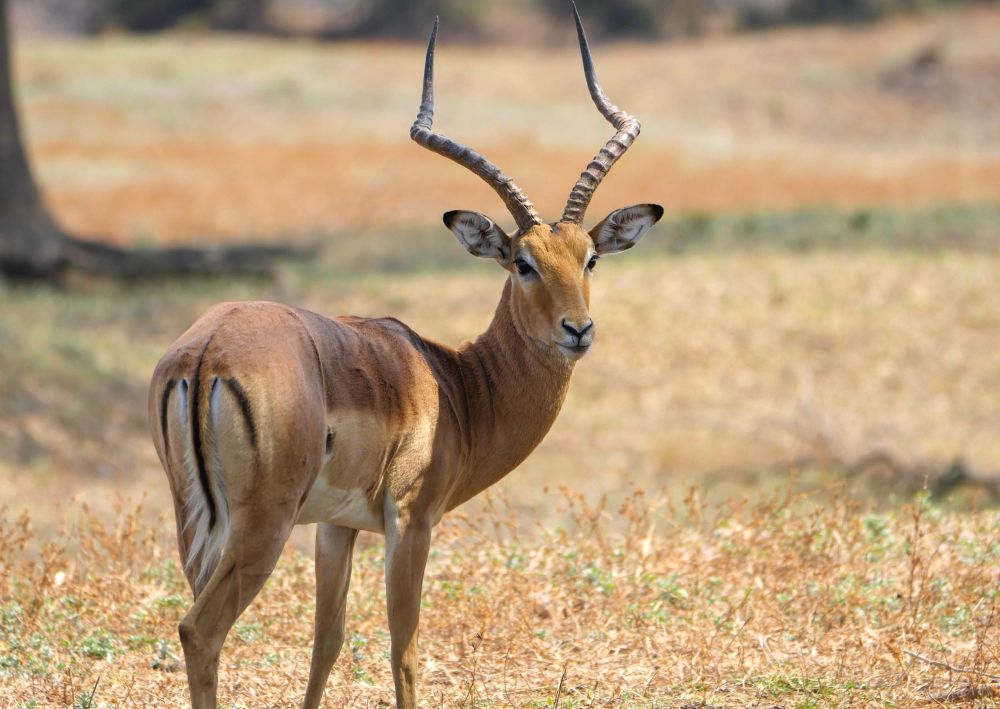
Mature rams usually have thicker necks, heavier shoulders, and deeper chests than younger animals. Years of fighting during the rut often give them a heavier and slightly worn appearance. This body shape often reveals a good ram long before the horns can be judged clearly.

Impala Hunting and the Complication of Color Variants
In parts of Southern Africa, impala hunting has become more complicated in recent years due to the growing number of color variants being bred. Animals such as black impala, white impala, and saddleback impala may appear on certain properties and sometimes carry higher prices.
At first light or late in the evening, when many hunts take place, these animals can occasionally be difficult to distinguish from common impala at a distance. Professional hunters therefore take extra care before allowing a shot to ensure the correct animal has been identified.
For hunters visiting Africa, however, the traditional common impala remains the classic safari animal.
Shot Placement for Impala
Although impala are smaller than many African antelope, proper shot placement for medium antelope is essential for a quick and ethical recovery.
The most effective shot is usually a broadside heart-lung shot placed just behind the shoulder. This allows the bullet to pass through the vital organs and typically results in a short recovery distance.
Because impala are alert animals that may move quickly, hunters should always wait for a calm broadside position rather than rushing the shot.
A well-placed shot ensures a quick and ethical recovery.
Impala Meat – One of Africa’s Best Table Fare Animals
Beyond the hunting experience, impala are widely regarded as one of Africa’s best table fare animals. The meat is tender, flavorful, and commonly used in traditional African dishes. Many hunting camps prepare impala in stews, potjies, or dried meats such as biltong.
Sharing a meal from a successful hunt often becomes one of the most enjoyable moments of the safari.
A Hunt Hunters Never Forget
For many hunters visiting Africa, impala become one of the animals they remember most clearly. The stalks that almost worked, the alarm snort that ruined a perfect approach, and the herd disappearing across the bush all become part of the experience.
Many hunters arrive dreaming about larger animals. Yet years later, it is often the memory of a cautious impala ram standing quietly in the bush that remains most vivid.
For hunters planning their first safari, Impala Hunts remain one of the best ways to experience African plains game hunting while developing the stalking and shooting skills that carry over to larger species.
The Campfire Truth About Impala Hunts
When hunters gather around the fire at the end of the day, stories rarely begin with perfectly executed hunts.
More often they involve the stalk that almost worked, the ram that disappeared at the last moment, or the herd that vanished just as the rifle came onto the sticks. Impala have a way of humbling even experienced hunters. And that is often exactly why people remember them.
Impala Hunting FAQs
Are impala good for first-time African hunters?
Yes. Impala are one of the most popular plains game animals for first-time safari hunters because they are widely available, highly alert, and provide an excellent introduction to African hunting conditions.
Why are impala difficult to hunt?
Although impala are common throughout much of Africa, they are extremely alert animals with excellent eyesight and strong herd awareness. Many hunters underestimate how quickly impala detect movement or react to danger.
What caliber is best for impala hunting?
Popular plains game calibers such as the .243 Winchester, .270 Winchester, .308 Winchester, and .30-06 Springfield are commonly used for impala hunting when combined with proper shot placement.
How much does an impala hunt in South Africa cost?
The cost of an impala hunt in South Africa varies depending on the hunting area, outfitter, safari length, and whether the hunt is part of a larger plains game package.
Where are impala commonly hunted in Africa?
Impala are widely hunted across Southern and Eastern Africa, particularly in South Africa, Namibia, Zimbabwe, Mozambique, Tanzania, and Zambia.
Author Bio
Pierre van Wyk has spent many years hunting and guiding across Africa. Together with his family, Pierre has pursued plains game and dangerous game throughout Southern and Central Africa. Introducing young hunters to African hunting has been one of the most rewarding parts of those experiences, and impala hunts have provided many memorable lessons along the way. For the van Wyk family, these hunts remain an important part of their African hunting memories.