
Updated: May 2026
South Africa is one of the most talked-about hunting destinations in the world. For hunters from the United States and Canada, hunting in South Africa is often the first African safari they seriously consider, and frequently the first one they ultimately experience.
That popularity isn’t accidental. South Africa is simply easier to get right than most African destinations, especially if it’s your first trip. The infrastructure works, the hunting industry is mature, and there’s an enormous range of species and hunting styles to choose from.
But popularity also creates confusion.
South Africa can be an outstanding place to hunt, or a disappointing one depending on what you expect, what you value, and how well you understand the realities on the ground. We’ve seen hunters arrive with expectations shaped by marketing, and leave wishing they’d chosen differently. That outcome is usually avoidable.
This isn’t written to sell you on South Africa. It’s written to help you decide, honestly whether hunting in South Africa makes sense for you.

[DYNAMIC-BLOGTABLEOFCONTENT]
Who This Guide Is Meant For
This guide is for hunters from the U.S. or Canada who are seriously considering an African hunt and want straight answers before committing time and money.
It’s especially useful if:
- This would be your first African hunt
- You’re comparing South Africa to other African countries
- You’re unsure about ethics, safety, or long-term value
- You want fewer surprises once you arrive
It’s not written for:
- Hunters already committed to South Africa who just want reassurance
- Hunters chasing the cheapest possible option
- Anyone looking for marketing promises instead of honest trade-offs
If you’re looking for someone to tell you South Africa is perfect for everyone, this guide isn’t trying to do that.
Is South Africa a Good Place to Hunt?
Yes. For the right hunter.
South Africa is often the most practical African hunting destination, not necessarily the most remote or traditional. What it does offer exceptionally well is variety. Few countries can match the combination of accessible infrastructure, diverse terrain, and the sheer number of huntable species available during a single safari.
For American and international hunters, South Africa is also one of the best introductions to plains game hunting safaris.
South Africa’s flexibility is part of its appeal. A hunter can focus on classic plains game, dangerous game such as Cape buffalo, or build a mixed safari tailored around trophy quality, terrain, or specific species goals, often without needing to move camps or cross borders.
Where South Africa can feel different from countries like Tanzania or Zimbabwe is in atmosphere. It is generally more structured, more accessible, and less wilderness-driven. For some hunters, that is a major advantage. For others seeking isolation and vast unfenced concessions, another destination may feel closer to the classic safari image they have in mind.
It does a few things very well:
- Variety
- Efficiency
- Accessibility
- Teaching people how African hunting actually works
Where it can fall short is:
- Scale of wilderness
- Consistency of experience
- A single, traditional “classic safari” feel
South Africa isn’t a watered-down version of Africa. It’s a different version — and whether that suits you matters.
What South Africa Does Better Than Most African Hunting Destination
Accessibility and Infrastructure
South Africa is easy to move around in. Airports work. Roads work. Hunting regions are established and familiar with visiting hunters. That may not sound exciting, but on a first trip it removes a lot of stress.
Firearm and Travel Logistics
South Africa has been dealing with international hunters for decades. Paperwork exists, but the process is known and predictable when handled properly. Fewer surprises means more time hunting.
Species Variety
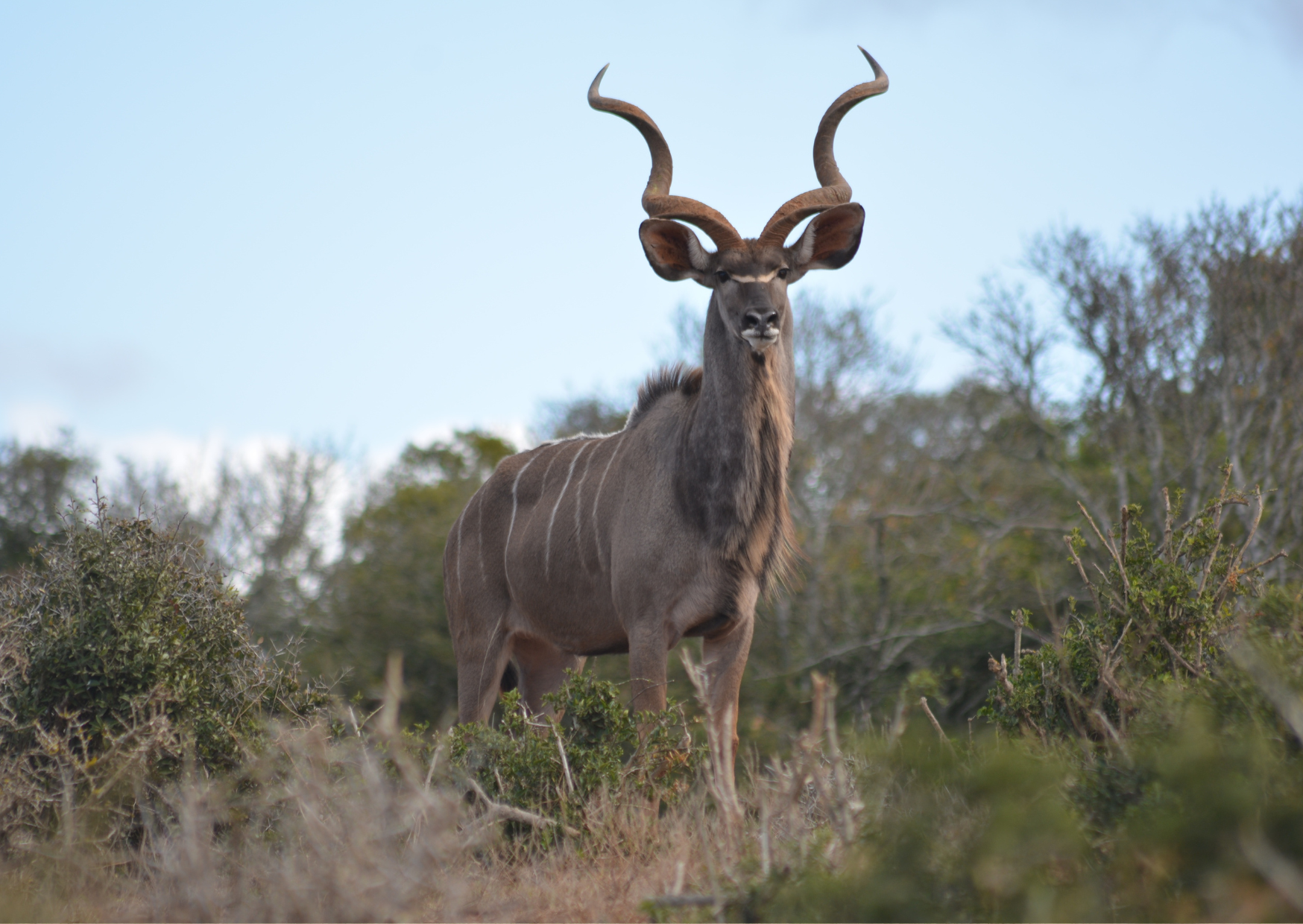
Very few countries offer South Africa’s sheer range of huntable species, especially for plains game hunting safaris. Hunters regularly travel to South Africa for kudu hunts, springbok hunts, and gemsbok hunts, while species such as impala, warthog, zebra, and wildebeest can often be added during the same safari without changing camps, borders, or seasons.

A Strong Learning Environment
South Africa is one of the best places to learn African tracking, shot placement on unfamiliar animals, safari pacing, and camp routines. Hunters preparing for their first safari often spend time studying African hunting shot placement guides before arriving, particularly when pursuing unfamiliar plains game species.
Family and Non-Hunter Friendly
South Africa remains one of the most practical African destinations if you’re bringing family or non-hunting companions. Comfort and activities are easier to arrange without compromising the hunt.
Where South Africa Can Disappoint
Not All Hunting Is Equal
The quality of the hunt depends heavily on the property and the outfitter. South Africa has excellent operations — and some that cut corners. The country itself doesn’t guarantee quality. Decisions do.
Fenced vs Free-Range Reality
Much of South African hunting takes place on fenced land. That doesn’t automatically make it unethical, but it does change the experience. Fence size, terrain, and management matter more than labels.
If endless, unfenced wilderness is non-negotiable for you, South Africa may not be the best fit.
Ethical Variation
Standards vary widely. This is where people get it wrong, and where good advice actually matters. South Africa rewards informed hunters and punishes careless ones.
Dangerous Game Expectations
Dangerous game hunts exist in South Africa, particularly for hunters interested in Cape buffalo safaris without the scale, cost, or remoteness associated with some other African destinations.
For international hunters, buffalo hunting in South Africa offers a more accessible introduction to dangerous game hunting while still delivering an authentic and challenging safari experience.

South Africa Compared to Other African Hunting Destinations
South Africa vs Namibia
South Africa offers greater species variety, flexibility, and accessibility, while hunters interested in larger open landscapes and a stronger wilderness atmosphere often compare it with hunting in Namibia.
South Africa vs Zimbabwe
South Africa excels in logistics, comfort, and plains game flexibility, while hunting in Zimbabwe remains closely associated with traditional dangerous game safaris and classic safari heritage.
South Africa vs Tanzania
South Africa is generally more accessible and cost-efficient for international hunters, while hunting in Tanzania offers some of Africa’s most iconic wilderness experiences at a significantly higher price point.
Cost Reality: Cheap or Simply Efficient?
“Cheap” isn’t the right word. Efficient is closer.
South Africa often costs less because infrastructure is strong, travel distances are shorter, operations are streamlined, and competition is high.
That said, South Africa isn’t as inexpensive as it once was.
As international demand has grown and trophy expectations have increased, pricing, particularly for sought-after plains game and top-end trophies has moved with it. In some areas, fees are increasingly influenced by trophy quality and measurement rather than species alone.
A strong U.S. dollar can soften the impact in the short term, but it also fuels demand, which pushes prices higher. The market today feels more professional and sometimes more expensive than it did a decade ago.
For hunters, this simply reinforces the importance of clarity: knowing what you’re paying for, what actually matters to you, and where real value still exists beyond headline trophy numbers.
Safety, Conservation, and Perspective
Hunting areas in South Africa are generally professional and well managed. Risks exist, as they do anywhere, but they’re usually predictable and manageable with basic awareness and planning.
Hunting contributes meaningfully to conservation in many regions, though outcomes vary by property and management approach. Simple narratives, positive or negative rarely tell the full story.
Permits, Timelines, and Why Planning Ahead Matters
Some hunts, particularly those involving specialty or highly regulated species, require permits issued by provincial nature conservation authorities. These processes don’t always move on hunter timelines.
In most cases, permits are issued without issue, but delays can happen, especially during busy seasons or when additional approvals are required. This isn’t unusual, and it’s rarely a reflection of the outfitter or the hunt itself.
We’ve seen permits come through smoothly, and we’ve seen them take longer than expected. Planning time into the process avoids stress and disappointment.
Hunters considering South Africa, especially for specialty animals, are better served by booking several months in advance.
South Africa’s Political Climate: What Hunters Should Understand
South Africa’s political landscape is often discussed in dramatic terms, especially in international media, and if headlines were always accurate, half the world would be uninhabitable by now.
Most hunters eventually ask the same question: does politics affect the hunt?
Hunting in South Africa operates within a long-established private land system. Most hunts take place on privately owned or conservancy-managed land, and outfitters and professional hunters operate independently of day-to-day political debates.
Land reform discussions make headlines from time to time, but they’ve had little direct impact on responsible hunting operations serving international hunters. Hunting areas aren’t political flashpoints, and on the ground, hunts run on schedules, not slogans.
The fundamentals that shape hunting in South Africa have been in place for decades, and they tend to change far more slowly than headlines suggest.
A Final Reality Check: Is South Africa Right for You?
South Africa usually makes sense if:
- This is your first African hunt
- You value variety and learning
- You want predictable logistics
- You’re travelling with family or non-hunters
- Flexibility matters more than remoteness
You may want to look elsewhere if:
- Vast wilderness is your top priority
- You want a single, traditional dangerous-game focus
- You already have African hunting experience
- Isolation matters more than convenience
Once you’re clear on what South Africa offers, and what it doesn’t, the right decision usually becomes obvious. Neither choice is wrong, but clarity matters.
Frequently Asked Questions About Hunting in Sounth Africa
Is South Africa a good first African hunting destination?
For many hunters from the U.S. and Canada, South Africa is one of the easiest and most practical introductions to African hunting safaris. The infrastructure is well developed, travel logistics are generally predictable, and the wide range of plains game species allows hunters to experience multiple African animals during a single safari.
Is all hunting in South Africa conducted behind fences?
No, but fenced properties are common throughout South Africa. The quality of the hunting experience depends far more on property size, habitat, management practices, and hunting pressure than simply whether a fence exists. Some South African hunting concessions cover enormous areas and provide highly authentic fair-chase hunting experiences.
Is South Africa better for plains game or dangerous game hunting?
South Africa is widely regarded as one of Africa’s best plains game hunting destinations due to its species diversity, infrastructure, and flexibility. Dangerous game hunting safaris are also available, including Cape buffalo hunts, but hunters seeking vast wilderness dangerous-game experiences often compare South Africa with countries such as Zimbabwe or Tanzania.
How expensive is hunting in South Africa compared to other African countries?
South Africa is often more cost-efficient than many other African hunting destinations because travel logistics, road infrastructure, and safari operations are generally easier to manage. However, premium trophy animals, specialty species, and high-end safari properties can still become expensive, particularly when pursuing exceptional trophy quality.
Is South Africa safe for American and Canadian hunters?
Most professional hunting areas in South Africa are well established, professionally operated, and accustomed to hosting international hunters. As with travel anywhere in the world, basic awareness and sensible planning remain important, but most hunters find the overall safari experience predictable and manageable.
Can non-hunters or family members accompany a safari in South Africa?
Yes. South Africa is often one of the best African destinations for hunters traveling with spouses, families, or non-hunting companions. Many safari lodges offer comfortable accommodations, sightseeing opportunities, photographic activities, and tourism options alongside the hunting safari itself.
How important is choosing the right outfitter in South Africa?
Choosing the right outfitter is one of the most important decisions a hunter can make. South Africa has exceptional operators and properties, but standards vary significantly between safari operations. Research, references, property size, hunting style, and honest communication matter far more than marketing alone.
What animals are most commonly hunted in South Africa?
South Africa is best known for its exceptional plains game hunting opportunities, with hunters regularly pursuing species such as kudu, impala, wildebeest, gemsbok, zebra, nyala, warthog, and springbok during a single safari. This variety is one of the reasons South Africa remains one of Africa’s most popular plains game hunting safari destinations for international hunters.
Some regions also offer dangerous game hunting safaris involving Cape buffalo, while crocodile hunts have become increasingly popular among many European hunters seeking a more specialised African safari experience. Depending on the province and outfitter, hunters can combine plains game and dangerous game species during the same trip.
About the Authors
This guide was written jointly by Pierre and Tamlyn, based on years spent hunting across South Africa for cape buffalo and plains game.
Everything here comes from time on the ground, good hunts, average ones, and a few that didn’t live up to expectations. That experience shapes how they view South Africa, both its strengths and its limits, and why this guide focuses on helping hunters make the right decision rather than the popular one.