Designed by Hunters, for Hunters

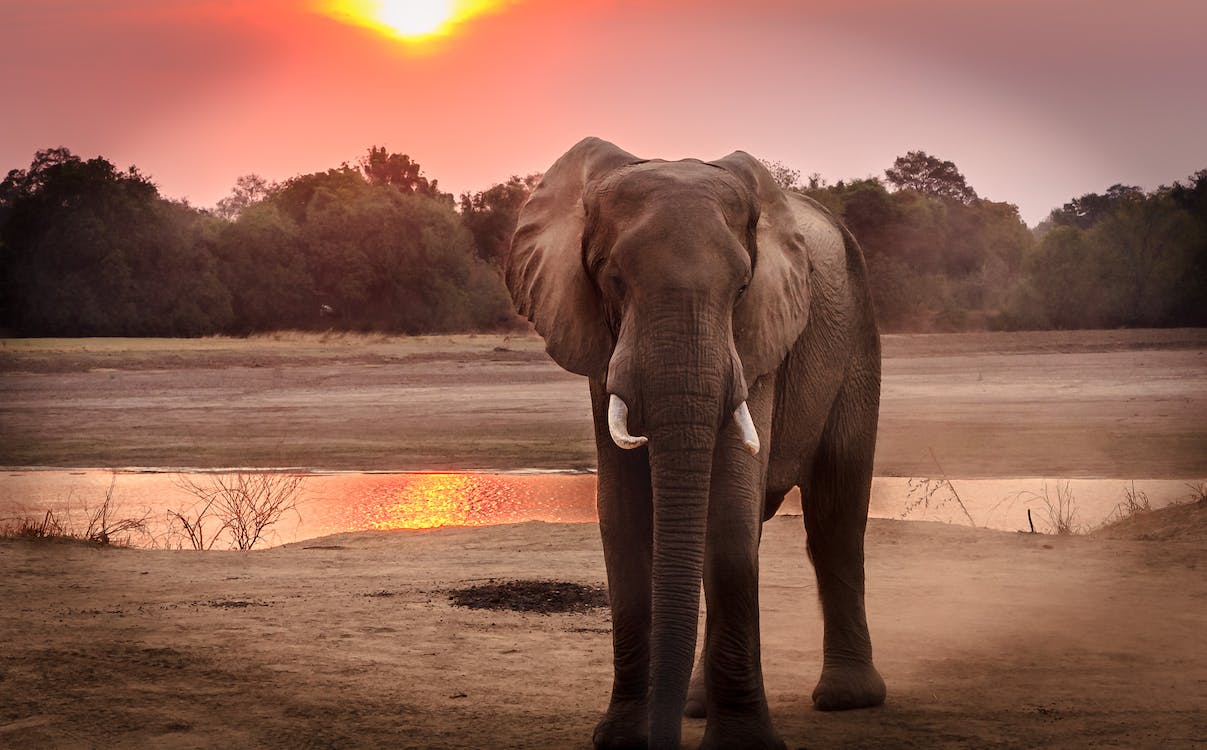
Mozambique Doesn’t Come Up First, But It Should. Elephant hunting in Mozambique is often overlooked by hunters planning an African safari.That’s a mistake.
While countries like Tanzania and Namibia dominate the conversation, Mozambique remains one of the few places where elephant hunting still feels like a true safari experience. This is not a controlled, permit-driven system like South Africa. It is a concession-based, quota-driven model built around large, unfenced areas where elephants move naturally across vast landscapes.
That freedom of movement shapes the hunt. Elephant numbers and bull movement can change with water, vegetation and seasonal conditions, making current knowledge of the hunting area just as important as the quota itself.
If you’re starting your research, it’s worth understanding how elephant hunts in Africa are structured before choosing a destination. See our guide to elephant hunts in Africa
Elephant hunting in Mozambique operates under a national quota system, with allocations distributed across designated hunting concessions.
These concessions are large, often remote areas managed by outfitters under government oversight. Each area is allocated a limited number of elephant permits annually, and hunts are conducted within those quotas.
Unlike South Africa, where hunting opportunities are tied to specific management situations, Mozambique follows a more traditional safari structure. Hunts are planned in advance, and availability is built into the system through annual quota allocation.
That said, not all concessions deliver the same experience.
The quality of a hunt is shaped by the specific area itself, the operator managing it, and the level of pressure placed on elephant populations over time. These factors influence everything from encounter rates to the overall character of the safari.
This is not a plug-and-play destination. Choosing the right concession is one of the most important decisions you will make, and it ultimately determines how the hunt unfolds.
Not all elephant hunting areas in Mozambique deliver the same experience.
Two concessions can look identical on paper, but produce completely different results in the field. The key factors that separate a strong concession from an average one are hunting pressure, anti-poaching presence, and how well the area is managed year-round.
In well-run concessions, elephant populations are stable, movement patterns are predictable, and hunting is controlled to maintain long-term quality. In weaker areas, pressure from poaching, poor management, or inconsistent operator presence can result in lower success rates and unpredictable hunting conditions.
This is why choosing the right operator matters more in Mozambique than in more structured destinations. The concession is not just a location, it determines the entire outcome of your hunt.
Mozambique offers several key regions known for elephant hunting, each with its own characteristics.
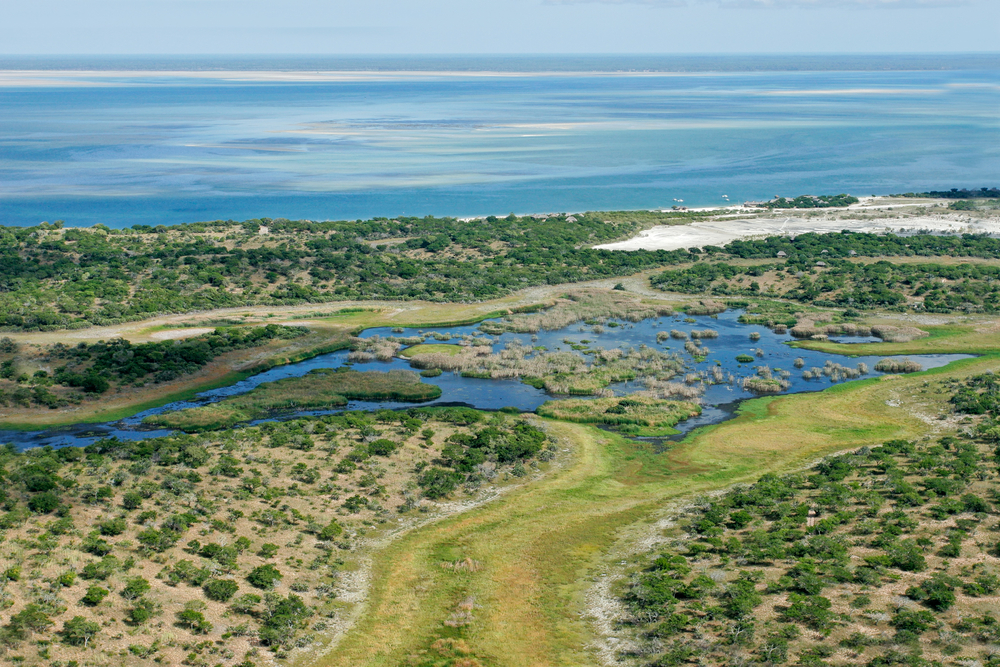
The Niassa Reserve in northern Mozambique is one of the largest and most remote hunting areas in Africa, known for its wild, unfenced terrain and free-ranging elephant populations.
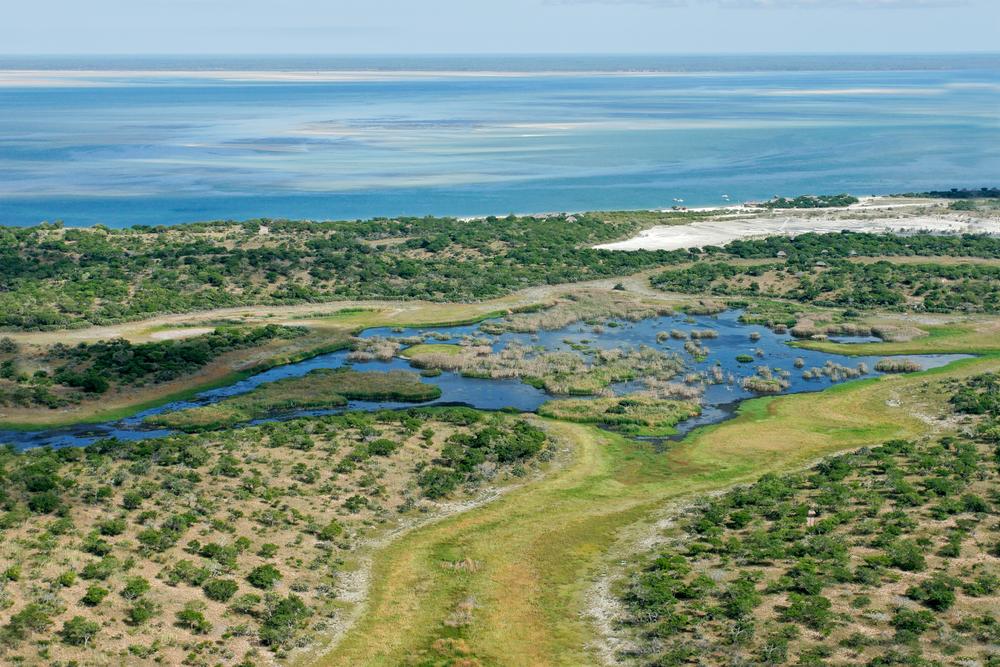
The Zambezi Delta region provides a completely different environment, with thick vegetation, river systems, and strong populations of both elephant and buffalo.
Coutadas, or designated hunting blocks, are spread across the country and vary widely in quality, management, and hunting pressure. What makes Mozambique unique is the scale and openness of these areas.
Elephants move freely across borders with neighboring countries like Zimbabwe and South Africa, creating a truly wild hunting environment rather than a confined system.
For a broader breakdown of hunting areas and what each region offers, see our guide to hunting in Mozambique.
Elephant movement in Mozambique is one of the defining factors that shapes the hunting experience. Elephants here move freely across vast landscapes, often crossing between Zimbabwe, South Africa, and surrounding regions depending on seasonal conditions and pressure within different areas.
Their movement is influenced primarily by water availability, food sources, and changes in weather patterns. At certain times of the year, elephants concentrate around river systems and floodplains, particularly in areas like the Zambezi Delta. At other times, they disperse across large concession areas, making them far less predictable and more difficult to locate.
This constant movement is what gives elephant hunting in Mozambique its character.
There are no fixed patterns to rely on, and no guarantees of where animals will be found on any given day. Each hunt depends on fresh tracks, recent activity, and the ability of the hunting team to read conditions and adapt as they change. This unpredictability is exactly what sets Mozambique apart. It is not a managed or scripted experience, but one shaped by natural movement, changing conditions, and the realities of hunting in open, unfenced country.
Elephant hunting in Mozambique offers real opportunity, but it is not without risk.
Logistics can be one of the biggest challenges. Remote concessions often require multiple transfers, charter flights, and long travel days to reach camp. Equipment delays, weather, and transport issues can all affect timing and planning. In the field, elephant movement is not controlled. Hunts depend on fresh tracks, weather conditions, and the ability of the tracking team to stay with animals over long distances.
There is no guarantee of easy encounters.
Administrative factors can also play a role. Permits, documentation, and export processes must be handled correctly, and mistakes in these areas can create complications after the hunt.
None of these are reasons to avoid Mozambique, but they are realities that need to be understood before booking.
The cost of elephant hunting in Mozambique varies significantly depending on the concession, the operator, and how the safari is structured. Hunters can expect total costs to fall within a broad range, typically between $40,000 and $70,000, although this can shift depending on the area and the level of exclusivity involved.
Unlike more standardized destinations, pricing in Mozambique is shaped by a number of moving factors. The size and quality of the concession play a major role, as do the duration of the safari, the way trophy fees and licenses are structured, and the logistical realities of operating in remote areas.
Some hunts are offered as all-inclusive packages, while others are built around daily rates with separate trophy fees. Understanding exactly what is included is important, as two hunts that appear similar on paper can differ significantly once all costs are accounted for.
The key point is that Mozambique is not a uniform market. Pricing reflects the variability of the country itself, and clarity upfront is essential before making a decision. Hunters comparing Mozambique with other destinations can use our African Hunting Safari Prices guide for a broader look at daily rates, trophy fees and the additional costs involved in planning a safari.
Elephant hunting in Mozambique is physically demanding and built around traditional tracking in open country. Most days begin by cutting fresh tracks and following them on foot, often covering several miles through varied terrain. Conditions can be hot, humid, and unpredictable depending on the region and time of year, and progress is dictated entirely by the movement of the animals.
This is not a lodge-based experience where opportunities are controlled or scheduled. Hunting takes place in real time, shaped by tracks, wind, and the ability of the team to stay with elephants over long distances.
Camps are typically remote and functional, designed around the hunt rather than comfort. The focus is on mobility, patience, and adapting to changing conditions rather than waiting in fixed locations.
For hunters looking for a classic dangerous game safari, this is where Mozambique stands apart. The experience is grounded in tracking, effort, and the reality of hunting animals that move freely across large, unfenced landscapes.
Serious hunters care about this more than anything. Success in elephant hunting in Mozambique depends heavily on the concession, the operator, and the conditions during your safari.
In well-managed areas with experienced teams, hunters can expect solid opportunities over the course of a full safari. However, this is not a high-volume, guaranteed environment. Tracking conditions, weather, and elephant movement all influence the outcome, and some days may involve long hours of following tracks without a shot opportunity.
The key difference compared to more structured destinations is that success is earned through the process. This is exactly what makes Mozambique appealing to international hunters.
Mozambique sits in a unique position compared to other elephant hunting destinations in Africa.
In Namibia, elephant hunting is highly structured and conservation-driven, often taking place within communal conservancies under strict quota systems. In Tanzania, elephant hunting is considered a premium experience, with large concessions, long safari durations, and some of the highest costs on the continent.
South Africa operates differently, with elephant hunting tied to permits and management situations rather than a quota-based safari system. Mozambique falls somewhere in between. It offers a more accessible alternative to Tanzania, with a similar sense of scale and wilderness, but without the same level of standardization found in Namibia.
That flexibility creates opportunity, but it also means that choosing the right operator is critical.
For those traveling from the United States, Mozambique can be an excellent elephant hunting destination, but it requires proper planning.
The system allows for advance booking through quotas, which makes it more predictable than permit-based destinations. However, logistics can be more complex, particularly in remote areas where access and infrastructure vary. There are also considerations around export regulations, documentation, and timing, all of which need to be handled correctly to avoid complications.
Mozambique offers a traditional, track-based elephant safari in wild country, with the hunt shaped by movement, tracking and conditions on the ground.
Elephant hunting in Mozambique is not the right fit for every hunter, and understanding that upfront is important.
Hunters who prefer highly structured safaris, fixed schedules, and predictable outcomes often find better alignment in countries where systems are more standardized and controlled. Mozambique operates differently, and that difference defines the experience.
This is a destination better suited to hunters who value space, movement, and the realities of hunting in open country. Large, unfenced concessions, traditional tracking on foot, and conditions that change from day to day are all part of what makes the experience what it is.
There is no fixed formula to follow. Each hunt unfolds based on animal movement, weather, and the ability of the hunting team to adapt in real time. That requires patience, physical effort, and a willingness to accept uncertainty as part of the process.
Mozambique offers something that is becoming increasingly rare: an elephant hunt that still feels authentic, unscripted and grounded in the fundamentals of the hunt itself.
While elephant hunting is often the primary focus, Mozambique also offers excellent plains game hunting opportunities within many concessions.
Species such as sable, kudu, waterbuck, and bushbuck are commonly found in these areas, often in low-pressure environments that differ significantly from more commercial hunting regions.
Combining elephant hunting with additional species can add considerable value to a Mozambique dangerous game safari. See our guide to Plains Game Hunts.
Hunters considering elephant alongside the country’s other dangerous and plains game opportunities can explore our guide to Big Game Hunting in Mozambique.
Elephant hunting in Mozambique remains one of the few experiences in Africa that still reflects what a true safari is meant to be. It is not the most structured option, and it is not the most predictable. But that is exactly where its value lies.
For hunters willing to invest the time in choosing the right concession and the right operator, Mozambique offers something increasingly difficult to find, scale, freedom of movement, and hunting conditions shaped by the land rather than controlled systems. If your goal is certainty, structure, and fixed outcomes, there are other destinations that will suit you better.
If your goal is a real elephant safari, where the experience is earned and not managed, Mozambique stands apart. Hunters considering Mozambique can compare current African Hunting Trips to see available elephant safaris, hunting areas and other species that can be combined within the same trip.
Search from our range of Hunts across various popular destinations in Africa.

Book Your Hunt