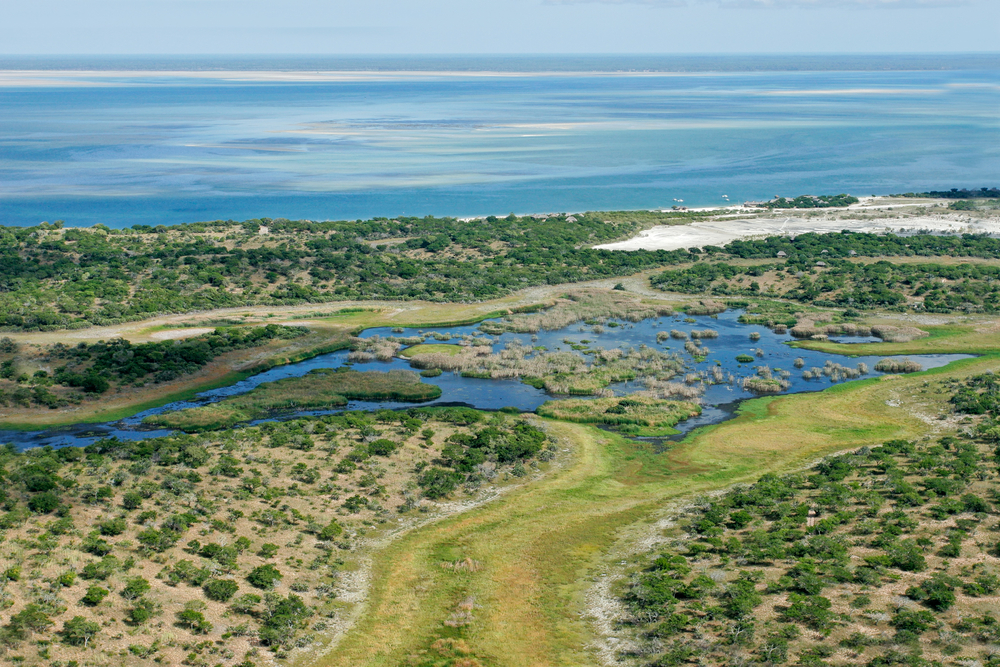
Lake Cahora Bassa: Mozambique’s Wild Water Hunt
Booking Season: 2026
Hunt Difficulty: Difficult

Mozambique offers some of Africa's most interesting hippo hunting, with large river systems, remote hunting areas and healthy populations creating opportunities for hunters specifically looking for a mature bull. The Zambezi River and Lake Cahora Bassa are particularly well known, although hippo are hunted in several parts of the country where suitable water and hunting quota are available.
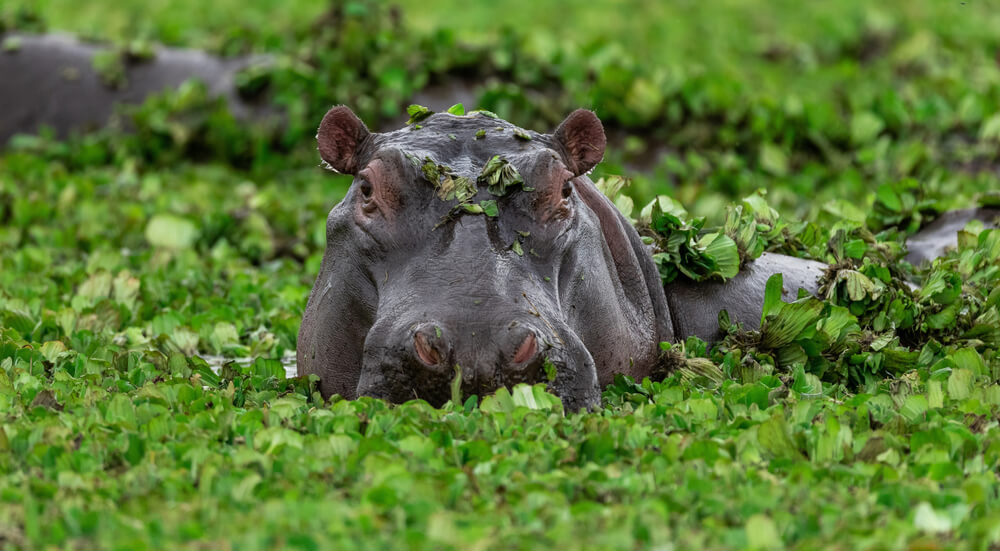
Finding hippo is not always the difficult part. The challenge is identifying the right bull among a pod, judging an animal that may show little more than its head above the water, and getting into position for a safe and precise shot.
Hunters planning Hippo Hunts in Mozambique may pursue bulls along rivers, lakes and surrounding shorelines. Boats are often used to locate animals before a stalk is made from land, while opportunities may also arise when hippos leave the water to feed. The exact hunt depends heavily on the area and the conditions at the time.
Hippo also fit naturally into a broader Hunting in Mozambique safari. Depending on the hunting area and available quota, they may be combined with crocodile, Cape buffalo and other dangerous game rather than hunted as a completely separate safari.
A mature bull is an enormous animal, but judging one correctly is not always straightforward. Much of the body may remain underwater, several animals can be close together, and the hunter and Professional Hunter need to be certain of the bull before the shot is taken.
That combination of water, close-range hunting and careful trophy selection is what makes hippo hunting in Mozambique so different.
Available Hippo Hunts
Lake Cahora Bassa: Mozambique’s Wild Water Hunt
Booking Season: 2026
Hunt Difficulty: Difficult
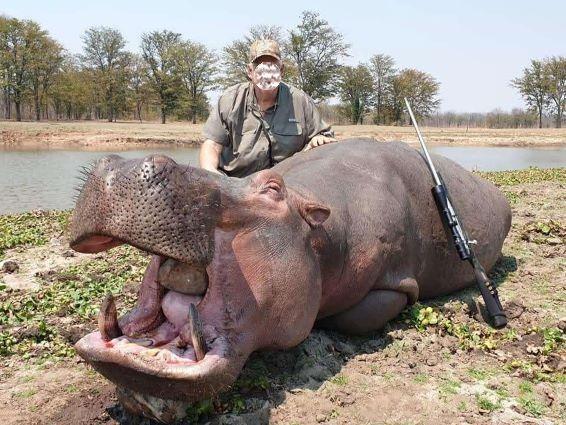
Dangerous Game on the Water: Hippo & Crocodile in Mozambique
Booking Season: 2026
Hunt Difficulty: Difficult
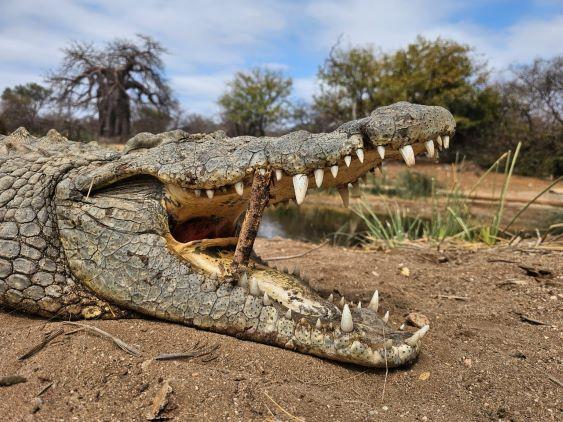
Hunt Hippo or Giant Crocodile in Wild Niassa
Booking Season: 2026
Hunt Difficulty: Moderate, Difficult
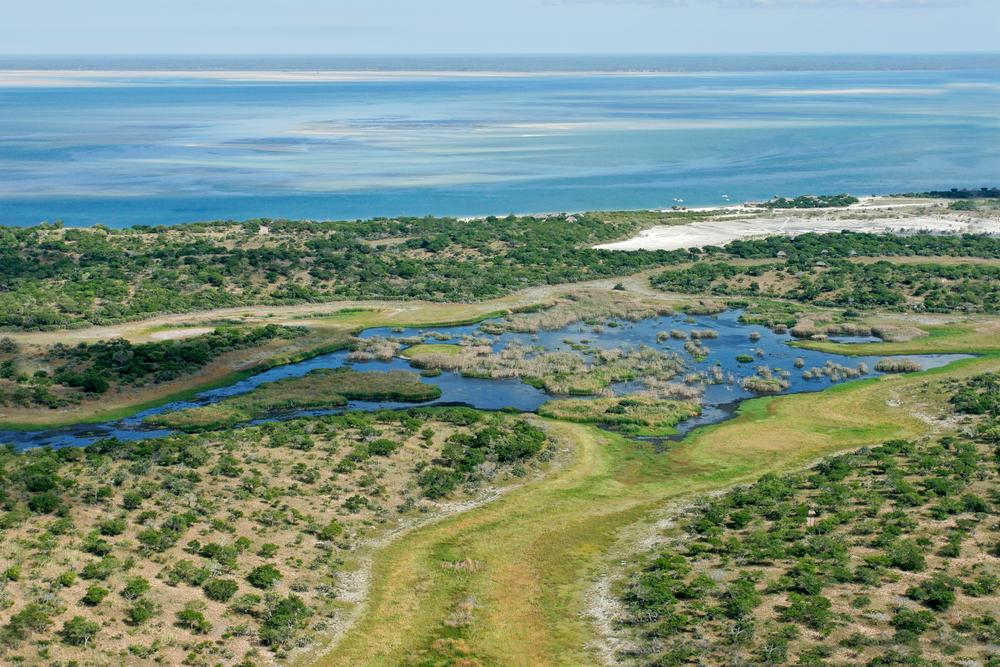
Hippos are found throughout suitable river and lake systems in Mozambique, but hunting opportunities are concentrated in areas carrying established populations and available quota. The Zambezi River and Lake Cahora Bassa are the best-known areas, with Cahora Bassa well suited to hunting both mature hippo bulls and large Nile crocodiles.
The large lake, river channels, bays and surrounding shoreline provide extensive hippo habitat. Depending on the area, boats may be used to locate pods before the hunter and Professional Hunter move into position on land. This can involve covering considerable stretches of water before the right bull is found.
Mozambique also supports hippo populations farther north, including remote hunting areas associated with the Rovuma and Lugenda river systems. The setting and style of hunting can therefore vary considerably depending on where in Mozambique the safari takes place.
Hippo are currently classified as Vulnerable by the IUCN, and hunting is controlled through Mozambique's wildlife management and quota system. Hunters should confirm the permits, quota and trophy-export requirements applicable to their particular safari before travelling.
Shot Placement while Hippo Hunting in Mozambique
Hippo hunting in Mozambique is undertaken in three main ways. Firstly, by using a walk-and-stalk hunting safari that will see you sneaking up on your game hunting trophy. Secondly, using a traditional canoe called a mokoro to locate the herd of hippos and then engaging in a stalk. This method can be extremely dangerous, as hippos in this area are renowned for attacking and capsizing vessels.
The third option would see the hippo taken on land, while they are traveling to and from the water while feeding. At dusk, they tend to leave the water to feed on land, where they will graze for a great deal of the night before returning to the water. This too, is a perilous option, as a hippo will not stop and will take out anything in its path to return to the water, reaching speeds of up to 19 mph! This hippo hunting safari on land will usually take place at night, adding even more excitement to this challenging African hunt! As with all dangerous game, once you are in position, shot placement is critical. Our Hippo Shot Placement guide covers the main brain, heart and lung shot options and how they change depending on whether the animal is in the water or on land. The hippo has an extremely thick skull and the hunter should prep for his hippo hunting in Mozambique using solid rounds, to ensure maximum penetration. There is no such thing as “too much gun” when hippo hunting in Mozambique.
Shot placement for a Mozambique hippo hunting safari includes: The Frontal Brain Shot The Frontal Heart Shot Broadside Brain Headshot (Hippo in the Water) Headshot Facing Away from the Hunter The Fleeting Shot The Heart and Lung Shot The Neck Shot
What Caliber Rifle can I use when Hippo Hunting in Mozambique?
What Caliber Rifle can I use when Hippo Hunting in Mozambique? When targeting dangerous game on an African hunt, a minimum caliber of .375 is a legal requirement, together with the minimum of a 300-grain bullet. Hippos have very thick skin and skulls, and a solid bullet is required for proper penetration. When the hippo is targeted out of the water and is up close with the hunter taking a broadside shot, a suggested rifle would be a .416 Rigby or 500NE, to enter the heart for an accurate kill shot, quick death, and humane kill. Bow hunting is legal for Mozambique hunting safaris targeting both African plains game as well as dangerous game.
A hippo safari can involve a surprising amount of time behind binoculars. On waters such as Lake Cahora Bassa, several pods may be located before the Professional Hunter finds a mature bull worth pursuing. Even then, seeing the bull and getting a shot at him are two different things.
From a boat, hippos may disappear completely and surface somewhere else moments later. A bull that looked separated from the pod can suddenly be surrounded by cows and younger animals, while changing wind or the movement of the boat can remove an opportunity altogether.
Once a suitable bull has been identified, the hunting team will look for a position that provides a clear and safe shot. Depending on the shoreline, this may mean leaving the boat and stalking along the bank, climbing onto higher ground or simply waiting for the hippo to present the right angle.
Patience matters. A hunter may spend time watching little more than ears, eyes and nostrils before enough of the animal is visible to confirm the bull and take the shot.
Recovery also forms an important part of the hunt. A hippo taken in deep water may sink before resurfacing, while currents, water depth and the position of the animal can affect how quickly it can be recovered. This is one reason the Professional Hunter will consider more than simply whether a shot is possible before giving the hunter the go-ahead.
Hippo may be one of Africa's largest animals, but hunting one properly can come down to waiting for a small window of opportunity.
Mozambique is one of the countries where a hippo hunt can form part of a broader Big Game Hunting safari. Depending on the hunting area and available quota, Cape buffalo, crocodile and other species may be hunted during the same trip.
Hippo and crocodile are an especially natural combination around major waterways such as Lake Cahora Bassa. Both hunts make use of the same river and lakeshore country, although judging the animal, setting up the shot and recovering the trophy present very different challenges.
Mozambique's combination of hippo, crocodile and Cape buffalo gives it a strong place among Africa's Dangerous Game Hunts. The safari does not necessarily revolve around one animal or one style of hunting. A morning spent following buffalo tracks can be different from an afternoon glassing hippo pods or looking for a large crocodile along the shoreline.
The cost of hunting hippo in Mozambique depends on more than the trophy fee. Daily rates, the length of the safari, the hunting area and the other species included can all affect the final price.
A hippo hunted as part of a longer dangerous game safari may be priced differently from a hunt built mainly around hippo and crocodile. Remote areas can also involve charter flights, boat transfers and additional camp logistics that need to be considered when comparing safari prices.
Hunters should therefore compare the complete safari rather than the hippo trophy fee alone. Our African Hunting Safari Prices guide provides a broader look at daily rates, trophy fees and the other costs involved when planning a hunt in Africa.
The Zambezi River and Lake Cahora Bassa are among Mozambique's best-known hippo hunting areas. Hippo are also found in other suitable river systems, including areas associated with the Rovuma and Lugenda rivers. The best option depends on available quota, the hunting area and whether hippo will be combined with other dangerous game.
Hippo are commonly located by searching rivers, lakes and shorelines, often using a boat to find pods and identify mature bulls. Once the right animal has been selected, the hunter may move into position on land and wait for a safe shot. Hippo can also be hunted when they leave the water to feed.
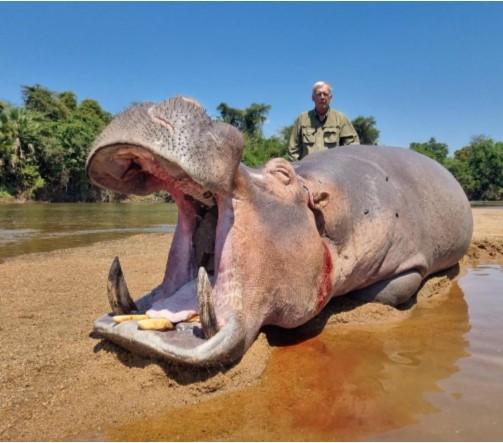
Body size, head size, neck development and the size of the tusks can all help when judging a mature bull. The difficulty is that much of the animal may be underwater. Several hippos may also be close together, making careful identification important before a shot is taken.
Heavy dangerous-game rifles are normally used for hippo hunting. The exact legal requirements should be confirmed before the safari, while rifle and bullet choice should also be discussed with the Professional Hunter based on whether the animal is likely to be hunted in the water or on land.
Yes, where both species are available on quota. Hippo and crocodile are a natural combination in hunting areas around major rivers and lakes such as Cahora Bassa. Cape buffalo and other species may also be added depending on the area and available quota.
A hippo shot in deeper water may sink before resurfacing. Water depth, currents and the animal's position can all affect recovery, which is why the Professional Hunter considers the recovery situation before allowing the shot.
Prices vary according to the hunting area, trophy fee, daily rates, safari length and other species included. Remote camps may also involve charter flights, boat transfers and additional logistics. Hunters should compare the complete safari cost rather than the hippo trophy fee alone.
Yes. Mozambique combines substantial river and lake habitat with the opportunity to hunt hippo alongside species such as crocodile and Cape buffalo. It is particularly well suited to hunters wanting hippo as part of a broader dangerous game safari rather than as a standalone hunt.
Search from our range of Hunts across various popular destinations in Africa.

Book Your Hunt