
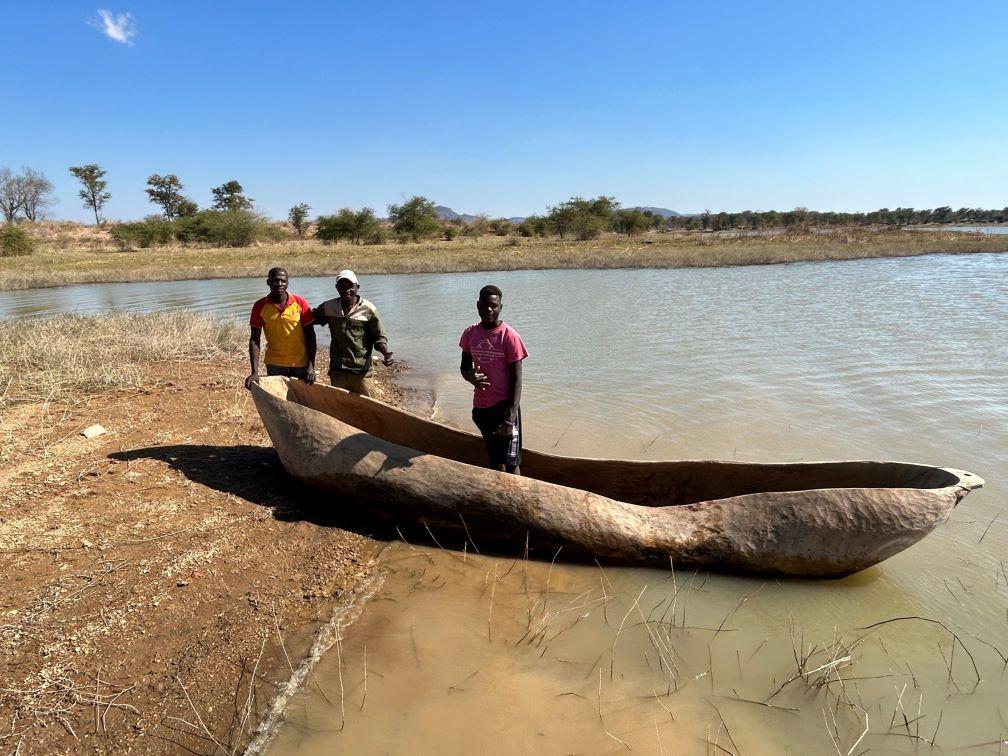
Hunters comparing Big Game Hunting in Mozambique will find that the Zambezi Delta offers a very different safari from the country’s northern wilderness areas. The Delta is defined by vast floodplains, swamps and river systems, with strong opportunities for Cape buffalo, hippo, crocodile and several important plains game species.
[DYNAMIC-BLOGTABLEOFCONTENT]
The Zambezi Delta: Facts At a Glance
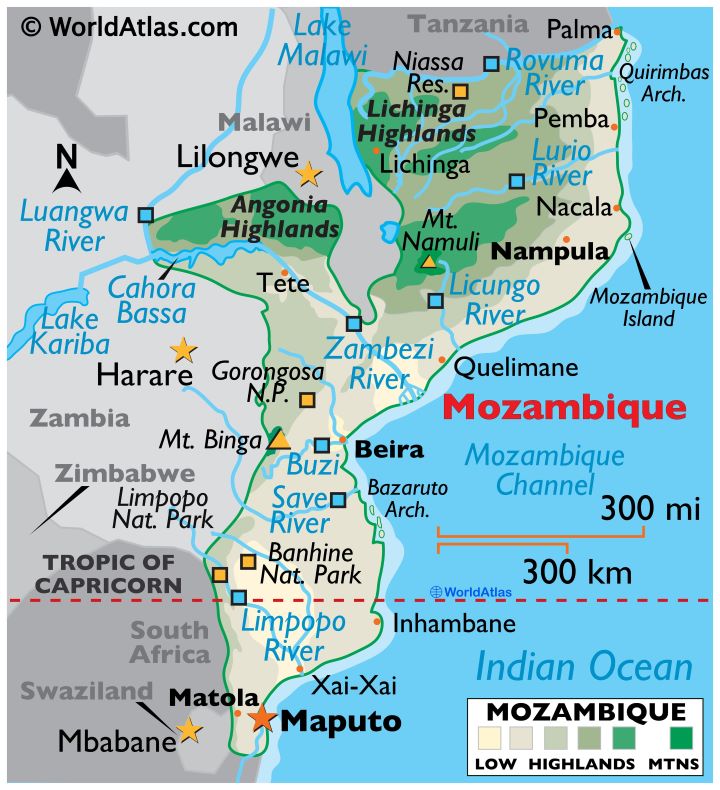
- The Zambezi Delta is located on Africa’s east coast, in Mozambique.
- It is situated at the mouth of the Zambezi River, where the river merges into the Indian Ocean.
-
The wider geographical Zambezi Delta covers approximately 1.2 million hectares (12,000 km²). This includes an extensive landscape of floodplains, grasslands, swamp forests, wetlands and mangroves. The Marromeu Complex and individual hunting concessions occupy smaller areas within the wider delta.
- The variety of landscapes ensures that there are many species living there, and the area is home to numerous types of water birds, including white-backed pelicans, herons, and flamingos, while large mammals such as lions, elephants, hippos, eland, and Cape buffalo also inhabit the area.
- Mozambique’s Zambezi Delta supports several economic activities including fishing, hunting, tourism, and agriculture.
What makes the Zambezi Delta such a Popular Game Hunting Destination?
- Abundant Wildlife: The Zambezi Delta is alive with large populations of wildlife, including iconic species for trophy hunters, such as leopards, hippos, Cape buffalo, and numerous antelope species.
- Unique and Varied Game Hunting Experiences: The area offers hunters a range of diverse hunting experiences, from a traditional walk-and-stalk option to highly charged dangerous game hunting adventures featuring the cold-blooded Nile crocodile and territorial hippo.
- Diverse Habitats: The region offers a range of habitats from swamp forests and savannas to flood plains, allowing for a diversity of species and hunting experiences.
- Sustainable Hunting Practices: Hunting in Mozambique’s Zambezi Delta is regulated through responsible management practices with well-managed hunting concessions that ensure sustainable hunting and quotas that help preserve wildlife populations for generations to come.
How Do Hunters Reach the Remote Areas of the Zambezi Delta on a Mozambique Safari?
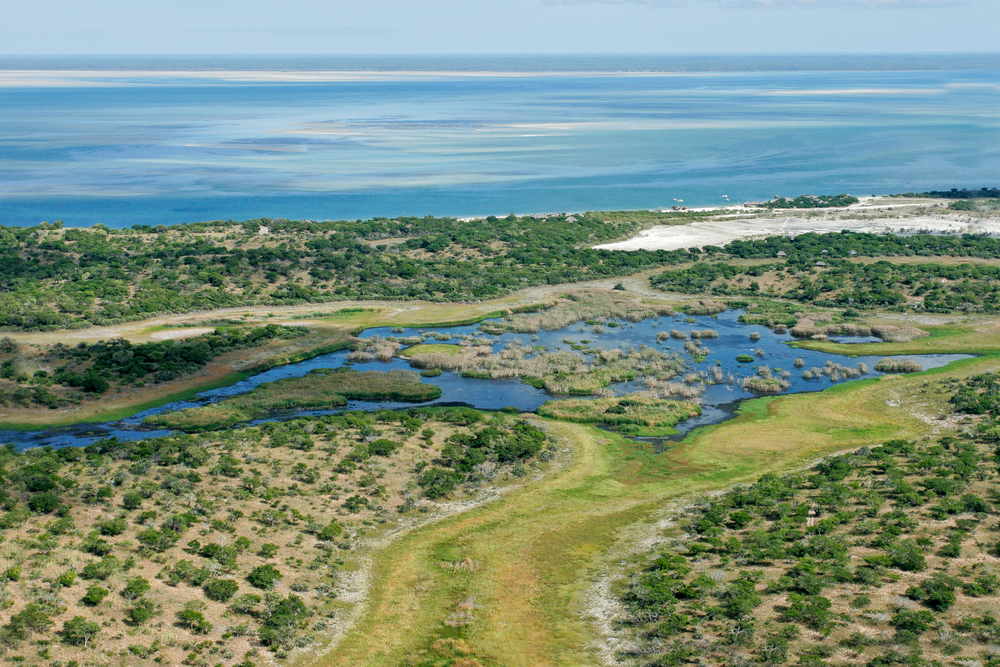
Reaching the remote landscapes of the Zambezi Delta can be quite challenging for hunting parties but can be reached through various methods including air travel via chartered flights to remote airstrips in the Zambezi area.
Another option would be to travel via road from the main towns and areas, but this mode of transport can be quite tiresome on uneven and rough road conditions and will take several hours, depending on the starting point. While this option may be the longer method, it does have its advantages of allowing hunters to see and experience the local conditions and immerse themselves in the local environment, with the opportunity to spot wildlife along the way.
Once within the Zambezi Delta, guided 4×4 vehicles, along with trackers and guides, allow hunters the perfect option for transportation within the hunting area, while walking safaris may also come into play to reach extremely remote areas or areas that are difficult to access via a vehicle.
What Species are Popular to Hunt in the Zambezi region?
The Zambezi Delta is particularly well suited to hunters interested in dangerous game hunts, with Cape buffalo, hippo, crocodile and leopard all forming part of the region’s hunting appeal.
Cape Buffalo
The Zambezi Delta is particularly well known for its Cape buffalo hunting, with extensive floodplains, grasslands and swamp margins creating conditions very different from the woodland concessions farther north. Hunters may encounter large herds in open country, although the ground can be wet, access difficult and buffalo movements influenced by seasonal water levels.
Hunters interested specifically in buffalo hunting in Mozambique can compare available safaris and hunting areas on our dedicated page.

Hippo
The Delta's waterways and surrounding wetlands provide suitable habitat for hippo. Hunting opportunities depend on the particular concession and available quota, while water depth, vegetation and access can influence both the hunt and subsequent recovery. Hunters considering hippo should establish whether it is available in the same concession as their primary species.
Nile Crocodile
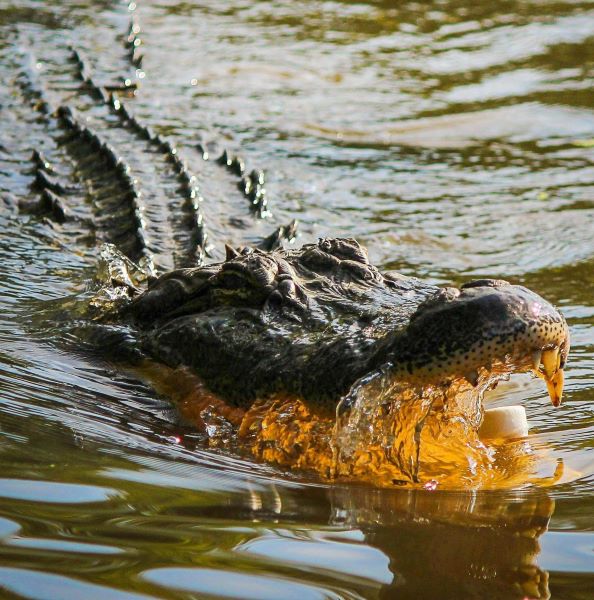
Hunters interested in crocodile hunting in Mozambique will find opportunities in selected Zambezi Delta concessions where suitable habitat and hunting quota are available.
The Delta's network of rivers, channels and floodplains provides extensive crocodile habitat, but hunting conditions can be demanding. Dense vegetation, muddy banks and fluctuating water levels can make judging a mature crocodile difficult, while recovery becomes a serious consideration when an animal is close to deep water. For hunters considering crocodile as part of a broader Zambezi Delta safari, the particular concession and its hunting conditions matter just as much as the presence of crocodiles.
Leopard
Leopards inhabit parts of the Zambezi Delta and surrounding hunting areas, although their availability for hunting depends on concession-specific quota and permits. Dense vegetation, riverine cover and the location of suitable bait sites can influence how a leopard safari is planned. Hunters should confirm current availability rather than assuming that the presence of leopards means a hunt can be booked.
For current opportunities, see our leopard hunting in Mozambique page, where available hunts can be compared by area and safari arrangements.
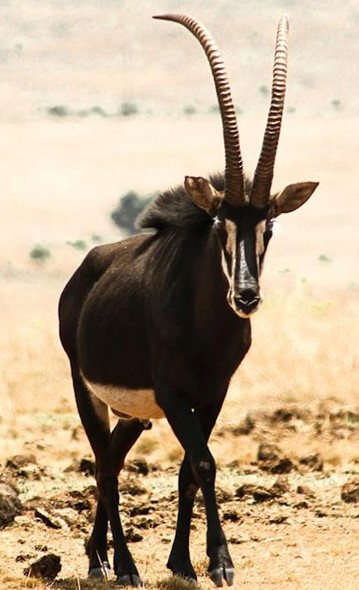
Sable
Sable are among the plains-game species associated with hunting areas in central Mozambique. Their availability within the wider Zambezi Delta region depends on the particular concession, habitat and hunting quota. Hunters interested in combining sable with buffalo or other dangerous game should confirm that both species are available in the same hunting area.
Nyala
The Nyala is a large African plains game species that remains a sought-after species for many hunters wanting to add a memorable trophy to their collection. The nyala (Tragelaphus angasii) is a striking spiral-horned antelope native to the Zambezi region and other parts of southern Africa.
Hunting this beautiful antelope can be challenging due to their shy and elusive natures, their preference of dense habitats as well as their keen senses.
Our Buffalo Hunting Experience in the Morromeu Swamps
During my buffalo hunt in Mozambique's Marromeu region, we spent long days tracking herds on foot through swampy floodplains and thick marshland. On some days, we covered 15 to 25 miles, often pushing through razor-sharp grass that left our arms and legs covered in cuts. It was physically demanding hunting, very different from tracking buffalo in drier woodland concessions.
One useful lesson was watching for birds circling above the floodplains. They sometimes followed the buffalo herds and helped us identify where to start looking. That experience showed me how much the terrain and conditions can influence a hunt in the Zambezi Delta.
I've shared the full experience and photographs in our buffalo hunting expedition in Marromeu, Mozambique.
Planning a Hunt in the Zambezi Delta
Hunting in the Zambezi Delta is different from hunting in Mozambique's northern woodland concessions. Water levels, floodplains, seasonal access and the location of individual hunting areas all influence the experience. A concession suited to buffalo may also offer hippo, crocodile or plains game, but the available species and quotas must be confirmed before booking.
For hunters comparing the Delta with other regions, our guide to hunting in Mozambique explains the country's wider hunting opportunities, regions and safari arrangements.
About the Author — Pierre van Wyk
Pierre van Wyk is the co-founder of Game Hunting Safaris and an experienced African hunter with firsthand hunting experience in Mozambique, including the Marromeu swamps of the Zambezi Delta and the Lake Cahora Bassa region.
Having hunted in Mozambique alongside Tamlyn van Wyk, Pierre understands the challenges of hunting in remote areas, where difficult terrain, seasonal conditions and access to hunting concessions can influence the entire safari. His experiences have given him a practical appreciation of what distinguishes Mozambique's hunting areas from those elsewhere in southern Africa.
Through Game Hunting Safaris, Pierre shares firsthand hunting knowledge and practical advice to help international hunters understand the opportunities, conditions and considerations involved in planning an African safari.