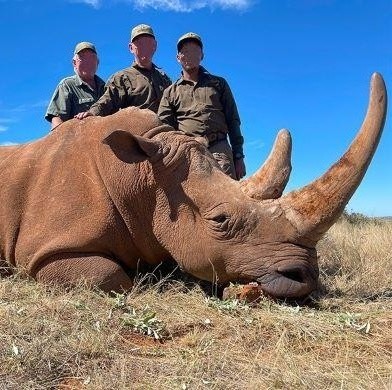
Cape Buffalo, Rhino & Premium Plains Game Safari in South Africa
Booking Season: 2026
Hunt Difficulty: Moderate, Difficult

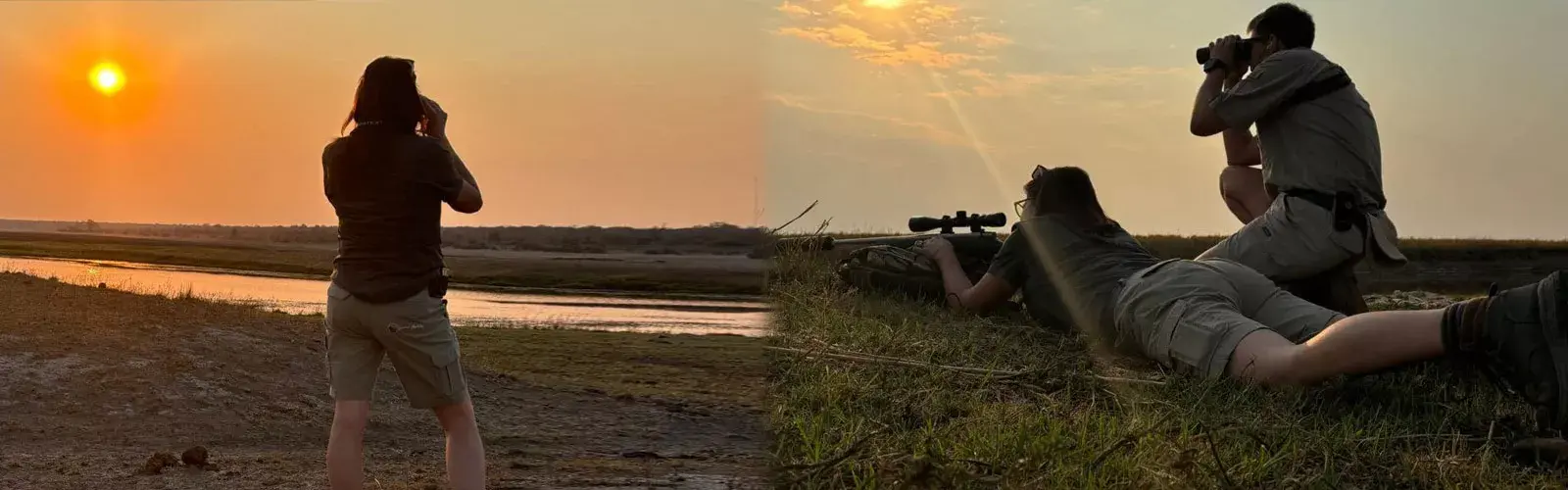
Plains game hunts are where most African hunting safaris begin, and where many experienced hunters keep coming back. The choice of game stretches from kudu and gemsbok in Namibia to sable in Zimbabwe and lesser kudu in Ethiopia.
Plains game hunting in Africa includes everything from short safaris targeting four or five antelope species to extended expeditions in search of rarer trophies across several hunting areas.
Whether you're arranging your first African hunt, returning to complete your spiral-horn collection or taking your family on safari, the country, hunting area and species you select will shape the trip.
Compare the plains game hunts below, then explore the species, hunting destinations, packages, costs and seasonal conditions to help you choose your safari.
Hunts Currently Available
Cape Buffalo, Rhino & Premium Plains Game Safari in South Africa
Booking Season: 2026
Hunt Difficulty: Moderate, Difficult

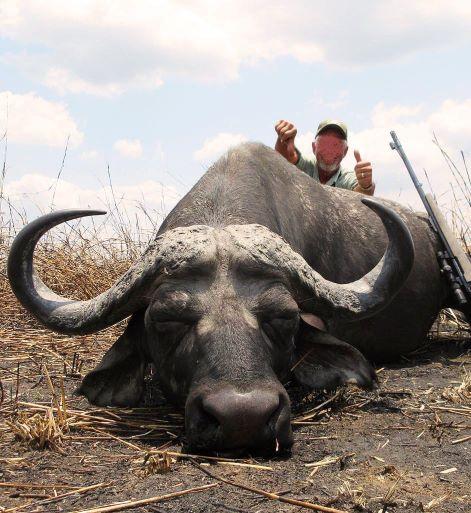
Ten Days with Cape Buffalo in Tanzania's Legendary Selous
Booking Season: 2026
Hunt Difficulty: Difficult
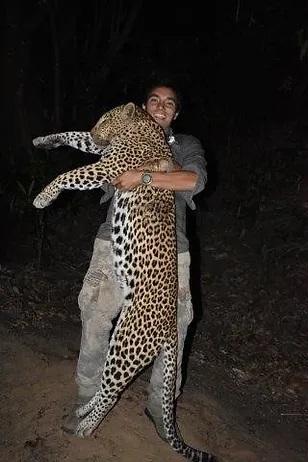
Niassa Leopard Hunting Safari with Roosevelt Sable & Wildebeest
Booking Season: 2026
Hunt Difficulty: Difficult
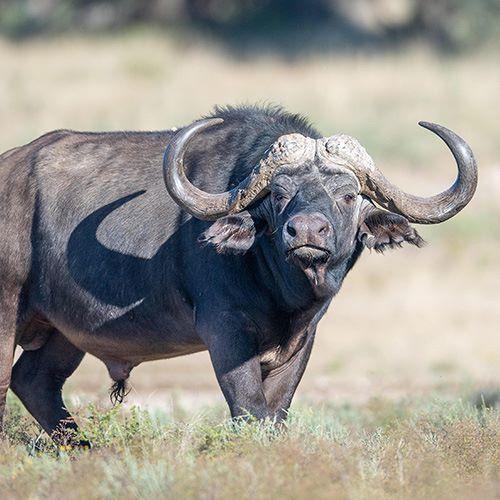
Luxury Cape Buffalo, Rhino Green Hunt & Premium Plains Game Safari
Booking Season: 2026
Hunt Difficulty: Difficult
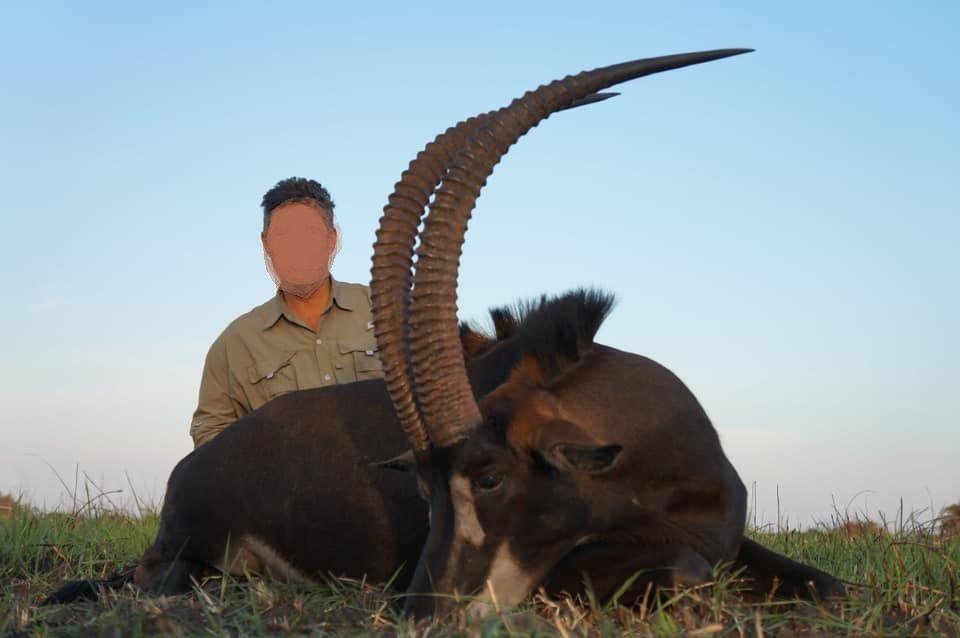
Cape Buffalo, Sable or Roan Hunting Safari in South Africa
Booking Season: 2026
Hunt Difficulty: Difficult
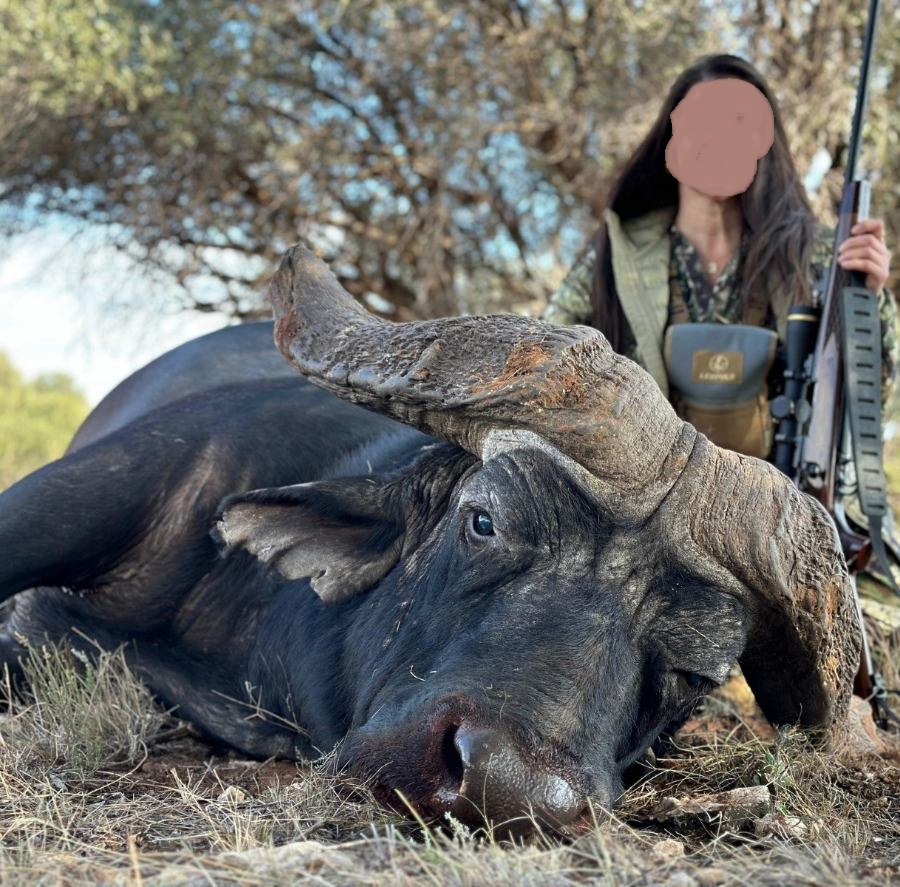
Cape Buffalo Hunts in South Africa & US$13,000 Towards Trophies 2:1
Booking Season: 2026
Hunt Difficulty: Difficult
Cape Buffalo Cow & Plains Game Hunting Safari in South Africa
Booking Season: 2026
Hunt Difficulty: Moderate, Difficult
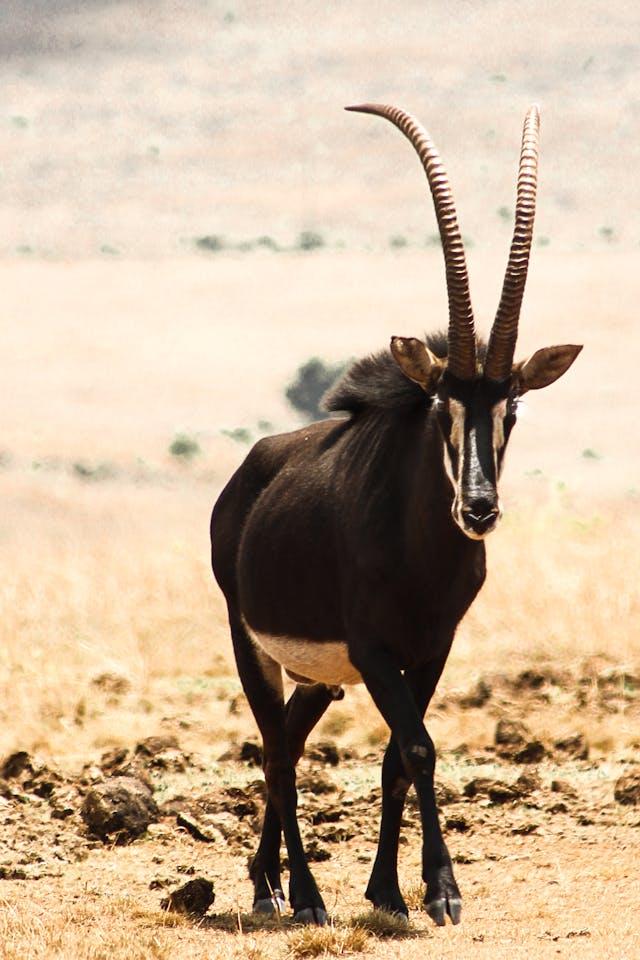
Cape Buffalo & Sable Hunting Safari in South Africa
Booking Season: 2026
Hunt Difficulty: Difficult
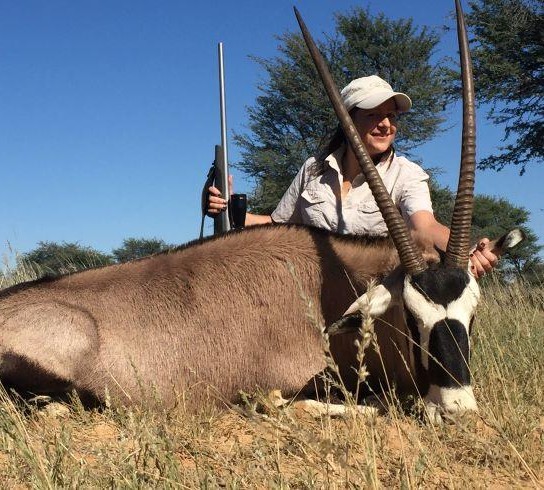
African Plains Game Ladies Only Hunt in Namibia
Booking Season: 2026
Hunt Difficulty: Moderate
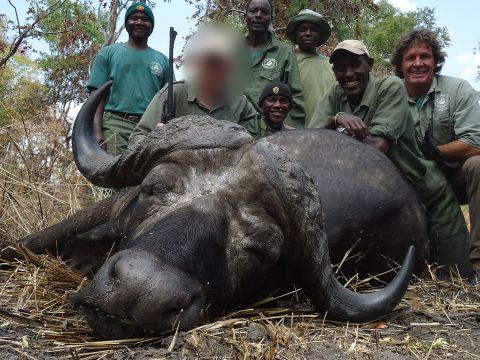
A Classic Cape Buffalo Safari in Tanzania's Legendary Selous
Booking Season: 2026
Hunt Difficulty: Difficult
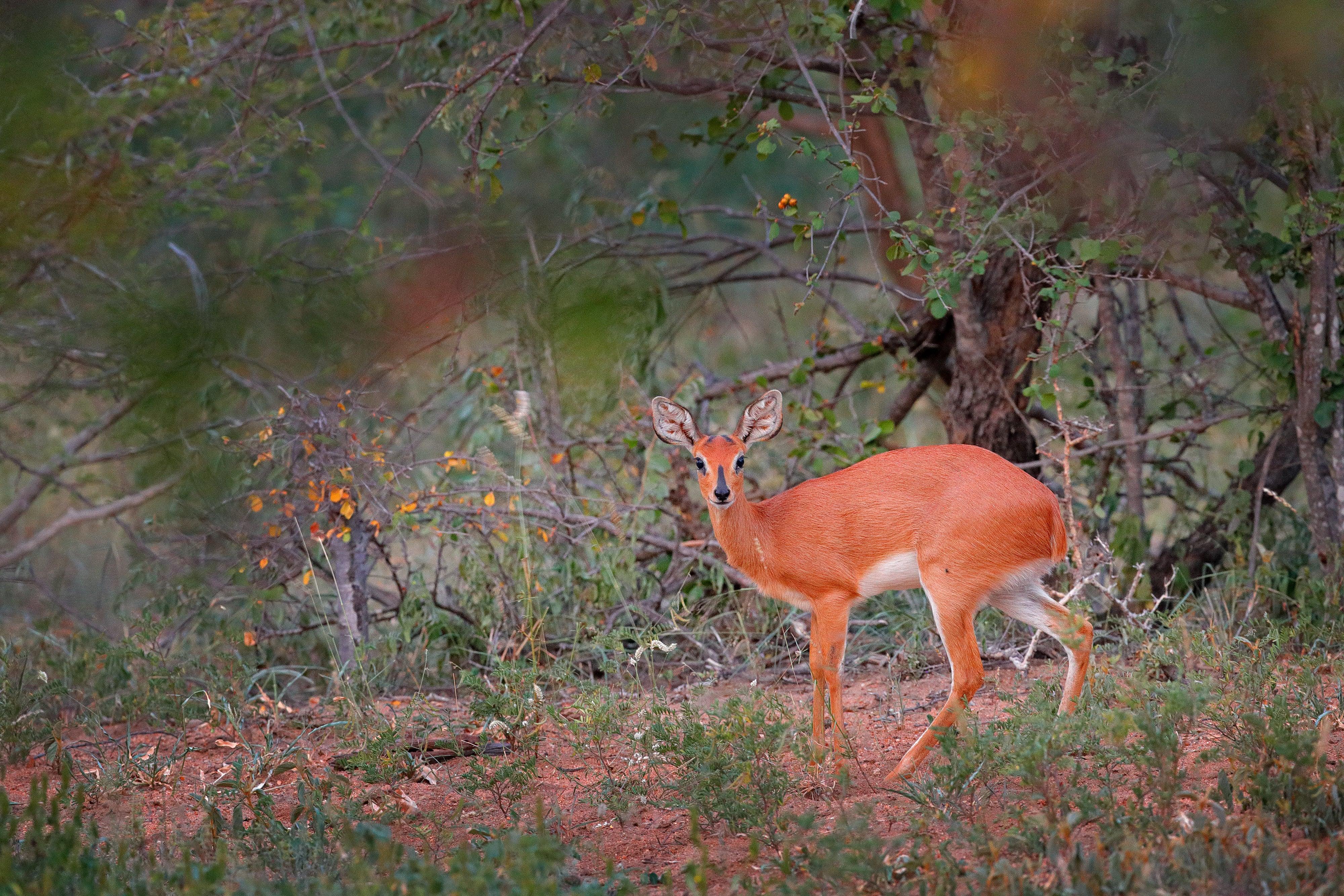
Plains game is the collective term used for Africa's huntable non-dangerous game, including antelope, zebra, wildebeest and warthog. The name does not mean that these animals are restricted to open plains. Bushbuck inhabit dense riverine vegetation, kudu favor wooded country, and mountain nyala are hunted high in Ethiopia's mountains.
Unlike dangerous game hunts, plains game safaris allow hunters to build a trophy collection around several species without committing the entire safari to one dangerous game animal.
Some hunters concentrate on the African spiral-horn collection, while others return for the smaller antelope collectively known as the Tiny Ten. Collectors also travel for species restricted to certain countries or habitats.
Some hunting ranches in southern Africa provide access to introduced species, including animals listed under exotic plains game.
Our guide to African plains game species covers the individual animals, their distribution and identification.
The species on your trophy list determine where in Africa you should hunt. Springbok and gemsbok favor open, dry country, while nyala and bushbuck inhabit thicker bush and woodland.
South Africa, Namibia and Zimbabwe are popular destinations for kudu hunts, where bulls are searched for along wooded hillsides, river valleys and bushveld.
South Africa, Namibia and Zimbabwe offer eland hunts where tracking a herd on foot sometimes takes hours, as these large antelope cover ground while feeding.
South Africa's KwaZulu-Natal and Limpopo provinces are known for nyala hunts in thick bush and woodland.
The riverine bush of South Africa's Eastern Cape and KwaZulu-Natal, along with the wooded river valleys of Zimbabwe and Zambia, is home to bushbuck hunts where mature rams are sought along the edges of thick cover early and late in the day.
Impala are among the first animals taken by hunters visiting South Africa and Zimbabwe. On impala hunts, mature rams are selected from bachelor groups or breeding herds.
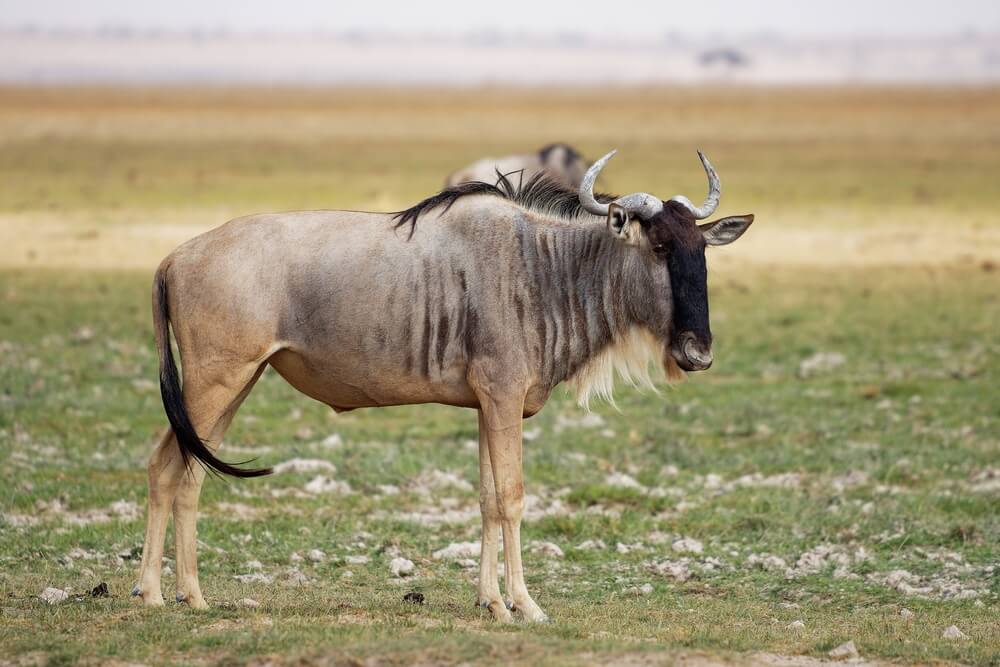
Blue wildebeest are hunted across the bushveld of South Africa, Namibia and Zimbabwe, while black wildebeest favor South Africa's open Highveld and Karoo. Hunters undertaking wildebeest hunts need to account for the toughness of these animals.
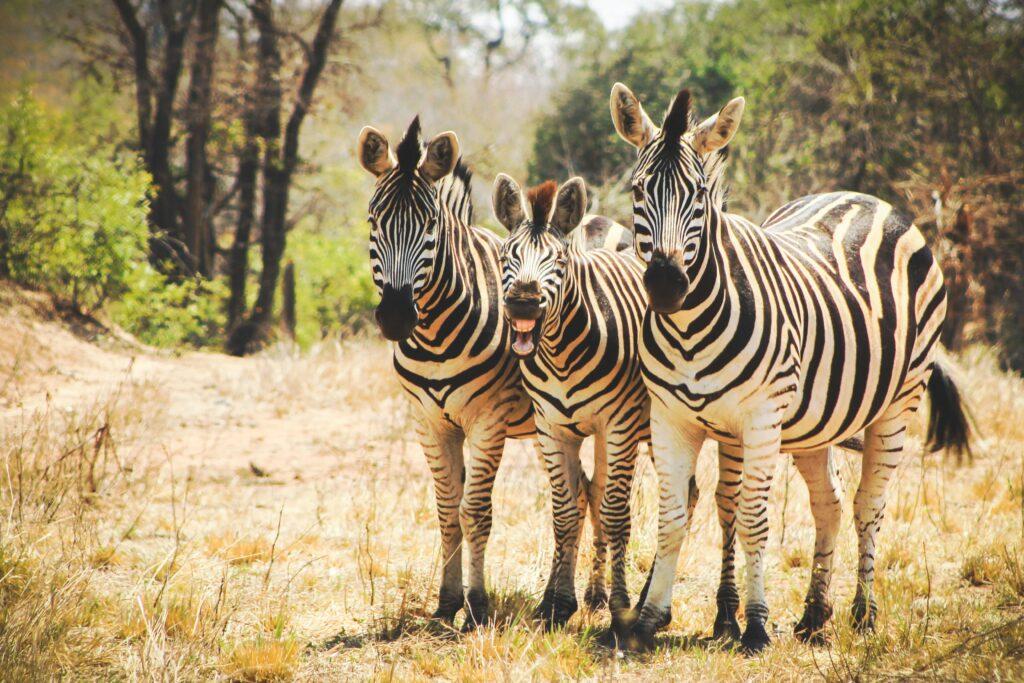
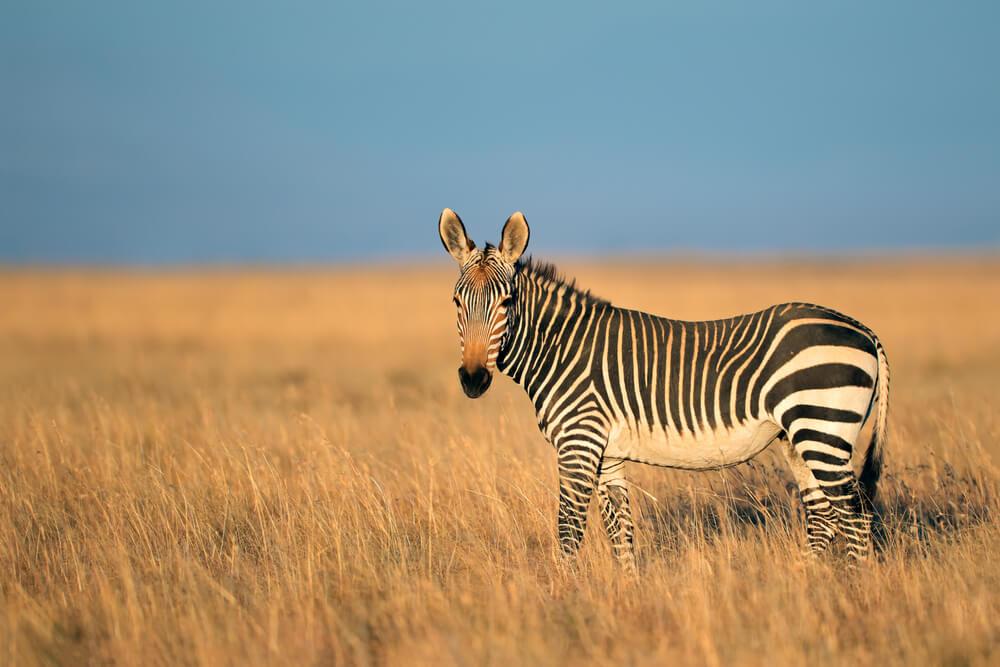
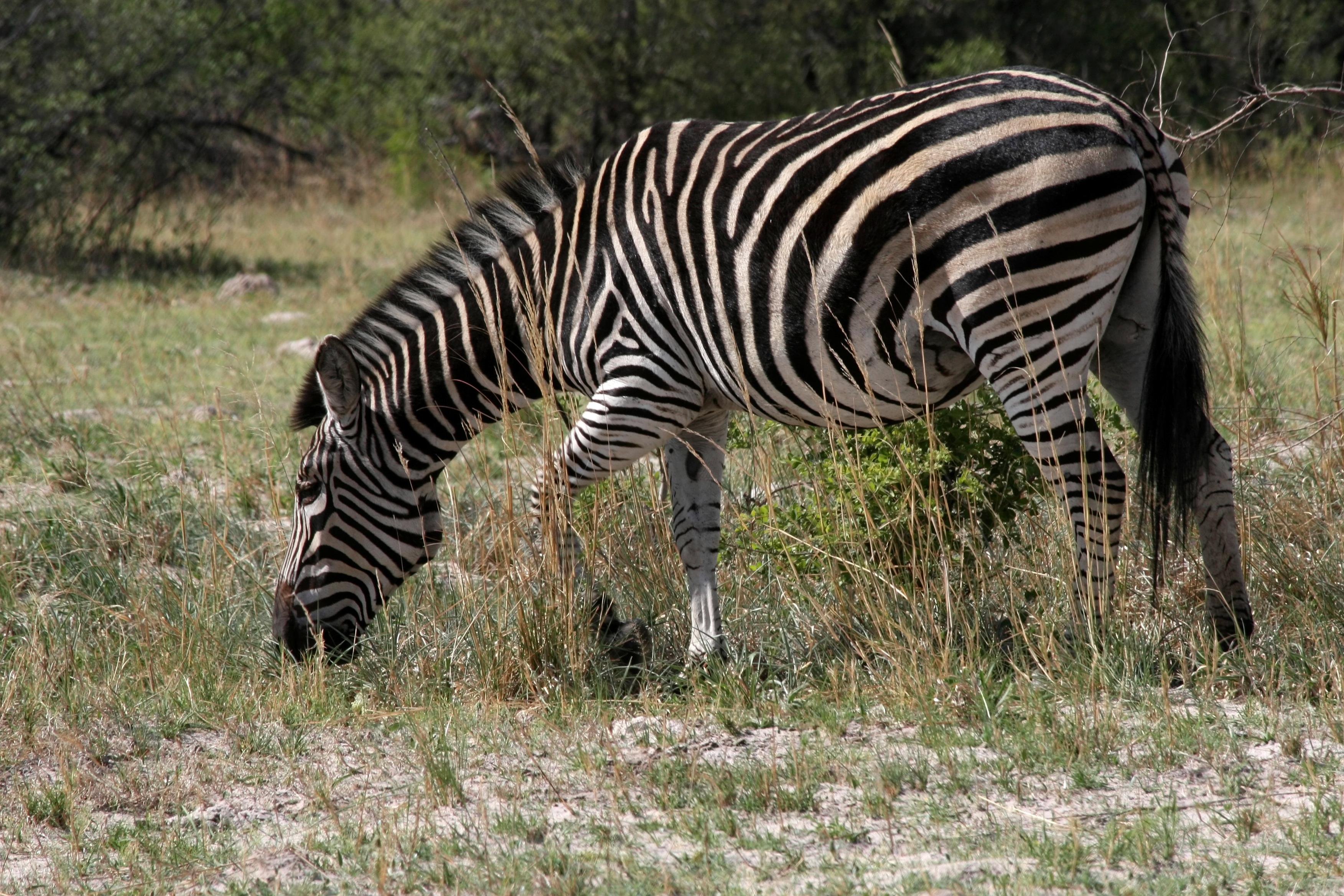
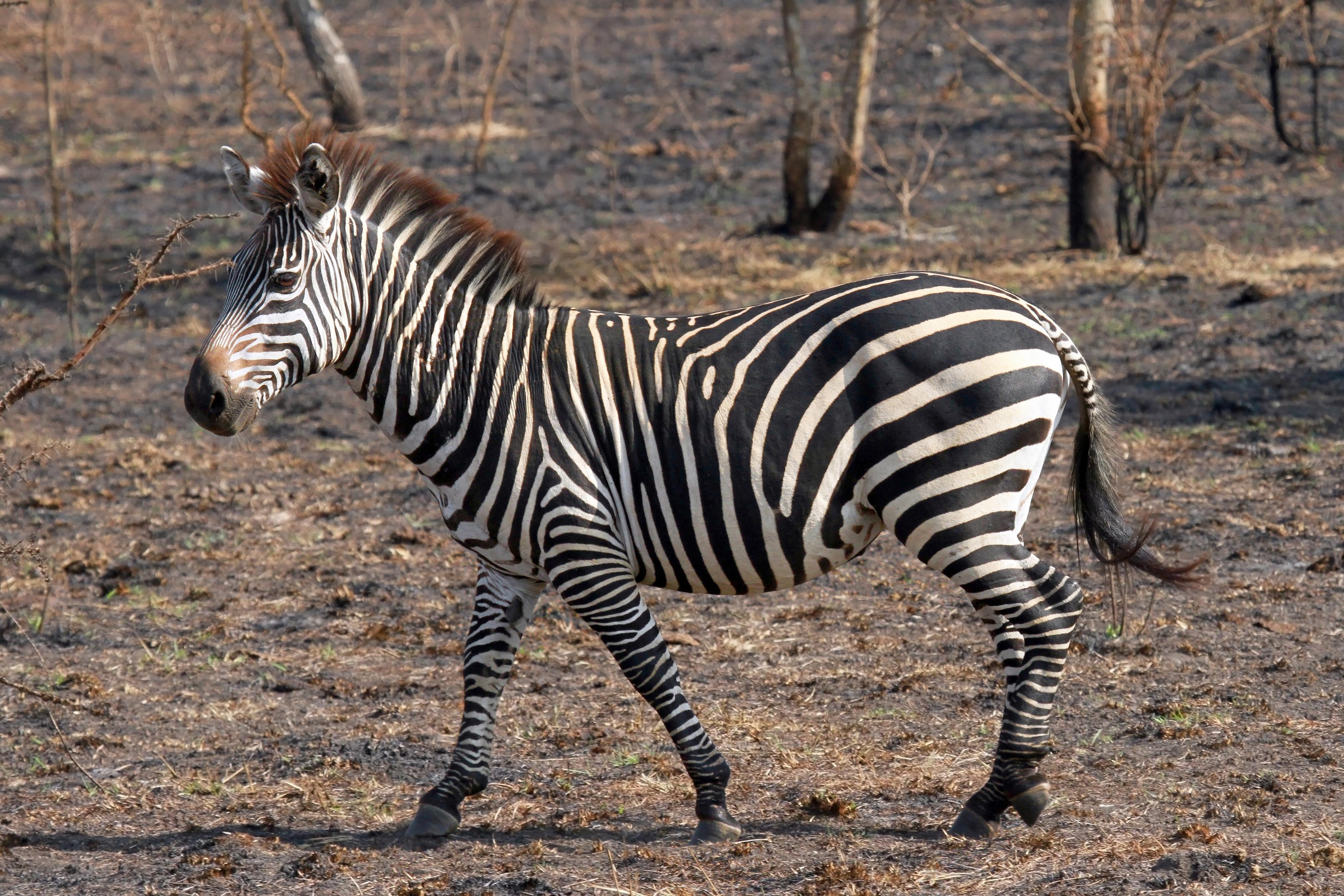
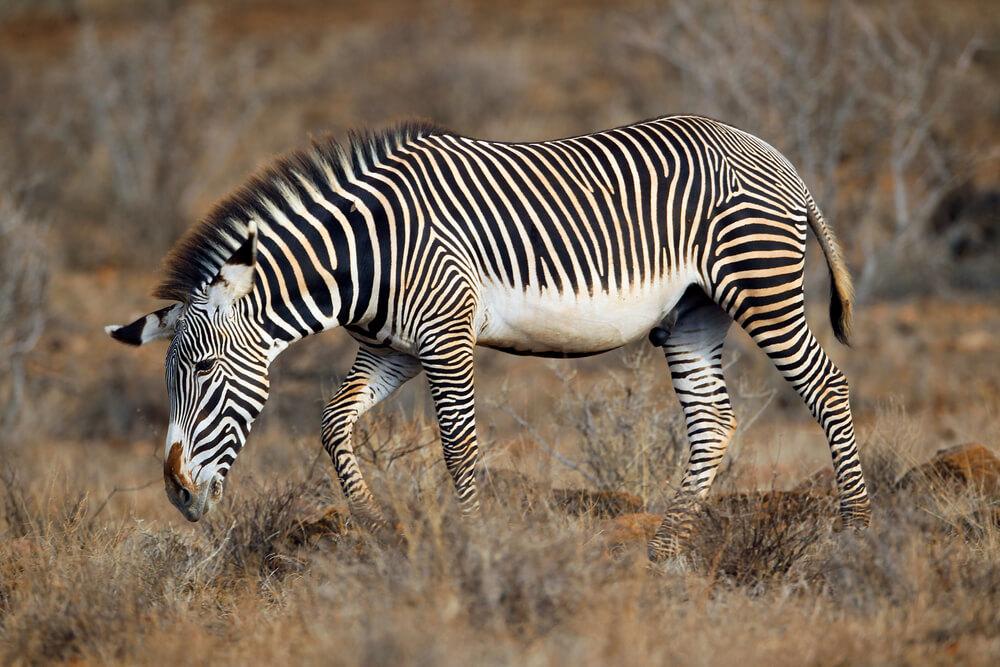
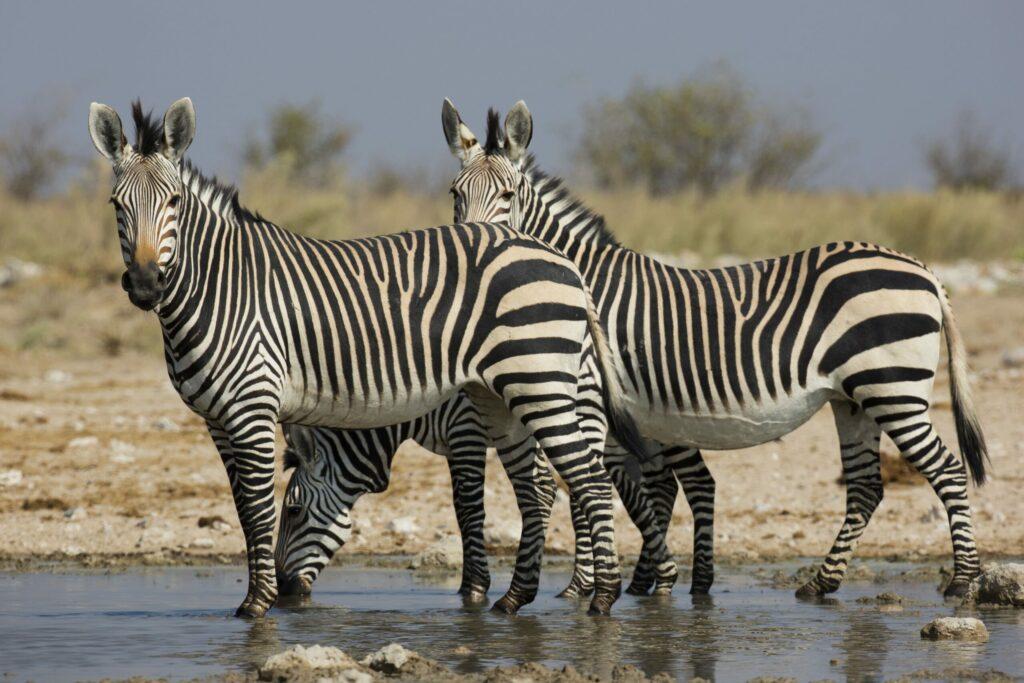
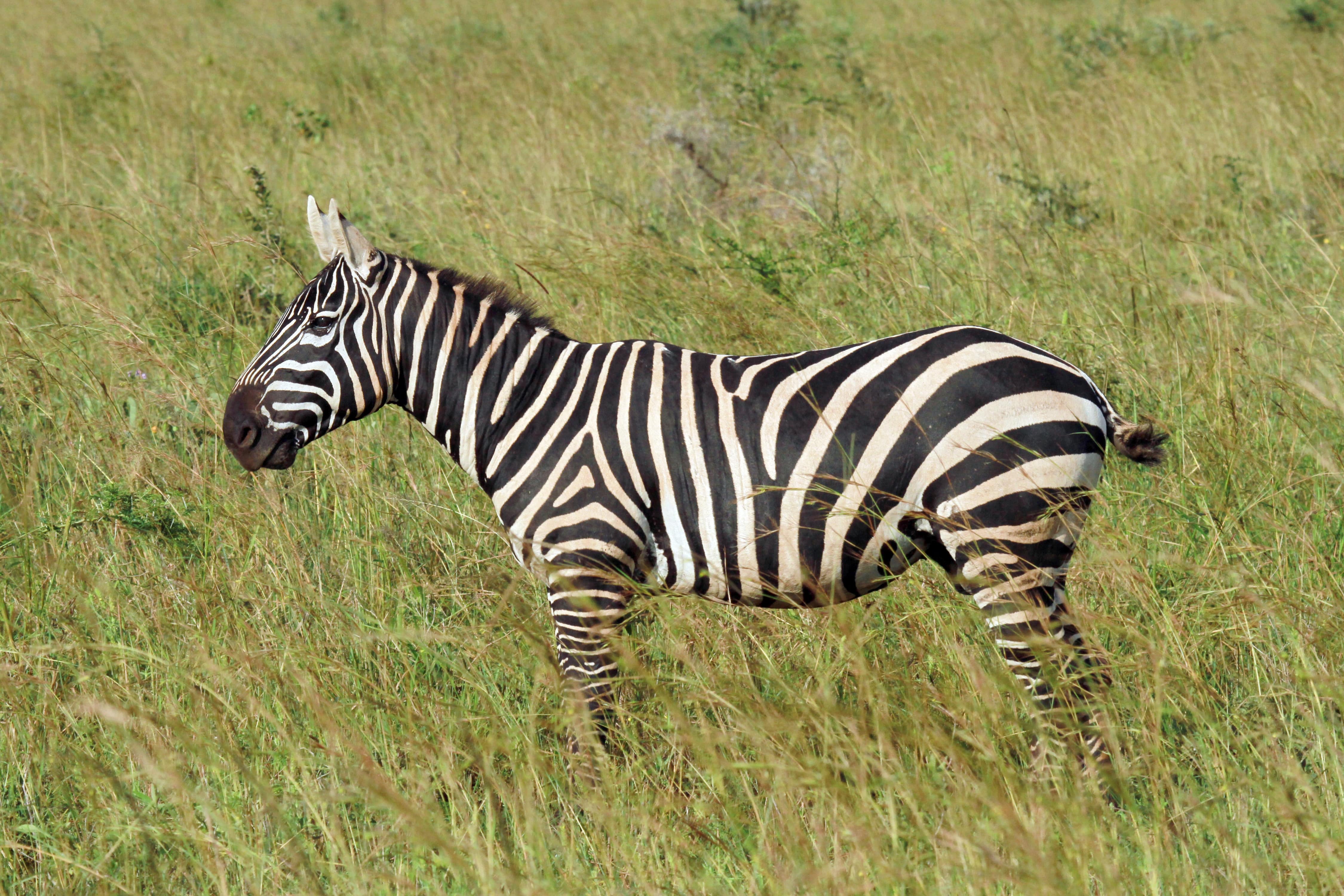
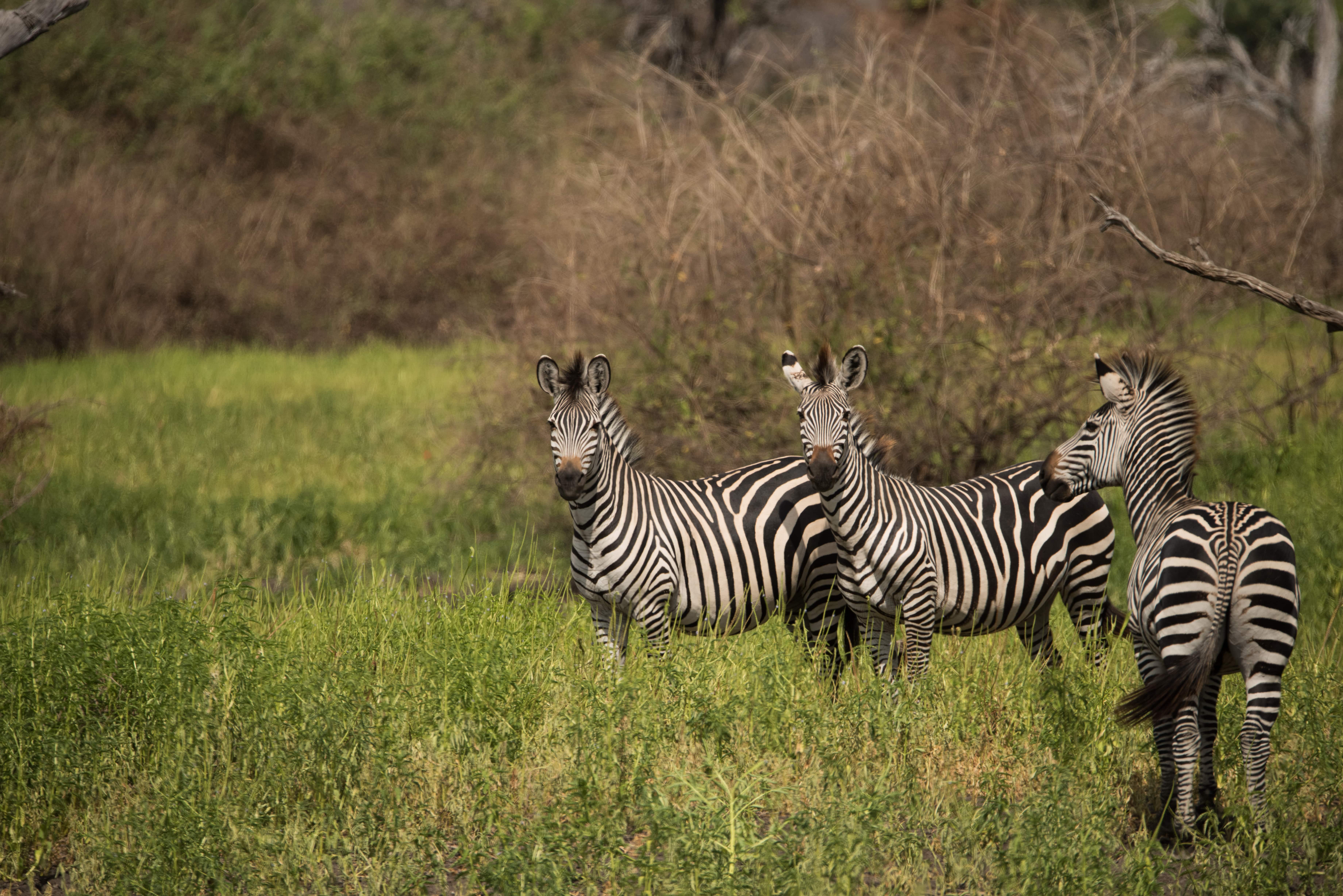
Plains zebra are hunted across South Africa, Namibia and Zimbabwe, while zebra hunts for Hartmann's mountain zebra in Namibia involve climbing rocky hillsides and stalking across broken mountain terrain.
South Africa, Namibia and Zimbabwe offer warthog hunts across their bushveld regions, where mature boars visit waterholes during the hotter hours of the day.
The dry country of Namibia and South Africa's Kalahari is well suited to gemsbok hunts involving glassing across open ground and approaching animals with limited cover.
Hunters undertaking springbok hunts in the Karoo and Namibia face open terrain where wind and distance influence the approach.
Zimbabwe, Zambia and Mozambique also cater for free-range sable hunts in woodland and adjoining grassland. South Africa's Limpopo hunting ranches offer another option for hunters adding sable to a plains game package.
River valleys and woodland near permanent water are the starting point for waterbuck hunts in countries such as South Africa, Zimbabwe and Zambia.
African plains game hunts vary between countries. Private hunting ranches in southern Africa allow hunters to hunt several species on one property, while hunting blocks in Tanzania and the Zambezi region involve longer distances and fewer animals on an individual hunting license.
| Country | Known for | Hunting environment | Main hunting months |
|---|---|---|---|
| South Africa | Kudu, impala, nyala, wildebeest and springbok | Private game ranches, including large high-fenced properties | February–November |
| Hunting in Namibia | Gemsbok, kudu, springbok and Hartmann's mountain zebra | Large farms, conservancies and arid hunting country | February–November |
| Hunting in Zimbabwe | Sable, kudu, impala and waterbuck | Private conservancies and free-range hunting areas | April–November |
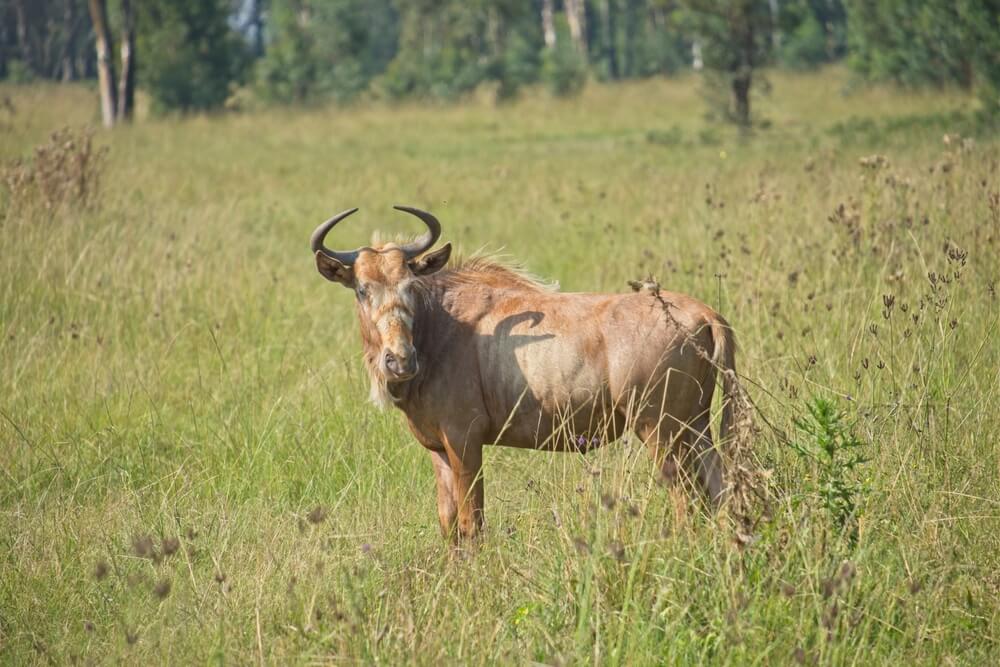
| Hunting in Zambia | Sable, roan, puku, Cookson's wildebeest, Kafue lechwe and black lechwe | Game management areas and private hunting properties | May–November |
| Hunting in Mozambique | Sable, waterbuck and Lichtenstein's hartebeest | Coutadas (government hunting concessions) and private hunting properties | May–November |
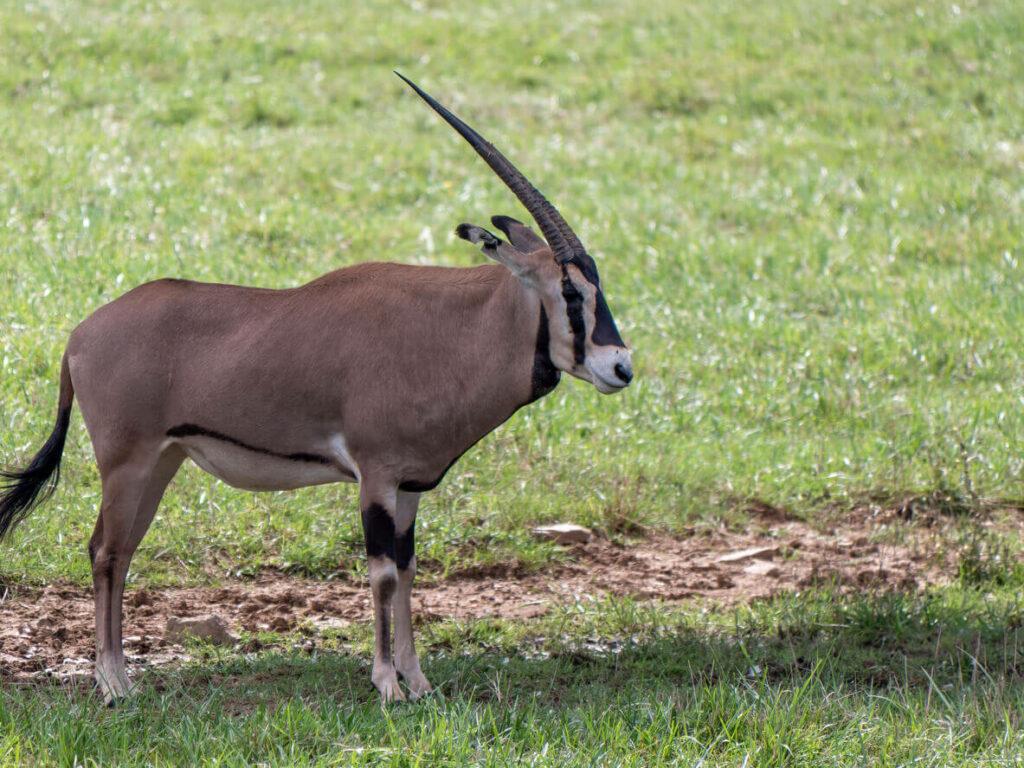
| Hunting in Tanzania | Roosevelt sable, Coke's hartebeest, East African impala and Grant's gazelle | Large free-range hunting blocks | July–December |
| Hunting in Botswana | Selected plains game species alongside dangerous game | Private properties and licensed hunting areas | April–November (concessions); game ranches year-round |
| Hunting in Ethiopia | Mountain nyala, Menelik's bushbuck, lesser kudu and gerenuk | High-altitude forest and dry eastern and southern lowlands | October–June |
The months shown represent broad safari operating periods rather than a uniform legal hunting season across each country.
The wide selection of species makes plains game hunting in South Africa attractive to hunters wanting several trophies on one trip. Namibia appeals to hunters who enjoy open desert country, while Zimbabwe, Zambia and Mozambique offer opportunities to pursue antelope in remote, unfenced hunting areas.
African outfitters sell plains game hunting packages that combine a set number of hunting days with a selection of animals. These packages suit hunters visiting Africa for the first time who already have several species on their wish list.
The alternative is to pay a daily rate covering the hunting arrangements, with a separate trophy fee for each animal taken. The daily rate normally covers the PH, trackers, accommodation, meals, field preparation of trophies and transport within the hunting property. This gives returning hunters greater flexibility when hunting animals missing from their collections.
Plains game safaris in South Africa and Namibia usually run for five to ten hunting days. A hunter pursuing four common bushveld species needs less time than someone targeting a mature eland bull, mountain zebra and several smaller antelope. May to August is a popular period for plains game safaris in South Africa and Namibia, so book early if you have a preferred outfitter or hunting property.
Allow extra days when hunting across different properties or traveling between regions. A seven-day safari does not necessarily include seven full hunting days.
In Zimbabwe, Zambia and Mozambique, hunters frequently add plains game to a Cape buffalo safari, making use of the remaining hunting days once their buffalo has been taken.
A 1x1 safari gives one hunter the full attention of a Professional Hunter (PH). On a 2x1 safari, two hunters share a PH and divide their time in the field. This suits friends or family members who enjoy hunting together.
Non-hunting companions pay an observer rate. Ask what accommodation, meals and activities are included for accompanying family members.
Before comparing package quotations, check whether there are trophy-size restrictions, charges for upgrading animals or additional costs for hunting on other properties.
The cost of plains game hunting in Africa depends on the country, number of hunting days and animals included in the safari. For the same number of hunting days, a package targeting impala, warthog, springbok and wildebeest will normally cost less than one built around sable and eland.
Hunting several species on one property also reduces transport expenses compared with a safari involving travel between hunting areas.
When calculating your safari budget, account for expenses beyond the advertised hunt price:
International flights and overnight accommodation before or after the safari.
Animals not included in the package.
Hunting permits, firearm import arrangements or rifle rental.
Observer charges and transport between hunting areas.
Trophy preparation, dip and pack, taxidermy and international shipping.
Gratuities for the PH, trackers, skinners and camp staff.
Charter flights to remote camps in Mozambique, Zambia and Tanzania, where needed.
VAT on daily rates in South Africa, if not already included in the quotation.
Read the outfitter's terms regarding wounded animals. An animal wounded but not recovered is normally charged at the full trophy fee.
Hunters intending to have shoulder mounts or full-body mounts made should obtain taxidermy and shipping quotations in advance. An eland or zebra requires far more shipping space than a springbok or impala.
The hunt cards above display current plains game safari prices. Our guide to African hunting safari prices explains the additional expenses involved in budgeting for an African hunt.
On most plains game hunting safaris, the hunting team leaves camp shortly after breakfast. In the thicker bushveld of Limpopo, much of the morning is spent walking behind trackers, searching for fresh tracks and checking openings in the vegetation.
In Namibia's desert country and South Africa's Karoo, hunters spend more time glassing from elevated ground. American hunters accustomed to pursuing pronghorn or mule deer in open country will find aspects of this hunting familiar. The difference lies in the number of species encountered during a single day.
Walk and stalk hunting involves covering ground on foot, while spot and stalk hunting uses vehicles or vantage points to locate animals before continuing on foot. In thicker bush, many shooting opportunities occur inside 200 yards.
The hunting team returns to camp or stops in the field for lunch, depending on the distance covered. Hunting resumes during the afternoon when animals become more active.
During our plains game hunting expedition in the Karoo, we took the youngsters out of their comfort zone. Having grown accustomed to hunting in the thick Limpopo bushveld, they now faced open country with little natural cover. It was a new hunting experience for the boys.
[INSERT PHOTO – Karoo plains game expedition]
Not every plains game safari needs a luxury lodge. During our family hunting expedition in the Kalahari, the boys opted for a rustic tented camp near Tosca in the middle of winter, without electricity or running water. Tamlyn wisely decided to sit this one out!
[INSERT PHOTO – Rustic Kalahari hunting camp or springbok hunt]
American hunters do not need to buy a dedicated African hunting rifle for a plains game safari. Familiar calibers such as the .270 Winchester, .308 Winchester, .30-06 Springfield, 7mm Remington Magnum and .300 Winchester Magnum are widely used across Africa.
Flat-shooting cartridges are popular in the open country of Namibia, the Kalahari and the Karoo, while hunting in the thicker Limpopo bushveld presents shorter shooting distances. Bullet construction, recoil, accuracy and the size of the animals on your trophy list all deserve attention. Discuss ammunition suitability and minimum caliber regulations with your PH, especially when your safari includes larger species such as eland, zebra and wildebeest.
Shooting sticks are standard equipment on African plains game safaris. Familiarity with shooting from sticks is valuable preparation for your time in the field. Many plains game species live in herds, so positive animal identification and a clear, unobstructed shot come first.
Our shot placement guide for African game covers the anatomical differences between individual species.
If you prefer not to travel with your own rifle, many outfitters have rental rifles and ammunition available. Firearm import regulations vary between African countries.
Bowhunting is popular in South Africa and Namibia, including hunts conducted from blinds overlooking waterholes. Ask which hunting methods are permitted on the property.
Plains game trophy hunting focuses on mature animals, with hunters selecting their quarry according to age, horn development and personal trophy preferences.
A hunter returning to Africa for a mature kudu bull has other priorities than someone looking to spend several days hunting without concentrating on trophy measurements.
Management and cull hunts involve removing animals selected by the landowner or wildlife manager. These include surplus females, younger males or animals that do not meet the property's breeding goals.
The lower fees associated with these hunts make them attractive to hunters wanting more time in the field without paying trophy rates for every animal.
Some South African and Namibian outfitters combine trophy and management hunting within the same safari. Ask which animals qualify under each category and whether trophy preparation is included if you intend to take any skins, skulls or horns home.
Private hunting properties in South Africa sometimes hold antelope outside their natural distribution. Hunters targeting these animals need to understand the difference between hunting a species within its indigenous range and hunting an introduced population.
Ask the outfitter three questions:
Is the species indigenous to the hunting area or has it been introduced?
Is the population free-ranging or contained within a fenced property?
Does the proposed hunt meet the requirements of the record book in which you intend to register the trophy?
Safari Club International and Rowland Ward have their own trophy eligibility requirements. Check these directly before arranging a hunt if record book recognition forms part of your hunting goals.
Some South African hunting properties also have feral goats and exotic sheep, adding something different to a conventional plains game safari.
During one of our family hunting trips to the Kalahari, Slade added a feral goat to his trophy collection.
[INSERT PHOTO – Slade with his Kalahari feral goat]
The best months to hunt African plains game depend on the country, terrain and species on your trophy list.
These cooler months are popular for plains game hunting in South Africa and Namibia. Morning temperatures in the Kalahari and Karoo drop sharply during winter, while dry vegetation improves visibility in the bushveld.
Temperatures rise across southern Africa as the dry season progresses. Water sources become increasingly concentrated in drier hunting areas. In Zimbabwe, Zambia and Mozambique, hunting continues ahead of the summer rains.
Summer rainfall brings thicker vegetation, taller grass and more difficult access to remote hunting areas. Private hunting properties in South Africa offer opportunities during parts of this period, while Ethiopia's main hunting months extend through the northern hemisphere winter and spring.
Tanzania's main safari operating period runs from July to December. Hunters combining East African plains game with other species need to account for the hunting dates and license conditions of their chosen area.
Before paying a deposit, ask the outfitter to confirm the following in writing:
Species: Which animals are included in the package, and what are the charges for extra trophies?
Hunting days: How many full days are spent hunting, excluding arrival, departure and transfers between properties?
Hunting arrangements: Is the safari based on 1x1 or 2x1 guiding, and what are the charges for non-hunting companions?
Hunting property: How large is the hunting area, is it fenced or free-range, and will hunting take place on more than one property?
Equipment: What documentation do I need to bring my own rifle or bow, and what rental equipment is available?
Trophy handling: Who arranges trophy preparation, export documentation and international shipping?
Trophy permits: Does any animal on your list need a CITES export permit, such as Hartmann's mountain zebra or lechwe? Bontebok trophies also need a US import permit and must meet the conditions of South Africa's government-certified bontebok ranch program. Allow at least 90 days for permit processing.
US arrival: Most common African plains game trophies do not need a separate US wildlife import permit, but they must still be declared to US Fish and Wildlife. Who handles the declaration, wildlife clearance and applicable USDA regulations?
Whether your list includes kudu, gemsbok and springbok or rarer antelope missing from your collection, we help you identify hunting areas and outfitters that match your trophy list.
At Game Hunting Safaris, we assist hunters with comparing packages, arranging custom safaris and obtaining detailed quotations.
Contact Game Hunting Safaris with your preferred hunting dates, trophy list, number of hunters and estimated budget.
Explore our firsthand hunting experiences across Africa, from family plains game safaris to dangerous game expeditions.
A collection of some of our most unforgettable moments in the wild. From the sweeping plains to the dense
forests, these photos showcase the landscapes, wildlife, and experiences that have defined our hunting
expeditions.
Search from our range of Hunts across various popular destinations in Africa.
GHS in the Field
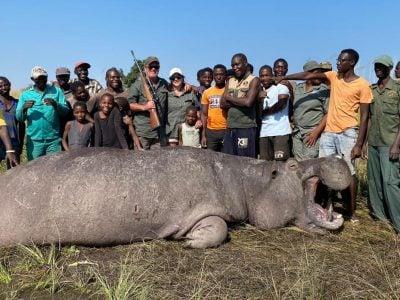
Wild Hippo Hunting In The Zambezi Region, Namibia
View Expedition Details
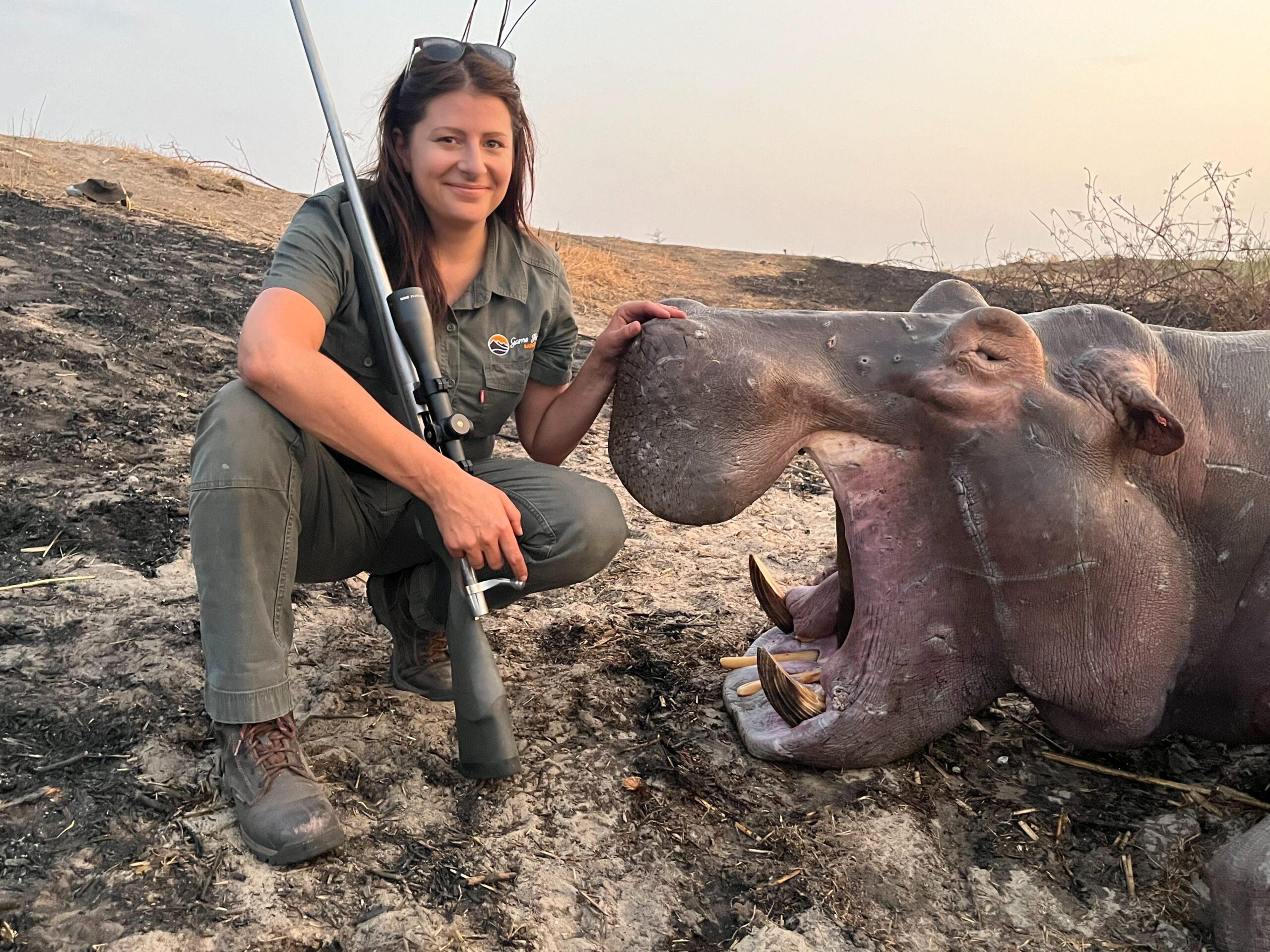
Hippo Hunting In The Zambezi Region (Caprivi Strip) Namibia
View Expedition Details
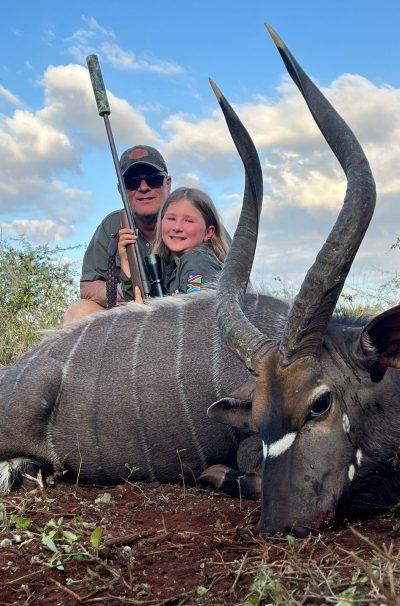
The Africa Plains Game safari, Trophy Nyala In KZN, SA
View Expedition Details
Hyena Hunting in South Africa | Safari Experience
View Expedition Details
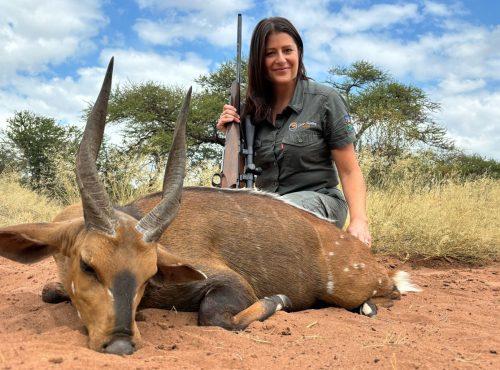
Bushbuck Hunting Safari in Limpopo | Stalking Africa’s Most Elusive Antelope
View Expedition Details
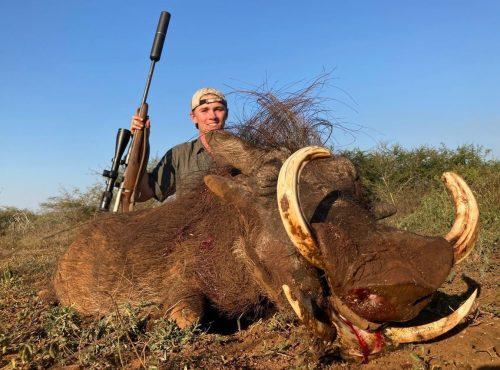
Warthog Hunting in Pongola, KwaZulu-Natal, South Africa
View Expedition Details
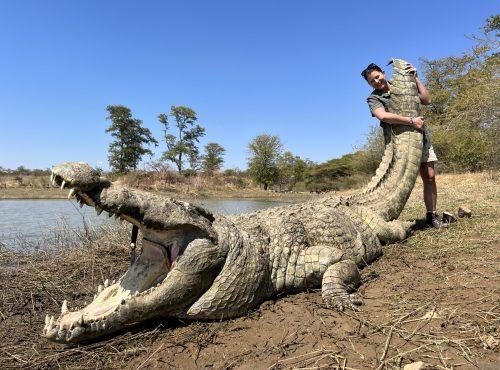
How We Took a 15.1 ft and a 14.9 ft Nile Crocodile on Lake Cahora Bassa
View Expedition Details
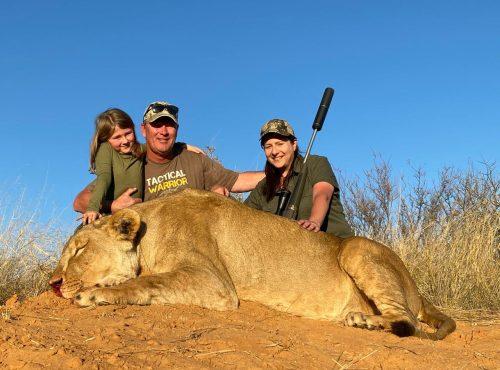
Lion Hunting In South Africa, Kalahari Desert Safari
View Expedition Details
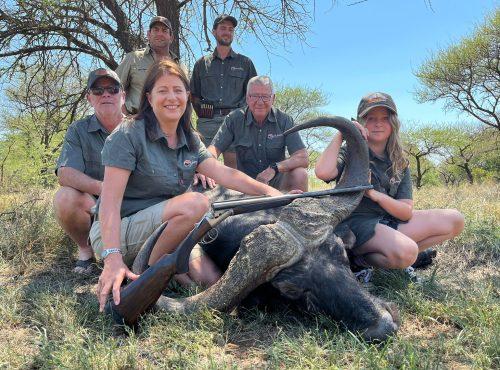
Dangerous Cape Buffalo Hunting Safari in Limpopo
View Expedition Details
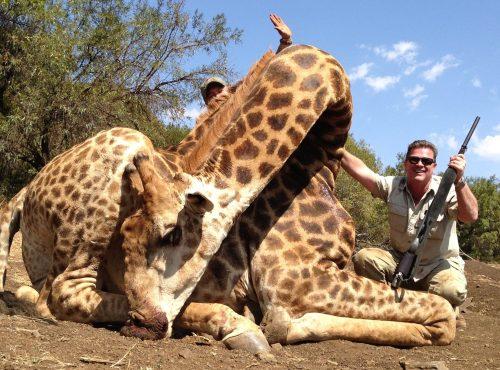
Giraffe Hunting Safari | North West Province, South Africa
View Expedition Details
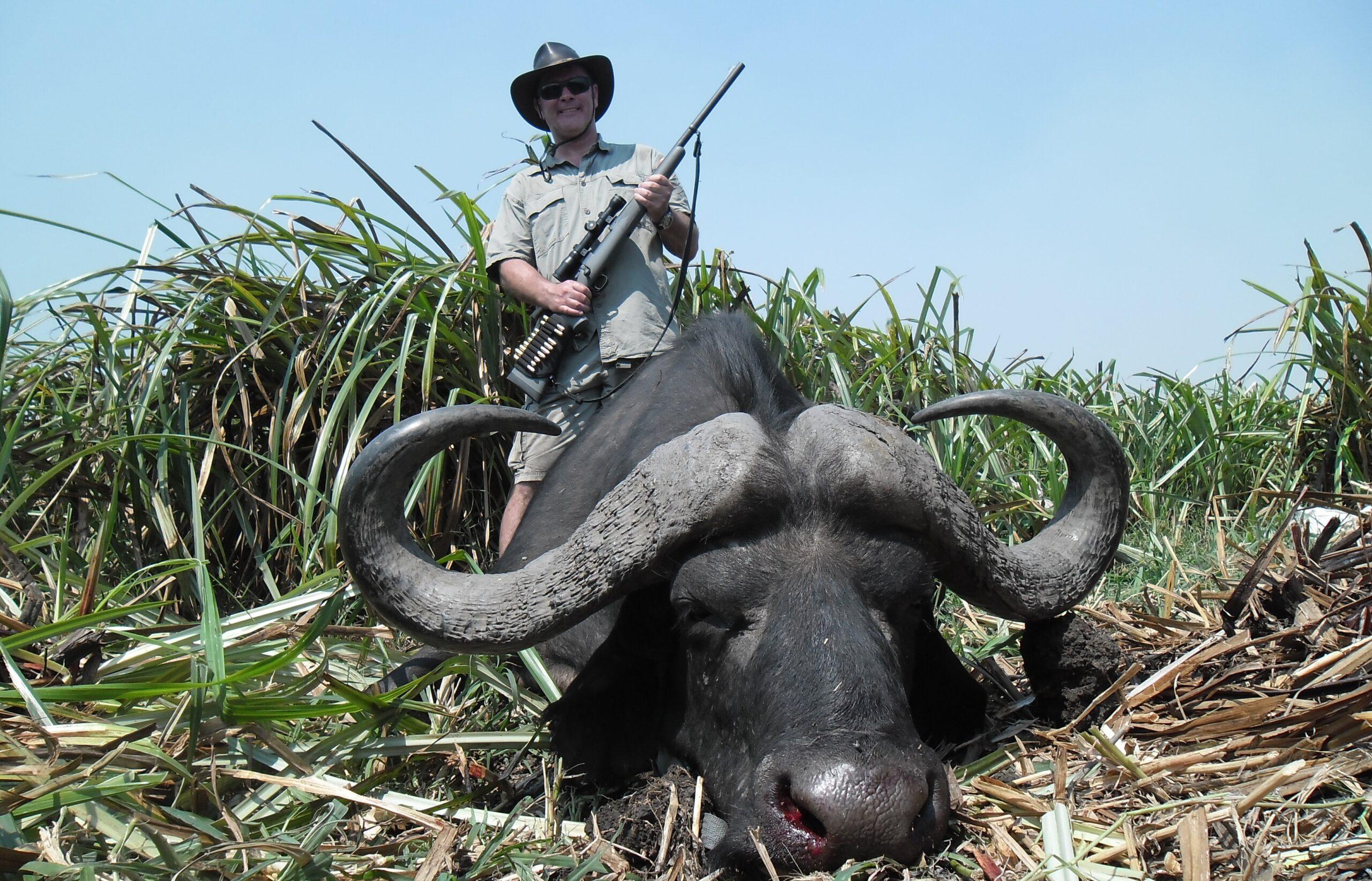
Dangerous Game Buffalo Hunting in Mozambique
View Expedition Details
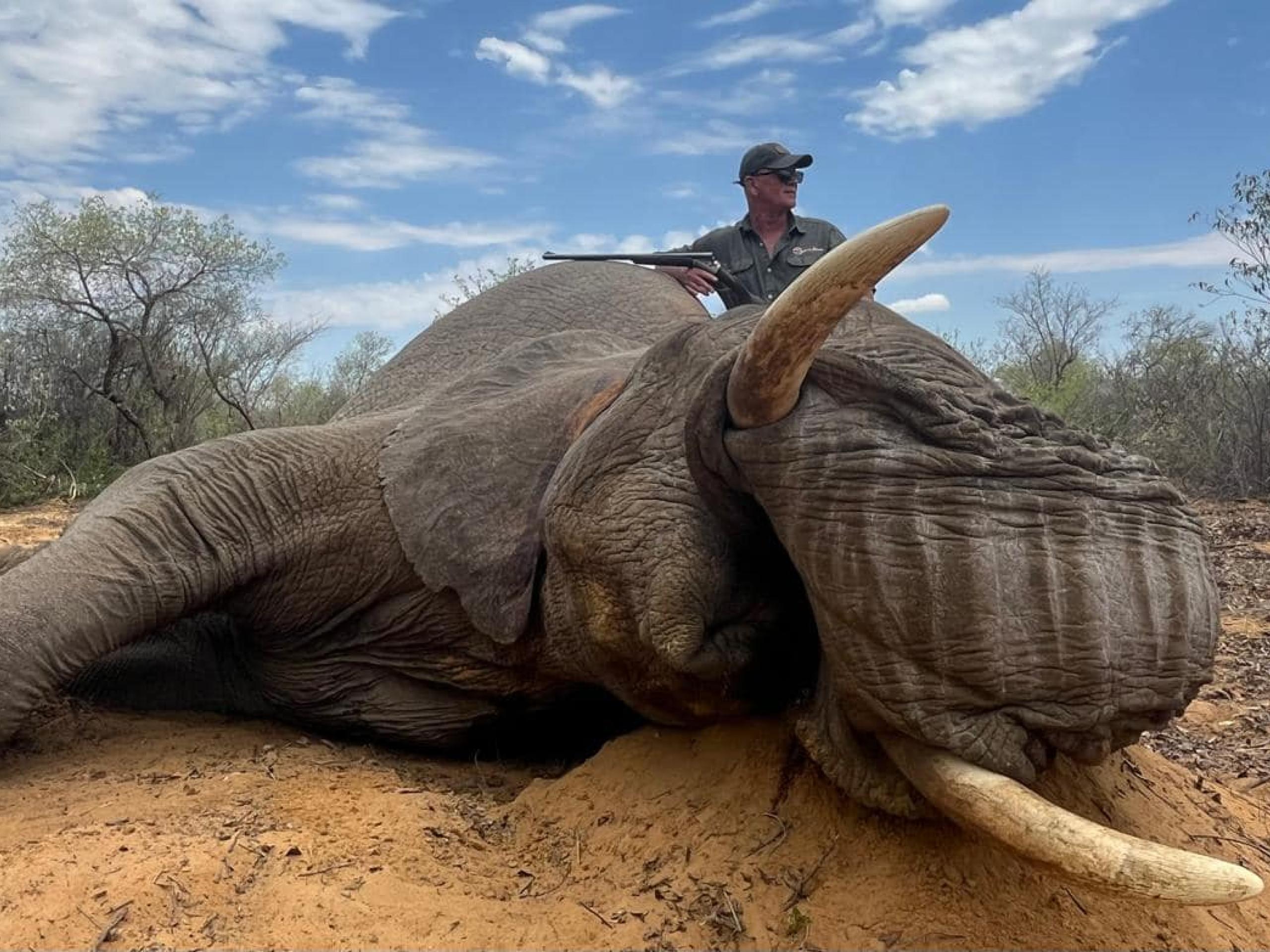
Drought Relief Elephant Hunting in Bushmanland, Namibia
View Expedition Details
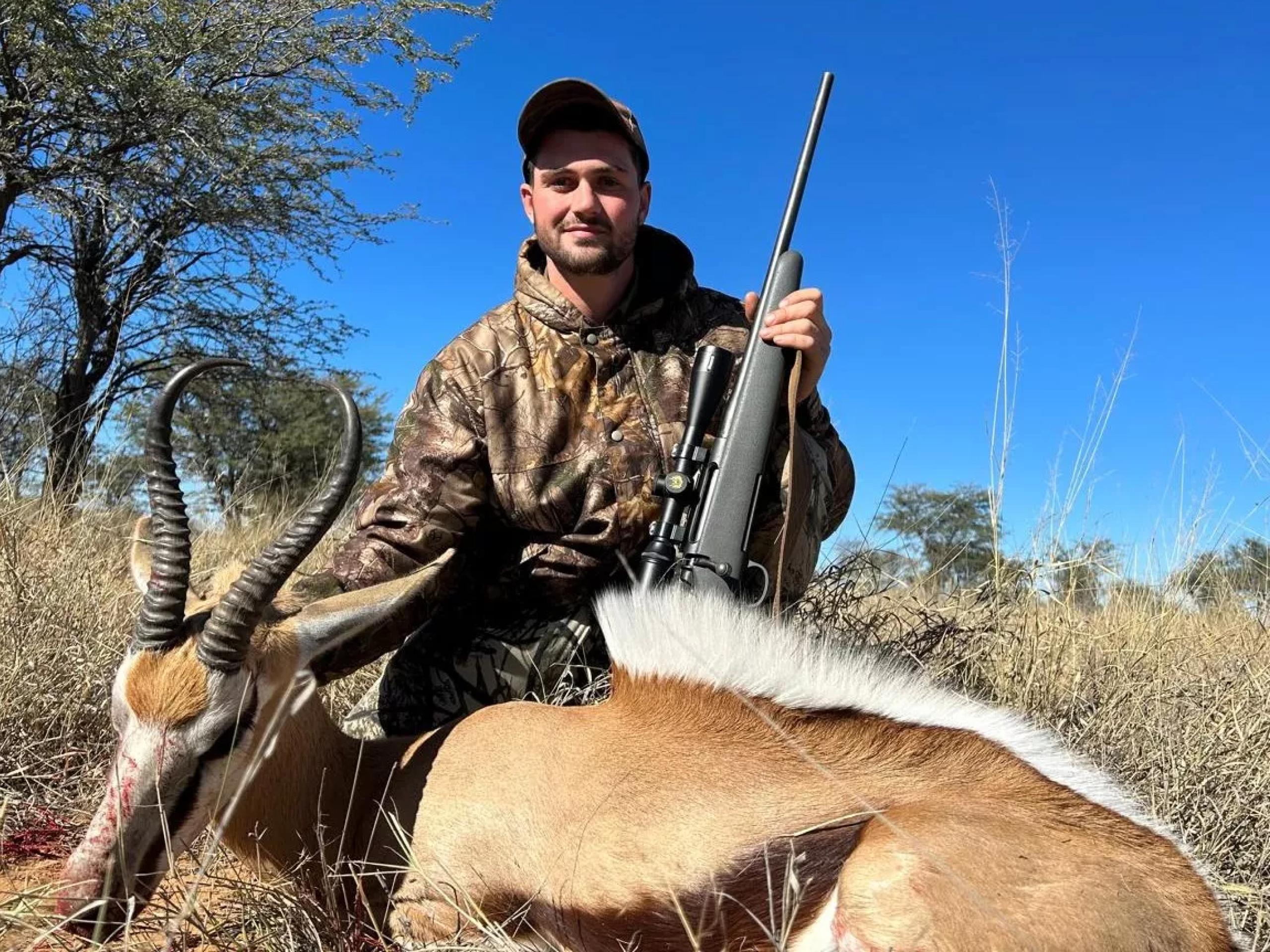
Rustic Kalahari Hunting Safari In South Africa
View Expedition Details
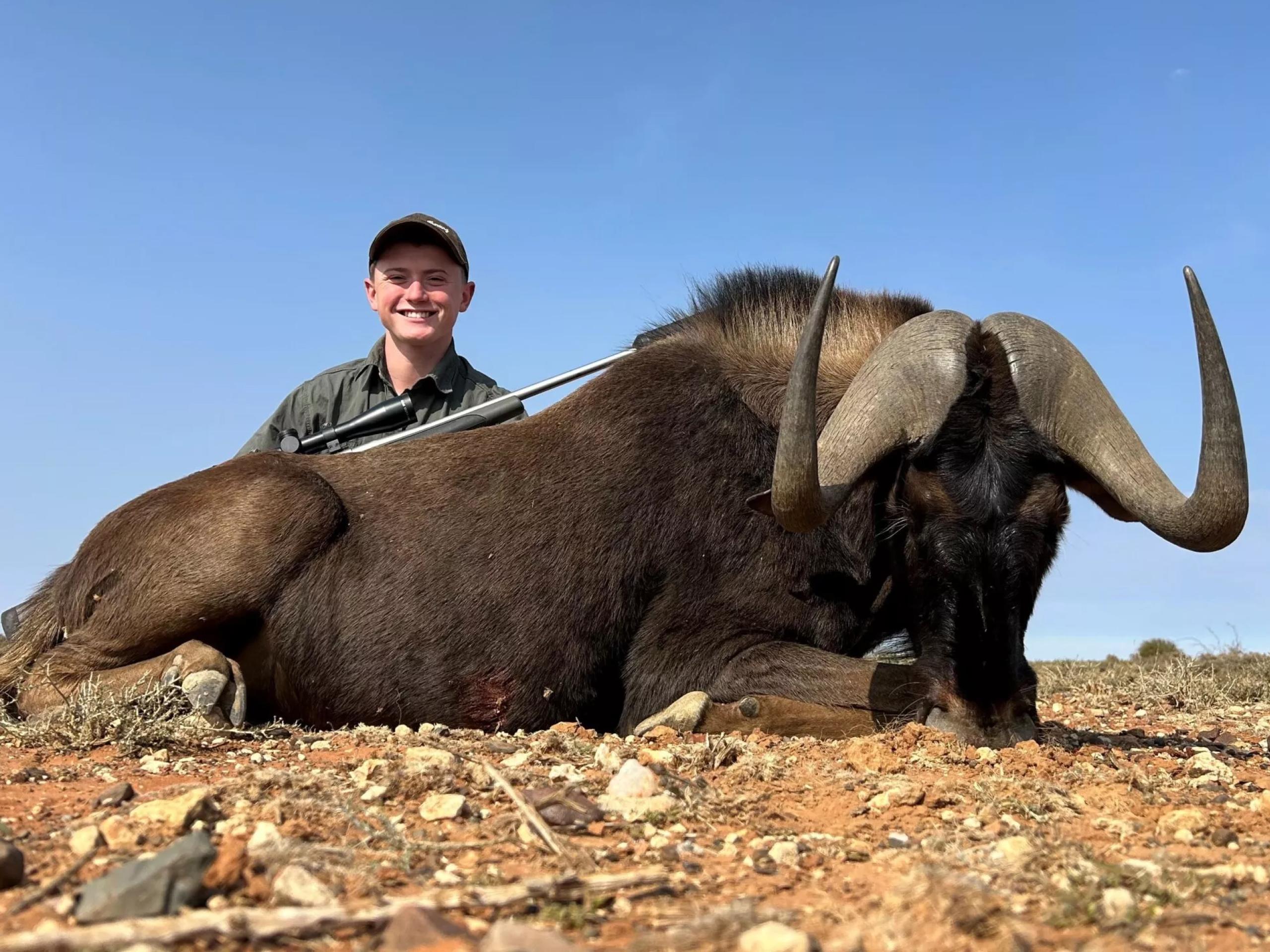
Karoo Hunting Safari In South Africa | Gemsbuck & Springbuck Hunt
View Expedition Details
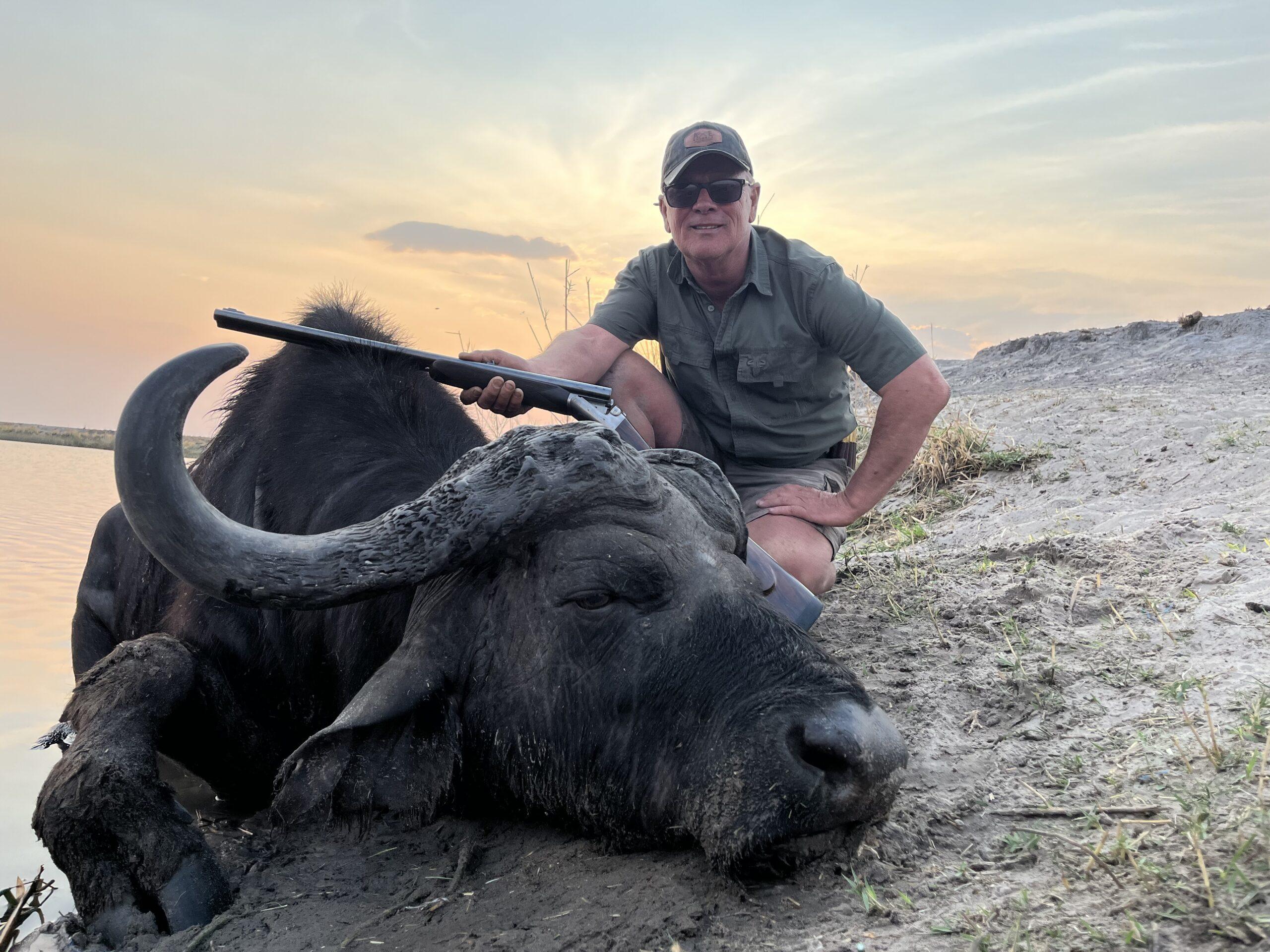
Cape Buffalo Hunting In Namibia’s Caprivi Strip
View Expedition Details
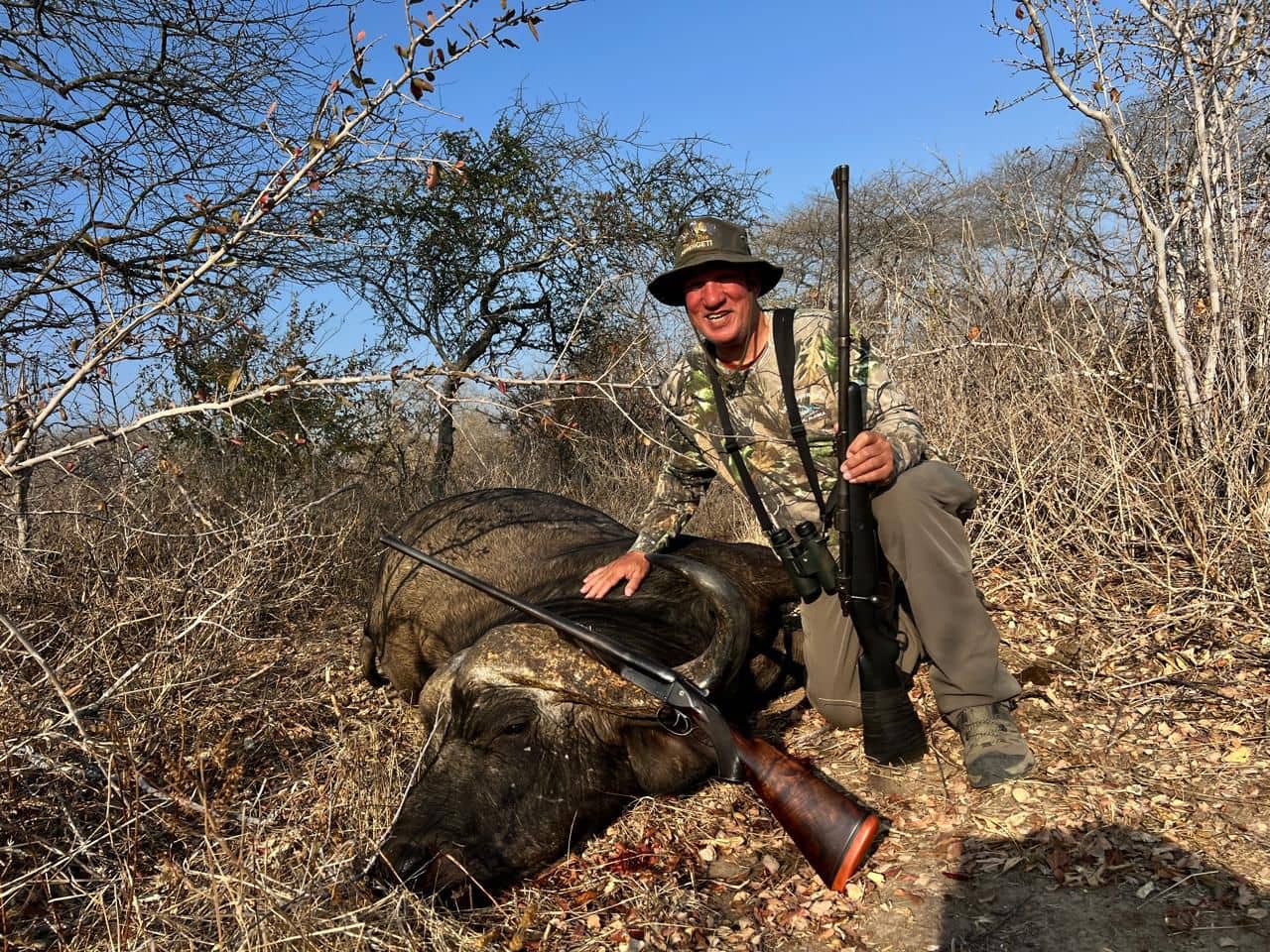
Following Mr Chapman’s Cape Buffalo Hunt in Lunda Nkwamb
View Expedition Details
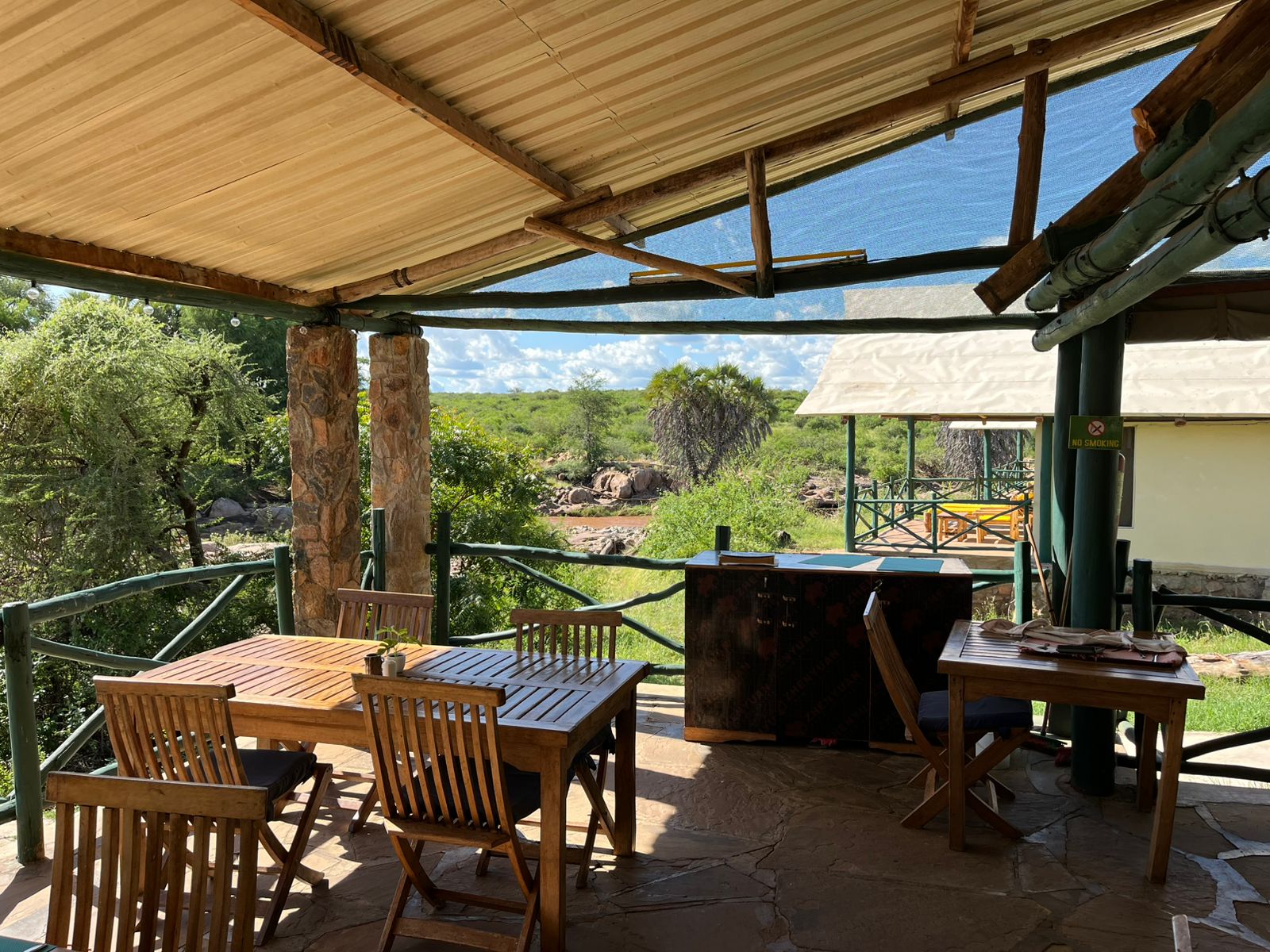
Tsavo Kenya Safari, Home Of Africa’s Big Tuskers
View Expedition Details
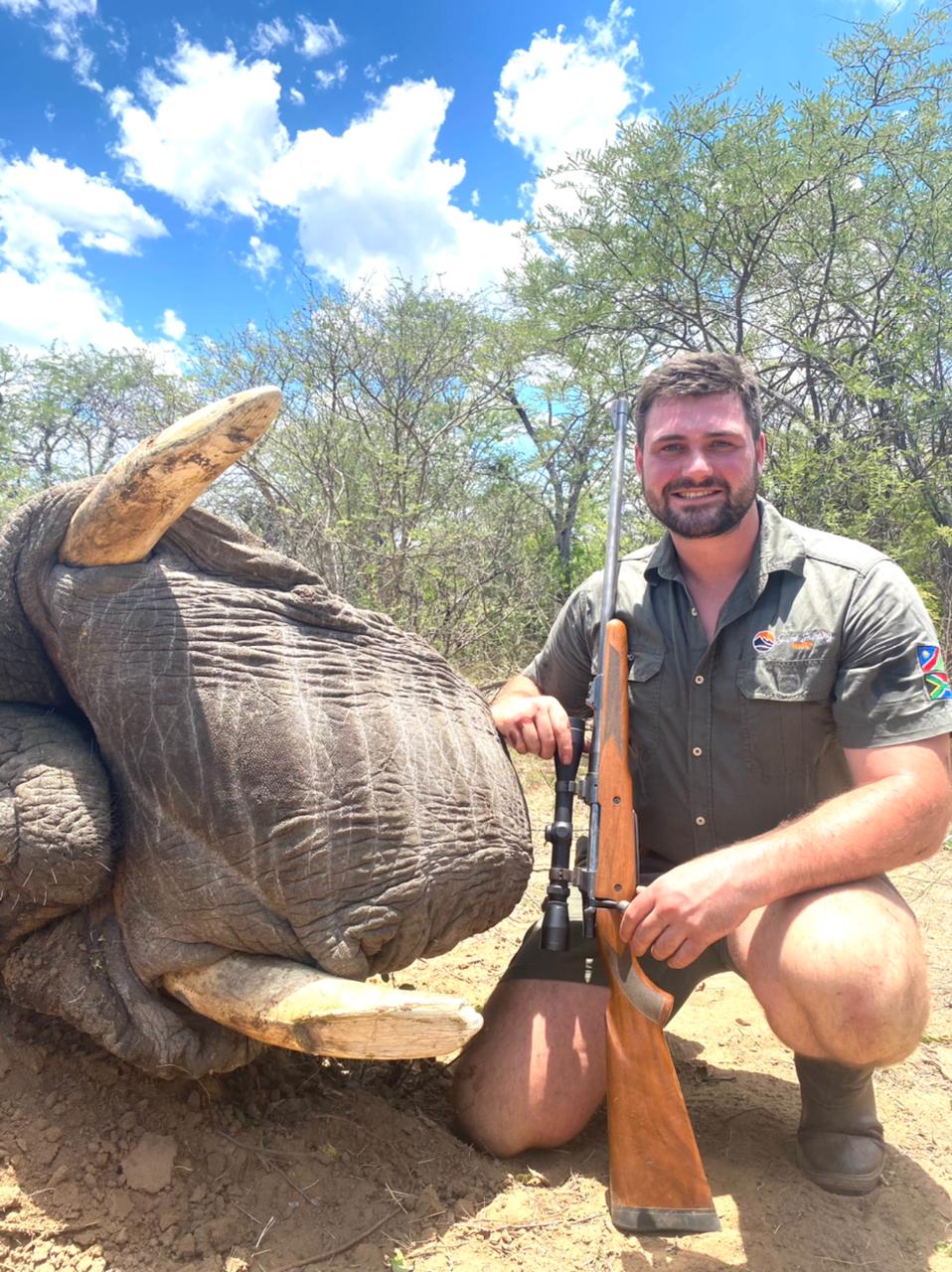
Problem Elephant Hunting Safari In Namibia
View Expedition Details
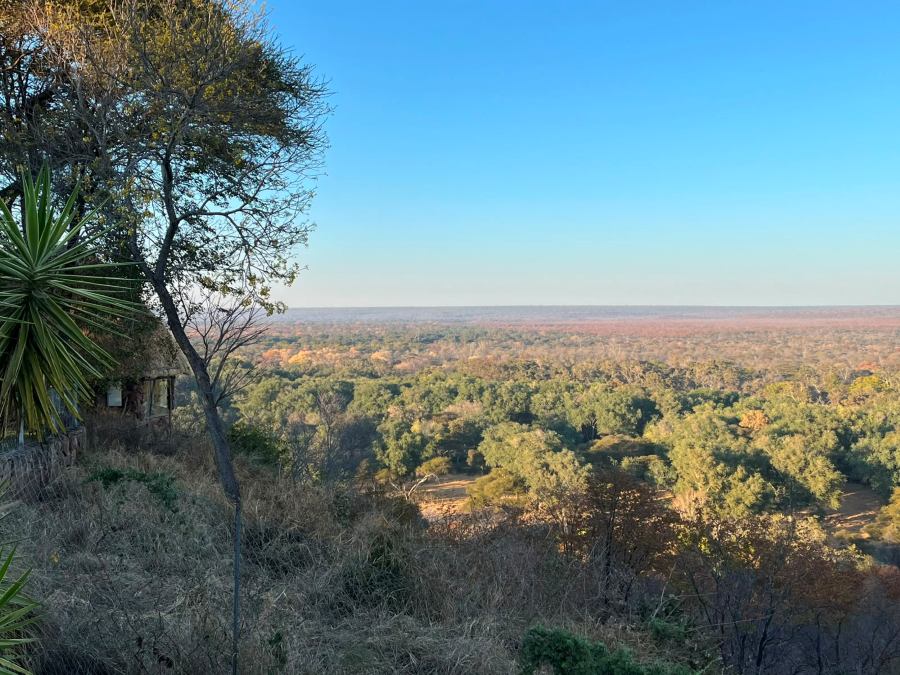
Exploring Zimbabwe's Matetsi, Gwayi & ECA Hunting Areas
View Expedition Details
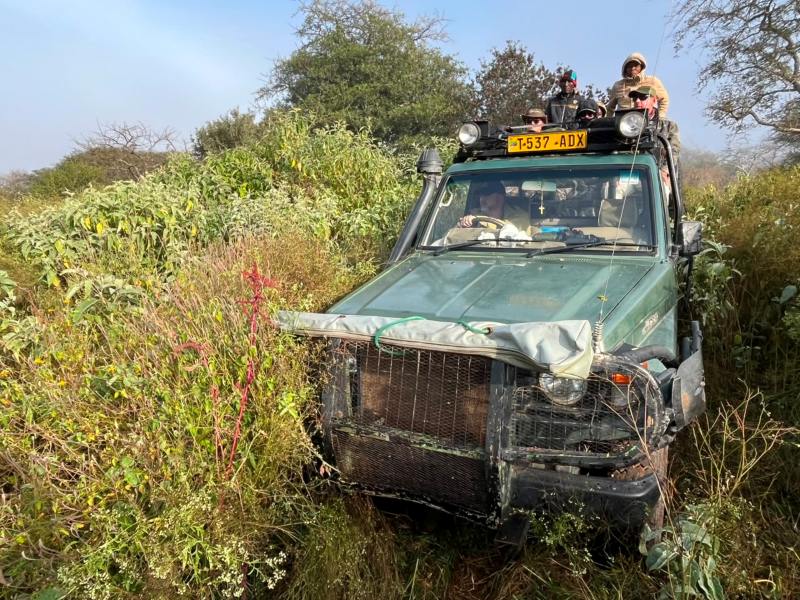
Exploring Tanzania's Simanjiro & Naberera Hunting Areas
View Expedition Details
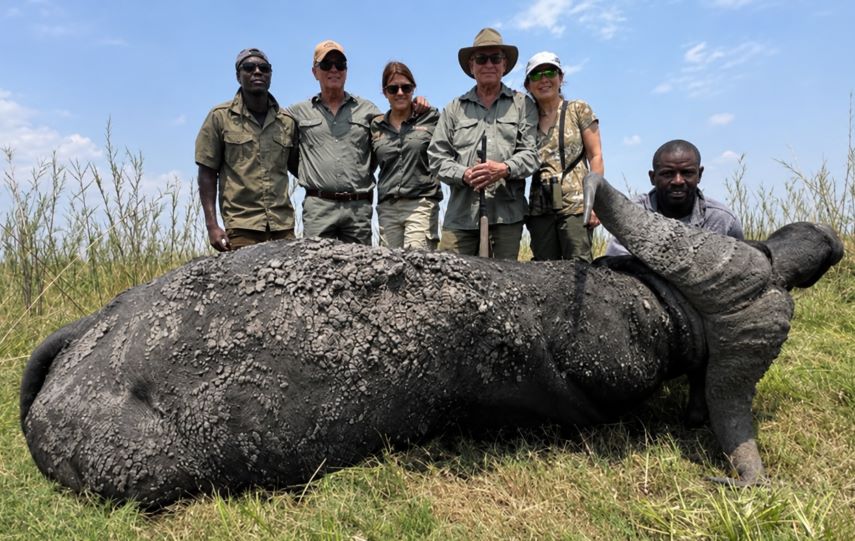
Late-Season Buffalo in the Caprivi: A Dagga Boy, Two Zebra and One That Got Away
View Expedition Details

Book Your Hunt