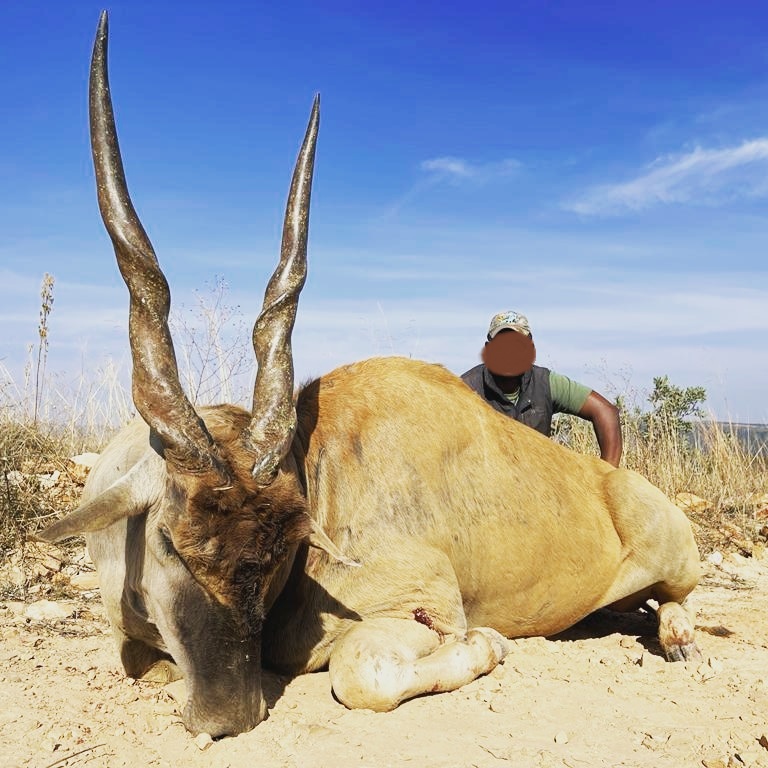
Hunt Eland, Kudu, Nyala & Bushbuck on this SA Spiral Horn Hunt
Booking Season: 2026
Hunt Difficulty: Difficult

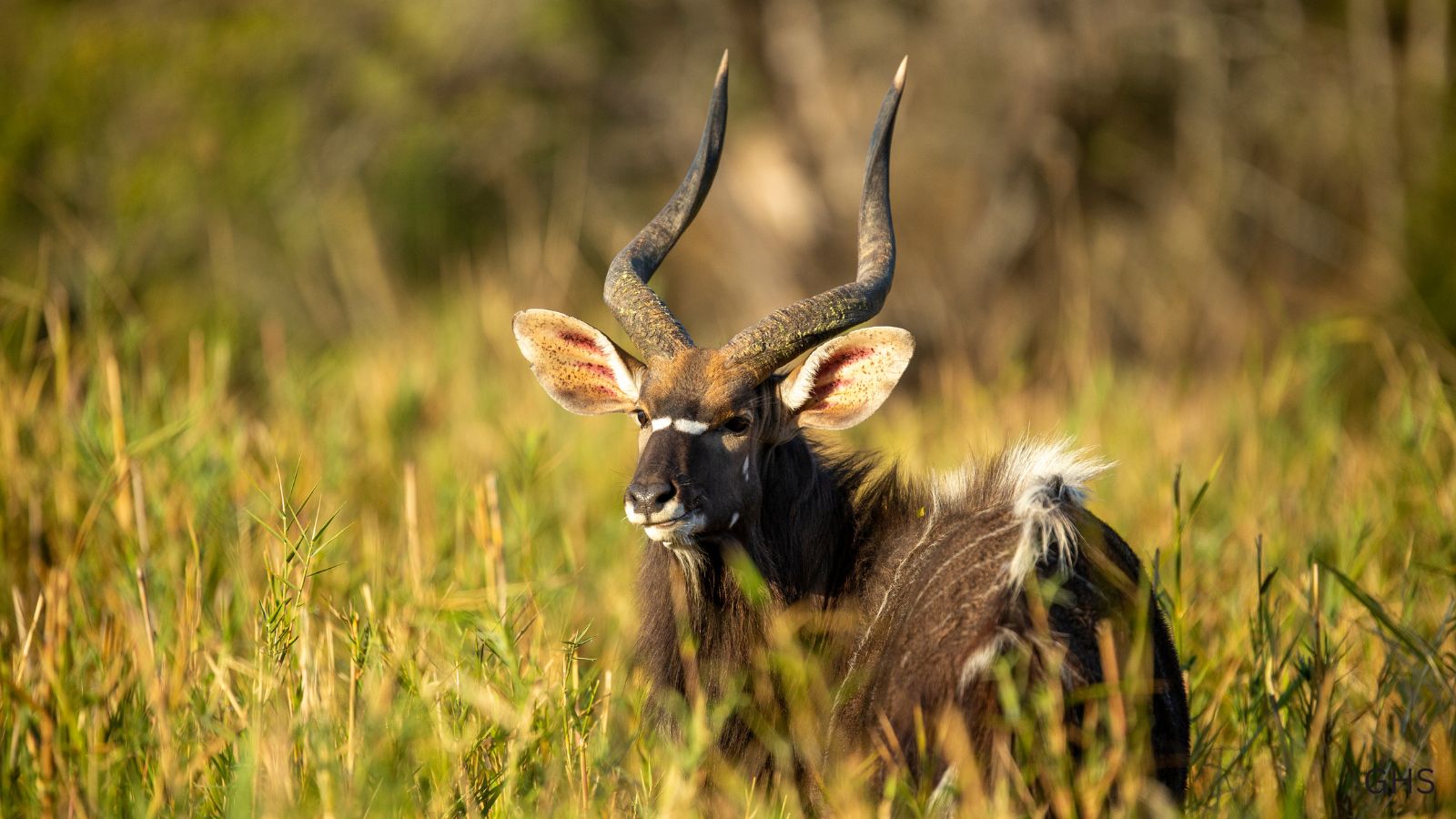
There is a reason the Nyala is often called the “Prince of the Spiral Horns.” If you’ve been on the African continent before, you might have caught a glimpse of one, a flash of shaggy dark coat and ivory-tipped horns slipping silently into the thickets of KwaZulu-Natal. It stops your heart, doesn’t it? For many American sportsmen, Nyala hunts represent a significant step up in their safari career. It isn’t just another plains game animal: it is a ghost of the thick bush, a species that demands patience, skill, and the right location.
But here is the thing: booking a plans game hunt for these elusive creatures can feel like navigating a minefield. You are dealing with varying trophy fees, questionable concession boundaries, and the lingering fear that the “prime area” you were sold is actually a picked-over cattle farm. That is where we come in. At Game Hunting Safaris, we act as the bridge between you and the most reputable outfitters in Southern Africa. We have vetted the operators, checked the genetics, and handled the boring logistics, permits, travel, trophy export, so you can focus on the stalk. Whether you are after a 28-inch bull or simply want the experience of hunting one of Africa’s most beautiful antelopes without the admin headache, you are in the right place.
Available Common Nyala Hunts
Hunt Eland, Kudu, Nyala & Bushbuck on this SA Spiral Horn Hunt
Booking Season: 2026
Hunt Difficulty: Difficult
Hunting Safari in SA 10 x Nights Plains Game Combination
Booking Season: 2025
Hunt Difficulty: Difficult

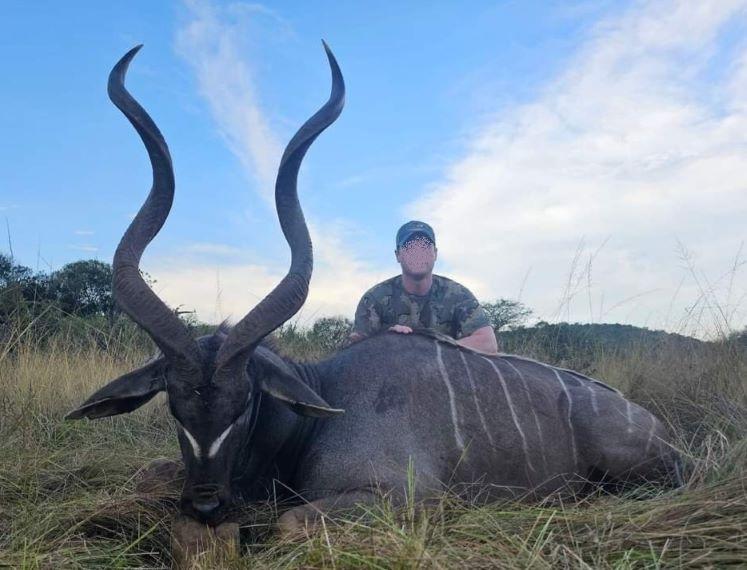
South African Plains Game Safari Trophy Nyala plus 5 Species
Booking Season: 2026
Hunt Difficulty: Moderate, Difficult
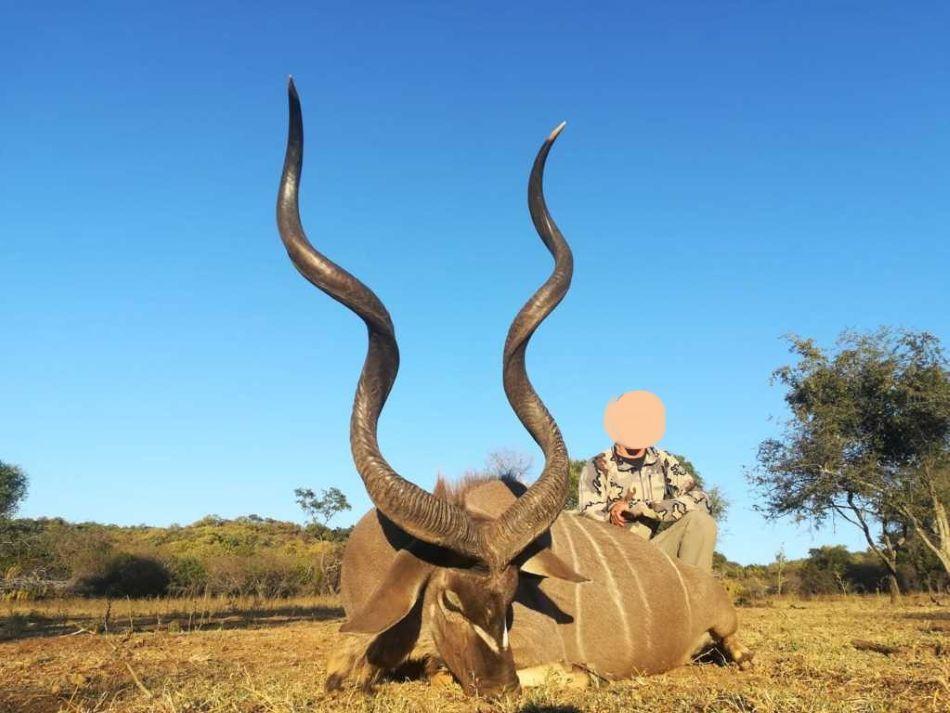
10-Day Plains Game Extravaganza Hunting in South Africa
Booking Season: 2026
Hunt Difficulty: Moderate
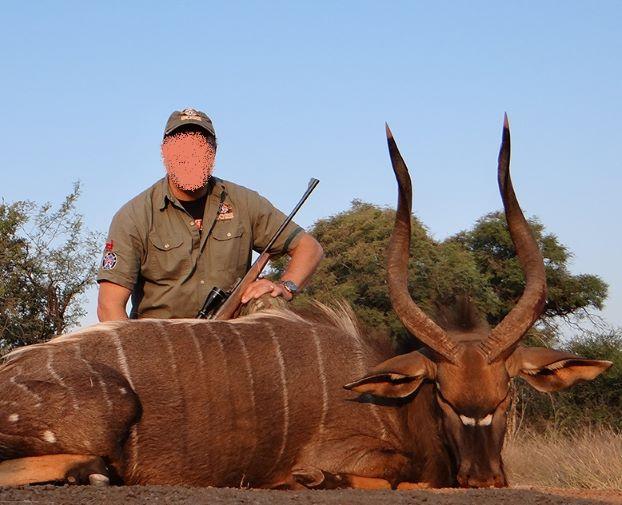
Plains Game Hunting in South Africa, 10 days x 10 x Species
Booking Season: 2025
Hunt Difficulty: Moderate

African Plains Game Hunt, plus Night Critters 10 Days in SA
Booking Season: 2025
Hunt Difficulty: Moderate, Difficult
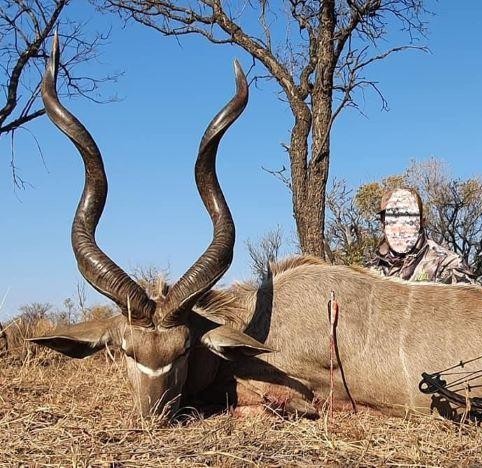
Spiral Horn Hunting Package in South Africa for 8 days
Booking Season: 2026
Hunt Difficulty: Moderate

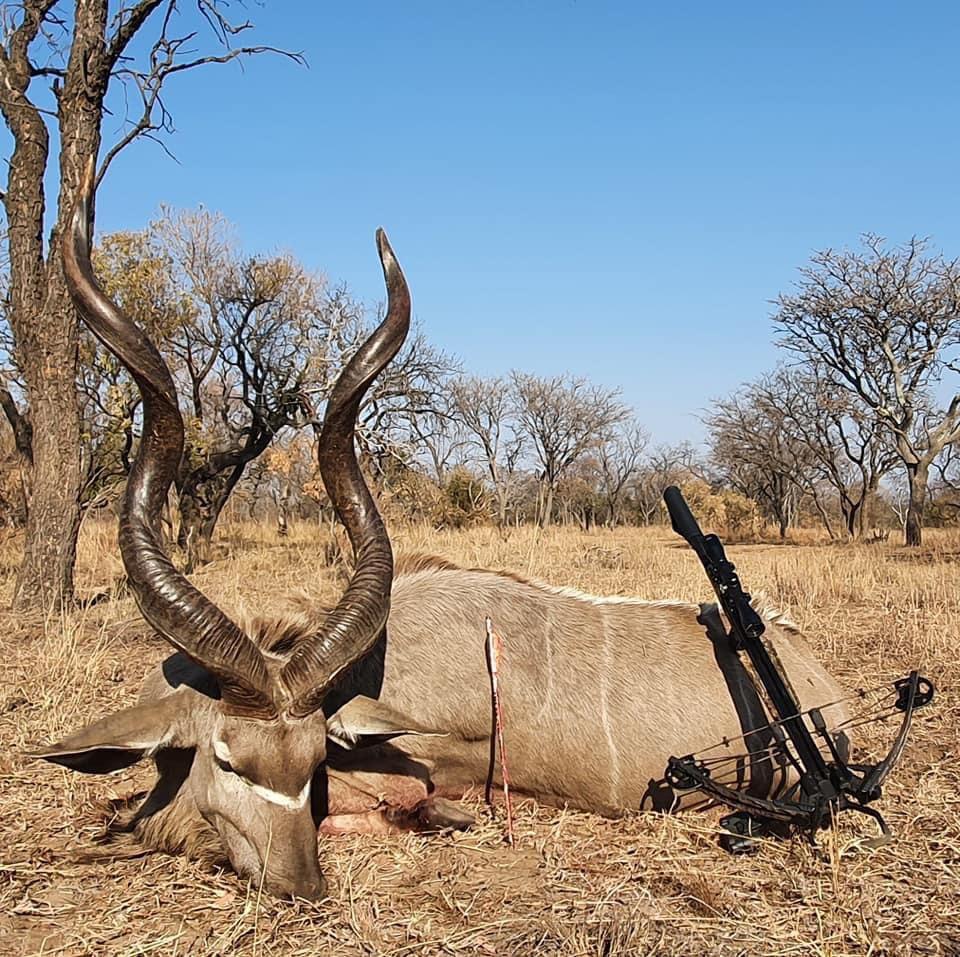
Wildebeest hunting and More in SA 10 days x 2 Hunters
Booking Season: 2026
Hunt Difficulty: Moderate

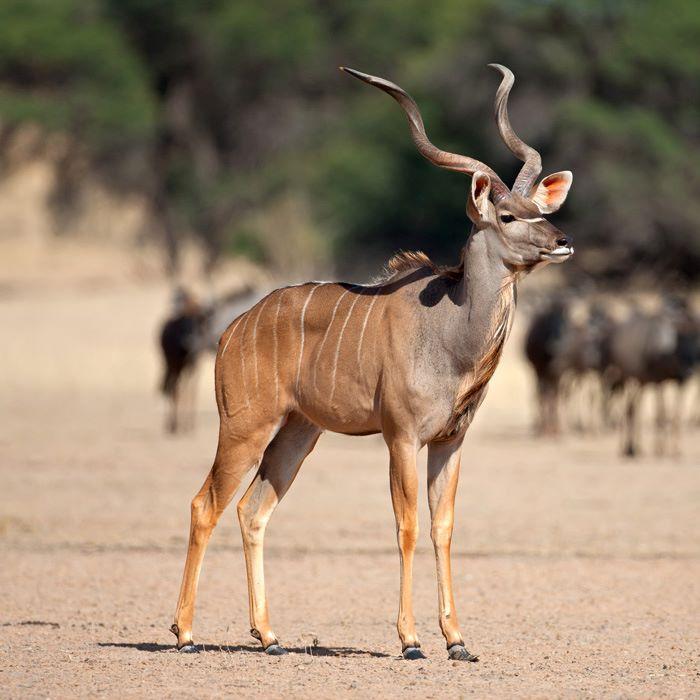
10 Days Kudu hunting bonanza and more for 2 Hunters in SA
Booking Season: 2026
Hunt Difficulty: Difficult
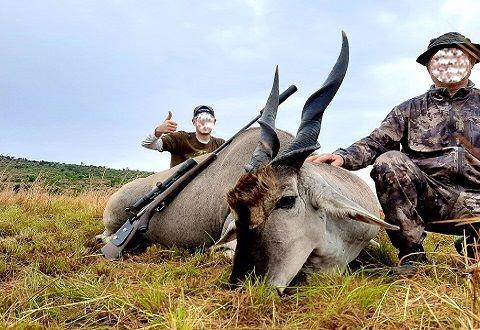
African Hunting Safari in the Waterberg SA Spiral Horn Slam
Booking Season: 2026
Hunt Difficulty: Moderate, Difficult
You can’t hunt what you don’t understand. And honestly, the Nyala (Tragelaphus angasii) is one of the most misunderstood animals in the bush. A lot of first-timers confuse their behavior with that of the Kudu or Bushbuck, assuming they’ll react the same way to pressure. They won’t. Nyala are sexually dimorphic, which means the males and females look so different they could be separate species. The bulls are dark, almost charcoal-grey with shaggy manes and yellow socks, while the ewes are a striking chestnut with distinct white stripes. But it’s the bull’s behavior that matters to us.
They are creatures of the shadows. Unlike the Impala or Springbok that you might see grazing in the open plains at high noon, a big, mature Nyala bull is secretive. They favor dense riverine bush, thickets, and dry sand forest environments. They are browsers, feeding on leaves, fruit, and pods, and they are most active during the cooler parts of the day, early morning and late afternoon.
Here is a detail that trips up a lot of hunters: they are not herd animals in the traditional sense. You will often find a bull alone or loosely associating with a female. This isolation makes them harder to spot. They don’t have fifty pairs of eyes watching for you: they have one pair, and they know how to use them. When spooked, a Nyala doesn’t always bolt immediately like a Blesbok. They have a tendency to freeze or slip quietly into the deepest shadow available. If you bump them hard, they’ll give a deep, dog-like bark, a sound that usually signals your stalk is over.
Knowing this behavior is critical for your success. It means you aren’t just walking and looking: you are hunting habitat. You are looking for the pockets of dense green where a bull feels safe enough to move. It’s a game of patience.
Actionable Insight: Before your trip, study images of Nyala in deep shade. Train your eye to look for the horizontal white line of the facial chevron or the glint of horn tips, rather than the whole animal. Most hunters fail because they are looking for a silhouette, not the pieces of the puzzle.
Geography is everything. You could be the best shot in the Tri-State area, but if you are hunting in a region with poor genetics or low population density, you are going to come home empty-handed. Historically, the Nyala’s range was quite restricted, primarily hugging the coastal regions of southeastern Africa. Today, thanks to game management, their range has expanded, but the “gold standard” locations remain consistent.
KwaZulu-Natal (KZN) in South Africa is arguably the heartland of Nyala hunting. The lush, dense vegetation here is exactly what these animals thrive on. If you want high density and big bulls, KZN is often the first place we recommend. But, the Limpopo province has also produced incredible trophies in recent years, particularly in areas where the bushveld is thick enough to offer them security.
We also send clients to Mozambique. If you are looking for a wilder, more old-school safari experience, hunting Nyala in their native range in Mozambique can be incredibly rewarding. The sheer expanse of the concessions there means you are hunting truly wild, free-ranging animals.
Why does this matter to you? Because the location dictates the hunt style. In KZN, the terrain can be hilly and thick, demanding physical fitness and quick shooting. In Limpopo, it might be flatter but equally dense. We don’t just throw a dart at a map: we match the location to your physical abilities and your trophy expectations. We avoid the “put-and-take” properties where animals are dropped in yesterday. We only book with outfitters who manage sustainable, breeding populations.
When you request a quote from us, we look at the current season’s reports. Has KZN had good rain? Is the browse good in Limpopo? These factors affect horn growth and animal condition.
The Bottom Line: Don’t just book “South Africa.” Ask specifically about the district and the terrain. Or better yet, let us do that analysis for you. We know which outfitters are currently pulling 28-inch bulls and which ones are resting their blocks.
There isn’t a single “right” way to hunt Nyala, but there are definitely wrong ways. Because these animals rely so heavily on concealment, simply walking through the bush hoping to bump into one is a low-percentage play. We usually employ one of two main strategies, depending on the terrain and your weapon of choice.
Spot and Stalk Techniques
This is the purist’s approach, and honestly, it’s the most adrenaline-pumping way to do it. Spot and stalk for Nyala is usually a slow, deliberate affair. We typically start by glassing from a vantage point, a hill or a ridge, during the first light of day. You are looking for that movement in the valley below, a bull stepping out of the riverine bush to sun himself.
Once a bull is spotted, the real work begins. You have to close the distance, often through thick vegetation that seems designed to snap under your boots. The wind is your god here. Nyala have decent eyesight, but their hearing and sense of smell are phenomenal. If the wind swirls, he’s gone.
The stalk often ends in a close-quarters encounter. You might be crawling on hands and knees to get under the canopy. This method requires a good pair of binoculars (8x42 or 10x42) and soft-soled boots to dampen your noise. It’s active, it’s sweaty, and it’s incredibly rewarding when it comes together.
Hunting from Blinds
Now, don’t turn your nose up at the blind. For bowhunters, this is often the only viable option to get within 30 yards of a skittish bull. But even for rifle hunters, blinds can be highly effective, especially in the late dry season (August to October) when water is scarce.
Sitting over a waterhole or a mineral lick allows you to evaluate the animal properly. Since judging Nyala horns can be tricky (more on that later), having the time to watch a bull for five or ten minutes ensures you aren’t shooting a young up-and-comer by mistake. It’s a game of patience. You might sit for four hours and see nothing but Warthogs and Guinea fowl, and then suddenly, silently, he’s there.
Pro Tip: If you choose a blind hunt, bring a good book and sit still. Sound carries in the blind. We ensure our outfitters use high-quality, scent-controlled blinds to maximize your success rate.
Action Item: Discuss your physical limitations with us upfront. If you can’t crawl through thornbush for three hours, tell us. We can arrange a hunt that focuses on ambush tactics or vehicle-assisted spotting which is perfectly ethical and effective.
Let’s talk ballistics. A Nyala bull can weigh anywhere from 250 to over 300 pounds. They are not delicate creatures. Like most African game, they are pound-for-pound tougher than their North American counterparts. They carry their vitals slightly further forward and have an incredible will to live. If you wound a Nyala in the thick stuff, you are in for a long, potentially dangerous day of tracking.
For rifle selection, you don’t need a cannon, but you shouldn’t bring a peashooter either. The .270 Winchester with heavy bullets is the absolute minimum we’d recommend, and even then, shot placement must be surgical. Ideally, you want to be in the .30 caliber class. A .308 Win, .30-06 Springfield, or .300 Win Mag are perfect choices. They offer enough hydrostatic shock and penetration to put a bull down quickly.
Bullet choice matters more than caliber. Leave the rapid-expanding ballistic tips at home. You want a premium, bonded bullet or a partition style, something like a Swift A-Frame, Barnes TSX, or Nosler Partition. You need a bullet that will punch through the shoulder bone and hold together to reach the vitals.
Nyala are not particularly tough animals, but clean shot placement is important due to the thick cover they are usually hunted in. The ideal shot is just behind the shoulder, targeting the heart and lungs in the lower third of the body.
Because of the nyala’s long, hanging hair, it can be difficult to judge the exact line of the chest. When in doubt, it is better to aim slightly high rather than too low.
For a complete breakdown of angles and positioning, refer to our guide for medium antelope.
This is where the rubber meets the road. You’ve flown halfway across the world, spent thousands of dollars, and now you’re looking through the scope. Is he a shooter? Field judging Nyala is notorious for tricking even experienced hunters. The difference between a 26-inch bull and a 29-inch monster can be subtle.
First, look at the shape. You want a deep, bell-shaped flare in the horns. A wide spread is desirable, but the classic “lyre” shape is the hallmark of a trophy.
The Tips: Look for ivory tips. While worn tips can indicate an old warrior, white, sharp tips often add that extra inch or two to the measurement. But be careful, sometimes worn-down horns on a very old bull score lower but have much more character. It depends on what you value: the tape measure or the story.
The Bases: Heavy bases are a good sign of maturity. The horns should look substantial where they leave the skull. If they look spindly or thin, he’s likely young.
The Chevron: A mature bull will have a prominent white chevron on his nose. His coat should be dark, shaggy, and lustrous. As bulls age, they often lose some of the distinct striping on their flanks, becoming darker and more monochromatic.
The Magic Number: For most hunters, the benchmark for a trophy Nyala is 27 inches. Anything over 28 inches is exceptional. A 30-inch bull is the Holy Grail.
Here is a quick trick: Look at the ears. A Nyala’s ears are roughly 8 to 9 inches long. If the straight part of the horn (before the curve) looks nearly three times the length of the ear, you are looking at a monster.
But, don’t get too hung up on the tape. We always tell our clients: if the animal takes your breath away, take the shot. Trophy hunting is personal. A quirky, asymmetrical bull hunted hard on foot might mean more to you than a perfect 29-incher shot from the truck.
Actionable Advice: Trust your PH, but educate yourself. Before your trip, ask us to send you reference photos of bulls taken in the specific area you’ll be hunting. It helps calibrate your eye to the local genetics.
Hunting Nyala is more than just checking a box on a species list: it’s an immersion into the shadow-world of the African bush. It’s the smell of crushed sage, the wait in the silence, and the sudden, heart-stopping appearance of the “Prince.”
But a dream trip can turn into a logistical nightmare if you don’t have the right support. You don’t want to be stuck at O.R. Tambo airport arguing about firearm permits, or arriving at a lodge to find out the “luxury tent” is a leaky canvas flap. That is the reality for too many hunters who try to DIY their African adventure.
At Game Hunting Safaris, we take that risk off the table. We’ve done the legwork. We know the outfitters, we know the concessions, and we know the regulations. We offer you transparent pricing in USD, so you know exactly what the bottom line is before you even pack your bags.
So, if you are ready to chase the spiral horn challenge, don’t leave it to chance.
✉️ Reach out to one of our safari specialists today. Let’s discuss your goals, your budget, and your dream hunt. Click “Request a Quote” now, and let’s get you into the long grass.
🌍 Browse our active hunting listings and secure your preferred species and dates.
Nyala are most often hunted using spot-and-stalk methods in thick cover, especially along watercourses and dense bush where they spend most of their time.
They rarely stay in the open for long, so success depends on controlled movement and reading the terrain properly. Opportunities often come at closer ranges, particularly when working through heavy vegetation.
Nyala reward hunters who slow down, stay alert, and take advantage of brief, well-positioned chances.
Nyala are considered a premium plains game species and remain one of the more sought-after trophies on safari.
Trophy fees typically sit in the mid-to-upper range for plains game. The focus is on mature bulls with well-developed spiral horns, and locating the right animal can take time depending on area and conditions.
Nyala are generally treated as a primary target, especially for hunters interested in spiral-horned antelope.
Nyala are often compared to kudu and bushbuck, but each offers a different hunting experience.
Kudu are larger and typically hunted in more open terrain, making them a classic spot-and-stalk animal.
Bushbuck are smaller, more territorial, and usually encountered in thick riverine cover, requiring a slower, more deliberate approach.
Nyala sit between the two—combining size, visual appeal, and a hunting style that relies on careful movement in dense habitat.
Many first-time safari hunters expect nyala hunting to follow the same pattern as other plains game. It doesn’t.
Nyala spend most of their time in thick cover and are not always consistently visible. Finding a mature bull in the right conditions can take longer than expected.
They are also often underestimated. While not as large as kudu, the environment they live in can make them just as demanding in practice.
Getting this right upfront changes how the entire hunt is approached.
Nyala are one of the most visually striking plains game species in Africa and are often treated as a primary objective.
For hunters focused on spiral-horned antelope or building a well-rounded trophy list, they are a strong inclusion.
If time is limited or priorities are fixed, they should be balanced against other key species.
Nyala stand out because of where and how they are hunted.
They are not always predictable, and success depends on timing, positioning, and taking advantage of limited opportunities.
For hunters who appreciate that style of hunting, nyala consistently rank as one of the more rewarding animals on safari.
KwaZulu-Natal (KZN) in South Africa is considered the heartland for Nyala hunts due to its dense, lush vegetation. However, the Limpopo province and Mozambique also offer exceptional trophy quality. Game Hunting Safaris helps match the location to your physical abilities and terrain preferences.
While a .270 Winchester is the minimum, the preferred calibers are in the .30 class, such as the .308 Win, .30-06 Springfield, or .300 Win Mag. It is crucial to use premium, bonded bullets like Swift A-Frames or Barnes TSX to penetrate the shoulder bone and reach the vitals.
Nyala trophy fees generally range between $2,000 and $3,500, depending on the concession and package, exclusive of daily rates. Because fees vary significantly by region and outfitter quality, Game Hunting Safaris provides transparent quotes in USD to ensure there are no hidden costs.
Because Nyala are secretive creatures of the thickets, two main strategies apply: ‘spot and stalk’ during early morning or late afternoon, and hunting from blinds near waterholes. The latter is particularly effective for bowhunters or during the dry season (August to October).
The industry benchmark for a trophy Nyala is 27 inches. A 28-inch bull is considered exceptional, and anything approaching 30 inches is rare. When field judging, look for a deep bell-shaped flare, heavy bases, and ivory-tipped horns.
Yes, Nyala meat is considered excellent table fare. It is lean, tender, and mild in flavor, often ranking alongside Kudu and Eland as some of the best venison in Africa. Many safari lodges will prepare fresh game meat for hunters to enjoy after a successful harvest.
A well-planned nyala hunt comes down to understanding the animal, the environment, and the pace required to do it properly. It is not about volume or easy opportunities, but about making the most of the right moment when it presents itself. For hunters who approach it with that mindset, nyala consistently deliver a level of challenge and satisfaction that places them among the more respected plains game species in Africa.
A well-planned nyala hunt comes down to understanding the animal, the environment, and the pace required to do it properly. It is not about volume or easy opportunities, but about making the most of the right moment when it presents itself. For hunters who approach it with that mindset, nyala consistently deliver a level of challenge and satisfaction that places them among the more respected plains game species in Africa.
Search from our range of Hunts across various popular destinations in Africa.

Book Your Hunt