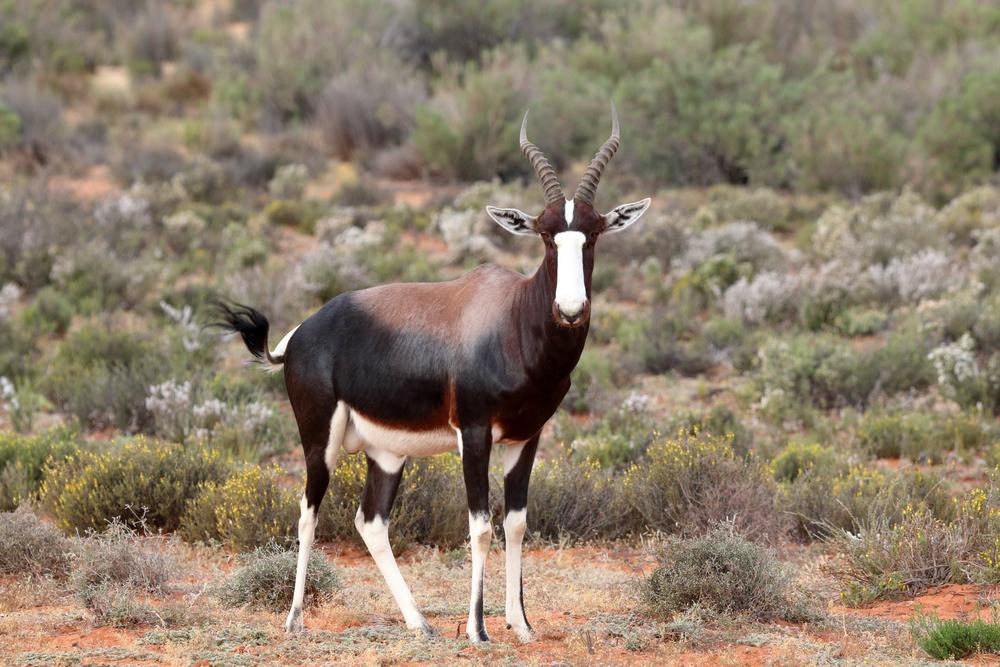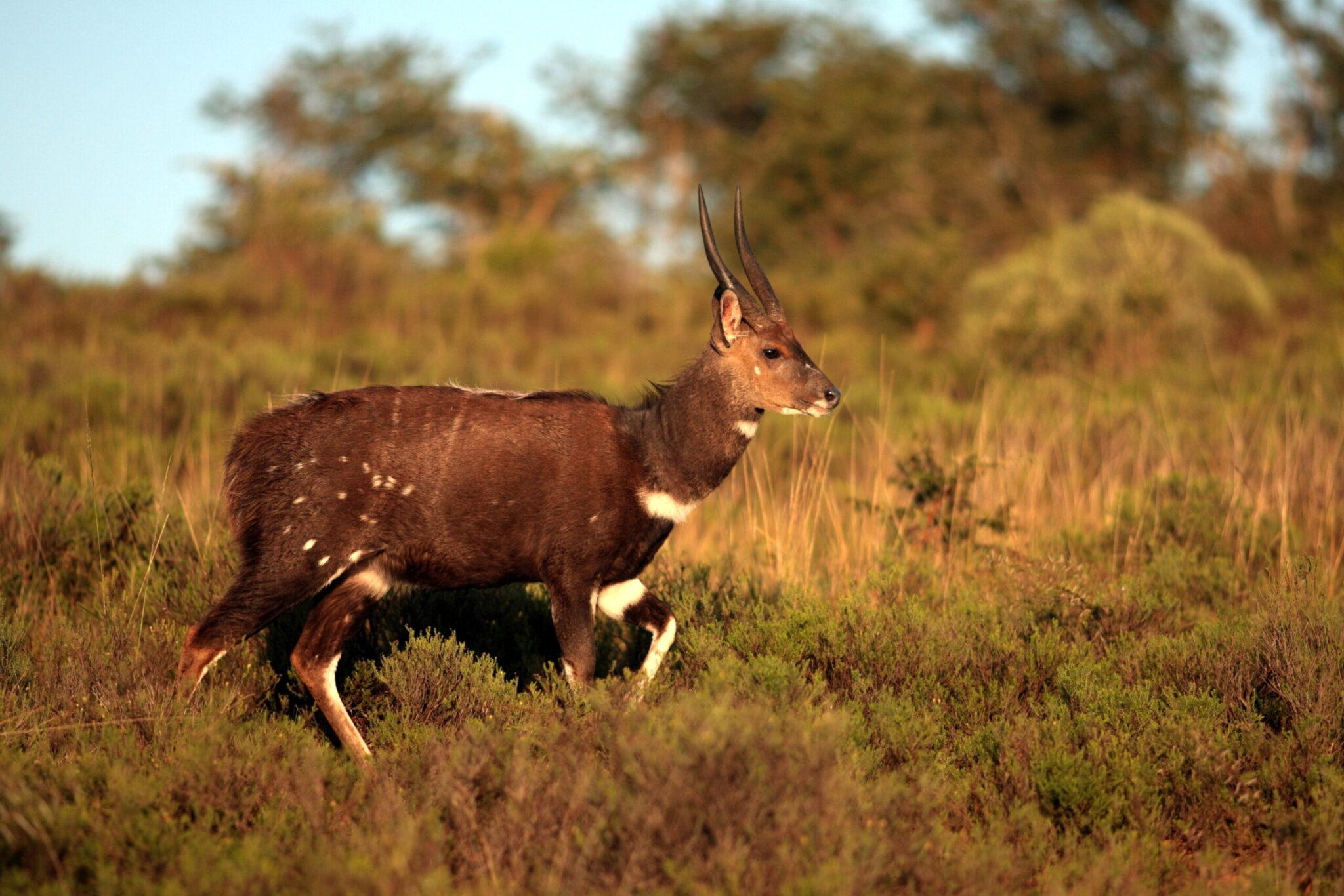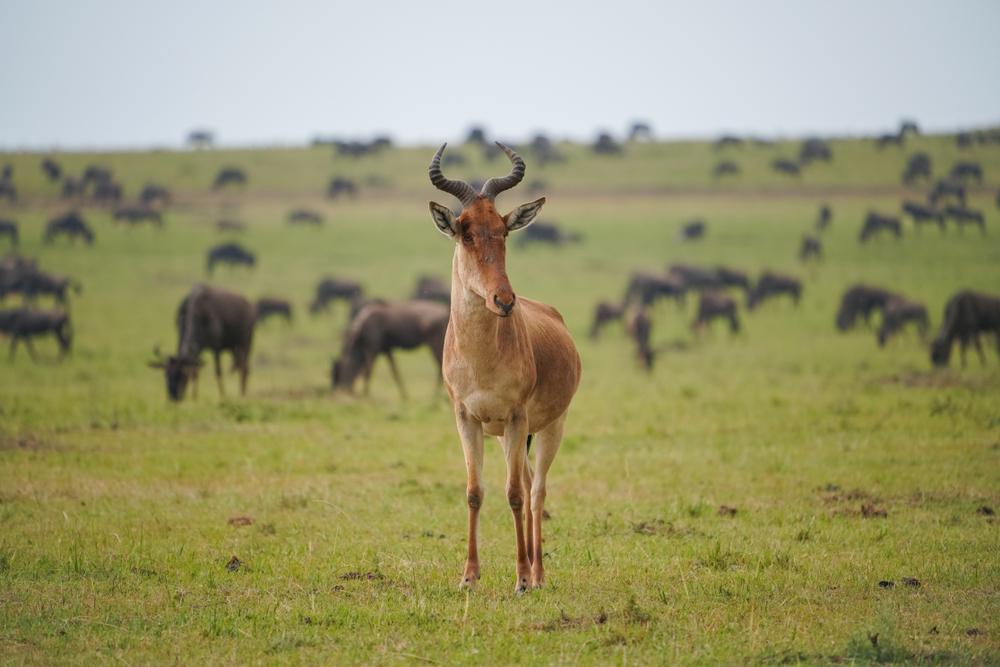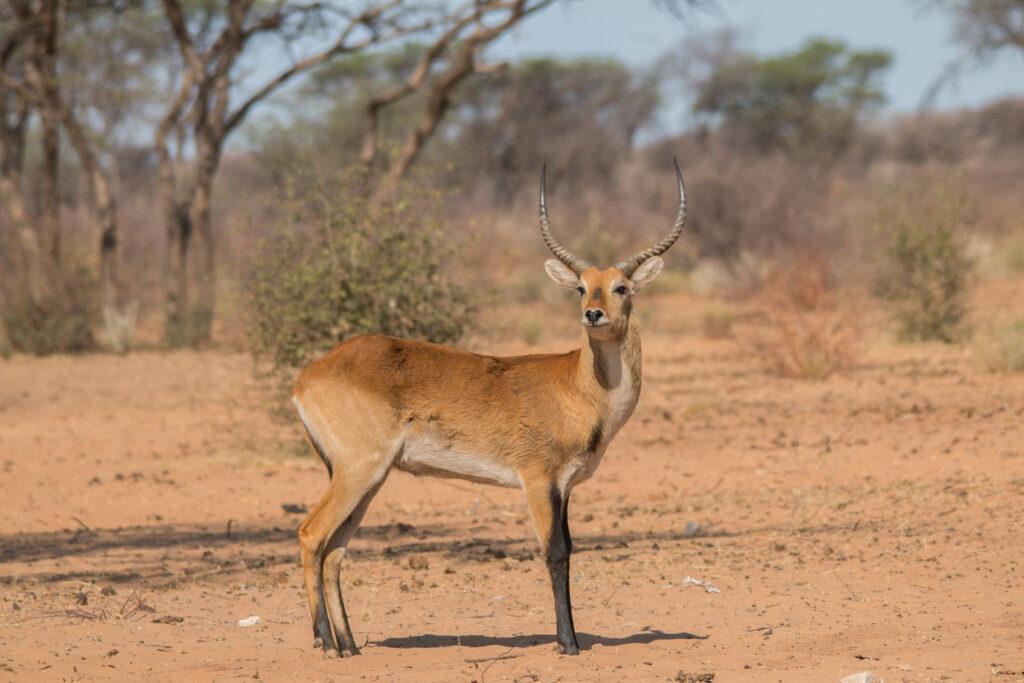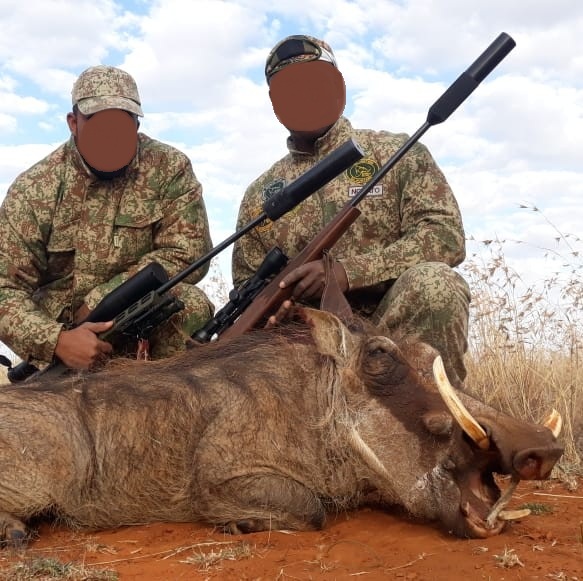
South African Plains Game Hunt: Warthog, Blesbok, Zebra & Impala
Booking Season: 2026
Hunt Difficulty: Moderate

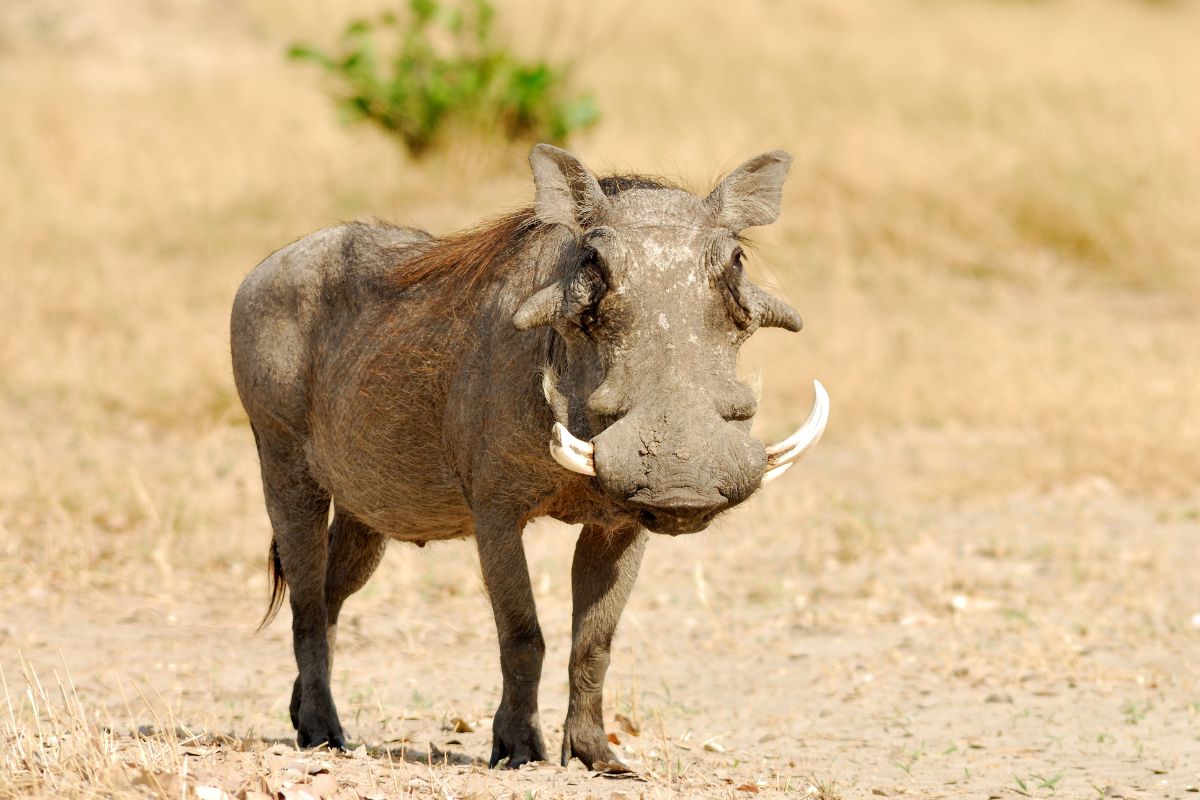
Warthog hunting safaris in Africa offer a fast-paced and often unpredictable experience, where quick reactions and accurate shot placement are essential. Found across a wide range of habitats, warthogs are commonly taken as part of broader plains game hunts but present a unique challenge of their own.
Warthogs provide prized trophies and hunting safaris for hunters seeking the thrill of an exciting hunt, with a warthog’s erratic, unpredictable, and fast-paced behavior making for a challenging safari. Their love of muddy areas, combined with dense vegetation, makes them difficult to spot and approach undetected, while males of the species can become aggressive and quite dangerous at times.
This African plains game species inhabits a wide range of habitats, including open grasslands, pans, and woodland edges. They are opportunistic feeders, also seeking out areas where livestock is fed. They thrive in local game reserves and private game ranches, where their numbers are closely monitored and managed through hunting safaris.
Warthog hunts usually form part of an African plains game hunting safari, and for those planning an African hunting safari, they are often encountered as both a primary target and a trophy of opportunity.
Available Warthog Hunts
South African Plains Game Hunt: Warthog, Blesbok, Zebra & Impala
Booking Season: 2026
Hunt Difficulty: Moderate
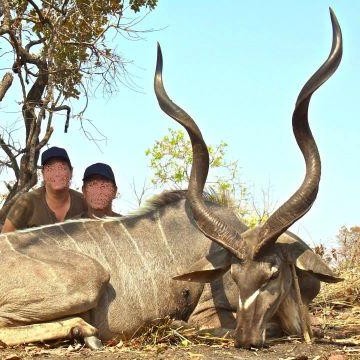
Hunting Safari in SA 10 x Nights Plains Game Combination
Booking Season: 2025
Hunt Difficulty: Difficult

Plains Game Hunting in South Africa 5 Star Luxury 4 x 2
Booking Season: 2026
Hunt Difficulty: Moderate, Difficult
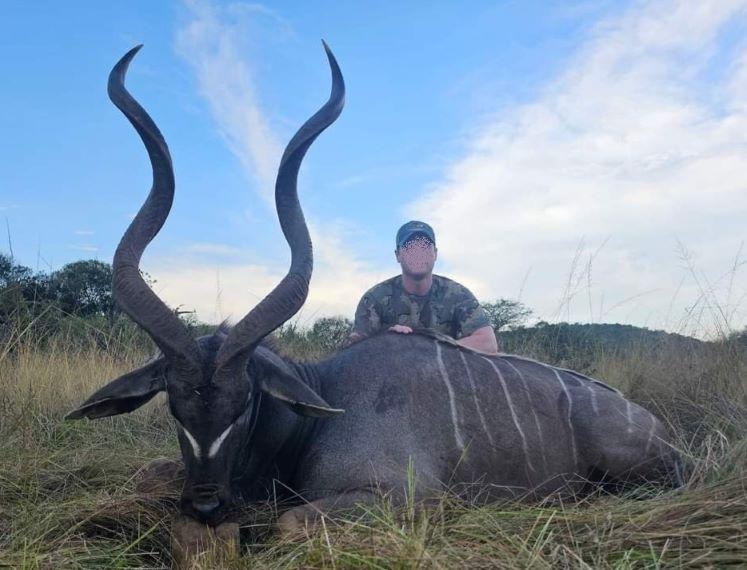
African Plains Game Safari in South Africa 6 Trophies KwaZulu Natal
Booking Season: 2026
Hunt Difficulty: Moderate
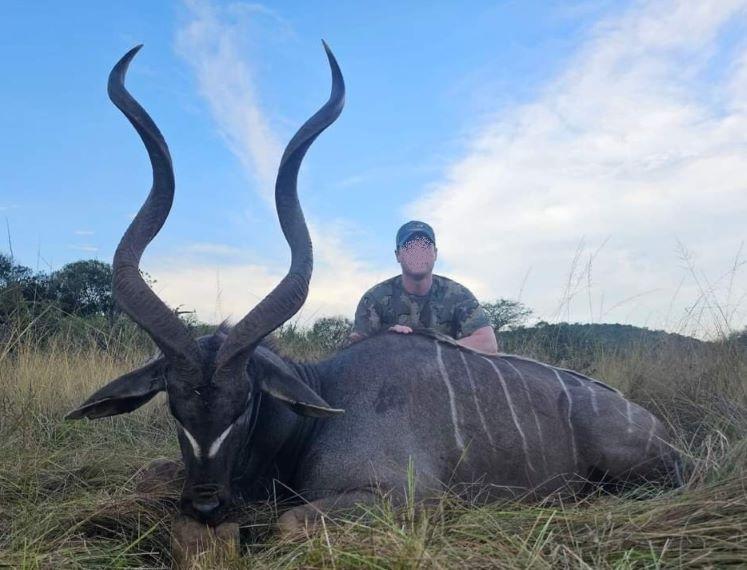
Zebra & Kudu Hunting plus 5 additional Species: 8 x Days in KZN
Booking Season: 2026
Hunt Difficulty: Moderate, Difficult

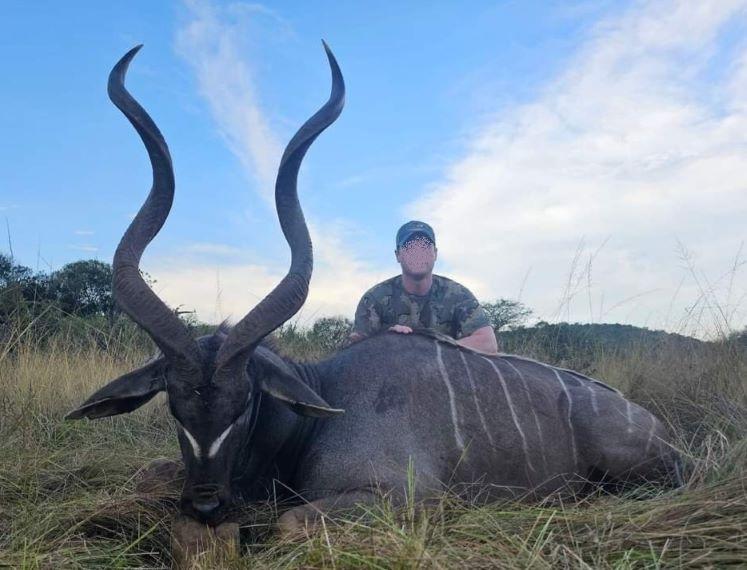
South African Plains Game Safari Trophy Nyala plus 5 Species
Booking Season: 2026
Hunt Difficulty: Moderate, Difficult
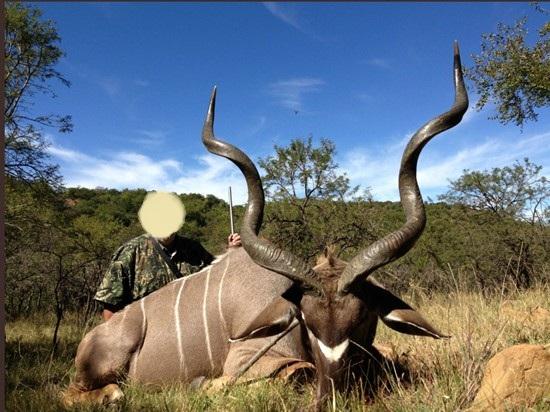
Plains Game Hunting in South Africa, Limpopo
Booking Season: 2026
Hunt Difficulty: Moderate
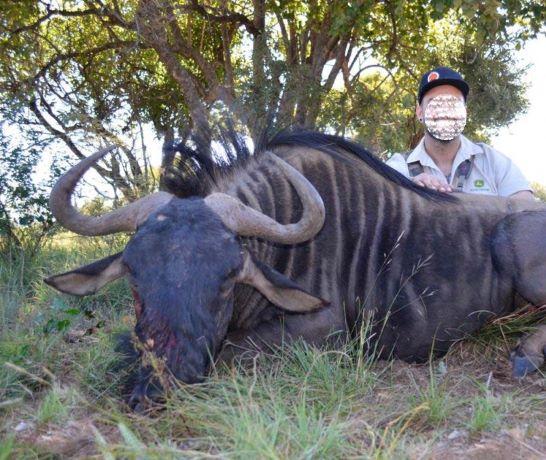
Unbelievable Plains Game Hunting in South Africa 7 Days
Booking Season: 2026
Hunt Difficulty: Moderate
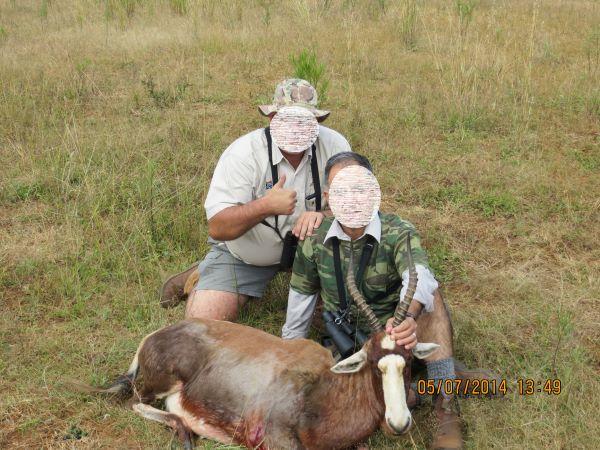
South African Plains Game Couples Hunting Trip
Booking Season: 2026
Hunt Difficulty: Moderate

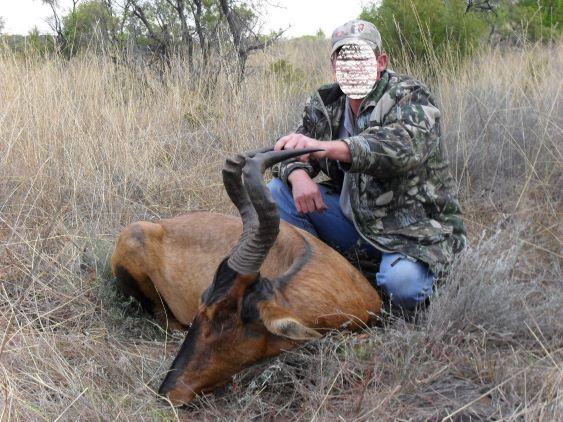
Special First Blood Hunting Safari in South Africa North West
Booking Season: 2026
Hunt Difficulty: Moderate
While South Africa is a premier destination for warthog hunts, these trophies are found throughout sub-Saharan Africa, where game hunting safaris are allowed, including Botswana, Burkina Faso, Cameroon, the Central African Republic, Chad, Ethiopia, Mozambique, Namibia, Sudan, Tanzania, Uganda, Zambia, and Zimbabwe.
Warthog hunts in South Africa are legendary, with the Limpopo, Northern Cape, KwaZulu-Natal, and Eastern Cape provinces being renowned for their exceptional trophies.
In Botswana, warthog hunts take the form of walk-and-stalk or ambush methods with blinds set near waterholes. Warthog hunting in Namibia and Zimbabwe sees this speedy species being hunted on private game reserves and ranches, while other African countries, including Tanzania, Zambia, Ethiopia, and Mozambique, offer warthog hunts in conjunction with other iconic African plains game safaris.
South Africa is open to warthog safaris throughout the year, but the best time to enjoy these exciting safaris is during the dry season, from April to August, when the vegetation is less and the warthogs are more likely to congregate around limited water sources.
In Botswana, warthog hunting is best undertaken from April to October, while warthog hunts in Namibia are also popular in the drier months, from April to August.
Tanzania’s hunting season runs from July to December, the dry season, and is the optimal time to enjoy an enthralling warthog hunt! The best time to enjoy warthog hunting in Zimbabwe and Mozambique is during the dry season, from June to September.
When one considers fast-paced, action-packed hunting safaris in Africa, warthog hunting has got to be top of the list! A warthog hunt is truly an exciting hunting adventure, offering hunters a great trophy while simultaneously testing the hunter’s resolve, reflexes, and response time! These trophies are fast, alert, and tend to disappear into the bush just as quickly as they appeared, making them a challenging yet extremely rewarding trophy!
Warthogs are seen as prized trophies, with a mature boar having strong, long, curved tusks that set them apart from smaller warthog trophies.
Warthog hunts take place throughout Southern Africa, allowing both novice and seasoned hunters the opportunity to enjoy these action-packed hunts. Warthogs are widely distributed and abundant throughout many African countries and are also often targeted for their tasty meat – nothing beats a warthog cheese griller straight off the braai (BBQ)!
A standard warthog hunting safari will usually form part of an African plains game hunt and include the basic service offerings such as accommodation, meals, drinks, professional hunter, camp staff, trackers, on-territory transport, and field preparation of the warthog trophy.
Exclusions and optional extras when Warthog hunting in Africa:
Warthogs are often seen as a secondary species on an African safari, but that reputation doesn’t hold up in the field. For many hunters, they end up being one of the most enjoyable and memorable animals taken during the hunt.
They are widely available, adaptable to different environments, and often encountered throughout plains game hunting safaris. At the same time, they are unpredictable, quick to react, and rarely stand still for long. That combination makes them more engaging to hunt than most people expect.
A good warthog hunt is not about difficulty—it comes down to timing, awareness, and taking the shot when the opportunity is there. When done right, it is one of the most rewarding and entertaining experiences in African hunting.
Most hunters don’t arrive in Africa planning their hunt around warthog—but by the end of the trip, it’s often one of the animals they talk about the most.
There’s something about hunting a pig that translates across continents. Whether it’s feral hogs in Texas or bush pigs in Africa, hunters understand the appeal. Warthogs bring that same energy into a safari setting, but with the added challenge of open terrain, visibility, and quick shot opportunities.
They’re unpredictable, they don’t follow a script, and they rarely give you a perfect setup. When it comes together, it feels earned. When it doesn’t, it sticks with you.
That’s why warthog hunting tends to stand out. It’s not always the hardest hunt—but it’s often the one you remember.
Warthogs are not classified as dangerous game, but they should not be underestimated. They carry sharp tusks and are capable of defending themselves, particularly when wounded or pressured at close range.
While serious incidents are uncommon, warthogs can react aggressively if cornered. Their first instinct is usually to run, but when they turn, they can move quickly and unpredictably.
As with all African game, the key is awareness and proper shot placement. Treating warthogs with respect, especially during follow-up situations, is part of responsible hunting.
Warthogs are not heavily built animals, but their size and movement require a balance of accuracy and sufficient power.
The .243 Winchester is generally considered the minimum, while the .270 Winchester, .308 Winchester, and .30-06 Springfield are all widely used and effective. These calibers offer enough performance for clean kills without excessive recoil, allowing for accurate shooting under field conditions.
As with most plains game, bullet placement matters more than caliber size. A well-placed shot will anchor a warthog quickly, while poor placement can lead to unnecessary tracking.
Shot placement on warthog requires attention to their anatomy and positioning. The ideal aiming point is low on the body, targeting the heart-lung area just above and slightly behind the front shoulder.
Because warthogs often move quickly or pause briefly before disappearing into cover or burrows, shot opportunities can be limited. Taking a steady, controlled shot is more important than rushing.
Frontal shots are sometimes presented but should only be taken when conditions are right and the hunter is confident in placement.
For a more detailed breakdown of angles and anatomy for smaller species, refer to our guide to shot placement for specialty game.
Warthogs can react in different ways after the shot, depending on placement and angle. A well-placed shot will often drop the animal quickly, but it is not uncommon for them to run a short distance before going down.
One factor that makes warthog hunting unique is their tendency to head for cover or burrows when pressured. If hit poorly, they can disappear quickly, which makes follow-up awareness important.
Because of this, being ready for a second shot and watching the animal carefully after the first shot is critical. Good communication with your professional hunter during this moment makes a significant difference.
Like most plains game, the outcome comes down to shot placement—but with warthogs, reaction time and awareness immediately after the shot are just as important.
Warthog hunting is generally considered accessible, especially compared to larger plains game species. However, that does not mean it is effortless.
They are small, quick, and often appear and disappear quickly. Many opportunities are short, and hesitation or rushed shots are common reasons for missed chances.
Warthogs are also frequently taken opportunistically during a broader safari, which means hunters need to be ready at all times. Success comes from staying alert and taking advantage of the moment when it presents itself.
Warthogs are often underestimated. Many hunters assume they are an easy animal, which leads to rushed shots and poor placement.
Their size makes them a smaller target than most plains game, and their movement can be unpredictable. Shooting too quickly or without a solid rest is one of the most common mistakes.
Another issue is placement. Because of their body shape and stance, it is easy to misjudge where to aim, particularly for hunters more familiar with North American game.
Approaching warthog hunting with the same focus and discipline as any other species leads to far better results.
Warthog hunts are often fast-paced and unpredictable. Unlike species that allow for long, planned stalks, warthogs are frequently encountered while moving between areas or during other hunts.
They may appear briefly, pause for a moment, and then disappear just as quickly. In many cases, hunters are given only a short window to assess the animal and take the shot.
Shots are typically taken at moderate distances, but positioning and timing are more important than range. Being prepared, staying on the sticks, and reacting calmly when the opportunity presents itself makes the difference.
This is exactly why warthog hunting stands out. It is less structured and often more spontaneous, which adds to the overall experience.
Small adjustments in how you approach the shot can make a noticeable difference when hunting warthog.
Staying ready at all times is critical, as opportunities can develop quickly and without warning. Using shooting sticks effectively and taking a moment to steady the shot helps avoid rushed mistakes.
Paying attention to wind and movement remains important, even for a species that may seem less cautious. Finally, focusing on shot placement rather than speed leads to more consistent and ethical results.
Warthogs can be hunted throughout much of the year in southern Africa. They are often most active during the early morning and late afternoon, when temperatures are cooler.
During the dry season, they tend to concentrate around water sources, which can make sightings more predictable. While opportunities exist year-round, visibility and conditions are generally better during drier periods.
They are not considered dangerous game, but they can defend themselves if wounded and should always be approached with caution.
Calibers such as .243, .270, .308, and .30-06 are all effective when paired with proper shot placement.
They are not difficult in terms of size, but their speed and unpredictable behavior can make them easy to miss if rushed.
Whether it’s finding warthog hunts, stalking, or walking and stalking at dawn, we’re here to deliver the experience of a lifetime with integrity and precision.
✉️ Contact us today to speak with an expert and plan your tailored warthog hunting adventure.
🌍 Browse our active hunting listings and secure your preferred species and dates.
There are four subspecies of the Common Warthog (Phacochoerus africanus), and their IUCN status is all listed as Least Concern (LC), as they are widely distributed and their numbers are stable:
Search from our range of Hunts across various popular destinations in Africa.

Book Your Hunt