Rhino, Cape Buffalo & Sable Hunting Safari | South Africa
Booking Season: 2026
Hunt Difficulty: Difficult

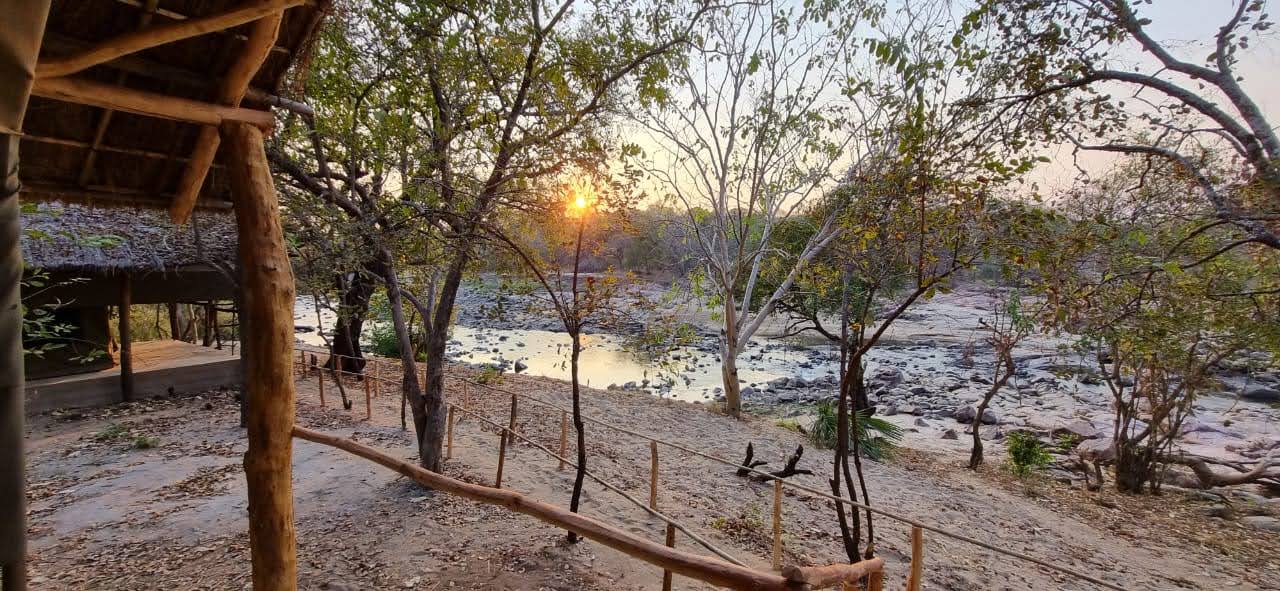
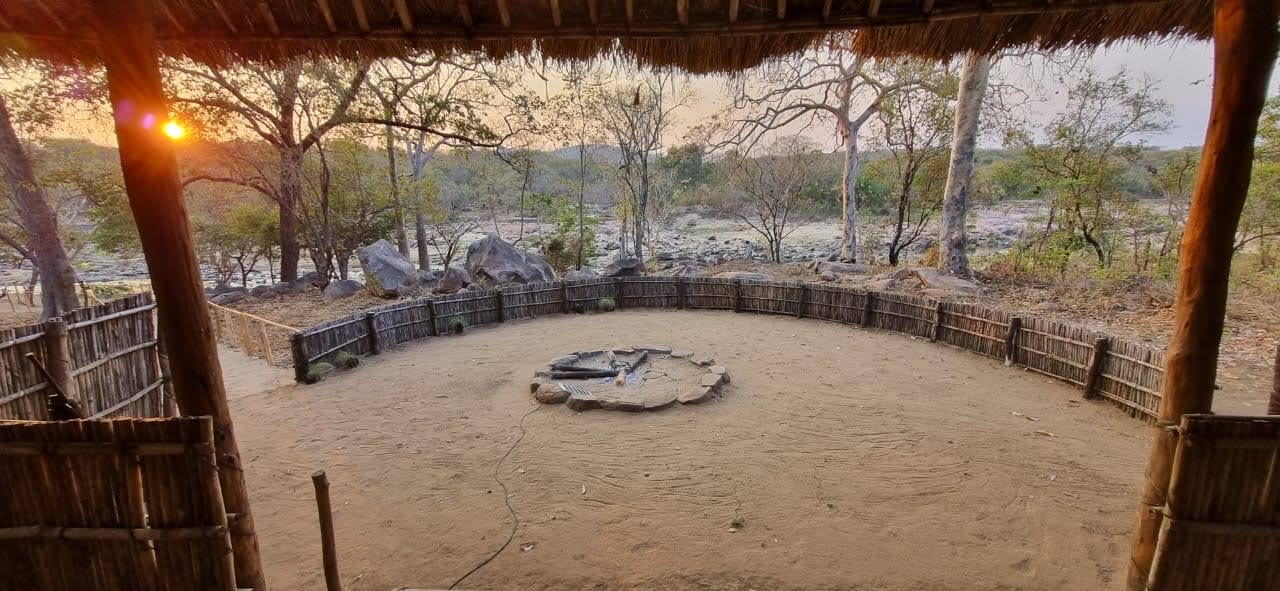
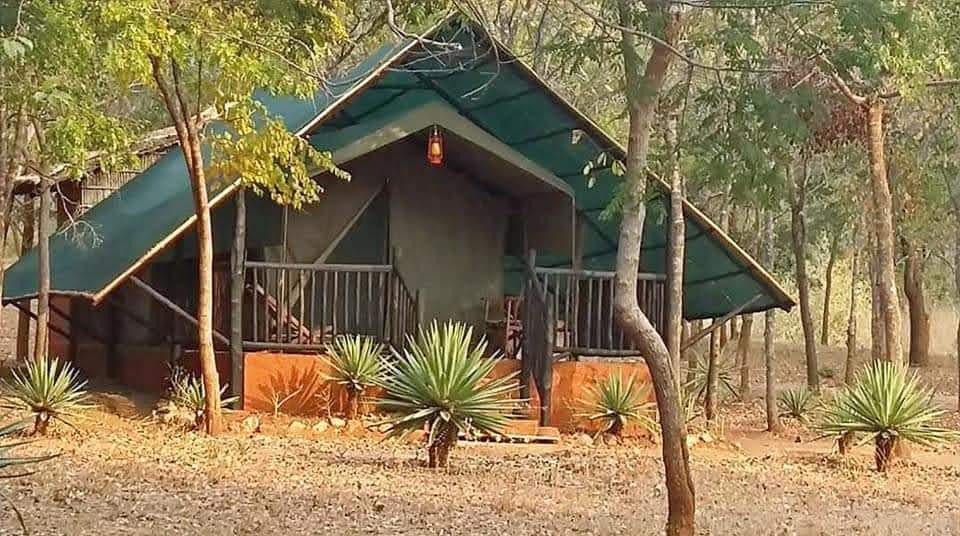
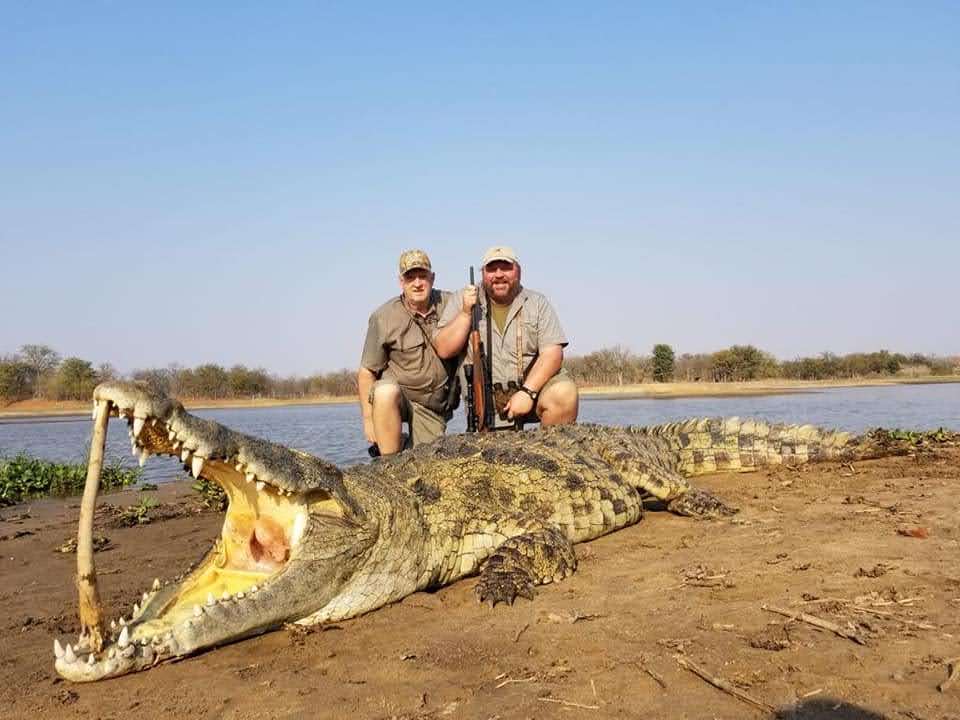
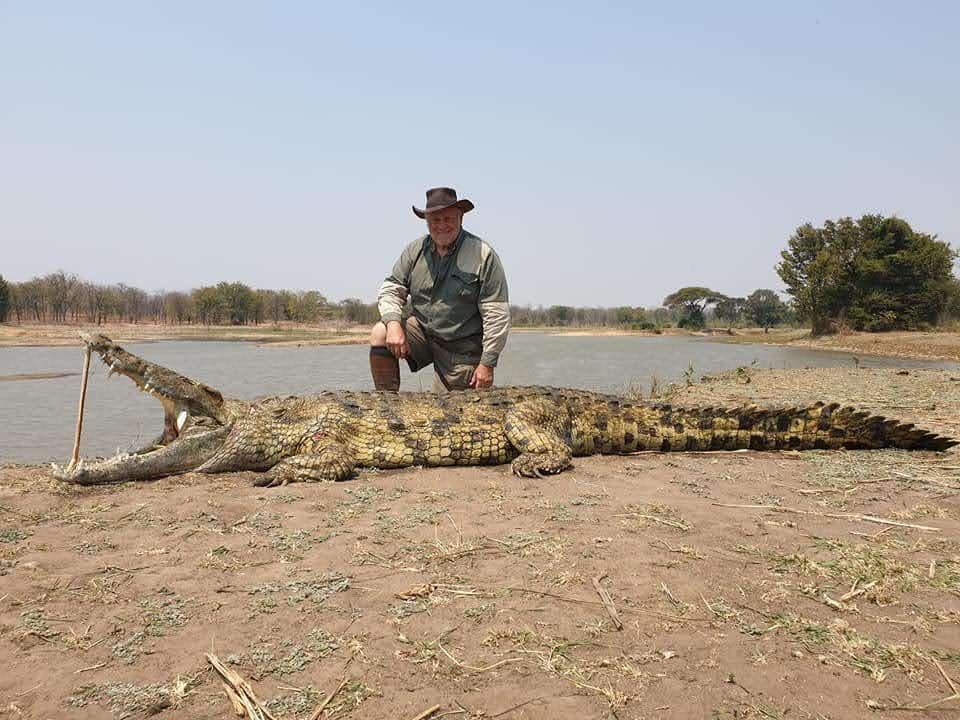
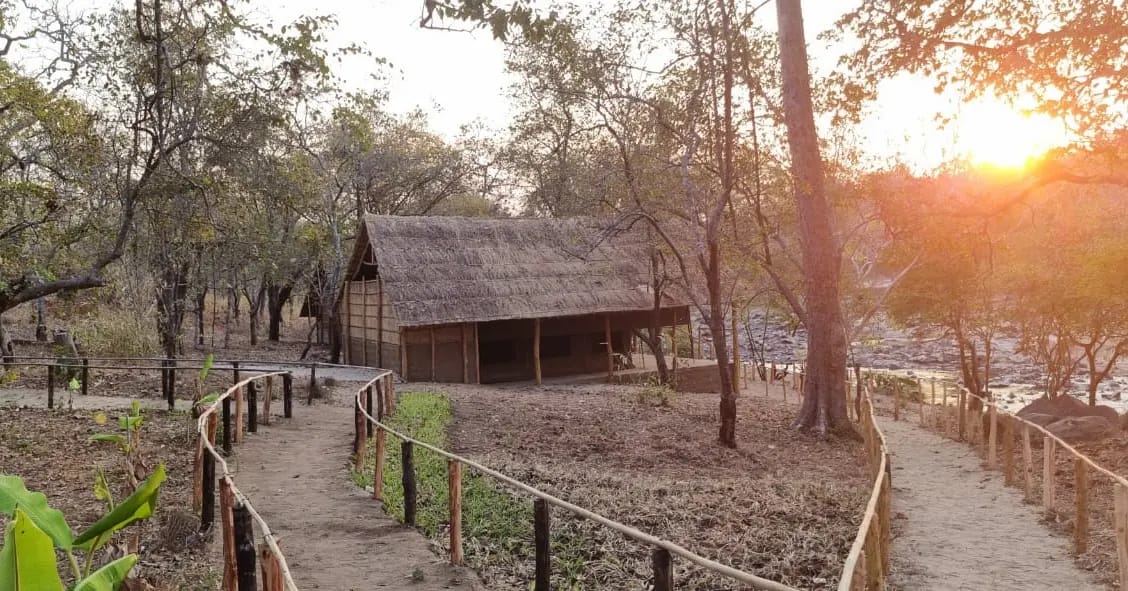
Stay in comfortable en-suite safari tents overlooking the waters of Lake Cahora Bassa, with excellent meals, hot showers and a relaxed camp atmosphere after each day on the lake. Evenings around the campfire provide the perfect opportunity to discuss the day's sightings and prepare for the next morning's hunt.
This safari is conducted across one of Africa's largest freshwater lakes, where sheltered estuaries, rocky shorelines, river mouths and secluded bays provide ideal habitat for mature Nile crocodiles. Hunting combines boat-based glassing with carefully planned stalks along the shoreline in a truly wild and free-range environment.
| Fence Type: | Free-range |
| Nearest Airport Name: | Tete International Airport |
| Transfer From Airport: | Yes |
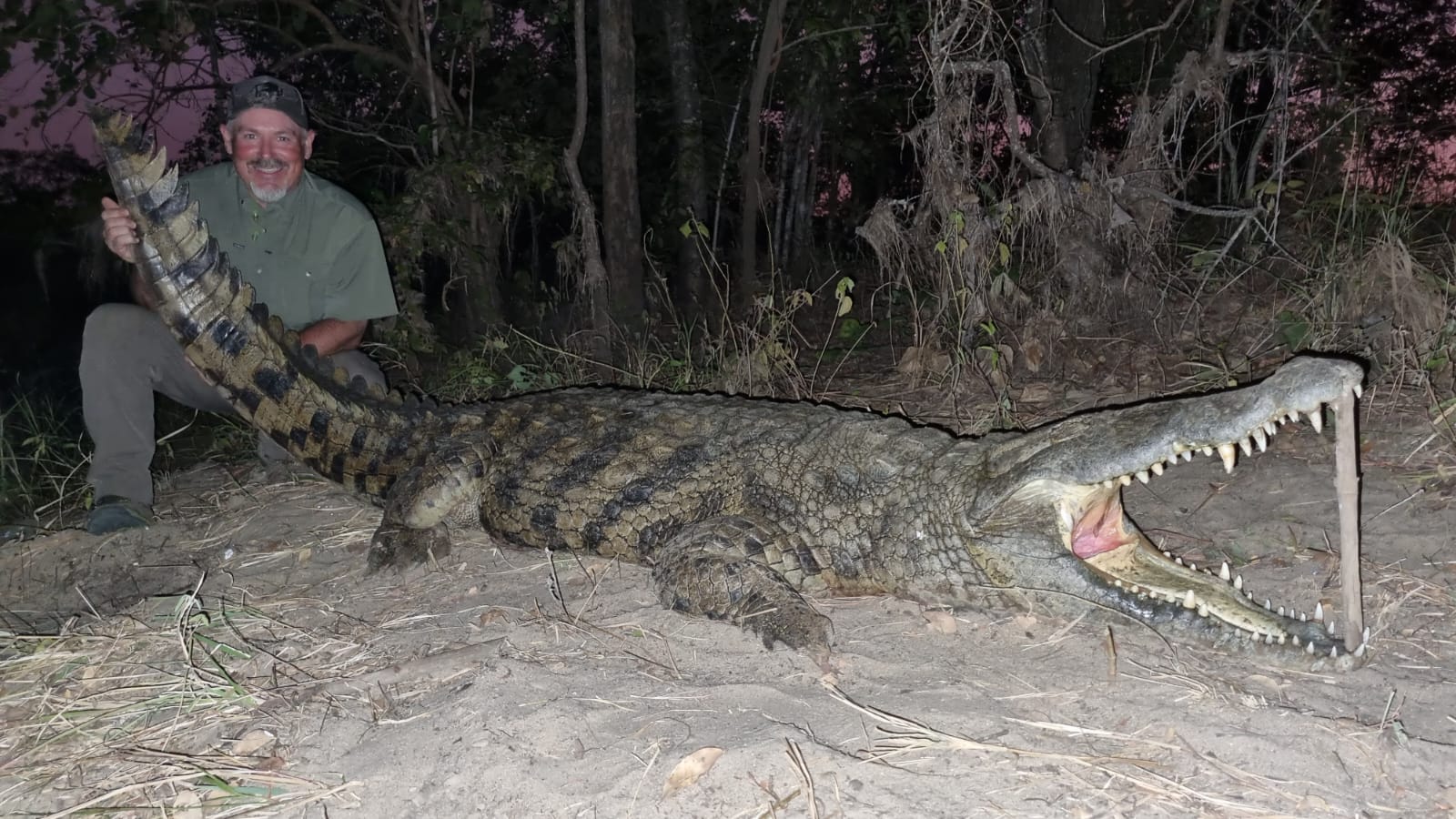
For hunters pursuing exceptional Crocodile Hunting in Mozambique, there are few names as well known as Lake Cahora Bassa. This immense body of water has earned its reputation over decades for producing large mature Nile crocodiles, many exceeding fourteen feet, while remaining one of Africa's most respected destinations for free-range crocodile safaris.
Lake Cahora Bassa is more than simply another hunting area. It is one of those rare African destinations where every shoreline, rocky point and secluded bay has the potential to hold an old territorial crocodile. Local communities have lived alongside these ancient reptiles for generations, and the lake's reputation for producing enormous "man-eaters" has become part of its history. For serious crocodile hunters, that reputation is exactly what makes Cahora Bassa so compelling.
Unlike many forms of Big Game Hunting, success on this safari is measured less by the distance walked than by patience, observation and precision. Hours may be spent studying basking crocodiles through binoculars before committing to a single stalk. One careless movement, an unexpected sound or a shifting wind can send a mature bull sliding silently beneath the surface, where the opportunity may not present itself again that day.
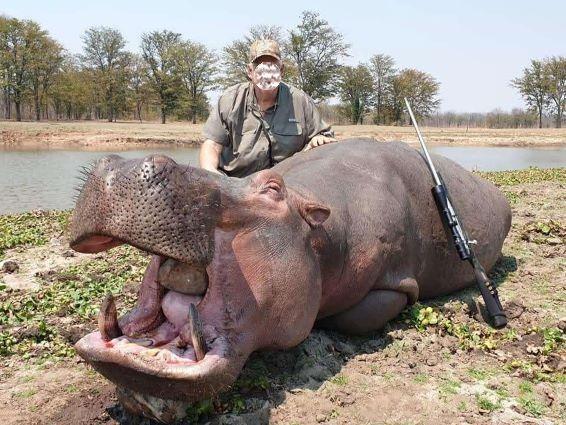
With five full hunting days, a trophy Nile crocodile included and the opportunity to combine the safari with hippopotamus or selected plains game, this hunt offers one of Southern Africa's most authentic dangerous game adventures in a destination that has become synonymous with giant crocodiles.
There are many places to hunt Nile crocodiles across Africa, but very few have earned the reputation of Lake Cahora Bassa. Covering more than 2,700 square kilometres, this immense freshwater lake provides everything mature crocodiles need to thrive, from extensive shorelines and secluded bays to rocky islands, abundant fish populations and quiet breeding areas. These conditions allow territorial males to reach exceptional age and size, making Cahora Bassa one of Southern Africa's most respected crocodile hunting destinations.
Unlike smaller rivers where suitable habitat may be limited, Lake Cahora Bassa offers hundreds of kilometres of productive shoreline. Experienced professional hunters spend considerable time searching these vast waters, carefully evaluating crocodiles before deciding which mature bull is worthy of the stalk. It is this combination of outstanding habitat, consistent trophy quality and truly free-range hunting that has made the lake famous among international hunters.
For those comparing Crocodile Hunts across Africa, Lake Cahora Bassa offers something increasingly difficult to find: a genuine wilderness hunt where success depends on patience, careful judgement and understanding the behaviour of one of Africa's oldest surviving predators rather than simply covering ground.
Lake Cahora Bassa is unlike most crocodile hunting destinations in Africa. Its sheer size creates conditions that often resemble an inland sea rather than a traditional lake. During calm mornings the water may be mirror smooth, but by afternoon strong winds can build surprisingly large swells, which is why experienced outfitters rely on deep-V ski boats capable of handling the changing conditions safely while covering vast stretches of water.
That size is one of Cahora Bassa's greatest advantages. While mature Nile crocodiles may occasionally cross the open lake, particularly during the breeding season, most old territorial bulls spend their lives in the quieter inlets, sheltered estuaries, river mouths and protected bays where food is plentiful and disturbance is minimal. These secluded areas provide ideal habitat, allowing experienced professional hunters to systematically search for and evaluate mature crocodiles before deciding which bull is worthy of the stalk.
Fish eagles patrol overhead, pods of hippopotamus occupy sheltered bays and elephant, buffalo and numerous plains game species regularly visit the shoreline to drink, reminding hunters that Lake Cahora Bassa is a complete wilderness ecosystem where every day on the water can reveal something new.
Finding a mature Nile crocodile is only the beginning. One of the greatest challenges is accurately judging the trophy before the stalk even begins. Unlike most plains or dangerous game animals, a large crocodile rarely presents its entire body. While the head, back and part of the tail may be visible as it basks along the shoreline, much of its length often remains hidden beneath the water, making experience and careful observation essential.
Professional hunters study far more than overall length. An old territorial bull often carries the scars of decades spent defending its stretch of shoreline against rival males. Missing toes, damaged tail tips, broken teeth and heavily scarred hides are common, while the broad, block-shaped head and thick neck usually reveal a mature crocodile long before its full size can be appreciated.
Patience plays an important role during this stage of the hunt. Several crocodiles may be passed before committing to a stalk, allowing the hunting team to compare different bulls and wait for one that represents the quality trophy they have travelled to Lake Cahora Bassa to pursue. It is this careful approach that has helped establish Hunting in Mozambique as one of Africa's premier free-range safari destinations, where hunters still have the opportunity to pursue truly mature trophies in vast wilderness areas. Like all great dangerous game hunting, success is often determined long before the rifle is ever raised.
Few dangerous game hunts place more pressure on a hunter than a Nile crocodile. Unlike buffalo or plains game, a well-hit crocodile may still disappear beneath the surface within seconds if it is not anchored immediately. Even when the shot is ultimately fatal, recovering the trophy can become extremely difficult once it sinks into deep water or dense reed beds.
For this reason, precise shot placement is critical. The primary shot is directed at the brain whenever conditions allow, with an immediate follow-up shot into the spine to anchor the crocodile before it can reach the water. Professional hunters work closely with their clients to ensure the crocodile is correctly positioned before the shot is taken, as patience often proves more valuable than rushing an opportunity.
Hunters preparing for this safari are strongly encouraged to study our Crocodile Shot Placement guide before arriving in Mozambique. Understanding the anatomy of a Nile crocodile and knowing exactly where to place the first shot can make the difference between a successful recovery and watching a once-in-a-lifetime trophy disappear beneath the surface.
International hunters fly into Tete International Airport, where they are met by the outfitting team before transferring to the lodge overlooking Lake Cahora Bassa. Depending on arrival times, hunters will often spend the first evening settling into camp, checking rifles and discussing the hunting plan before heading onto the lake at first light the following morning.
Days on Lake Cahora Bassa begin early, when calm water and favourable light provide the best conditions for locating mature crocodiles along the shoreline. Weather plays an important role throughout the safari, as the lake can change rapidly. Calm mornings may give way to strong afternoon winds and sizeable swells, making flexibility an important part of every hunting day. Experienced professional hunters plan each outing around the prevailing conditions to maximise both safety and hunting success.
Accommodation is provided in comfortable en-suite safari tents overlooking the lake, offering hot showers, reliable electricity and excellent meals after long days on the water. Evenings are spent around the campfire discussing the day's sightings and planning the next morning's hunt, while the sounds of hippos and the occasional fish eagle provide a reminder that you are hunting one of Africa's last great wilderness lakes.
Not every dangerous game hunter dreams of tracking buffalo through thick bushveld or following elephant spoor for days on end. Some are drawn to a different challenge, one that demands patience over distance, precision over speed and the discipline to wait for a single perfect opportunity. If that sounds familiar, Lake Cahora Bassa deserves a place high on your hunting list.
This safari is designed for hunters who appreciate wild places and understand that pursuing a mature Nile crocodile is unlike any other African hunt. Long hours on the water, carefully judging old territorial bulls and knowing that a single well-placed shot can determine the outcome of the entire safari all combine to create one of Africa's most specialised dangerous game pursuits.
Whether this becomes your first crocodile safari or another chapter in a lifetime of Dangerous Game Hunting, Lake Cahora Bassa remains one of the continent's legendary destinations for hunters seeking mature trophies in a truly wild setting. If you are still comparing destinations and species before booking your next safari, explore our collection of professionally guided Hunting Trips across Africa to find the adventure that best matches your goals.
Lake Cahora Bassa has built its reputation by consistently producing mature Nile crocodiles, with trophies of fourteen feet and larger taken regularly. Rather than shooting the first crocodile encountered, professional hunters carefully evaluate several mature bulls before deciding which trophy is worth pursuing.
Unlike most African game animals, a poorly placed shot on a crocodile can result in the trophy disappearing beneath the surface before it can be recovered. Accurate brain and spinal shot placement are essential, which is why hunters should understand crocodile anatomy before arriving in camp.
Yes. Lake Cahora Bassa is one of Southern Africa's premier destinations for combining Nile crocodile and hippopotamus hunting. Both species inhabit the same waterways, making it possible to pursue two iconic Dangerous Seven animals during a single safari without changing hunting areas.
The dry season, generally from May through October, offers the most favourable hunting conditions. Lower water levels, comfortable daytime temperatures and predictable weather patterns often make mature crocodiles easier to locate as they spend more time basking along the shoreline.
Please note that terms, conditions and price are subject to change without notice and rates at the time of the hunt will apply
You can speak directly with the outfitter before booking. GHS remains available throughout the process.
Needing assistance with firearm permits and international travel services, or good taxidermists? View our affiliated companies
View Affiliated Services